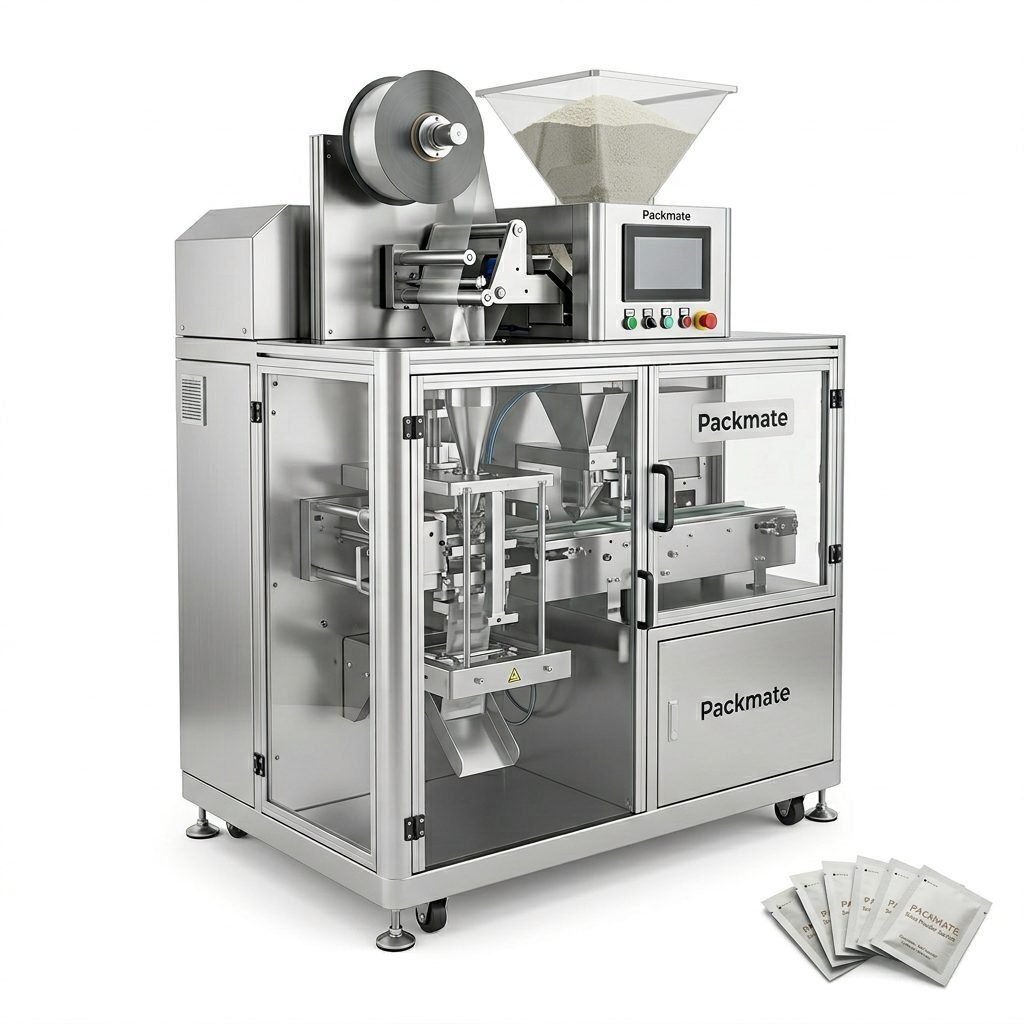
Choosing the right snus packaging machinery for a Chilean production line is a strategic decision that affects product quality, regulatory compliance, and long-term profitability. This guide walks Chilean manufacturers and entrepreneurs through practical considerations—from local market habits and customs to technical specifications, supplier evaluation, and real-world installation tips—helping you select machines that match your production goals and cultural expectations.
Understand Chilean Market and Consumer Habits
Chilean consumers value convenience, discreet packaging, and quality. Snus and nicotine pouches are often consumed on the go, so packaging that preserves freshness and allows easy, discreet access is preferred. In Chile, consider sustainability trends: recyclable or lightweight materials can appeal to urban buyers in Santiago and other major cities. Local import rules and labeling regulations also influence packaging choices—labels in Spanish and clear ingredient information are standard expectations.
Why cultural fit matters
Packaging design and format influence retail placement and consumer acceptance. For Chile, options such as small portion pouches and discreet sachets are popular. When you choose machinery, prioritize flexibility so you can test different formats and sizes aligned with Chilean preferences and retail regulations.
Key Technical Factors When Choosing Snus Packaging Machinery
🔧
Production capacity — Match machine output (pouches per minute) to demand. Small startups may need 30–200 pouches/min, while established brands targeting large retail chains in Chile might require high-speed multi-lane systems exceeding 500 pouches/min.
⚙️
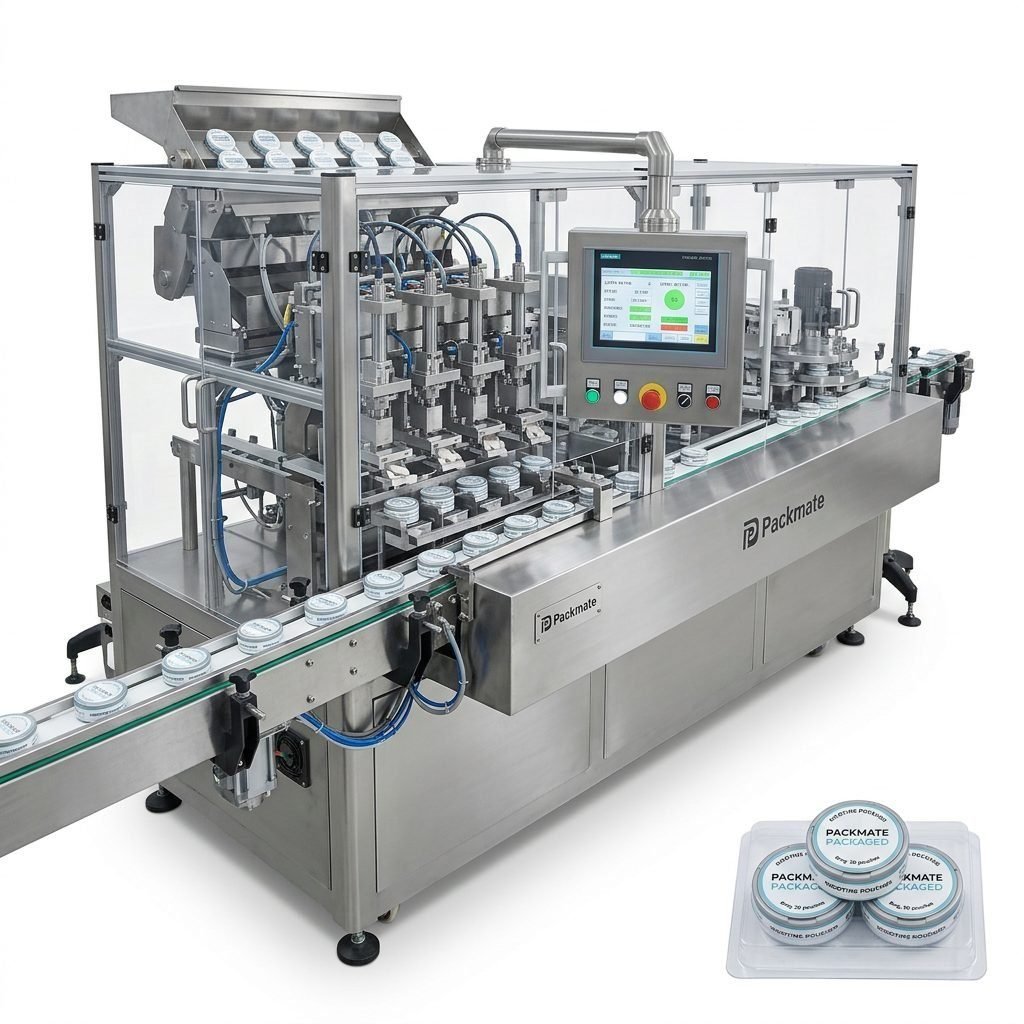
Pouch types and formats — Ensure compatibility with portion pouches, sachets, stick packs, and sealed tin formats. Machines that allow quick format changeover reduce downtime and support product testing in Chilean retail environments.
🧼
Hygiene and material handling — Food-grade contact parts, easy-to-clean surfaces, and dust control are essential when packaging organic or tobacco-derived products. Chilean inspectors and retailers expect strict hygiene to protect brand reputation.
🔌
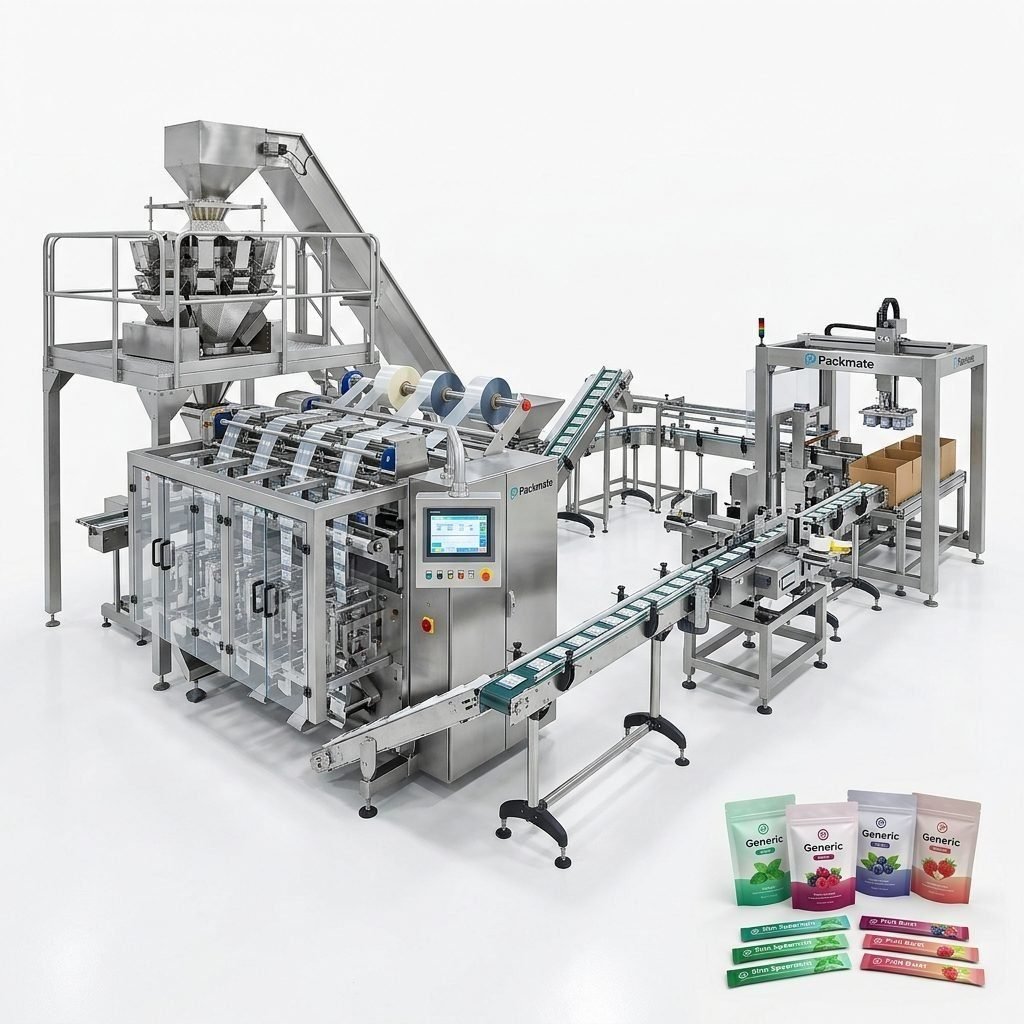
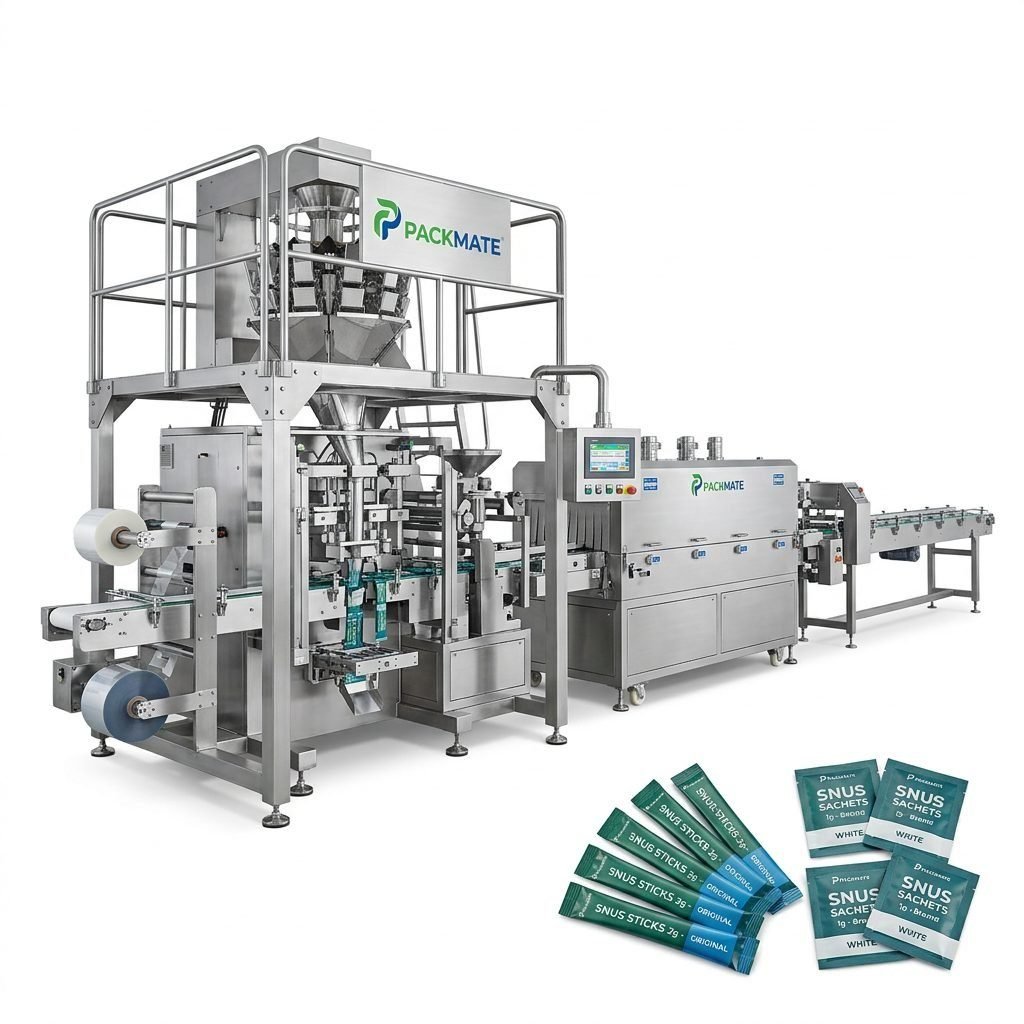
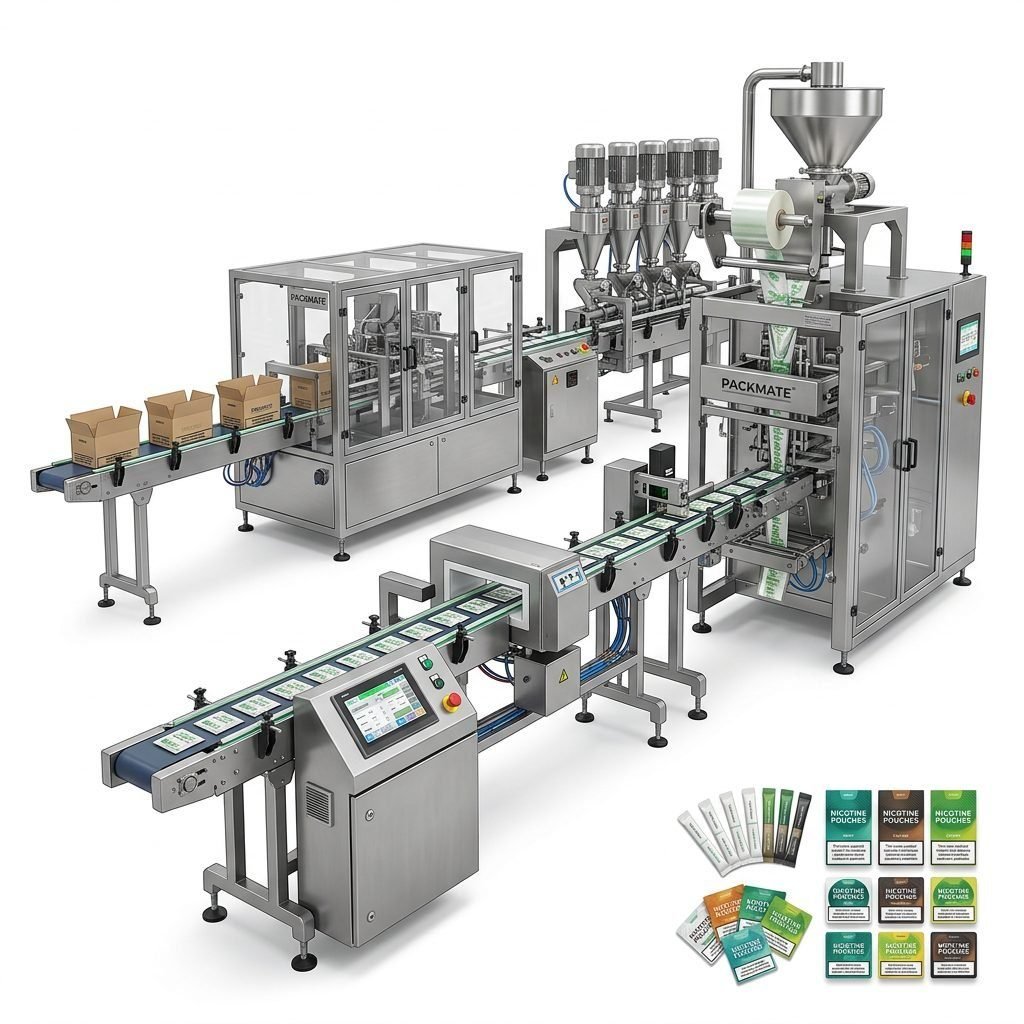
Automation and integration — Look for PLC control, HMI touchscreens, easy recipe memory, and ability to integrate with weighing, metal detection, and secondary packaging. For turnkey lines, explore combined solutions like the ones shown in Packmate’s filling and packaging lines.
Certifications & compliance
International certificates such as CE and ISO help assure safety and reliability. For import into Chile, verify documentation and electrical standards. A supplier with documented testing and validation reduces customs delays and local certification hassles.
Types of Snus Packaging Machines and When to Use Them
1️⃣
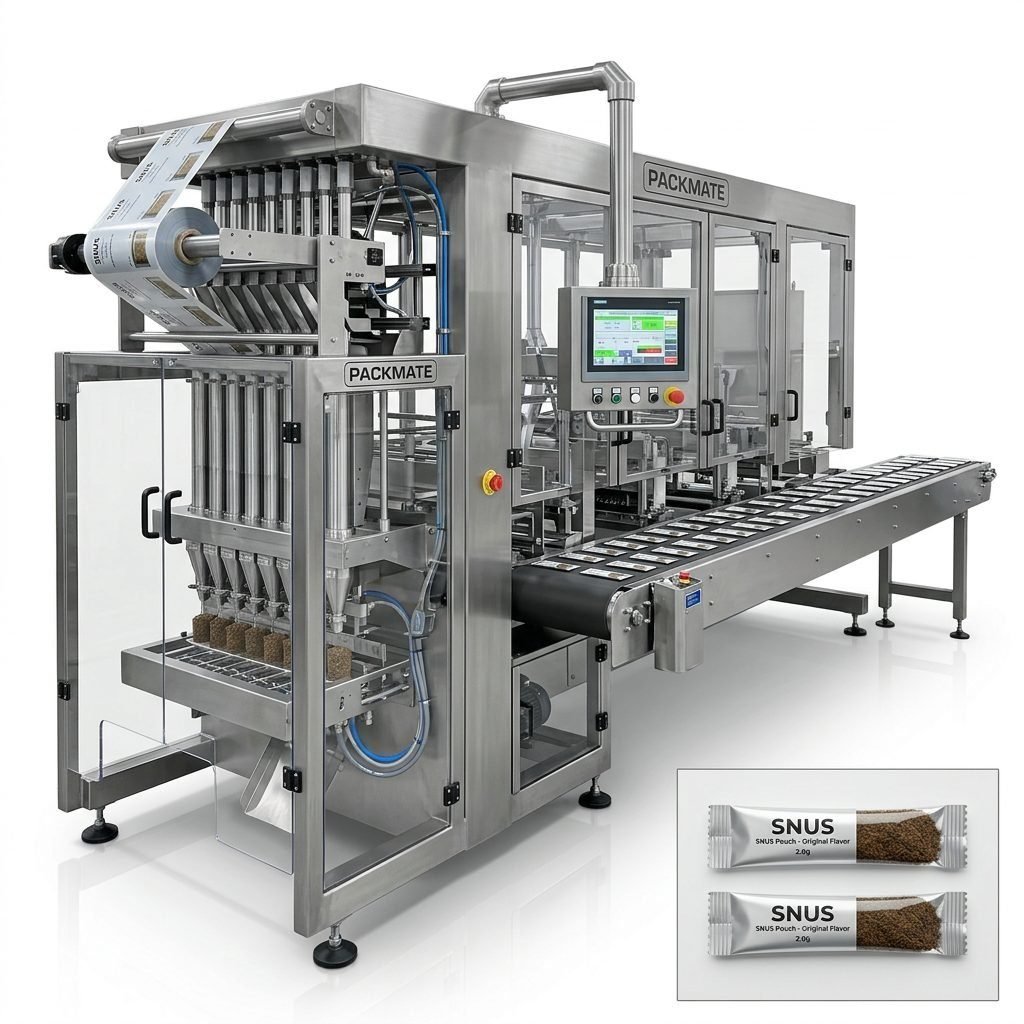
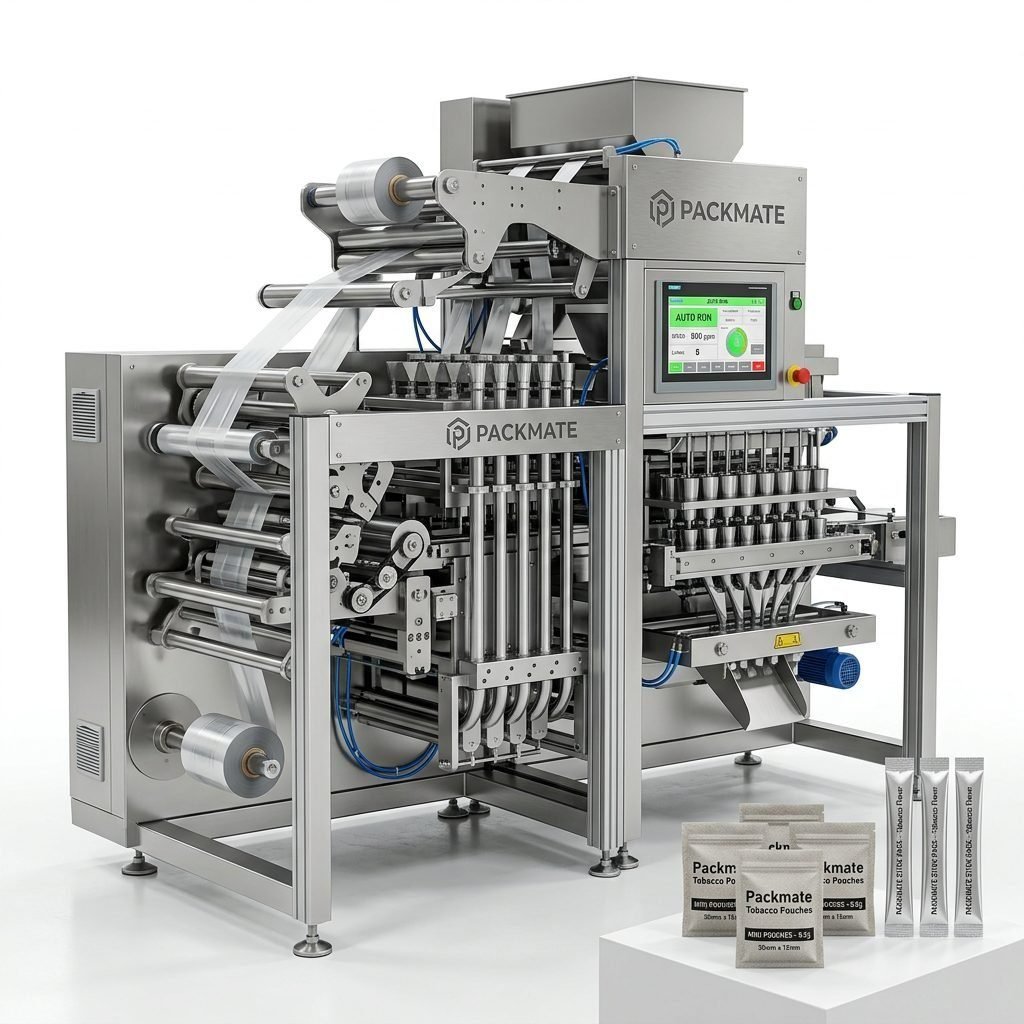
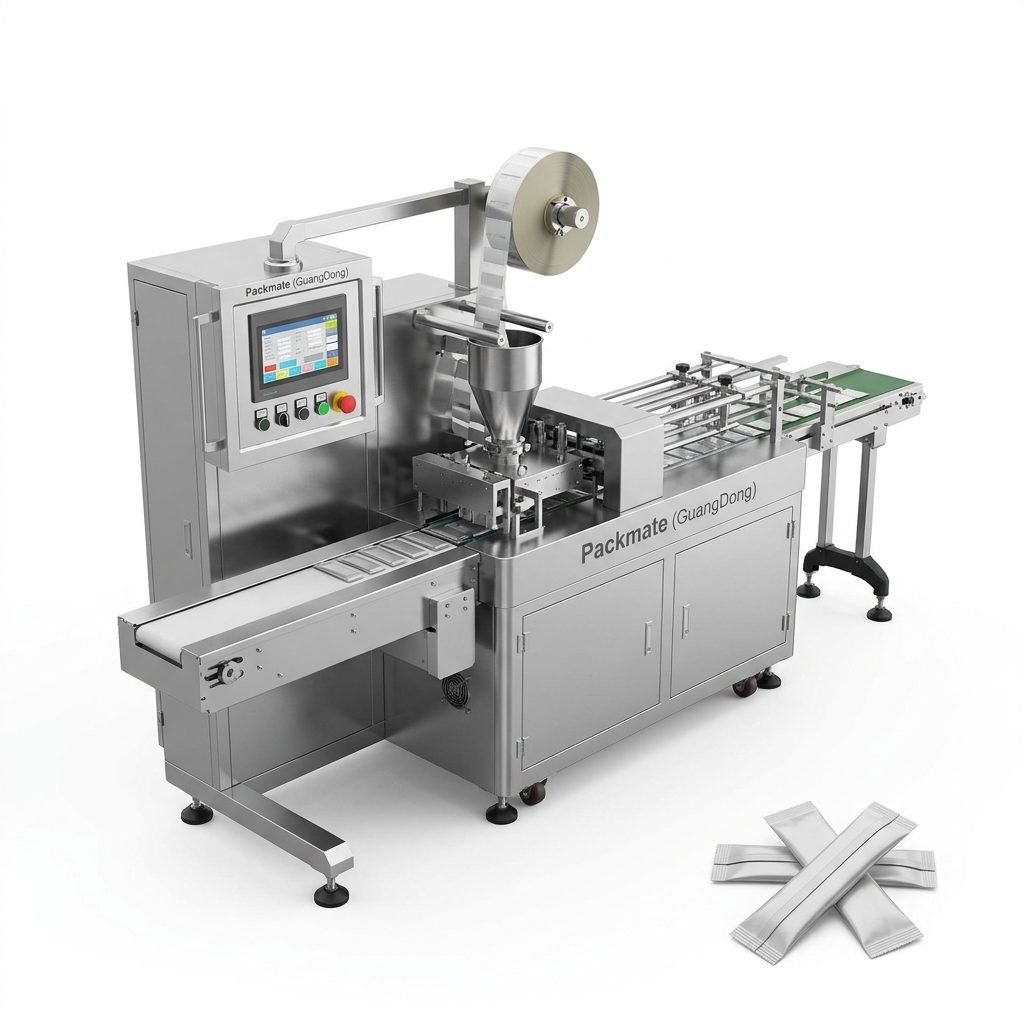
Stick pack machines — Ideal for single-portion sachets and promotional samples. Compact, cost-effective, and perfect for trial launches in localized Chilean markets.
2️⃣
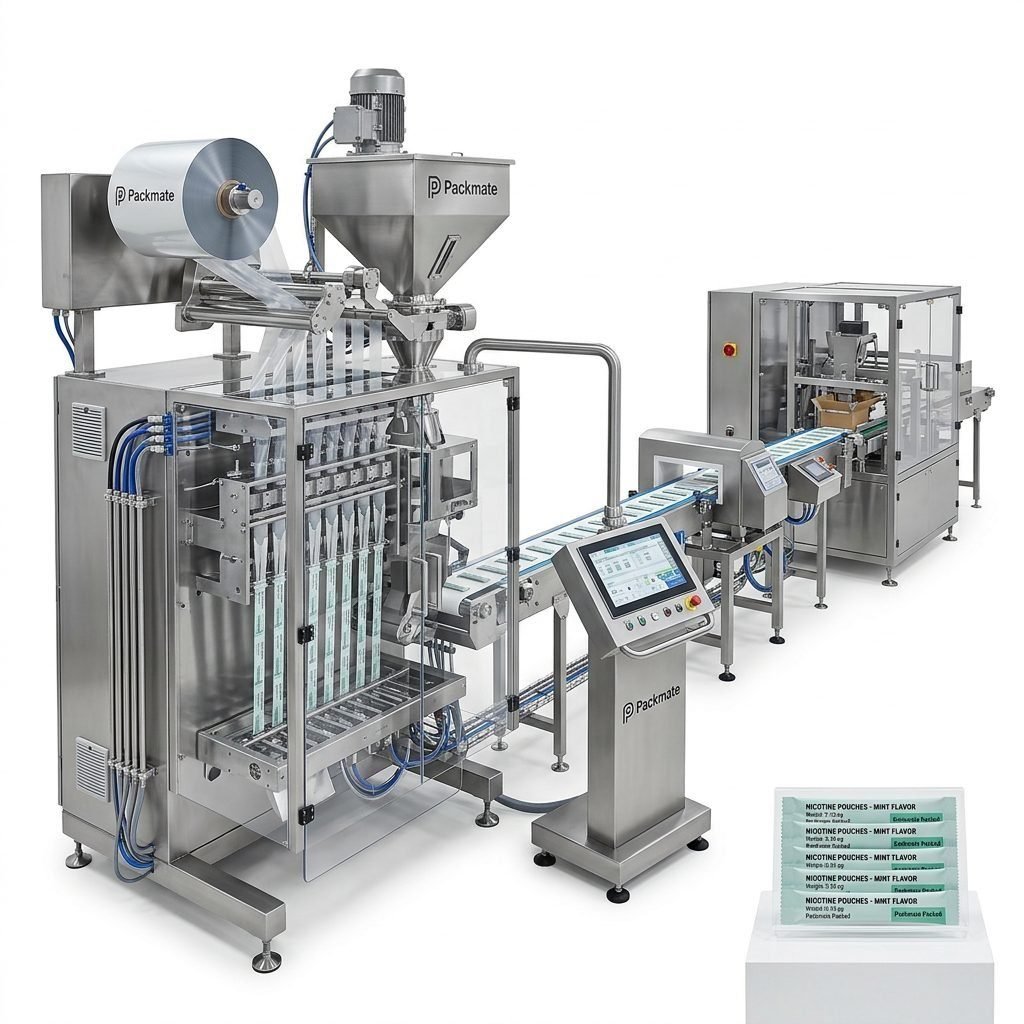
Multi-lane pouch machines — Best for high-volume brands. They boost throughput without expanding footprint—valuable for Chilean factories where space is at a premium.
3️⃣
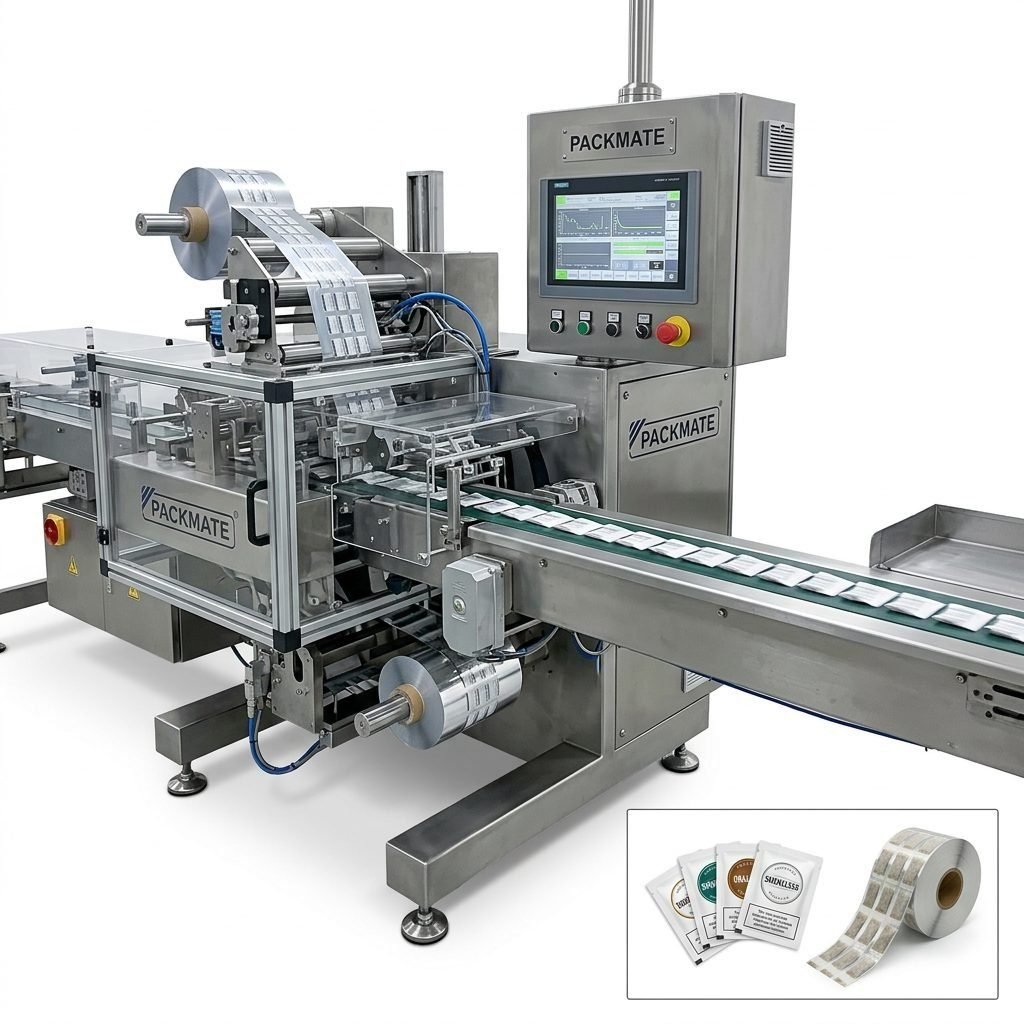
Sachet & sachet-filling systems — Provide portion control for nicotine pouches; suitable for controlled-dosage products that require precise weighers and integrated sealing.
4️⃣
Auxiliary equipment — Feeding systems, checkweighers, metal detectors, and cartoning machines complete the line and ensure shelf-ready packaging for Chilean retailers.
Evaluating Suppliers: What to Inspect Beyond Price
A low price can hide long-term costs. Inspect supplier factory capabilities, spare part inventory, and case studies demonstrating installations in similar environments. For a trusted source of machine examples and turnkey packaging lines, review Packmate’s product range and service offerings.
✅
Factory & production strength — A supplier with advanced CNC machining centers and a large manufacturing footprint minimizes lead times and supports customization.
📁
Case studies and references — Ask for installation examples and contactable references. Packmate publishes global cooperation cases that illustrate real-world performance.
🧾
After-sales service and training — Local language training and responsive spare-parts logistics are priceless. Confirm remote support options and availability of technical documentation in Spanish.
Customizations and Turnkey Solutions
If your Chilean operation plans multiple SKUs, choose suppliers offering modular machines and turnkey lines. Customizable infeed systems, multi-lane modules, and PLC recipe management enable rapid changeovers. Packmate offers integrated filling and packaging solutions that combine weighing, pouch forming, filling, sealing, and secondary packaging into cohesive lines.
🔗
Examples and product references:
Snus & Nicotine Packaging Machines,
Bag & Pouch Packaging Machines,
and full Filling & Packaging Lines.
Cost, ROI and Operational Considerations
Investing in snus packaging machinery should be evaluated on total cost of ownership (TCO), not just initial price. Consider energy consumption, spare parts pricing, operator training time, and expected uptime. A machine that boosts yield and reduces waste can deliver payback in months for fast-moving Chilean SKUs.
📊
Calculate realistic ROI — Use conservative estimates for run rates, material costs, and potential downtime. Include local logistic costs for importing machines into Chile.
Installation & Commissioning Tips for Chilean Factories
Plan for customs clearance and local electrical standards. Schedule on-site commissioning with supplier engineers and ensure translated manuals and training for local staff. Align installation with peak production planning to avoid unnecessary downtime.
🛠️
Spare parts strategy — Maintain a minimum stock of wear parts (sealing jaws, belts, bearings) to reduce stoppage time for Chile operations, where overnight shipments may not always be feasible.
Maintenance, Training and Local Support
Regular preventive maintenance keeps speeds consistent and seals reliable. Contractors in Chile appreciate suppliers who provide remote diagnostics and scheduled training sessions for maintenance teams. Confirm warranty terms and SLA response times in advance.
Common maintenance items
🔁
Replace sealing elements, check vacuum pumps, inspect sensor alignment, and keep electrical cabinets dust-free to reduce false trips and maintain consistent pouch quality.
Avoid These Common Pitfalls
Do not underestimate integration needs: a high-speed pouch machine without a matching feeding or cartoning line will create bottlenecks. Avoid suppliers that deliver incomplete documentation or limited language support. Finally, ensure compliance with Chilean labeling laws before mass production.
⚠️
Pitfall to watch: Ignoring downstream packaging—secondary packaging and retail-ready formats can be costly to retrofit later.
Selection Checklist (Quick Reference)
📌
Production target: required pouches/minute and annual throughput.
📌
Format flexibility: number of SKUs and ease of changeover.
📌
Supplier reliability: factory visit, references, certifications (CE/ISO).
📌
Support & training: on-site commissioning, Spanish manuals, spare parts supply.
Why Consider Packmate for Chile?
Packmate Snus Machine brings decades of engineering experience and a wide product portfolio tailored for nicotine pouch and snus production. With advanced CNC manufacturing, full turnkey solutions, and global case studies, Packmate supports Chilean partners from pilot runs to high-volume operations. Explore product lines and customer cases for detailed examples.
Learn more about Packmate services and examples:
Case,
About Packmate,
or Contact Us for inquiries and tailored quotations.
Final Recommendations
Start with a clear forecast of SKUs and volume, prioritize flexibility and hygiene, and insist on supplier transparency for commissioning and spare parts. For Chilean operations, local language support and knowledge of import processes will save time and reduce risk. A well-chosen machine becomes a long-term asset—invest time in selecting a reliable partner who delivers training, documentation, and responsive service.
Frequently Asked Questions
Q1: How quickly can I get a snus packaging line installed in Chile?
Installation time varies by complexity. A compact stand-alone pouch machine can be commissioned in a few days, while a multi-lane turnkey line with auxiliary equipment may take several weeks for installation and validation. Plan for customs and on-site training.
Q2: Are these machines compliant with Chilean regulations?
Manufacturers with CE and ISO certifications provide a strong baseline. You must verify labeling and ingredient declaration requirements in Chile and coordinate any local testing or approvals if required.
Q3: What after-sales support should I expect?
Expect supplier-provided commissioning, operator training, spare parts lists, remote diagnostics, and warranty terms. Prioritize suppliers who offer Spanish documentation and timely part shipments to Chile.
Q4: Can machines handle multiple pouch sizes and recipes?
Modern machines support multiple recipes and quick changeovers. If you plan frequent SKU changes, request demonstrations of format change time and recipe memory functions before purchase.
Q5: Where can I see examples of installed lines?
Review published case studies and exhibition appearances. See Packmate’s customer cases and exhibition history for live demonstrations and real-world examples.