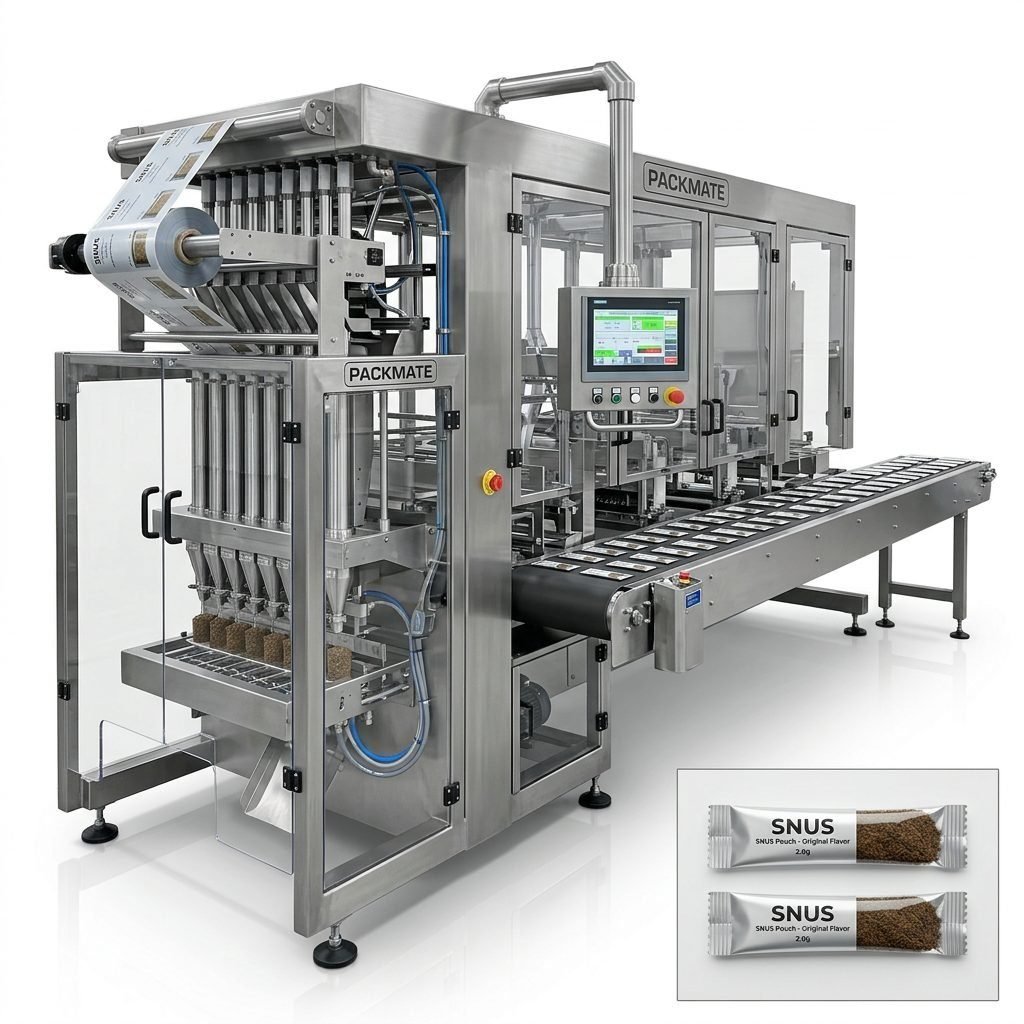
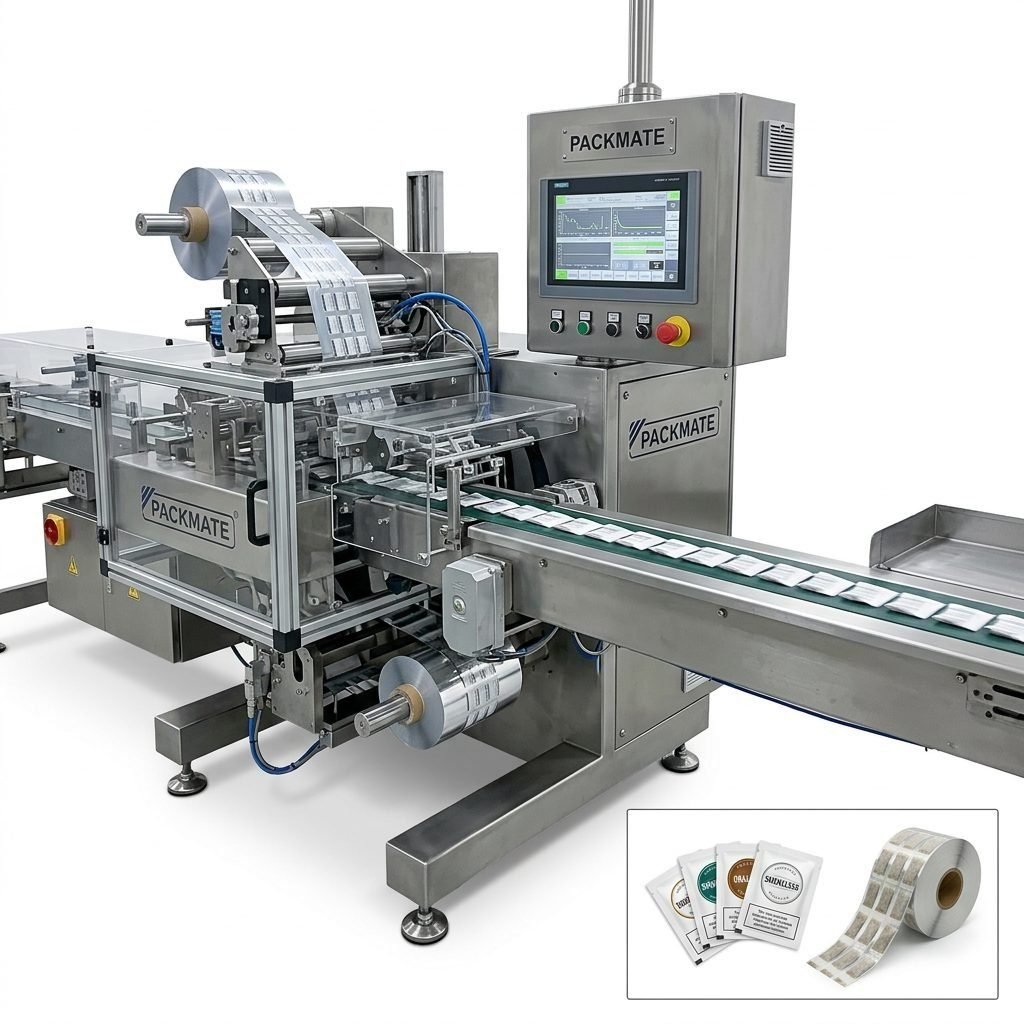
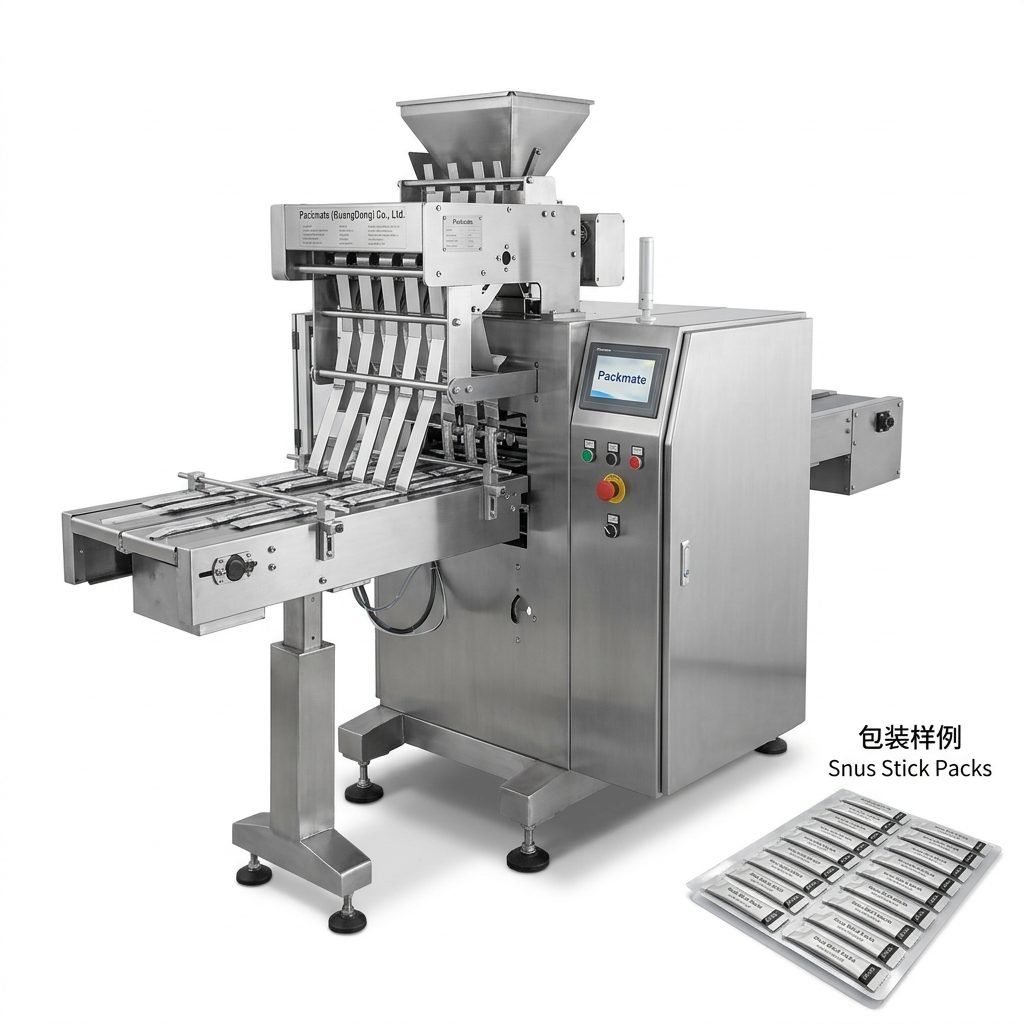
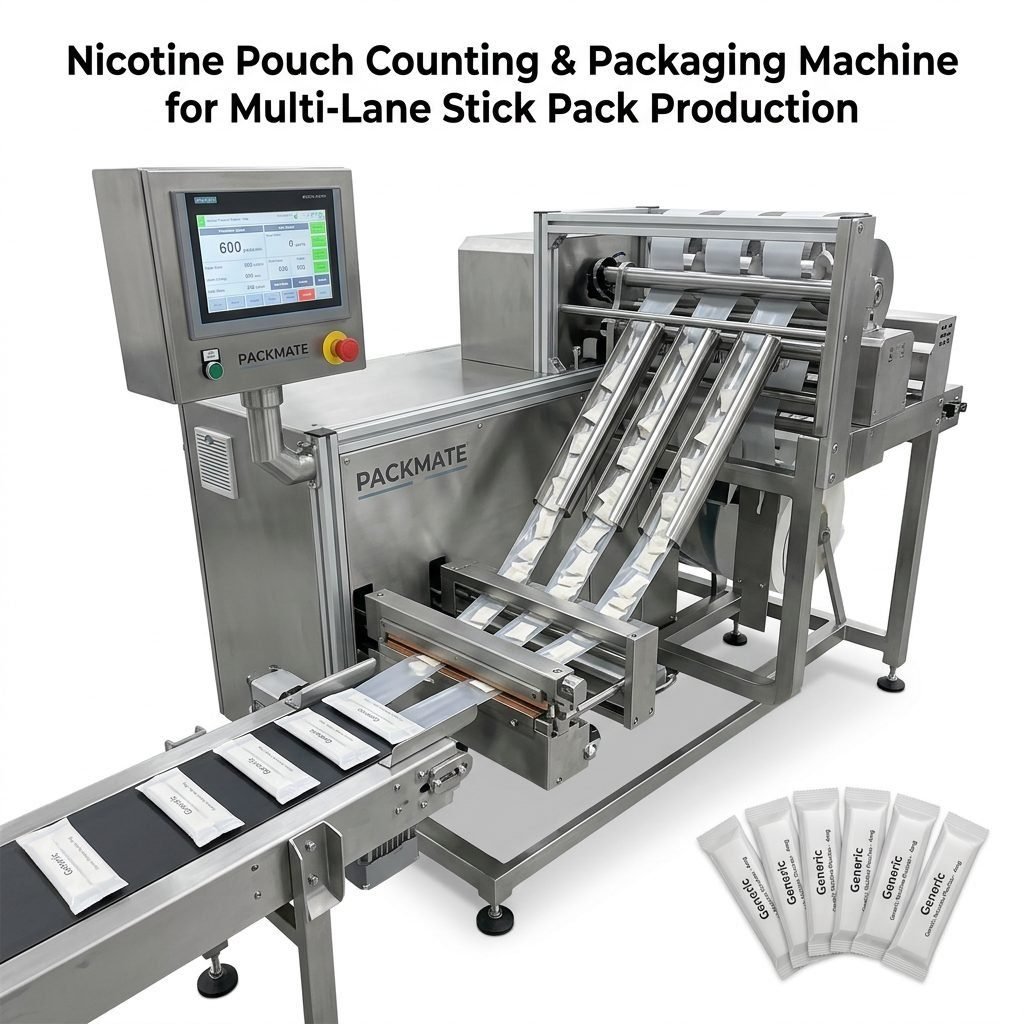
Entering the nicotine pouch or snus market in Africa requires more than a strong product idea — it demands the right packaging partner. Choosing the best nicotine packaging machinery manufacturer will influence product quality, regulatory compliance, production uptime, and your ability to scale across diverse African markets. This guide walks you through the practical criteria, local considerations, and negotiation tips to select a manufacturer that suits your African business needs.
🔍 Understand Your Product and Market Needs First
Before contacting manufacturers, map out your core product parameters: pouch type (snus, nicotine pouch, sachet, stick pack), material (foil laminate, biodegradable films), fill weight range, production speed (pouches/min or lanes), and end-package formats. Africa’s market diversity — from coastal humid zones to arid inland regions — means you may need different barrier properties or sealing methods to maintain shelf life. Clarifying these needs helps you shortlist manufacturers with relevant machine models and technical expertise.
Key technical specifications to list
Include target throughput, acceptable downtime, automation level (PLC, HMI, servo systems), footprint constraints, and expected product mix. These details allow manufacturers to propose appropriate snus & nicotine packaging machines or tailored multi-lane solutions.
Suggested immediate shortlist: 1) a supplier with snus/nicotine pouch experience; 2) a vendor offering spare parts & local service; 3) a manufacturer with ISO/CE certifications and references in similar climates.
🌍 Consider Local African Market Realities and Customs
Africa is not a single market. Business etiquette, regulatory environments, consumer preferences, and logistics vary between North, West, East, Central, and Southern Africa. In many countries, business relationships are built on trust and face-to-face interactions — plan for supplier visits, on-site trials, and local technical training. Packaging aesthetics may also require adaptation: multilingual labels (English, French, Arabic, Portuguese) and culturally appropriate graphics are common demands. A manufacturer who understands these nuances will shorten your time-to-market.
Regulatory and cultural checklist
Make sure your chosen manufacturer can support labeling flexibility, compliant material selection, and documentation for customs clearance. Also confirm whether they have experience with nicotine product restrictions and testing requirements specific to your target countries.
⚙️ Evaluate Manufacturer Capabilities and Factory Strength
Look beyond brochures. Prioritize vendors with a proven workshop, advanced machining centers, and an engineering team familiar with multi-lane snus lines. A strong factory footprint indicates consistent quality control and the ability to scale production or customize machinery to African site conditions (power fluctuations, dust, humidity).
For example, suppliers with 20,000㎡ facilities and advanced CNC centers typically offer better part consistency, spare inventory, and faster lead times — all critical for long-term operations.
Factory visit checklist
Inspect assembly lines, control systems (Siemens, Omron, Delta), QA reports, and spare parts storage. Witnessing a live machine demo or a test run for similar products is highly recommended.
📦 After-sales Service, Spare Parts & Local Support
Downtime in Africa can be costly due to logistics delays. Confirm a manufacturer’s spare parts policy, average lead times for replacements, and whether they partner with local service agents or provide remote diagnostics. Remote troubleshooting via PLC/HMI access and readily available consumables (seals, cutters, bearings) will keep lines running.
Tip: Ask for a service-level agreement (SLA) that specifies response times and spare parts stock levels. A robust SLA minimizes production risk.
✅ Certifications, Compliance, and Quality Assurance
Ensure the manufacturer holds international certifications like CE and ISO and can provide factory test reports, FAT (Factory Acceptance Test) videos, and material traceability documentation. Nicotine products may fall under stricter scrutiny — choose partners who understand compliance documentation for export and the required labeling for specific African markets.
💡 Customization and Turnkey Solutions
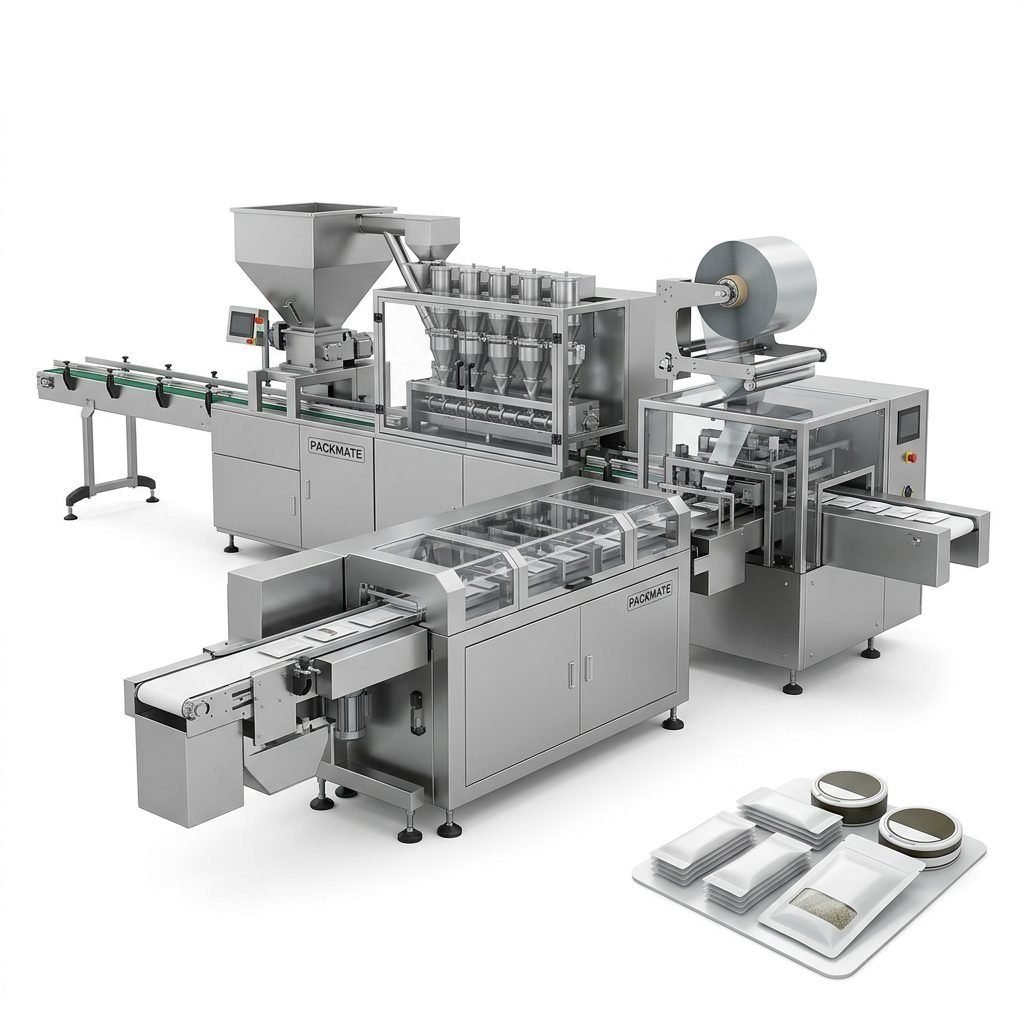
Many African customers prefer turnkey lines that include weighing systems, feeders, sealing, date-coding, and secondary packaging. A manufacturer that offers integrated solutions (filling lines, weighing & packaging systems, auxiliary equipment) reduces integration headaches and speeds deployment. Check their case studies and client references to see if they have delivered similar turnkey lines.
See examples of turnkey offerings such as Filling & Packaging Lines and Weighing & Packaging Systems to compare configurations.
🤝 Reputation, References, and Local Case Studies
Ask for references in similar industries or climates. A manufacturer with global cooperation cases and exhibition presence demonstrates credibility and openness to international standards. Where possible, contact existing customers for feedback on reliability, spare parts availability, training, and the company’s responsiveness during ramp-up phases.
Useful credibility signals
– Exhibition participation and live demos.
– Public case studies or videos of installed lines.
– Transparent lead times and a clear warranty policy.
Explore product categories and cases at the manufacturer site to validate claims: Snus & Nicotine Packaging Machines, Case.
💰 Cost, Financing, and Total Cost of Ownership
The lowest initial price might cost more over the machine’s life. Assess total cost of ownership (TCO): installation, training, spare parts, energy consumption, expected MTBF (mean time between failures), and residual value. Discuss warranty length, optional extended support, and whether the manufacturer helps with financing, lease options, or phased upgrades.
Ask for an itemized quote that separates machine cost, installation, training, and shipping to your African port. This transparency prevents surprise charges.
🔋 Adaptation to Local Utilities and Site Conditions
Many African operations face unstable grid power, high humidity, and dusty environments. Choose machines designed with dust seals, IP-rated controllers, robust cooling, and flexible voltage options. Confirm whether the manufacturer offers voltage adaptors, UPS support, or recommendations for local electrical infrastructure upgrades.
📦 Logistics, Import, and Installation Considerations
Understand shipping logistics: FOB vs CIF terms, packaging for sea freight, and local customs clearance. A manufacturer experienced in global shipments can provide proper export documentation and assist with customs. Plan for on-site assembly, leveling, and commissioning — ensure the supplier includes clear installation instructions and remote commissioning support if technicians cannot travel immediately.
🧑🏫 Training and Knowledge Transfer
A reliable manufacturer will include operator and maintenance training. Consider multilingual manuals and training sessions tailored for your local team. Hands-on training reduces downtime and improves first-line troubleshooting capabilities. Clarify whether refresher training and online resources are available post-installation.
📣 Negotiation Checklist and Contract Tips
When negotiating, cover lead times, payment terms, acceptance testing criteria (FAT & SAT), warranty scope, spare parts kits, training hours, and penalties for missed delivery. Insist on a clear escalation path for technical issues and define KPIs for ramp-up performance.
Include a clause for remote diagnostic access during the first 12 months and a minimum stocked spare-parts list to be shipped with the first order.
🔗 Where to Find Reliable Machine Options and Support
Start with suppliers who specialize in snus and nicotine pouch lines and have proven global delivery capability. Review their product suites and request product datasheets for:
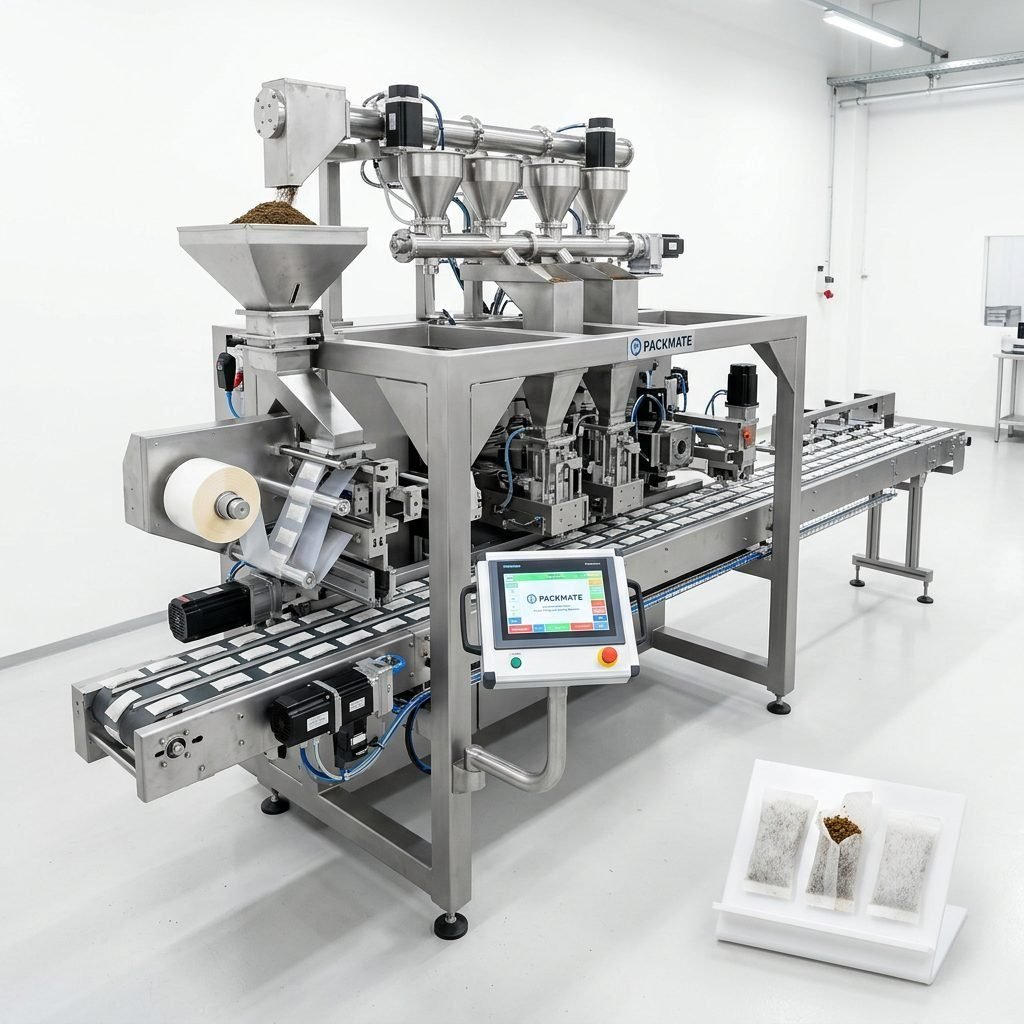
- Snus & Nicotine Packaging Machines — core pouch sealing and filling solutions
- Sachet & Stick Pack Machines — for single-serve or promotional formats (See models)
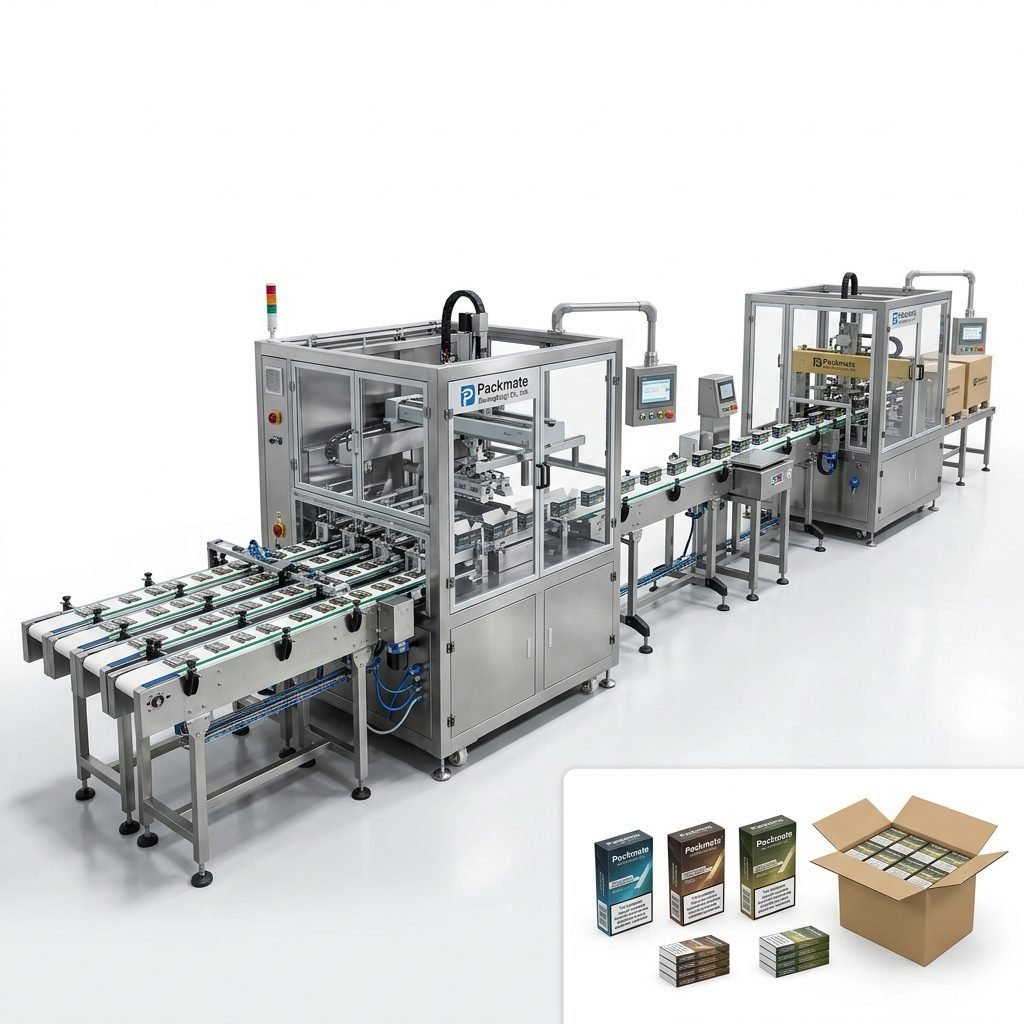
- Auxiliary Packaging Equipment — feeders, conveyors, and automated case packers
📞 Final selection: Practical next steps
1) Shortlist 3–5 manufacturers based on experience, factory strength, and references.
2) Request detailed proposals with FAT videos and spare-parts lists.
3) Negotiate clear SLAs, installation schedules, and training commitments.
4) Plan a phased rollout with pilot runs to validate yield and stability before full-scale production.
Helpful resources and next contact points
For product lines and company background, explore manufacturer pages such as About Packmate and their Our Exhibition listings to identify relevant machine demos and global case studies.
If you are targeting multiple African regions, request a multi-country rollout plan that includes spare parts staging and local technical partners to reduce cross-border service delays.
Summary: What truly matters
The best nicotine packaging machinery manufacturer for your African business is one that balances technical fit, strong factory capability, documented quality, reliable after-sales support, and local market understanding. Prioritize partners who can deliver turnkey lines, provide training and spare parts quickly, and demonstrate prior success in similar regulatory and environmental contexts.
Frequently Asked Questions (FAQs)
Q1: How important is CE/ISO certification when importing packaging machinery into African countries?
A1: Very important. CE/ISO certifications are widely recognized by customs and regulators, and they signal that safety and quality systems are in place. Certified equipment also simplifies insurance and compliance checks.
Q2: What is a reasonable lead time for a customized snus packaging line?
A2: Typical lead times range from 8–20 weeks depending on customization and production backlog. For larger turnkey lines, plan for a longer lead time and include FAT milestones in the contract.
Q3: How can I reduce downtime risk after installation in Africa?
A3: Ensure spare-parts kits ship with the machine, arrange local technician training, secure an SLA for remote diagnostics, and partner with suppliers who maintain regional parts stock.
Q4: Should I prioritize local agents or direct manufacturer support?
A4: Both have advantages. Local agents provide faster on-site response; direct manufacturer support guarantees technical depth. Ideally, choose a manufacturer that partners with vetted local agents.
Q5: Where can I view real machine demos and read case studies?
A5: Visit manufacturer demo and case pages to watch FAT videos and client stories. Useful links include product and case pages for Bag & Pouch Packaging Machines and Service.