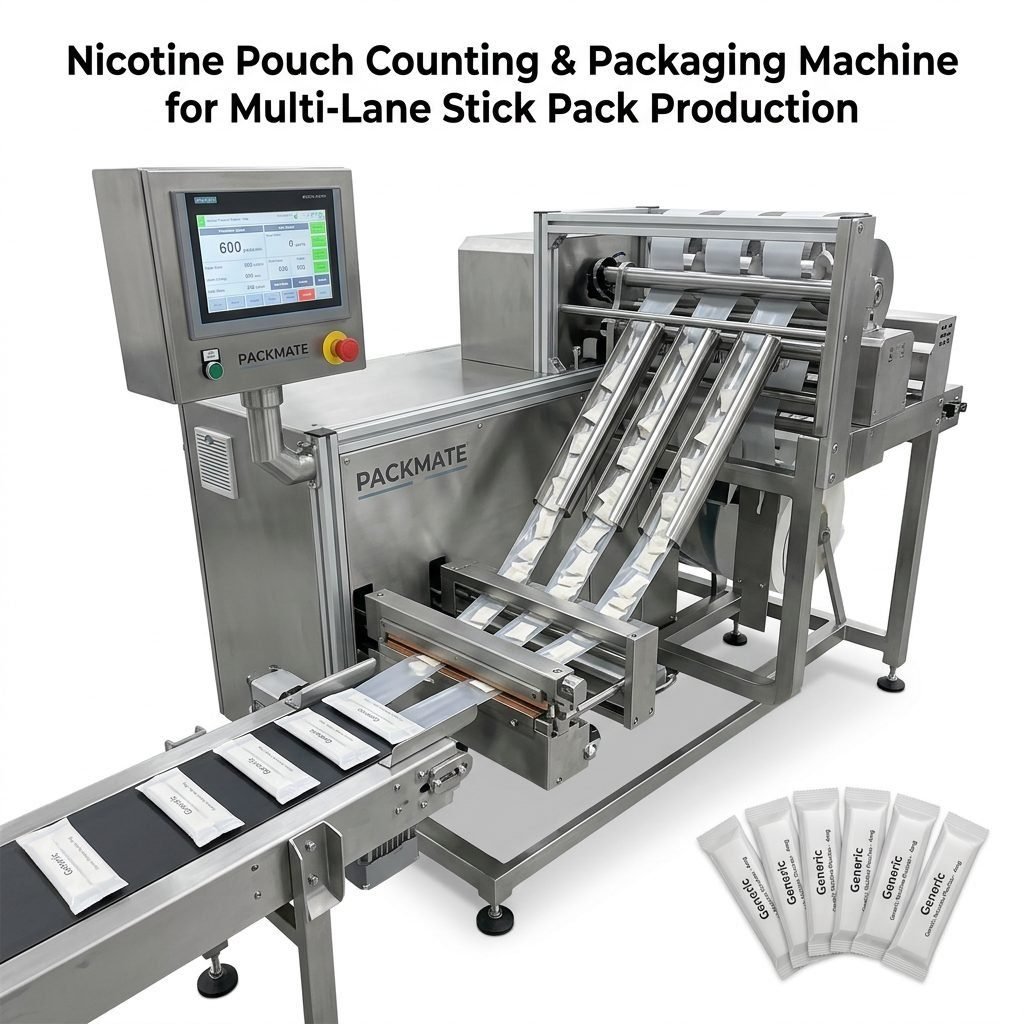
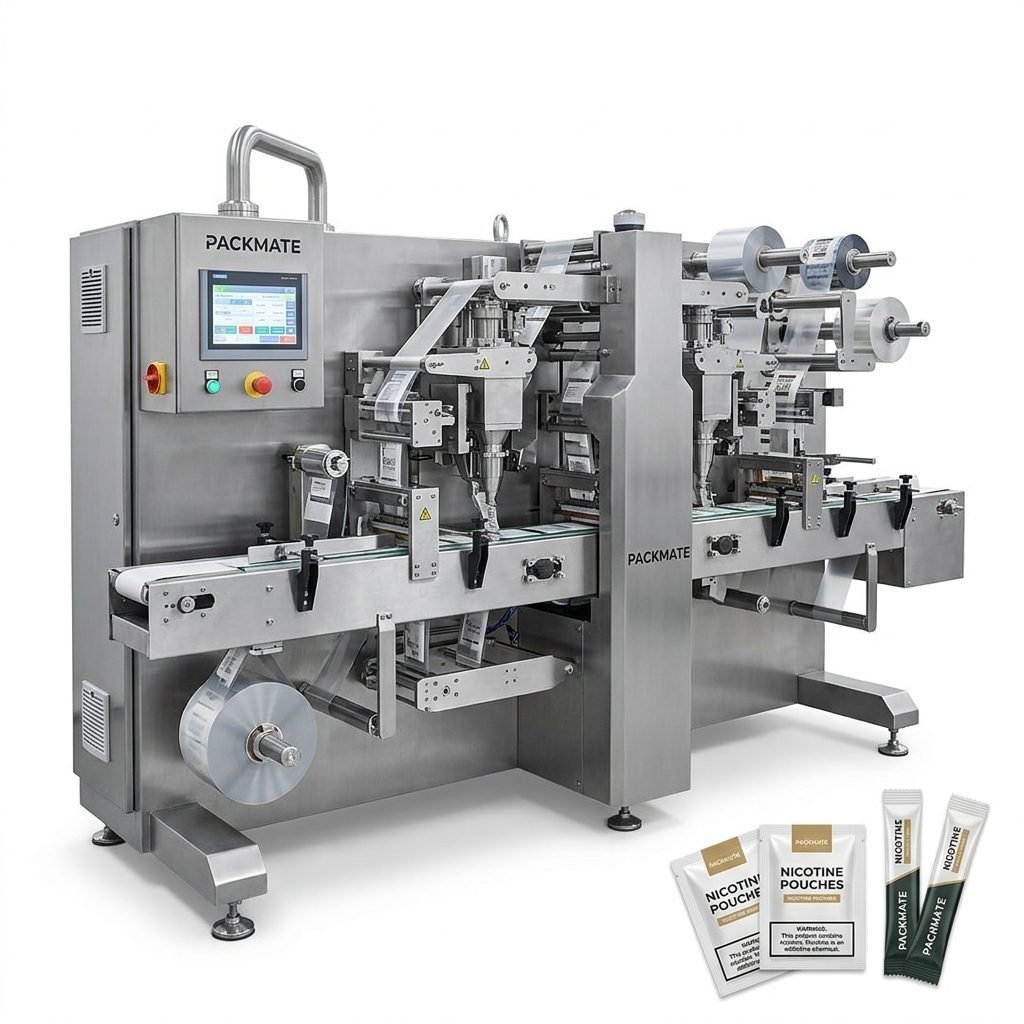
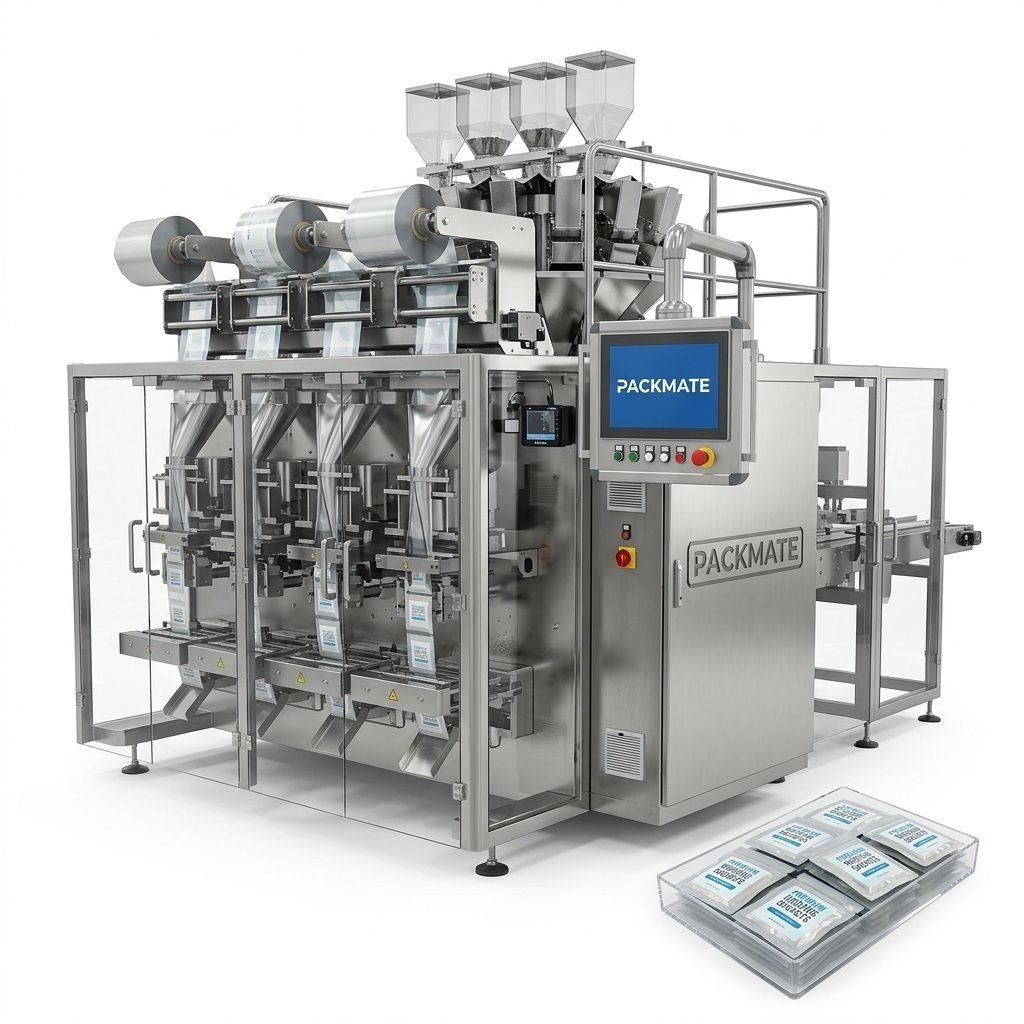
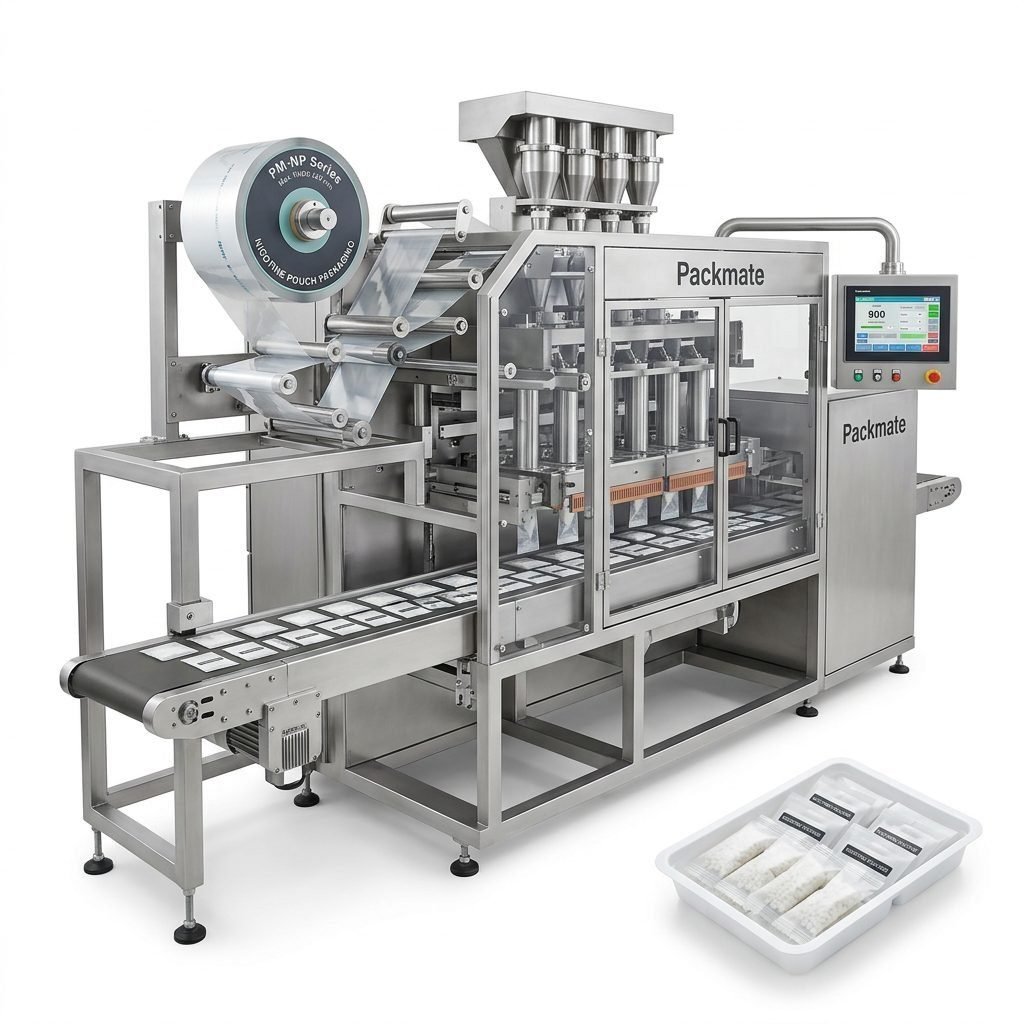
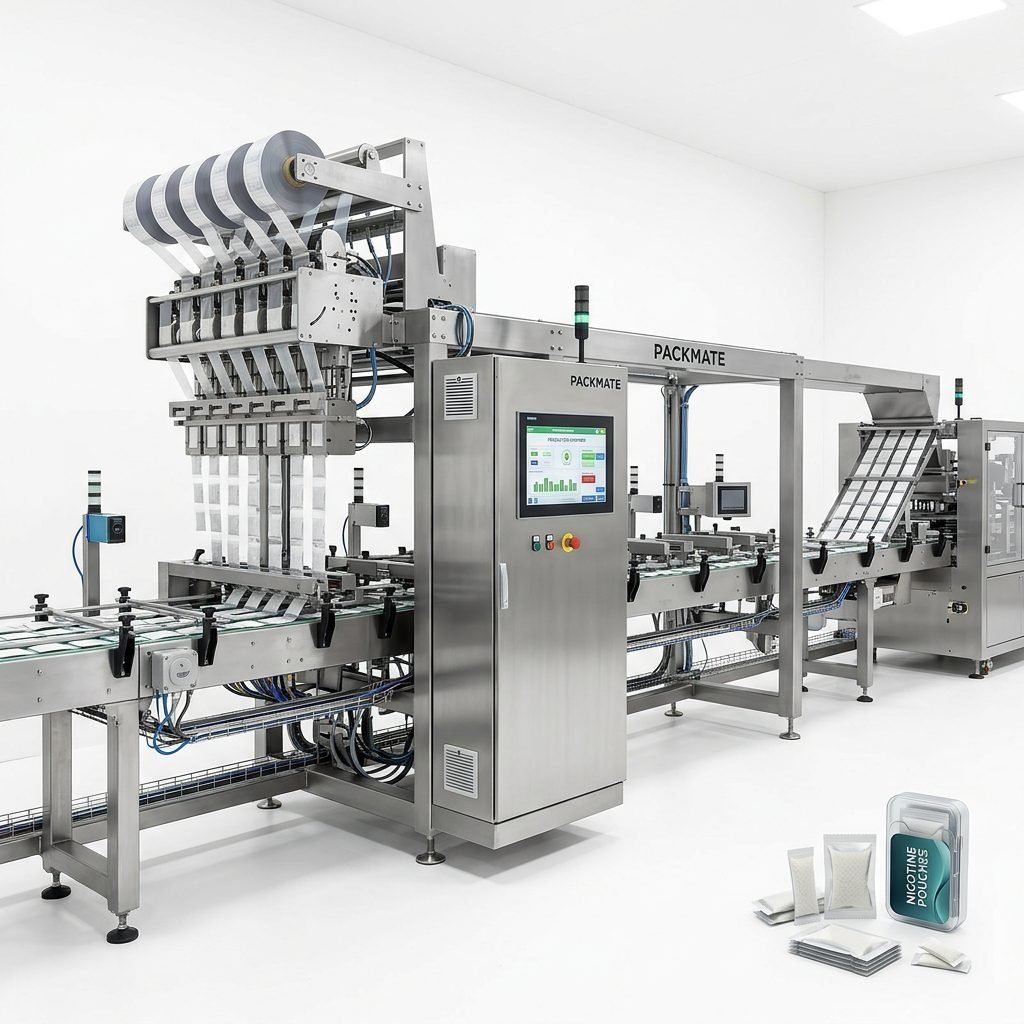
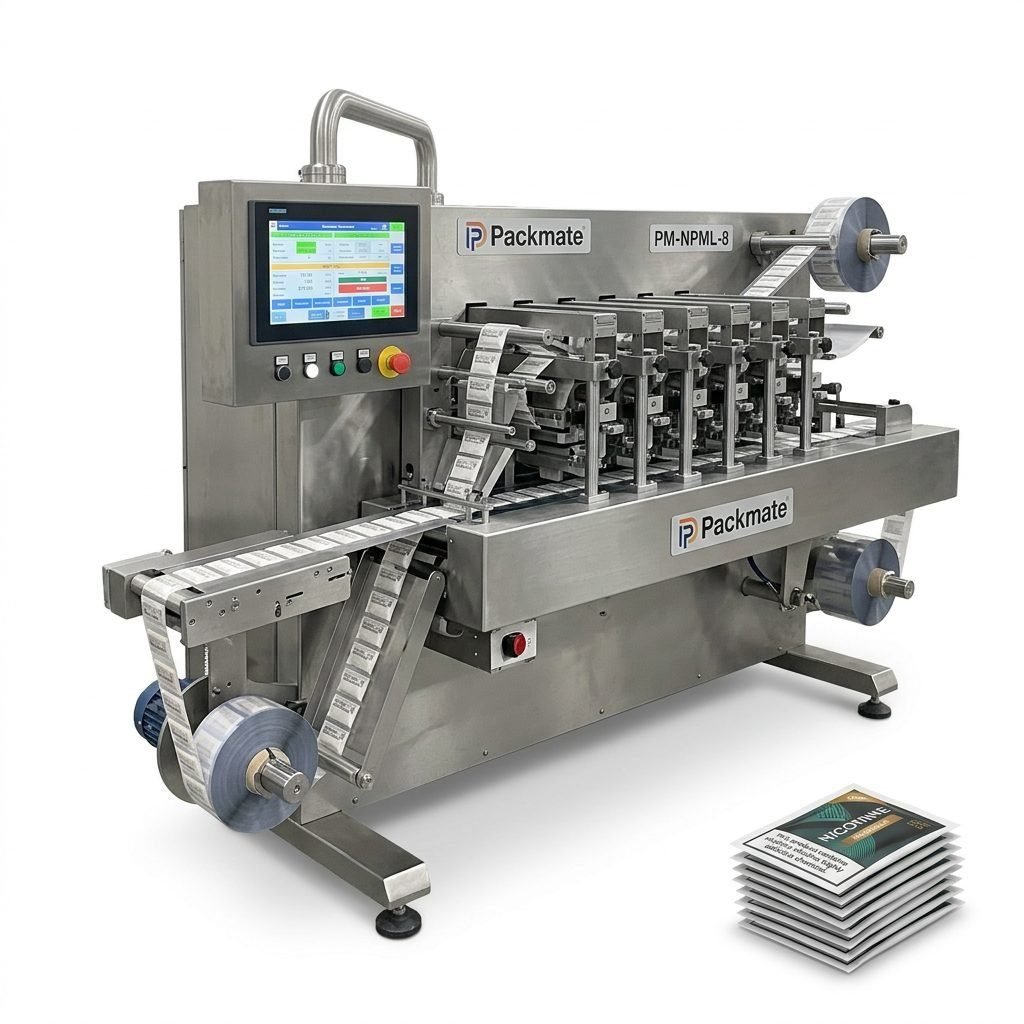
Entering or expanding a nicotine pouch production line in Switzerland requires careful selection of packaging machinery that matches regulatory expectations, product format and long-term business goals. This guide walks you through practical considerations — from machine types and throughput to materials compatibility, compliance and after-sales support — so you can choose the best nicotine packaging machinery for your Swiss production line with confidence.
Understanding Swiss Market & Regulatory Needs ⚖️
Switzerland has strict rules that affect labeling, hygiene, safety and cross-border distribution of nicotine products. Before specifying equipment, confirm legal constraints for packaging materials, child-resistance needs, and labeling space. Machines that enable consistent sealing, accurate dosing and traceability will minimize regulatory risk. Consider solutions that support tamper-evident sealing and easy integration with serialization or batch-coding printers.
Key regulatory-focused features to demand
• Precise dose control and verification to keep nicotine content within declared tolerances.
• Seal integrity monitoring and rejection systems to prevent leaks and contamination.
• Easy-to-clean hygienic design (stainless contact parts, enclosed dust controls).
• Traceability interfaces for batch codes, printer controls and audit data.
Tip: Prioritize machines that are CE and ISO compliant and that offer easy integration with inspection systems — this reduces validation time and regulatory headaches.
Choose the Right Machine Type for Your Product Format 📦
Nicotine pouches and snus variants come in multiple formats: single-dose pouches, stick packs, sachets, and multi-lane pouch systems. Each requires different packaging mechanics and filling technologies.
Common machine types
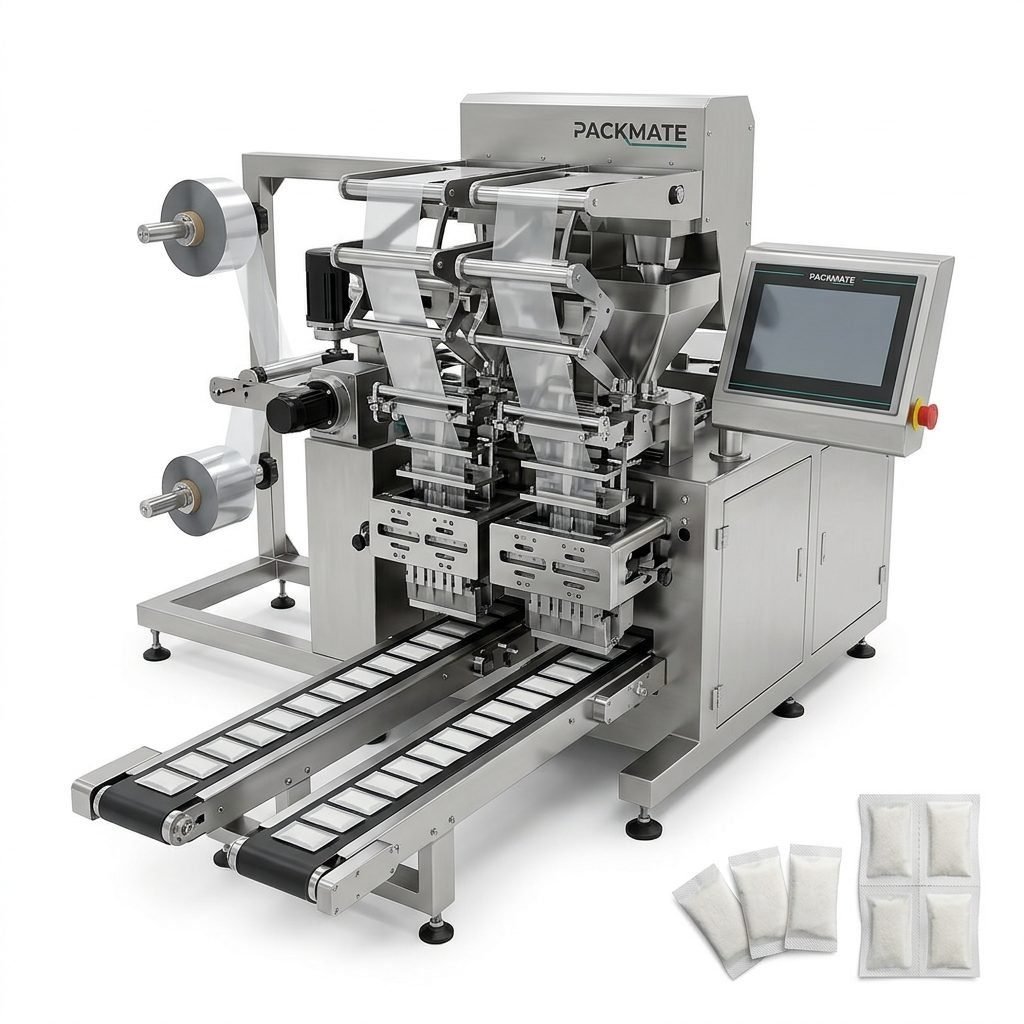
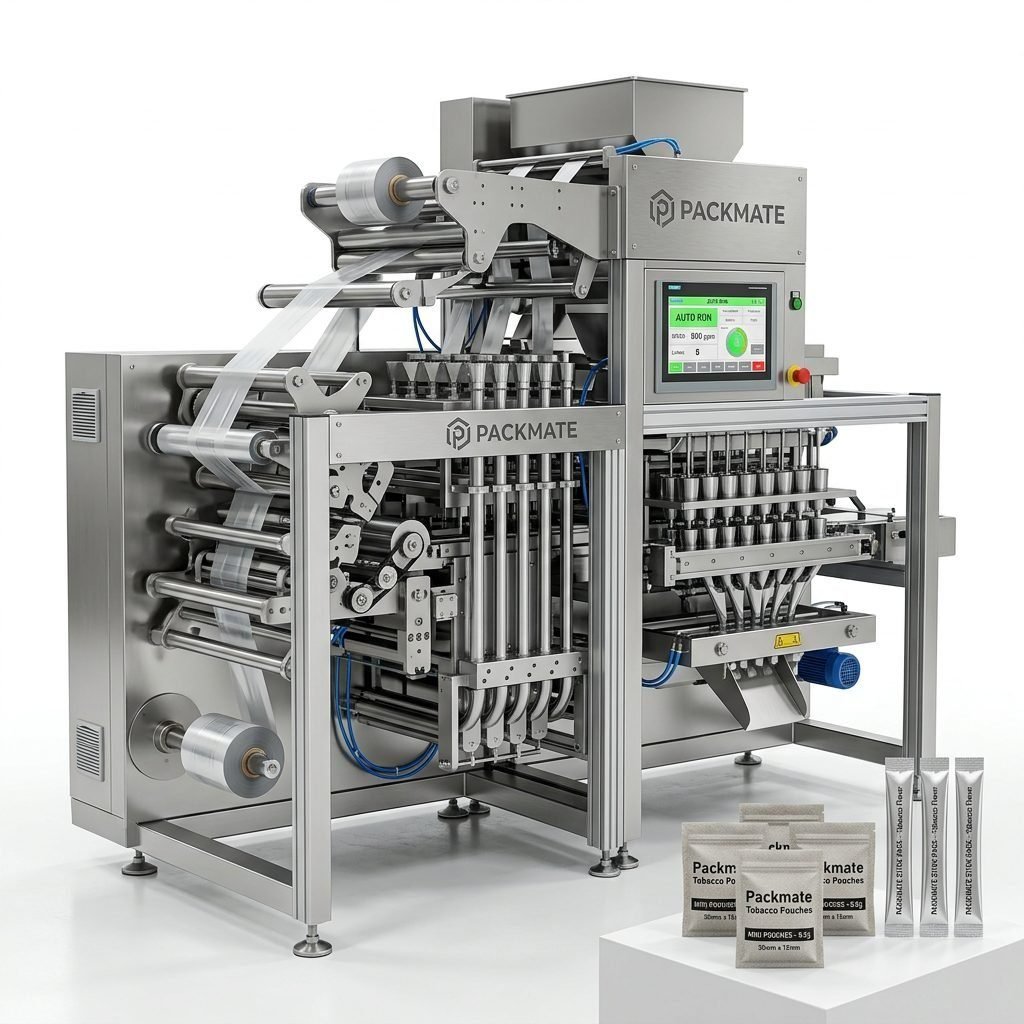
• Multi-lane snus pouch machines — ideal for high-volume, small-dose nicotine pouches with compact, consistent pouches.
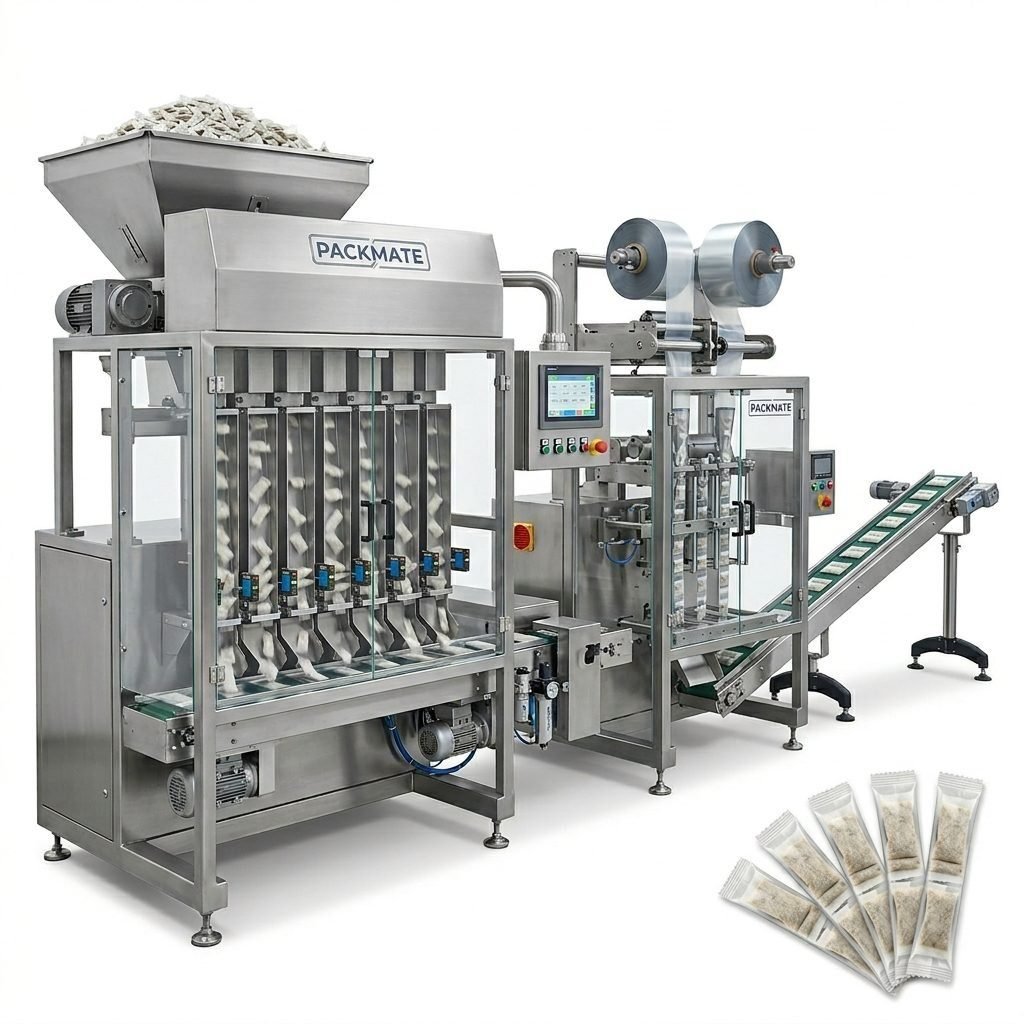
• Stick pack and sachet machines — suitable for single-dose or flavored variants requiring elongated or pillow packs.
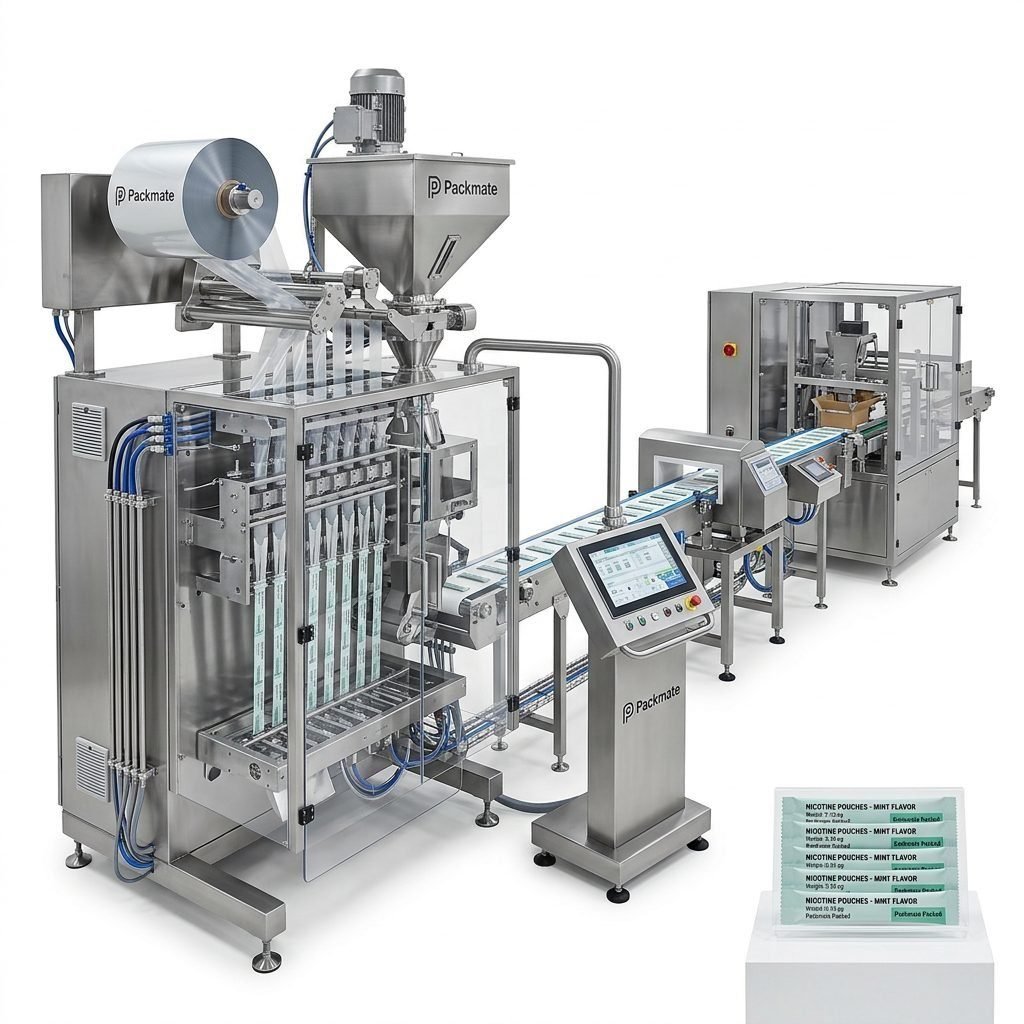
• Combination lines with weighing and dosing modules — necessary for formulations containing powders, granules or blends.
• Auxiliary equipment (feeder systems, counting, cartoning, case packing) — for downstream automation and finished-product handling.
For a broad selection of industry-proven machines you can review product families like
Snus & Nicotine Packaging Machines and
Sachet & Stick Pack Machines.
Capacity & Throughput Planning 🚀
Determine your target daily and weekly output before selecting equipment. Machine speed is usually expressed in pouches/min or packs/min. Factor in realistic uptime (planned maintenance, cleaning, changeovers) and peak demand scenarios. It’s often smarter to buy slightly above current needs if you expect growth within 2–4 years.
Capacity checklist: required packs/day; peak vs average demand; lanes per machine; expected uptime percentage; spare parts lead time.
Precision Dosing & Product Handling 🎯
Nicotine pouch dosing must be controlled tightly. Choose machines with integrated weighing, volumetric or auger dosing modules matched to your granule/powder properties. Look for machines with in-line weight checkers and automatic rejection to ensure every pack meets label claims.
Material & pouch compatibility
Packaging film type, laminate layers for barrier properties, and pouch shapes (flat, round, pillow) influence sealing method, temperature control and knife/rotary cutter design. Make sure the supplier can run trials with your chosen film and provide validated recipes for temperature, pressure and dwell time.
Integration & Turnkey Solutions 🔗
For efficient installation in Switzerland, a turnkey approach reduces integration risk. Full production lines that include feeders, counting, sealing, inspection and cartoning simplify commissioning. Packmate offers turnkey lines across snus, stick pack and sachet systems; learn more about turnkey options in their
Filling & Packaging Lines catalogue.
Integration benefits: reduced project management time, single supplier responsibility, validated performance data and streamlined training.
Quality Standards, Testing & Certifications ✅
Ensure the equipment supplier adheres to international standards. Look for CE marking, ISO-certified manufacturing and documented control plans. Packmate’s factory-level capabilities, advanced CNC machining and precision assembly help ensure consistent build quality — review their factory profile and certifications to confirm compliance.
For reference details about the company and credentials, see their
About Packmate and
Certificate pages.
After-Sales Support & Spare Parts 🔧
Reliable after-sales service in Switzerland or nearby EU regions is crucial. Confirm spare parts availability, average lead times and whether the manufacturer offers remote diagnostics, preventive maintenance plans and on-site service for commissioning and training. A long-term spare parts strategy reduces unplanned downtime.
Service capabilities to verify
• Local or regional support partners.
• Spare parts kits for critical wear components.
• Remote access options for PLC/HMI diagnostics.
• Training programs for machine operators and maintenance staff.
Customization & Flexibility for New SKUs 🔄
If you plan to launch multiple flavors, formats or dosing scenarios, prioritize modular machines that simplify format changeovers. Quick-release tooling, recipe storage in HMI, and modular dosing stations reduce downtime when switching between SKUs.
Important: ask for average format-changeover times and request a demonstration with multiple SKU changes to validate ease of operation.
Factory Acceptance Testing (FAT) & Site Acceptance Testing (SAT) 🧪
Insist on FAT with your raw materials and packaging films before shipment. FAT reduces commissioning surprises and verifies performance metrics (speed, accuracy, rejection rates). Follow up with SAT after installation to confirm the integrated line meets contractual acceptance criteria.
Cost, ROI & Total Cost of Ownership (TCO) 💡
Evaluate the total cost: initial capex, spare parts, consumables (dies, belts, knives), energy consumption, labor, expected yield and maintenance. High-quality machines often deliver lower TCO through higher uptime and reduced waste. Build a simple ROI model projecting throughput, scrap reduction and labour savings to justify the investment.
Financial factors to include
• Machine purchase price and installation.
• Spare parts inventory and annual consumption.
• Service contracts and remote support fees.
• Expected lifetime and residual value.
• Savings from automation (labour reduction, consistency).
Selecting a Trusted Supplier: What to Ask 📋
When evaluating suppliers, use a concise checklist to compare capabilities, experience, references and after-sales service.
Supplier checklist:
- Proven experience with nicotine pouch/snuss packaging.
- On-site FAT and SAT procedures documented.
- Local service network or rapid international response.
- Ability to provide spare parts and consumables long term.
- References and case studies from similar projects.
Why Packmate (Packmate Snus Machine) is Relevant to Swiss Producers
Packmate brings over 30 years of engineering experience, a 20,000㎡ factory, and a wide portfolio of snus and nicotine packaging machines that include multi-lane high-speed systems. Their engineering emphasis on precision machining and turnkey lines helps brands achieve consistent pouch quality with validated process data. Explore product lines such as
Bag & Pouch Packaging Machines and
Weighing & Packaging Systems for complementary modules.
Installation Planning & Facility Requirements 🏭
Plan factory layout, utilities (compressed air, electrical distribution, vacuum, water), and personnel flow before equipment arrives. Ensure floor loading limits, ceiling height and cleanroom classification (if required) are compatible with machine dimensions and conveyors. Early planning reduces delays during acceptance and commissioning.
Common Mistakes to Avoid ❗
• Buying by headline speed alone without considering changeover time or yield.
• Ignoring spare parts lead times and not stocking critical components.
• Neglecting FAT with real materials leading to onsite surprises.
• Underestimating integration time for printers, checkweighers and cartoners.
Quick reminder: validate a supplier by visiting their production or viewing a live demonstration at trade shows — see their latest demonstrations at
Our Exhibition.
Implementation Roadmap: From Specification to First Production 🛠️
1) Define product SKUs and annual volumes.
2) Create technical specification and budget.
3) Shortlist suppliers and request FAT with your materials.
4) Finalize purchase, plan installation and utilities.
5) Execute FAT → ship → install → SAT → ramp-up and training.
Final Considerations Before Purchase 🧾
Make sure the contract defines acceptance criteria, spare parts commitments, warranty and performance guarantees. Confirm the training plan for your operators and maintenance team. If you need assistance reviewing specifications, Packmate’s technical team provides detailed engineering support and project management for turnkey implementations — reach out via
Contact Us.
Key decision summary
• Align machine selection with regulatory, product and throughput needs.
• Prioritize hygiene, dosing accuracy, seal integrity and traceability.
• Require FAT/SAT and ensure spare parts & service availability.
• Consider modular turnkey lines to shorten implementation and improve consistency.
Frequently Asked Questions (FAQs)
Q1: What machine type is best for small-dose nicotine pouches?
A1: Multi-lane snus pouch machines designed for small-dose pouches are typically best. They provide high throughput, excellent dose accuracy and consistent pouch shape. Look for integrated weight-checking and rejection to meet strict tolerance requirements.
Q2: How important is FAT when buying nicotine packaging machinery?
A2: FAT is essential. Running your actual materials under production conditions during FAT validates machine performance, reduces commissioning time and confirms that the supplier can meet speed, accuracy and sealing requirements before shipment.
Q3: What after-sales services should a reputable supplier provide?
A3: A reputable supplier should provide spare parts availability, preventive maintenance plans, remote diagnostics, on-site commissioning, operator and maintenance training, and documented service response times for critical failures.
Q4: Can I integrate my existing inspection and coding equipment with a new line?
A4: Yes. Ensure the chosen packaging machinery has open communication protocols and mechanical interfaces for printers, vision inspection systems and checkweighers. Request compatibility checks during the vendor evaluation and FAT.
Q5: How do I estimate ROI for automated nicotine packaging equipment?
A5: Build an ROI that includes purchase price, installation, expected throughput, yield improvement, labor savings, reduced waste and maintenance costs. Compare different scenarios (current vs automated output) to quantify payback period.