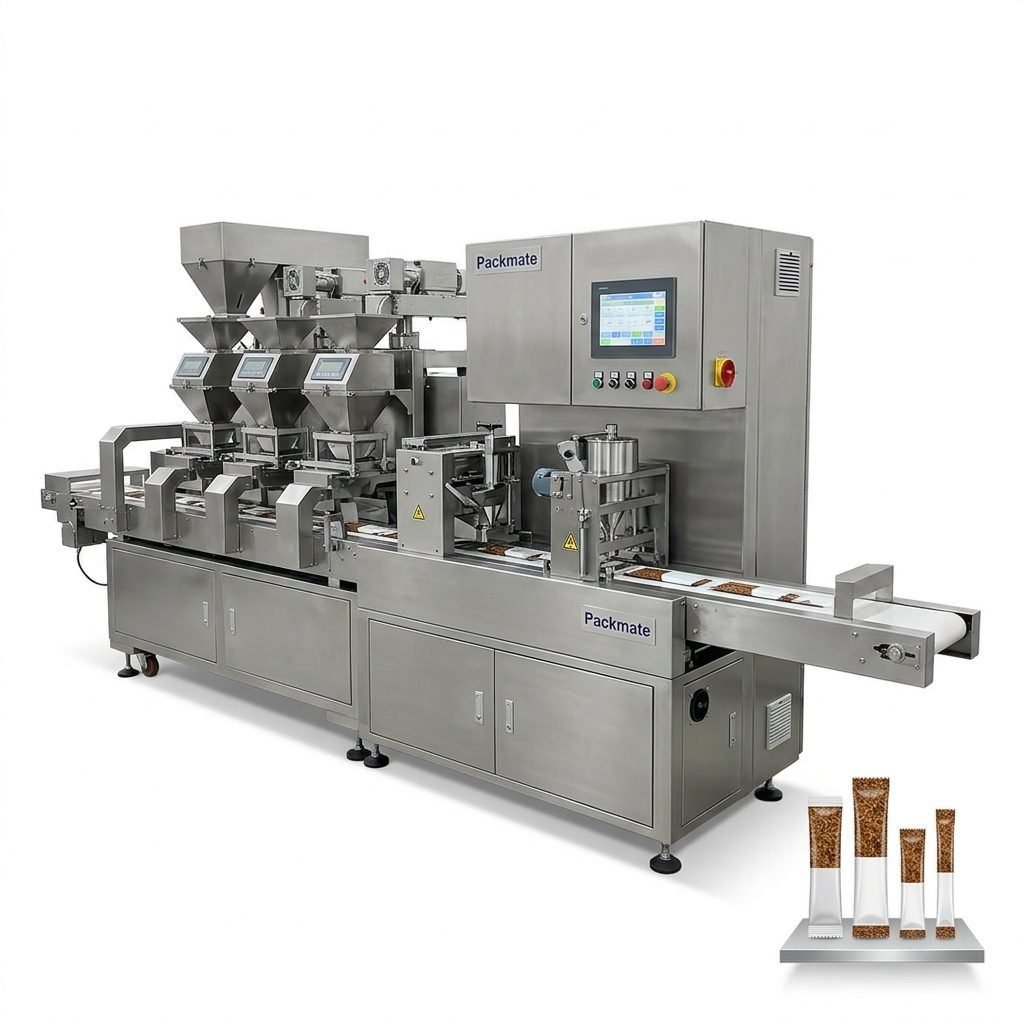
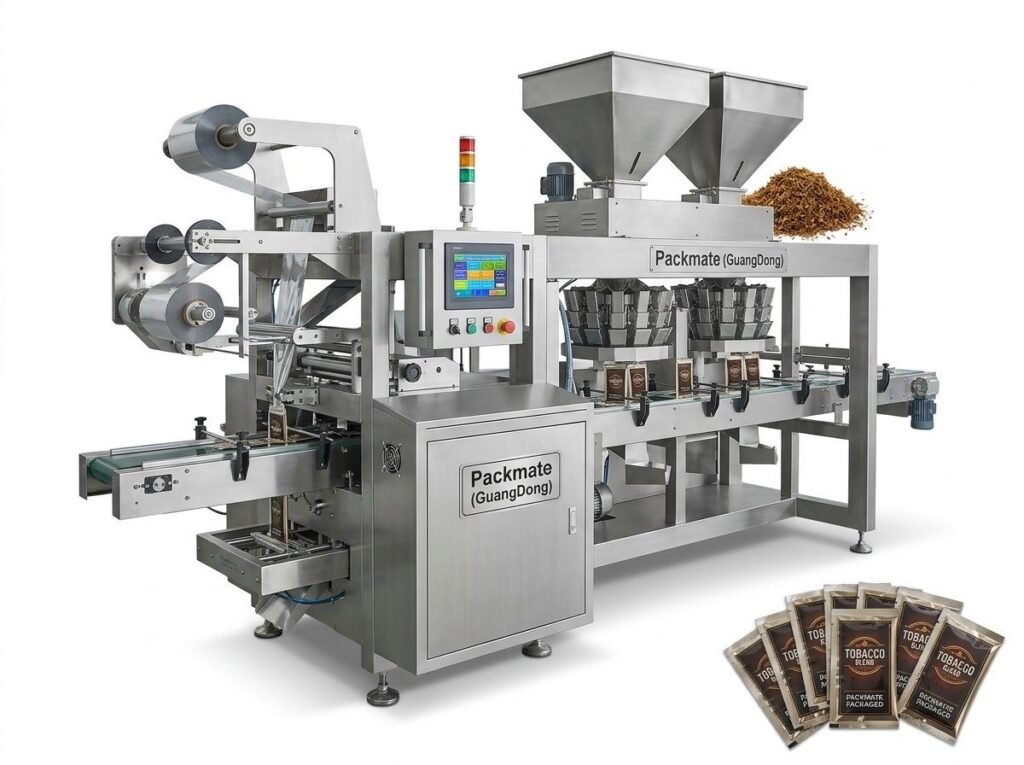
Choosing the right snus packaging machine supplier is a critical decision for manufacturers and brands entering or expanding in Mauritius. This guide walks you through practical steps to evaluate suppliers, focuses on local market considerations in Mauritius, and highlights technical, legal, and service factors that ensure a reliable long-term partnership.
Understand the Mauritius Market and Local Preferences
Mauritius is a small island nation with a diverse population and a multilingual business environment (English and French are widely used). When choosing a supplier, consider how product presentation, labeling, and packaging materials meet local tastes and regulatory expectations. Packaging that performs well in tropical and humid conditions is especially important.
Key local considerations:
🔍 Language & Labeling: Use bilingual labels (English & French) for wider acceptance and compliance.
⚠️ Climate: High humidity and salt air near coasts require corrosion-resistant materials and moisture-sealed packaging.
✅ Market Size & Distribution: Plan production volumes conservatively; consider seasonal demand around local holidays and tourist seasons.
Step 1 — Verify Supplier Credentials and Track Record
A supplier’s history, certifications, and real-case implementations are the foundation of trust. Look for manufacturers with decades of experience and global deployments in snus or nicotine pouch machinery.
What to check: company age and factory size, number of machine models, standard certifications (CE, ISO), and documented case studies. For example, an established manufacturer will show a clear company profile and case gallery that demonstrates multi-lane systems and turnkey lines.
Useful links to review manufacturer materials:
– See technical offerings for snus and nicotine packaging machines: Snus & Nicotine Packaging Machines
– Learn about manufacturer background and mission: About Packmate
– Browse after-sales and installation services: Service
Step 2 — Assess Machine Types and Suitability
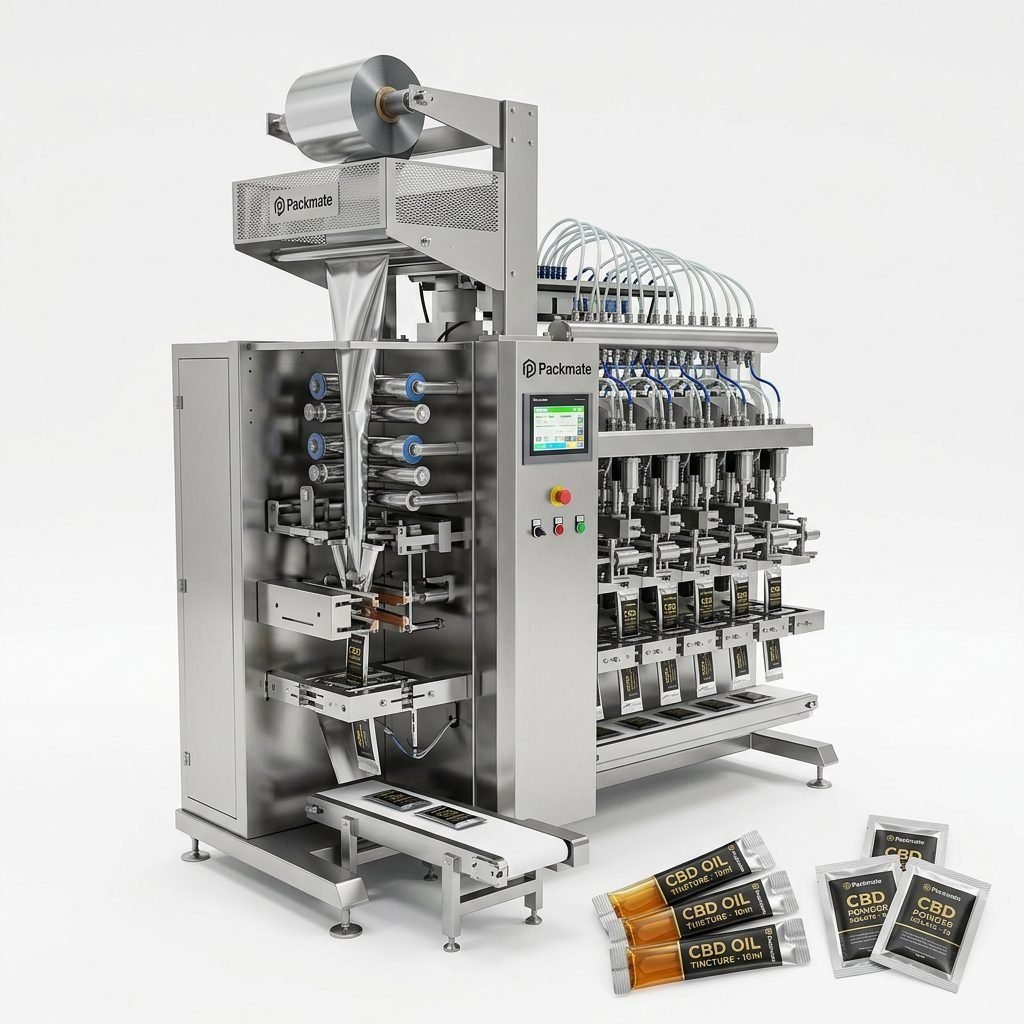
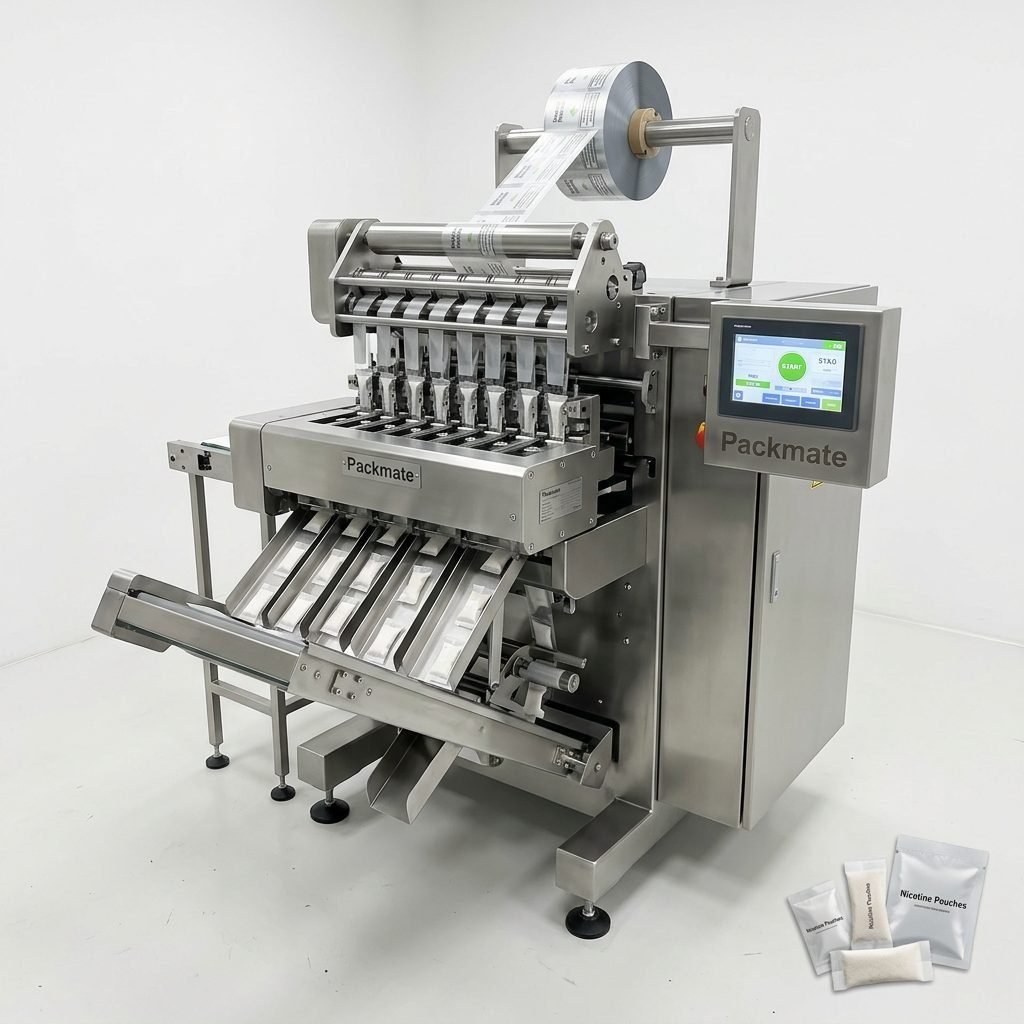
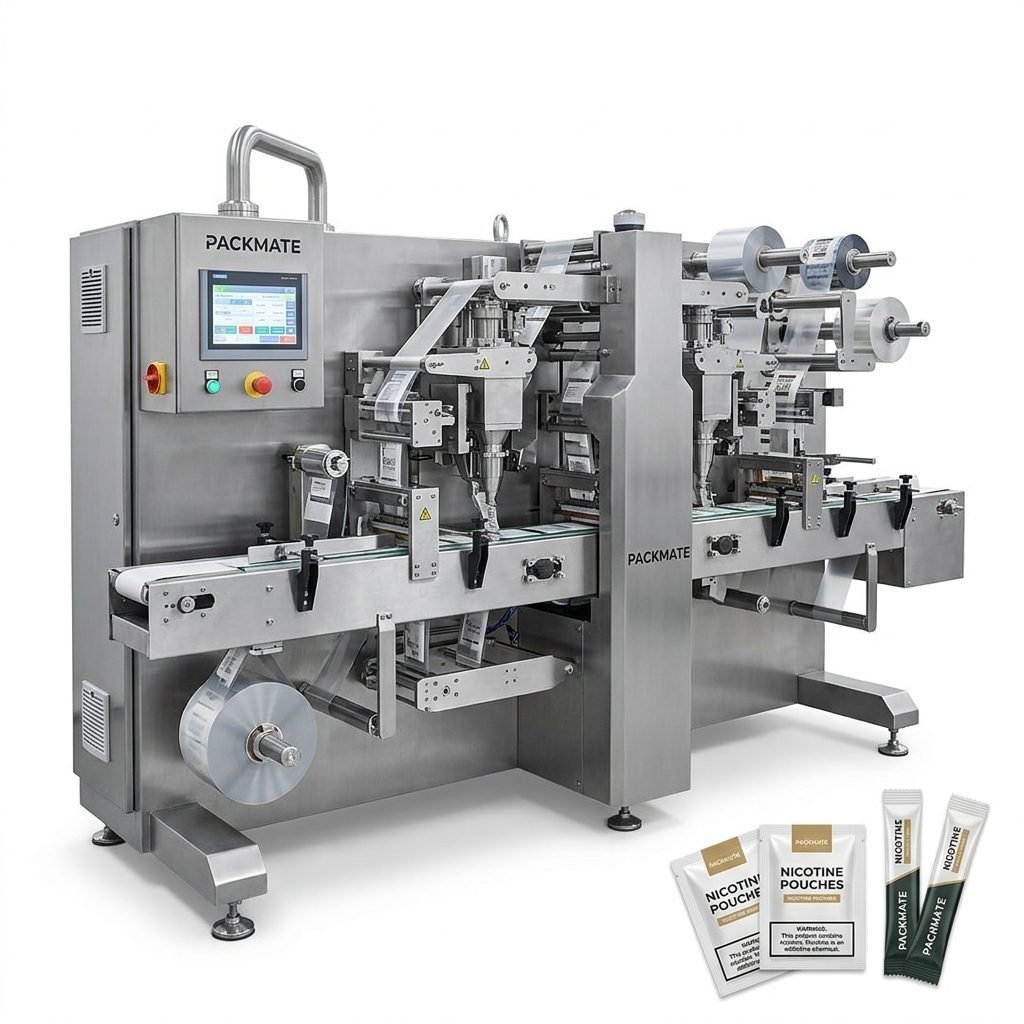
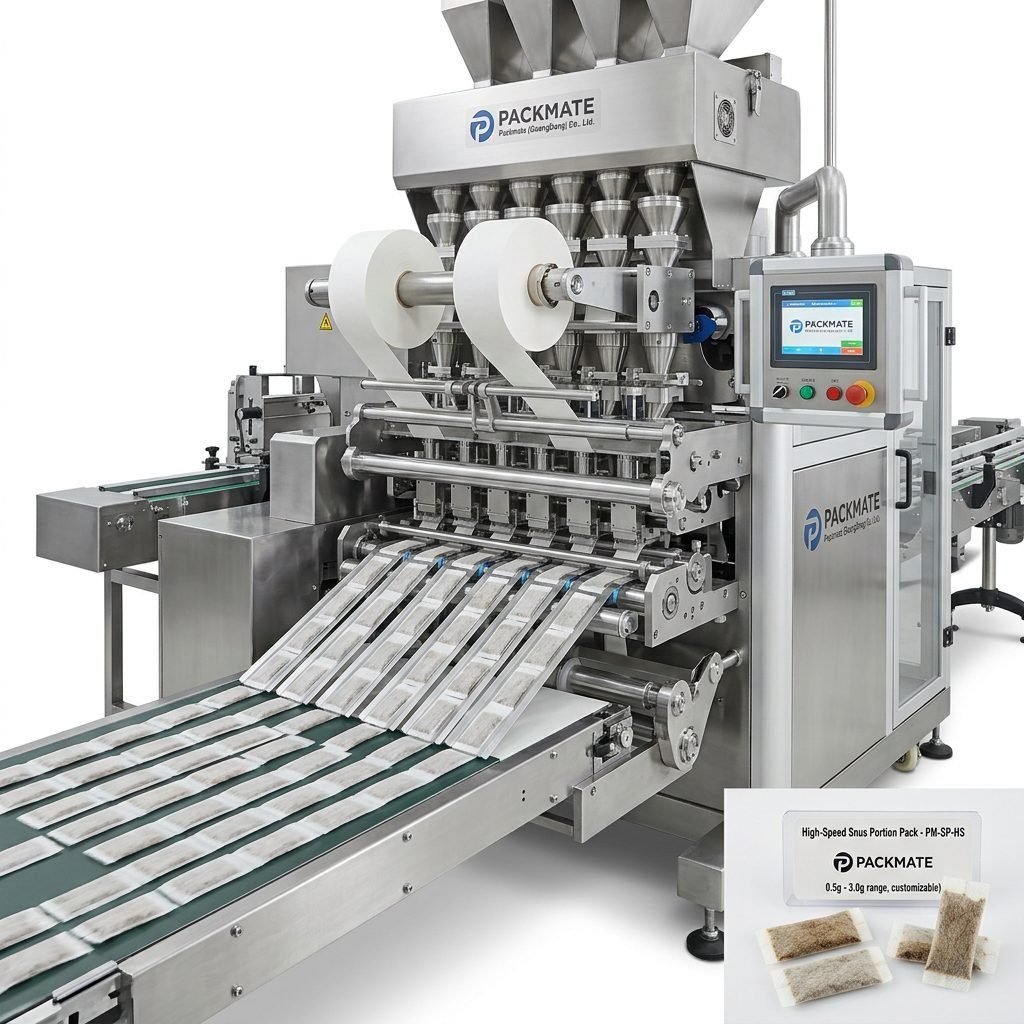
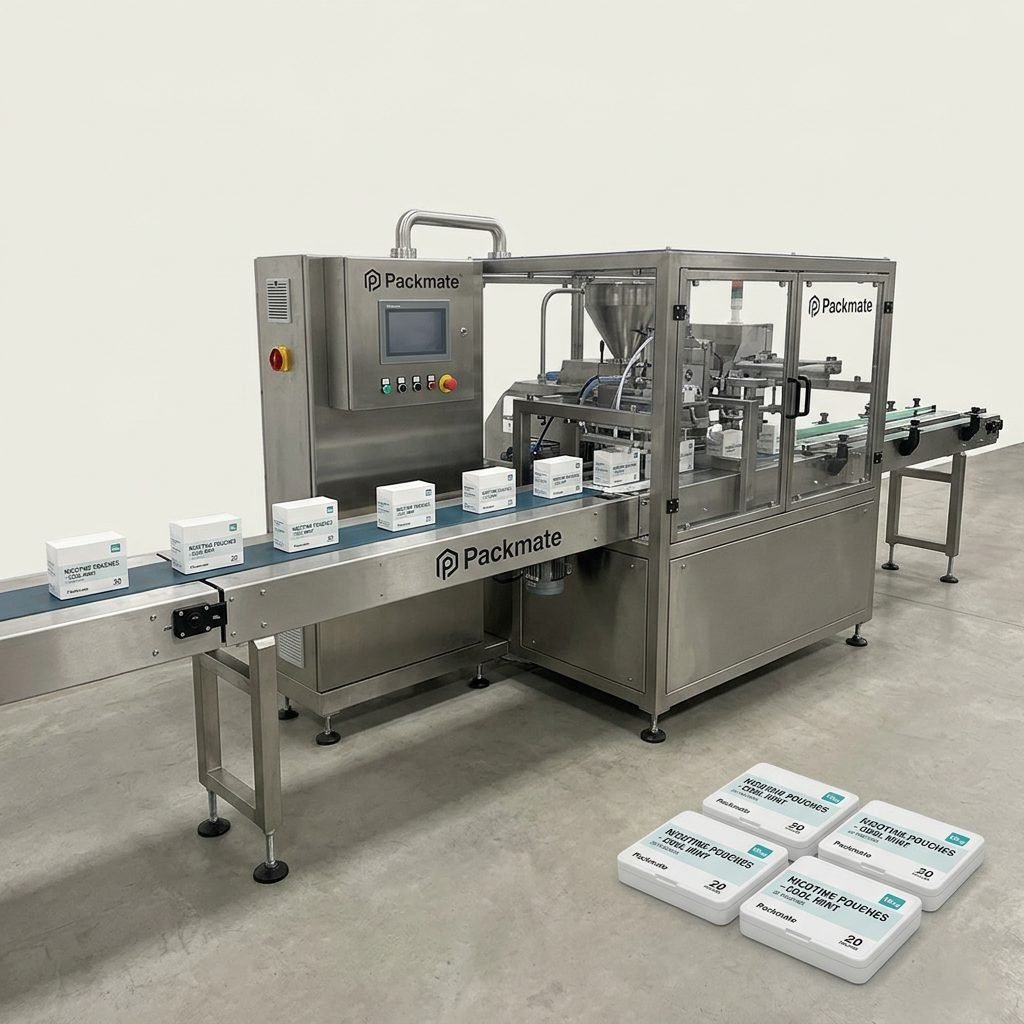
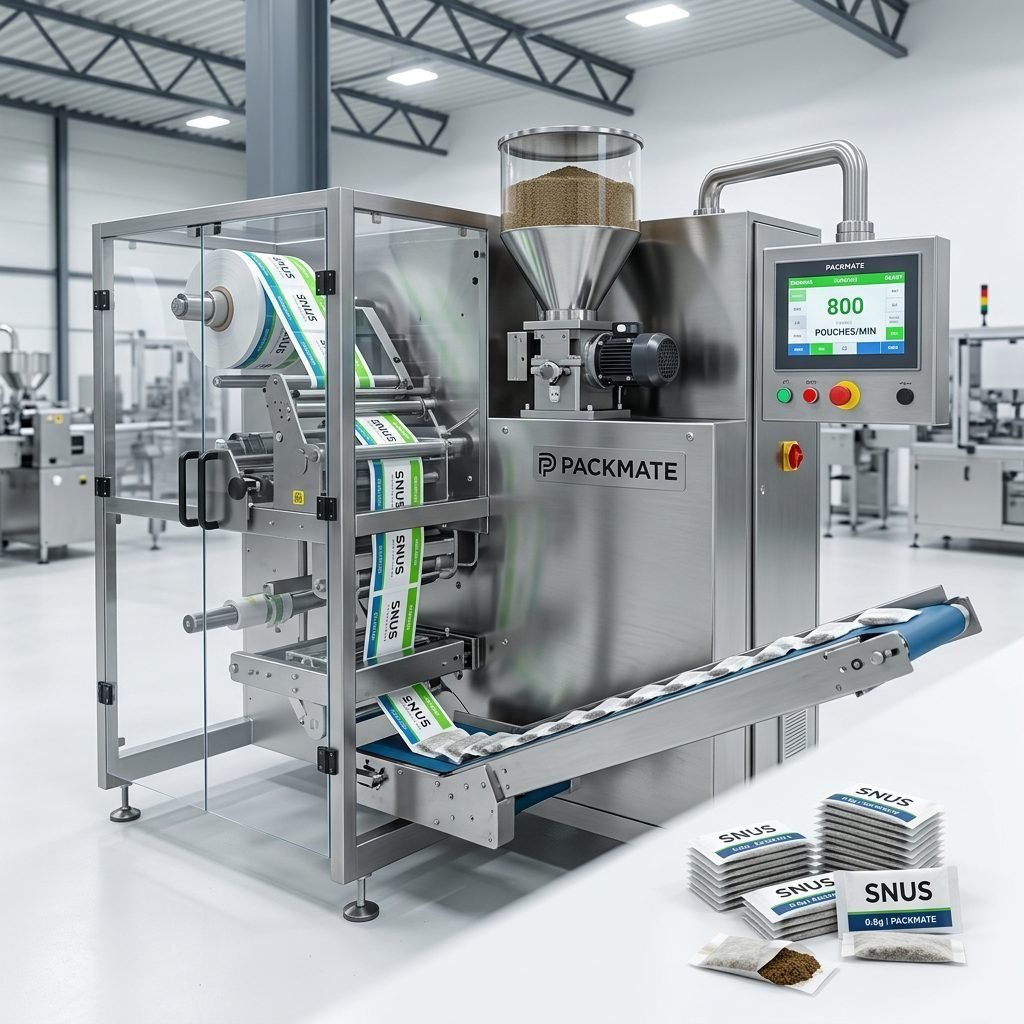
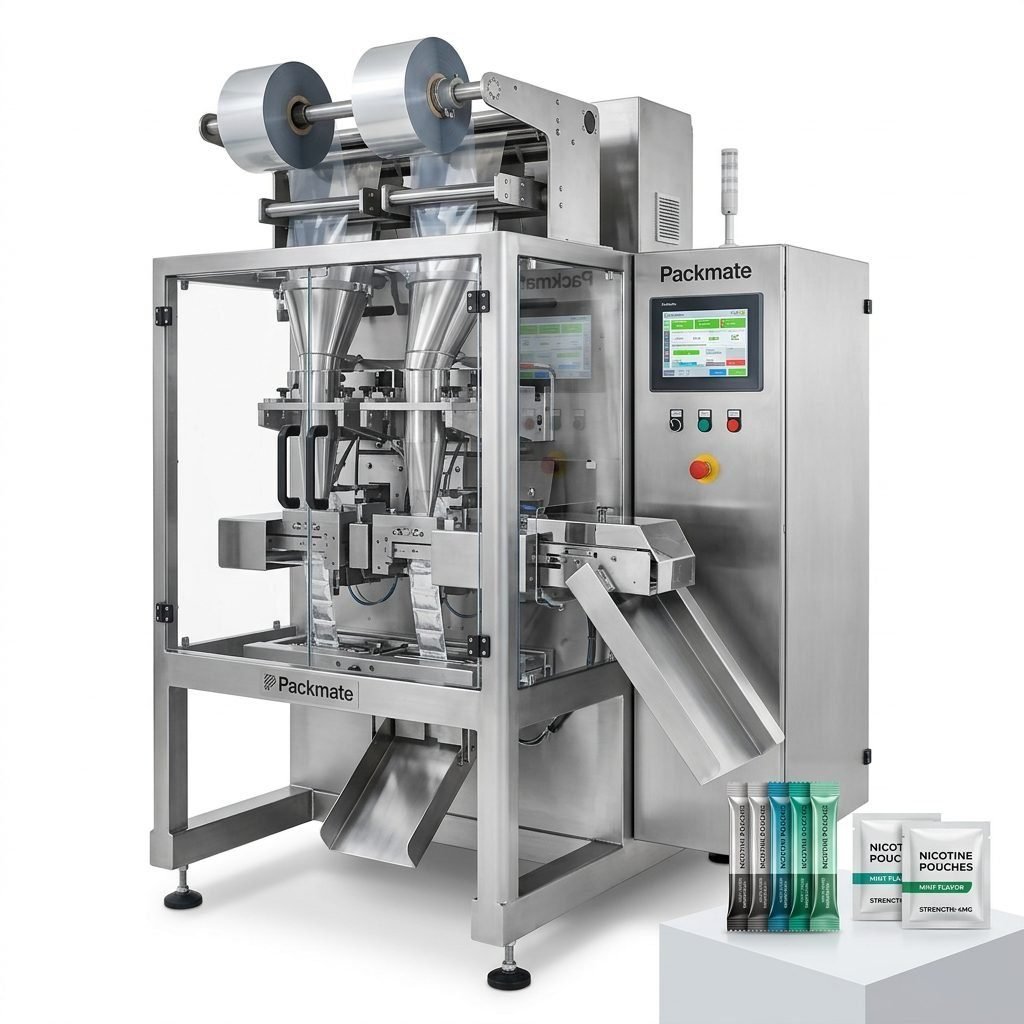
Different snus products require different packaging formats: sachets, stick packs, multi-lane nicotine pouches, and custom sachet shapes. Ensure the supplier offers machines that match your product format and production scale.
Technical checklist:
– Production speed and lane configuration (single vs multi-lane)
– Filling accuracy for micro-doses and ability to handle powders or moist fillers
– Packaging material compatibility (foil, laminate, moisture-barrier films)
– Quick changeover features for small-batch flexibility
– Corrosion-resistant construction (stainless steel 304/316) for humid climates
Tip: Request a video demonstration or a remote machine run showing your exact pouch format and materials. Many reputable suppliers can demonstrate lines and provide sample packs to evaluate sealing and appearance.
Step 3 — Quality, Certifications and Compliance
Regulatory compliance is non-negotiable. Ask for copies of CE and ISO certificates, material traceability documents, and test reports. For Mauritius, ensure labeling aligns with import regulations and health reporting where applicable.
Why it matters: Certified machines reduce risk during customs inspections and demonstrate adherence to international safety and quality standards.
Factory Visit & Third-party Inspection
Whenever possible, visit the factory or hire an independent inspector. Verify CNC machining centers, assembly lines, and quality control procedures. For remote buyers in Mauritius, virtual factory tours and live streams are often arranged.
Step 4 — Customization, Turnkey Solutions and Integration
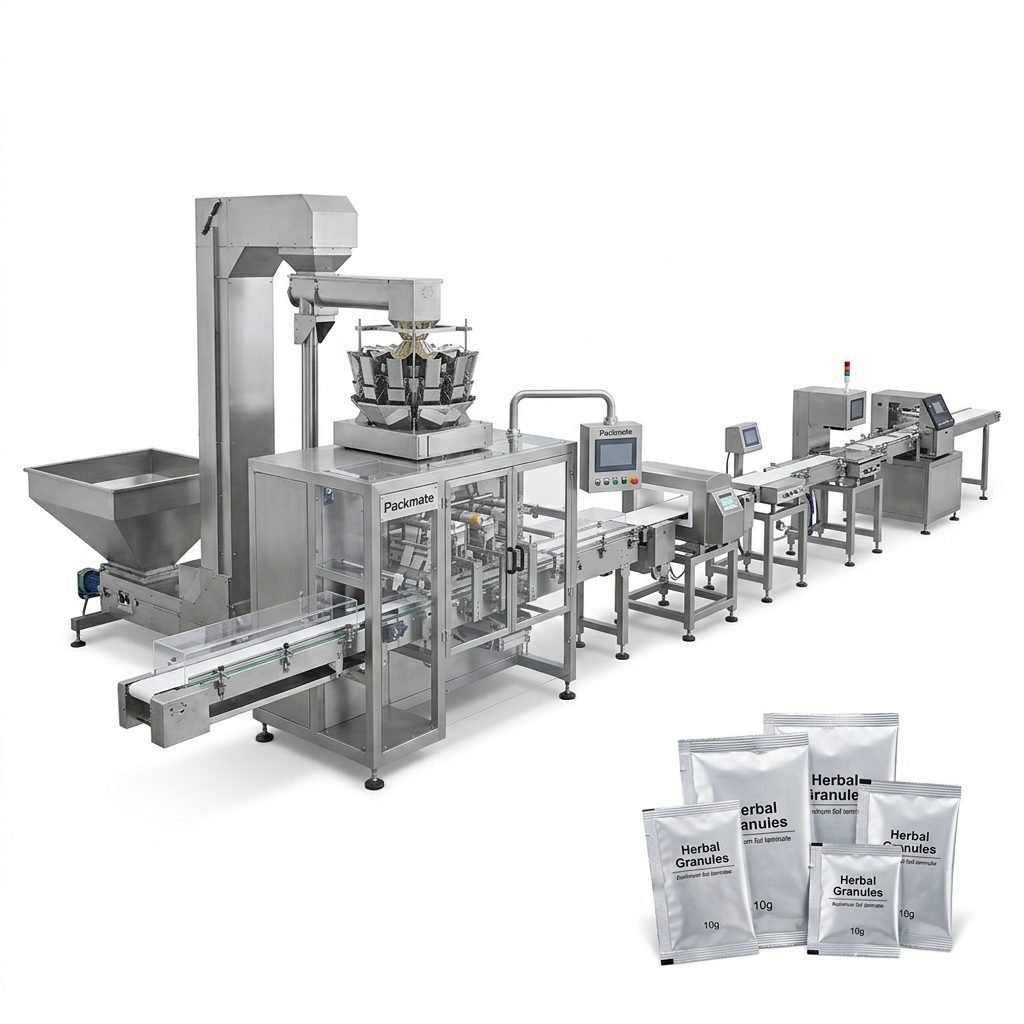
Some projects require custom formats, specific dosing systems, or full production lines that include weighing, filling, and secondary packaging. Choose suppliers that provide modular solutions and integration experience.
Consider suppliers who can provide:
– Multi-function turnkey lines covering weighing, filling, sealing and cartoning
– Custom tooling for unique pouch shapes or branded presentation
– Control systems compatible with your existing factory PLCs or MES
Explore product categories to understand full capabilities: Filling & Packaging Lines and Weighing & Packaging Systems.
Step 5 — After-sales Support, Training and Spare Parts
Strong after-sales support is essential, especially when importing into Mauritius where local technical resources may be limited. Confirm the supplier’s service network, training options, and spare-part availability.
Important support items: on-site installation, commissioning, operator training, online diagnostics, fast spare-part shipping, and local partner contacts. Check service pages and FAQs to understand typical lead times and warranty coverage.
For direct communication and inquiries: Contact the manufacturer to discuss support plans tailored for Mauritius.
Step 6 — Logistics, Import Duties and Local Installation
Importing industrial equipment into Mauritius requires planning for shipping, customs clearance (Port Louis is the main port), and local installation logistics. Confirm the supplier’s experience with export packing, crating, and international shipping documentation.
Checklist for shipping and installation:
– Export documentation (commercial invoice, packing list, certificate of origin)
– Crating standards for sea freight and lifting points for local rigging
– Local partner or contractor for final mechanical/electrical connections
– Ensure machine electrical compatibility (Mauritius uses 230V 50Hz)
Step 7 — Pricing, Payment Terms and Total Cost of Ownership
Price is important, but focus on total cost of ownership: energy consumption, spare parts, maintenance, and downtime costs. Evaluate payment terms (LC, T/T) and whether the supplier offers performance guarantees.
Negotiation tips: Request itemized quotes that separate machine cost, tooling, spare parts kits, installation, and training. Clarify warranty scope and response times for service requests.
Technical Compatibility: Power, Controls and Spare Parts
Make sure the electrical and control systems match Mauritius standards. Ask for documentation showing machine schematics, PLC brand, and recommended spare parts list. For long-term operations, standardized components simplify future repairs.
Power & Environment
Machines should be compatible with 230V 50Hz and be prepared for tropical factory environments. Specify stainless-steel frames and IP-rated electrical cabinets if humidity or dust is a concern.
Supplier Red Flags: What to Avoid
Be cautious if you encounter vague specifications, missing references, or suppliers unwilling to provide factory tour options or third-party inspection. Excessive lead-time without clear justification and unclear warranty terms are warning signs.
Watch out for: unrealistic low prices, lack of documentation, and poor communication. Reputable suppliers are transparent about manufacturing capacity and after-sales policies.
Local Business Etiquette and Cultural Tips for Mauritius
Business in Mauritius values personal relationships and clear communication. Meetings often combine professional formality with warm hospitality. When negotiating, factor in time for relationship-building and be respectful of local holidays.
Practical advice: use clear bilingual documents, be punctual, and confirm meetings in advance. Provide product samples and visual materials to help local partners understand machine output and packaging quality.
Case Study Snapshot
A small brand entering the Mauritian market partnered with a supplier offering a compact multi-lane snus line with stainless steel construction and moisture-seal capability. The supplier provided remote commissioning support and a local spare parts kit, enabling quick startup with minimum downtime and reliable product sealing under high humidity conditions.
For examples of projects and completed lines, review supplier case materials: Case
Final selection checklist (quick):
✅ Company credentials & factory visits or virtual tours
✅ Certifications: CE, ISO and export documentation
✅ Machines matching product format & tropical environment features
✅ After-sales support, spare-parts plans and training
✅ Clear logistics, installation and price transparency
Conclusion
Selecting a reliable snus packaging machine supplier for Mauritius requires attention to technical suitability, climate-resistant materials, bilingual labeling, regulatory compliance, and robust after-sales support. Prioritize suppliers that demonstrate transparency, provide sample runs or case studies, and can support shipping, installation, and maintenance tailored to Mauritian conditions.
Frequently Asked Questions
Q1: How do I ensure the machine will work in Mauritius’ humid climate?
A1: Specify stainless-steel construction, IP-rated electrical cabinets, and moisture-resistant seals. Request material certificates and sample packs sealed under simulated humidity conditions.
Q2: What documentation is needed for importing a packaging machine into Mauritius?
A2: Typical documents include commercial invoice, packing list, bill of lading, certificate of origin, and any CE/ISO certificates. Work with freight forwarders experienced with Port Louis customs clearance.
Q3: Can suppliers provide training remotely?
A3: Yes, many suppliers offer remote commissioning, video-guided training, and online diagnostics. For critical installs, arrange on-site commissioning where feasible.
Q4: Should I buy multi-lane machines for small markets like Mauritius?
A4: Consider current demand and growth plans. Multi-lane systems increase throughput and reduce per-unit cost but require larger upfront investment. For small volumes, flexible single- or dual-lane machines with quick changeover may be better.
Q5: Where can I find reliable machine models and support from experienced manufacturers?
A5: Review specialized suppliers’ product pages and service offerings. For a comprehensive look at available machine types and company services, see the manufacturer’s portfolio: Sachet & Stick Pack Machines and the Catalog.