Choosing the right supplier for nicotine packaging machinery in Côte d’Ivoire is a critical decision for manufacturers, distributors, and investors seeking to enter or scale within West Africa’s growing market. This guide walks you through the technical, commercial, and cultural factors to consider, and offers a practical checklist to help you select a partner who can deliver reliable machines, timely service, and compliance with local conditions and regulations.
Understand the Ivorian market and local habits
Côte d’Ivoire is French-speaking, with a large urban concentration around Abidjan. Consumers and retailers value discreet, durable packaging that protects products in a hot, humid climate. Distribution often relies on a mix of modern supermarkets, pharmacies, and informal kiosks. When selecting machinery, prioritize solutions that enable:
✔️ Robust seals and barrier films to resist humidity
✔️ Labels and control systems that support French-language printing and regulatory statements
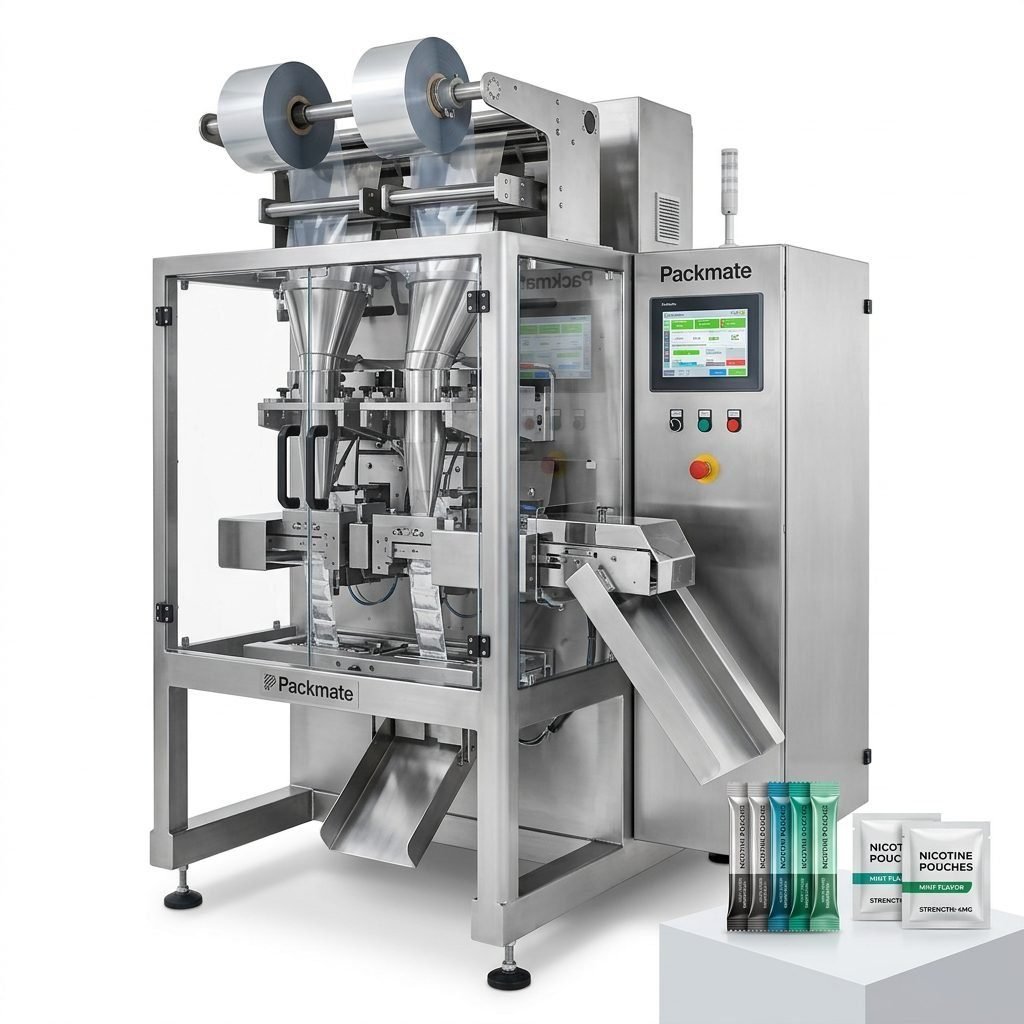
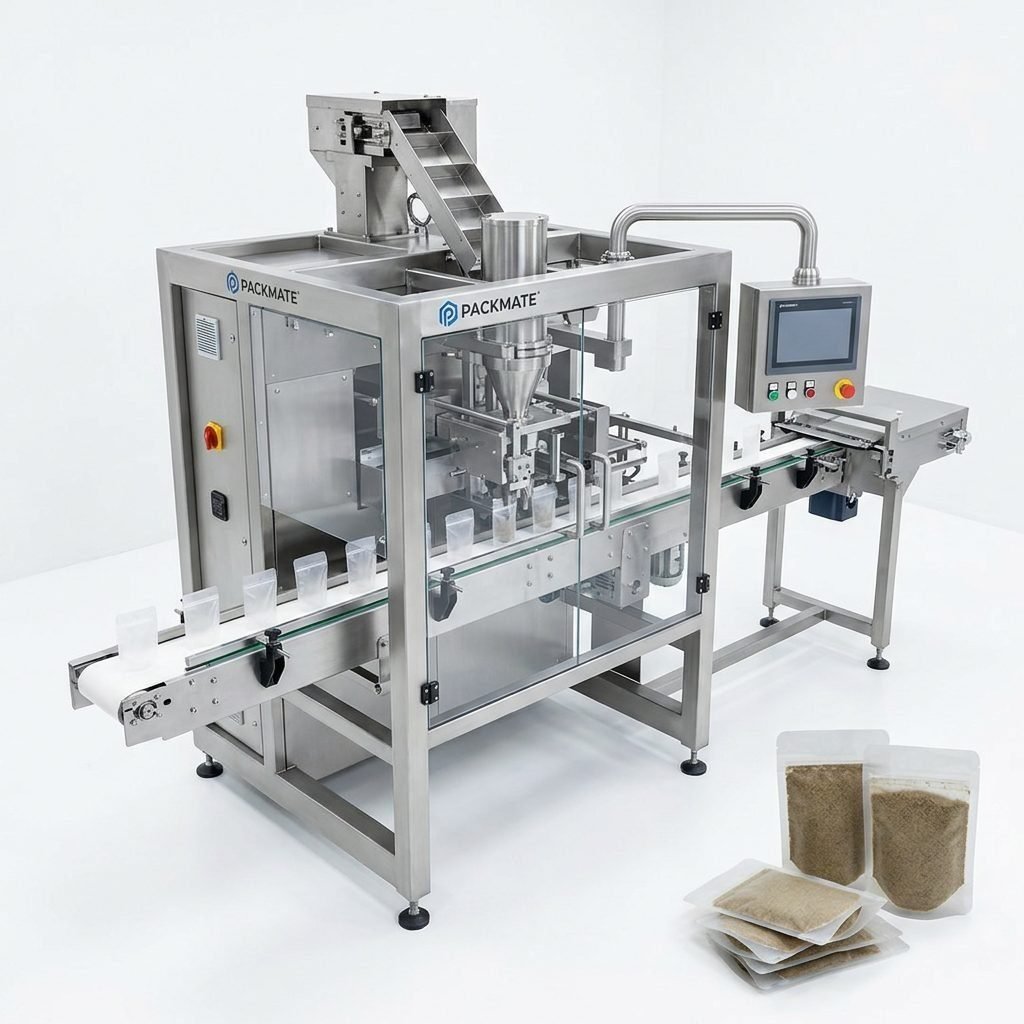
✔️ Flexible packaging formats (snus pouches, sachets, stick packs) to serve both modern retail and small-scale vendors
Match machine capabilities to product and climate requirements
When producing nicotine pouches or snus in Côte d’Ivoire, environmental protection and accurate dosing are non-negotiable. Choose machines that offer:
• Moisture-resistant sealing technology — heat-seal and lamination systems optimized for high humidity.
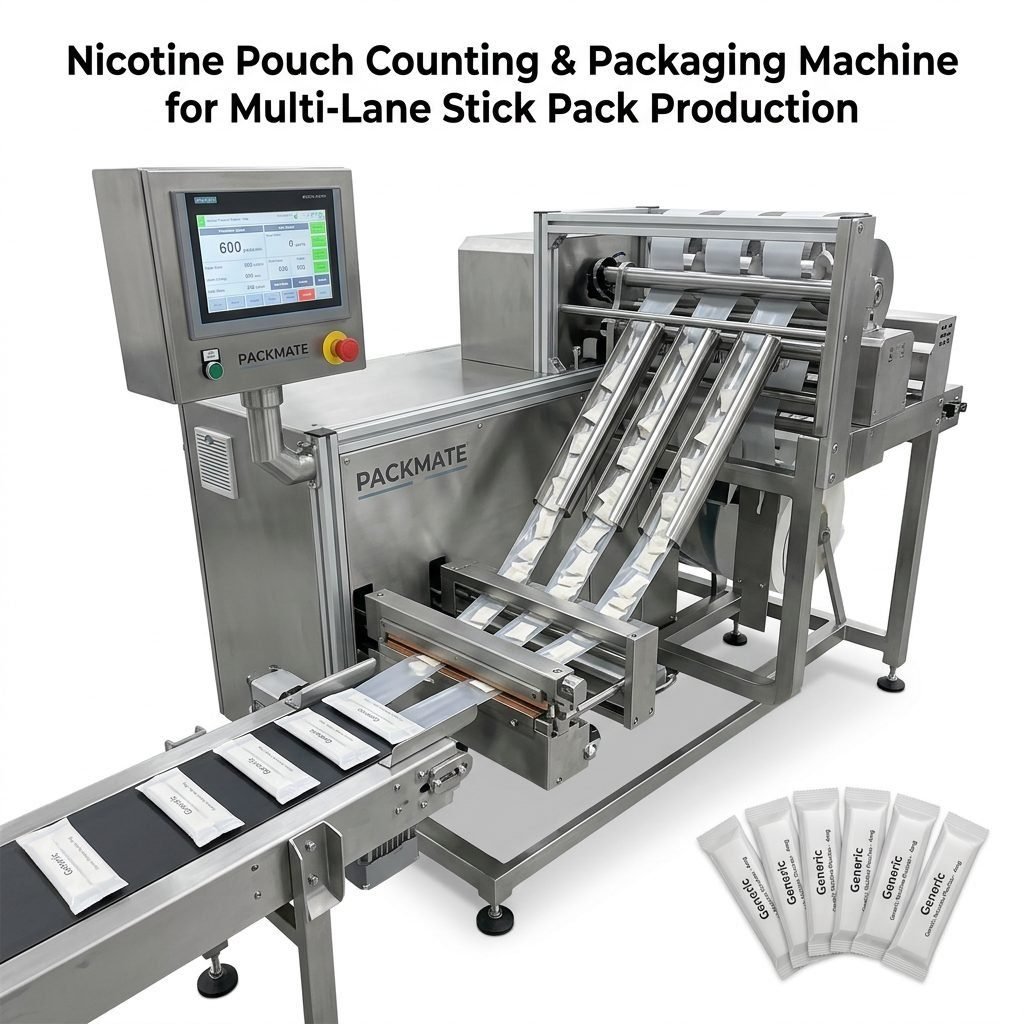
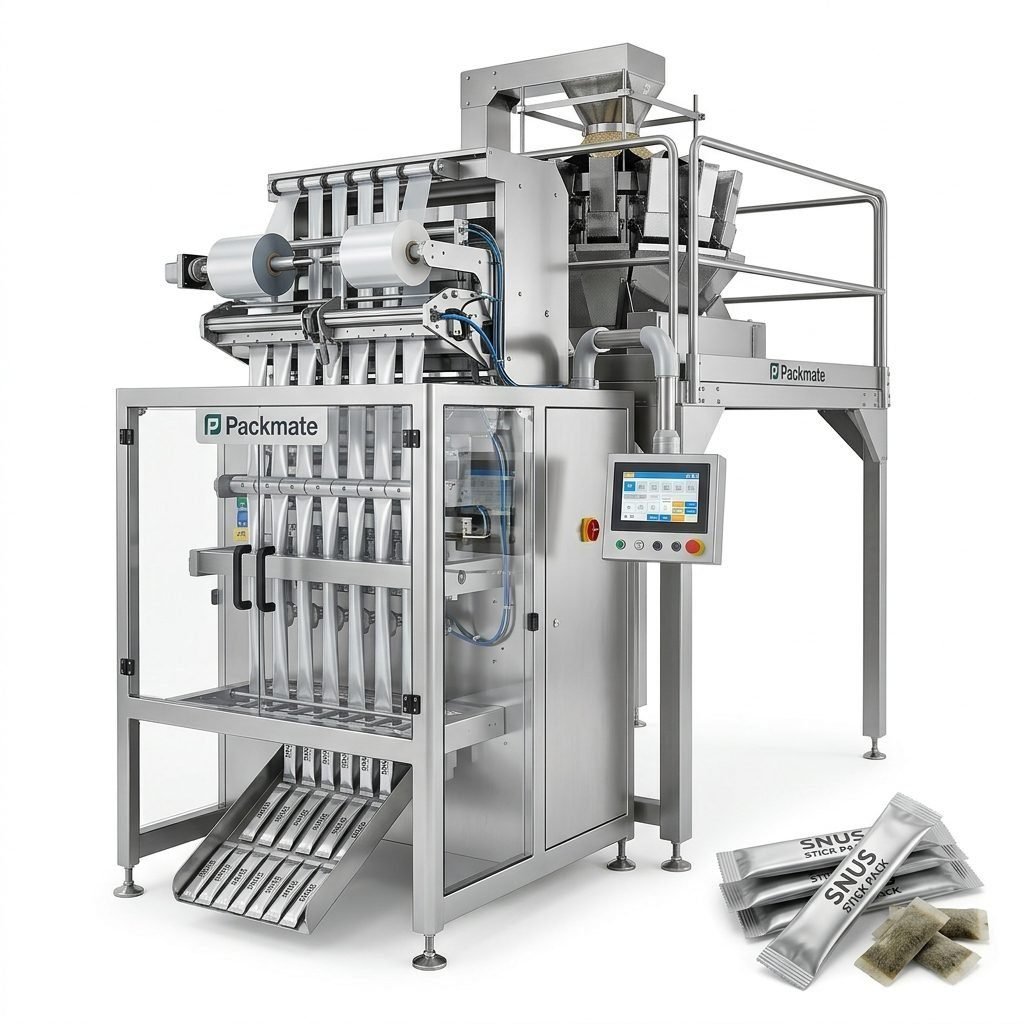
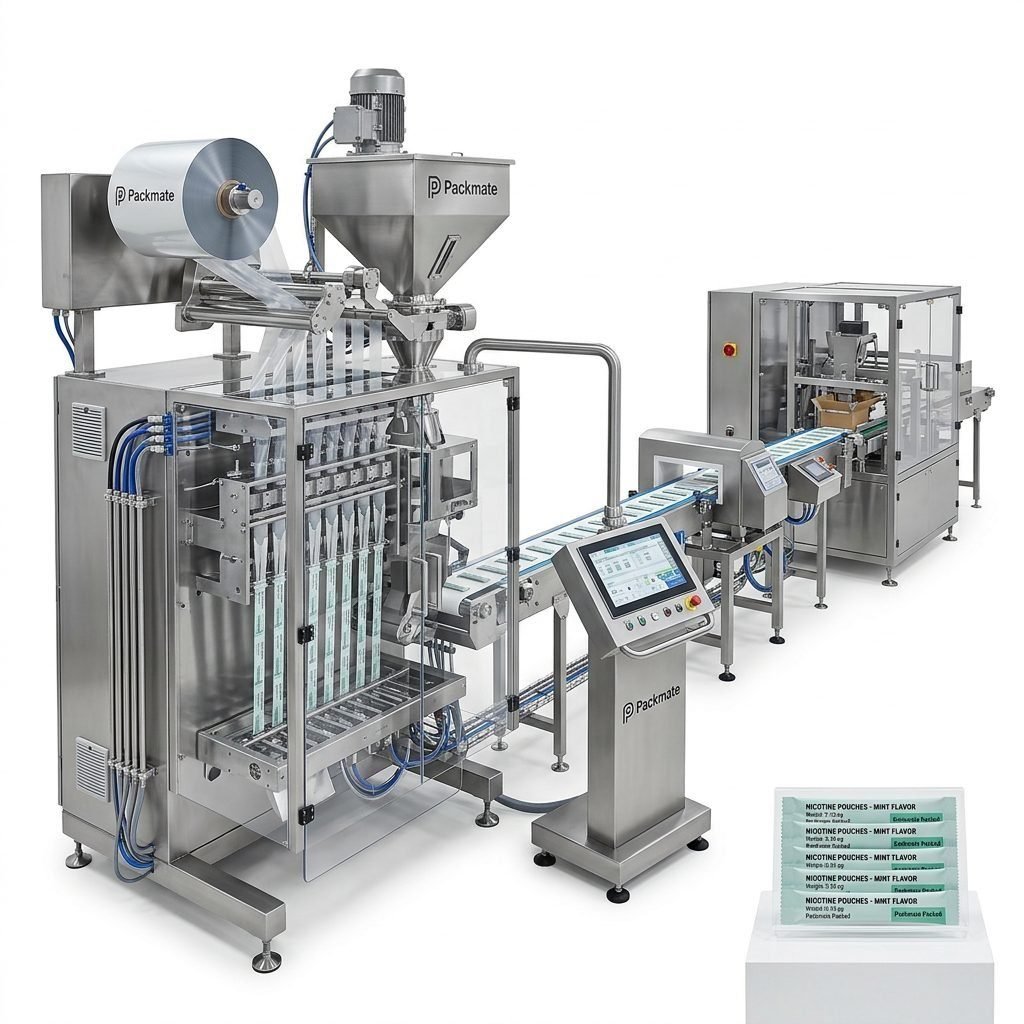
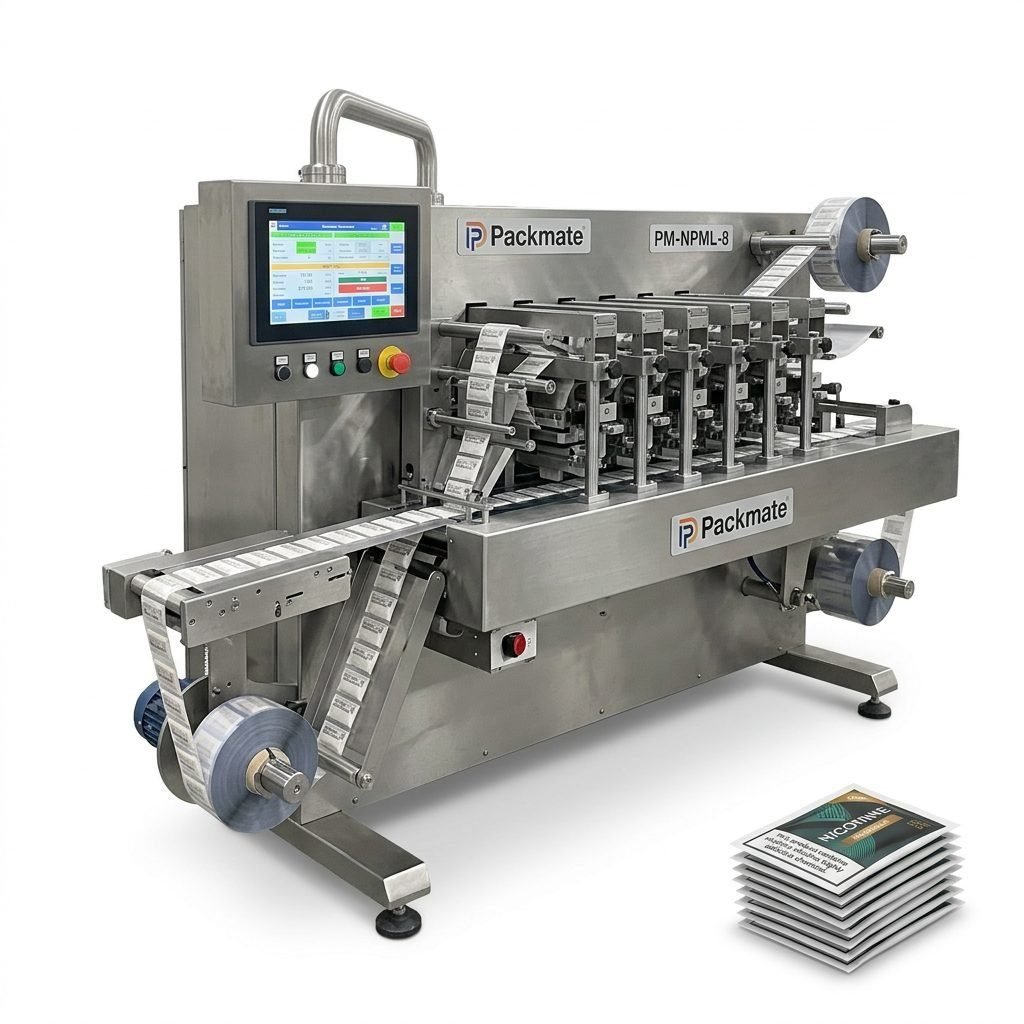
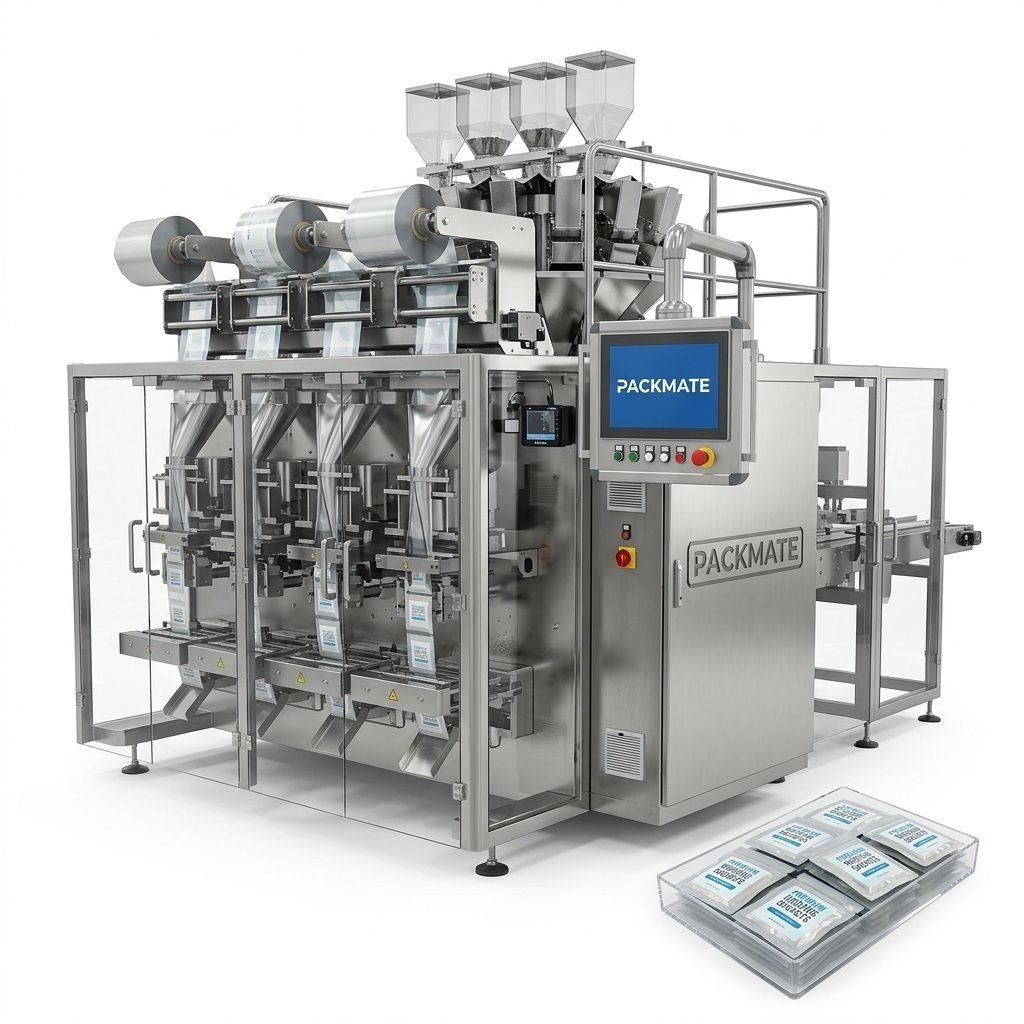
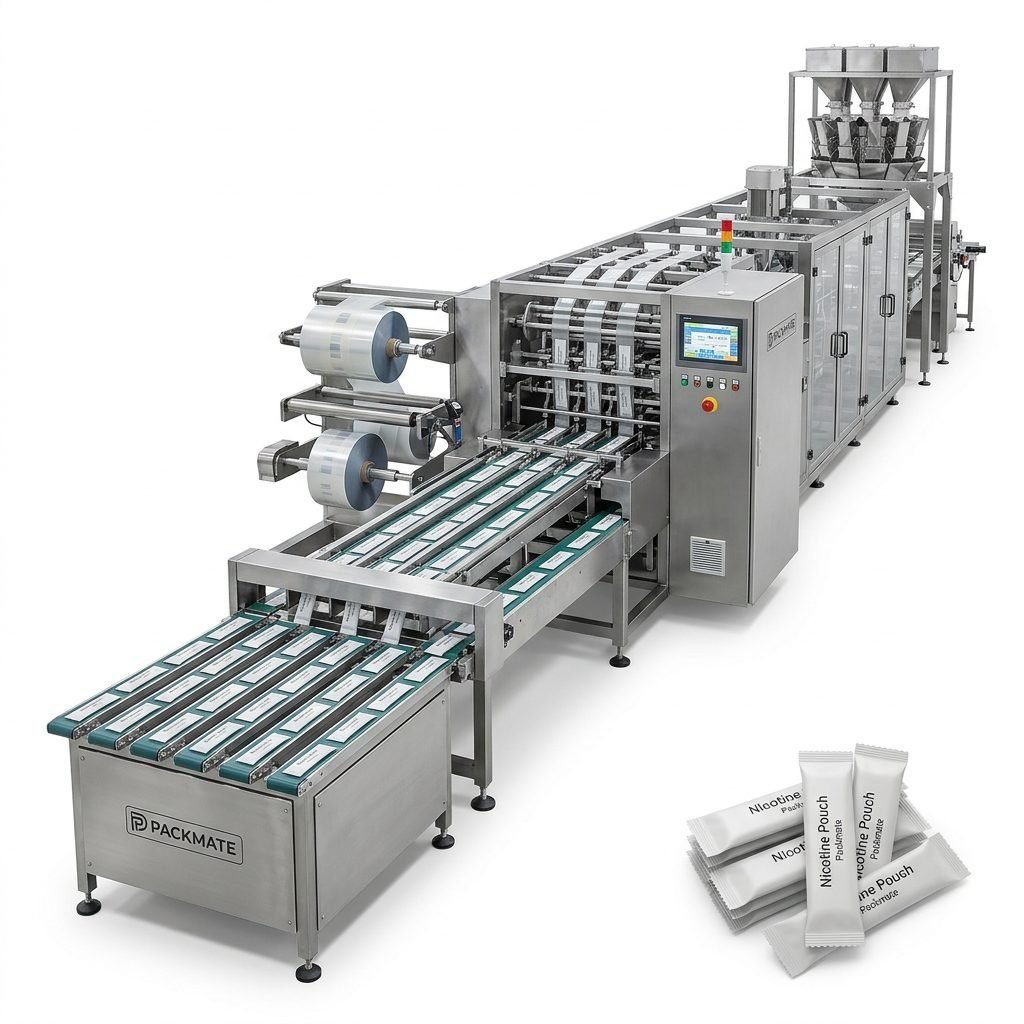
• Precise multi-lane dosing — small-dose pouch production benefits from multi-lane stick or sachet systems to maximize throughput.
• Robust materials handling — corrosion-resistant components and filters to handle dust and humidity common in West African environments.
Technical features to prioritize
• Servo-driven precision for consistent pouch size and weight.
• Easy-changeover design to switch between pouch sizes and film types popular in local markets.
• Integrated quality inspection (weight check, seal inspection) to reduce rejects and build retailer trust.
• Compliance with international certifications (CE, ISO) and documentation needed for import clearance at the Port of Abidjan.
Supplier credibility: what to verify
Verify a supplier’s track record and manufacturing capacity. Established companies with decades of engineering experience often provide more reliable machinery and support.
• Years of experience: look for suppliers with long-term presence in packaging machinery — for example, Packmate Snus Machine brings over 30 years of engineering experience and a 20,000㎡ factory footprint.
• Model range and customization: a supplier offering 50+ machine models and turnkey lines can tailor solutions to local needs.
• Certifications: CE and ISO certifications are helpful for import clearances and quality assurance.
After-sales support and spare parts availability
Local uptime depends on rapid access to spare parts and skilled service. In Côte d’Ivoire, where shipping spares from overseas may take time, prioritize:
✔️ Suppliers who stock critical wear parts or provide short lead-time shipping.
✔️ Remote support and training in French to shorten troubleshooting cycles.
✔️ On-site commissioning and operator training as part of the purchase agreement.
Ask about these service commitments
• Guaranteed spare part delivery windows and local stocking options.
• Availability of French-speaking field engineers and remote diagnostics.
• Training for operators on preventive maintenance to maximize machine life in humid climates.
Commercial terms, warranties and ROI analysis
Evaluate total cost of ownership, not just the purchase price. Consider energy consumption (machines should match local power standards, e.g., 220V 50Hz), downtime risk, and expected throughput.
• Warranty coverage and what it excludes — ensure clarity on wear parts and electronics.
• Financing or leasing options and expected payback period based on local price points and sales channels.
• Trade terms, INCOTERMS, and responsibilities for import duties and VAT at Abidjan port.
Customization and packaging materials
Suppliers that support local material formats and can test your chosen films and laminates reduce the risk of packaging failure. Consider:
• Compatibility with local or regional film suppliers and the option to conduct trial runs with your film before purchase.
• Options for recyclable or lower-moisture-permeability materials that cater to environmentally conscious retailers and consumers.
• Labeling modules for printing in French and including regulatory warnings or ingredient lists required by local authorities.
Red flags and warning signs
⚠️ Limited or vague documentation about electrical specifications, spare parts lists, and maintenance schedules.
⚠️ No references or case studies in similar climates or industries — ask for proven installations in West Africa or other humid regions.
⚠️ Excessive reliance on third-party agents for service without direct manufacturer backup.
How to validate a supplier: practical steps
Follow a structured validation process before committing:
1) Request machine videos of the exact model running your product type and film.
2) Ask for client references in similar climates or product categories; follow up with direct questions about uptime and local support.
3) Request a FAT (Factory Acceptance Test) or demo run and detailed spare parts list and manuals in French.
4) Confirm installation, commissioning, and operator training terms — ideally included in the contract.
Why working with an experienced snus machinery manufacturer helps
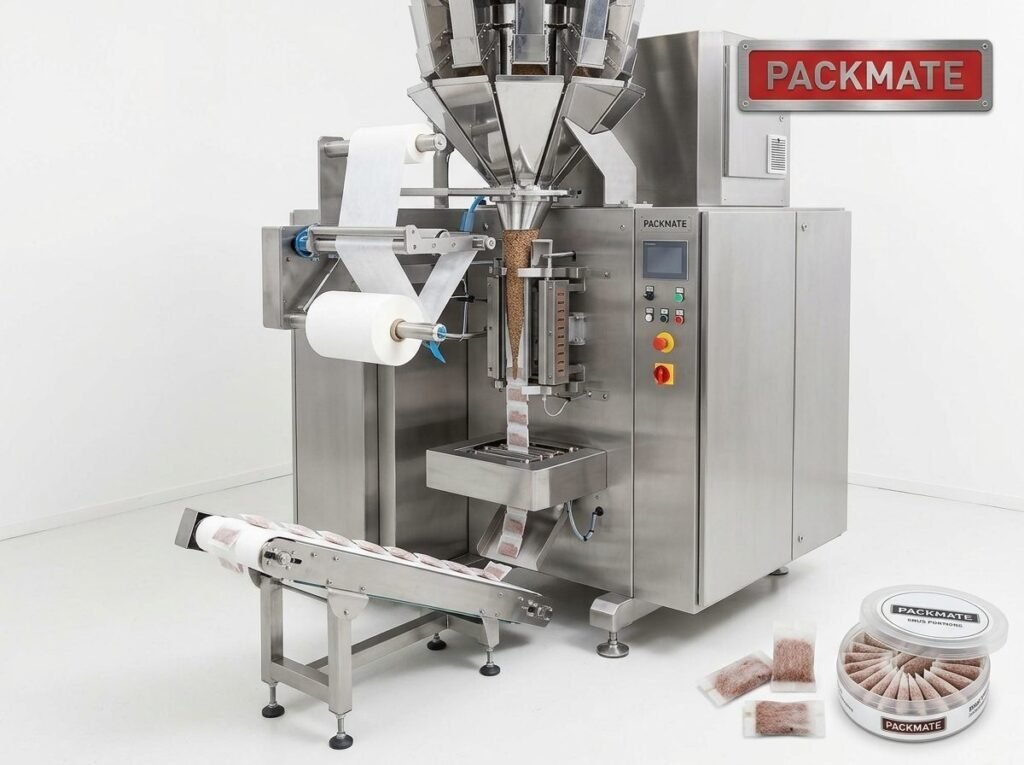
Specialist manufacturers bring deep industry knowledge — from precision dosing on multi-lane lines to controlling moisture-sensitive sealing. For example, experienced suppliers can provide tailored turnkey solutions that include:
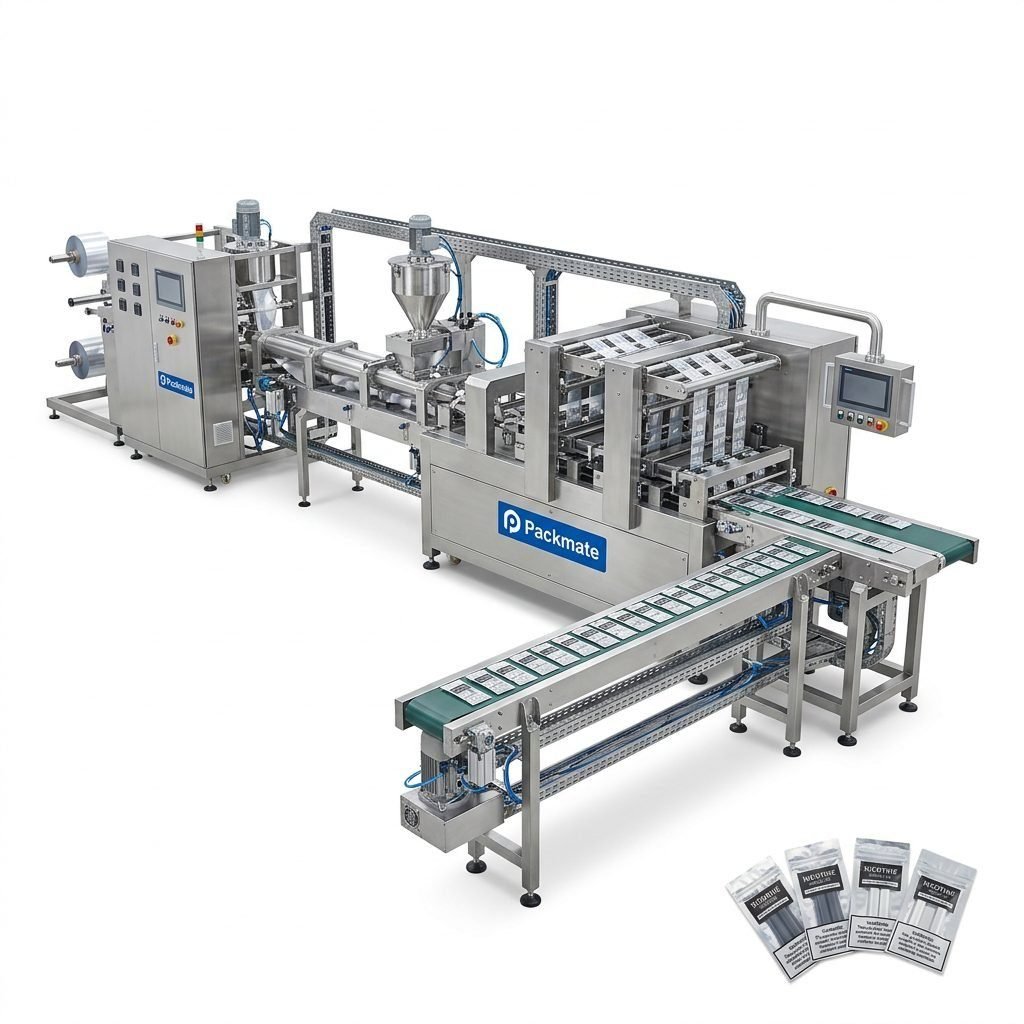
• End-to-end lines for snus and nicotine pouches, including weighing, filling, pouch forming, sealing and cartoning.
• Proven machine families for stick packs, sachets and multi-lane systems that match both low-dose and high-volume production needs.
• Access to engineering teams that can adapt designs to local power, workflow and maintenance capabilities.
Useful resources and supplier links
Review detailed product pages and company information to compare models, support offerings, and case studies:
• Snus & Nicotine Packaging Machines
• Bag & Pouch Packaging Machines
• About Packmate — company profile, certifications and factory capabilities.
• Contact Us — request quotes, FAT scheduling, and French-language support.
Logistics, compliance and local partnerships
Coordinate shipping and compliance early to avoid delays and unexpected costs. Key considerations include:
• Port handling at Abidjan — clarify INCOTERMS and who covers duties and clearance.
• Import permits and local labeling regulations for nicotine products — ensure your machine’s printing and coding modules can produce compliant labels in French.
• Partner with local distributors or service companies for faster onsite response and spare parts stocking.
Final checklist before signing
• Machine spec sheet matches your film type, pouch format and required throughput.
• Warranty, spare parts lead times, and training are clearly documented and included.
• Demonstration video or FAT performed on similar products; client references provided.
• French-language manuals and on-site commissioning included; clarity on import & installation responsibilities.
Conclusion
Selecting the best nicotine packaging machinery supplier for Côte d’Ivoire means balancing technical performance, climate resilience, reliable after-sales support and sensitivity to local language and distribution channels. Choose a partner with proven snus and nicotine packaging experience, transparent commercial terms, and a demonstrated ability to support installations and maintenance in West African conditions.
Frequently Asked Questions
Q1: How important is local language support when buying a machine for Côte d’Ivoire?
A1: Very important. French-language manuals, operator training, and support reduce misunderstandings and speed up commissioning and maintenance.
Q2: What machine features help fight humidity-related packaging failures?
A2: Moisture-resistant sealing, controlled heating systems, and high-barrier film compatibility are key. Choose machines with corrosion-resistant parts and optional drying or dehumidifying modules for the production area.
Q3: Should I prioritize a local agent or direct manufacturer support?
A3: Both are valuable. Direct manufacturer support ensures technical expertise and spare part sourcing, while a local agent offers fast onsite response. Ideally, secure both manufacturer-backed parts and an accredited local partner.
Q4: What certifications should I ask for when importing packaging machinery?
A4: CE and ISO certifications are commonly requested. Also ask for electrical compliance documentation that matches Côte d’Ivoire’s standards and any test reports relevant to food or pharmaceutical grade equipment.
Q5: How can I reduce downtime for machines installed in Abidjan or other Ivorian cities?
A5: Maintain a small stock of critical spare parts locally, schedule regular preventive maintenance, use local-trained operators, and ensure your supplier offers rapid remote diagnostics and French-speaking technical support.