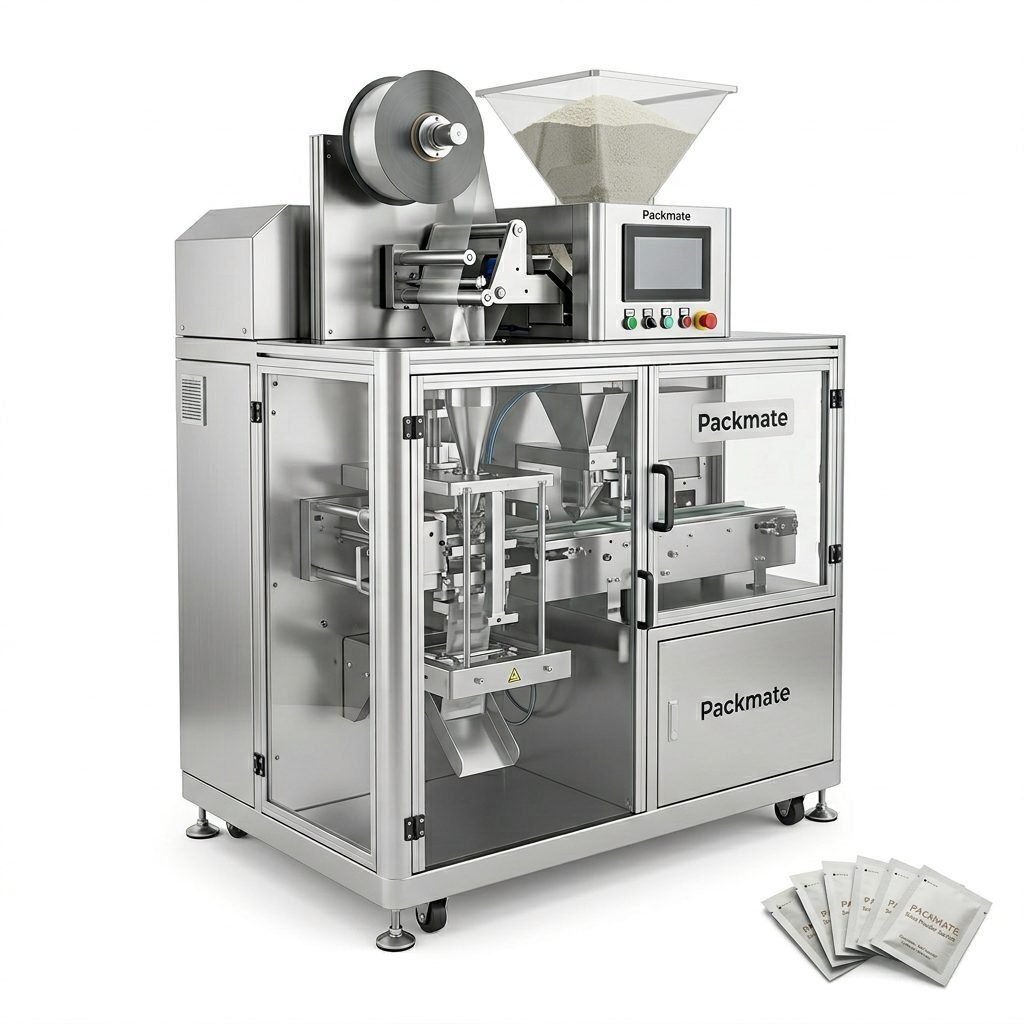
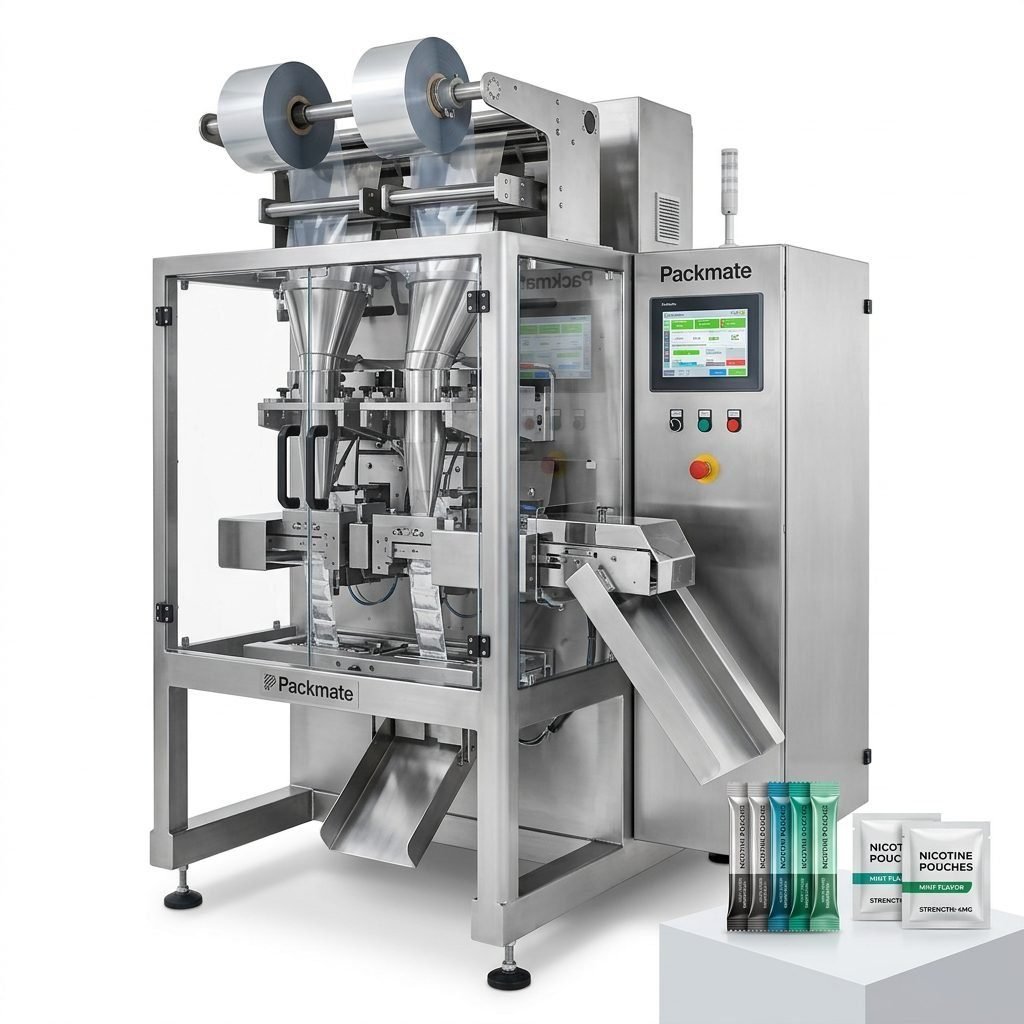
Choosing the right nicotine packaging machinery supplier in Nicaragua is a strategic decision that will affect product quality, regulatory compliance, and long-term profitability. Whether you are launching nicotine pouches, snus-style products, or other dose-controlled formats, this guide walks you through the practical, cultural, and technical considerations for selecting a reliable supplier that can support your business growth in Nicaragua.
Understand the Nicaraguan market and local business culture
Nicaragua is a Spanish-speaking market where relationships and trust play a major role in business negotiations. Suppliers who take time to build local relationships, respond promptly, and demonstrate respect for local processes are often preferred. In addition, small and medium-sized producers are common, so flexibility in order size and modular production lines can be an advantage.
Tip: When working with local distributors or regulators, it helps to present documentation in Spanish and to have local representation or a trusted agent to handle importation and customs clearance.
Key supplier selection criteria (what matters most)
Selecting a supplier for nicotine packaging machinery requires evaluating many factors beyond price. Below are the essential criteria to assess:
1. Proven experience and product fit
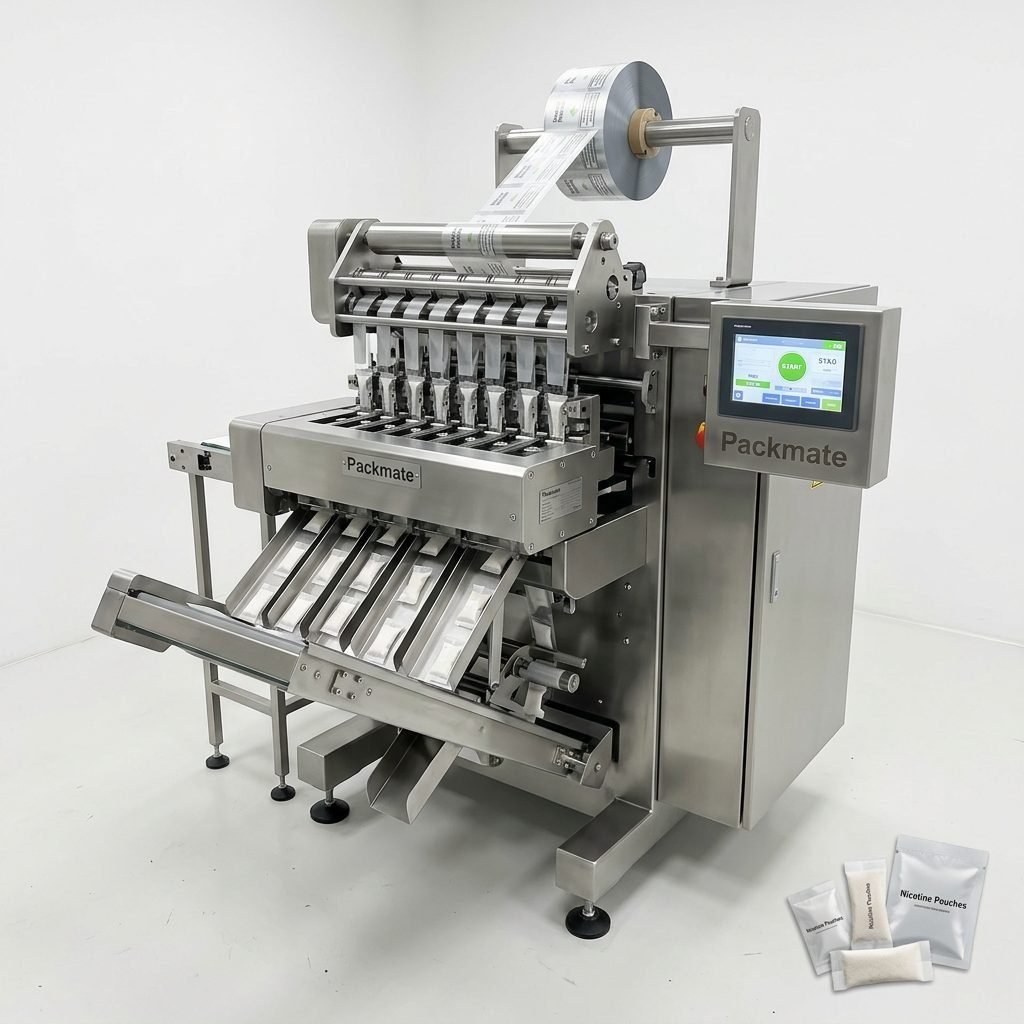
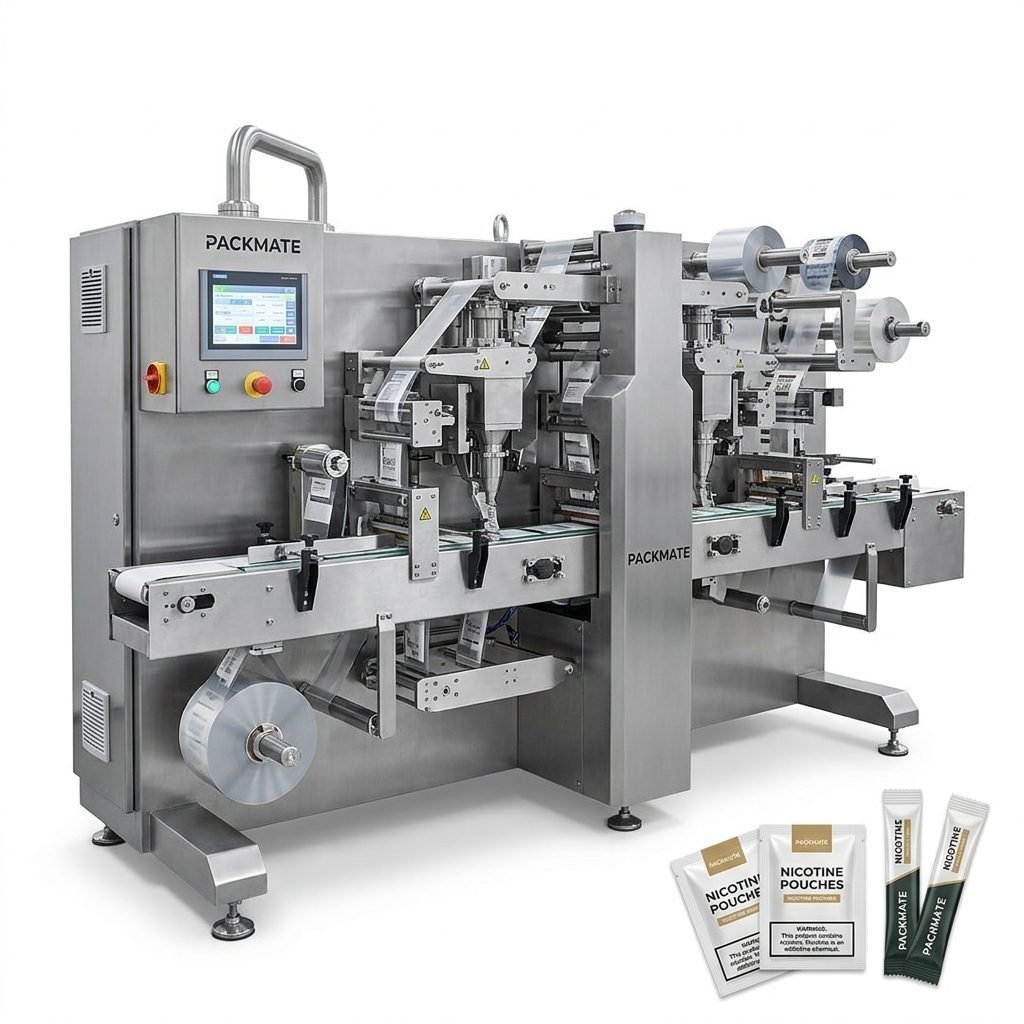
Look for suppliers with demonstrable experience in nicotine pouch and snus packaging equipment. Machines designed specifically for small-dose pouches, multi-lane pouch forming, and precise weighing are crucial. Suppliers offering dedicated systems for snus and nicotine pouches provide better yield, seam integrity, and dose control.
2. Manufacturing strength and certifications
Evaluate factory capabilities: CNC machining, precision assembly, QC systems, and ISO/CE certifications are indicators of manufacturing reliability. A supplier with a large, well-equipped facility can scale production faster and maintain consistent quality.
3. After-sales, spare parts and local support
After-sales support is critical—especially in markets where rapid on-site service may be limited. Ask about spare parts availability, remote diagnostics, training programs, and local partners who can assist with installation and maintenance.
4. Customization and turnkey solutions
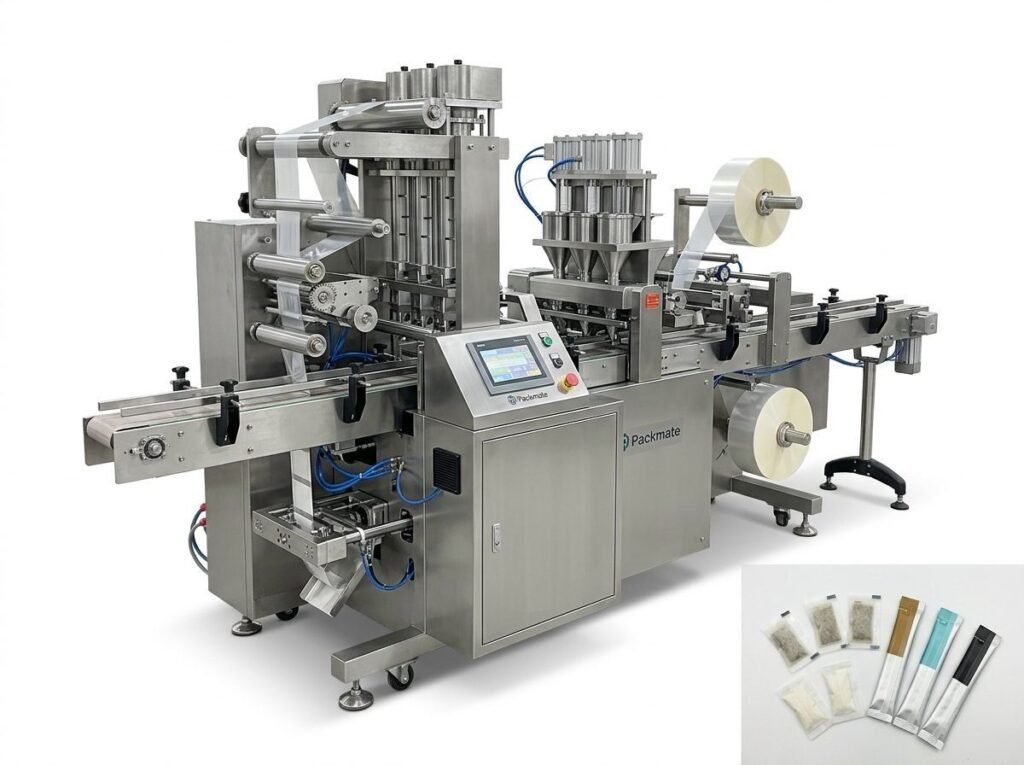
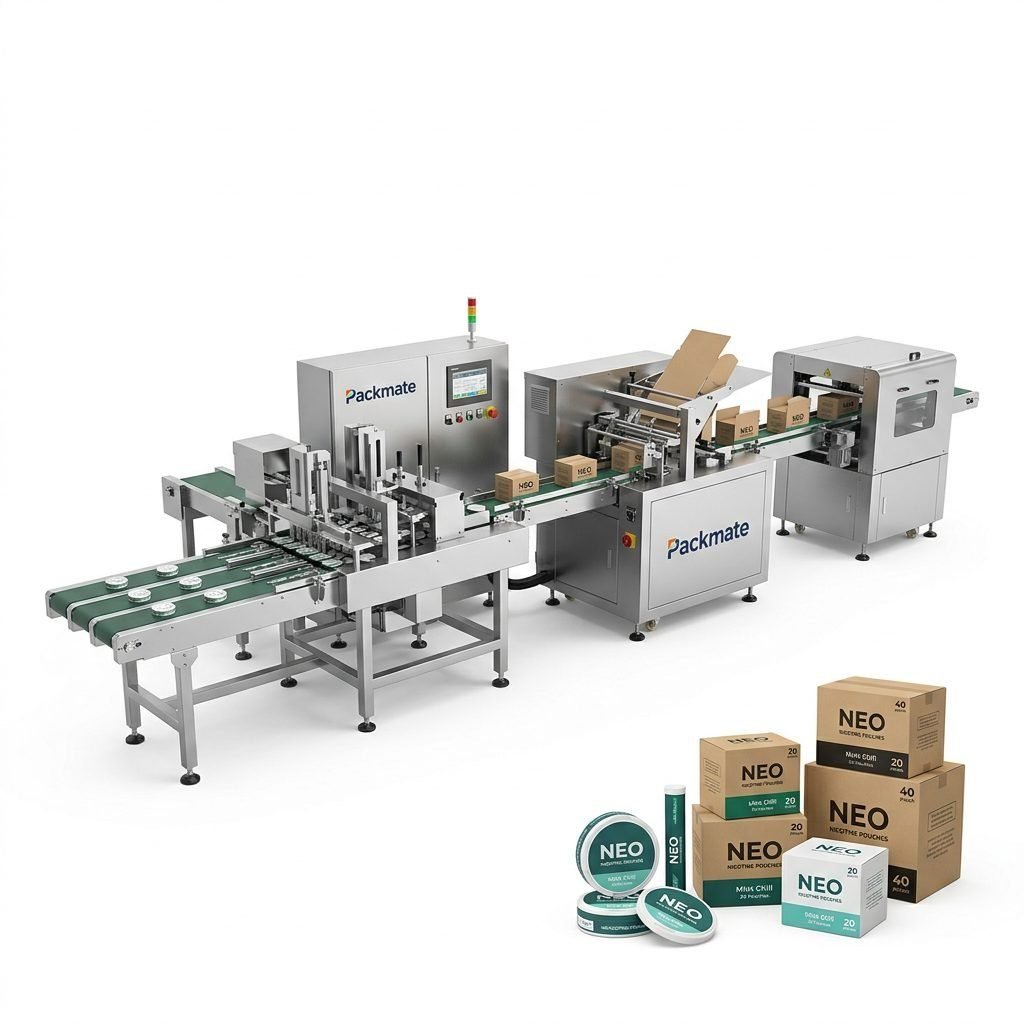
Nicotine products often require custom dosing, flavor packaging, and multi-lane output to meet demand. Suppliers offering turnkey solutions (from filling and weighing to packaging and case packing) reduce integration risks and speed up commissioning.
5. Price, total cost of ownership and ROI
Don’t focus solely on the purchase price. Consider energy consumption, downtime, yield rate, spare part costs, and service fees. A slightly higher initial investment may pay off with lower operating costs and higher output quality.
Checklist ➜
✔️ Experience with nicotine pouches
✔️ CE/ISO certification
✔️ Spare parts & training
Technical features to compare
When comparing specific machine models, pay attention to these technical aspects:
Machine types and compatibility
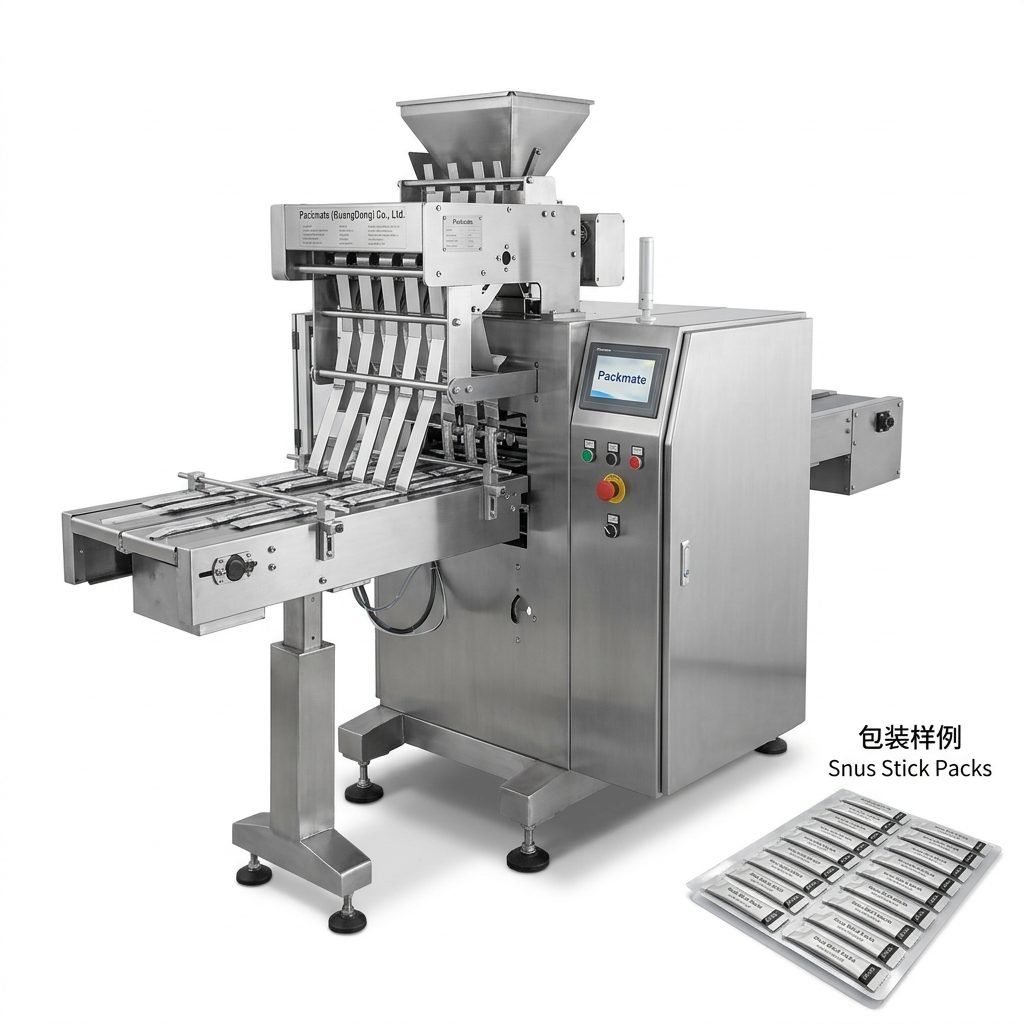
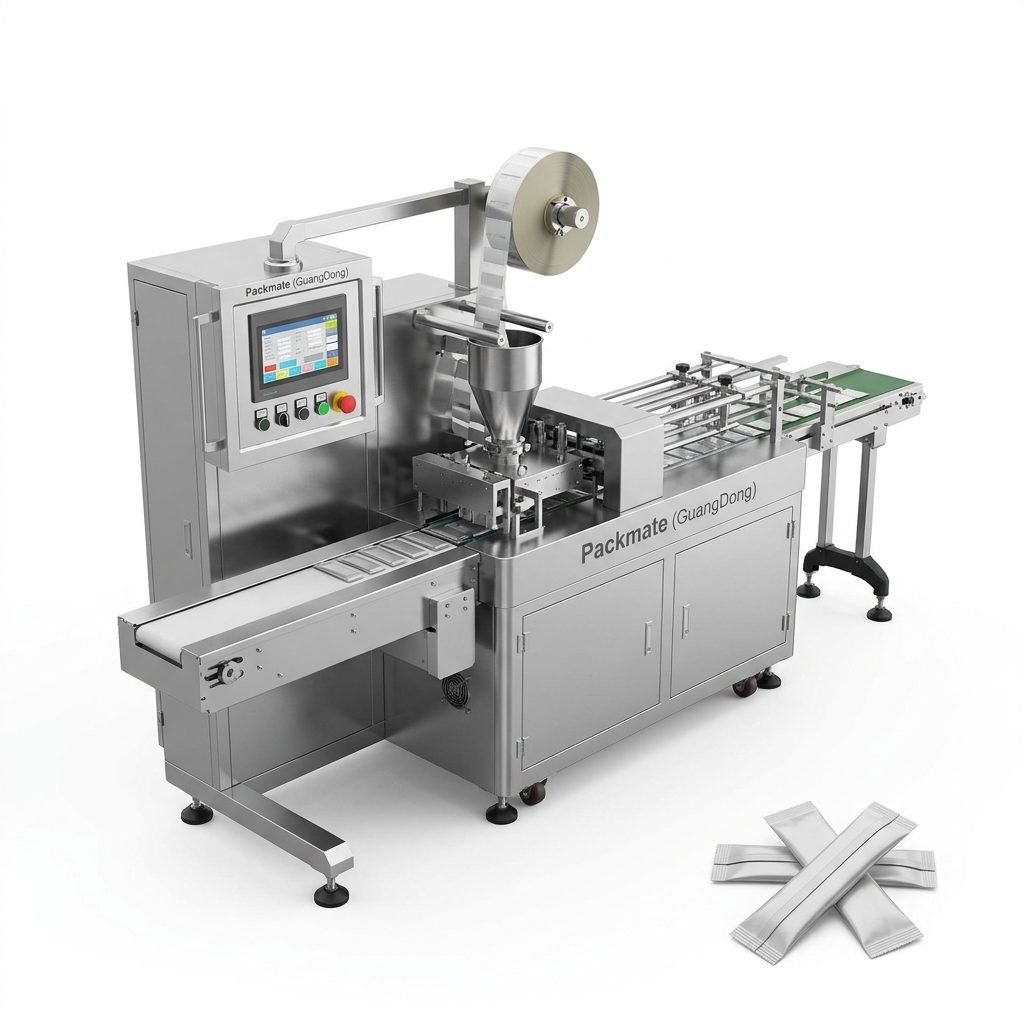
Evaluate whether the supplier offers machines tailored for nicotine pouches (snus-style), stick packs, sachets, or multi-lane pouch lines. Machines designed for small-dose pouches should have precise dosing systems and gentle product handling to avoid dusting or loss.
For reference, explore specialist lines like Snus & Nicotine Packaging Machines and Sachet & Stick Pack Machines from experienced suppliers.
Filling and weighing systems
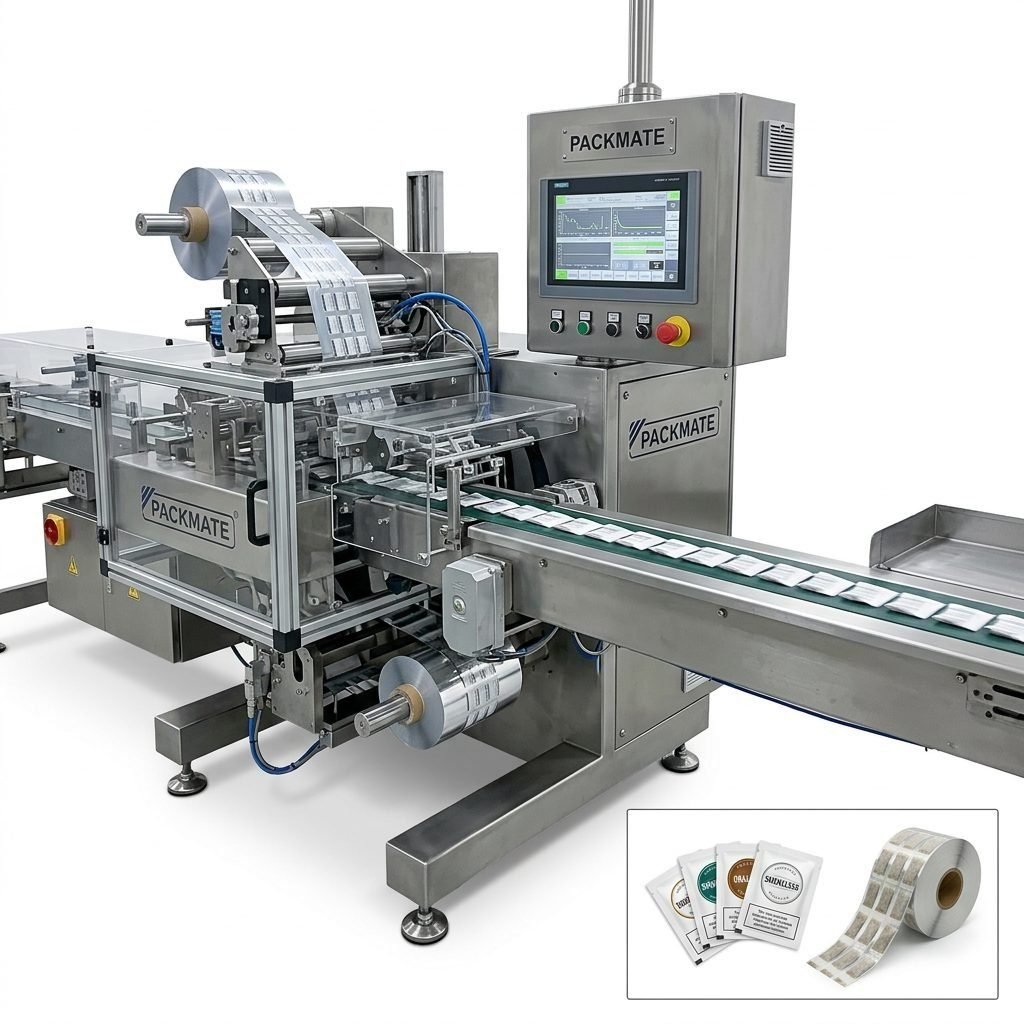
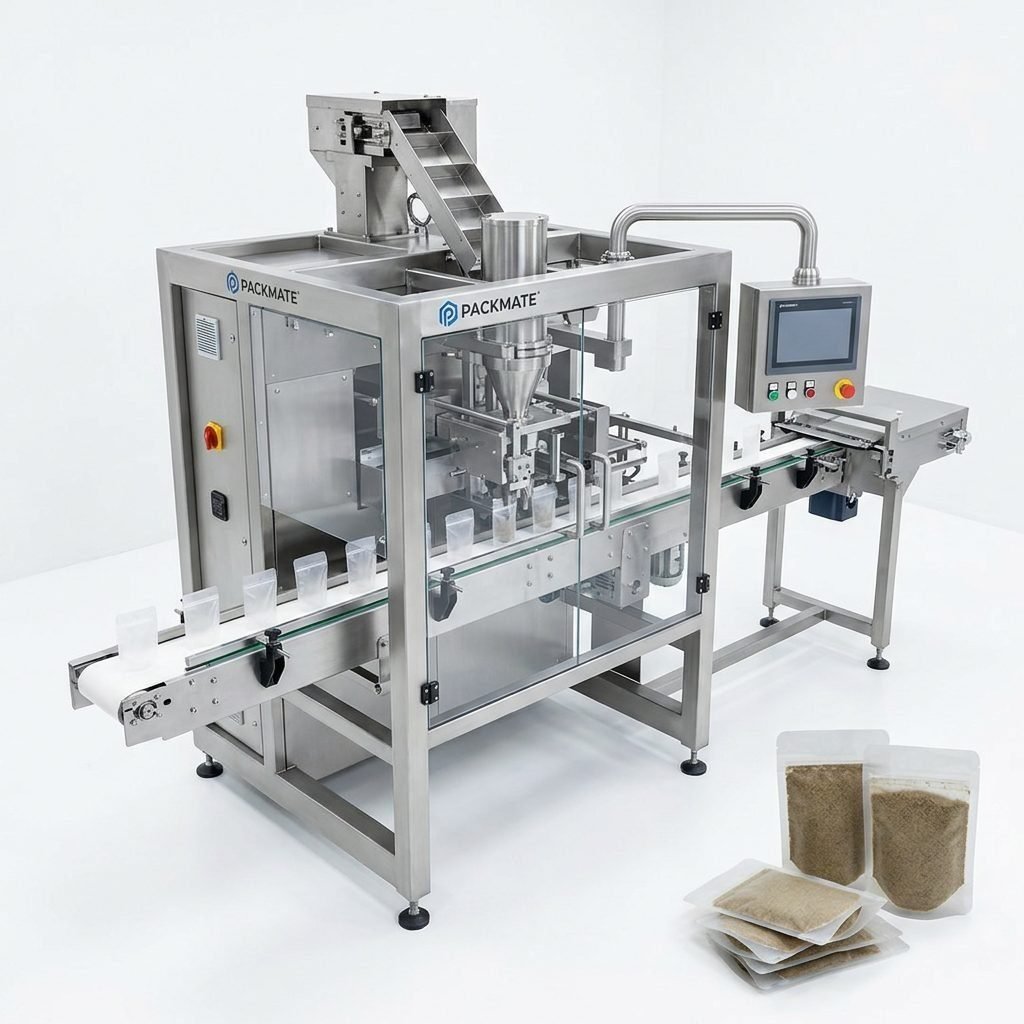
Precision weighing is essential for regulatory compliance and customer satisfaction. Check whether the supplier integrates advanced weighing and feeding systems for powders, granules, or paste-like formulations. Consider multi-head weighers and closed feeding systems to improve accuracy.
Sealing quality and material options
Heat-sealing quality and adaptable film handling are crucial. Make sure the machines handle your chosen pouch materials (co-extruded films, barrier laminates) and that they support printing, re-sealable features, or special windowing if required.
Why visiting a supplier or factory matters
Factory visits or virtual factory acceptance tests (FAT) let you verify production standards, machining accuracy, assembly workflows, and testing protocols. If travel is constrained, request live video demonstrations, machine performance data, and references from similar projects.
Important: Ask for real production case studies that show yield rates, uptime, and sample outputs. Real-world performance matters more than spec sheets.
Logistics, import and regulatory considerations in Nicaragua
Nicaragua’s import and distribution infrastructure requires careful planning. Major ports like Corinto handle most ocean freight—understand lead times, customs documentation, and any duties or special permits that apply to nicotine-containing products. Engage a customs broker familiar with food/pharma-grade equipment imports to avoid delays.
Additionally, consult local legal counsel about nicotine product regulations. While packaging equipment is typically treated as machinery, the intended use for nicotine production may involve additional documentation or compliance checks.
Cultural and commercial tips for working with Nicaraguan partners
Business relationships in Nicaragua often benefit from clear, respectful communication and timely follow-through. Use Spanish-language materials where possible, offer local training or bilingual manuals, and be flexible with payment terms and delivery windows. Building trust through site visits, transparent timelines, and reliable after-sales service pays dividends.
Negotiation and payment
Local buyers may prefer staggered payments (deposit + production milestone + delivery) and appreciate suppliers who provide clear warranty and spare parts policies. Consider offering remote training and a parts starter kit to reduce downtime after installation.
Steps to implement a new packaging line in Nicaragua
Follow a structured process to minimize risk and ensure successful commissioning:
1. Needs assessment
Document product specs, daily throughput targets, packaging formats, and regulatory labeling requirements. This will guide the selection of single machines or a full filling & packaging line.
2. Supplier evaluation and quotations
Request detailed quotations that include machine specs, lead times, warranty, installation services, and spare parts lists. Compare total cost of ownership rather than just initial price. View sample machines or videos of similar production lines in operation. Useful resources include product pages such as Filling & Packaging Lines and Weighing & Packaging Systems.
3. Factory Acceptance Test (FAT)
Conduct FAT on-site or remotely to witness machine performance with your actual materials. Confirm throughput, sealing quality, and dose accuracy before shipment.
4. Shipping, customs and installation
Coordinate shipping to a reliable port, confirm customs documentation, and schedule installation with certified technicians. Ensure power specifications and factory utilities match machine requirements.
5. Commissioning and training
On-site commissioning should include operator training, maintenance instructions, and spare parts handover. Remote support and follow-up visits help stabilize production during the ramp-up period.
Local support note: Arrange for a local technician or distributor to be trained as your first-line service resource. That reduces downtime and travel costs for foreign engineers.
Evaluating supplier references and case studies
Ask potential suppliers for case studies or references from customers in similar industries or regions. Confirm their machines’ long-term performance, spare parts lead times, and the responsiveness of their service teams. You can review project examples and exhibition activities on About Packmate and Case pages.
How Packmate-style suppliers can meet Nicaraguan needs
Suppliers with decades of experience, large manufacturing facilities, and specialized snus/nicotine pouch lines can be a strong match for Nicaraguan producers. Advantages of working with a seasoned supplier include:
- 📦 Strong engineering capability for custom multi-lane solutions
- 🔧 Advanced CNC and assembly systems ensuring consistent machine quality
- 🌎 Global turnkey solutions that reduce integration risk
- 📋 Certifications (CE/ISO) that simplify cross-border projects
For more detailed product information, review specific product lines such as Snus & Nicotine Packaging Machines and Sachet & Stick Pack Machines. If you want to learn more about the supplier’s background and manufacturing strength, see About Packmate.
Negotiation tips and warranty points to secure
When finalizing terms, make sure contracts cover:
- ⚖️ Clear warranty scope, including wear parts and electronic components
- ⏱️ Defined lead times for spare parts and remote support response times
- 📦 Training and documentation in Spanish where possible
- 🔁 Acceptance criteria post-installation and remedies for underperformance
Budgeting and calculating ROI
A practical ROI model includes machine cost, installation and training, expected uptime, production yield, labor savings, and lower waste. Add logistic costs and potential import duties. Calculate conservative and optimistic scenarios to plan cash flow and financing.
Quick ROI pointer: Machines with higher first-pass yields and automated weighing often pay back faster by reducing product giveaways and rework.
Final recommendations
In Nicaragua, choose a supplier who combines technical expertise in nicotine/snuspouch packaging, strong manufacturing capability, and practical after-sales support. Prioritize suppliers who can demonstrate proven case histories, provide bilingual documentation, and who will support you through customs, installation, and training.
If you would like to review possible machine lines or request a quote, explore related systems such as Filling & Packaging Lines and Weighing & Packaging Systems, and contact the supplier for tailored proposals via Contact Us.
Frequently Asked Questions
Q: How do I verify a supplier’s claims about throughput and accuracy?
A: Request a Factory Acceptance Test (FAT) with your actual product or material. If an on-site FAT is not possible, ask for live video demonstrations, data logs, and referrals from customers with similar applications.
Q: What documents are typically required for importing packaging machinery into Nicaragua?
A: Common documents include the commercial invoice, packing list, bill of lading, machine certificates (CE/ISO if available), and origin certificates. Work with a customs broker experienced in importing industrial equipment to confirm specifics for nicotine-related lines.
Q: Should I buy modular machines or a full turnkey line?
A: It depends on your growth plan and budget. Modular machines offer lower immediate cost and flexible expansion; turnkey lines reduce integration risk and shorten the path to full production. Evaluate based on throughput targets and capital availability.
Q: How important is local spare parts stock and training?
A: Very important. Local spare parts reduce downtime and training enables your team to handle routine maintenance. Arrange for initial spare kits and bilingual manuals as part of your purchase.
Q: Can suppliers adapt machines to local power and facility constraints?
A: Yes—reputable suppliers will tailor machines to local voltage, frequency, and factory layouts. Confirm those customizations in the contract and during pre-shipment testing.