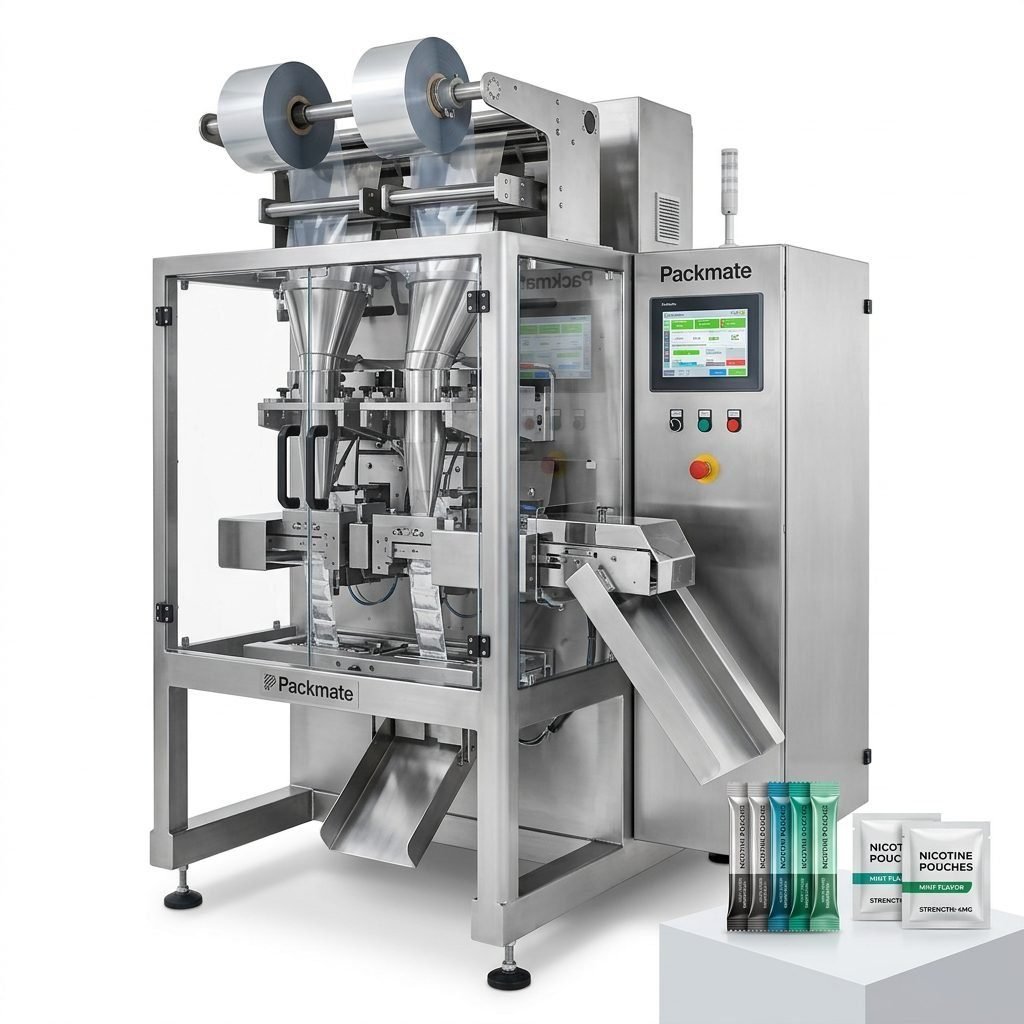
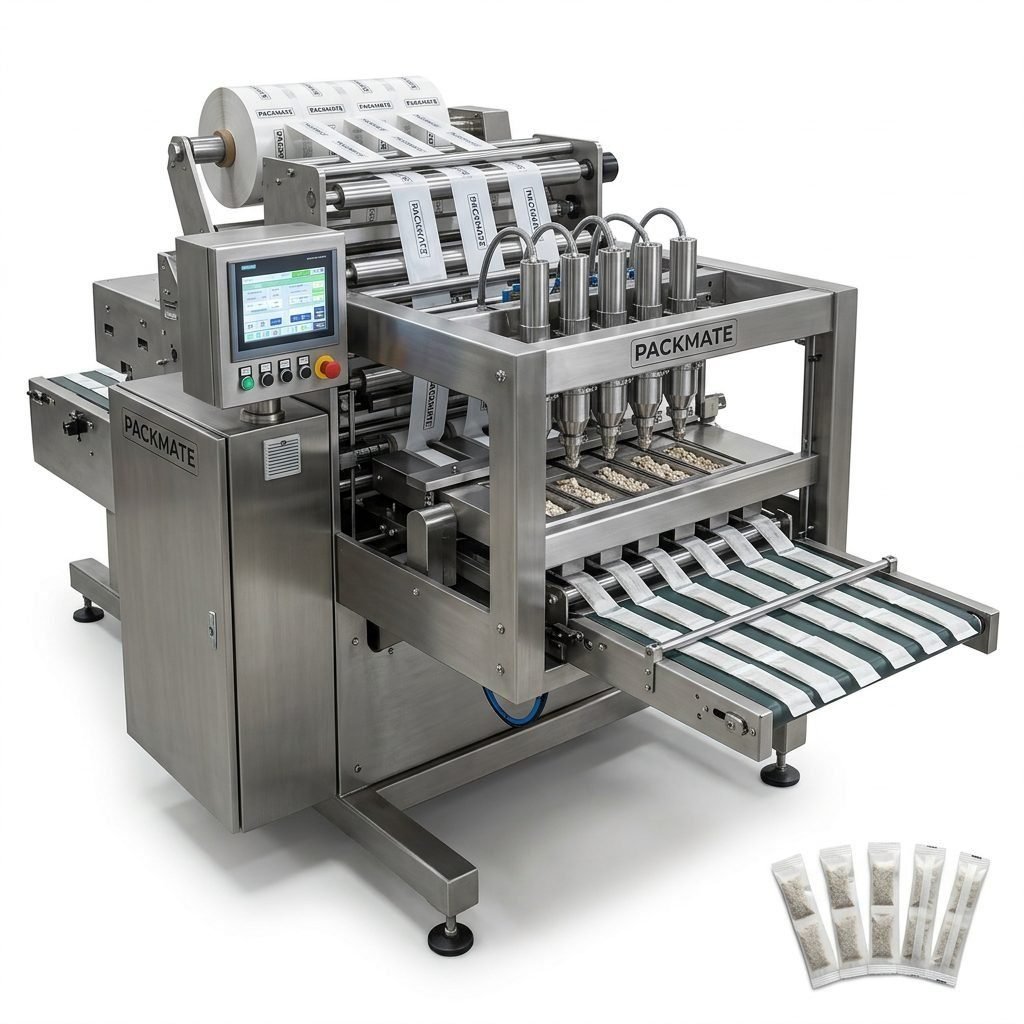
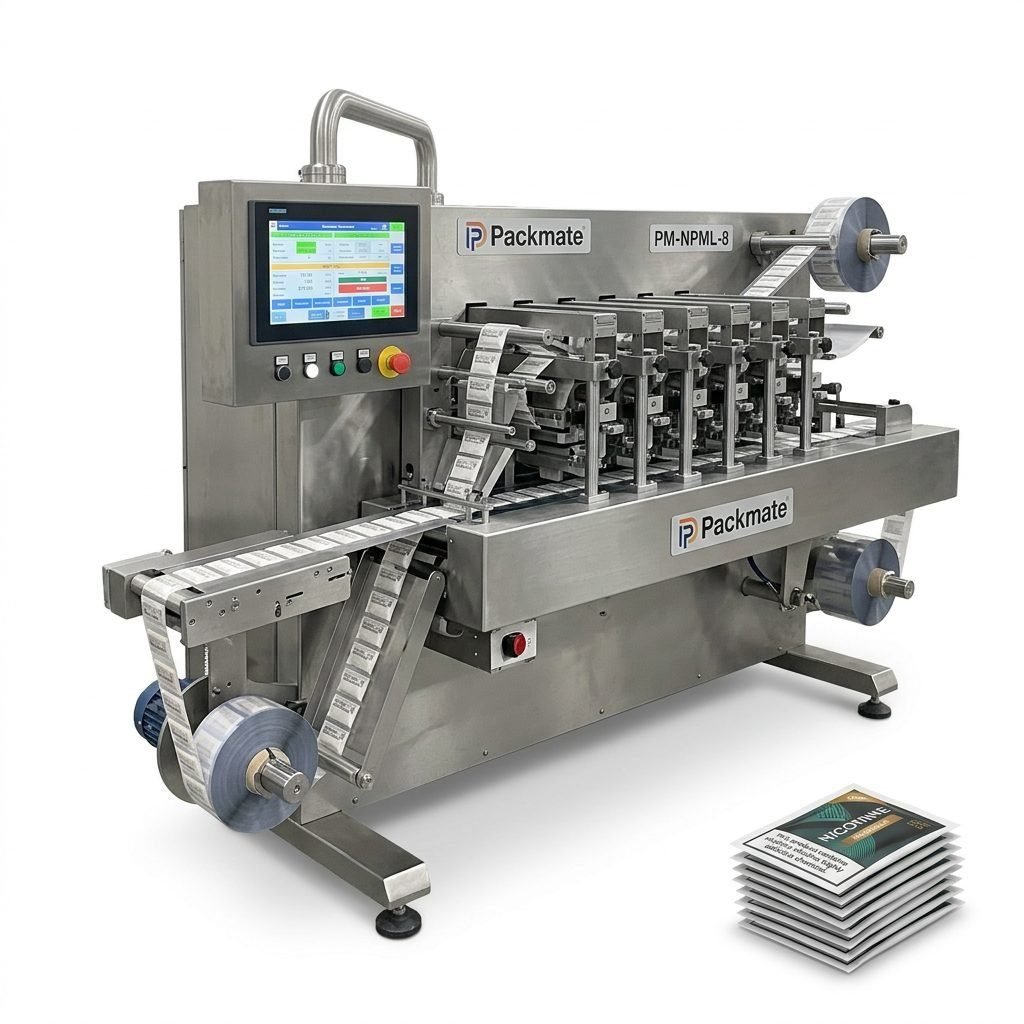
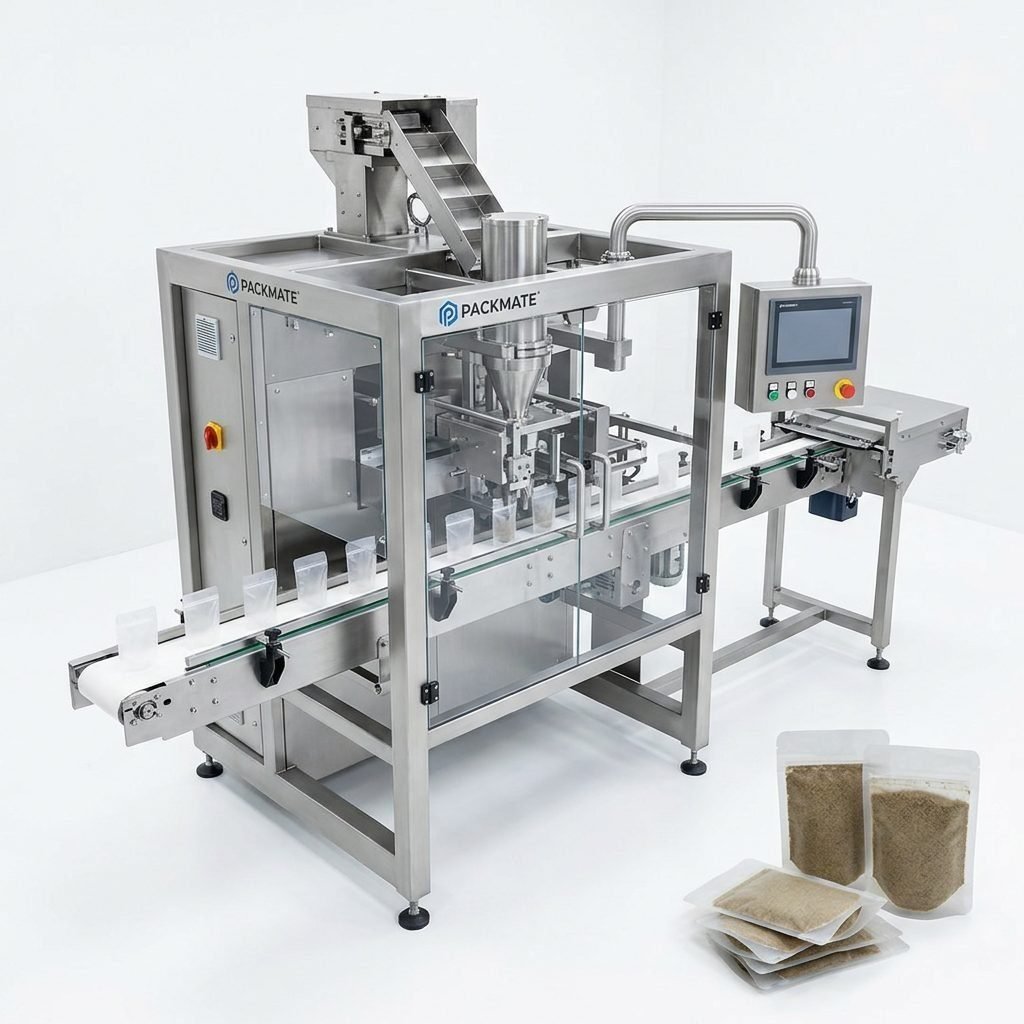
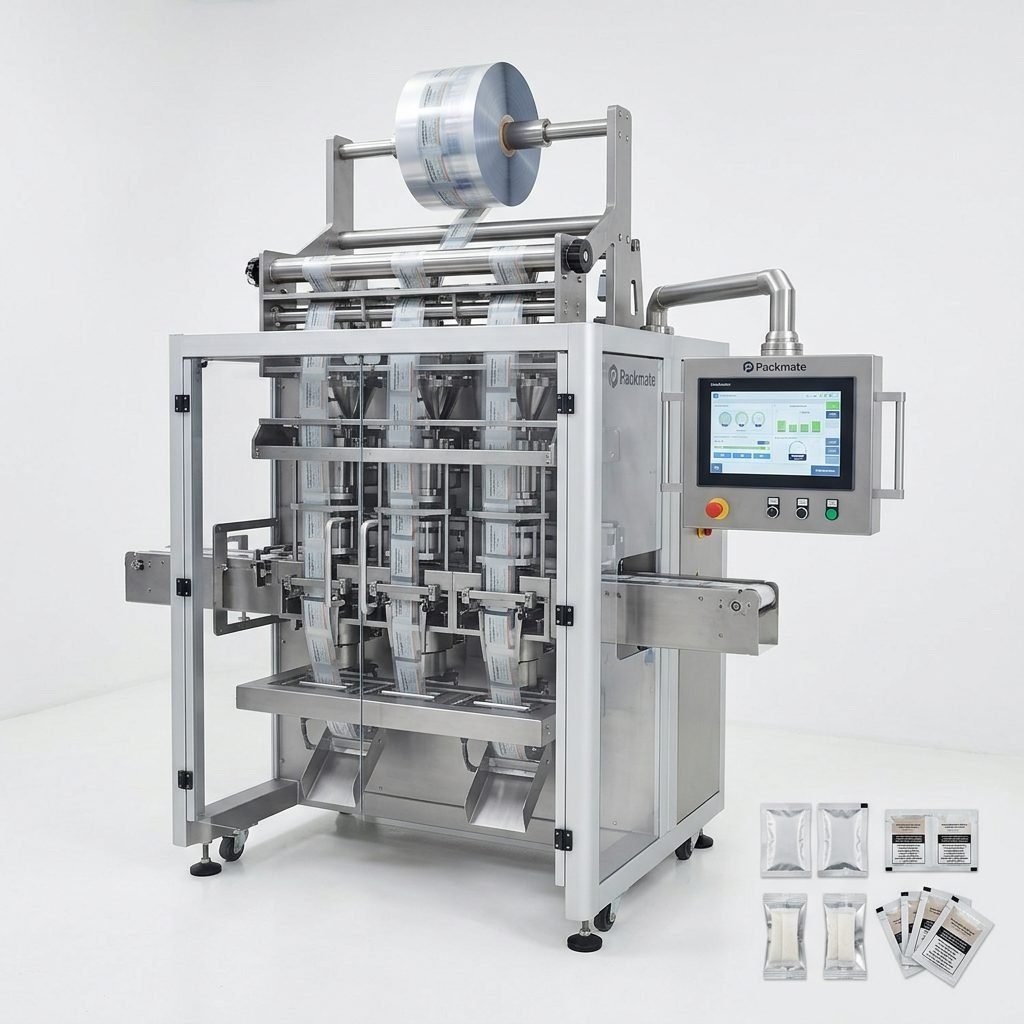
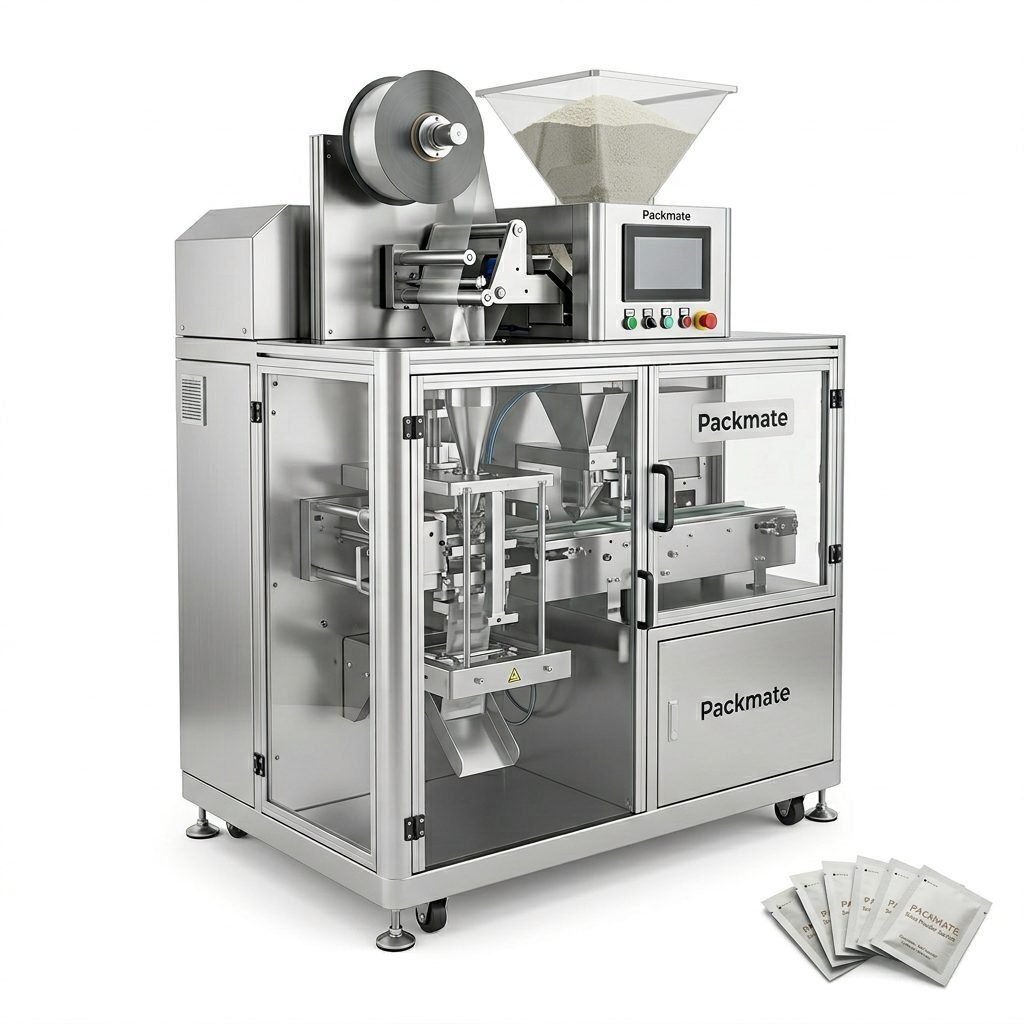
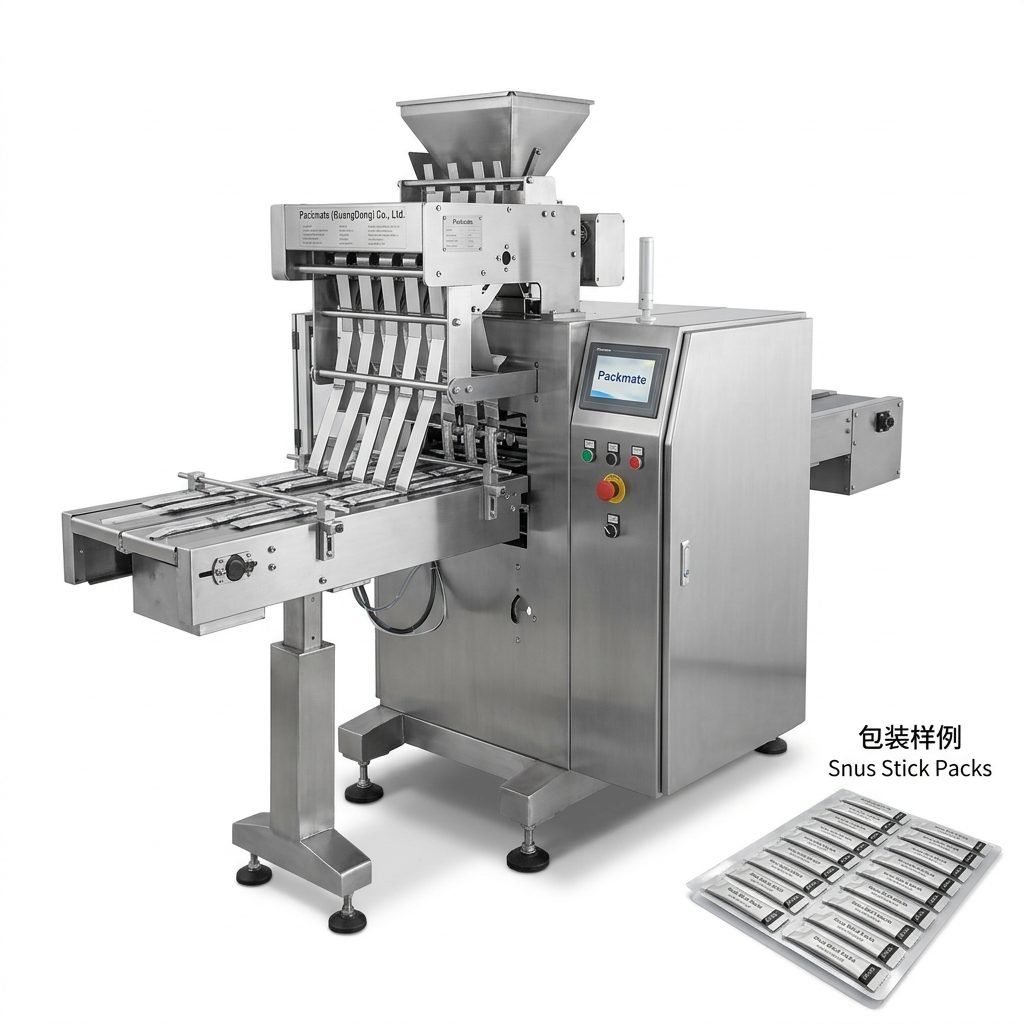
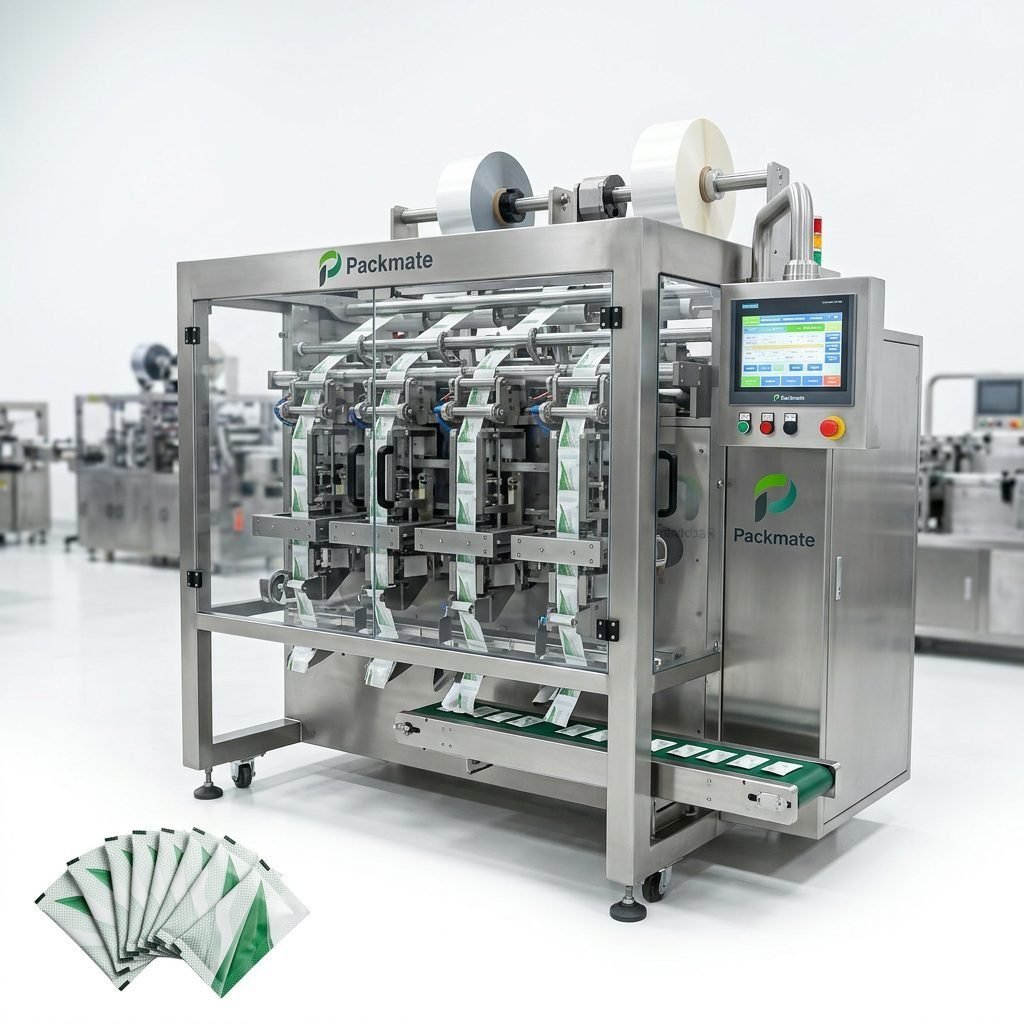
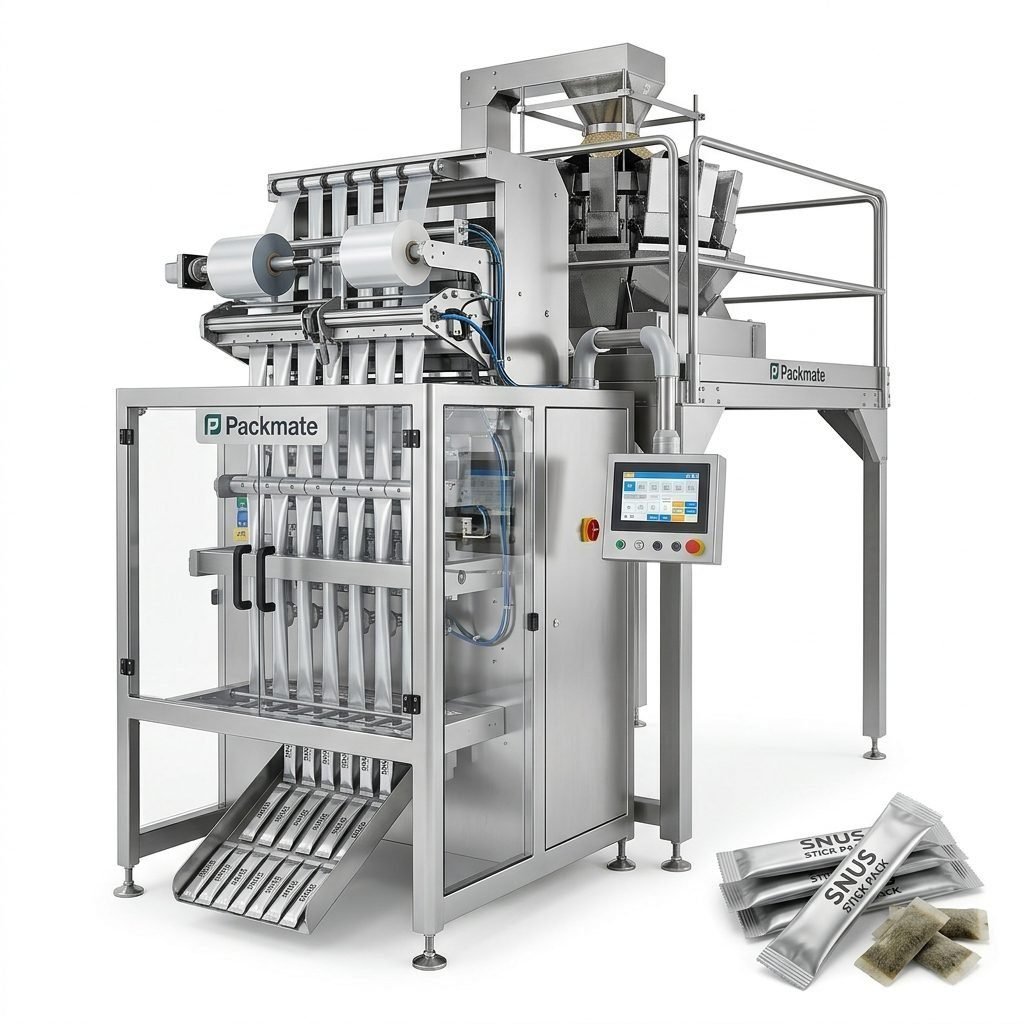
Choosing the right snus packaging machine manufacturer for your business in Sri Lanka is a strategic decision that affects product quality, operational efficiency, regulatory compliance, and long-term costs. This guide walks you through the critical factors to evaluate manufacturers, technical features of modern snus and nicotine pouch packaging equipment, and practical steps to make a confident purchase. Whether you’re scaling production or launching a new brand, the right partner will combine engineered reliability, proven case references, and strong after-sales support.
Understand the Market and Your Production Goals
Start by clarifying your production targets: daily output, pouch size and format, ingredients (powder, granule, liquid), and packaging style (stick pack, sachet, multi-lane pouch). These requirements determine the equipment family you need. Modern manufacturers like Packmate focus on a range of high-performance options — from single-lane precision systems to high-speed multi-lane lines — to fit small-dose nicotine pouches and snus products. Exploring product pages such as Snus & Nicotine Packaging Machines can clarify what’s available.
Key questions to answer early
• What is your projected daily and monthly output?
• Do you need single-lane accuracy or multi-lane throughput?
• Which pouch formats and materials will you use?
• What level of automation and integration do you expect for upstream/downstream lines?
Evaluate Manufacturer Technical Capabilities
A capable manufacturer combines robust mechanical design, precision control systems, and proven production lines. Focus on these technical areas:
Mechanical precision — look for hardened parts, precision machining, and reliable feed mechanisms that reduce variation in pouch weight and sealing quality.
Control systems — modern machines should include PLC-based controls, touchscreen HMI, servo-driven dosing, and recipe memory for quick product changeovers.
Hygiene & cleanability — stainless steel contact parts, washdown-friendly design, and accessible surfaces help meet food and pharmaceutical hygiene standards.
🔧 Tip: Request machine performance data and sample packs from the manufacturer. Real samples help you verify sealing strength, pouch appearance, and filling accuracy before purchase.
Factory Strength, Capacity, and Quality Control
Examine the manufacturer’s factory capability. A 20,000㎡ facility with advanced CNC centers and precision assembly lines — like the one Packmate operates — indicates strong in-house production and parts control. Key verification points:
• Number of models and customization options available (Packmate offers 50+ machine models).
• Availability of in-house testing and QA labs for performance and endurance testing.
• Spare parts inventory and lead time for consumables.
Certifications and Compliance
Ensure the manufacturer complies with international certifications (CE, ISO). Certified suppliers provide safer, more reliable equipment and have documented quality systems. You can check certificates and company credentials directly on the manufacturer’s site, for example Certificate for proof of compliance.
Types of Machines and When to Choose Them
Different product forms require different machinery. Below is a practical breakdown to match machine type with your product:
• Stick Pack Machines — ideal for single-dose, elongated sticks; compact and well-suited for flavored nicotine pouches. Explore options in Sachet & Stick Pack Machines.
• Sachet & Multi-Lane Pouch Machines — for higher throughput with identical small-dose pouches across multiple lanes; excellent for snus and small nicotine pouches that demand tight weight control.
• Filling & Packaging Lines — when you require integrated solutions including weighing, dosing, filling, sealing, and secondary packaging, review full line options such as Filling & Packaging Lines.
✔️ Practical advice: Match machine lane count to projected volumes. A high-speed multi-lane system reduces labor cost per pouch but increases initial capex.
Customization, Upgradability, and Turnkey Solutions
Leading suppliers provide customization for your specific product characteristics, including dosing systems for powders and granules, modified pouch shapes, or integrated nitrogen flushing for shelf-life. If you need a complete production line, select a partner experienced in turnkey projects to avoid integration issues. Review manufacturer case studies and turnkey references at Case.
After-sales service and spare parts
After-sales support is critical. Ask about:
• Response time for technical support in Sri Lanka or nearest region.
• Availability of on-site commissioning and operator training.
• Warranty terms and spare parts lead times.
• Remote diagnostics and software update procedures.
Price vs Value: What to Compare
Price is important, but low initial cost can lead to higher lifecycle cost. Compare:
• Total cost of ownership (maintenance, consumables, energy, spare parts).
• Production efficiency (uptime, changeover time, yield rate).
• Scalability and upgrade path — can you increase lanes or speed later?
• Resale value and build quality.
ℹ️ Remember: A trusted manufacturer often offers better documentation, training, and spare parts logistics — essential for continuous production in regulated markets.
Factory Visits, Trials, and Sample Verification
Whenever possible, visit the manufacturer’s facility or request live demonstrations at exhibitions. Inspect assembly practices, ask for endurance run data, and request production of sample pouches using your formulation and packaging film. Packmate frequently demonstrates machines at global exhibitions — check Our Exhibition for live demo opportunities.
What to test during trials
• Fill weight accuracy and consistency across lanes.
• Sealing integrity under varied temperatures and humidity.
• Changeover time between SKUs.
• Packaging appearance and foil compatibility.
Procurement Checklist for Sri Lankan Buyers
Use a procurement checklist to compare manufacturers objectively:
1) Technical specifications and capacity records.
2) Factory and QA evidence (photos, testing reports).
3) Certifications (CE, ISO).
4) Warranty, spare parts availability, and service network.
5) Lead time, shipping options, and installation support.
6) References and customer cases in similar markets.
Integration with Auxiliary Equipment
A complete production line often requires ancillary equipment: check weighers, conveyors, metal detectors, and secondary packaging machines. Manufacturers that provide matched auxiliary systems reduce integration risk. Review relevant categories like Weighing & Packaging Systems and Auxiliary Packaging Equipment.
🔍 Checklist highlight: Confirm I/O compatibility and control protocols (Ethernet/IP, Profinet, etc.) if you plan to connect upstream or downstream equipment.
Working with International Suppliers in Sri Lanka
When sourcing from overseas manufacturers, consider import duties, customs clearance, local installation logistics, and language support. A manufacturer with global turnkey experience and a documented presence can help navigate these challenges. Find more about the company’s profile and global reach on their About Packmate page.
Installation and Training
Clarify on-site installation terms: who performs mechanical assembly, electrical connections, and final commissioning. Insist on operator and maintenance training to reduce downtime and improve machine lifetime.
Decision Matrix: How to Score Suppliers
Create a scoring matrix to objectively compare vendors across categories: technical match, factory strength, certifications, price, lead time, after-sales, and references. Assign weights to each criterion according to your priorities and calculate a weighted score to identify the best fit.
Conclusion and Next Actions
Selecting the best snus packaging machine manufacturer in Sri Lanka requires a mix of technical due diligence, factory verification, and strategic consideration of long-term support. Prioritize manufacturers with proven expertise in snus and nicotine pouch production, strong factory capabilities, relevant certifications, and clear after-sales plans. Shortlist suppliers, request on-site or virtual trials, and evaluate real product samples before signing contracts.
Quick action items
• Prepare your production requirements and expected volumes.
• Request machine demonstrations and sample runs.
• Verify factory certifications and spare parts policies.
• Compare total cost of ownership, not just upfront price.
Frequently Asked Questions (FAQs)
Q1: How long does it take to receive and commission a snus packaging line in Sri Lanka?
A1: Typical lead time depends on customization and model choice; expect 8–20 weeks for production and shipping, with an additional 1–3 weeks for on-site commissioning and training depending on customs and logistics.
Q2: Can snus packaging machines handle different pouch materials and sizes?
A2: Yes — most modern machines support a range of pouch films and sizes through change parts and recipe settings; verify film compatibility and request sample packaging trials.
Q3: What certifications should I expect from a reputable manufacturer?
A3: Look for CE and ISO certifications as baseline quality and safety indicators; additional documentation may include material traceability and QA reports.
Q4: How is after-sales support typically provided?
A4: Support options include remote diagnostics, spare parts supply, phone/online troubleshooting, and on-site service visits. Ensure clear SLA terms and local support pathways.
Q5: Where can I see real examples and case studies of snus packaging lines?
A5: Manufacturer case pages and exhibition demos provide real examples — see Case and exhibition listings for live demonstrations.