Building a GMP-compliant snus production line requires careful planning across facility design, equipment selection, process control, personnel training, and documentation. In this guide we walk through the practical steps to design and implement a fully compliant snus manufacturing system, drawing on proven engineering practices and packaging solutions for nicotine pouches and snus products.
Understand GMP Requirements for Snus Production
Good Manufacturing Practice (GMP) sets requirements to ensure product safety, consistency, and traceability. For snus and nicotine pouch manufacturing this means addressing contamination control, material traceability, validated processes, equipment hygiene, and trained personnel. A successful program integrates facility layout, validated equipment such as high-precision packaging lines, and robust quality systems.
Key GMP pillars to implement
Facility design – controlled zones, smooth surfaces, and logical material flow.
Equipment selection – hygienic, cleanable machines with validated performance.
Process validation – documented qualification and routine monitoring.
Personnel & training – defined roles, hygiene and SOPs.
📌 Critical reminder:
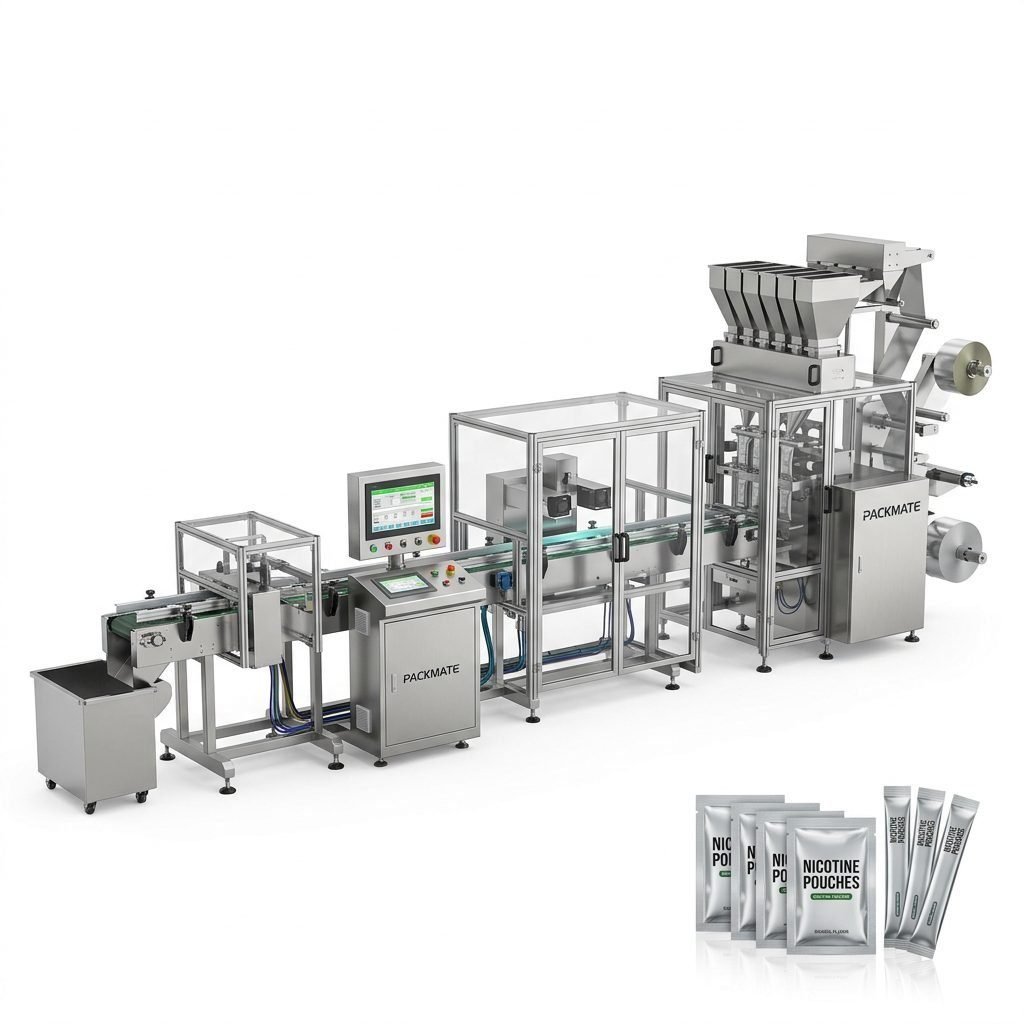
A GMP-compliant snus line is not just about a single machine — it is a system composed of building design, automated packaging lines (filling, sealing, multi-lane pouch systems), cleaning regimes, and traceability systems.
Facility Layout and Environmental Controls
The manufacturing environment must minimize contamination risks and support logical flows. Design production with separate zones for raw material receiving, processing, packaging, and storage. Air handling and filtration should match local regulatory expectations; consider positive pressure in finished goods areas and controlled humidity where product stability requires it.
Flooring, surfaces and hygiene
Use smooth, cleanable surfaces and coved junctions at walls and floors. Work surfaces and equipment stands must be corrosion-resistant and easy to disinfect. Implement dedicated cleaning procedures and a documented cleaning schedule for all production zones.
Choosing Compliant Packaging Equipment
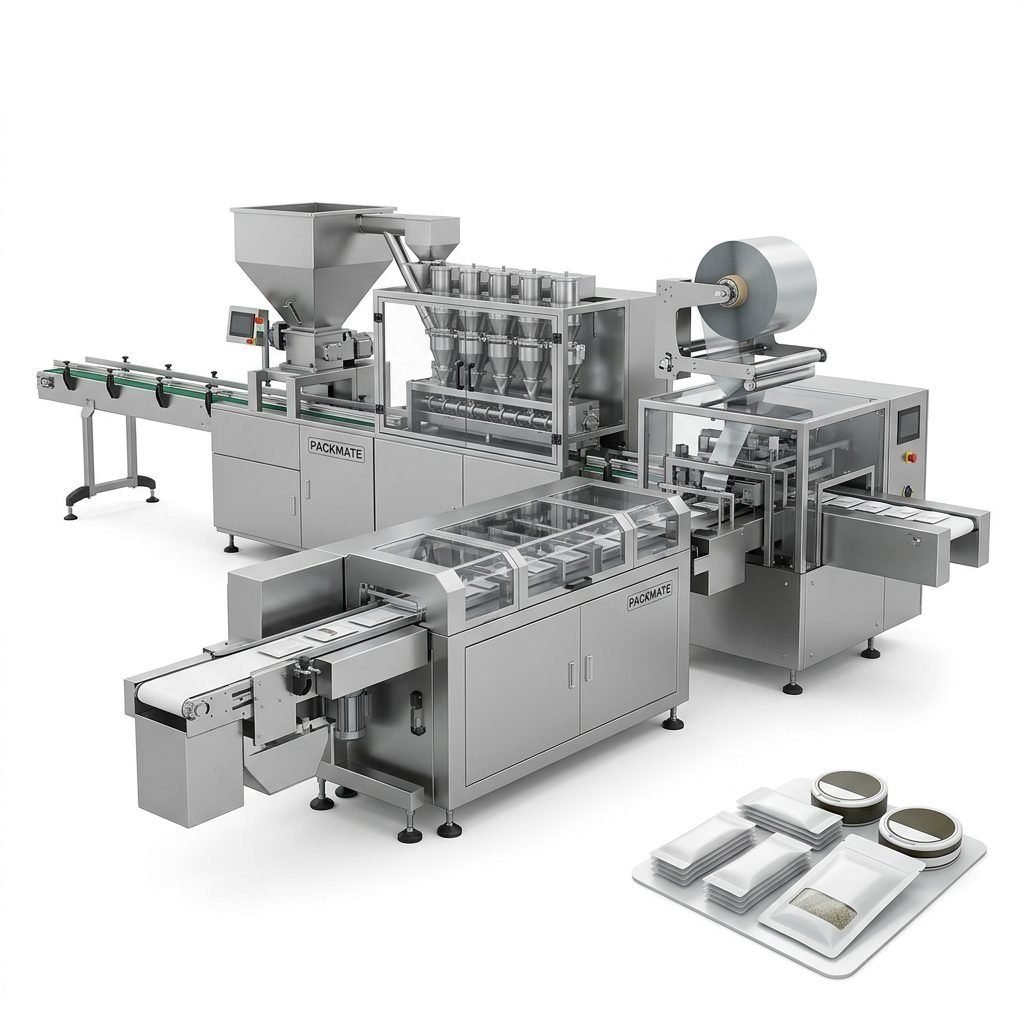
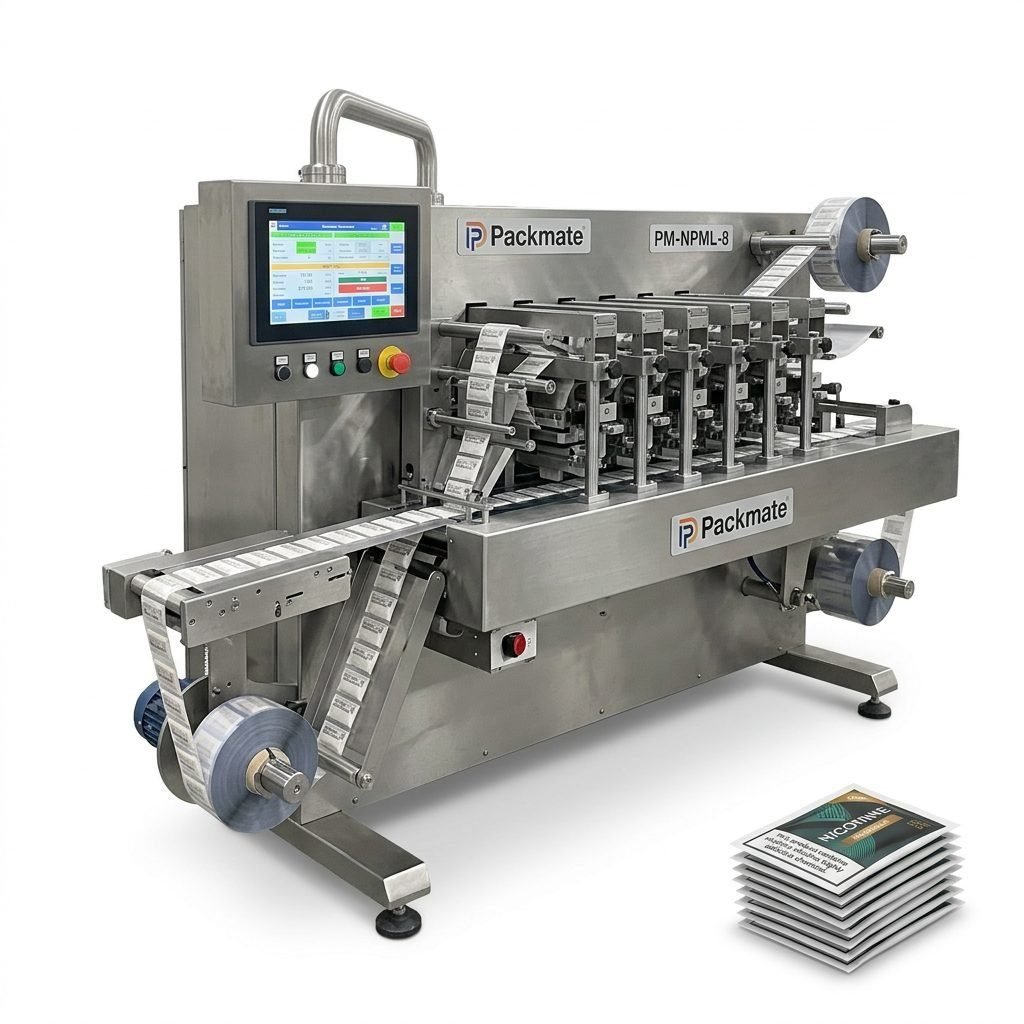
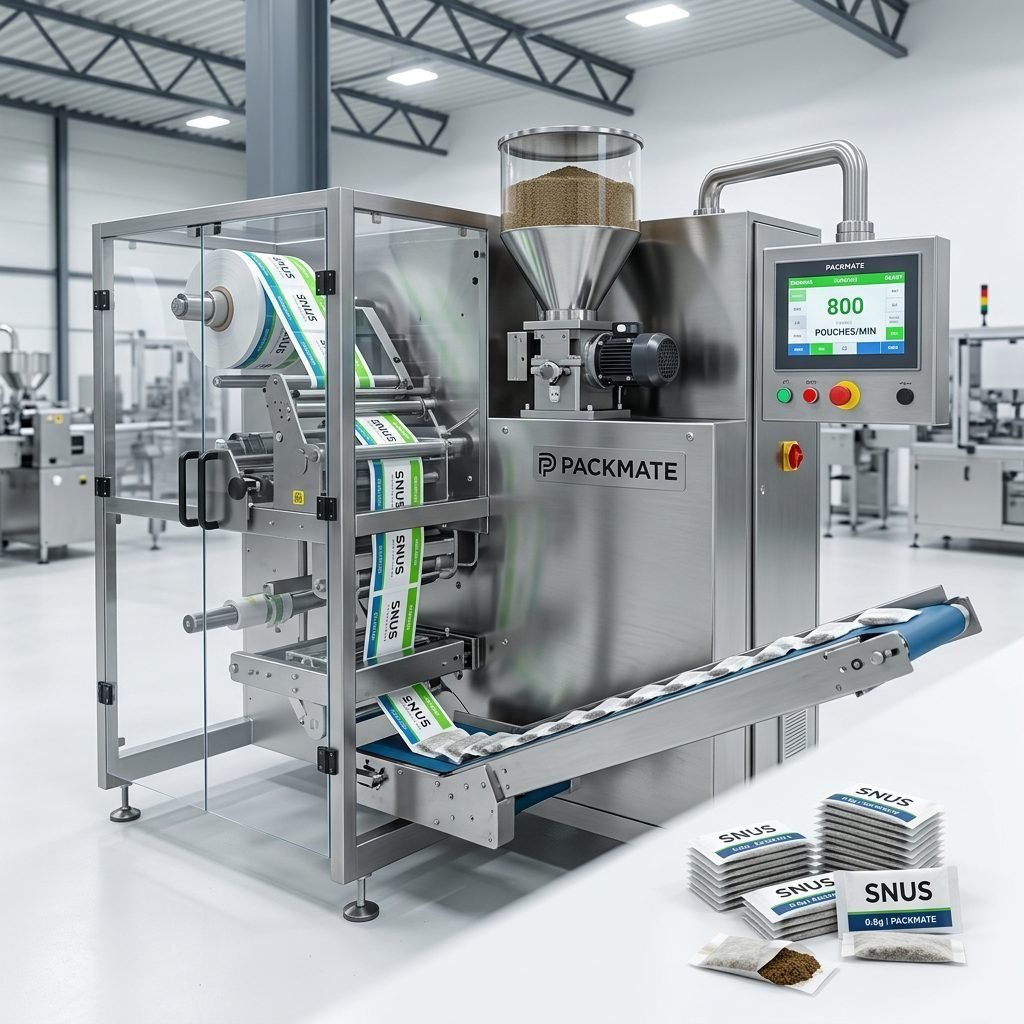
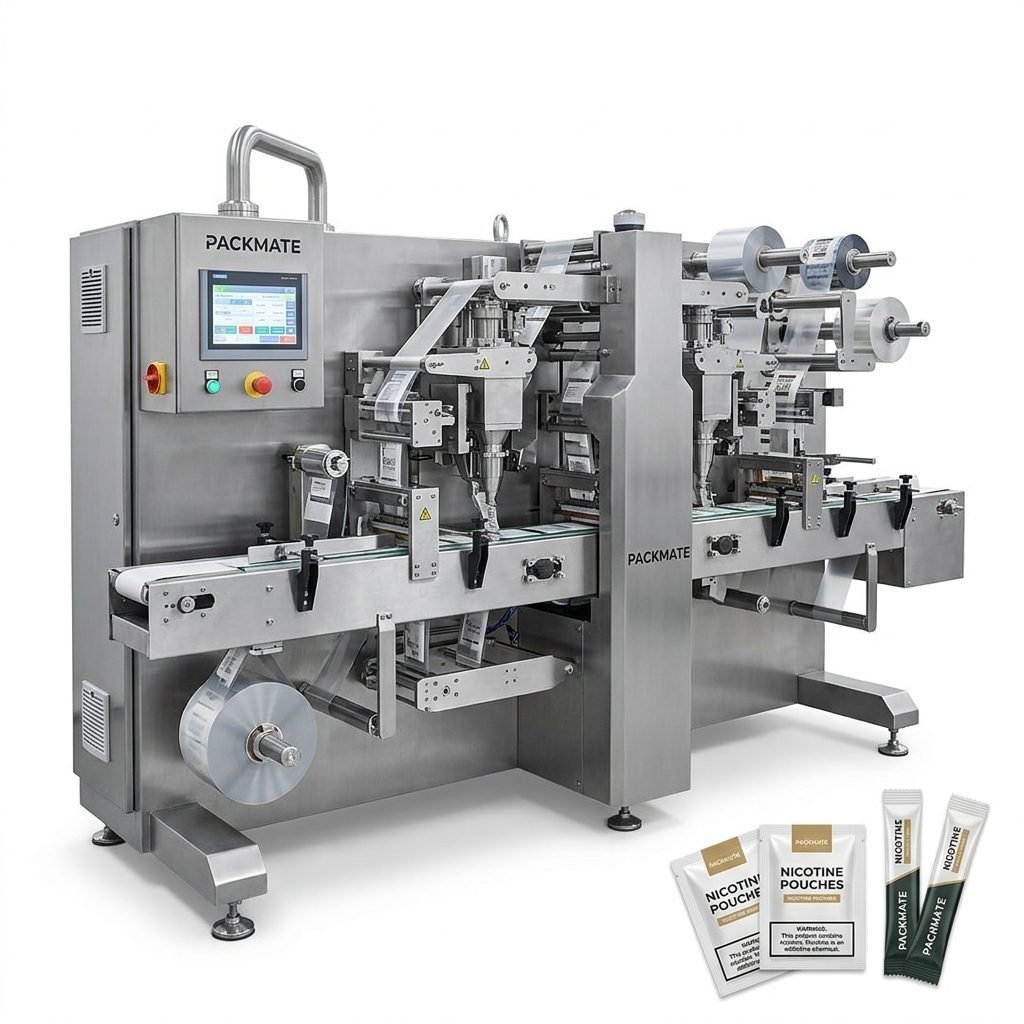
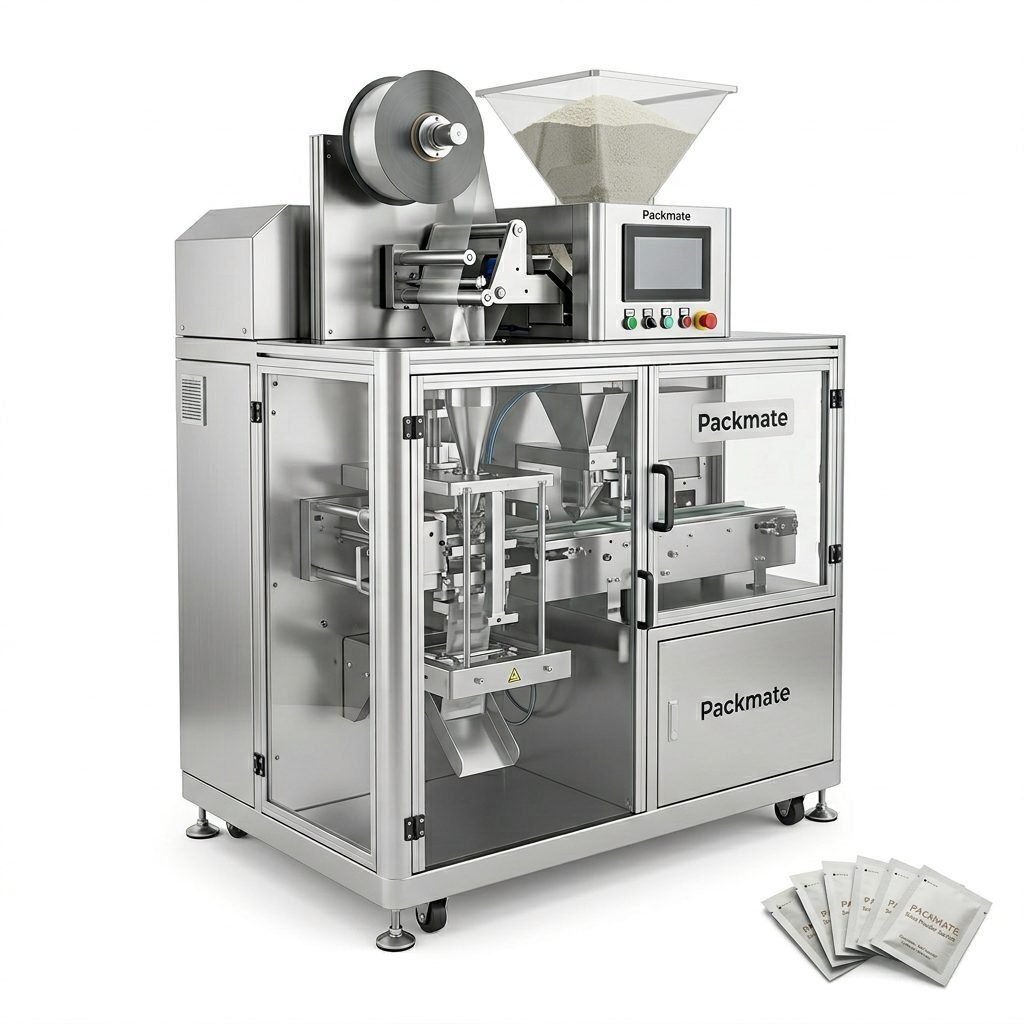
Equipment is at the heart of a compliant snus line. Choose machines with sanitary design, accessible components for cleaning, and materials of construction that meet regulatory safety requirements. Multi-lane systems and sachet or stick pack machines should offer precise dosing, minimal product hold-up, and simple changeover capabilities.
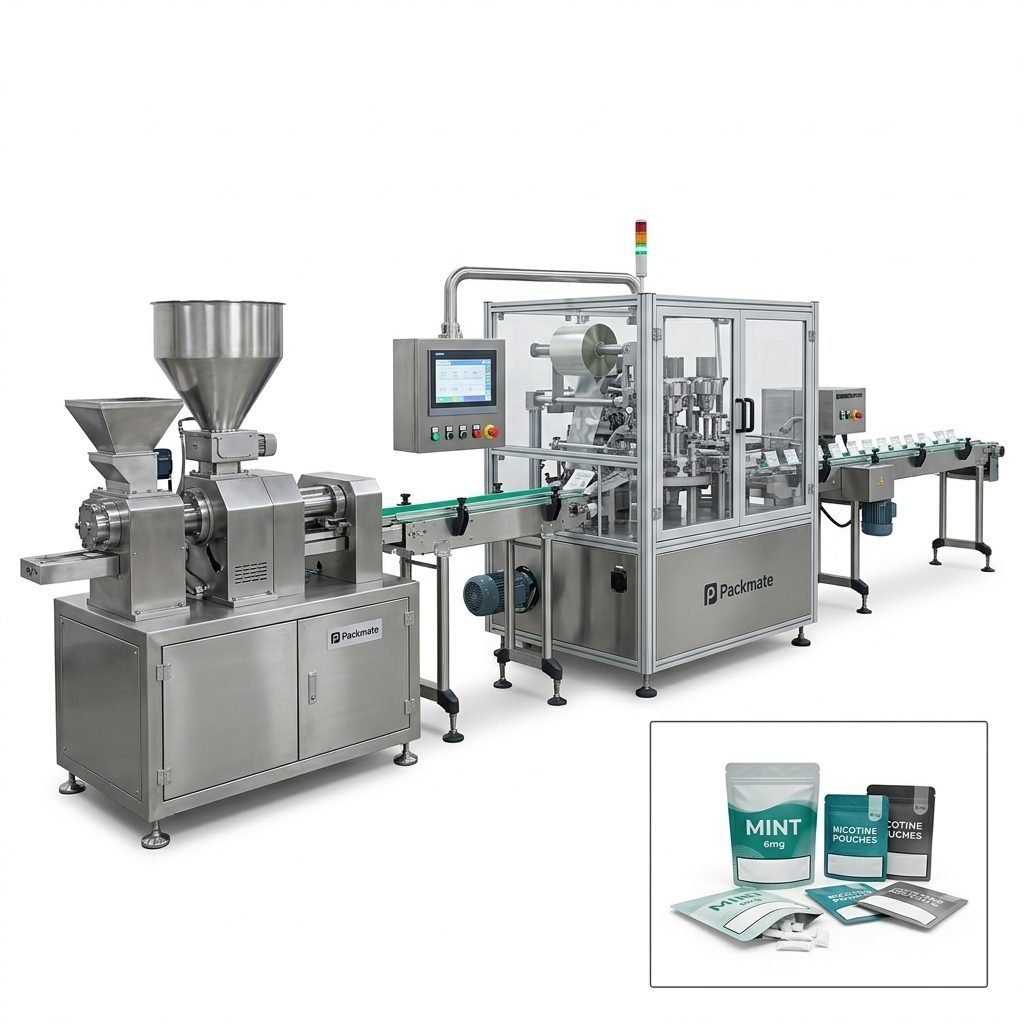
For high-performance solutions, explore specialized machinery such as those for nicotine pouch packaging, which include stick pack and sachet systems, as well as integrated weighing and filling lines. Reliable suppliers with certifications and global support can accelerate validation and commissioning.
Learn more about advanced solutions: Snus & Nicotine Packaging Machines, Filling & Packaging Lines, and Weighing & Packaging Systems.
🛠️ Equipment qualification tip:
Perform IQ/OQ/PQ (Installation, Operational, Performance Qualification) on each machine and on the integrated line. Keep records for changeovers, maintenance, and any repairs to ensure traceability and audit readiness.
Process Control and Validation
Controlled processes reduce variability and ensure product consistency. Document critical process parameters (CPPs) such as dosing tolerances, sealing temperature, and conveyor speeds. Establish acceptable ranges and implement automated control systems with alarms and data logging. Validation demonstrates that processes consistently produce products meeting predetermined specifications.
Data integrity and traceability
Use electronic batch records where possible and ensure secure, timestamped logs for production parameters. Maintain traceability from raw materials through to finished goods, including lot numbers, machine IDs, operator records, and environmental monitoring data.
Raw Material and Supplier Controls
Raw material specification, vendor qualification, and incoming inspection are essential. Define acceptance criteria for tobacco or nicotine materials, fillers, humectants, and packaging films. Maintain supplier documentation and certificates of analysis (CoAs). For packaging films and pouches, ensure vendors supply materials that meet barrier and chemical safety requirements.
✔️ Supplier oversight:
Maintain a qualified vendor list and perform periodic audits. Keep incoming inspection records and retain samples per your retention policy.
Cleaning, Sanitation and Preventive Maintenance
Cleaning procedures must be validated and documented. Define cleaning agents and contact times, and ensure residues are removed to acceptable levels. Preventive maintenance schedules help prevent unexpected downtime and keep equipment within validated performance ranges.
SOPs and checklists
Create standard operating procedures for cleaning, maintenance, calibration, and sanitation. Use checklists to record completion and tie them to batch records where relevant.
Personnel, Training and Hygiene
Staff must understand GMP principles and their role in maintaining compliance. Implement hygiene policies (e.g., protective clothing, handwashing, restricted access) and provide role-based training. Keep training records linked to competencies required for specific tasks and machine operations.
Operator competence
Operators should be trained on equipment start-up, changeover, cleaning, GMP expectations, and emergency procedures. Maintain documented competencies and conduct regular refresher sessions.
Quality Control and Testing
In-process and finished product testing verifies that product meets specifications. Typical tests include weight/dosage, moisture content, packaging integrity, and shelf stability. Establish accepted sampling plans and retain representative samples for stability and dispute resolution.
Laboratory integration
Whether in-house or third-party, lab processes should be validated and traceable. Laboratory results must be linked to production batches and retained per record retention policies.
📌 Packaging integrity:
Pay special attention to seal strength and barrier properties on pouches used for snus or nicotine pouches; packaging failure is a major nonconformity risk.
Documentation, Change Control and CAPA
Maintain controlled documents for procedures, work instructions, batch records, and specifications. A robust change control process evaluates impacts and documents approvals for equipment modifications, recipe changes, or supplier switches. Implement corrective and preventive action (CAPA) to investigate deviations and prevent recurrence.
Audit readiness
Regular internal audits identify gaps before regulators or customers do. Use a risk-based approach and create corrective action plans with timelines and responsible owners.
Choosing a Trusted Supplier and Turnkey Partner
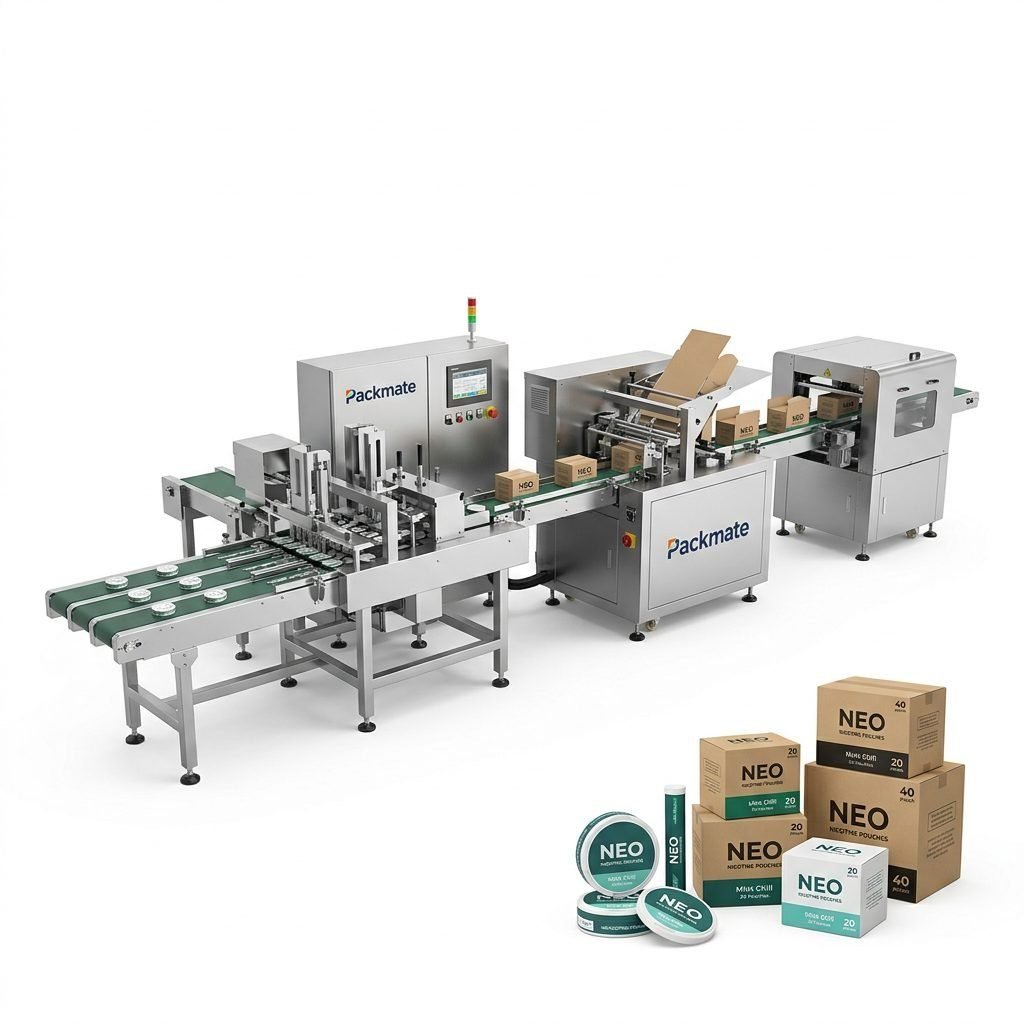
Select suppliers with proven experience in snus packaging systems and turnkey solutions. Look for companies with strong engineering backgrounds, certifications (CE, ISO), a wide range of machine models, and the ability to customize lines to regulatory needs. A partner that supports installation, IQ/OQ/PQ, and after-sales service reduces time-to-production and helps achieve compliance.
Packmate Snus Machine, for example, offers multi-lane pouch systems, stick pack and sachet packaging machines, and full filling and weighing solutions supported by a 20,000㎡ manufacturing facility and over 30 years of engineering expertise. Learn more about the company and services at About Packmate and view project examples in their Case portfolio.
Commissioning, Training and Ongoing Support
During commissioning, perform full line IQ/OQ/PQ and validate routines with production batches. Training should be hands-on and include maintenance teams, QC staff, and operators. Establish service agreements for preventive maintenance and emergency support to maintain uptime and compliance.
If you are evaluating suppliers, consider reaching out for detailed specifications and support options via the Contact Us page.
🔎 Final checkpoint:
Before releasing product to market, confirm all validation records, batch documentation, environmental monitoring, and QC testing are complete and reviewed.
GMP Implementation Roadmap — Practical Steps
1. Conduct a gap analysis against applicable GMP standards and target markets.
2. Define facility zoning and environmental control requirements.
3. Select validated packaging and filling equipment with sanitary design.
4. Establish supplier qualification, incoming inspection, and material specifications.
5. Validate processes (IQ/OQ/PQ), implement batch records, and install data logging.
6. Train personnel and document competencies.
7. Implement cleaning, maintenance, and CAPA systems.
8. Run pilot batches and finalize stability and QC programs before full-scale launch.
Leverage turnkey integration
Integrating filling, weighing, and packaging into a single validated line speeds up commissioning and simplifies qualification. Explore combined solutions and auxiliary packaging equipment to reduce manual handling and contamination risks: Auxiliary Packaging Equipment.
Sustainability and Continuous Improvement
Continuous improvement is part of GMP culture. Monitor efficiency, waste, and energy usage and seek improvements in packaging materials and process optimization. Sustainable practices can include optimized material use, recyclable packaging films (where feasible), and energy-efficient equipment.
📈 Improvement focus:
Regularly review KPIs such as first-pass yield, downtime, and packaging waste to drive targeted upgrades and training.
Conclusion
Building a GMP-compliant snus production line combines smart facility design, hygienic equipment, validated processes, and a strong quality culture. Partnering with experienced suppliers that offer validated turnkey solutions and global support can reduce project risk and accelerate compliance. By following a structured roadmap — from gap analysis through validation and ongoing improvement — manufacturers can deliver safe, consistent snus products that meet regulatory expectations.
Further resources
For more information on product lines and turnkey systems, visit manufacturer resources such as Sachet & Stick Pack Machines or browse the full Catalog.
Common Questions
Q1: How long does it take to validate a complete snus production line?
A1: Validation time varies with complexity, but expect several weeks for IQ/OQ plus additional time for PQ runs and documentation. Pre-validated turnkey solutions can shorten timelines.
Q2: What are the most common GMP nonconformities for snus manufacturing?
A2: Common issues include inadequate cleaning records, poor documentation of change control, packaging seal failures, and insufficient environmental monitoring.
Q3: Can one supplier provide all equipment needed for a turnkey snus line?
A3: Yes, many specialized manufacturers offer integrated filling, weighing, and pouch packaging lines with auxiliary equipment, reducing integration complexity.
Q4: What documentation should be ready for regulatory audits?
A4: Prepare validated procedures (SOPs), batch records, equipment IQ/OQ/PQ records, cleaning logs, training records, supplier CoAs, CAPA records, and environmental monitoring data.
Q5: Where can I get expert support for snus line design and GMP implementation?
A5: Contact experienced machine manufacturers and system integrators with proven track records and certification. See the Service options and request vendor references.