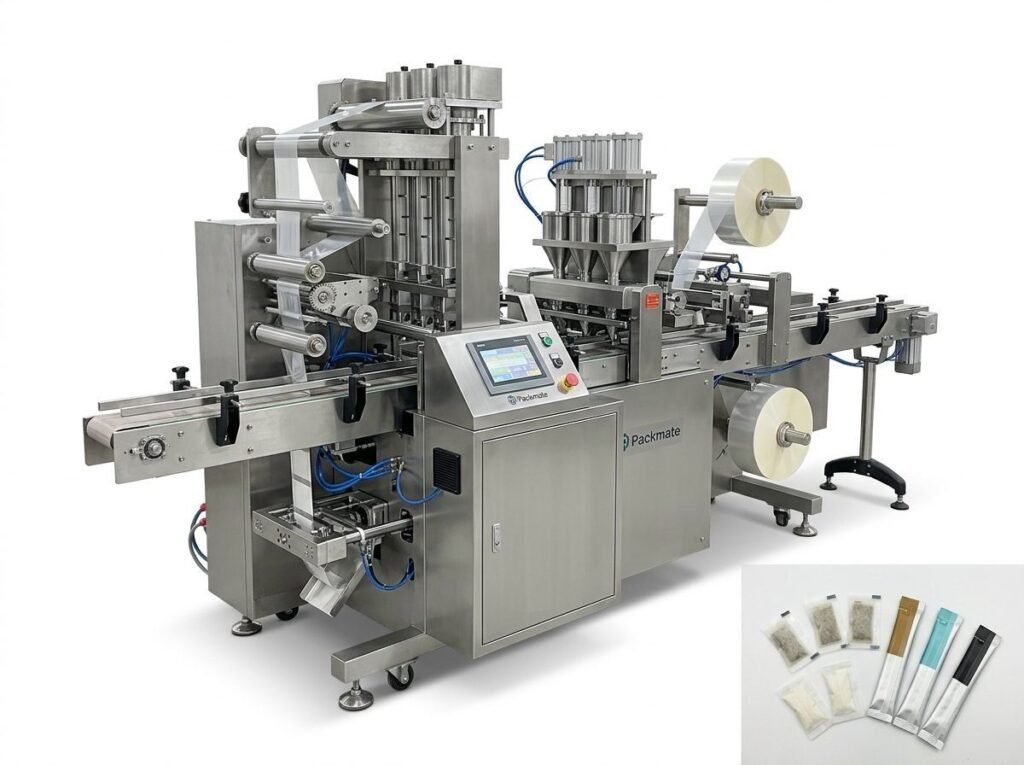
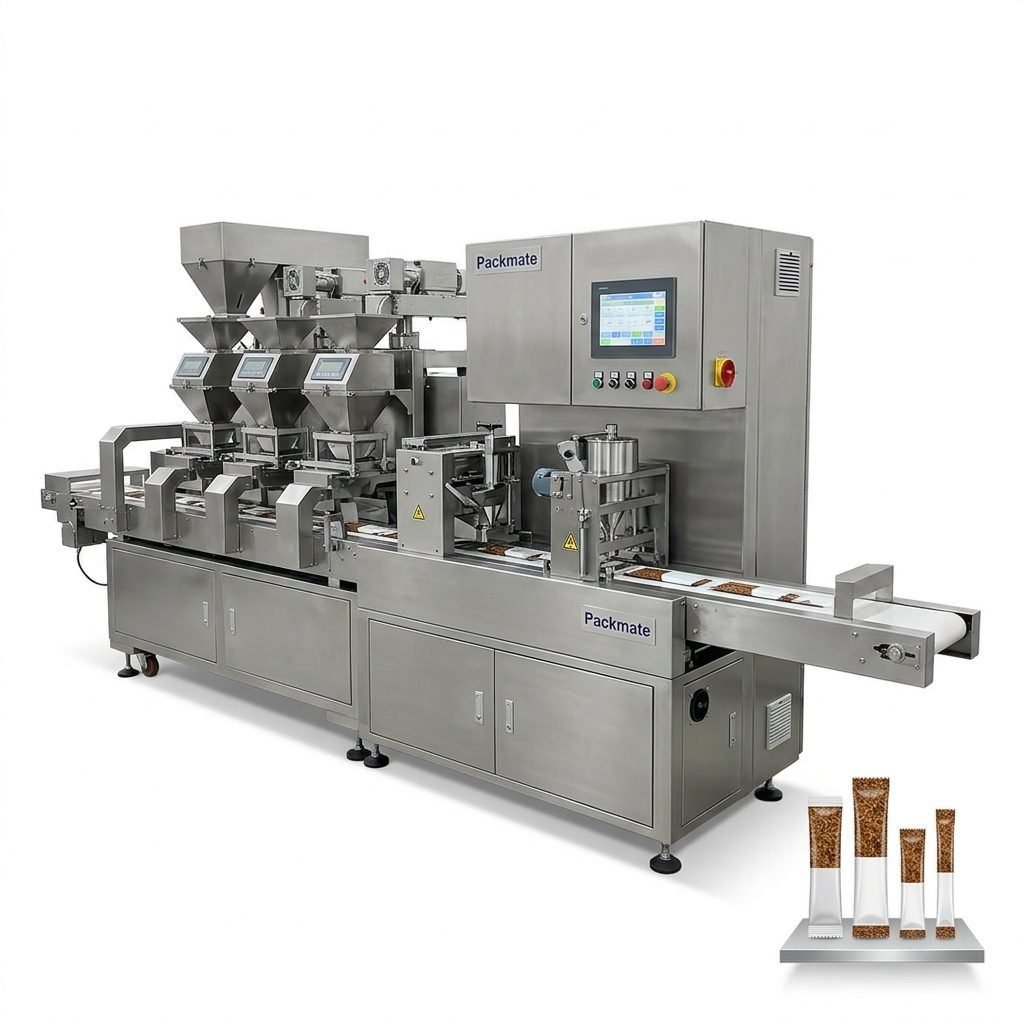
Choosing the right nicotine packaging machine supplier for your business in Malawi is a critical decision that affects product quality, regulatory compliance, and long-term profitability. This guide walks you through practical steps and local considerations — from machine specifications and supplier credentials to logistics, local customs, and after-sales support — so you can confidently select a partner that meets both technical needs and Malawi’s unique market environment.
Understand the Malawi Market and Local Habits
Malawi is a tobacco-growing country with strong ties to the tobacco value chain. While traditional tobacco products remain significant, nicotine pouches and alternative smokeless products are gradually gaining interest among urban consumers. Business interactions in Malawi often favor long-term relationships, personal visits, and clear, trustworthy communication. English and Chichewa are commonly used — ensure documentation and training materials are available in English, and consider local language support where helpful.
Key local factors to consider
Infrastructure & Power: Frequent power outages in some regions mean you should prioritize machines that tolerate voltage fluctuations, or plan for UPS and backup generators.
Regulatory Environment: Verify Malawi regulations on nicotine-containing products and packaging — consult local legal counsel before import to avoid compliance issues.
Market Preferences: Small-dose sachets and stick packs often perform well in price-sensitive markets; consider flexible multi-format machines for market testing.
Core Technical Criteria: What the Machine Must Offer
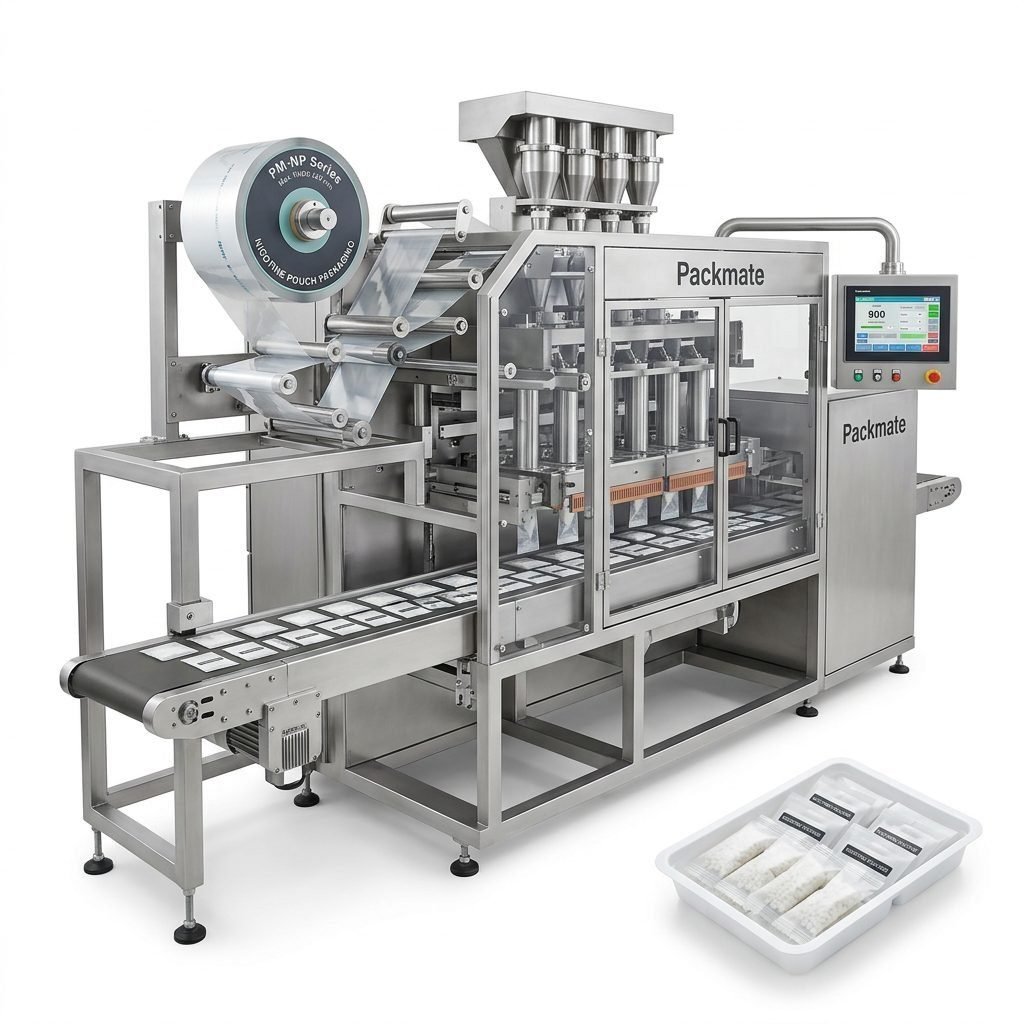
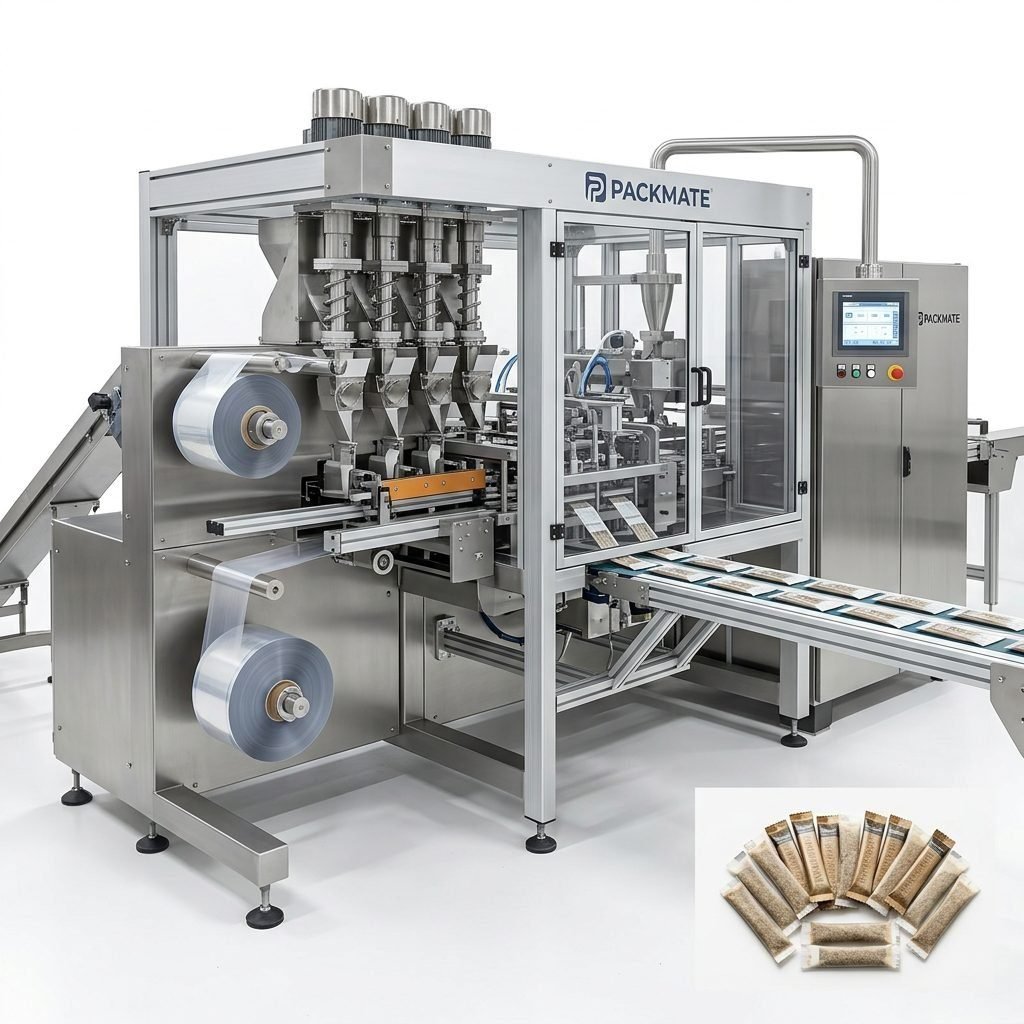
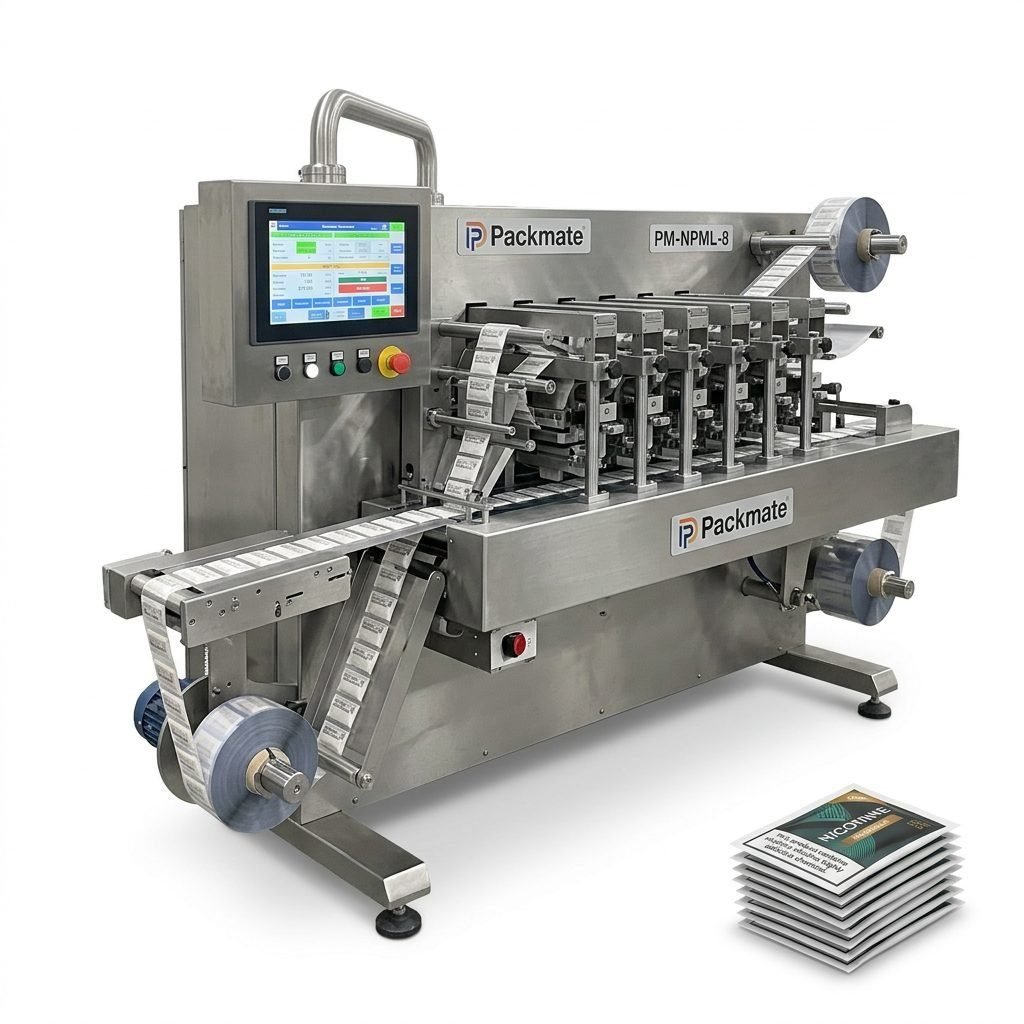
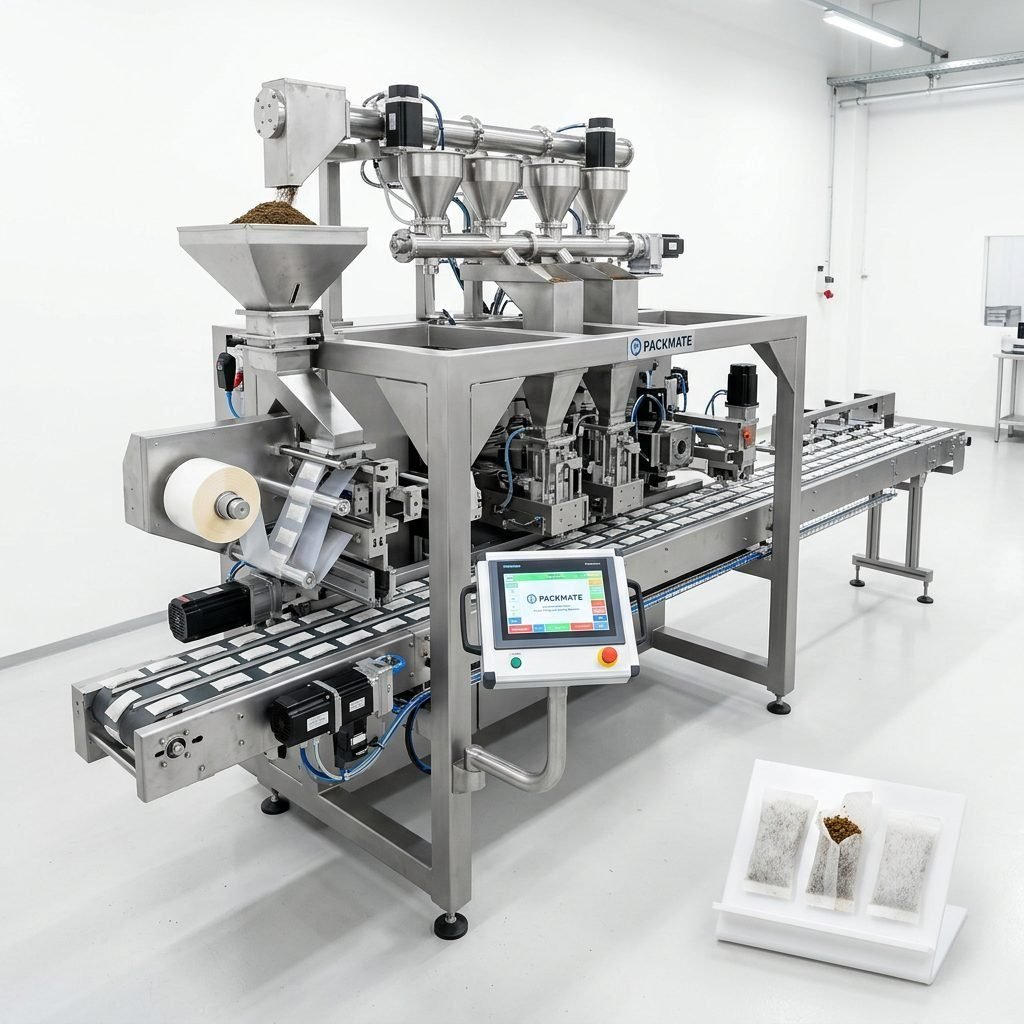
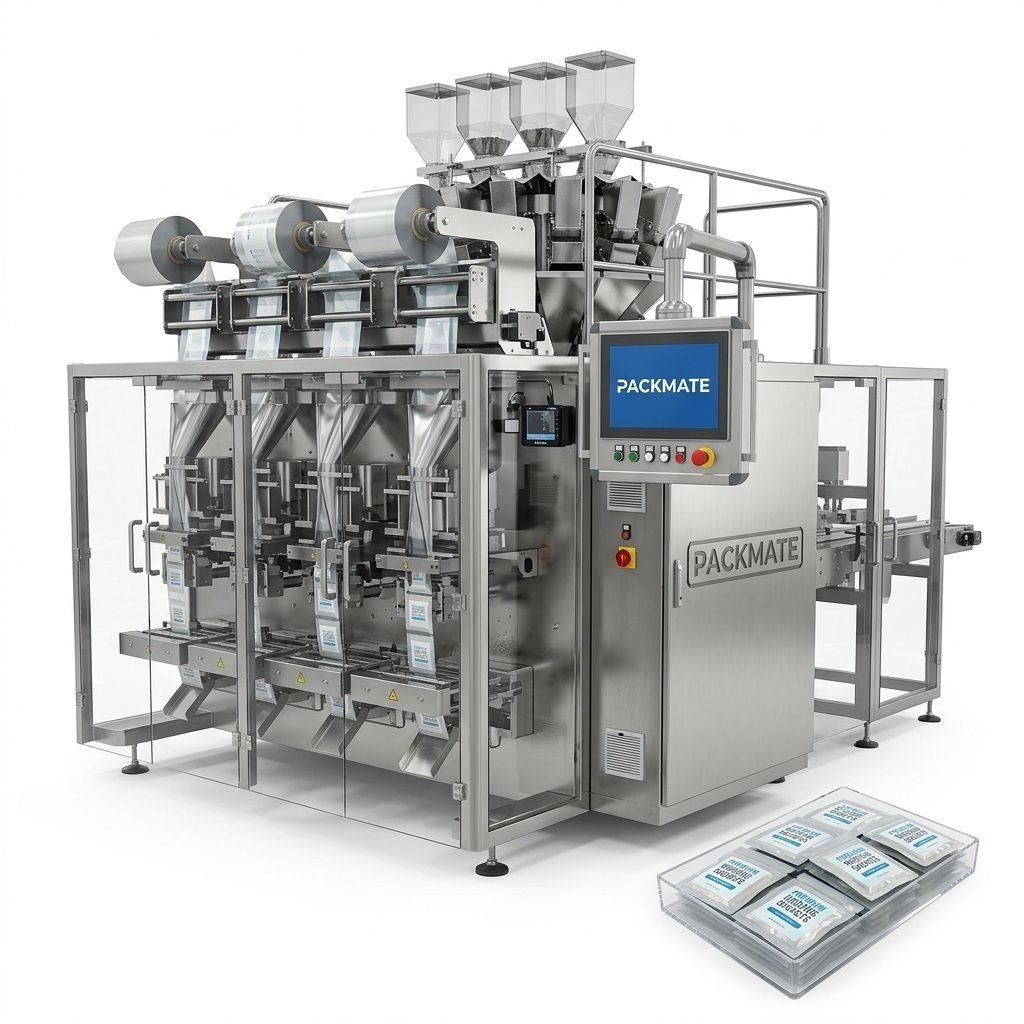
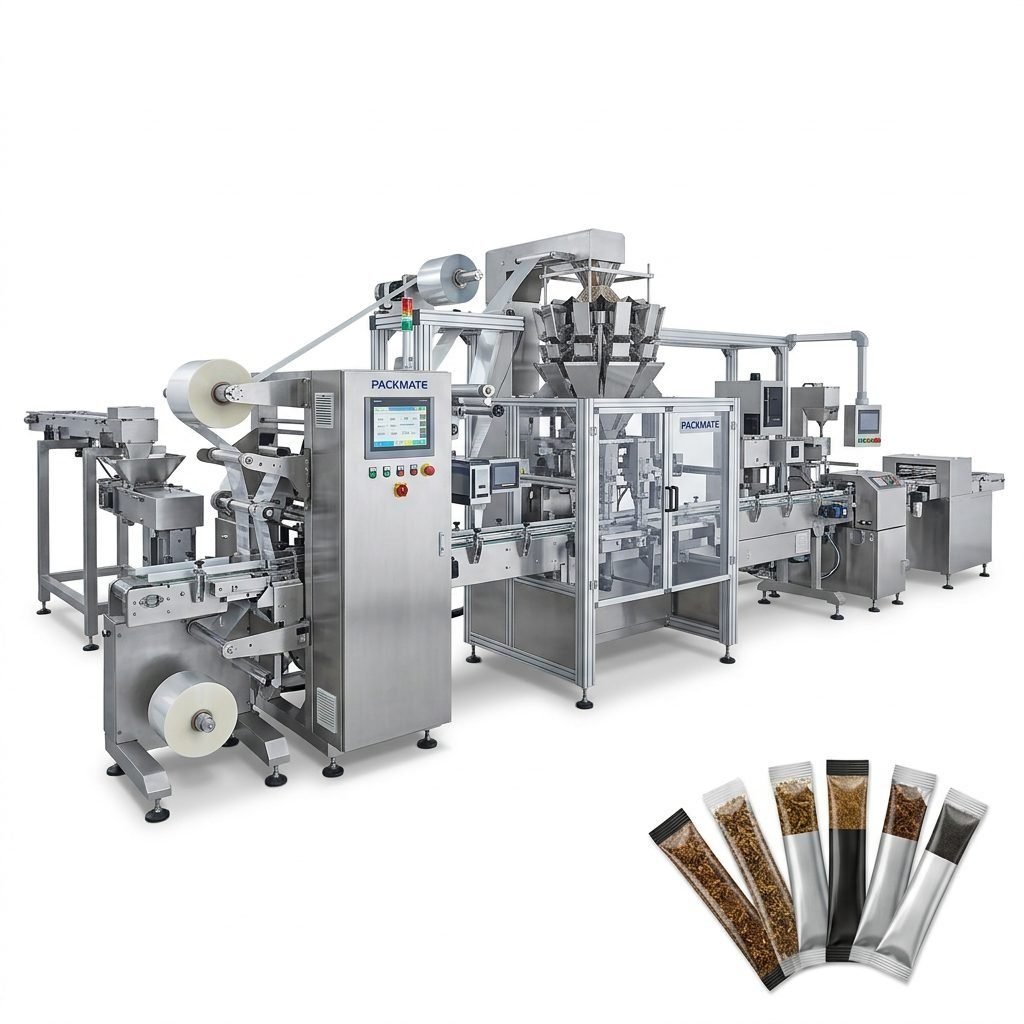
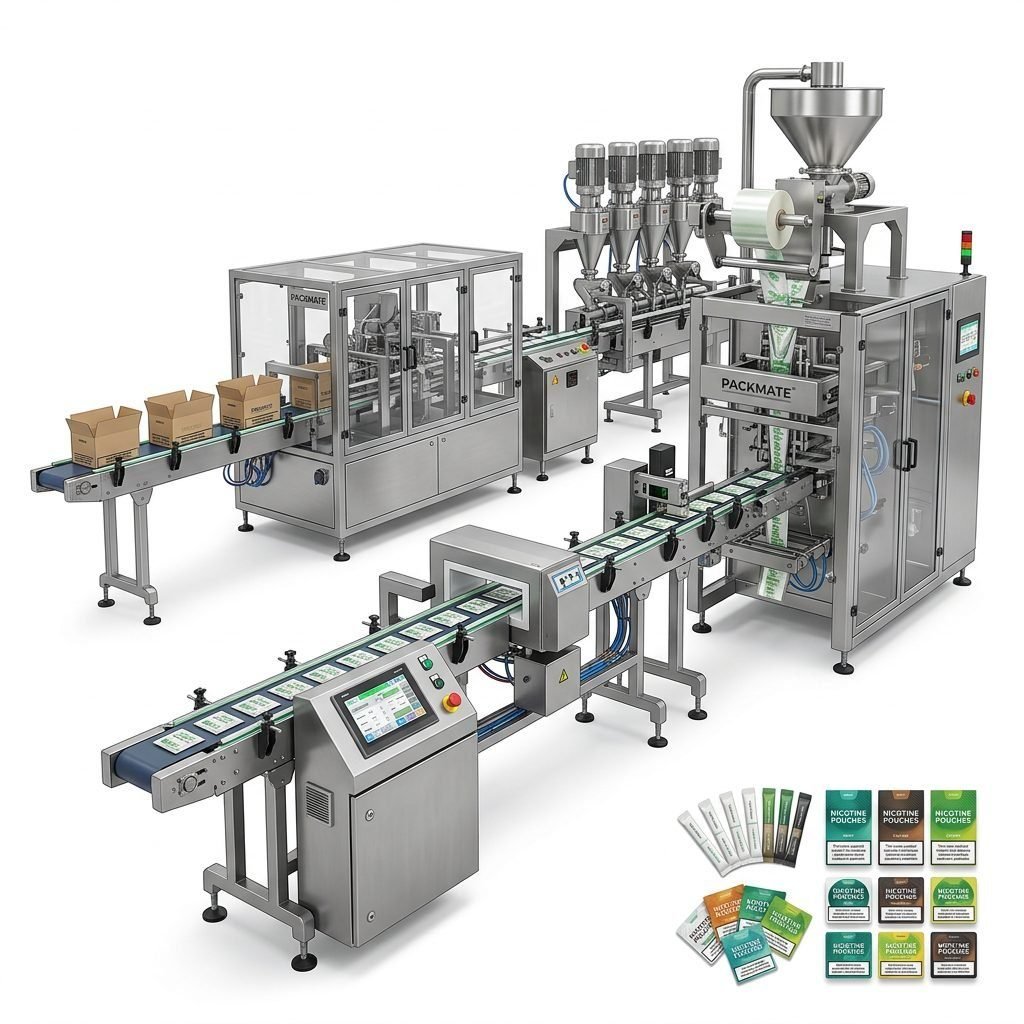
When assessing nicotine pouch packaging machines, focus on core technical features that determine productivity, consistency, and total cost of ownership. Top-tier suppliers like Packmate Snus Machine provide a range of solutions from single-lane to high-speed multi-lane lines suitable for small-dose pouch production. See product options such as Snus & Nicotine Packaging Machines and Bag & Pouch Packaging Machines for reference.
Essential specifications to check
✅ Production speed and lanes — choose multi-lane systems if you plan to scale quickly.
✅ Accuracy & dosing — for nicotine pouches, precise dosing minimizes waste and ensures regulatory consistency.
✅ Material compatibility — verify packaging film types (laminated films, compostable options, foil) and sealing performance.
✅ Footprint & installation needs — check machine dimensions, foundation requirements, and utilities (power, air pressure).
✅ Energy consumption — critical in Malawi due to potential power costs and reliability concerns.
Supplier Credentials: Certificates, Experience, and Factory Strength
Always verify a supplier’s background. Packmate Snus Machine, for example, highlights more than 30 years of engineering experience, a 20,000㎡ manufacturing facility, and international certifications such as CE and ISO. Suppliers with proven factory infrastructure (advanced CNC machining centers, precision assembly lines) usually deliver better consistency and spare parts availability.
What to request from a prospective supplier
🔎 Factory tour evidence or video demonstrations showing actual assembly lines and CNC operations.
📜 Copies of CE/ISO certificates and product-specific compliance reports.
📦 Case studies and references, ideally from African or similar emerging-market customers — review global cooperation cases and exhibition records.
After-Sales Support and Spare Parts — Critical for Malawi
In Malawi, local technical expertise may be limited for specialized packaging machines. Prioritize suppliers that offer robust after-sales service, training, and prompt spare parts supply. Ask about on-site commissioning, remote diagnostics, and planned maintenance packages. Suppliers that provide turnkey solutions often include staff training and line validation — see the company’s Service page for similar offerings.
Questions to ask about support
🔧 What is the lead time for critical spare parts shipped to Malawi?
🔧 Does the supplier offer remote troubleshooting or a local service partner?
🔧 Are operator and maintenance manuals available in English, and can training be conducted on-site?
Commercial Terms: Price, Payment, and Delivery
Negotiate clear commercial terms. Malawian buyers often prefer transparent pricing and manageable payment terms. Typical arrangements include partial payment at order, balance on shipment, and letters of credit for larger contracts. You should also clarify Incoterms, shipping timelines, and import duties. Work with freight forwarders familiar with Malawi customs to avoid delays.
Tips for smooth procurement
Tip: Request a complete quotation that lists machine scope, installation, spare parts kit, training, and warranty. Verify expected installation lead time and any required site preparation.
Customization and Scalability: Plan for Growth
Malawi’s market dynamics may require you to pivot product formats or increase capacity. Choose a supplier that offers modular upgrades (e.g., add lanes, change dosing systems) and flexible packaging modules. Suppliers like Packmate provide 50+ machine models and can tailor multi-lane systems for small-dose pouch production — review their product families including Sachet & Stick Pack Machines and Weighing & Packaging Systems for modular possibilities.
Scalability checklist
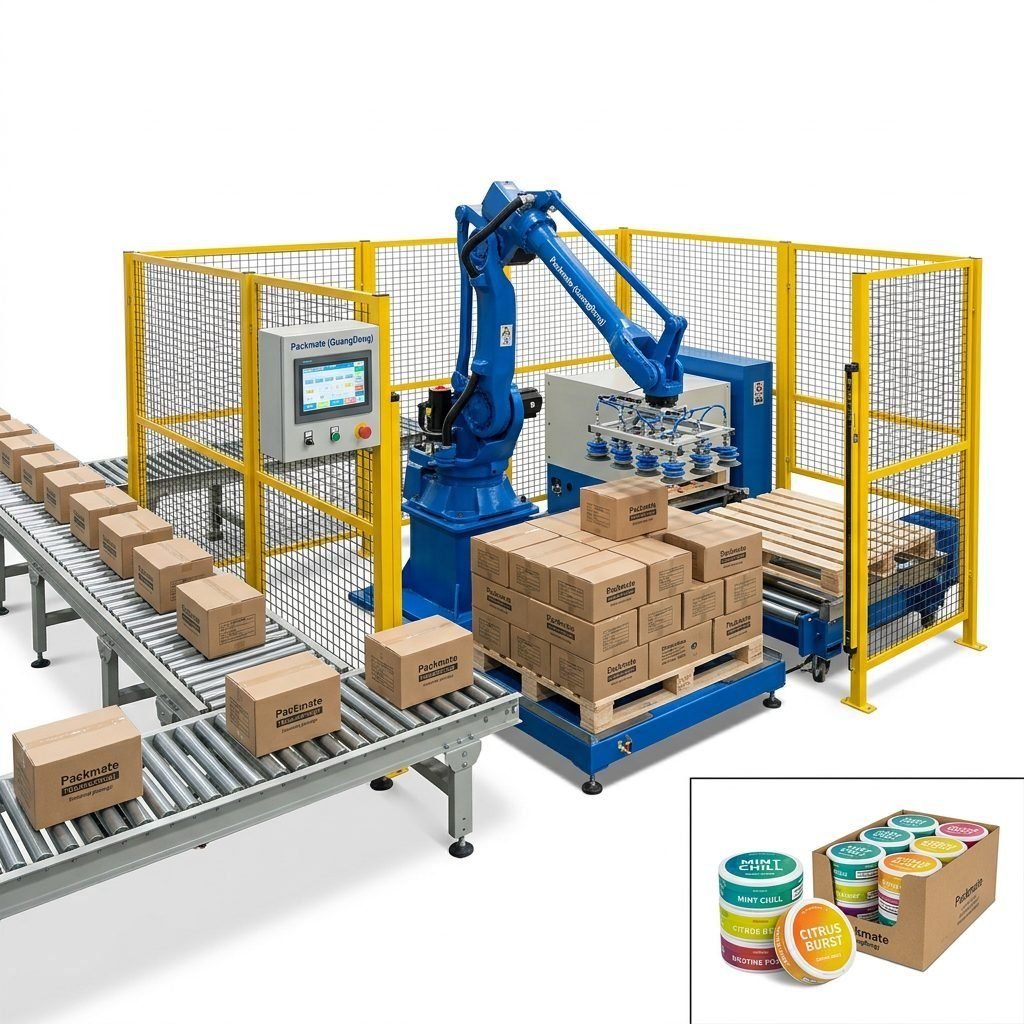
🌍 Ability to upgrade lanes or add ancillary equipment such as feeders, conveyors, and pack-counting units.
📦 Spare parts compatibility across models to simplify inventory.
⚙️ Software-controlled changeovers for minimal downtime when switching formats.
Factory Acceptance Testing (FAT) and Site Acceptance Testing (SAT)
Insist on Factory Acceptance Testing with your product or a product analogue before shipment. FAT reduces surprises on arrival and ensures the machine meets agreed specifications. After installation in Malawi, perform Site Acceptance Testing to validate performance under local conditions (power supply, packaging film used, operator skill levels).
What a solid FAT should include
Strong FAT documentation includes test protocols, production speed verification, sealing integrity checks, dosing accuracy reports, and video evidence of continuous operation. If possible, review the supplier’s case studies and exhibition demos for real-world performance examples.
Visit Suppliers and Attend Exhibitions When Possible
Face-to-face meetings and live demos are invaluable. Suppliers who regularly exhibit and perform live machine demonstrations provide better transparency. Consider visiting supplier facilities or attending trade shows to evaluate machinery performance, manufacturing practices, and team responsiveness — see Our Exhibition and Case pages for insight into supplier credibility.
Why Packmate Could Be a Strong Option for Malawi
Packmate Snus Machine brings decades of experience in snus and nicotine pouch packaging with a large factory footprint and comprehensive product lines. Their strengths include multi-lane systems for high-efficiency pouch production, global turnkey solutions, and adherence to CE/ISO standards. For many Malawian businesses looking for long-term partners, these attributes translate into reliable equipment, predictable lead times, and documented after-sales systems.
Explore product lines like Snus & Nicotine Packaging Machines, Sachet & Stick Pack Machines, and Filling & Packaging Lines to match your specific requirements.
Final Checklist: Making the Decision
✅ Confirm product legality and labeling requirements in Malawi.
✅ Verify certifications, factory capabilities, and spare parts logistics.
✅ Secure FAT and SAT agreements and request machine demo videos.
✅ Agree on clear warranty terms, training plans, and spare parts packages.
✅ Plan for power backup and local technical training to ensure smooth operations.
Useful Links and Resources
For product exploration and supplier background review, consider visiting related resource pages: Snus & Nicotine Packaging Machines, Sachet & Stick Pack Machines, Filling & Packaging Lines, and the supplier’s Service and Contact Us pages for direct inquiries.
Conclusion
Selecting the best nicotine packaging machine supplier for Malawi requires balancing technical capability, regulatory awareness, after-sales support, and cultural fit. Prioritize suppliers with proven manufacturing strength, clear certifications, robust training and spare parts plans, and a willingness to perform FAT and SAT with your product. By following the checklist above and engaging in direct communication and demonstrations, your business will be better positioned to deploy a reliable packaging line that supports growth in the Malawian market.
Common Questions (FAQs)
Q: Are nicotine pouches legal to sell in Malawi?
A: Regulations can change — consult local regulatory authorities and legal counsel before importing or marketing nicotine pouches.
Q: How important are CE/ISO certifications when buying packaging machines?
A: Very important — certifications indicate compliance with international safety and quality standards and often simplify import clearance.
Q: What after-sales support should I demand from a supplier?
A: On-site commissioning, operator training, a fast spare parts supply chain, remote diagnostics, and clear warranty terms are essential.
Q: Should I choose single-lane or multi-lane machines?
A: Start with a configuration that matches current demand but allows for upgrades. Multi-lane systems work well when scaling production; single-lane might be suitable for low-volume testing.
Q: How can I reduce the risk of machine downtime in Malawi?
A: Plan for power backup, maintain a small inventory of critical spare parts, and ensure local staff receive proper training for routine maintenance.