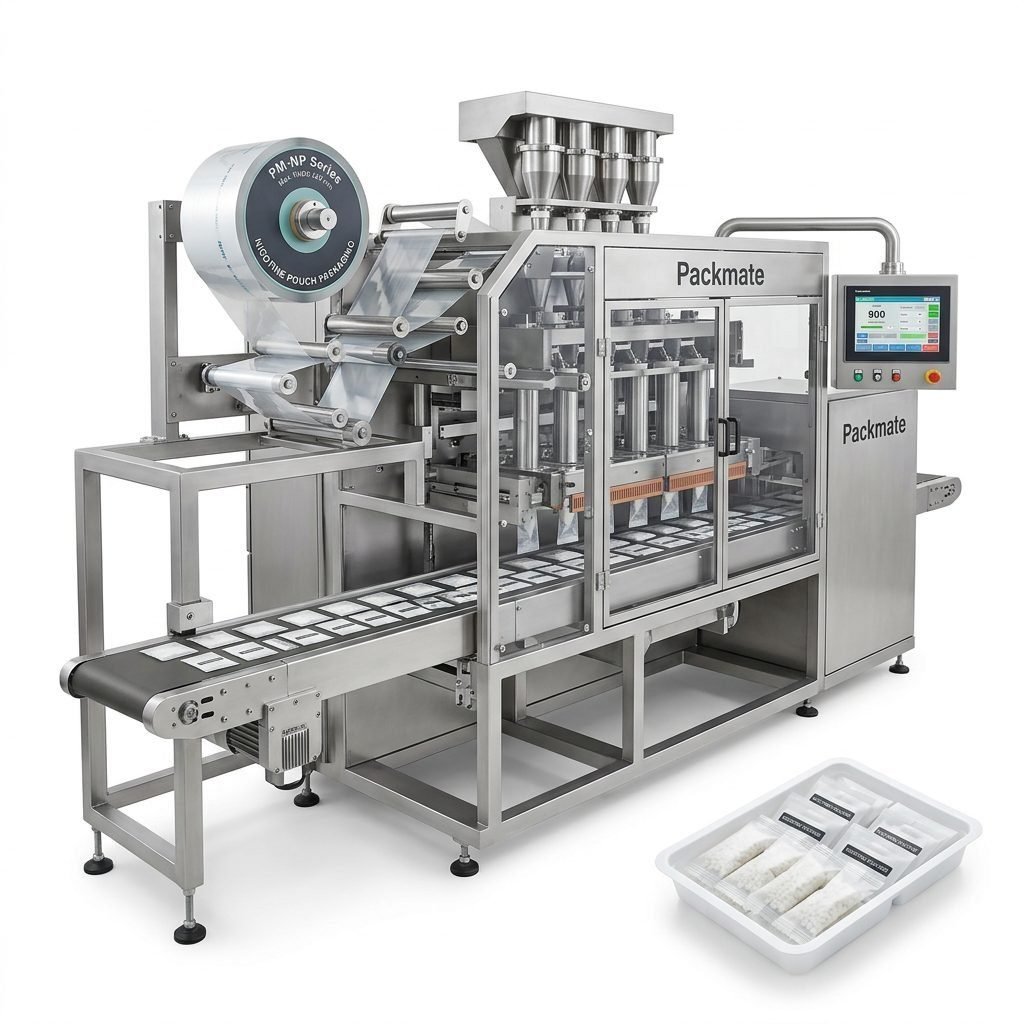
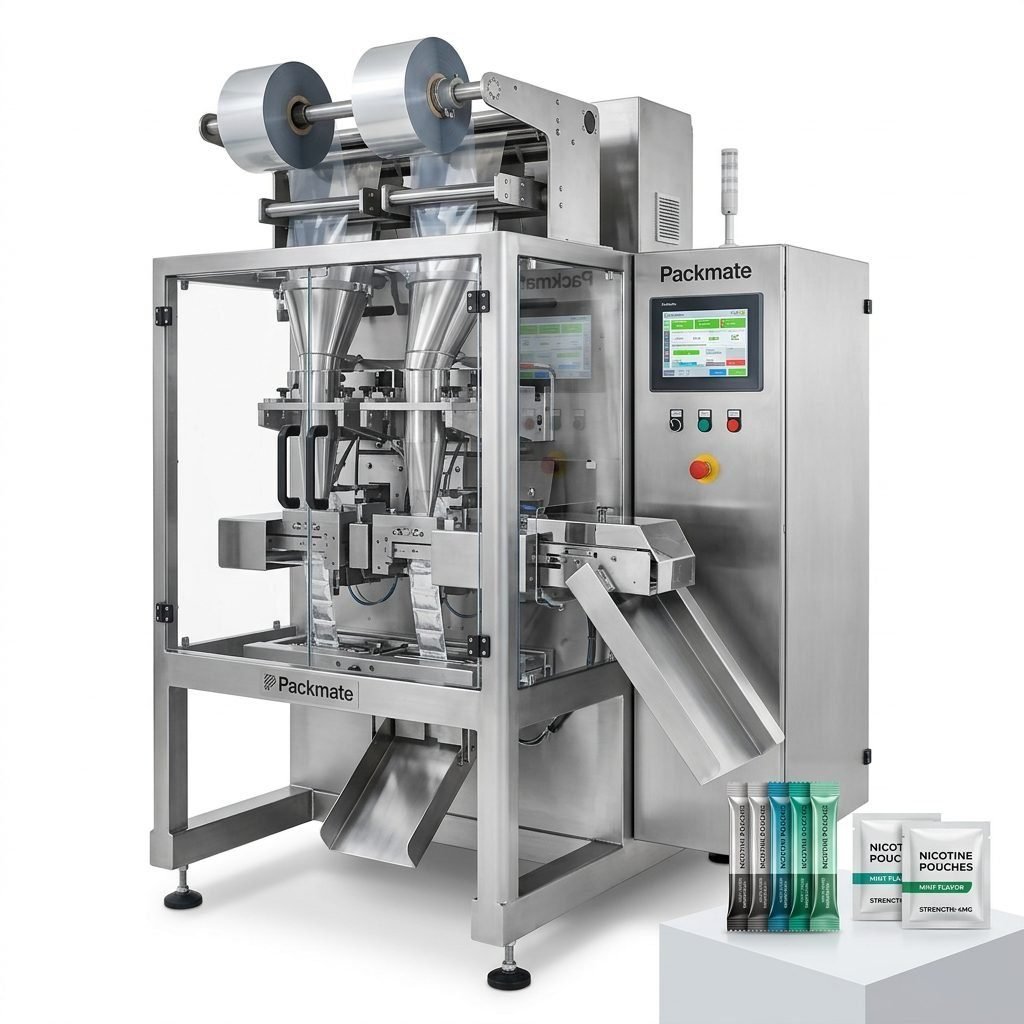
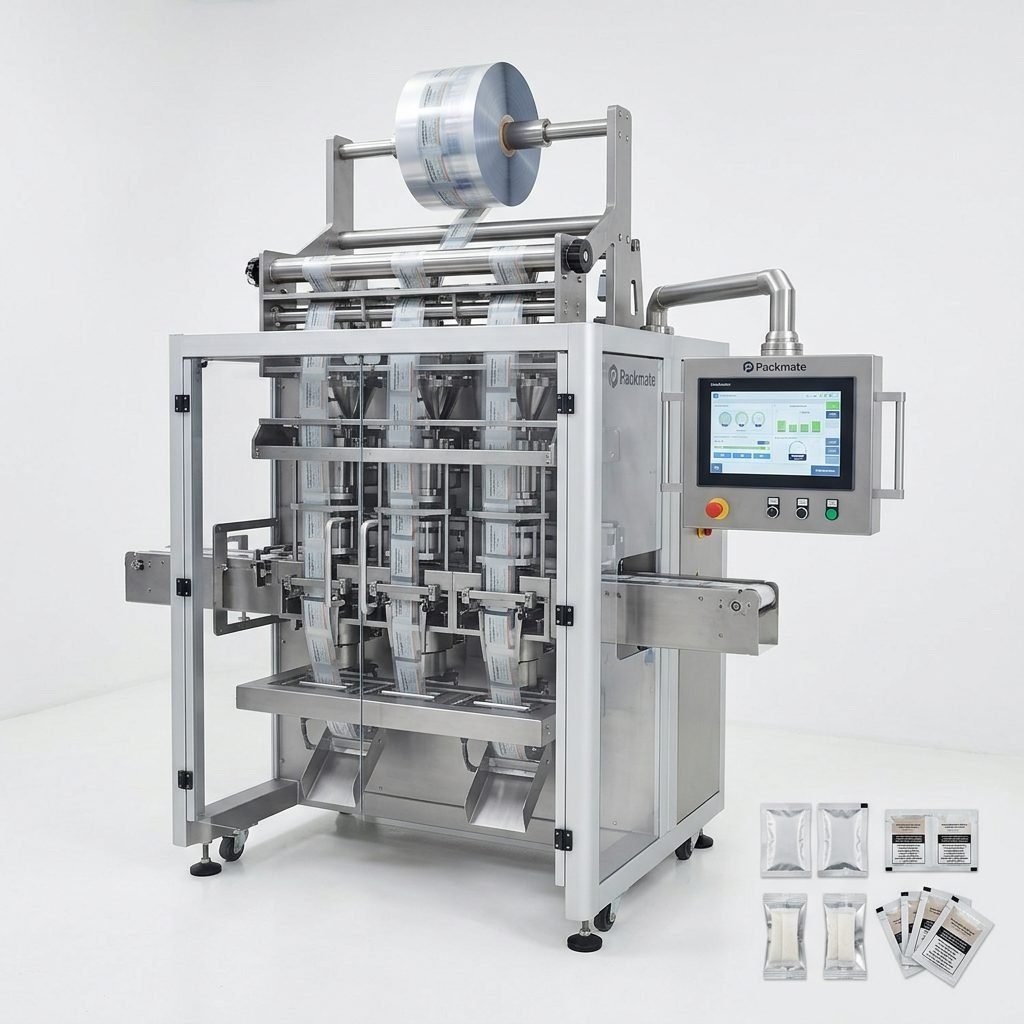
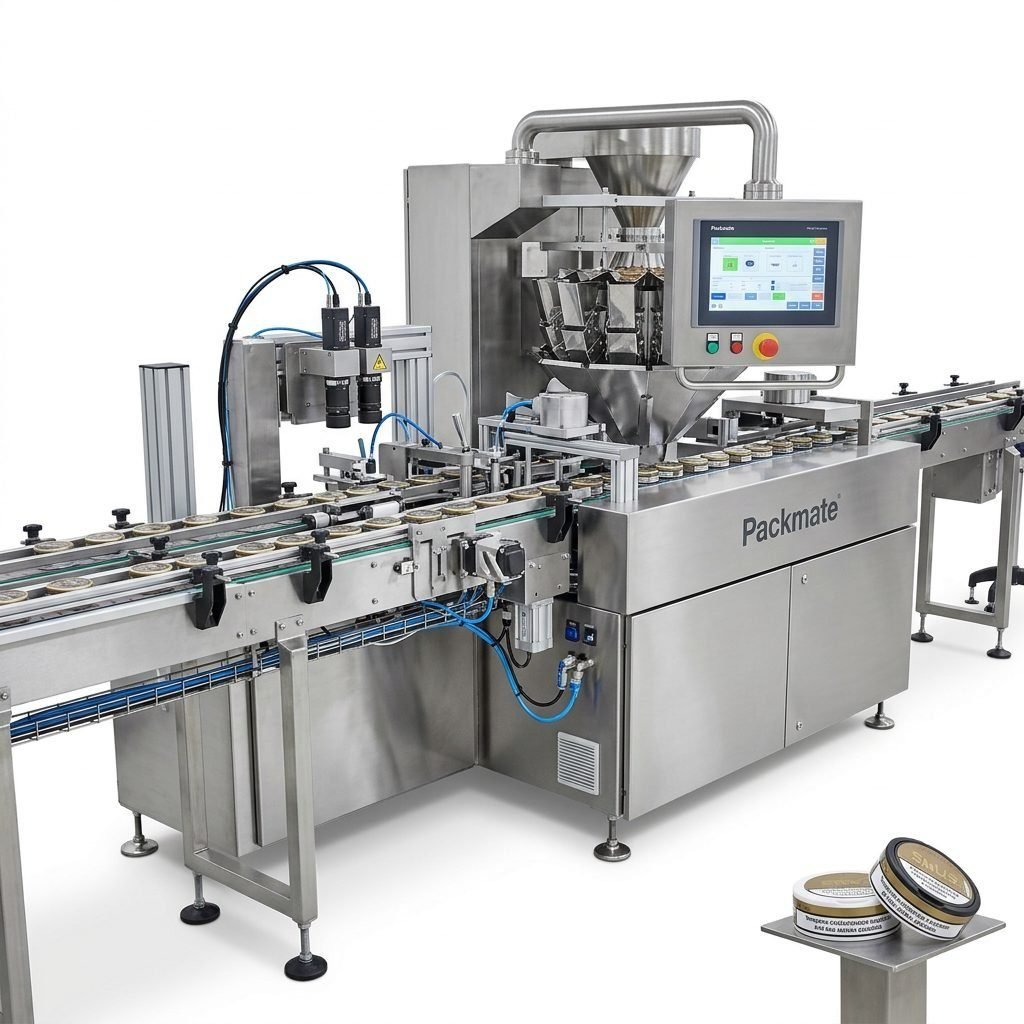
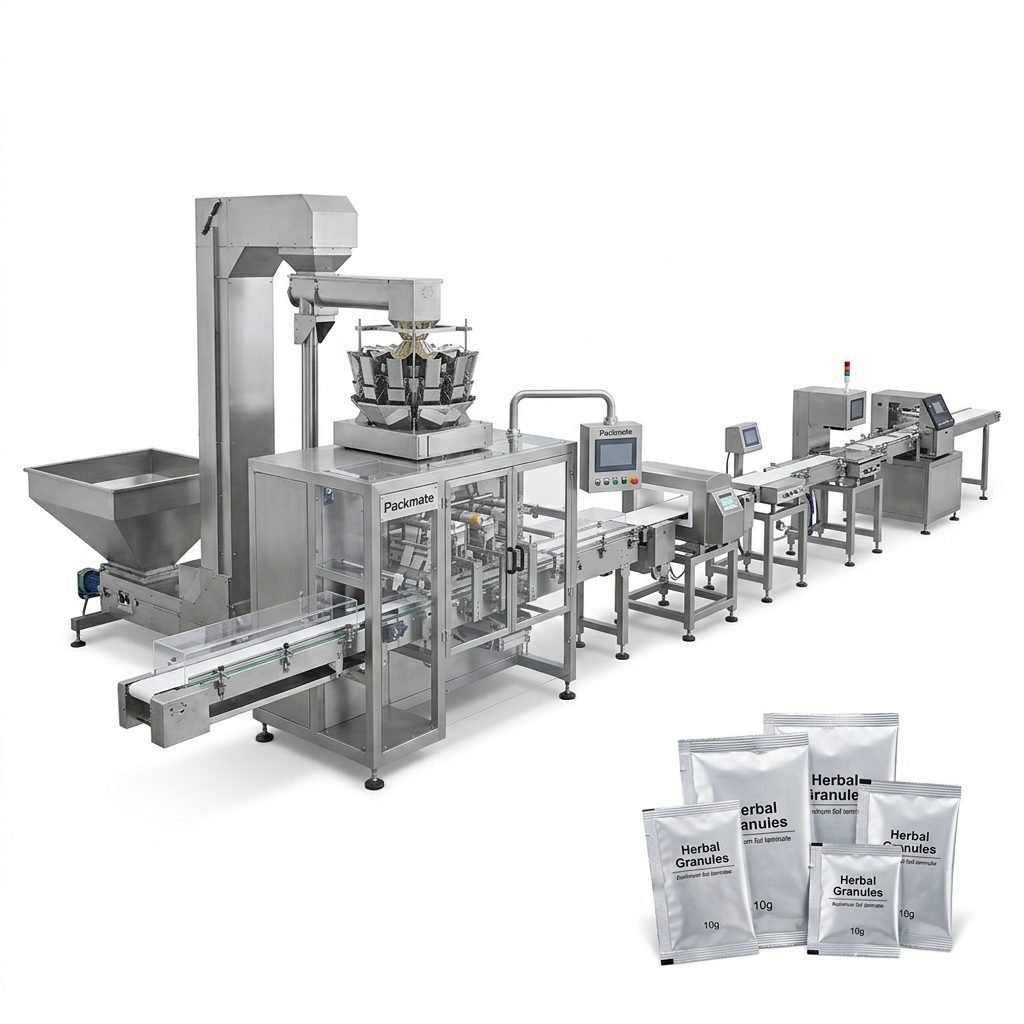
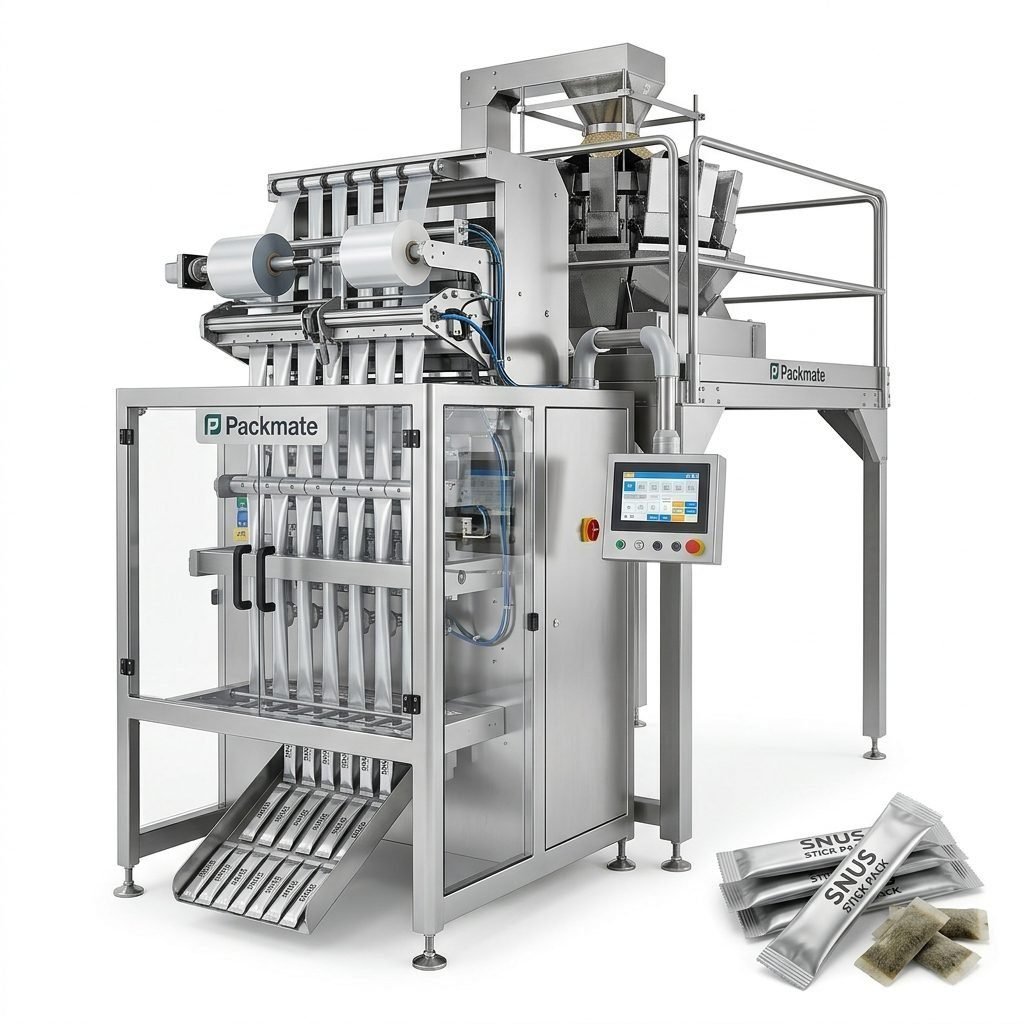
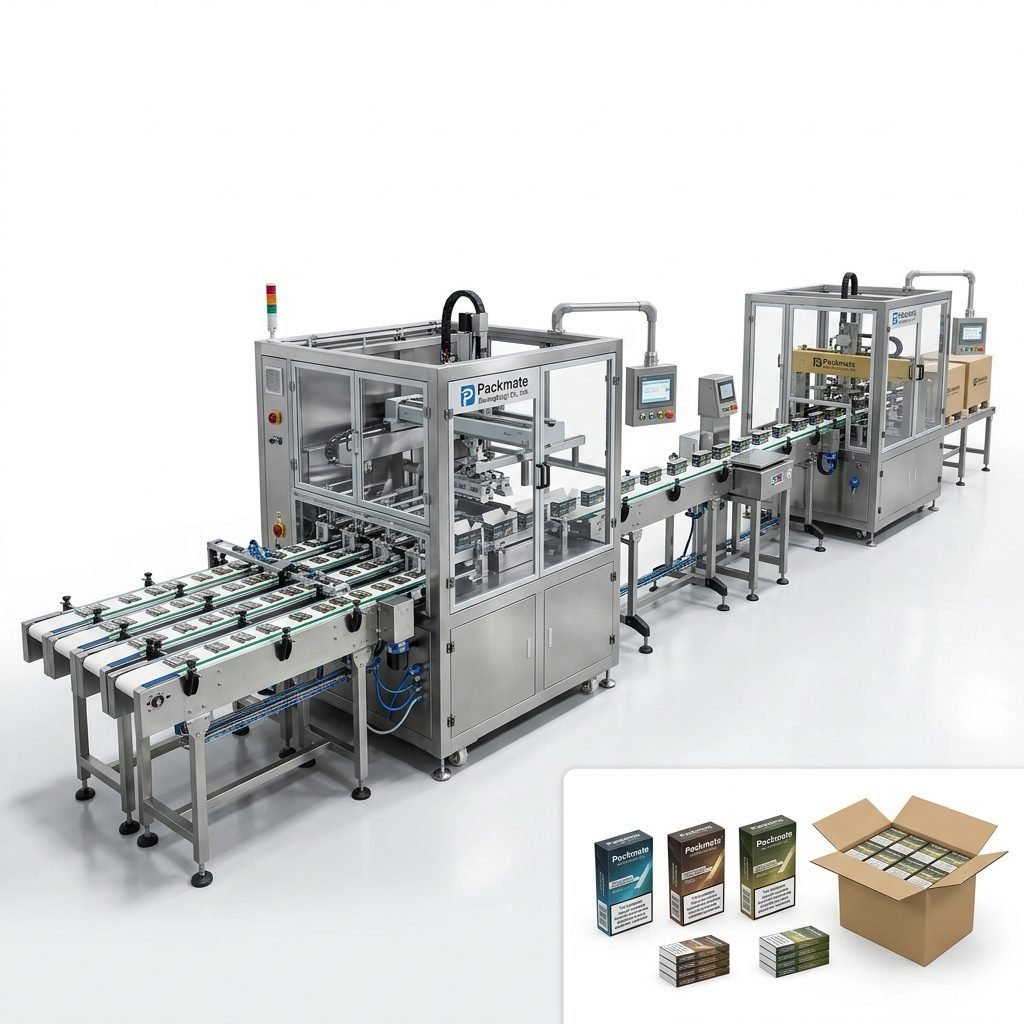
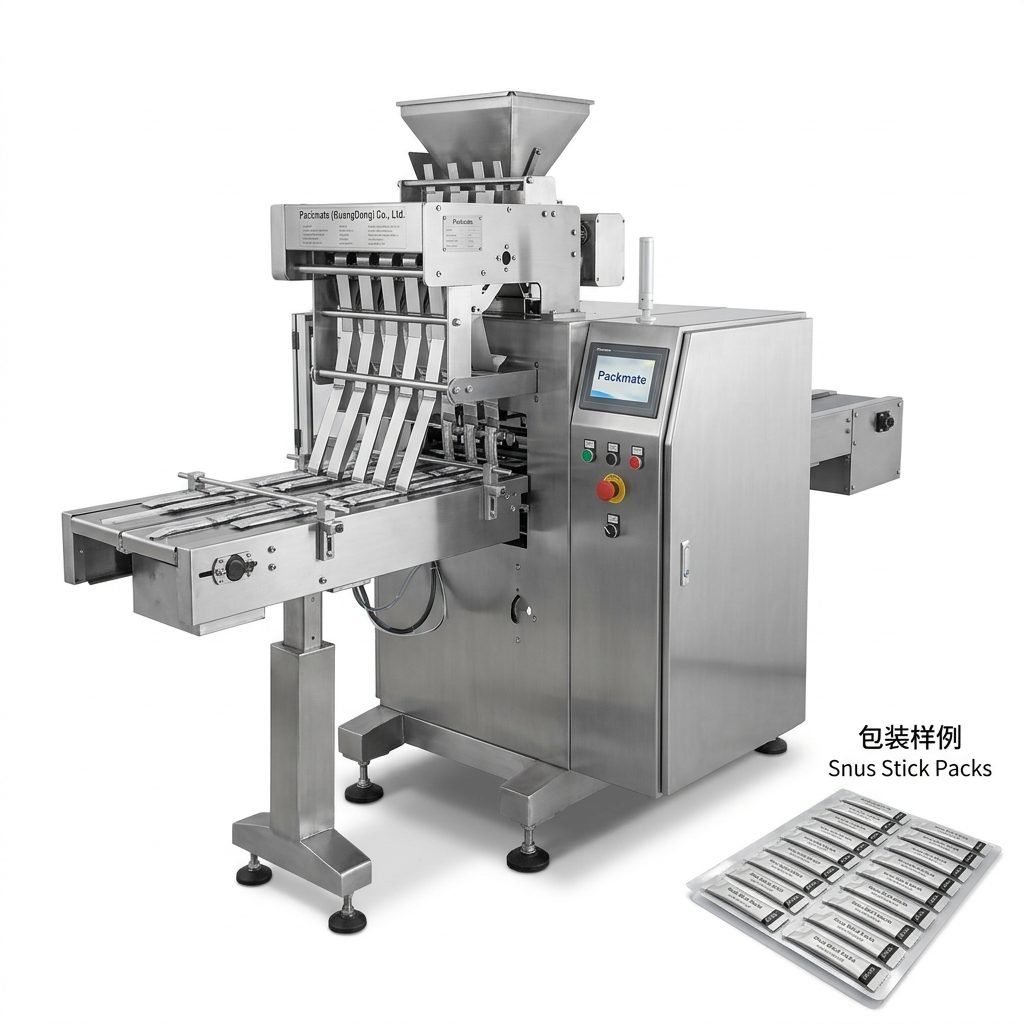
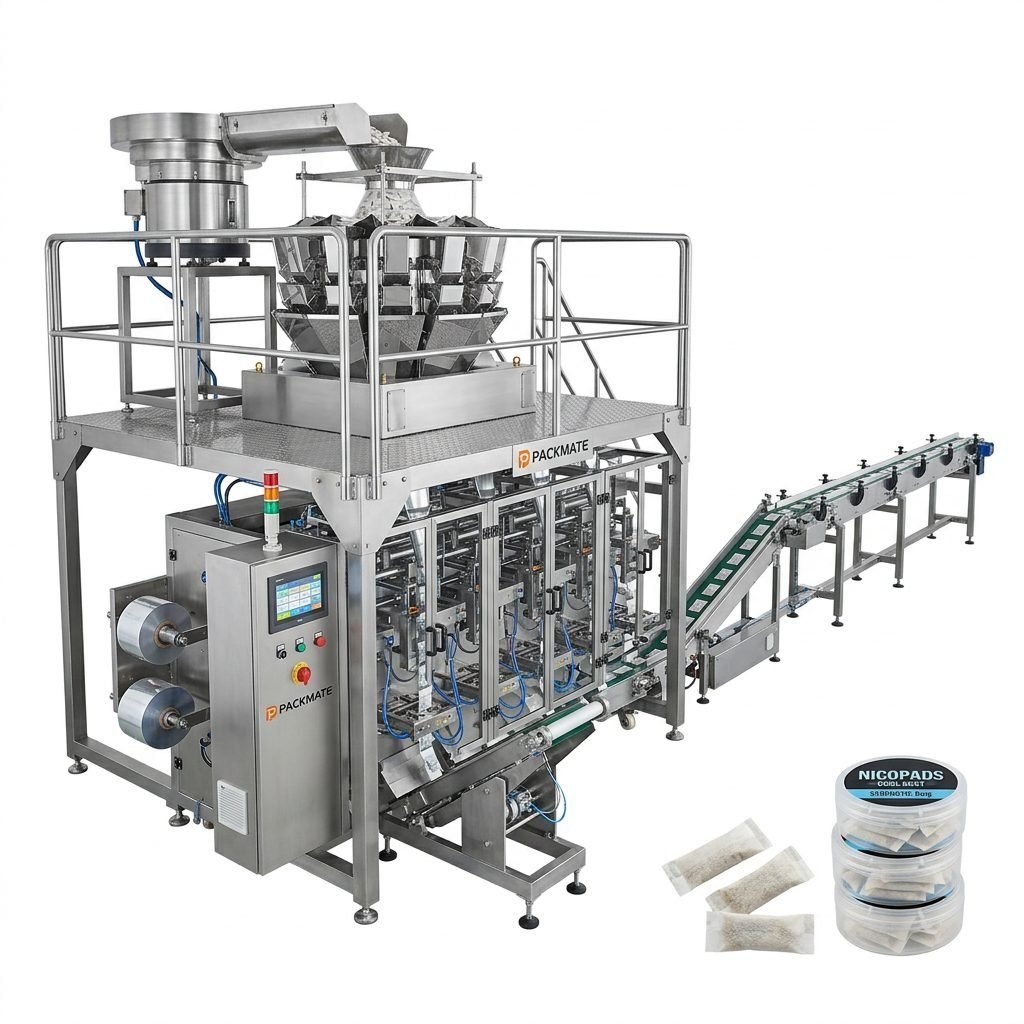
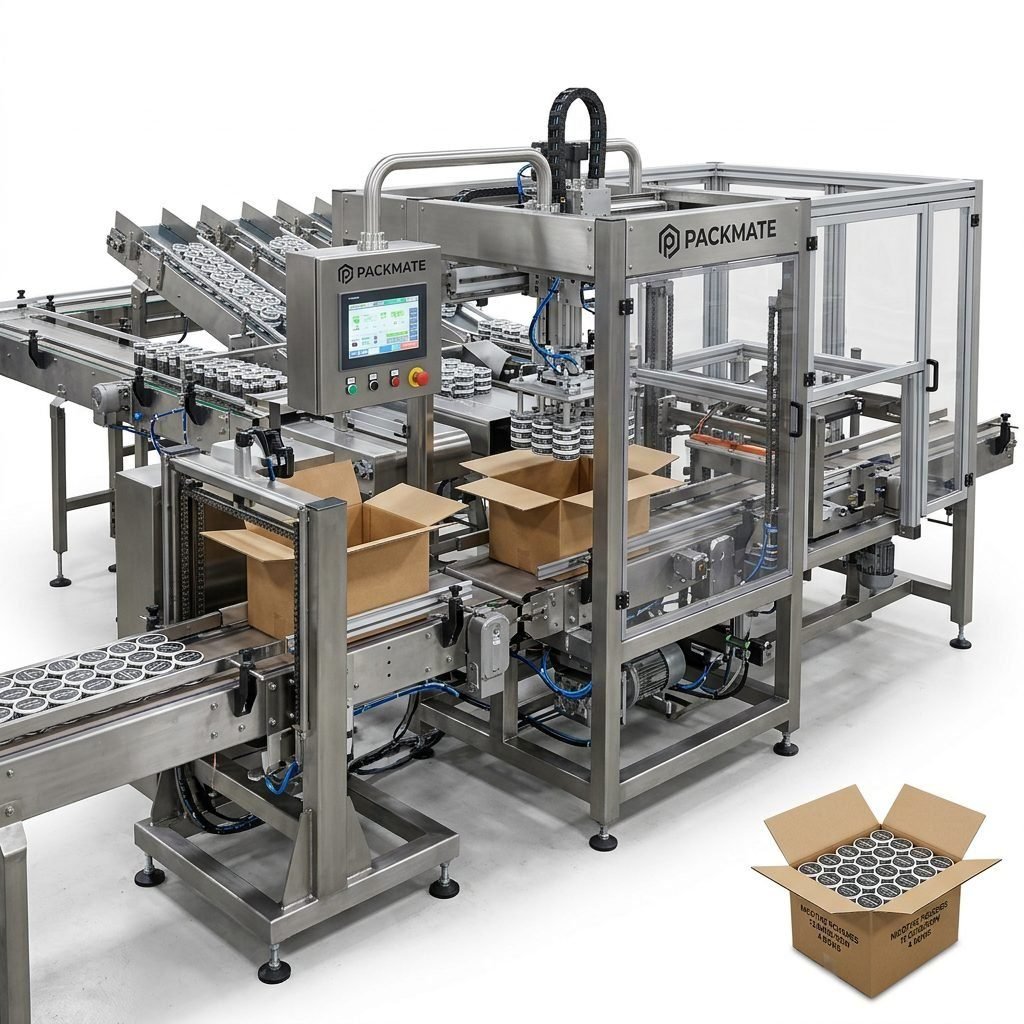
Choosing the right nicotine packaging machinery supplier in Georgia can make or break your production plans. Whether you’re launching nicotine pouches, snus, or other oral nicotine formats, the right partner helps you meet regulatory requirements, optimize line efficiency, and control costs. This guide walks you through practical steps, local considerations for Georgia businesses, and how to evaluate suppliers based on engineering quality, after-sales service, and total cost of ownership.
Understand Your Product and Production Targets
Before contacting suppliers, clearly define what you need. Ask yourself:
🔎 Product format: nicotine pouches, snus, sticks, sachets, or multi-lane pouches?
⚙️ Output requirements: target pieces per minute, shifts per day, and expected ramp-up plan.
📦 Downstream packaging: will you need integrated weighing, stick pack, or pouch sealing lines?
Why specificity matters
Suppliers design machines around product characteristics. Powder blends, moisture-sensitive fillings, or fragile pouches need different feeding and sealing solutions. The more precise your brief, the easier it is to get accurate proposals and reliable performance estimates from vendors.
Key Supplier Evaluation Criteria
Use a structured checklist when comparing vendors. Prioritize engineering reliability, compliance documentation, and local service capability.
1. Machine Quality & Technical Fit
Inspect machine build quality, component brands (e.g., servo systems, PLCs), and modularity. Top-tier suppliers provide machines tailored to nicotine pouch specifics: weight accuracy for small doses, multi-lane configurations, and hygienic design for easy cleaning.
2. Compliance & Certifications
For Georgia-based businesses, ensure suppliers can provide machines that comply with international standards and documentation necessary for regulatory review. If you plan to distribute across the U.S., FDA-related controls and traceability features may be essential. Look for CE, ISO, and test certificates that demonstrate consistent manufacturing quality.
3. After-Sales Support & Spare Parts
Downtime is costly. Ask about:
- 🔧 local or regional service partners and average response times;
- 📦 spare parts lead times and availability;
- 🛠 training packages for your technicians and operators;
- 📞 remote diagnostics and software support options.
✅ Tip: Confirm if the supplier has an authorised contact or distributor that can reach Georgia quickly. Local support shortens service windows and reduces logistic costs.
Assess Total Cost of Ownership (TCO)
Purchase price is only part of the story. TCO includes energy consumption, parts wear, consumables, maintenance, and operator training. Create a simple TCO model to compare candidates over a 3–5 year horizon. Consider:
- ⚡ energy efficiency and average power draw;
- 🕒 expected mean time between failures (MTBF);
- 🔁 consumables costs such as sealing films and tooling;
- 📈 upgrade paths if you plan to expand capacity or add SKUs.
Factory Visits, Trials, and References
Seeing machines in operation is one of the best ways to validate claims. Arrange factory acceptance tests (FAT), request video demonstrations, and ask for client references in similar product categories. A reputable supplier will welcome inspections and provide performance data.
Leverage case studies
Browse case studies to see real-world deployments and performance metrics. For example, a manufacturer with decades of experience often publishes project success stories that highlight solutions for nicotine pouches and related products. Learn from those outcomes to set realistic expectations.
Explore more product details when evaluating equipment types: Snus & Nicotine Packaging Machines and integrated line solutions like Weighing & Packaging Systems.
Logistics, Import, and Local Georgian Considerations
Georgia businesses must plan for logistics and regulatory peculiarities. For companies in the U.S. state of Georgia, Atlanta and the Port of Savannah are major logistics hubs; choose suppliers who understand US customs clearance and can handle documentation for nicotine-related goods. Expect stricter scrutiny for nicotine machinery and components during import.
📍 Georgia (U.S.) logistics tip: Suppliers familiar with shipments to Hartsfield-Jackson Atlanta area or Savannah generally reduce lead-time surprises and customs delays.
If you’re operating in the country of Georgia, local customs and language considerations matter. Communicate contract terms clearly, confirm import tariff classifications for machinery, and consider working with a local customs broker. Suppliers with experience exporting to the Caucasus region can simplify compliance and transport.
Customization, Modularity, and Futureproofing
The nicotine product market evolves fast. Choose suppliers who offer modular platforms that can be upgraded for new SKUs, different pouch sizes, or multi-lane expansions. Customization capabilities—like special hoppers for low-dose grams or advanced dosing systems—help you adapt without replacing entire lines.
Software, Controls, and Data
Modern lines should provide intuitive HMI interfaces, recipe management, and production data logs. Confirm whether the supplier supports remote monitoring and data export for MES integration. Data-driven production reduces waste and helps with traceability for regulatory audits.
Warranty, Training, and Documentation
A clear warranty, comprehensive manuals, and structured operator training are essential. Ask for:
- 📘 operator and maintenance manuals in English (and other needed languages);
- 👩🏫 on-site commissioning and training plans;
- 🗂 spare parts lists with recommended stock levels;
- ⏱ warranty response times and escalation procedures.
Evaluating Lead Times and Production Planning
Understand the supplier’s production schedule, typical lead times, and the flexibility to accelerate orders. Suppliers with substantial in-house machining, CNC capabilities, and spare inventory tend to offer faster turnarounds. Check if they run pre-shipment tests or offer FAT to reduce installation time at your facility.
Cost Negotiation and Contract Terms
Negotiate not just price, but payment terms, delivery responsibilities (Incoterms), acceptance criteria, and penalties for missed milestones. Clarify whether installation, qualification, and start-up costs are included. A fair contract balances supplier risk and your need for dependable delivery.
💡 Negotiation tip: Ask for a phased payment tied to milestones: engineering approval, FAT, shipment, and successful commissioning.
Why a Proven Manufacturer Matters — Example Profile
A supplier with decades of experience and a full manufacturing facility brings stability. For instance, companies that specialise in snus and nicotine pouch lines and operate large CNC and assembly systems often provide:
- 🏭 robust assembly practices and traceable quality control;
- 🔁 a wide range of machine models for different capacities;
- 🌍 global turnkey solutions and exhibition presence for live demos.
Learn more about established suppliers and their company background on pages such as About Packmate and review real deployments in their Case section.
Practical Onboarding Checklist for Georgia Buyers
1. Define product specs and volumes with production forecast.
2. Shortlist vendors by machine fit, certifications, and references.
3. Request FAT and on-site acceptance terms.
4. Confirm spare parts lead times and recommended inventory.
5. Finalise contracts with clear milestones and support SLAs.
Selecting the Right Supplier: Quick Scoring Matrix
Score vendors on critical dimensions: Technical Fit, Quality, Support, TCO, Lead Time, and References. A weighted scoring approach helps you make transparent decisions and justify capital expenditure to stakeholders.
Next Steps and Contacting Suppliers
Prepare a concise Request for Quotation (RFQ) with product samples or specifications, expected throughput, and acceptance tests. Invite shortlisted suppliers for discussions or remote demos. When you’re ready to view reliable machine options, check dedicated product pages like Sachet & Stick Pack Machines and Bag & Pouch Packaging Machines.
When to choose local vs. international suppliers
Local suppliers or regional distributors reduce customs complexity and service time, but international manufacturers may offer advanced technologies and better pricing for high-performance lines. Strike a balance: prioritise suppliers who demonstrate clear export experience to the U.S. and Georgia specifically, or who maintain regional partners for rapid service.
Final Checklist Before Signing
🔸 Confirm machine performance data and FAT conditions.
🔸 Validate warranty scope, spare parts availability, and support SLA.
🔸 Ensure all regulatory and customs paperwork is feasible for Georgia imports.
🔸 Agree on installation, training, and an acceptance test at your site.
Conclusion
Choosing the best nicotine packaging machinery supplier in Georgia requires a balance of technical fit, regulatory understanding, and dependable local support. By defining your needs, visiting factories or reviewing FAT reports, and evaluating total cost of ownership, you can select a partner who reduces risk and scales with your business. For more information, or to explore turnkey lines and equipment options, reach out directly to suppliers that publish detailed product and service information.
Common Questions
Q: How long does it typically take to receive and commission a nicotine pouch packaging line in Georgia?
A: Typical lead times vary by complexity, but expect 12–20 weeks for standard machines plus 2–6 weeks for shipping and customs clearance. Commissioning and training can add 1–2 weeks depending on site readiness.
Q: What certifications should I require from suppliers when buying nicotine packaging equipment?
A: At minimum, request CE and ISO documentation, machine test reports, and traceability for critical components. For U.S. distribution, ensure the supplier can support any necessary FDA-related documentation or audits.
Q: How important is local service capability in Georgia?
A: Very important. Local or regional service partners shorten downtime and reduce shipping costs for spare parts. Confirm expected response times and stocked components for critical wear parts.
Q: Should we prioritize price or reliability when choosing a supplier?
A: Prioritise reliability and total cost of ownership. Lower upfront cost often leads to higher operational costs, more downtime, and lower overall ROI.
Q: Where can I find examples of successful nicotine packaging installations?
A: Review supplier case studies and exhibition demos to see live performance. For example, check their case and exhibition pages or contact the supplier directly for references and FAT videos.
For direct inquiries or to request a quote, use the supplier’s contact channels listed on their Contact Us page.