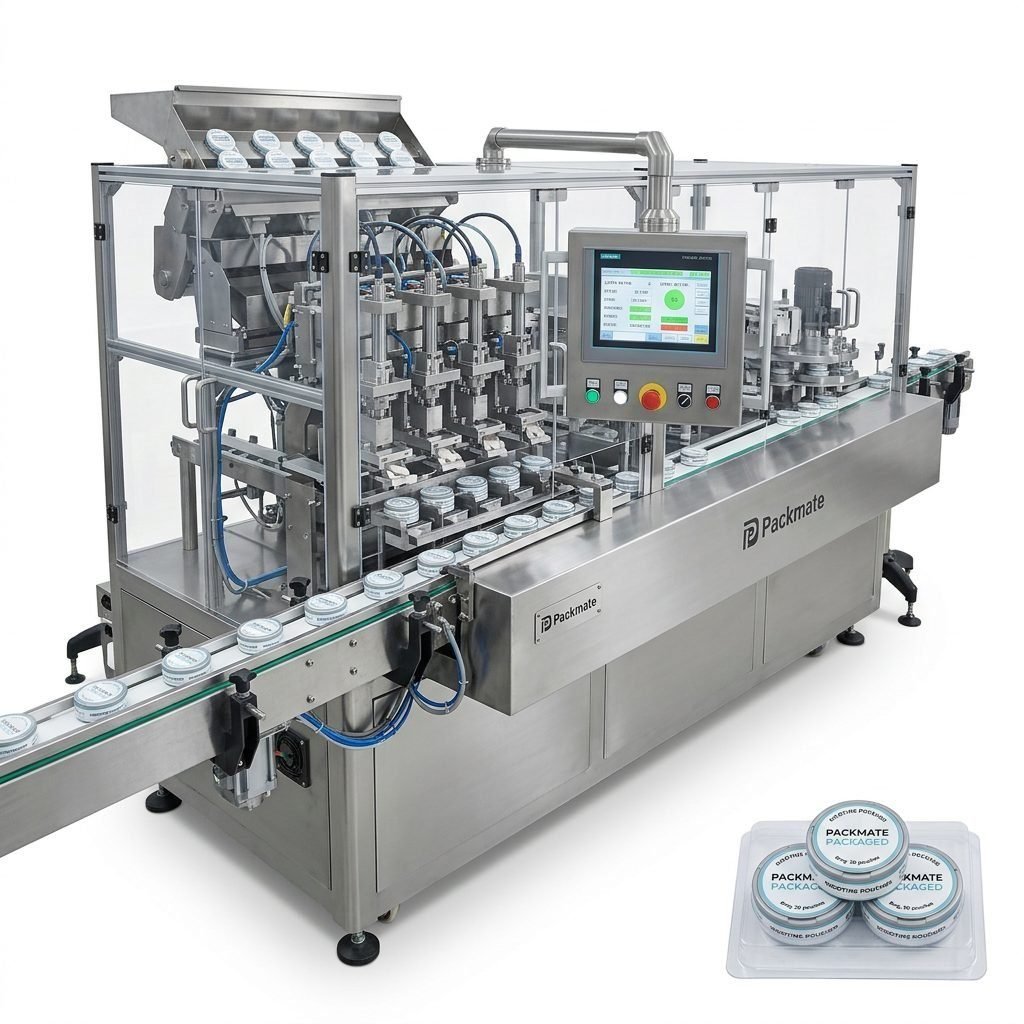
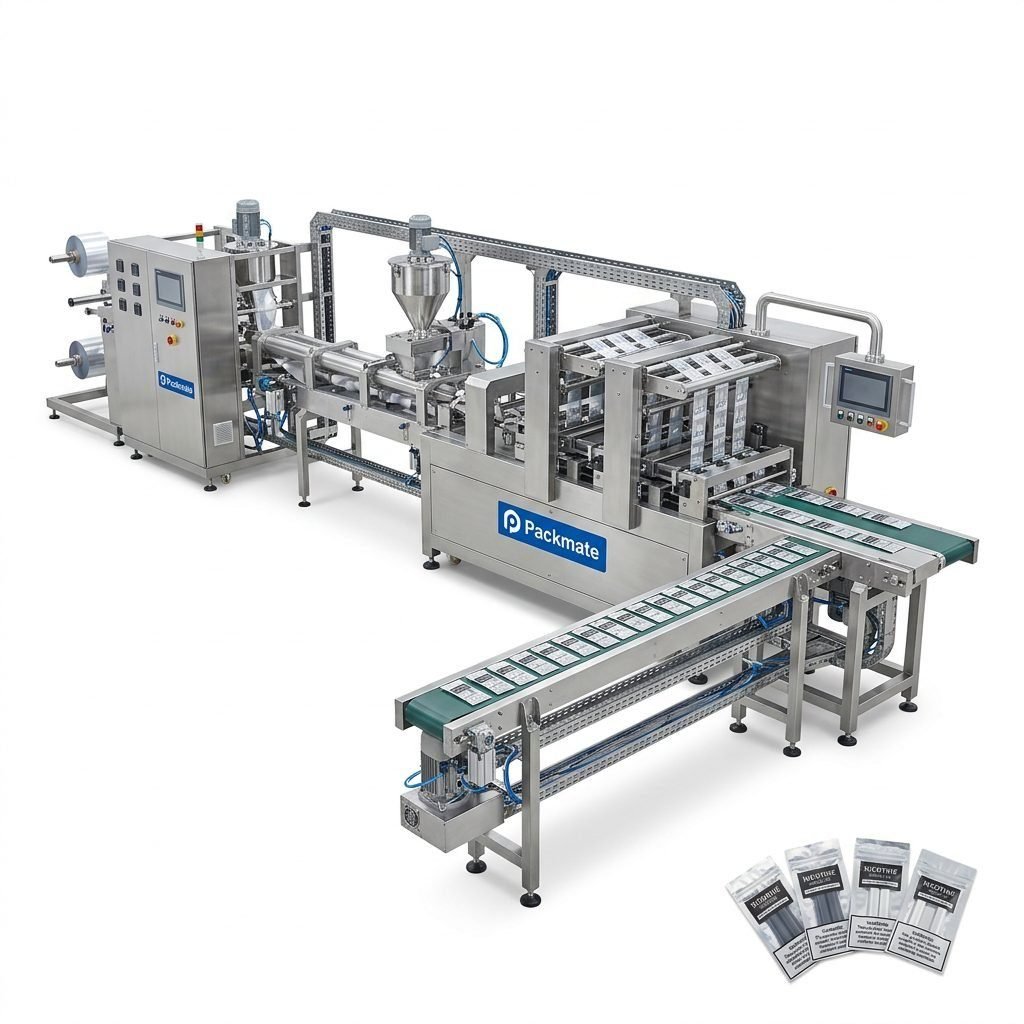
Choosing the right nicotine packaging machine supplier for your production line in Poland requires more than looking at price tags. It is a balance of machine performance, regulatory compliance, local logistics, service support, and cultural fit. This guide walks you through practical steps and decision points—technical, commercial, and operational—so you can select a reliable partner that helps your business scale smoothly and compliantly.
Understand the Polish Market and Regulatory Context
Poland sits within the EU regulatory environment, and while EU directives such as the Tobacco Products Directive influence member states, nicotine pouch regulations can vary locally. When evaluating suppliers, prioritize machines that support traceability, hygiene-friendly materials, and clear documentation to meet Polish import and market rules. Always plan to verify local classification of nicotine pouches with legal counsel—requirements for labeling, testing, or notification can change depending on whether products are treated as tobacco substitutes, consumer goods, or novel products.
Local habits and business culture to consider
Polish buyers value punctuality, clear technical details, and documented guarantees. Face-to-face factory visits or live demos at trade shows build trust. While many engineers and purchasing managers speak English, providing Polish-language manuals or local service arrangements is a competitive advantage. Remember: clear timelines, transparent pricing with VAT and logistics factored in, and prompt communication are key to closing deals in Poland.
Key Technical Criteria for Nicotine Packaging Machines
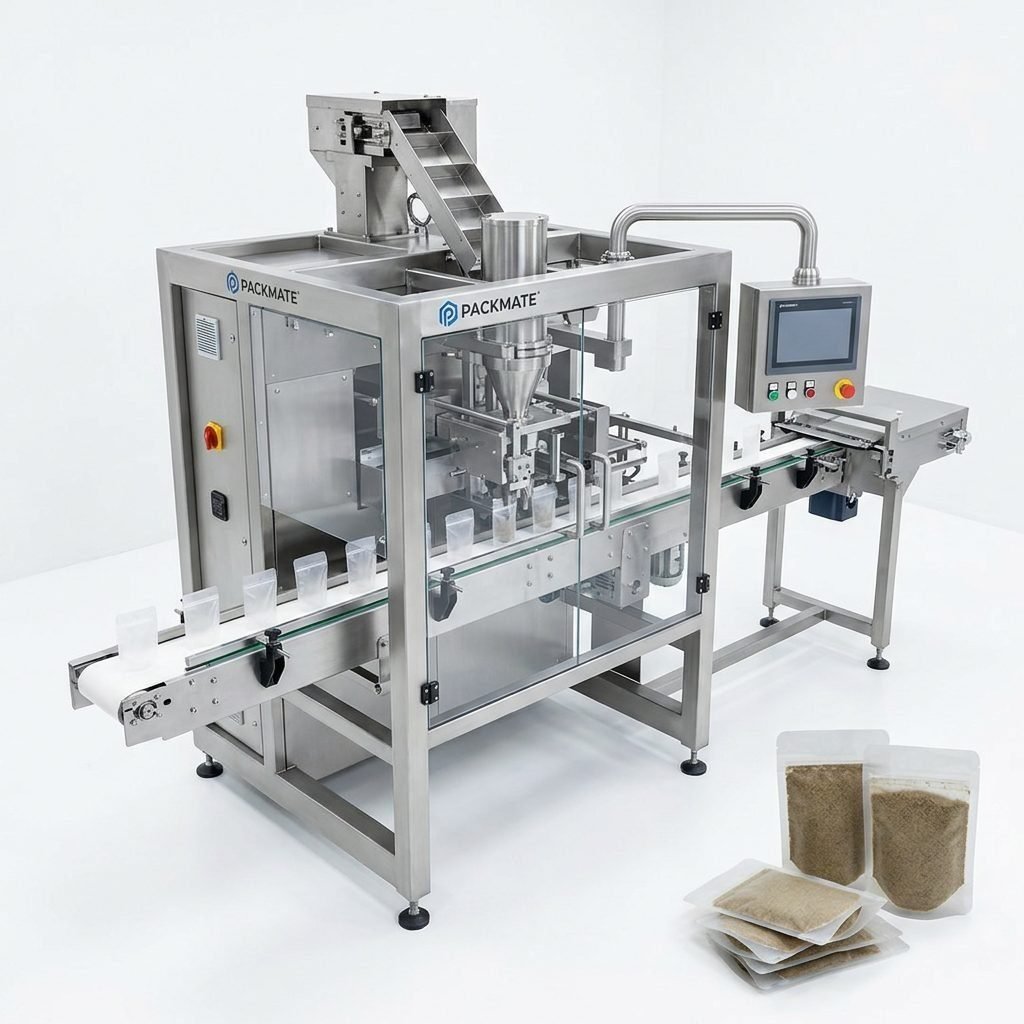
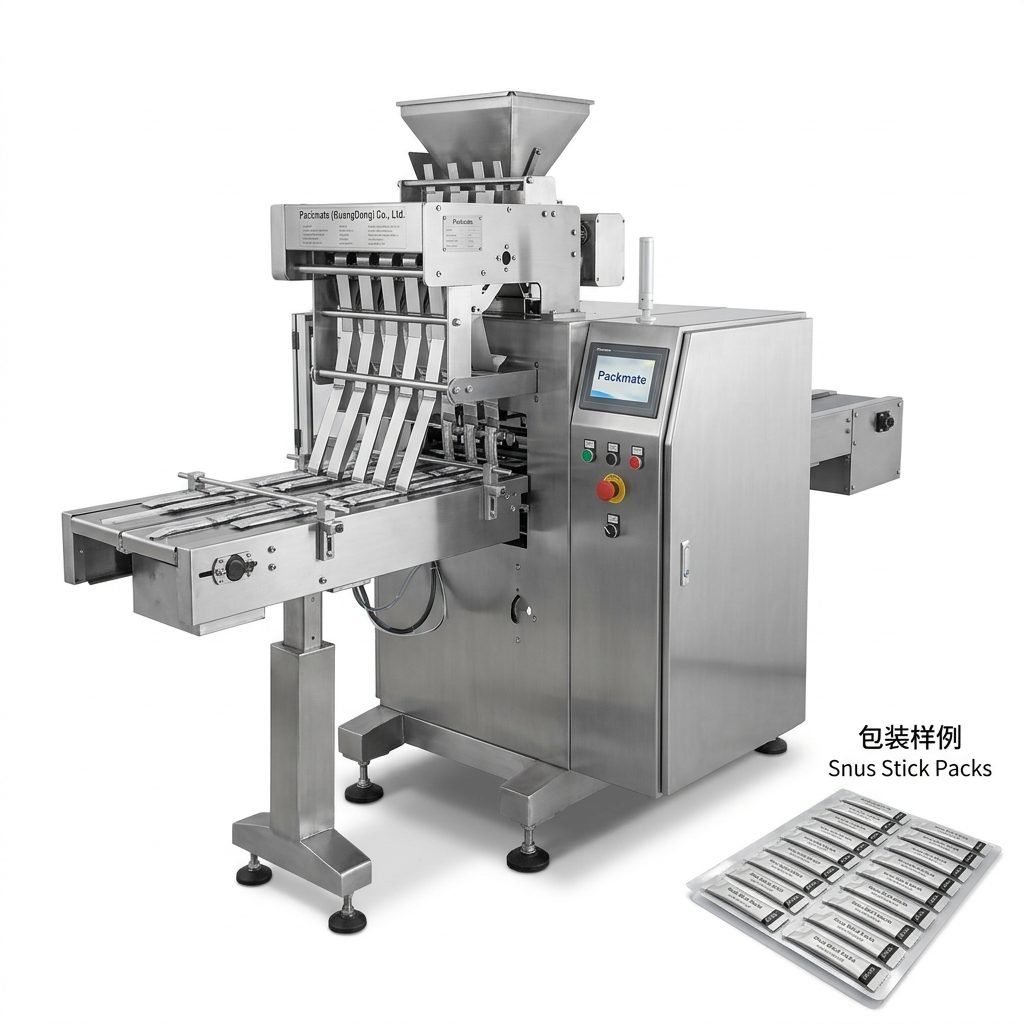
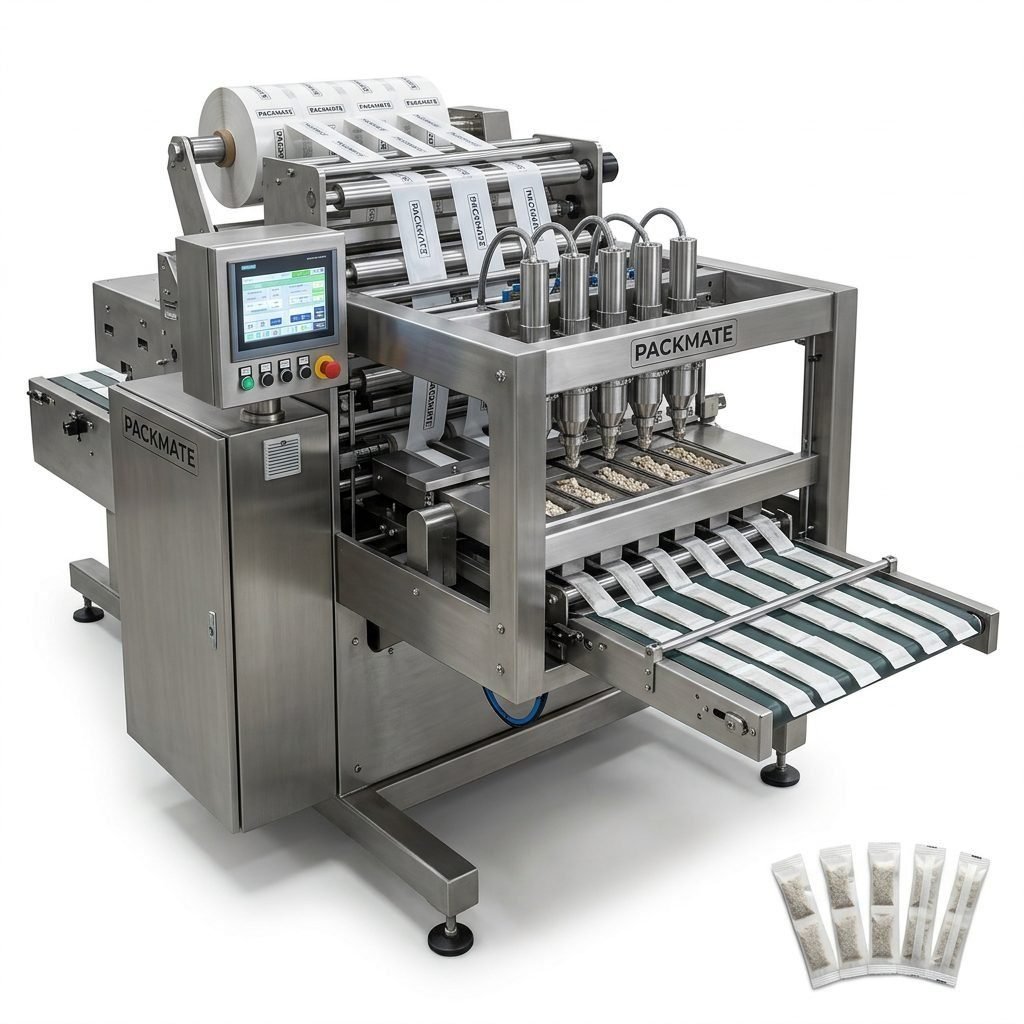
Focus on machines that are tailored to small-dose pouch production and multi-lane output if your volumes require high throughput. Important technical parameters include speed (pouches/min), lane configuration, filling accuracy, dosing flexibility for powders and granules, sealing quality, and compatibility with your chosen sachet or pouch material.
🔧 Must-have technical features:
✔️ High-precision dosing (low CV) for consistent nicotine portioning
✔️ Multi-lane options for scalable throughput (2, 4, 8 lanes or more)
✔️ Servo-controlled systems for repeatable motion and minimal adjustment time
✔️ Easy-to-clean contact parts (stainless steel AISI 304/316) and IP-rated electronics for washdown environments
✔️ Quick-change tooling and modular design to reduce downtime between formats
Integration with your production line
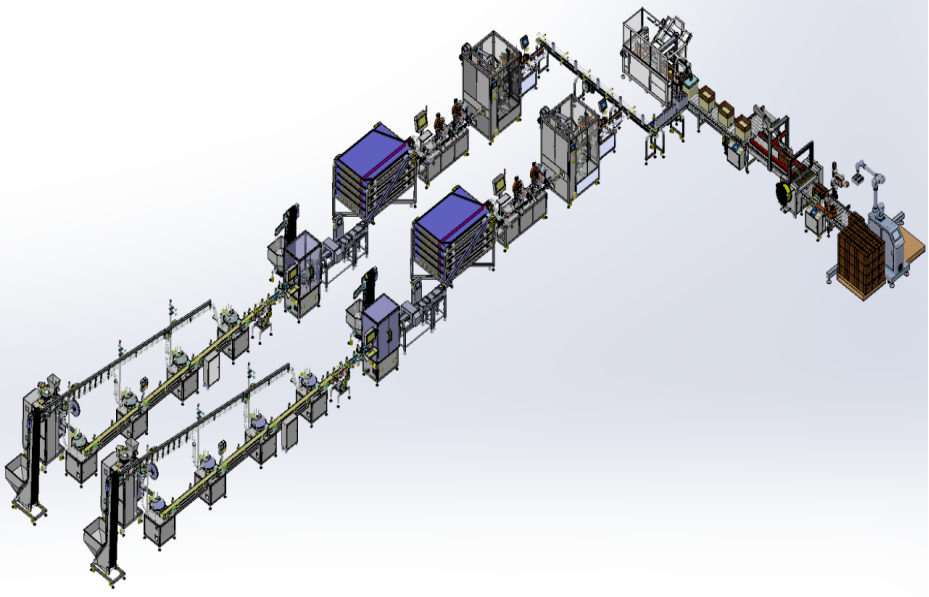
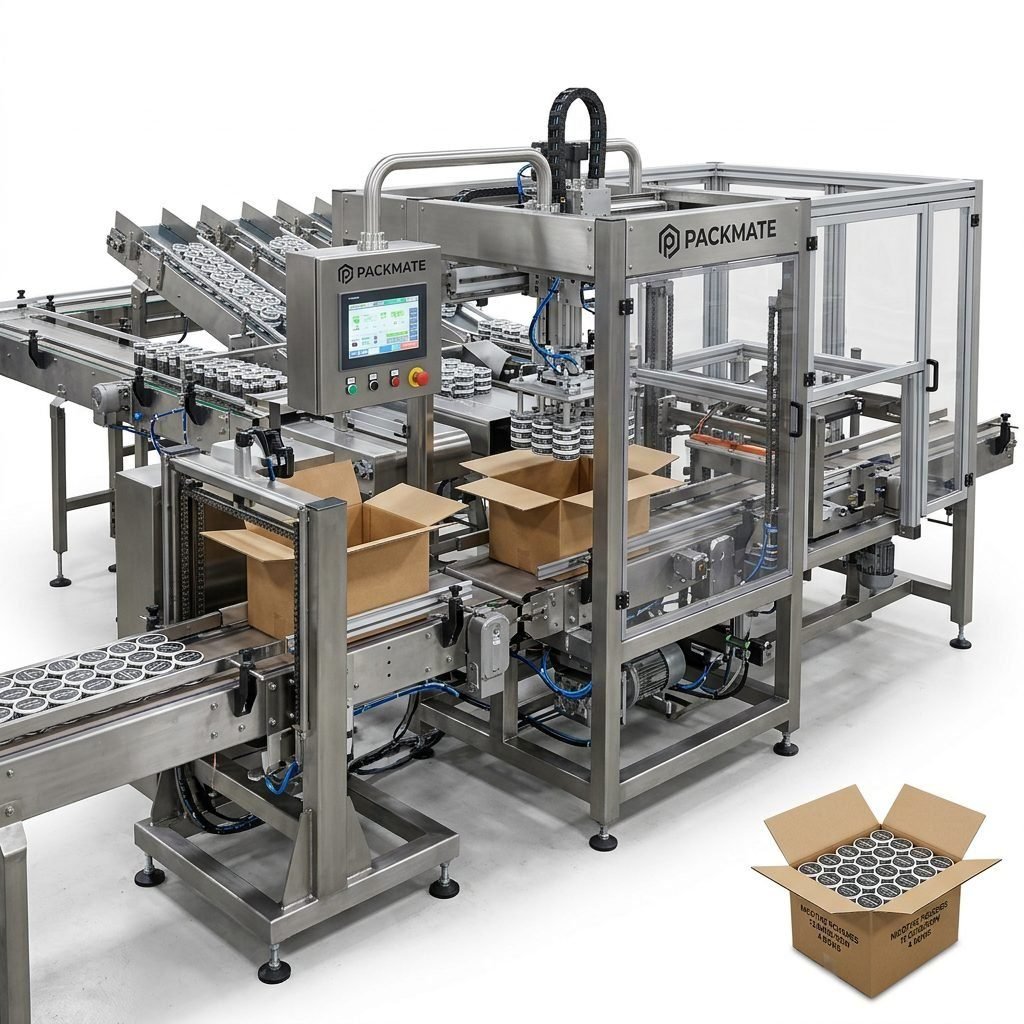
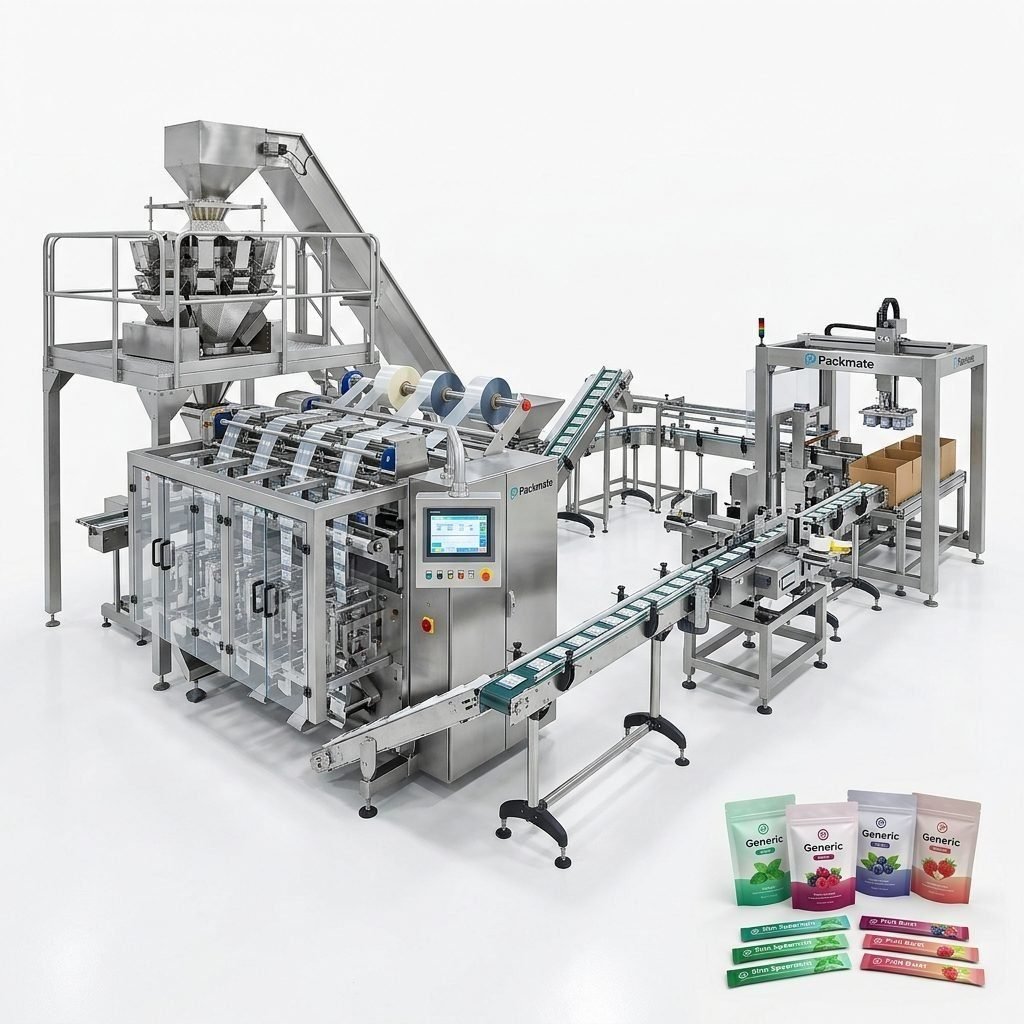
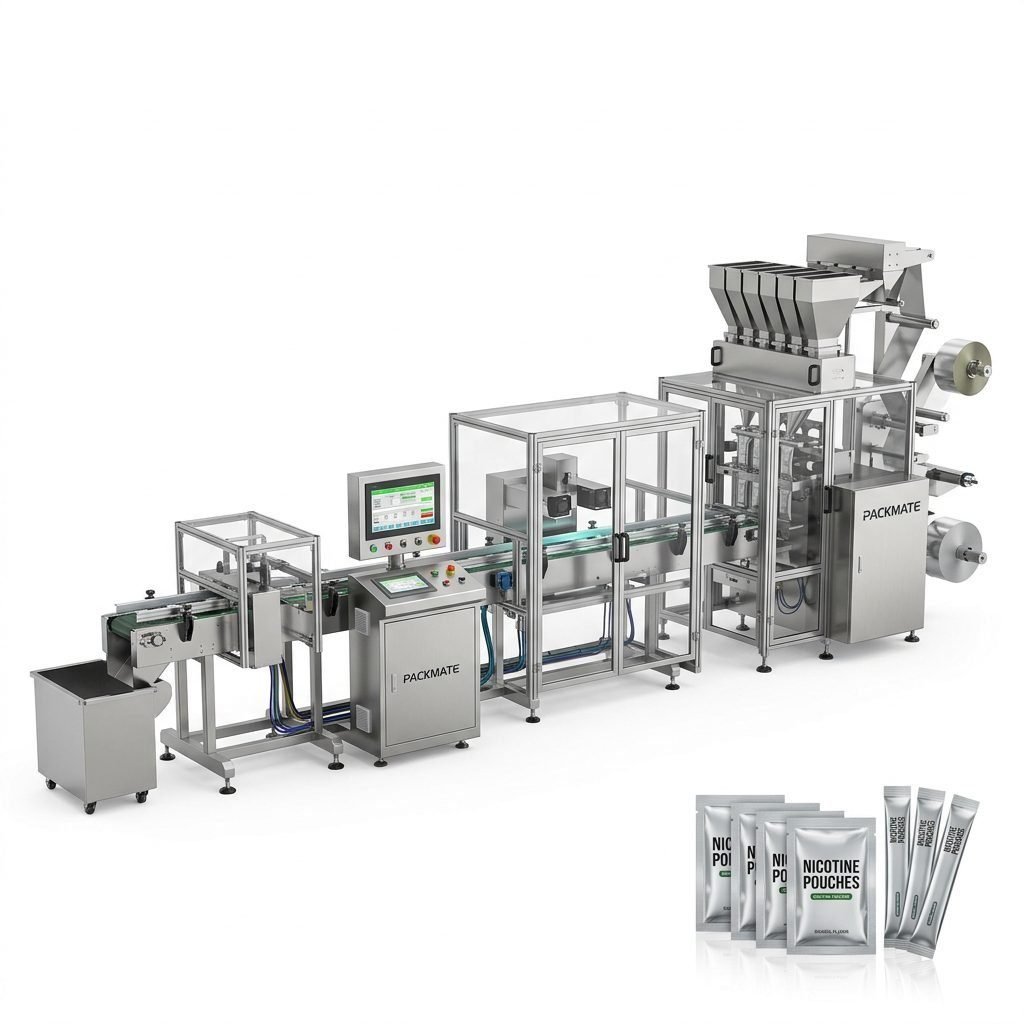
Consider how the packaging machine will connect upstream and downstream: feed hoppers, weighers, bulk handling, conveyors, and secondary case packing. A holistic supplier will offer a turnkey solution or clear interface specifications so PLCs, HMI protocols, and mechanical flanges match your factory standards.
Supplier Quality, Certifications and Transparency
Certifications such as CE and ISO are baseline expectations for equipment operating in Poland and the EU. Verify the supplier’s quality documentation, material certificates, electrical schematics, and FAT (Factory Acceptance Test) procedures. A credible manufacturer provides traceable components, calibration certificates for dosing systems, and a clear spare-parts policy.
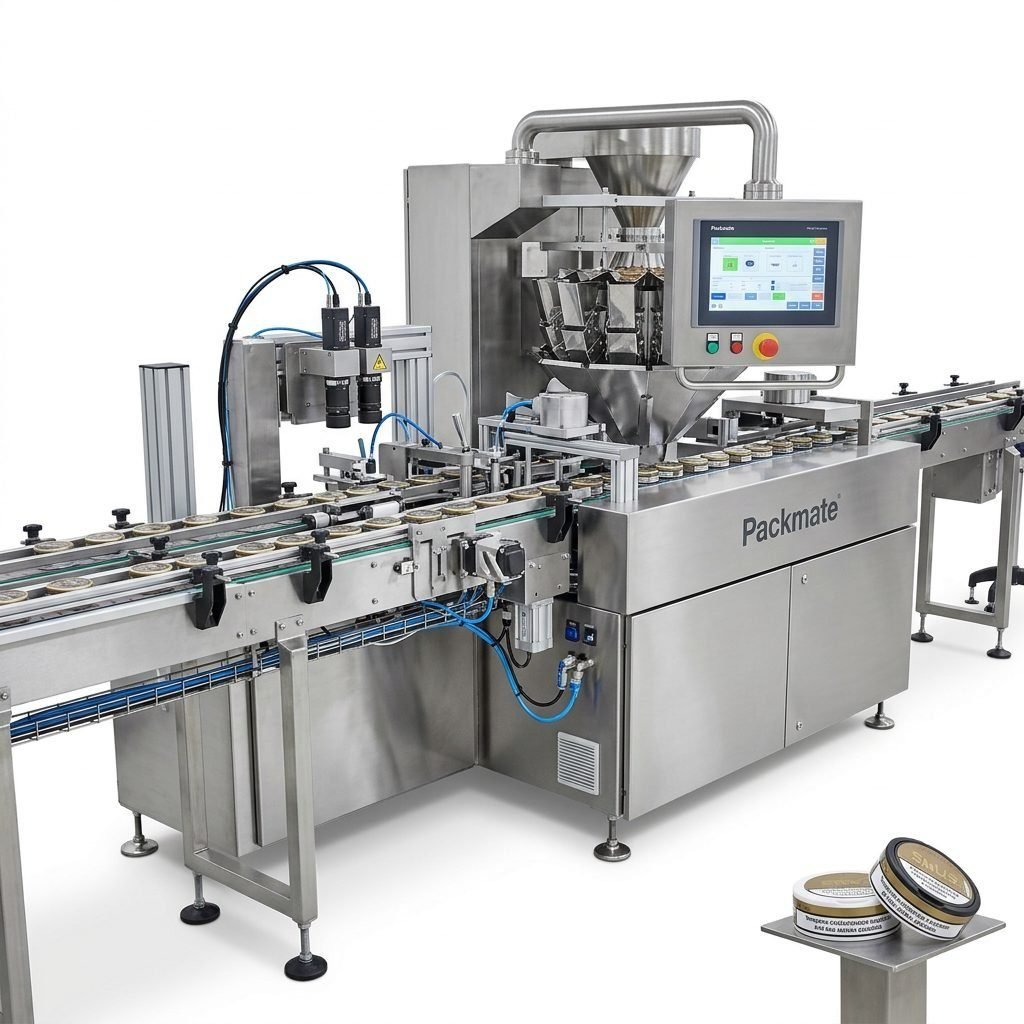
For a deeper look at proven machines, explore reputable product lines such as Snus & Nicotine Packaging Machines and Bag & Pouch Packaging Machines.
Factory capability and production footprint
Look for suppliers with robust manufacturing facilities and advanced machining centers. A factory with CNC centers, precision assembly, and rigid QC systems reduces the risk of delivery delays and quality issues. If possible, inspect the factory or request a video tour showing machining, assembly, and final testing stages.
Service, Spare Parts and Local Support in Poland
The ability to source spare parts quickly and access technical support is often the differentiator after machine delivery. Ask the supplier about:
📌 Support checklist:
✅ On-site installation and commissioning in Poland or guided remote commissioning
✅ Spare parts list with lead times and local stocking options
✅ Training for operators and maintenance teams (on-site and video/manuals)
✅ Remote diagnostics and software updates via secure connections
✅ Clear warranty terms and extended service contracts
Commercial Considerations: Price, TCO and Financing
Price is important, but total cost of ownership (TCO) matters more. TCO includes spare parts, energy consumption, downtime, consumables, training, and depreciation. Ask suppliers for lifecycle cost estimates and examples from similar installations.
Negotiation tips specific to Polish buyers
Be transparent about payment terms, VAT handling, and customs clearance. Many Polish companies prefer clear incoterms (CIF/CIP) with customs processing handled by the supplier or a nominated forwarder. Offer staged payments tied to milestones such as design approval, FAT, shipment, and successful commissioning.
Factory Acceptance Test (FAT) and Pre-shipment Checks
A robust FAT reduces surprises on arrival. Ask for documented FAT protocols, video evidence, and performance reports at target speeds and formats. Confirm packaging methods for export to prevent damage in transit. When possible, witness the FAT in person or appoint an independent technical inspector in the supplier’s country.
What a good FAT covers
Functional checks, speed validation, fill accuracy reports, electrical safety tests, software versioning, and spare parts verification. Ensure PLC/HMI screens include English (and Polish if required) language options and that all manuals are delivered in agreed languages.
Logistics, Customs and On-site Installation in Poland
Shipping heavy machinery to Poland involves customs clearance, VAT rules, and sometimes CE documentation checks. Work with freight forwarders experienced with EU imports and machine shipments. Decide whether your supplier will handle DDP (Delivered Duty Paid) or you will arrange customs brokerage locally.
For turnkey packaging lines that include filling, weighing, and tertiary packing, consult integrated solution providers who can deliver a coordinated installation schedule and spare parts plan—see examples under Filling & Packaging Lines and Weighing & Packaging Systems.
Evaluating Supplier Credibility: What to Ask For
Before committing, request the following documents and references:
⚠️ Document checklist:
• Company profile and factory photos or video tour
• CE and ISO certificates, electrical safety reports and material certificates
• FAT reports and a list of recent installations (preferably in Europe)
• Spare parts list and recommended annual maintenance schedule
• Clear warranty terms, lead times and contact details for service engineers
References and case studies
Ask for case studies or customer references, and if possible, contact a client who had a similar scale installation. Suppliers who participate in global exhibitions and share machine demos publicly typically have stronger after-sales support and proven systems—see exhibition details at Our Exhibition.
Why Turnkey Solutions Matter for Nicotine Pouches
Turnkey suppliers reduce the complexity of interfacing multiple vendors and accelerate time-to-market. If you require filling, dosing, pouch forming, sealing, and case packing, a single trusted vendor with full line engineering experience reduces integration risks and standardizes documentation.
Packmate example and credentials
Experienced manufacturers with a long history—like companies established in the 1990s and expanded into multi-lane systems—offer maturity in design and support. You can learn more about a credible supplier’s background and certifications at their About and Certificate pages: About Packmate and Certificate.
Final Selection Process and Onboarding Checklist
Narrow down to 2–3 suppliers, compare apples-to-apples on technical specs, warranties, spare parts, and lead times. Request a commercial proposal with clear milestones for delivery, FAT, shipment, installation, and acceptance. Negotiate support response times for critical breakdowns and define KPIs for machine uptime.
✅ Onboarding checklist before signing:
• Agreed FAT protocol and acceptance criteria
• Written spare parts list with pricing and lead times
• Installation and operator training plan
• Warranty, service SLA and contact matrix for Poland
• Finalized logistics plan and incoterms
Where to Find Trusted Suppliers and Extra Resources
Visit manufacturer product pages to review models that match your capacity and formats: Sachet & Stick Pack Machines for single-portion solutions, and the Auxiliary Packaging Equipment page for infeed, conveyors, and case packers. If you are ready to start conversations, use the supplier’s contact page to request quotations and arrange remote demos: Contact Us.
Use shows and demos to validate performance
Attending trade shows or visiting exhibition booths gives you hands-on experience with machine operation, ergonomics, and noise levels. Request demo runs of your specific format and material so you can evaluate both output and operational ergonomics.
Summary: Make a Balanced, Documented Decision
In Poland, success comes from combining technical fit, regulatory readiness, clear commercial terms, and strong local or remote support. Document every agreement, prioritize traceability and CE-compliant machines, and ensure spare parts and training are in place before shipment. This approach minimizes downtime and speeds up your route to reliable nicotine pouch production.
Next steps
Start by preparing a Request for Quotation (RFQ) with your product specs, target output, pouch types, and preferred timelines. Share it with shortlisted vendors and request FAT schedules, references, and detailed cost breakdowns. Schedule an on-site visit or virtual FAT to validate the chosen supplier.
Frequently Asked Questions
Q1: How long does it typically take to receive and commission a snus/nicotine pouch packaging machine in Poland?
A1: Typical lead times range from 12 to 24 weeks depending on customization, model, and spare parts availability. Add time for FAT, shipping, customs clearance, and onsite commissioning—plan for an overall timeline of 16–30 weeks for turnkey lines.
Q2: Do manufacturers provide training in Polish or support local technicians?
A2: Many established suppliers offer operator and maintenance training. Ask for Polish-language manuals or locally based trainers if language is a concern. Some manufacturers have local partners or field engineers in Europe to shorten response times.
Q3: Are nicotine pouch machines required to have CE certification for sale in Poland?
A3: Machines placed on the EU market should meet CE safety requirements. The end product (nicotine pouch) may be subject to additional classification and national rules, so ensure both your equipment and product labeling comply with EU and Polish regulations.
Q4: What are the most common causes of downtime and how can they be prevented?
A4: Downtime often comes from tooling changeovers, feeding issues, and lack of preventive maintenance. Mitigate these by selecting modular machines with quick-change tooling, scheduled preventive parts replacement, and operator training.
Q5: How do I verify a supplier’s on-paper claims before purchase?
A5: Request FAT reports, video demos running your product, client references (preferably in Europe), and detailed technical documentation. If possible, perform an independent inspection or attend FAT to validate performance metrics.