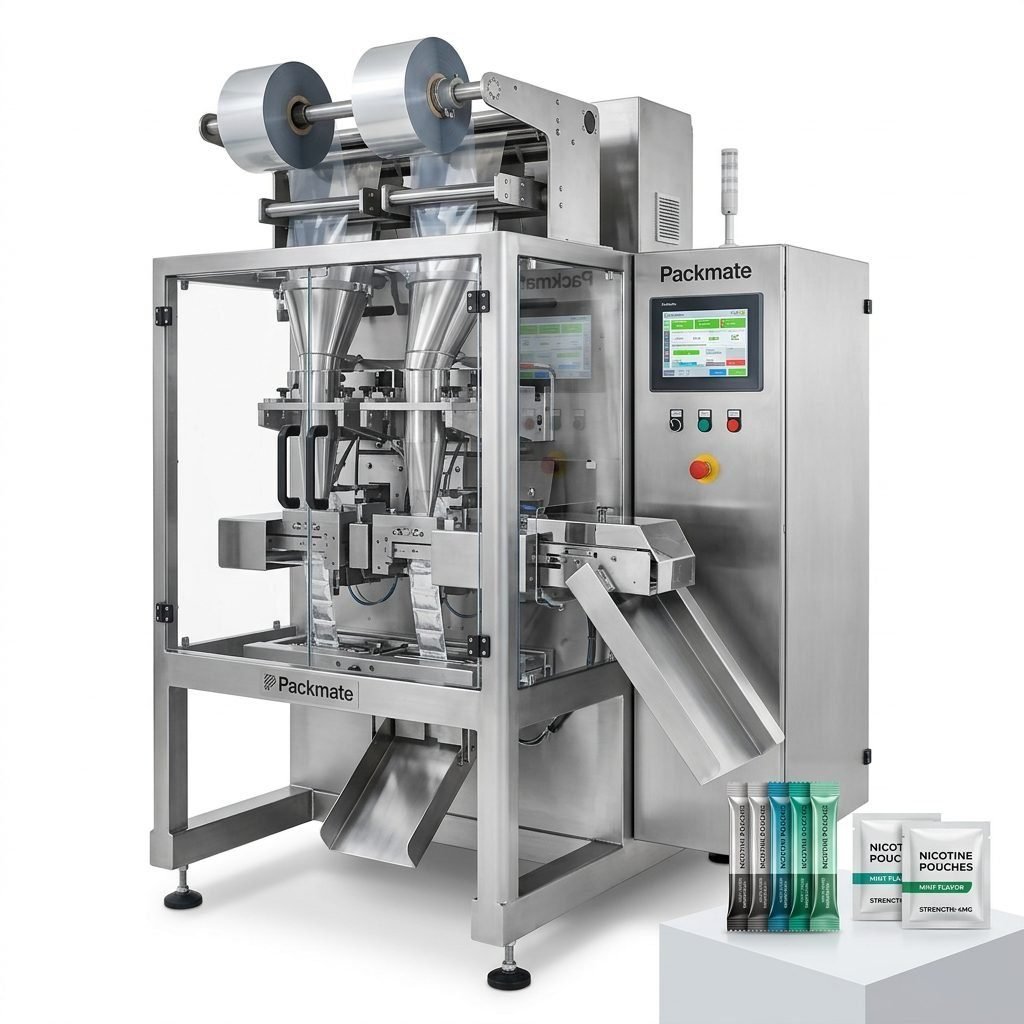
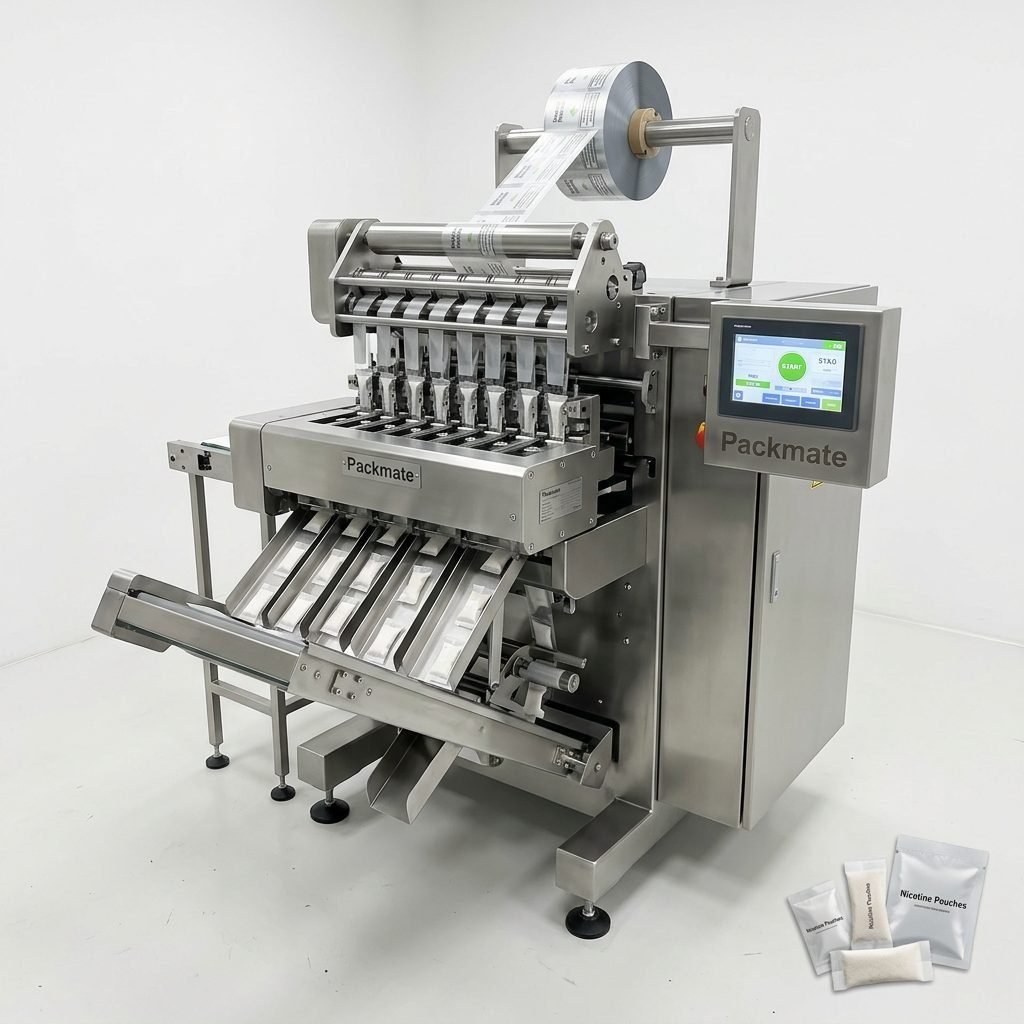
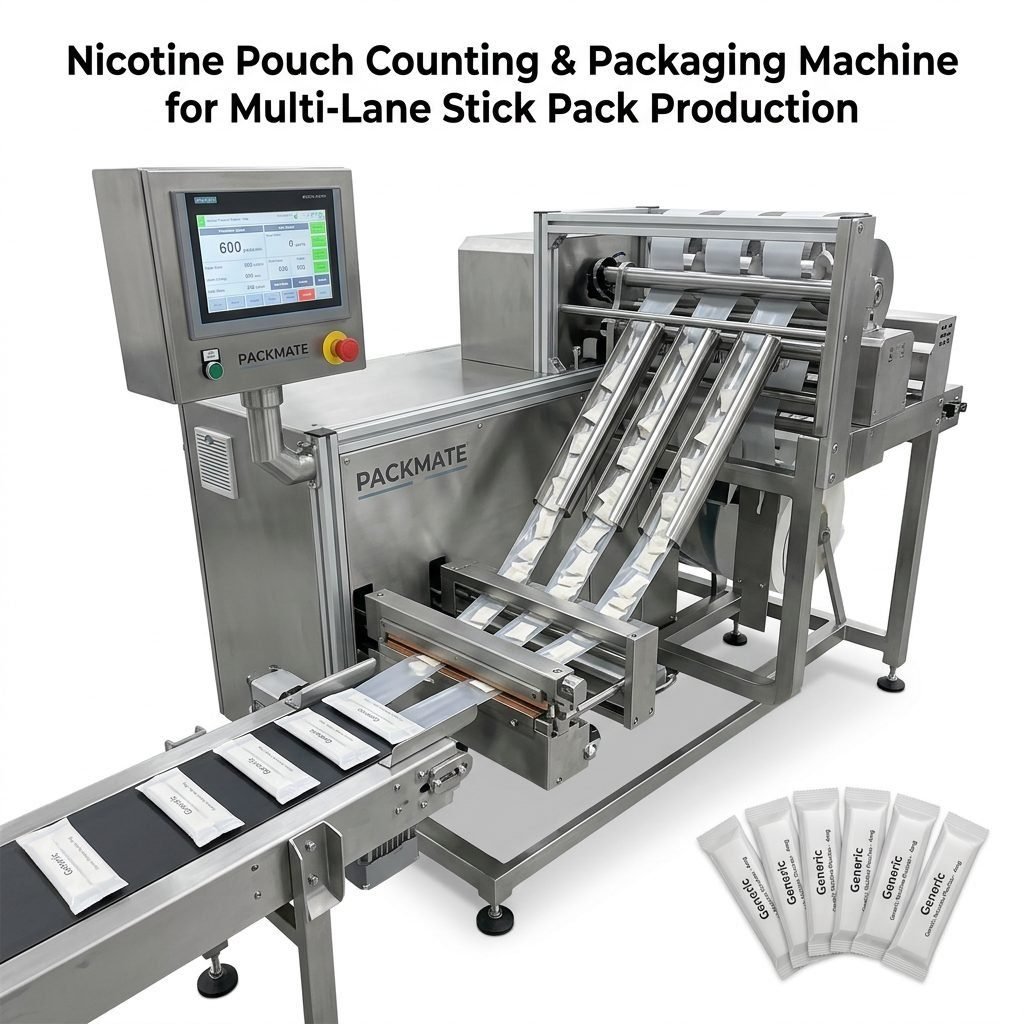
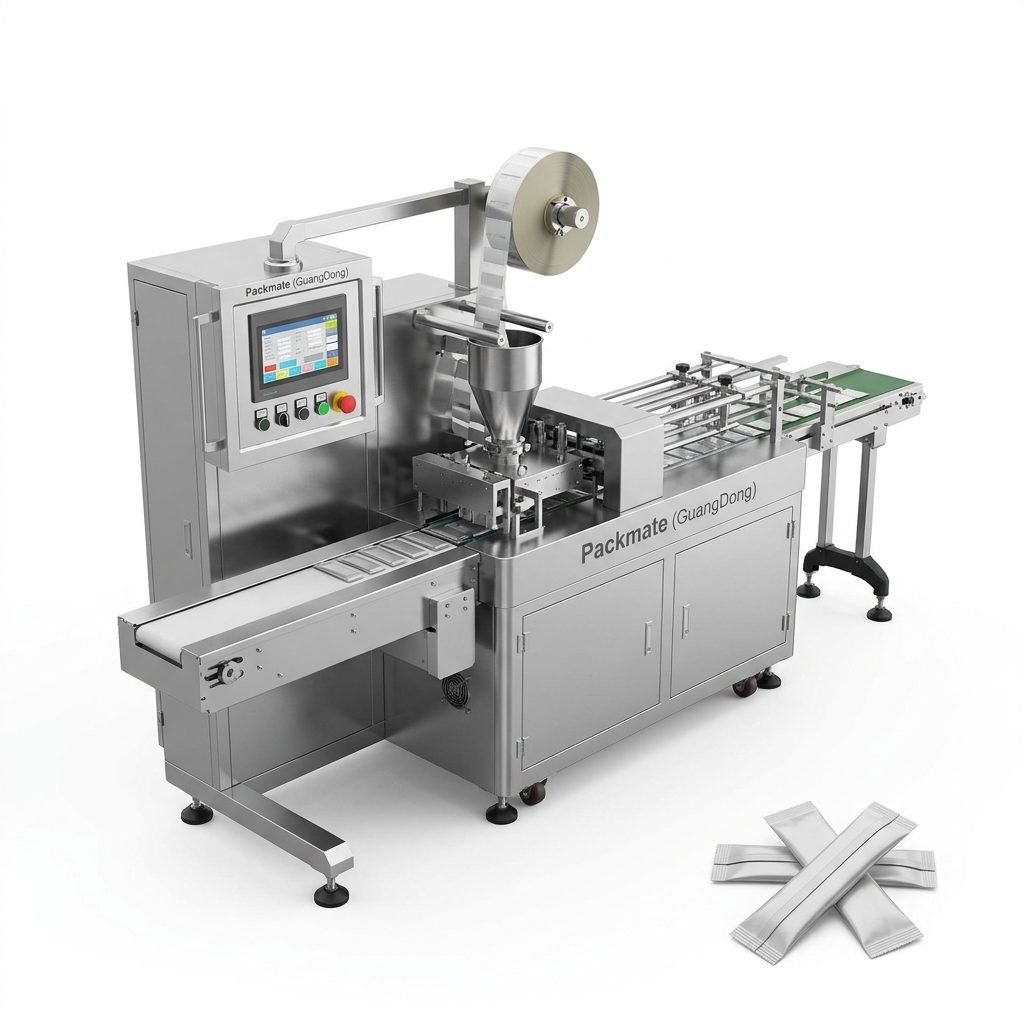
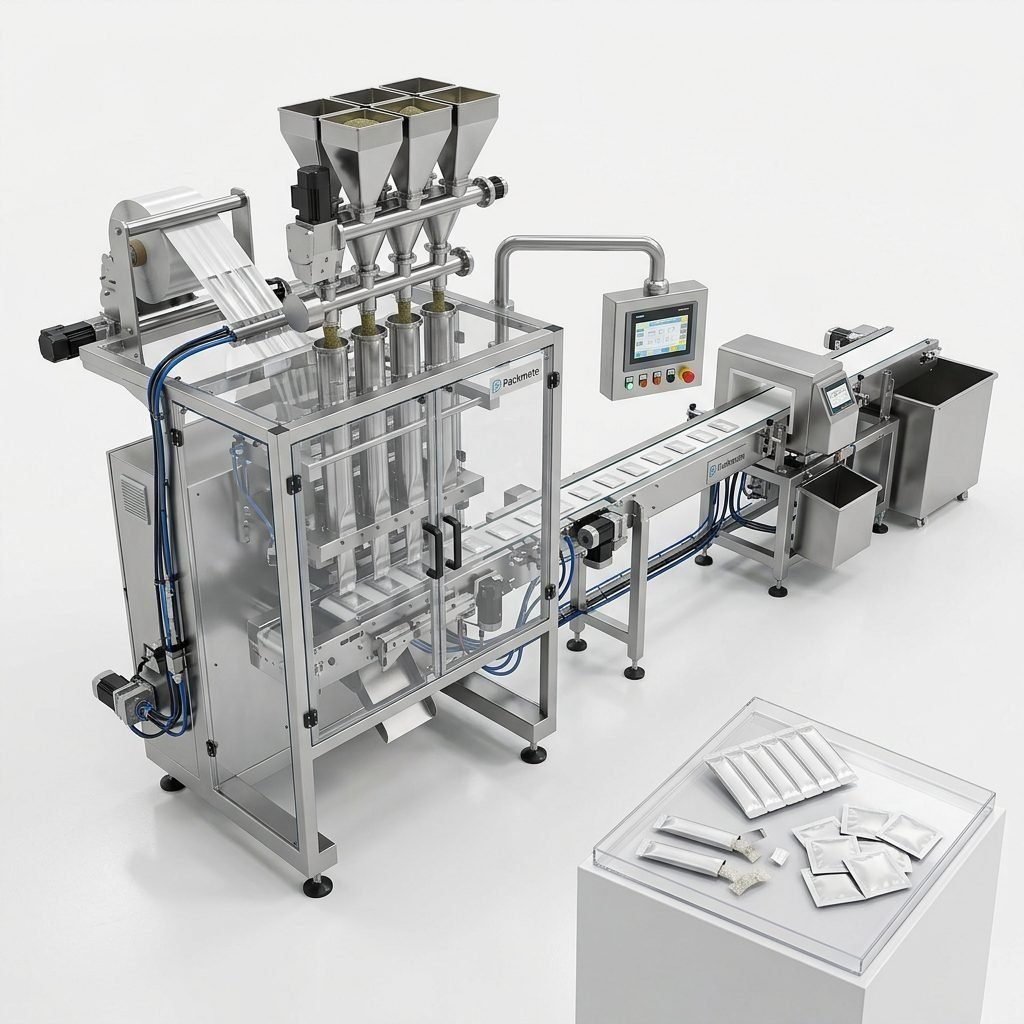
Choosing the right snus packaging machine supplier in the United Kingdom is a critical decision for manufacturers and brands looking to scale production, ensure regulatory compliance, and maintain consistent product quality. This guide breaks down practical steps, UK-specific considerations, and technical checks you should perform to select a partner who can meet your production needs reliably and cost-effectively.
Understand Your Production Requirements First
Before contacting suppliers, take time to clearly define your production goals. Consider annual output targets, pouch formats (loose snus, nicotine pouches, sachets or stick packs), dosing accuracy, number of lanes, and desired cycle speeds. UK food and nicotine pouch producers often prioritize compact footprints and hygiene-friendly designs due to urban factory constraints and strict sanitary expectations.
Key variables to list:
production capacity, pouch style, dosing tolerance, downstream processes (cartoning, case packing), and utility availability (power, compressed air). Having these details ready accelerates meaningful technical discussions with potential suppliers.
Why UK Market Habits Matter
The UK consumer market has particular habits and regulatory expectations that influence packaging choices. While snus consumption is traditionally stronger in Nordic countries, nicotine pouches and alternative oral nicotine formats have grown in the UK. Retail packaging preferences tend toward discreet, resealable formats and informative labeling that meets local compliance standards. Many UK retailers and distributors also expect ISO-level quality and robust after-sales service.
🔎 Tip: If you plan to export across Europe or to markets with strict packaging regulations, confirm that the machine can handle labeling and traceability features required by your target markets.
Technical Capabilities: What to Inspect
When evaluating suppliers, probe the technical details: machine accuracy, repeatability, material compatibility (for hygroscopic tobacco or nicotine blends), and modularity for future upgrades. Machines should offer fine dosing control, fast changeovers, and sanitary design elements such as stainless-steel contact surfaces and easy-to-clean components.
Important technical checkpoints:
- Production speed and multi-lane synchronization
- Dosing accuracy and weight control systems
- Material handling for powders and granules versus wet fillings
- Tooling change times and spare parts availability
- Safety features and guarding suitable for UK regulations
Certifications, Compliance, and UK Acceptance
Ensure your supplier provides machines with international quality standards such as CE and ISO, and preferably documentation that supports UK market entry (e.g., UKCA compliance if required). For manufacturers operating in the UK, it’s prudent to confirm that electrical standards, machine safety, and commissioning services align with local regulations and workplace requirements.
✅ Must-have: CE/ISO certificates and a clear dossier for installation, risk assessment, and operator training to meet UK workplace safety.
Evaluate Supplier Experience and Track Record
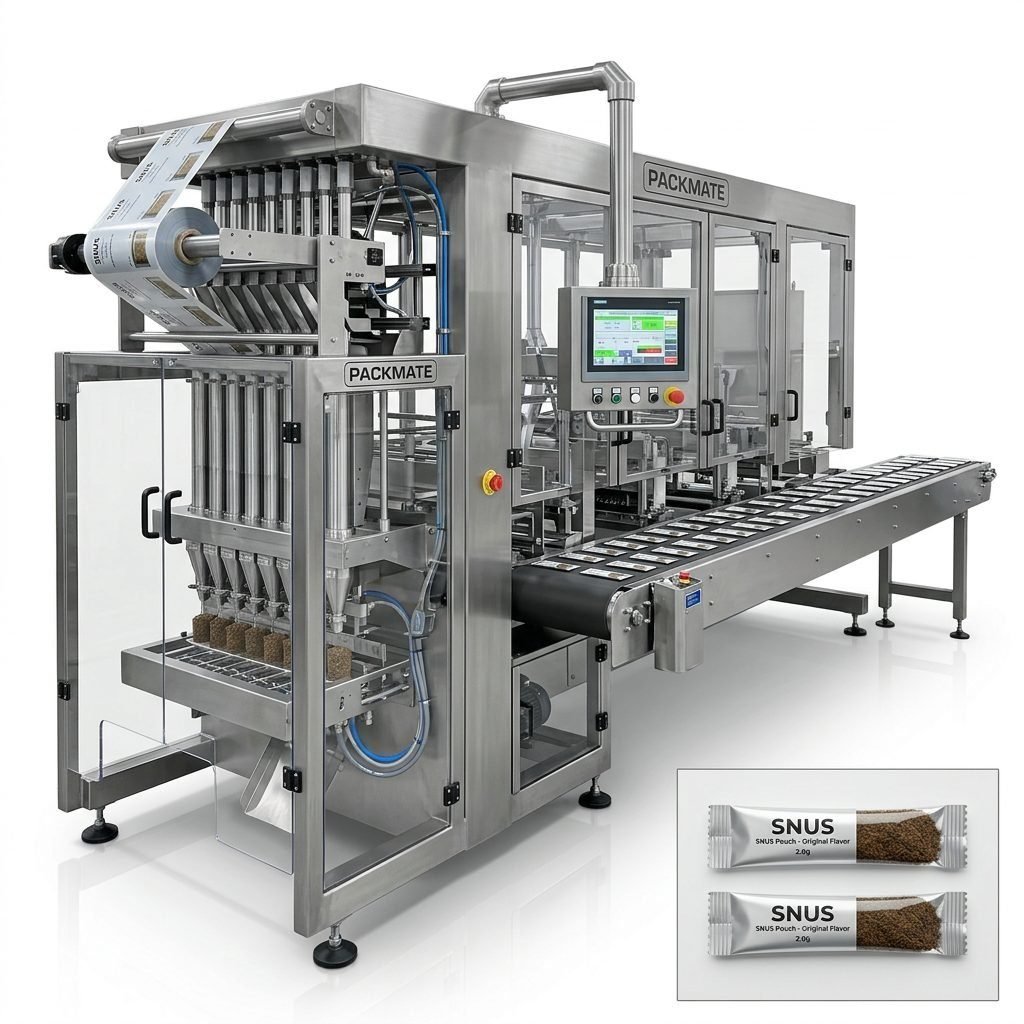
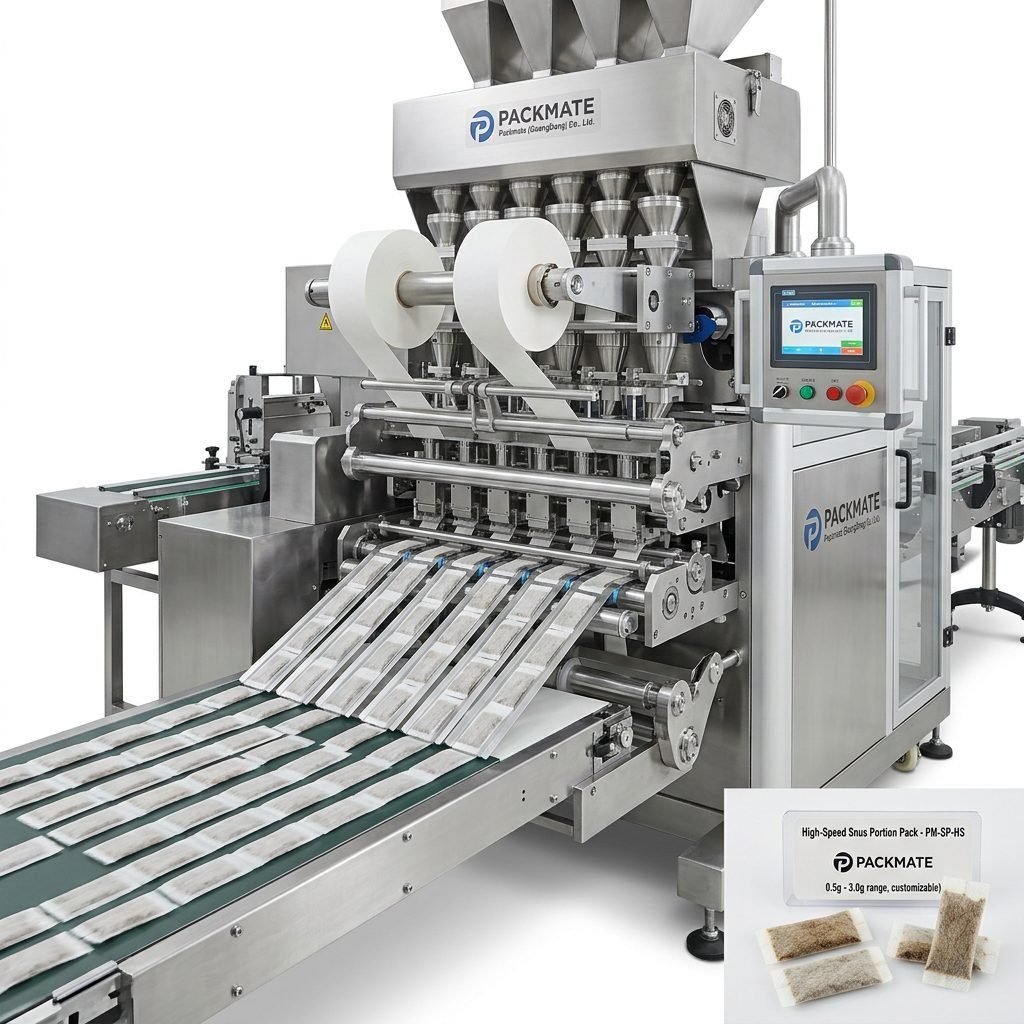
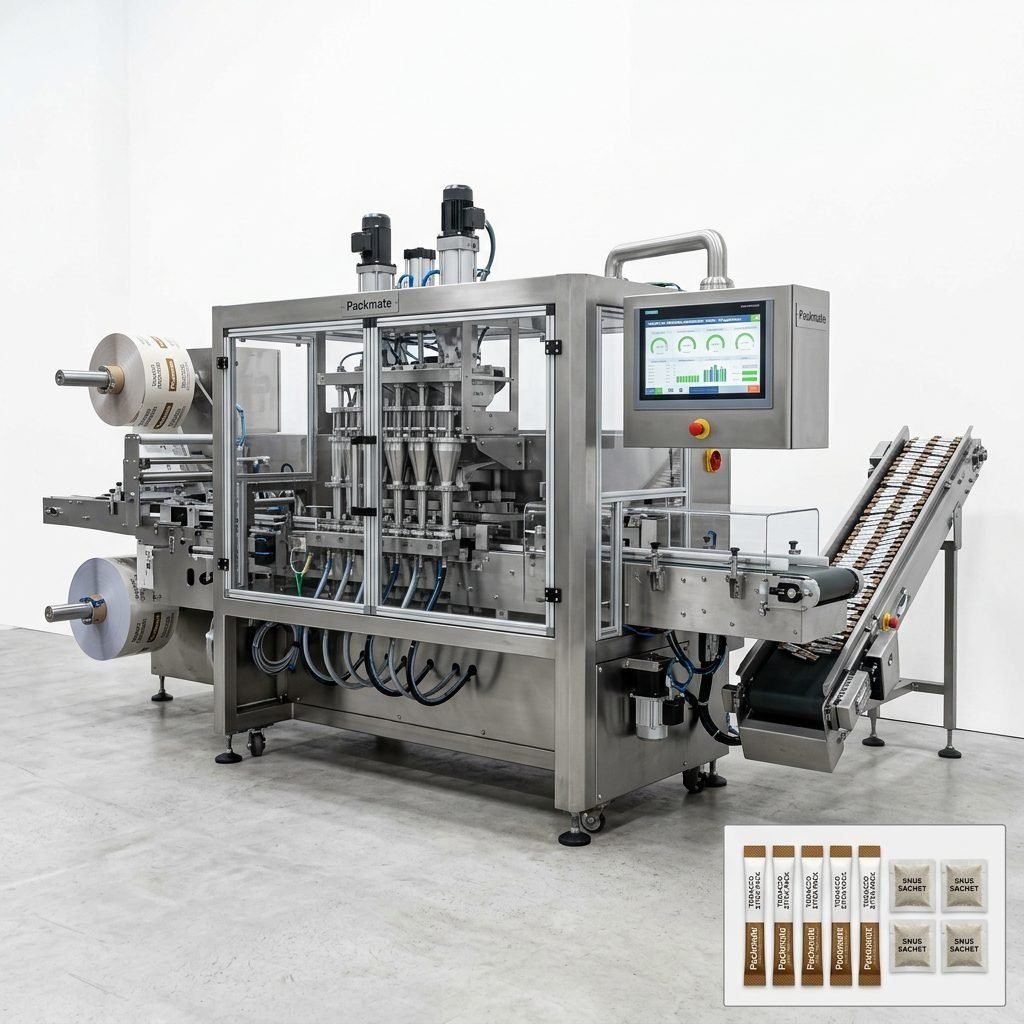
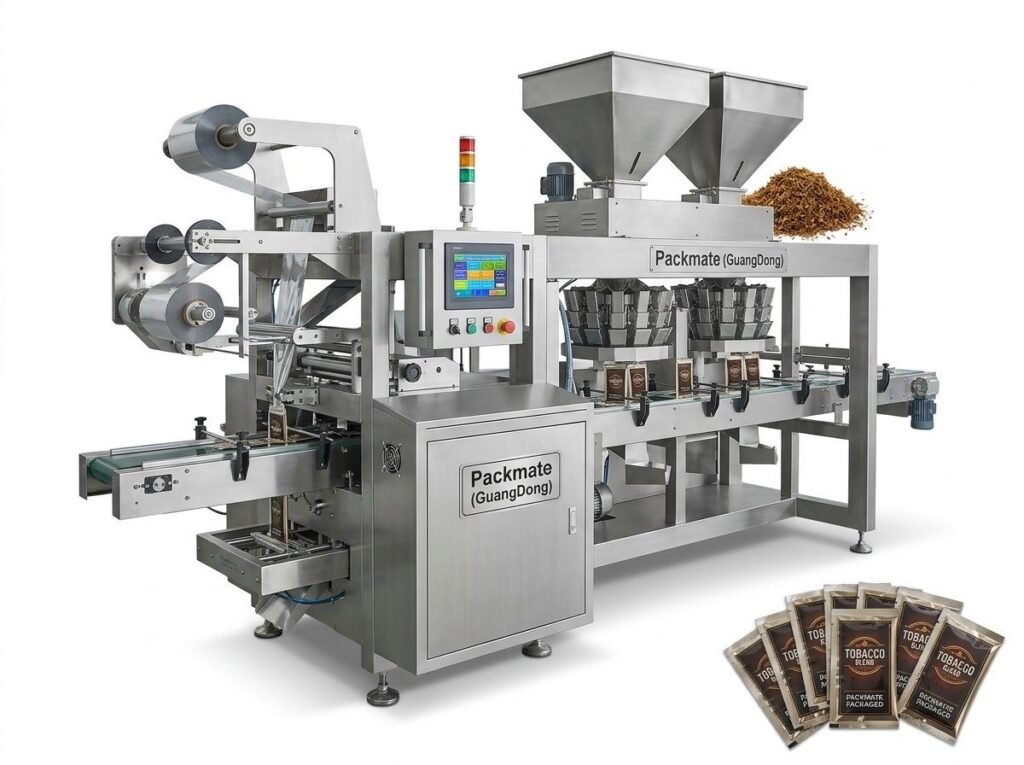
Established suppliers with industry experience bring mature designs and fewer teething issues. Look for companies with a proven history in snus and nicotine pouch packaging. Packmate Snus Machine, for instance, emphasizes 30+ years of engineering experience and a wide model range that addresses snus-specific production lines. Review case studies, exhibition presence, and certifications to validate claims.
Explore supplier case portfolios and real-world references. You can learn about packaging solutions and past projects through vendor case pages like Case.
Factory Capability and Spare Parts Support
A supplier’s manufacturing footprint and quality control systems are crucial. Suppliers with advanced CNC machining, precision assembly lines, and robust QA are more likely to deliver consistent machines. Also assess spare parts lead times and whether the supplier maintains common wear parts locally or offers expedited shipping to the UK.
For example, suppliers who highlight factory strengths and global service networks often provide quicker commissioning and warranty support — a major advantage for UK operations seeking minimal downtime.
On-Site Commissioning, Training and Remote Support
Machines are only as good as the support behind them. Confirm the supplier provides on-site commissioning in the UK or remote commissioning support, comprehensive operator training, and documentation in English. Check whether they offer extended service contracts, remote diagnostics, or spare-part stocking solutions.
💡 Ask for: a sample service plan and response time commitments for UK-based breakdowns.
Customization and Turnkey Solutions
Many producers require tailored solutions: multi-lane lines, integrated weighing systems, and downstream cartoning. Suppliers offering turnkey projects — from filling to packaging and case packing — reduce integration risk and vendor coordination. If you need a complete production line, explore options like Filling & Packaging Lines and integrated weighing systems.
Inspect Build Quality: Materials and Finish
Stainless steel grade, surface finish, cable management, and hygienic design indicate long-term durability. Poor cable routing or inadequate guarding can be costly. Ask for detailed photos, component lists, and if possible, a factory or exhibition visit where you can see a working machine. Packmate exhibits globally — evidence of reliable field-tested machinery can be corroborated via exhibition and case pages like Our Exhibition.
Total Cost of Ownership (TCO) vs. Purchase Price
Evaluate TCO, which includes spare parts, consumables, energy consumption, maintenance, and downtime risk. A lower upfront price can translate into higher long-term costs if parts are proprietary or if the supplier charges premium rates for service. Request a breakdown of operating costs and typical wear-part lifecycles.
Payment Terms, Delivery, and Lead Times
UK buyers should verify payment terms, warranty coverage, and delivery timelines. Customs, import duties, and freight should be clarified — many suppliers now support DDP shipping to the UK to simplify customs clearance. Confirm expected lead times for production and spare-part shipments.
Factory Acceptance Test (FAT) and Site Acceptance Test (SAT)
A robust FAT reduces commissioning time in the UK. Ask for a documented FAT procedure, video of the machine running with your format (if possible), and clear SAT criteria. Good suppliers welcome third-party or buyer-attended FATs and provide detailed test reports.
⚠️ Warning: Avoid suppliers that resist FATs or provide vague performance guarantees. Clear performance metrics in writing protect your investment.
Sustainability and Energy Efficiency
Sustainable manufacturing is increasingly important to UK buyers and retailers. Assess machine energy use, recyclable materials for packaging, and waste reduction capabilities. Energy-efficient servo drives, smart start/stop functions, and optimized material usage can lower operational costs and meet retailer sustainability expectations.
How to Shortlist and Make the Final Decision
Create a scorecard to compare suppliers on technical fit, certifications, total cost of ownership, after-sales support, lead times, and references. Prioritize suppliers who can demonstrate reliability through case studies, have local service arrangements for the UK, and offer clear warranty and spare-part policies. For further product exploration, check out specialized product categories like Snus & Nicotine Packaging Machines and Sachet & Stick Pack Machines.
Negotiation Tips and Contract Essentials
When negotiating, secure written guarantees on performance, spare-parts pricing, lead times for parts, and service response times for the UK. Include acceptance criteria for FAT and SAT, penalties for missed delivery or performance shortfalls, and clear warranty terms. Confirm training provisions and availability of English-language manuals and spare-part diagrams.
📞 Action: Request an all-inclusive proposal that outlines machine scope, spare parts package, training, FAT/SAT plans, and warranty commitments before signing.
Final Checklist Before Purchase
Use this concise checklist to finalize your choice:
- Detailed technical spec sheet and FAT/SAT criteria
- Certifications (CE/ISO/UKCA where applicable)
- References and case studies with similar product formats
- Service & spare parts delivery time commitments for the UK
- Clear warranty, training, and support agreements
- Transparent TCO analysis and payment/delivery terms
Where to Learn More and Who to Contact
If you want to explore practical machine models and supplier credentials, visit Packmate’s company information and product pages to see model families and factory capabilities at About Packmate. For direct enquiries or technical questions, use the supplier contact portal: Contact Us.
Conclusion
Selecting the best snus packaging machine supplier in the UK requires a balanced assessment of technical fit, regulatory compliance, after-sales service, and long-term cost implications. Prioritize suppliers who demonstrate proven snus/nicotine packaging experience, thorough testing procedures, clear support commitments in the UK, and a willingness to provide customizable turnkey solutions. A considered selection process reduces risk and positions your production line for consistent, compliant, and efficient operation.
Common Questions
Q1: How important is CE/UKCA certification when importing packaging machines into the UK?
A: Very important. CE and UKCA demonstrate compliance with safety and regulatory standards. Confirm documentation and ensure the machine meets local workplace and electrical requirements.
Q2: Can suppliers integrate weighing and dosing for nicotine pouches?
A: Yes, many specialized suppliers offer integrated weighing & packaging systems. Review combined solutions and request demos or FAT evidence for dose accuracy. Explore product categories such as Weighing & Packaging Systems.
Q3: What lead times and spare-part availability should I expect for international suppliers?
A: Lead times vary by model and customization; expect several weeks to months. Confirm spare-part stocking, local distributors, and expedited shipping options to the UK to minimize downtime.
Q4: Where can I find real-world examples of installed lines?
A: Request case studies and visit the supplier’s case pages or exhibitions for demonstrations. See curated examples at Case.