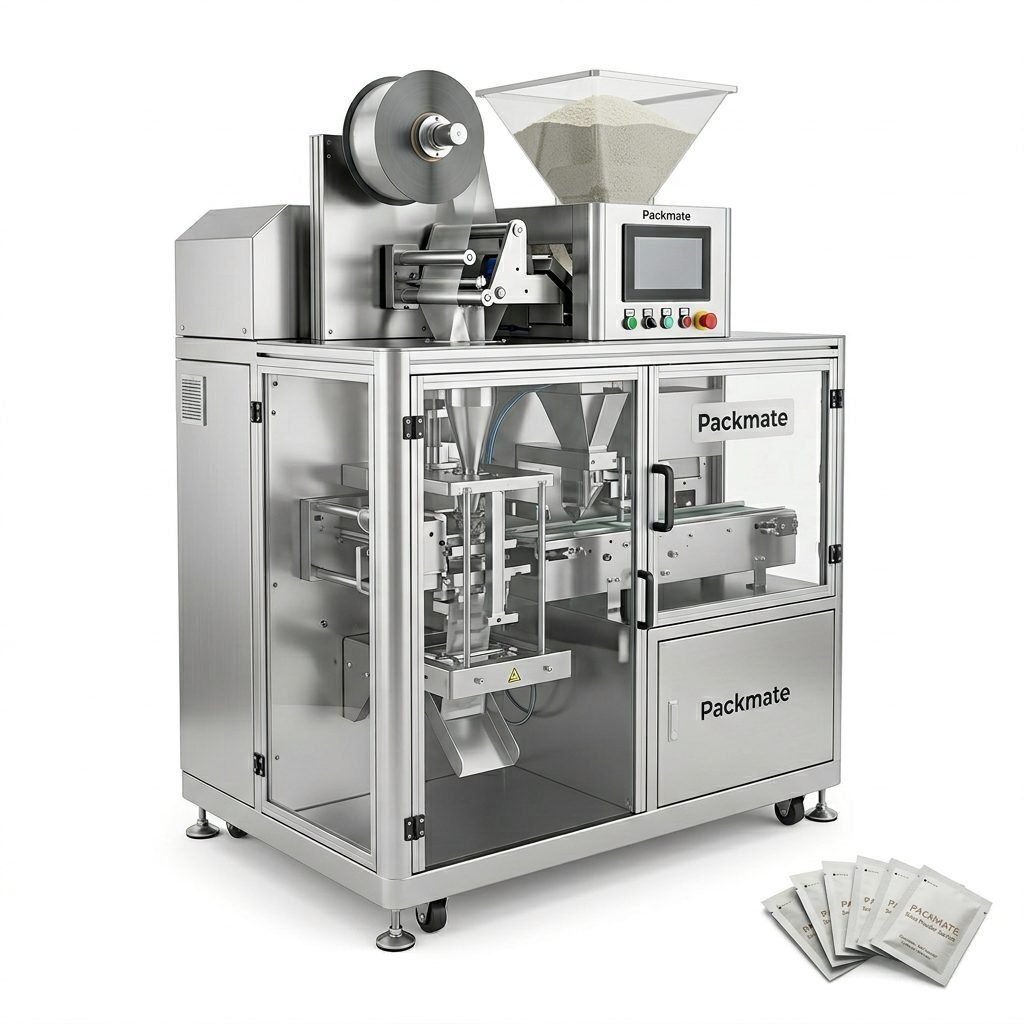
Modern snus production requires a careful blend of precision engineering, hygienic design, and flexible automation. This guide walks through the complete factory equipment ecosystem used in contemporary snus and nicotine pouch manufacturing, from individual machines to fully integrated production lines. Whether you are planning a new facility, upgrading existing lines, or evaluating suppliers, you will find practical insights on equipment selection, workflow design, quality control, and after-sales considerations.
Understanding Core Machine Types
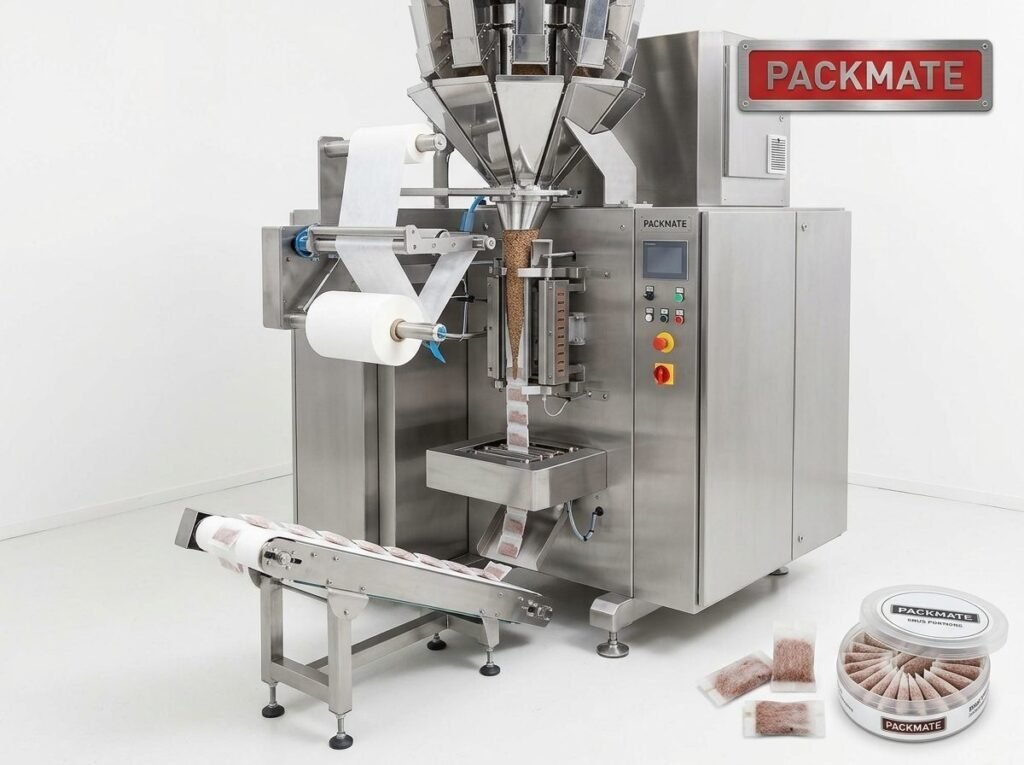
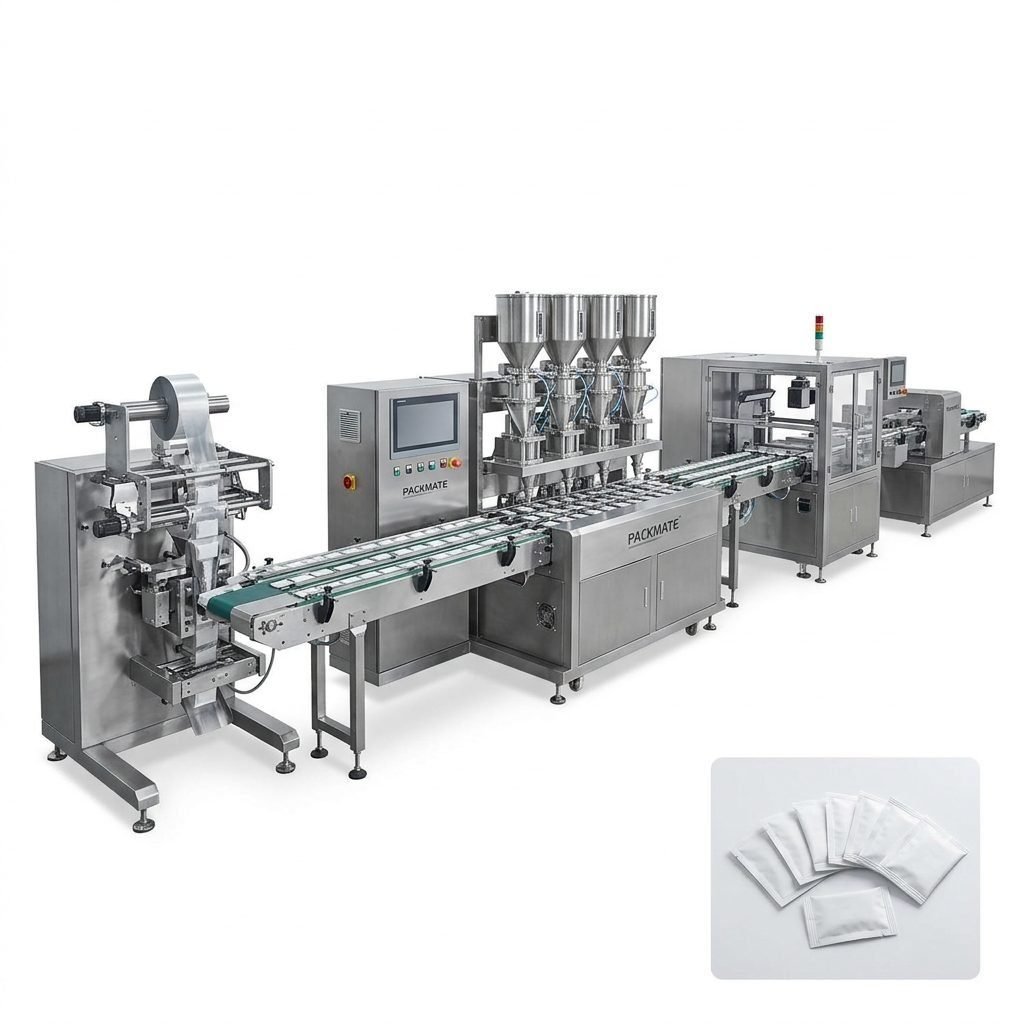
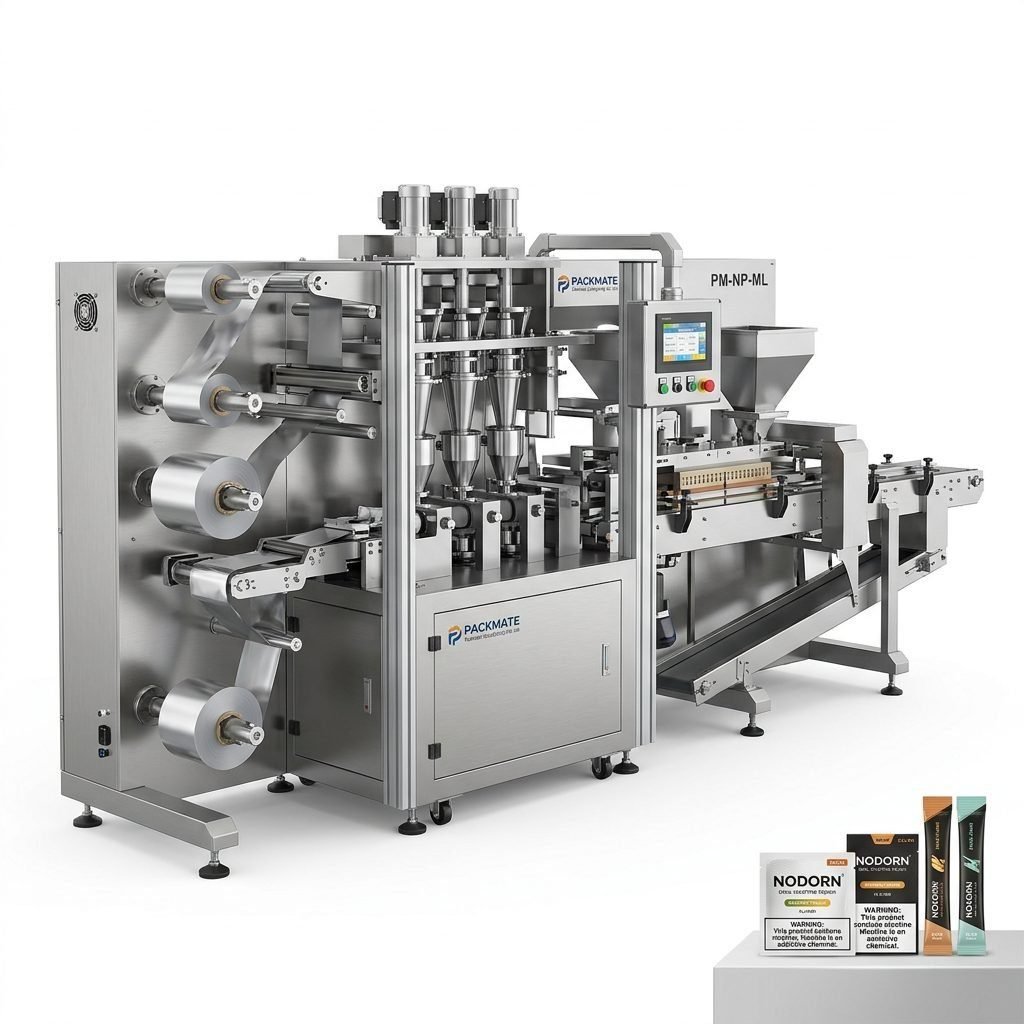
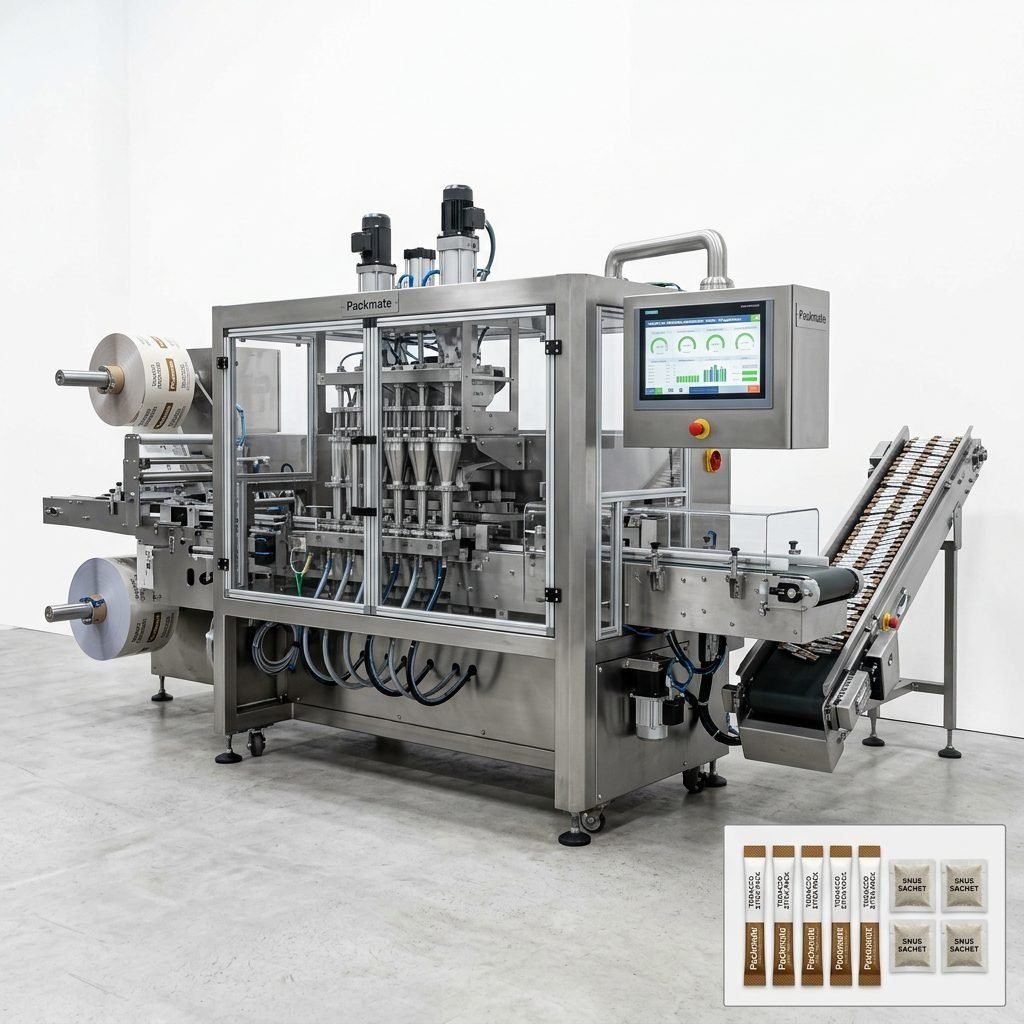
A typical snus manufacturing factory will include several specialized machines that together form a production line. Key categories include:
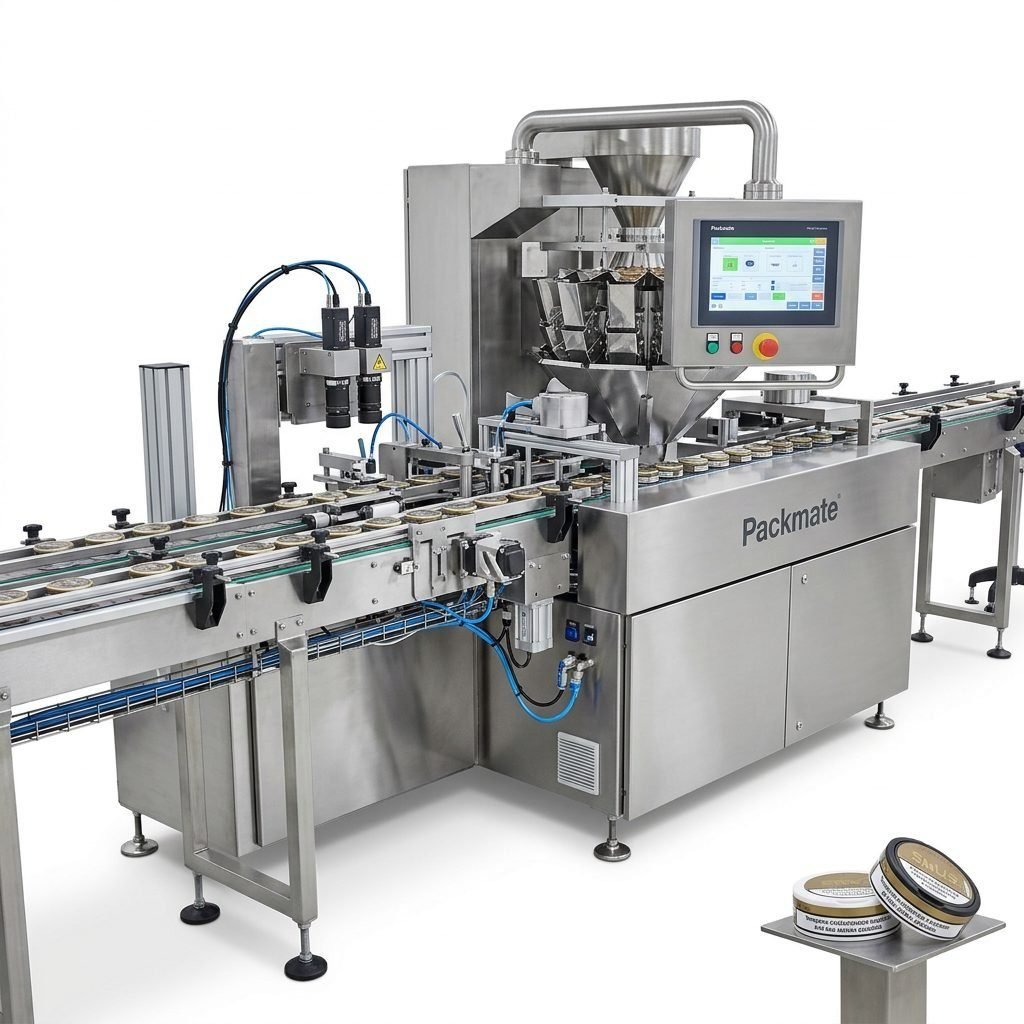
✓ Filling & Metering Systems — precise dosing units for powder, granules, or moist tobacco blends to ensure consistent pouch weight and product uniformity.
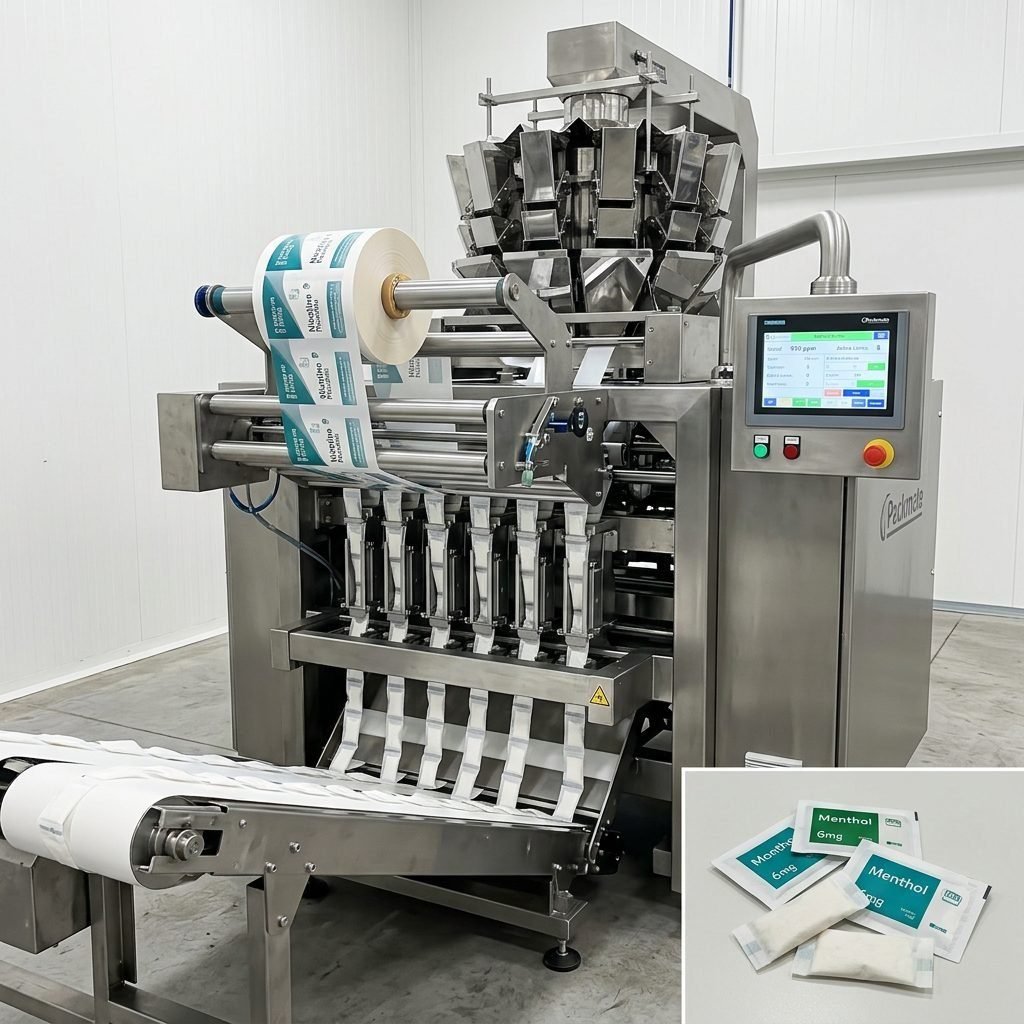
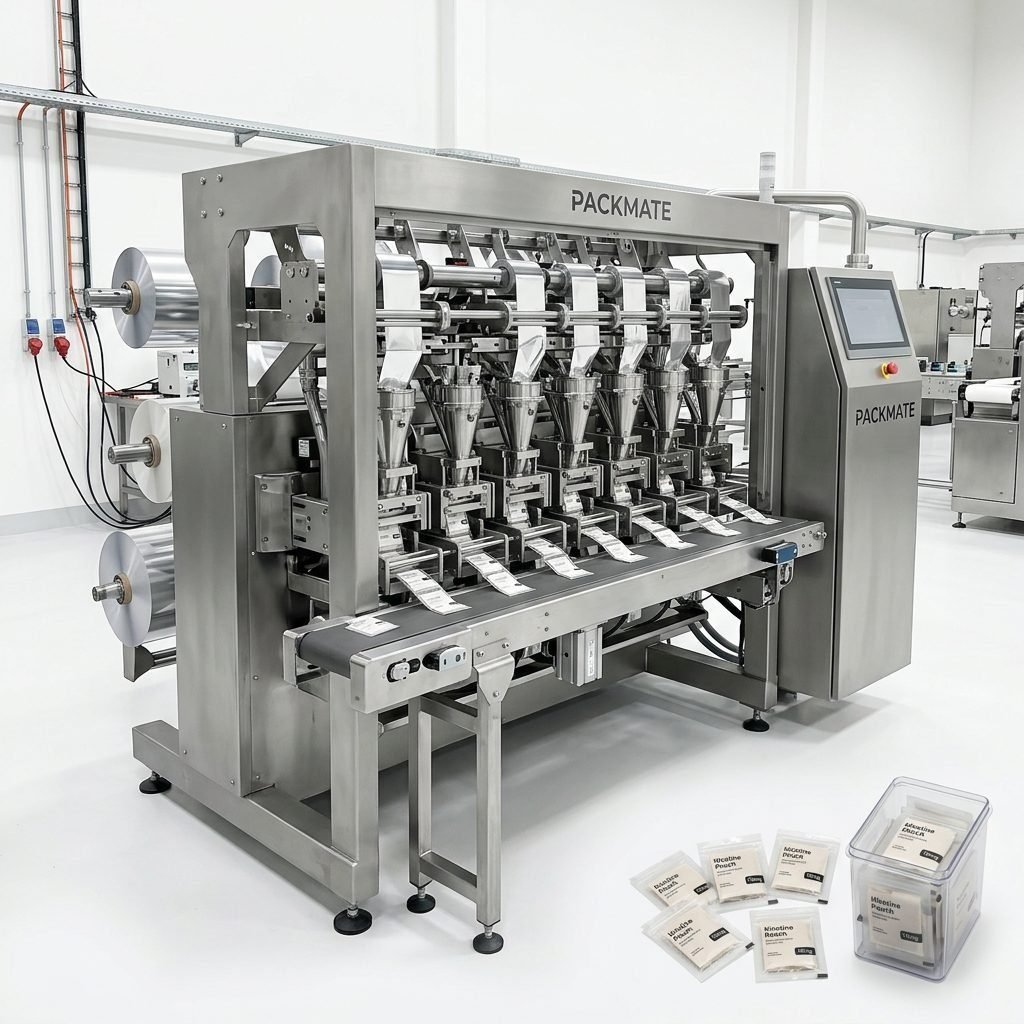
✓ Form-Fill-Seal (FFS) Machines — machines that create pouches or sachets and seal them; available in single-lane or multi-lane formats for higher throughput.
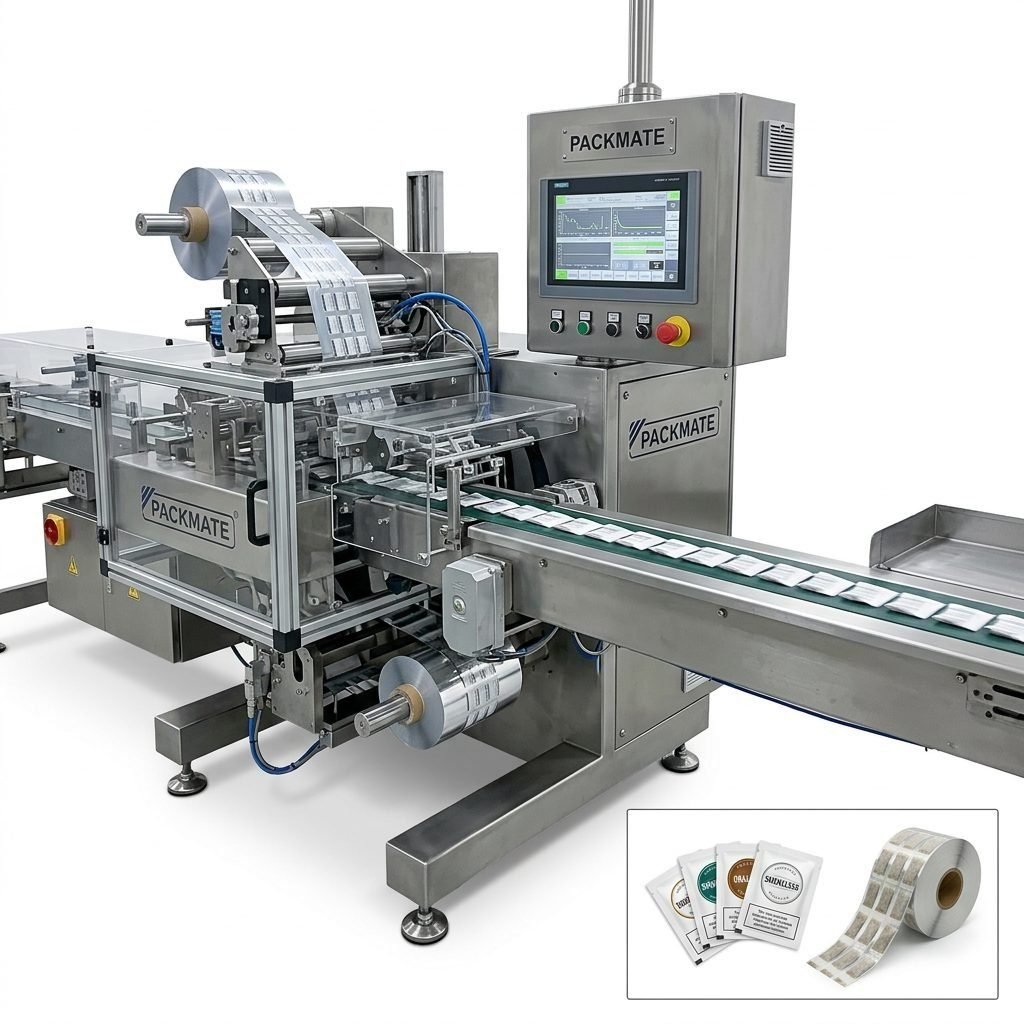
✓ Stick Pack & Sachet Machines — ideal for single-dose stick formats or small sachets, common in nicotine pouch markets.
✓ Secondary Packaging & Cartoning — automated cartoners, case packers and palletizers for final product consolidation and logistics handling.
Why multi-lane systems matter
Multi-lane machines multiply output without proportionally increasing factory footprint. For small-dose snus pouches where each unit is lightweight and compact, multi-lane lines provide high throughput with stable accuracy — a decisive advantage for scaling production while keeping unit costs competitive.
Typical Snus Production Line Workflow
A standard workflow can be summarized in seven steps. Each step represents a distinct equipment or process zone in the factory:
- Raw material handling and pre-mixing — conveyors, hoppers, and mixers.
- Precision dosing — volumetric or gravimetric feeders calibrated for product density.
- Pouch forming and filling — sachet or pouch forming units integrated with filling heads.
- Sealing and cutting — heat-seal stations and rotary cutters for high-speed separation.
- Inspection and weight control — checkweighers and vision systems for defect detection.
- Secondary packaging — grouping, cartoning, and labeling machines.
- Palletizing and logistics — robotic palletizers and stretch-wrapping stations.
⚙️ Integration tip: ensure conveyors, timing belts and communication protocols (e.g., Ethernet/IP, Profinet) are compatible across modules to enable synchronized multi-station operation.
Machine Selection Criteria
When evaluating manufacturers and individual models, focus on measurable factors that affect long-term performance and ROI.
• Precision & repeatability — dosing accuracy and sealing consistency are the foundation of product quality and regulatory compliance.
• Sanitary and hygienic design — removable parts, smooth surfaces, and wash-down compatibility reduce contamination risk.
• Serviceability — easy access to wear parts, clear diagnostics, and local spare parts availability shorten downtime.
• Scalability — modular design or multi-lane upgrades allow capacity growth without full re-investment.
Automation, Controls and Industry Standards
Control systems are central to modern lines. PLCs, HMI screens and remote monitoring features reduce human error and enable predictive maintenance. Machines built to international standards such as CE and ISO simplify export and regulatory approval processes, while consistent documentation helps during audits.
For manufacturers with a strong engineering foundation, look for features like recipe management, remote diagnostics, and data logging to support traceability and continuous improvement.
Compliant Suppliers and Certifications
Choosing a supplier with proven compliance (CE, ISO) and international service capabilities reduces operational risk. Suppliers with factory certifications often have rigorous QA processes that translate into more reliable equipment and documentation that helps with regulatory conformity.
Case Example: Turnkey Line from a Specialist Manufacturer
Consider a turnkey supplier who provides end-to-end solutions: from engineering design and custom multi-lane FFS machines to final cartoning and palletizing. The benefits include faster commissioning, single-source responsibility, and optimized workflow design. Many customers also appreciate pre-shipment FATs (Factory Acceptance Tests) that validate line performance before shipping.
Learn more about proven snus equipment and product ranges from specialist vendors in the sector: Snus & Nicotine Packaging Machines, Sachet & Stick Pack Machines, and Filling & Packaging Lines.
Installation, Commissioning and Training
Professional installation and commissioning include mechanical alignment, electrical wiring, software configuration and initial product trials. Comprehensive operator and maintenance training are essential; look for suppliers that provide on-site and remote training options along with detailed manuals and spare-part kits to reduce ramp-up time.
Maintenance Strategies to Maximize Uptime
A robust maintenance program blends preventive tasks with predictive analytics. Daily cleaning and lubrication, scheduled part replacements for high-wear components, and condition monitoring via vibration and thermal checks extend machine life. Many modern systems offer remote condition monitoring to flag anomalies early and schedule targeted interventions.
ℹ️ Pro tip: Maintain a well-stocked parts inventory based on the supplier’s failure rate data to avoid prolonged downtime for critical components.
Quality Control and In-line Inspection
Inline inspection systems such as checkweighers, metal detectors and vision systems enforce product integrity. For snus pouches where weight and seal integrity are vital, combine weight control with visual seal inspection to reduce recalls and waste.
Factory Layout and Space Optimization
Effective factory layouts maximize throughput while maintaining hygienic flows and worker safety. Use linear or U-shaped lines depending on space constraints and material flow. Ensure proper access for cleaning and maintenance and segregate raw material zones from finished goods to prevent cross-contamination.
Sustainability and Energy Efficiency
Energy-efficient components, heat-recovery systems on sealing and thermal units, and optimized pneumatic circuits reduce operational costs and environmental footprint. Suppliers increasingly offer retrofit options to enhance the energy profile of existing lines.
After-Sales Service and Global Support
Global brands with local service networks provide rapid response times and localized parts supply. Evaluate service SLAs, remote support capabilities and availability of on-site engineers when choosing a supplier.
For more information about a manufacturer’s history, facilities and certifications, visit their company overview: About Packmate. Supplier pages often contain catalogs, case studies and contact details to request quotations or schedule demonstrations.
Cost Considerations and Return on Investment
Upfront equipment cost is only part of the story. Total cost of ownership includes energy consumption, spare parts, labor, and downtime. High-precision, durable machines often yield faster ROI through lower waste, less rework, and higher throughput. Consider leasing or phased upgrades to manage capital expenditure.
Common Pitfalls and How to Avoid Them
Many new operations encounter avoidable setbacks. Here are common issues and mitigations:
- • Underestimating spare parts lead time — keep critical spares on hand.
- • Skipping FAT and SAT — insist on full acceptance tests before shipment and after installation.
- • Overlooking training — invest in operator and maintenance training to preserve uptime.
Final Thoughts
Building a reliable snus production factory requires selecting the right blend of machines, designing efficient workflows, and working with suppliers who offer robust support and proven technology. Emphasize precision, hygiene, scalability and serviceability when specifying equipment. With the right approach, manufacturers can achieve consistent product quality and competitive production economics.
Frequently Asked Questions
Q1: What is the best way to scale production capacity?
A1: Choose modular, multi-lane machines and design the line for incremental upgrades. Start with a flexible core line and add lanes, feeders or secondary packaging modules as demand grows.
Q2: Which certifications should I require from suppliers?
A2: Request CE and ISO compliance documentation as a baseline. For food-contact components, ask for material certificates and hygienic design validation.
Q3: How can I ensure product consistency on high-speed lines?
A3: Implement precise gravimetric dosing, regular calibration routines, and in-line checkweighing. Combine these with vision systems to detect sealing or packaging defects in real time.
Q4: How important is local after-sales support?
A4: Very important. Local support reduces downtime and logistic delays for spare parts. Evaluate a supplier’s geographic reach and remote support capabilities prior to purchase.