Entering the Japanese nicotine packaging market requires more than buying machinery — it means choosing a supplier who understands local regulations, cultural habits, and production expectations. This guide walks you through how to select the best nicotine/snuff (snus) packaging machine supplier in Japan, highlighting technical, commercial, and after-sales criteria so you can make an informed, low-risk purchase decision.
Why the Right Supplier Matters in Japan
Japan is a market with rigorous standards for manufacturing and product presentation. Customers expect high-quality, reliable packaging that aligns with local retail aesthetics and strict regulatory requirements. Choosing a supplier with professional engineering experience, robust manufacturing capabilities, and international certifications will reduce ramp-up time, minimize compliance risks, and protect brand reputation.
Key reminder ⚠ Japan values machine reliability and consistent output quality. Look for suppliers with long engineering history and CE/ISO certifications.
1. Regulatory Compliance and Certifications
Japanese companies and retailers often require packaging equipment that adheres to international safety and quality standards. Verify that any prospective supplier provides machines with recognized certifications such as CE and ISO, and that the equipment can be validated for hygiene and electrical safety in Japanese facilities.
Look for documentation on material traceability, electrical schematics, and factory test reports. Suppliers who publish certificates and testing protocols show transparency and maturity in quality systems.
2. Proven Experience with Nicotine & Snus Packaging
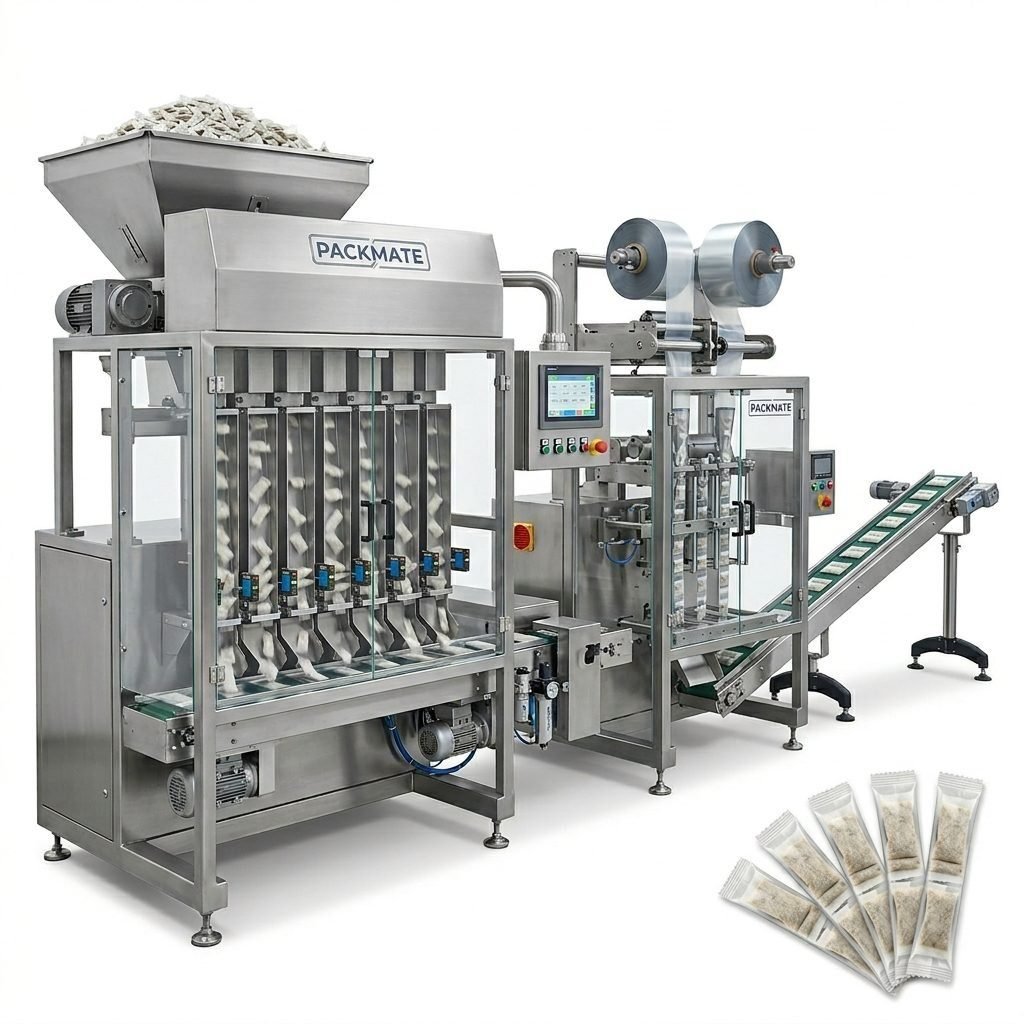
Packaging nicotine pouches and snus requires precision dosing, gentle pouch handling, and accurate sealing to maintain shelf life and product integrity. Choose suppliers that specialize in snus/nicotine machines rather than general-purpose packers — specialization matters.
Recommended resource: Check product categories such as Snus & Nicotine Packaging Machines to compare machine types and case studies.
3. Machine Performance: Speed, Precision & Flexibility
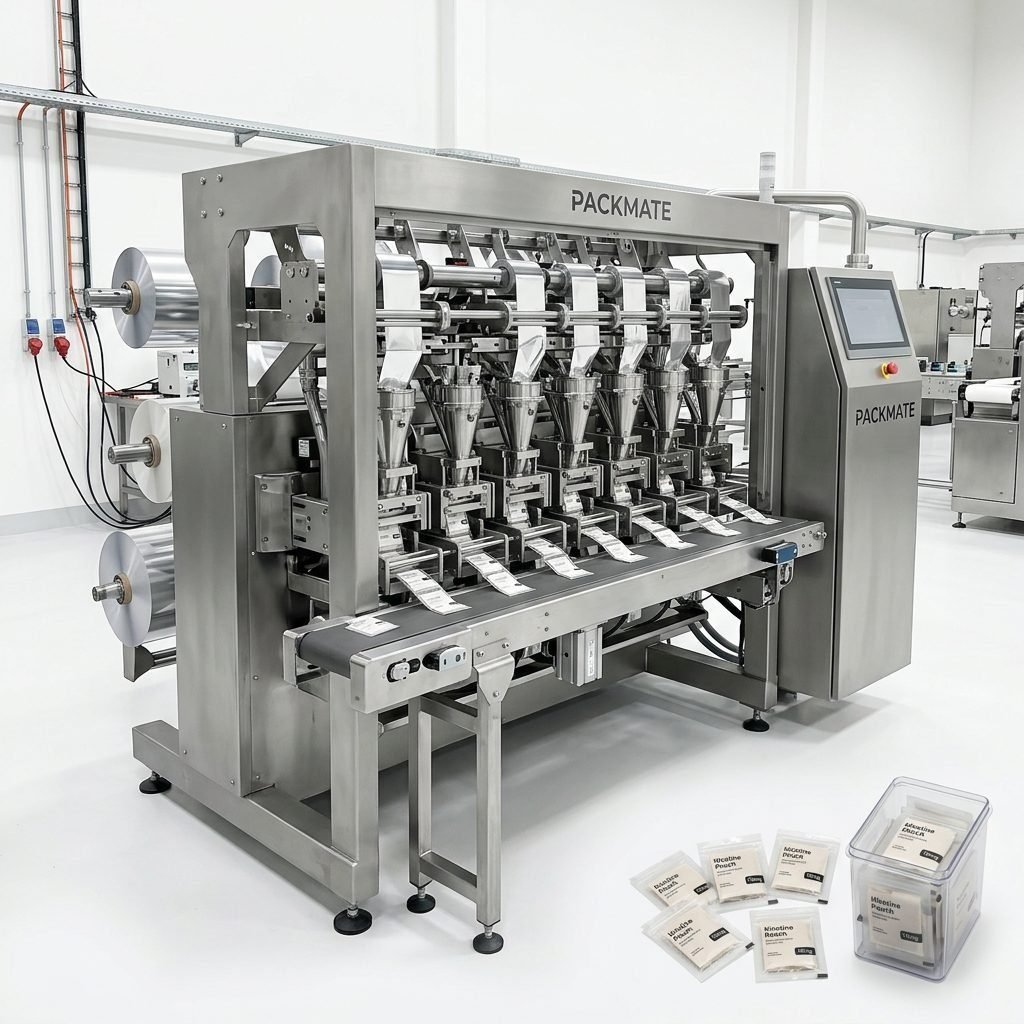
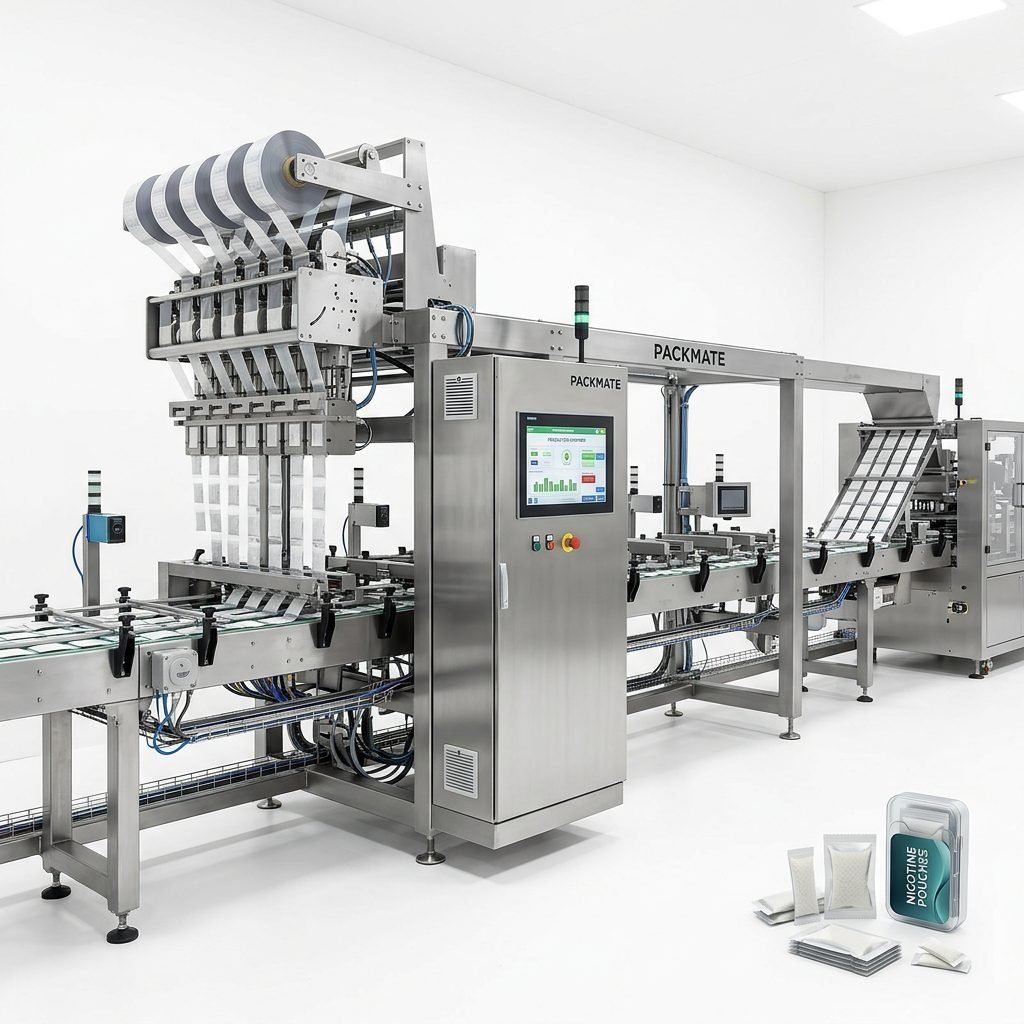
Evaluate machine specifications carefully: pouch size range, dosing accuracy, sealing method, production speed (pouches/min), and multi-lane capabilities. For small-dose nicotine pouches, multi-lane high-speed lines increase output while keeping footprint compact — a major advantage for Japanese manufacturers where factory space can be limited.
Consider machines that support quick changeovers, programmable recipes, and recipe storage for multiple SKUs. This flexibility lowers downtime and supports seasonal or limited-edition product runs common in Japan’s retail climate.
4. Factory Strength, Quality Control & Customization
Strong manufacturing capacity and modern workshop equipment are indicators of a dependable supplier. Inspect the supplier’s production footprint — facilities with CNC machining centers, precision assembly lines, and dedicated QA systems often produce more robust machines and can deliver faster customizations.
Suppliers with in-house R&D and the ability to tailor mechanical and control systems can adapt machines to specific Japanese material formats, pouch styles, or labeling requirements.
5. After-sales Service, Spare Parts & Local Support
In Japan, fast and reliable after-sales service is crucial. Confirm the supplier’s response time for technical support, availability of spare parts, and whether they work with local agents or service partners. Suppliers who provide training, remote diagnostics, and comprehensive service contracts reduce operational risk.
Tip 🔧 Ask about on-site commissioning and operator training packages. A supplier that includes these services speeds up machine acceptance and operator competence.
6. Total Cost of Ownership (TCO) and Pricing Transparency
Beyond initial purchase price, calculate TCO including installation, spare parts, maintenance, energy consumption, and expected downtime. Transparent suppliers will offer clear BOM lists, estimated service intervals, and consumable costs. Japan’s high labor and compliance costs make accurate TCO forecasts essential.
7. Logistics, Packaging & Installation Considerations for Japan
Consider import procedures, shipping lead times, and domestic installation needs. A supplier experienced in exporting to Japan will help with international packaging standards, customs documentation, and recommendations for safe transit. Also check if the supplier offers local installation teams or partners to reduce language and technical barriers during setup.
8. References, Factory Visits & Demos
Ask for client references and recent case studies in the nicotine or FMCG industries. Where feasible, arrange a factory visit or watch a live demo at an exhibition — suppliers regularly showcase machinery at global shows. Virtual live demos are an alternative if travel is restricted.
For real-world examples and exhibition participation, see supplier pages such as Case and Our Exhibition.
9. Cultural and Market Fit: Japanese Retail Habits
Japanese consumers value neat, compact packaging and consistent product presentation. Manufacturers often prioritize minimal, efficient designs and high barrier sealing for long shelf life. Suppliers should be willing to adapt to small-batch production runs, precise labeling placement, and strict foreign matter control.
Additionally, respect for punctuality and clear communication is valued in Japanese partnerships — choose a supplier who provides timely status updates and structured documentation.
10. Important Technical Checklist Before Purchase
🔎 Machine Specs: lanes, speed, pouch sizes, dosing accuracy, sealing type.
🔎 Control System: PLC brand, HMI language options, recipe management.
🔎 Materials Compatibility: film types, pouch materials, adhesives.
🔎 Testing & Validation: FAT/SAT procedures, sample run capability.
11. Supplier Evaluation Scorecard
Create a scoring matrix covering: machine performance, certifications, references, factory capability, lead time, spare parts availability, after-sales SLA, and price/TCO. Assign weights based on your priorities — for Japanese operations, give higher weight to reliability, spare parts, and local support.
12. Typical Buying Process & Timeline
– Initial inquiry & spec confirmation: 1–2 weeks.
– Quotation & technical proposal: 1–2 weeks.
– Negotiation & contract: 2–4 weeks.
– Engineering & manufacturing: depends on customization, typically 8–16 weeks.
– FAT (Factory Acceptance Test): 1 week.
– Shipping & installation: 4–8 weeks depending on logistics and customs.
Factor in additional time for electrical conversions, language needs, and local approvals.
13. Why Packmate Snus Machine Is a Typical Example to Consider
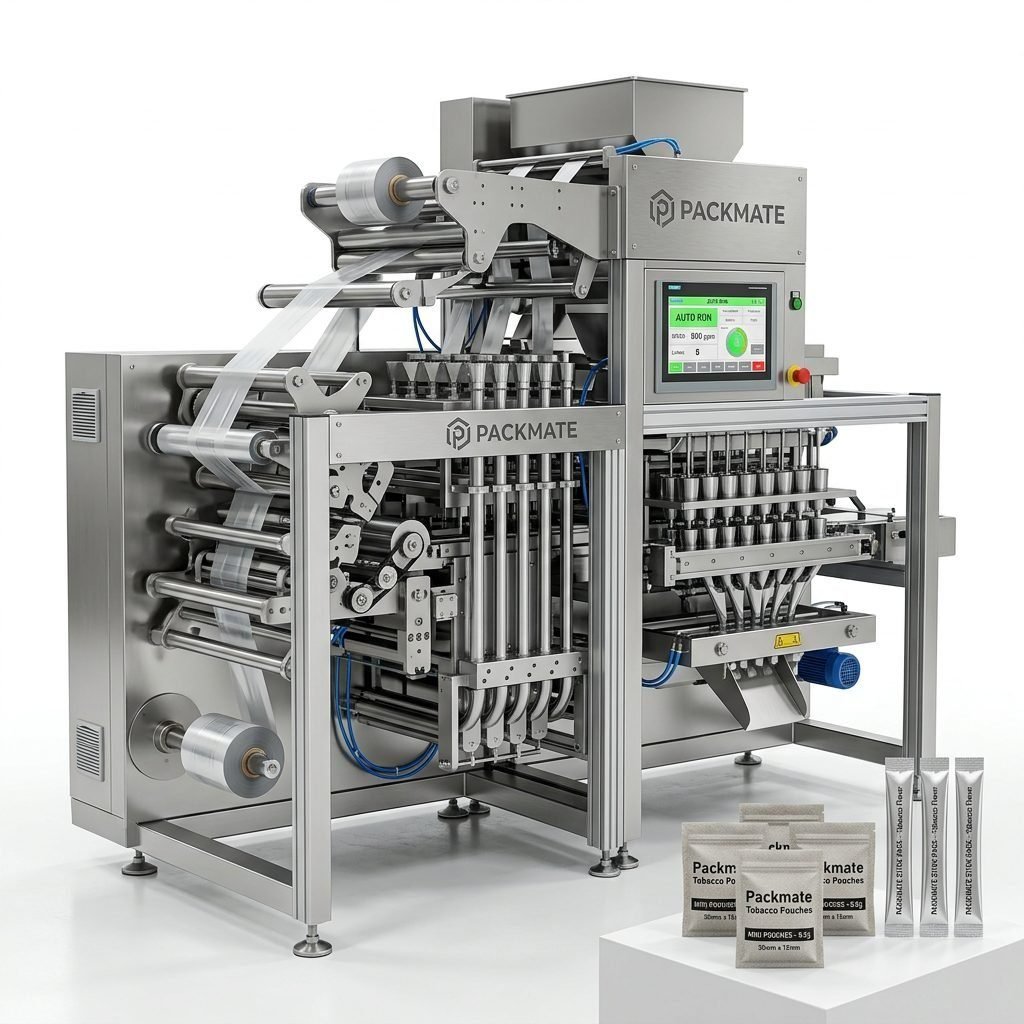
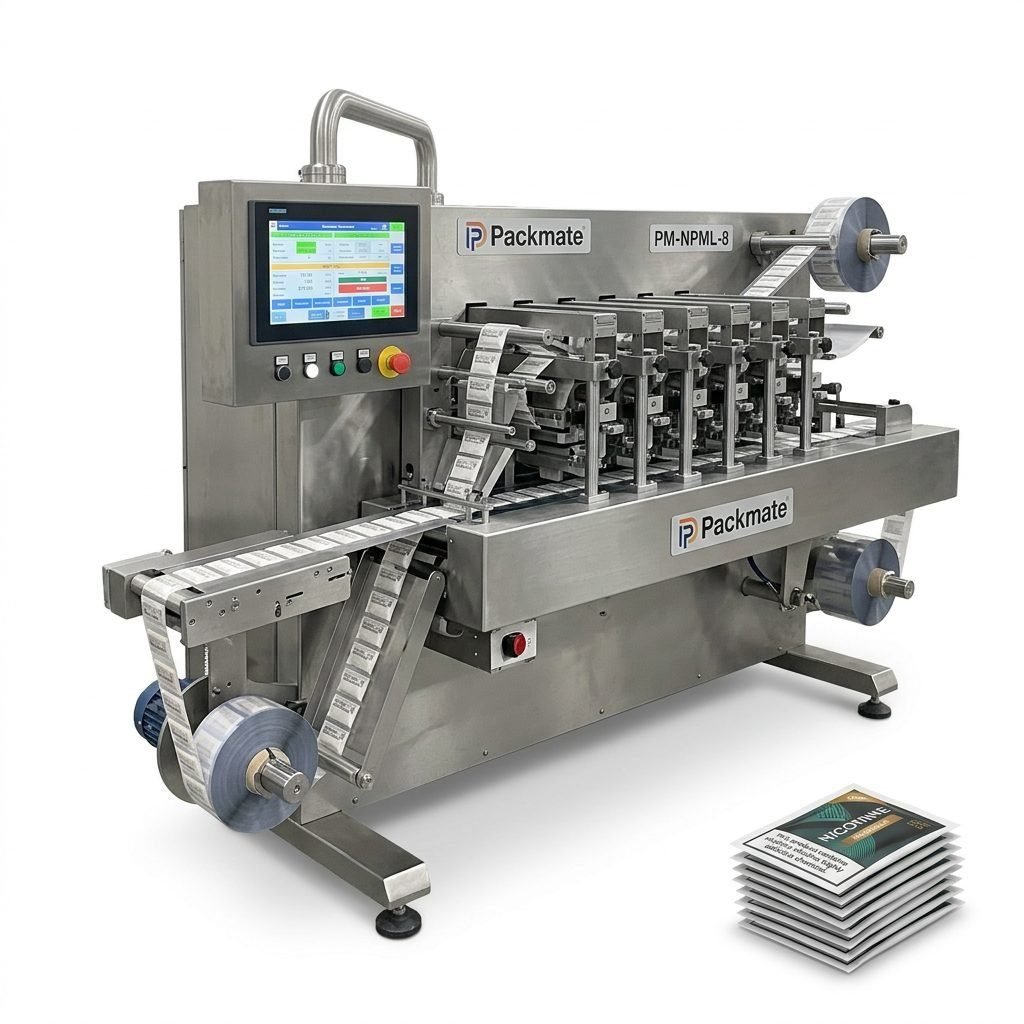
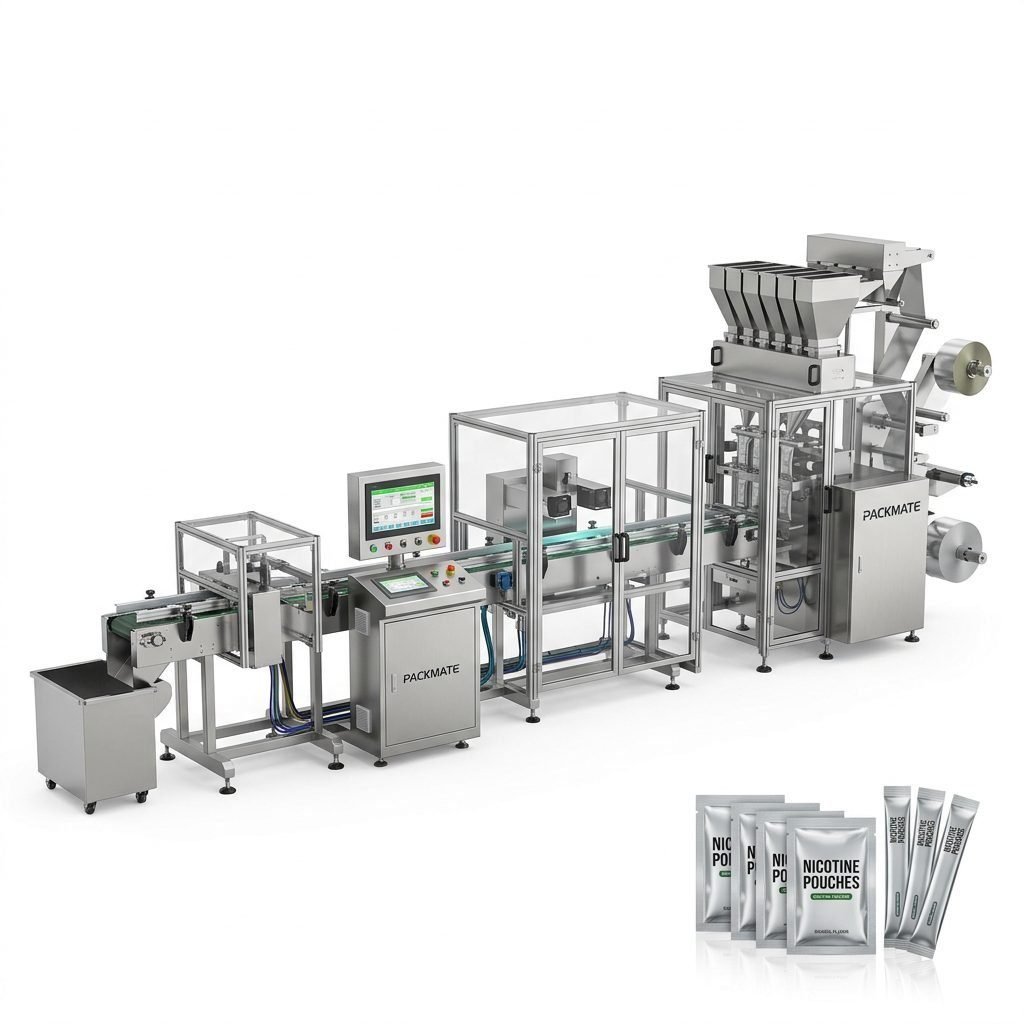
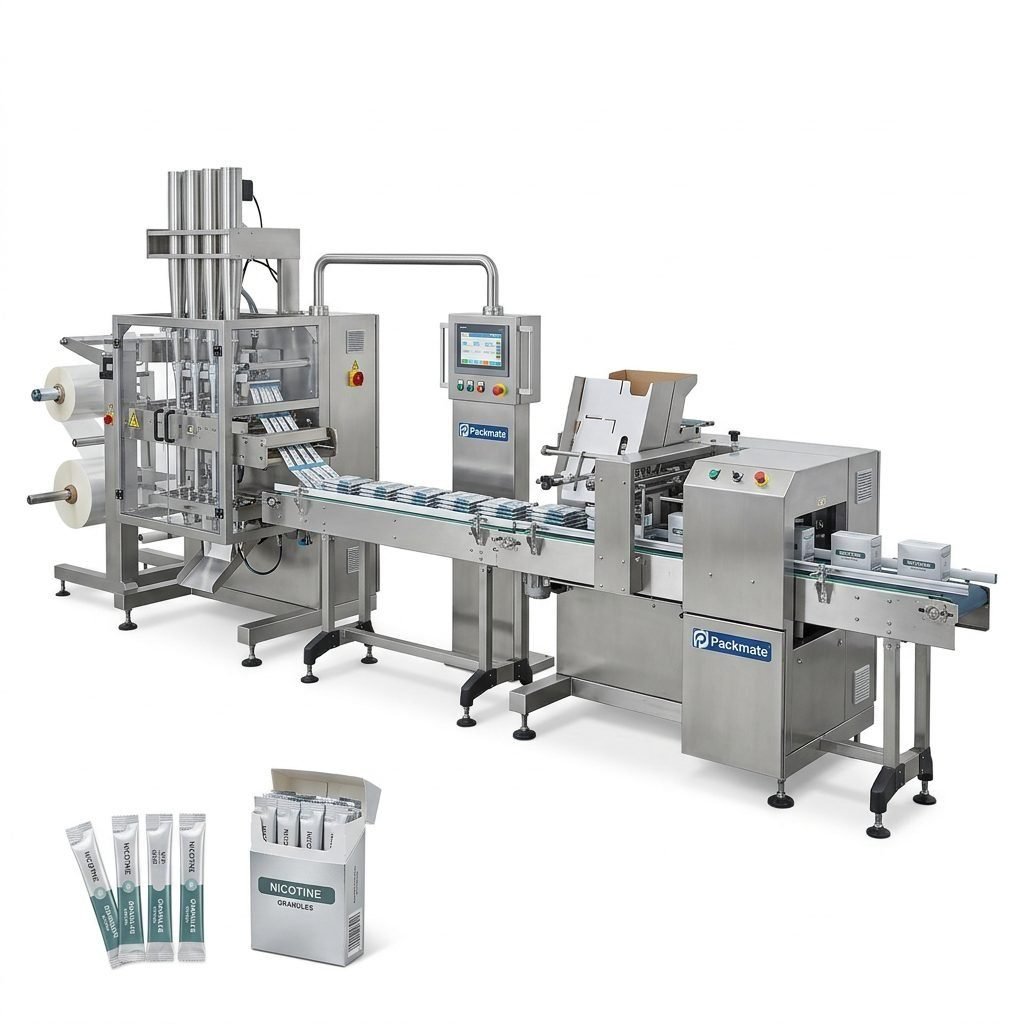
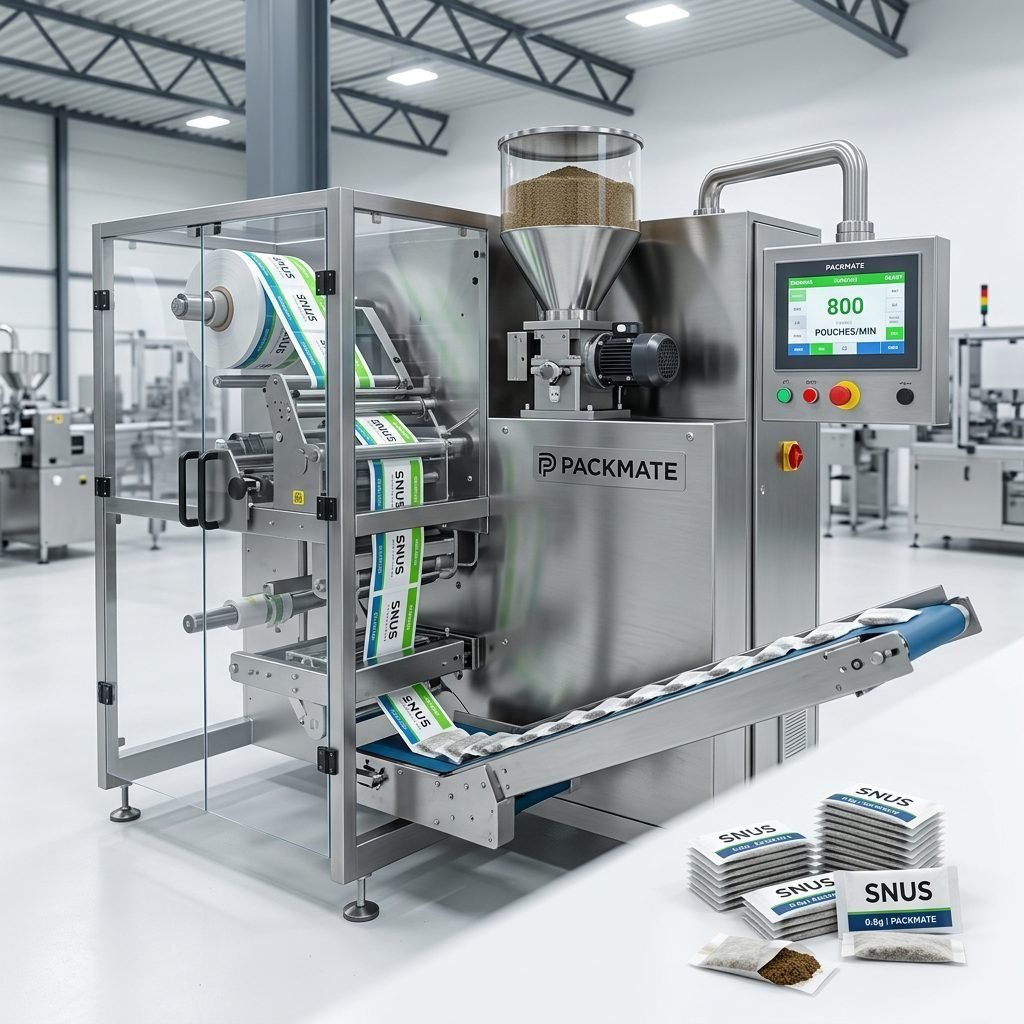
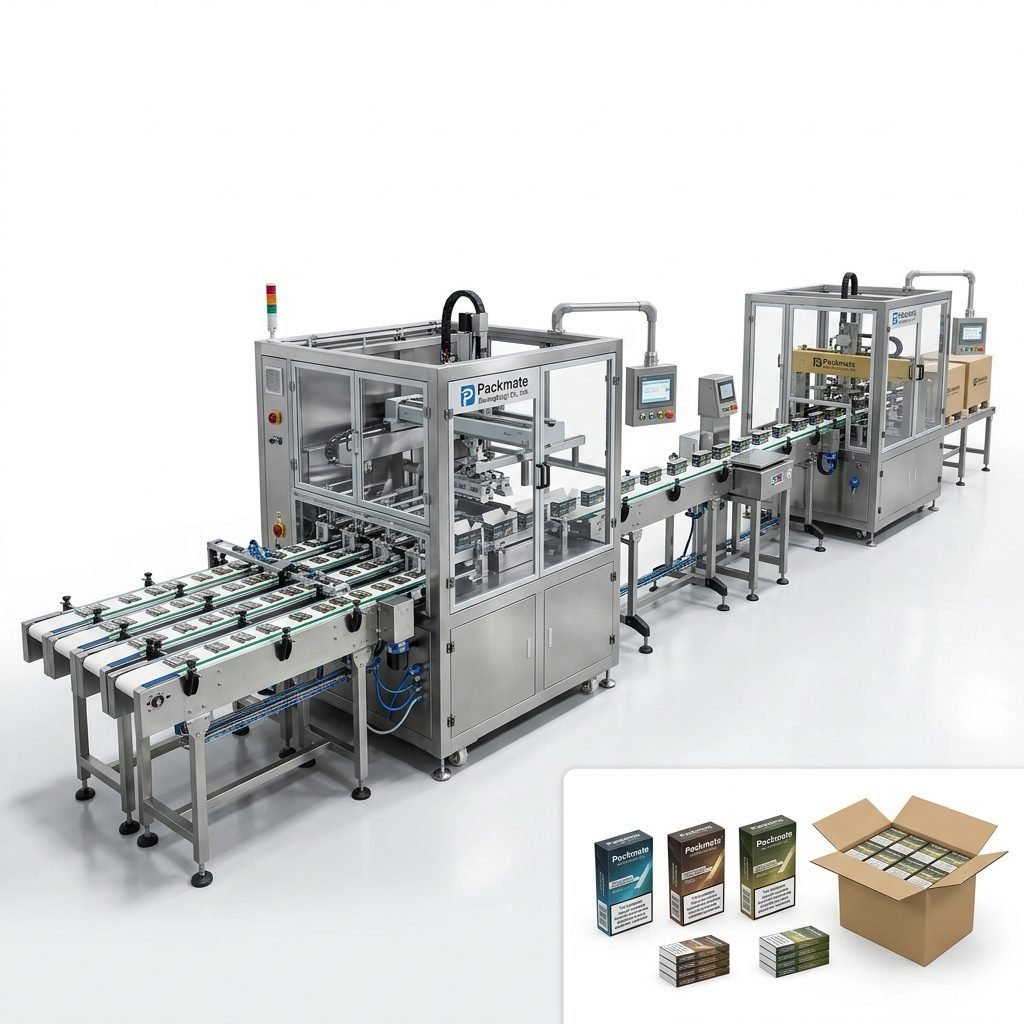
When assessing suppliers, companies with deep experience in snus and nicotine systems stand out. For example, Packmate Snus Machine emphasizes 30+ years of engineering, a 20,000㎡ manufacturing base, multi-lane systems, and international certifications. They offer tailored solutions across snus, stick pack, sachet, and full production lines — useful if you need modular expansion.
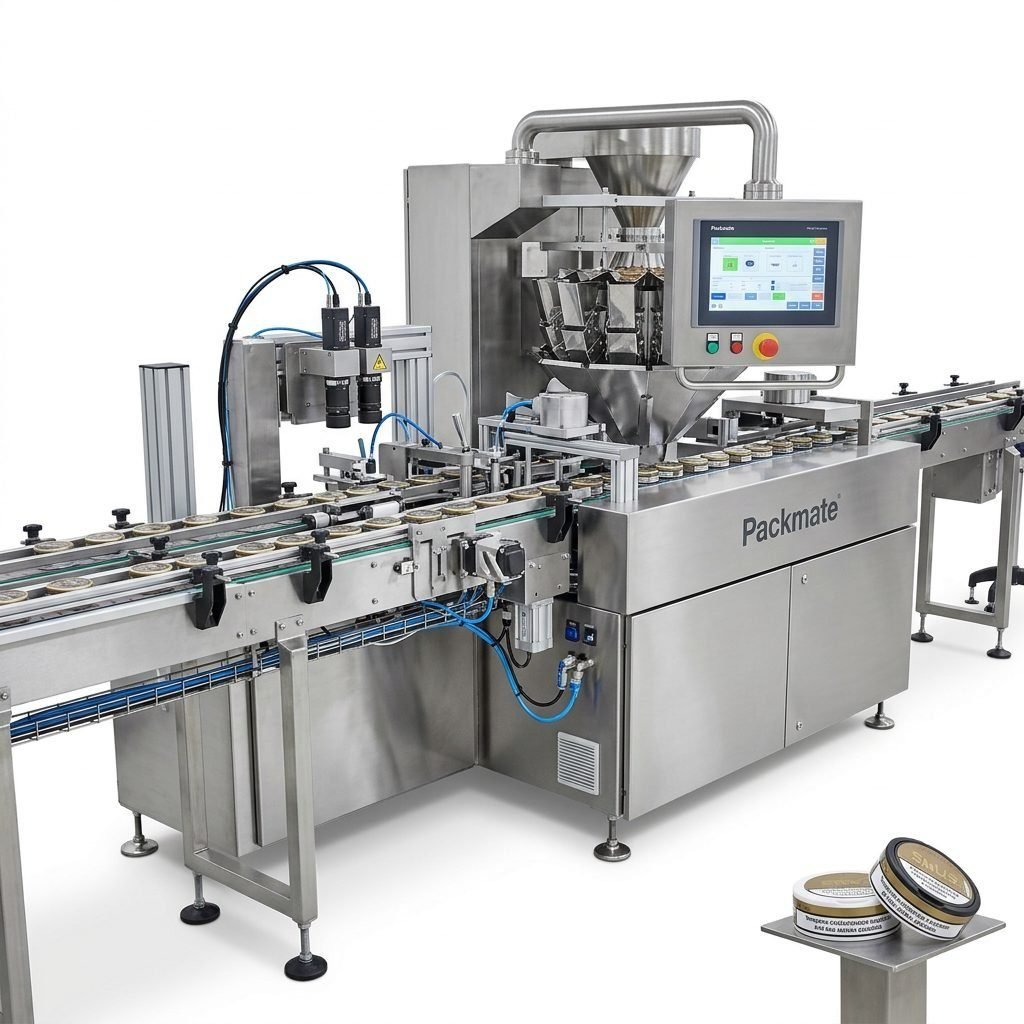
For product categories and complementary systems, explore their Bag & Pouch Packaging Machines, Weighing & Packaging Systems, and Filling & Packaging Lines for integrated line planning.
Negotiation and Contract Tips
– Include acceptance criteria in the contract (FAT & SAT) and define remedies for failures to meet specs.
– Set spare-parts kits and training hours into the purchase order.
– Agree on warranty length, response times, and remote support scope.
– Clarify intellectual property and custom design ownership if you request unique tooling or control software customizations.
Final Selection Checklist
✅ Supplier has snus-specific machine models and proven cases.
✅ Clear FAT/SAT process and sample test agreed.
✅ Spare parts supply and after-sales SLA documented.
✅ TCO reviewed and logistic timeline confirmed for Japan.
Contact the supplier for a tailored proposal and to schedule a demo.
Practical Next Steps for Japanese Buyers
1) Prepare a short technical brief including target SKUs, film specs, and expected output.
2) Request quotes and FAT plans from 2–3 shortlisted suppliers.
3) Compare TCO and support offerings, then schedule FAT or on-site demo.
4) Finalize contract with clear acceptance criteria and local commissioning plans.
Useful Links
Explore more about the supplier’s credentials and offerings: About Packmate, Service, and Certificate.
Frequently Asked Questions (FAQs)
Q1: How long does it typically take from order to production start?
A: Typical lead times range from 8–16 weeks depending on customization and production scheduling. Allow additional time for FAT, shipping, customs, and on-site commissioning in Japan.
Q2: What certifications should I request?
A: Request CE and ISO certificates at minimum, plus documented FAT reports and material traceability for components in contact with product.
Q3: Do suppliers support remote diagnostics?
A: Many modern suppliers offer remote support via secure VPN and HMI remote access. Confirm software security, data privacy, and language support for Japanese teams.
Q4: What after-sales terms are typical?
A: Standard terms include 12–24 month warranties, spare part kits, and optional service contracts. Negotiate guaranteed response times and local technical support if possible.
Q5: Where can I see real machine demonstrations?
A: Request video demos, attend international packaging exhibitions, or arrange a factory visit. See supplier exhibition pages and case studies for examples of installed lines.