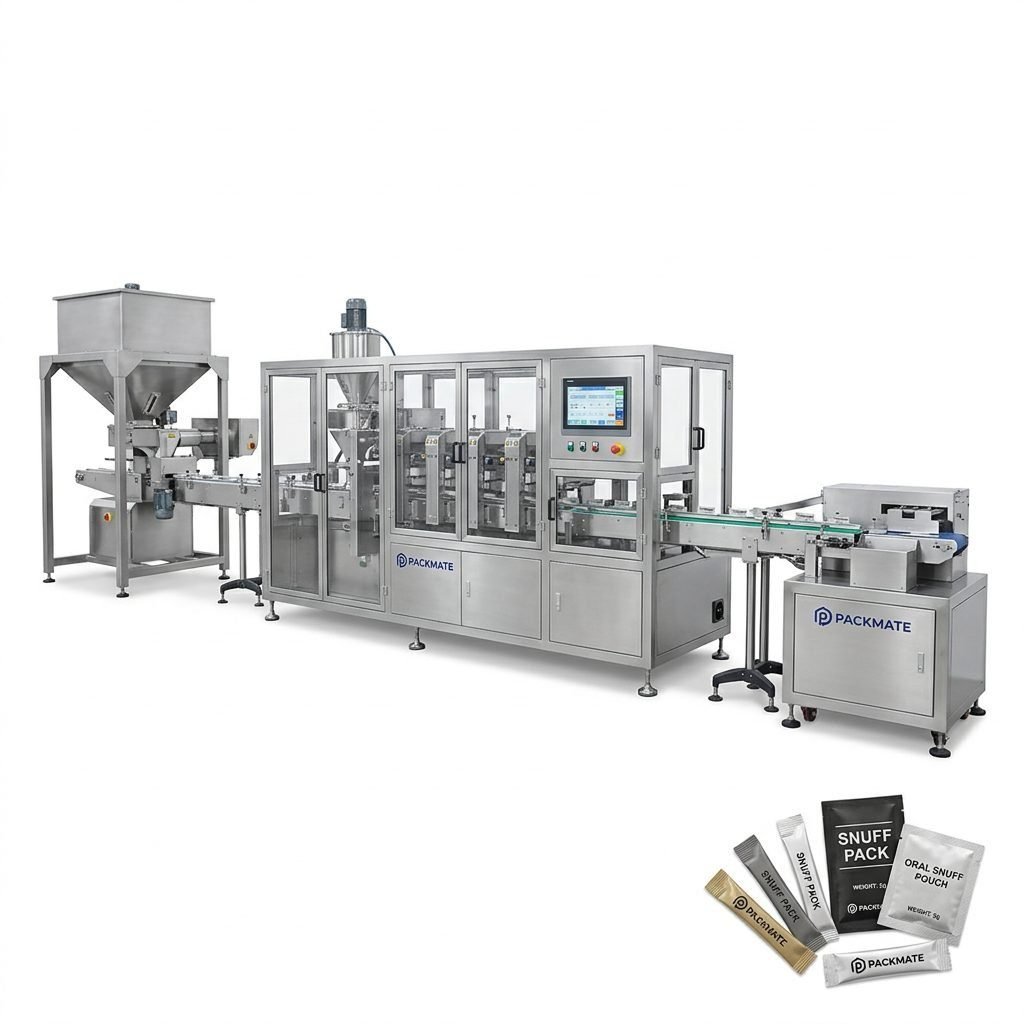
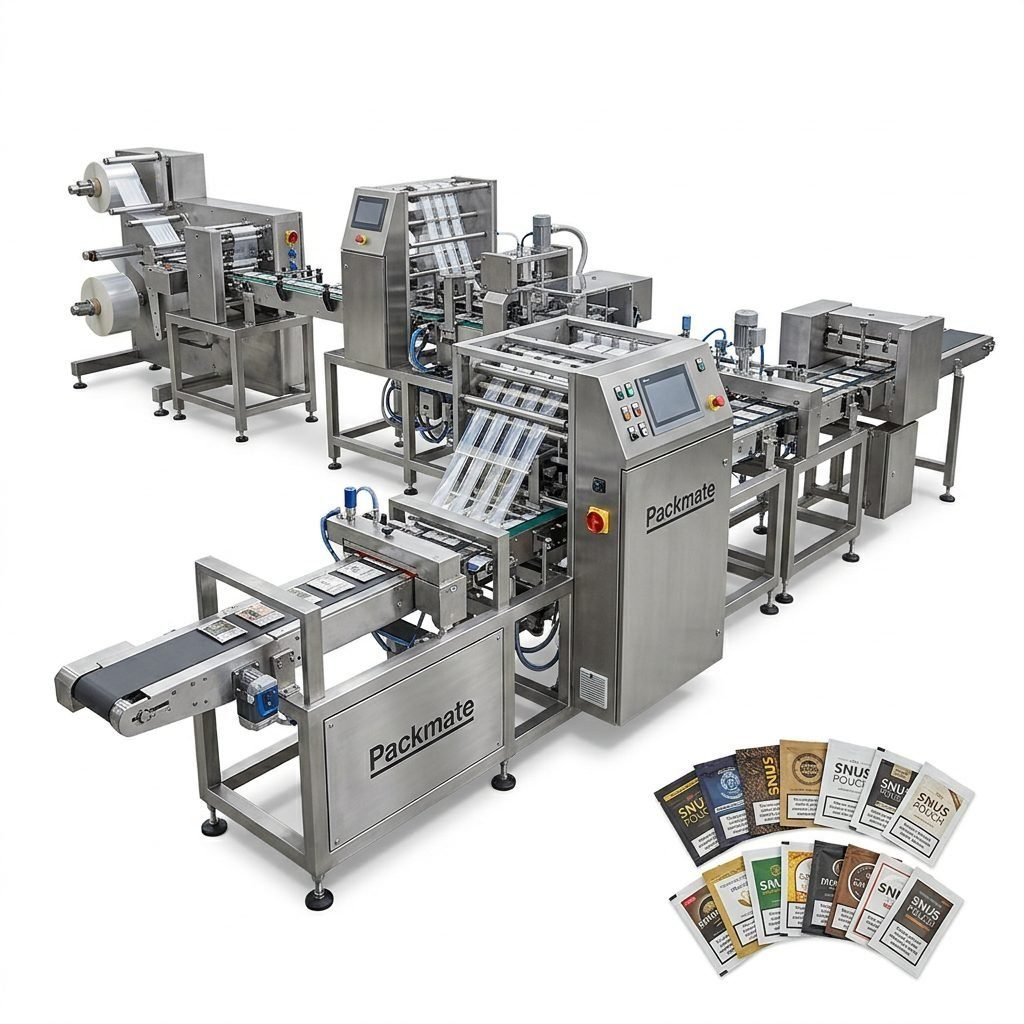
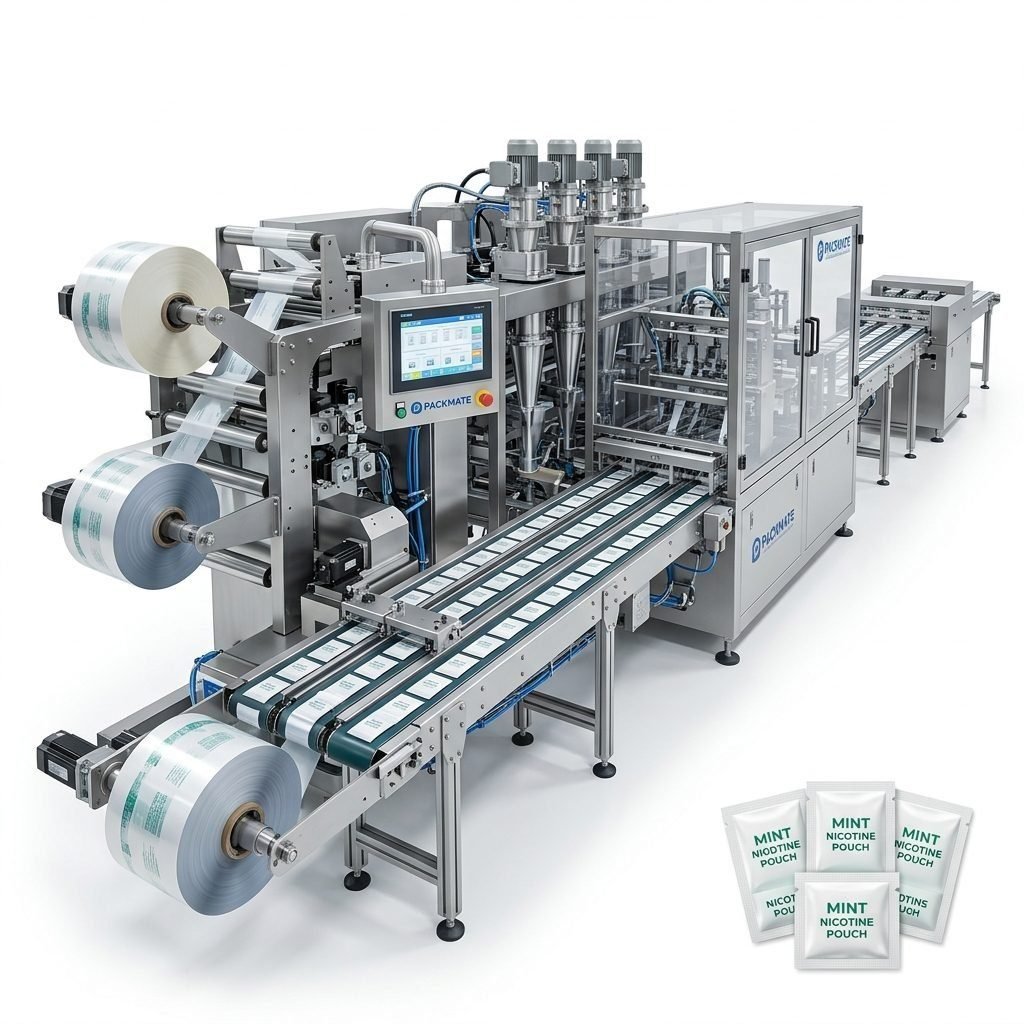
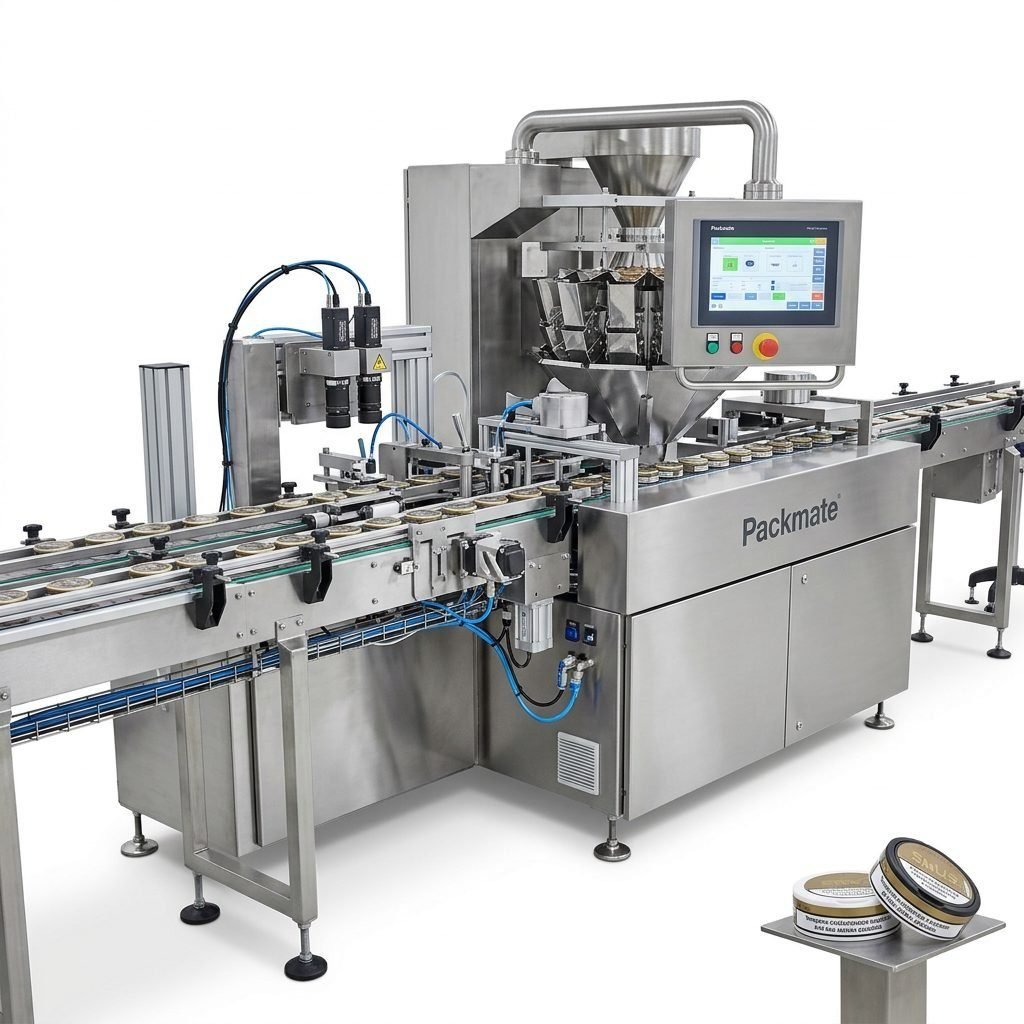
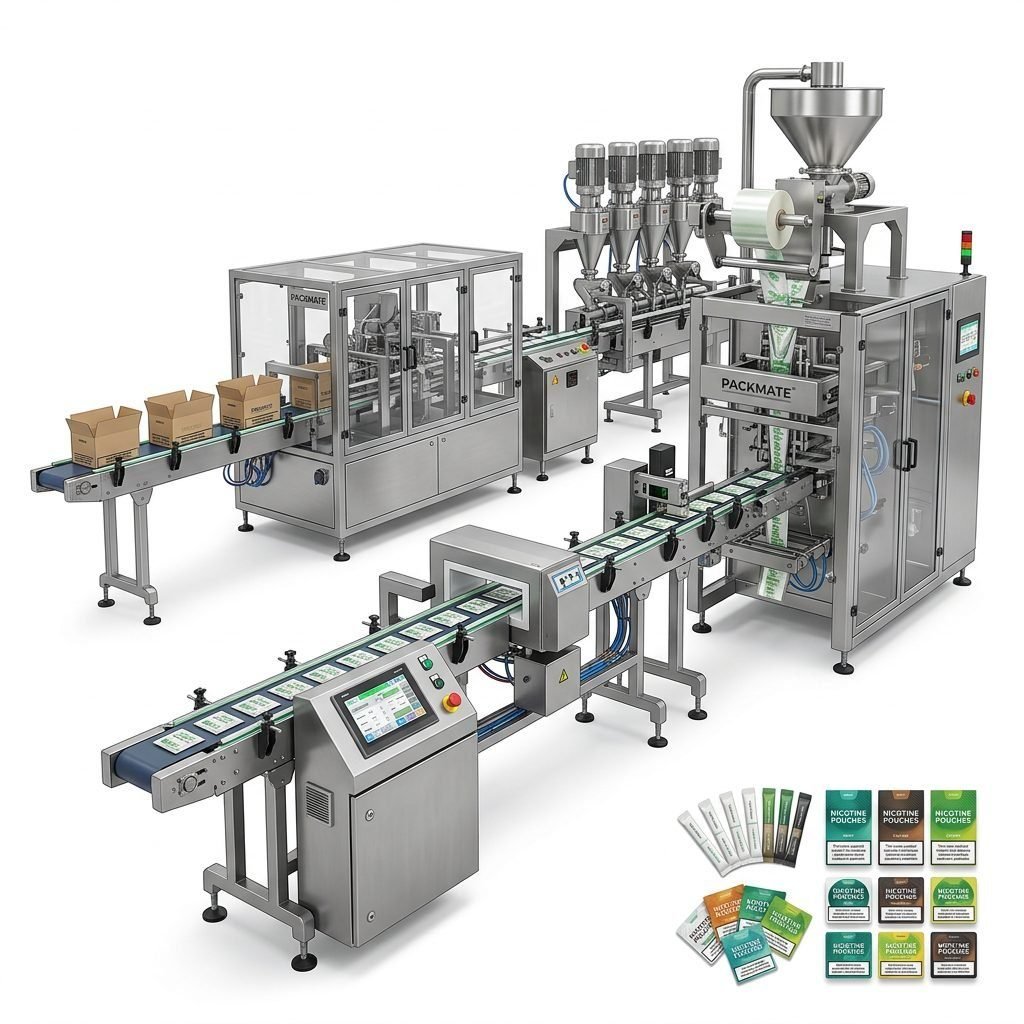
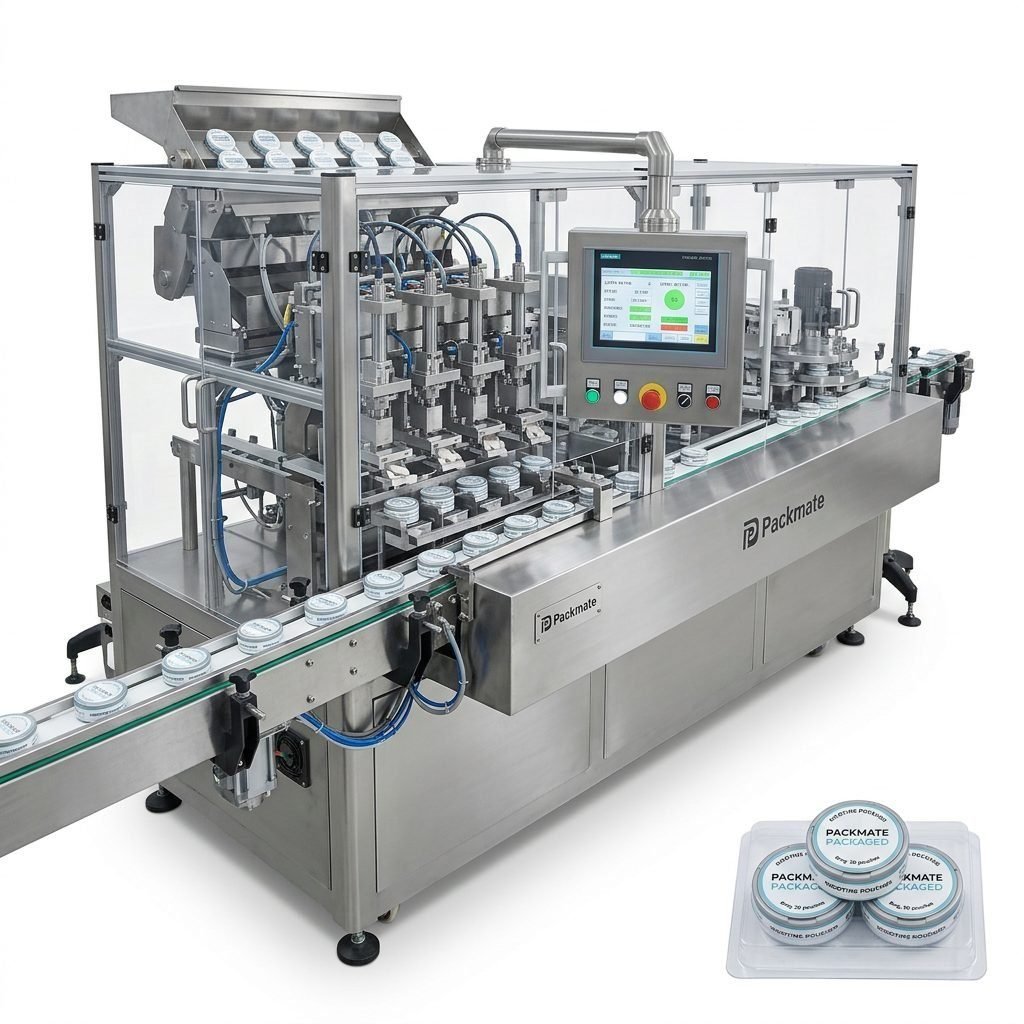
In high-speed nicotine pouch production, selecting the right bagging machine is critical to ensure consistent quality, regulatory compliance, and efficient throughput. This article explores the top automatic packing solutions for nicotine pouches — from single-lane precision fillers to high-speed multi-lane bag & pouch packaging lines — and offers practical guidance for manufacturers looking to scale operations while maintaining product integrity and cost-effectiveness.
Why the Right Nicotine Pouch Bagging Machine Matters
Choosing a packaging system is about more than speed. Modern nicotine pouch lines must deliver accurate dosing, hygienic handling, reliable sealing, and easy integration with upstream and downstream equipment. A smart investment can reduce waste, cut labor costs, and ensure compliance with international standards like CE and ISO — all essential for global markets.
Core production priorities
Manufacturers typically focus on: consistent pouch weight, seal integrity, minimized downtime, and flexible format changeover. Modern bagging machines address these with servo-driven controls, quick-release tooling, and modular design for fast line reconfiguration.
🔶 Key advantage: High-speed multi-lane machines multiply throughput without increasing floor space, enabling small-dose nicotine pouch brands to meet surging demand.
Types of Machines and When to Use Them
Single-lane precision baggers
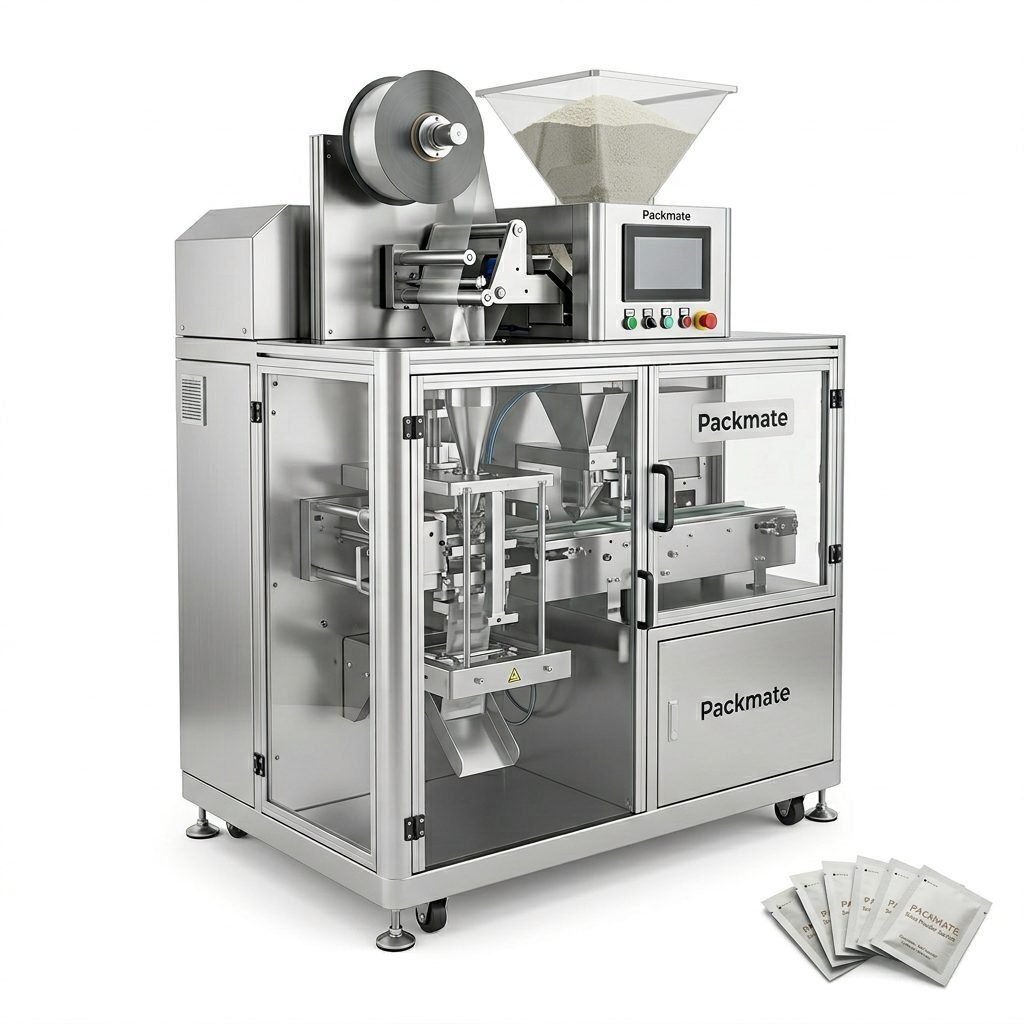
Best for pilot production, R&D, or small-batch specialty lines. These machines prioritize dosing accuracy and ease of format changes. When product variety and quick development cycles are common, a single-lane system offers the flexibility to test new pouch sizes and formula variations with minimal setup.
Multi-lane high-speed systems
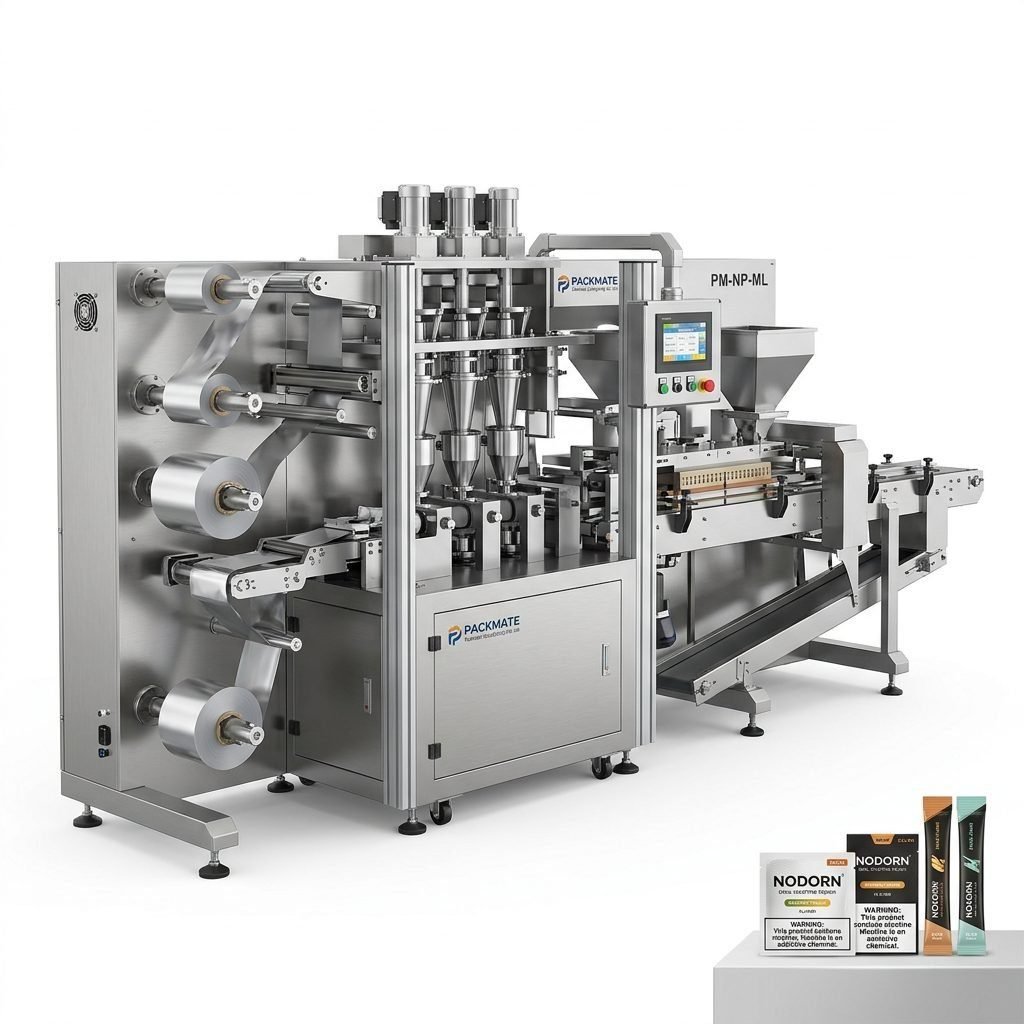
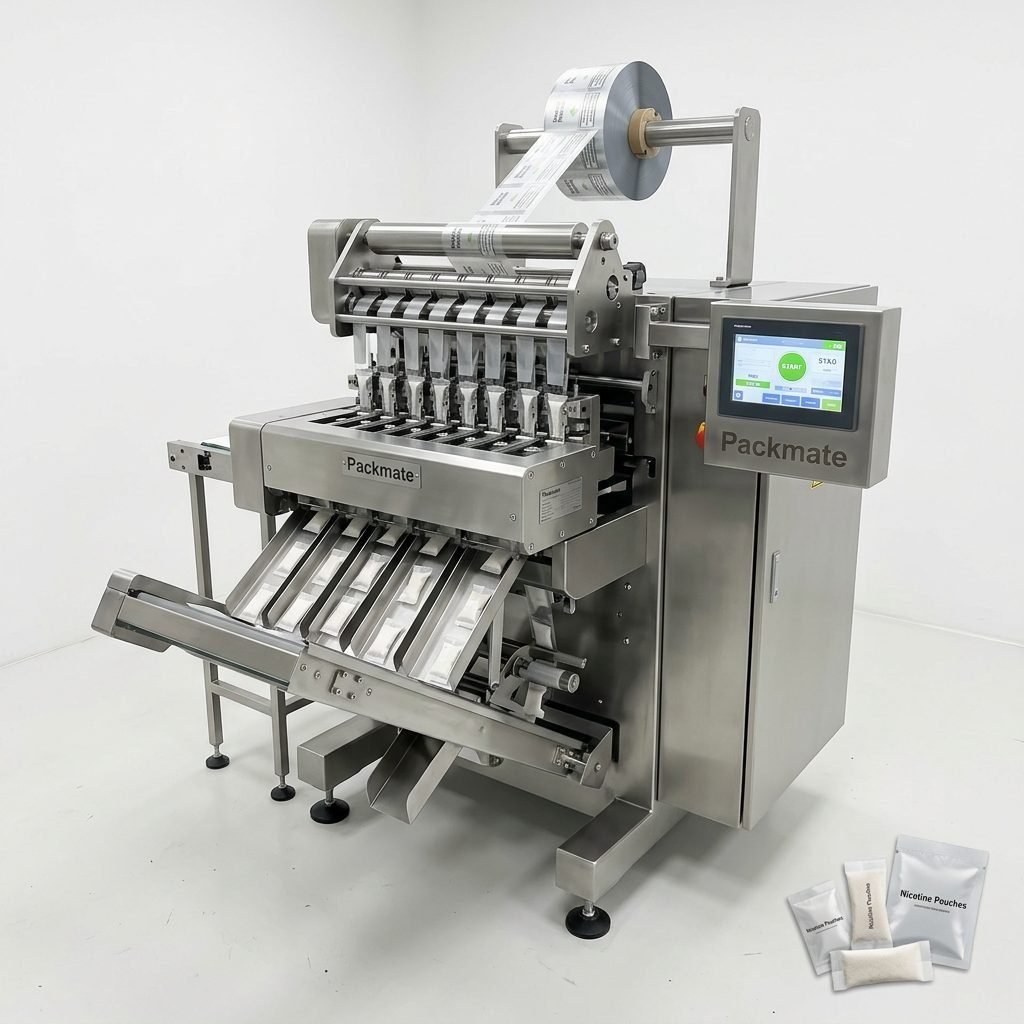
When volume demands rise, multi-lane bagging machines deliver throughputs that single-lane systems cannot match. They are ideal for established brands and contract packers. Look for automated lane balancing, synchronized feeders, and robust fault detection systems to maintain consistent fill weights across lanes.
Sachets, stick pack & flexible pouch hybrid lines
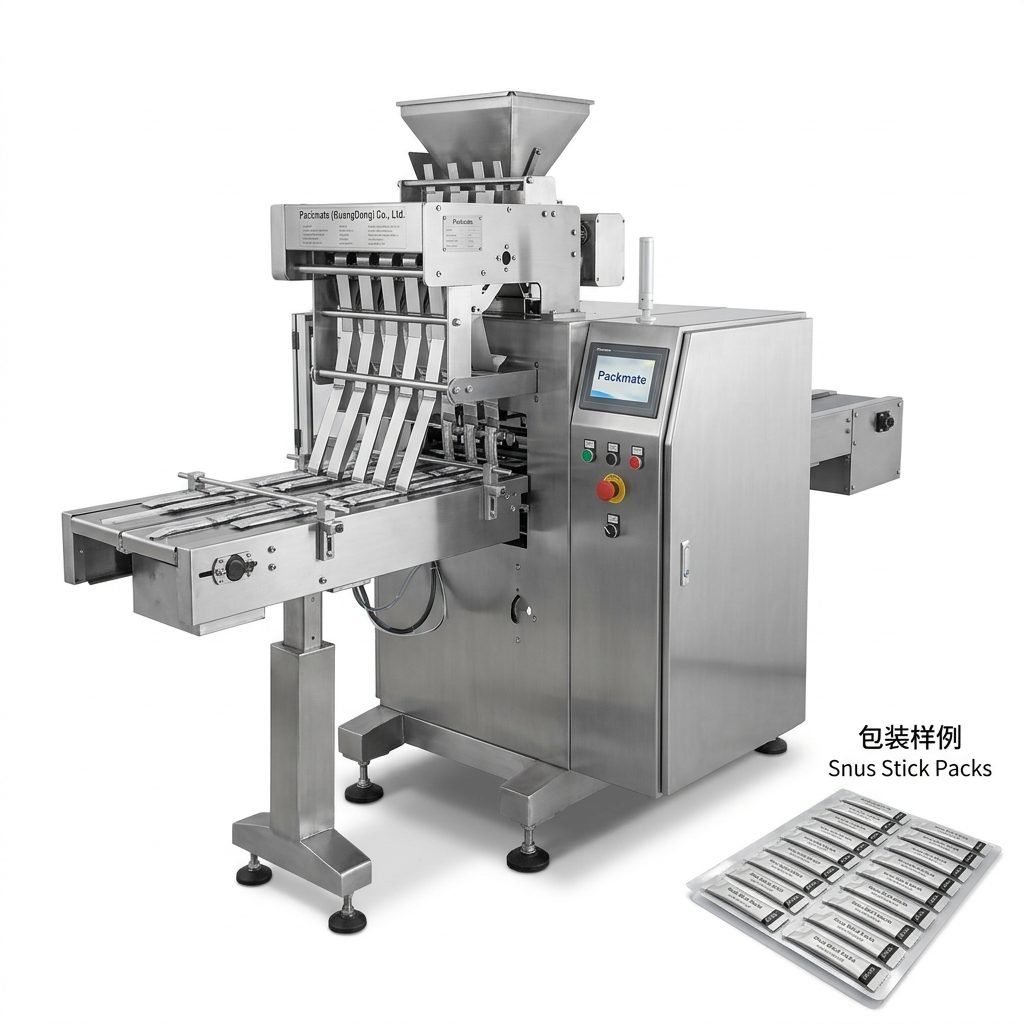
For companies that produce a range of formats, hybrid lines that accommodate sachets, stick packs, and small pouches provide maximum versatility. These systems often share common control platforms, allowing operators to switch formats with pre-programmed recipes and minimal mechanical adjustments.
✅ Tip: Prioritize machines with PLC/HMI recipe memory so format changeover becomes a software operation rather than a mechanical overhaul.
Key Technical Features to Evaluate
A robust nicotine pouch bagging machine should include: accurate dosing systems (volumetric or gravimetric), servo-driven film handling, precise heat-sealing units, integrated metal detection, and CIP-compatible designs for hygiene. Additional features like real-time weight checking, reject stations, and full traceability enhance product safety and regulatory compliance.
Dosing accuracy and stability
Accurate dosing minimizes raw material waste and ensures consistent consumer experience. For nicotine pouches, even small deviations can be critical. Consider gravimetric feeders for best-in-class accuracy and automated calibration routines to maintain performance over long runs.
Sealing & film handling
Proper sealing technology prevents moisture ingress and preserves flavor. Look for temperature-controlled seal jaws, web tension regulation, and servo synchronization to avoid wrinkles or weak seals, especially on multi-lane configurations.
Regulatory Compliance and Safety
Compliance is non-negotiable. Trusted manufacturers certify equipment to international standards (CE, ISO) and build lines suitable for GMP environments. Integrated inspection systems (vision, weight, metal) help meet export regulations and retailer requirements.
⚠️ Compliance note: Ensure your chosen machine can be validated for hygiene standards and includes traceability modules for batch-level tracking.
Integration with Complete Packaging Lines
A complete production line includes upstream dosing and blending, the bagging machine, and downstream cartoning or case-packing. Seamless communication between weighing systems, fillers, and baggers prevents bottlenecks. Explore modular solutions that integrate with existing conveyors, checkweighers, and automated palletizers.
For turnkey solutions and a clear overview of compatible equipment, review specialized systems such as Weighing & Packaging Systems and Filling & Packaging Lines. These resources illustrate how precision feeders and baggers work together to meet production targets.
Customization & Turnkey Service
Top manufacturers offer customized solutions — from specialized feeders for unique payloads to tailored frame sizes and custom infeed/outfeed conveyors. Full turnkey providers also supply installation, validation, operator training, and long-term service agreements to keep lines running at peak performance.
Learn more about complete solutions and manufacturer capabilities on pages such as Snus & Nicotine Packaging Machines and Bag & Pouch Packaging Machines.
Operational Efficiency and OEE Considerations
Calculate your OEE (Overall Equipment Effectiveness) by assessing availability, performance and quality. High-performance bagging machines increase available production time via fast changeovers and remote diagnostics. Look for predictive maintenance features and easy access to wear parts to reduce unscheduled downtime.
🔧 Maintenance tip: Standardize spare part kits and schedule belt and seal checks during planned stops to avoid emergency repairs.
Case Studies & Global Deployment
Successful deployments span Europe, Asia, and the Americas. A number of high-volume snus and nicotine pouch brands have upgraded to multi-lane lines to meet rapid market expansion. For examples of full installations and real-world performance, review case references and exhibition reports provided by experienced manufacturers.
See real-world examples in the manufacturer’s case gallery: Case, and explore company history and capabilities at About Packmate.
Selecting the Right Supplier
When evaluating suppliers, consider: manufacturing capacity, engineering experience, spare parts availability, global service network, and compliance documentation. A supplier with decades of specialization in snus/nicotine pouch machines offers deep domain knowledge that translates into better machine uptime and faster problem resolution.
Questions to ask potential vendors
– What is the expected throughput for my product format?
– How is dosing accuracy guaranteed and measured?
– What support and spare parts packages are available?
– Can the machine be adapted for future formats or line expansions?
✅ Vendor selection tip: Prioritize suppliers who can provide on-site commissioning, operator training, and documented validation procedures.
Return on Investment (ROI) and Total Cost of Ownership
Evaluate ROI by comparing machine cost against labor savings, waste reduction, and increased throughput. Consider the entire life-cycle: energy efficiency, spare parts consumption, and service availability. High-quality machines often yield faster payback through improved efficiency and fewer stoppages.
Preparing Your Plant for Installation
Plan floorspace, utilities (air, power, vacuum), and automation interfaces in advance. Coordinate with the supplier for foundation requirements, cable routing, and software integration. Early planning reduces installation time and ensures a smoother ramp-up.
Local market and cultural considerations
In regions with strict packaging preferences and labeling rules, ensure the machine supports label application, serialization, and flexible language printing. For export-focused producers, verify that packaging formats meet retailer display preferences and regional regulatory labeling requirements.
Final Thoughts
Investing in the right nicotine pouch bagging machine transforms production capability. Prioritize dosing accuracy, sealing reliability, ease of integration, and supplier support. When chosen carefully, these systems not only meet current demand but also provide a scalable foundation for future growth.
Further resources
Explore detailed product lines and auxiliary equipment to design a complete solution: Auxiliary Packaging Equipment and download catalogs or request a consultation through the manufacturer’s contact page: Contact Us.
Common Questions
Q1: How do I choose between single-lane and multi-lane machines?
A1: Choose single-lane for flexibility and small batches; choose multi-lane for high-volume consistent production. Assess product formats, projected volumes, and floor-space constraints before deciding.
Q2: What maintenance is required for high-speed bagging lines?
A2: Regular checks on belts, seals, sensors, and bearings; scheduled calibration of dosing systems; and keeping a stocked kit of critical spare parts will minimize downtime.
Q3: Are these machines compliant with international standards?
A3: Reputable manufacturers provide CE and ISO certified equipment and offer validation documentation for GMP-compatible production.
Q4: Can I retrofit existing lines with modern bagging technology?
A4: In many cases, yes. Retrofit options include adding modern feeders, control systems, and in-line inspection units. Discuss specifics with your supplier to evaluate compatibility.
Q5: How can I see these machines in operation before purchase?
A5: Visit trade shows, manufacturer demonstration centers, or request a virtual demo. Many suppliers present live demonstrations at exhibitions — check the exhibition schedule on the manufacturer’s site for upcoming events: Our Exhibition.