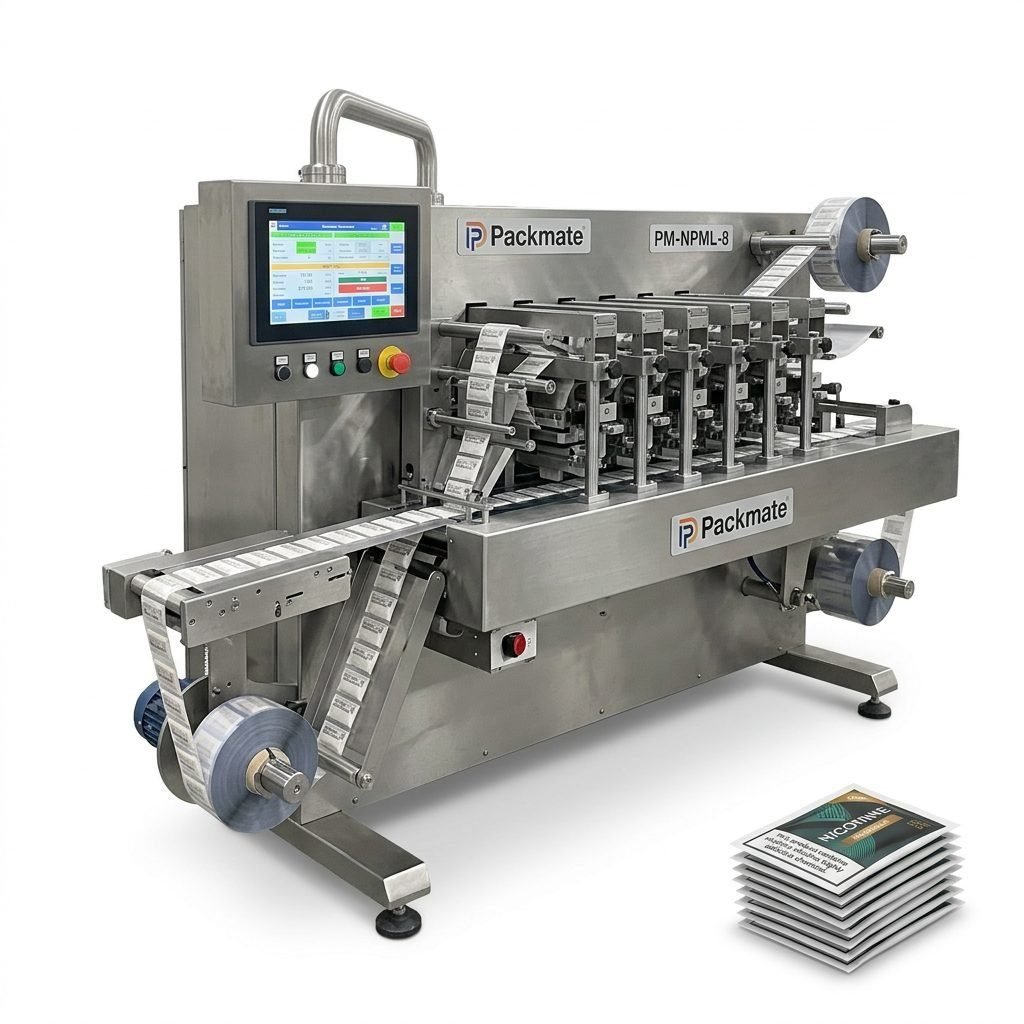
Choosing the right nicotine packaging machine in Djibouti requires a mix of technical know-how and local market understanding. This guide walks you through the most important considerations — from machine types and production capacity to climate-proof packaging and after-sales support — so you can pick a solution that delivers reliability, compliance, and a fast return on investment in the Horn of Africa.
Understand Djibouti’s Market & Local Customs
Djibouti is a small but strategically positioned market with a busy port and strong trading links across East Africa, the Middle East, and Europe. When planning nicotine pouch production or importation, consider local consumer behaviors: many users value discreet, single-dose formats, and products that handle hot, humid conditions without quality loss. Packaging must also respect local languages (French and Arabic are widely used) and clear regulatory labeling.
Practical local considerations:
🔍 Small retail formats and convenience stores are common sales channels — choose a machine that supports small sachets and multi-pouch trays.
📌 Port logistics: machines and spare parts arrive via Djibouti Port — plan for customs documentation and local import taxes.
ℹ️ Labeling: include French and Arabic text on packs to build trust and comply with local labeling expectations.
Which Machine Types Suit Nicotine Pouches?
Different packaging lines target different formats. Knowing the product format you plan to produce narrows machine choices quickly.
Snus & Nicotine Pouch Machines
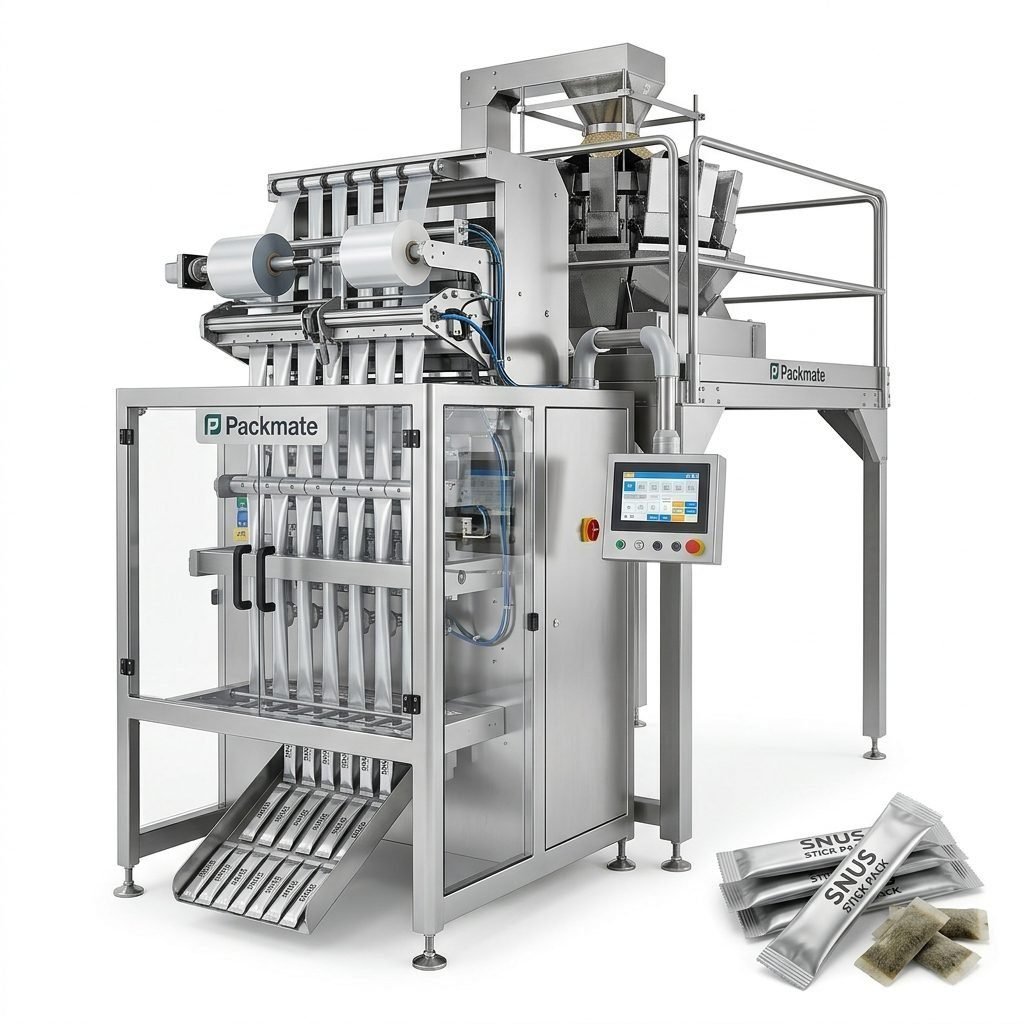
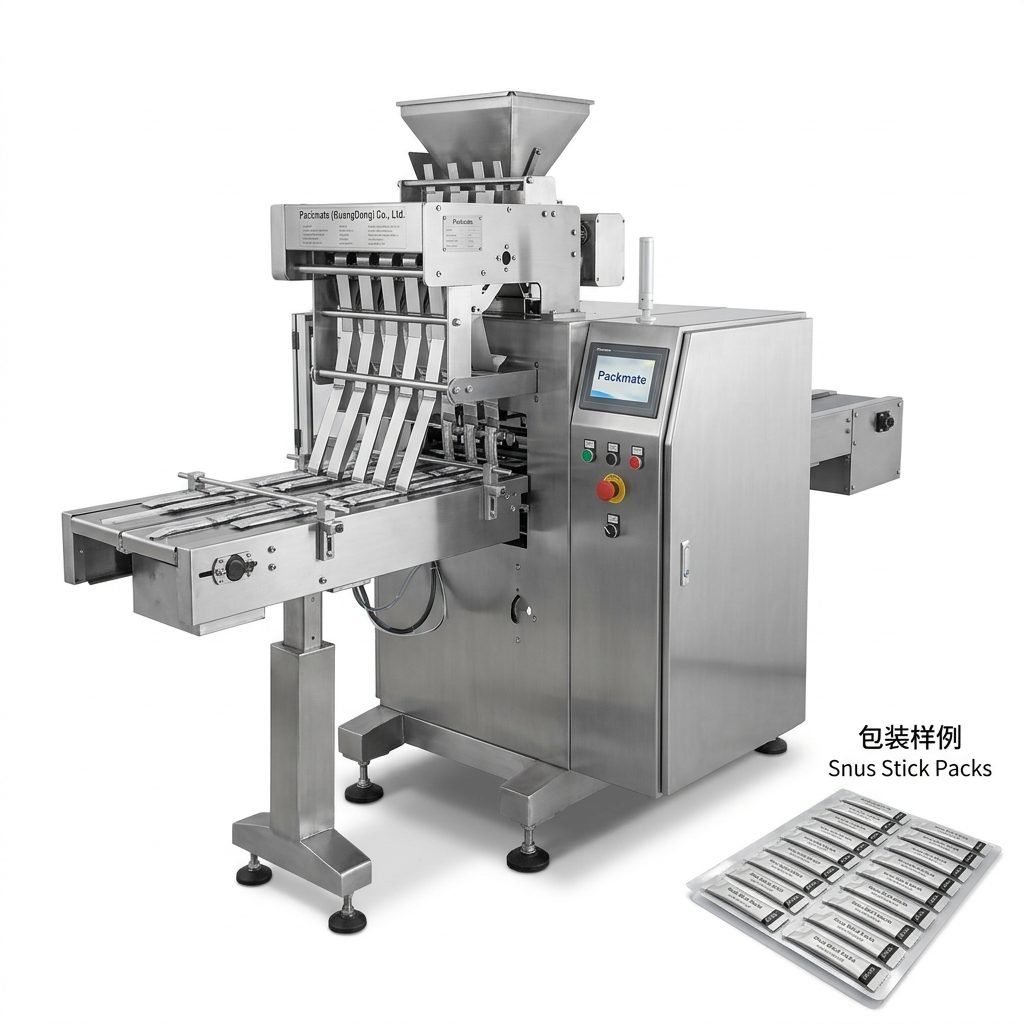
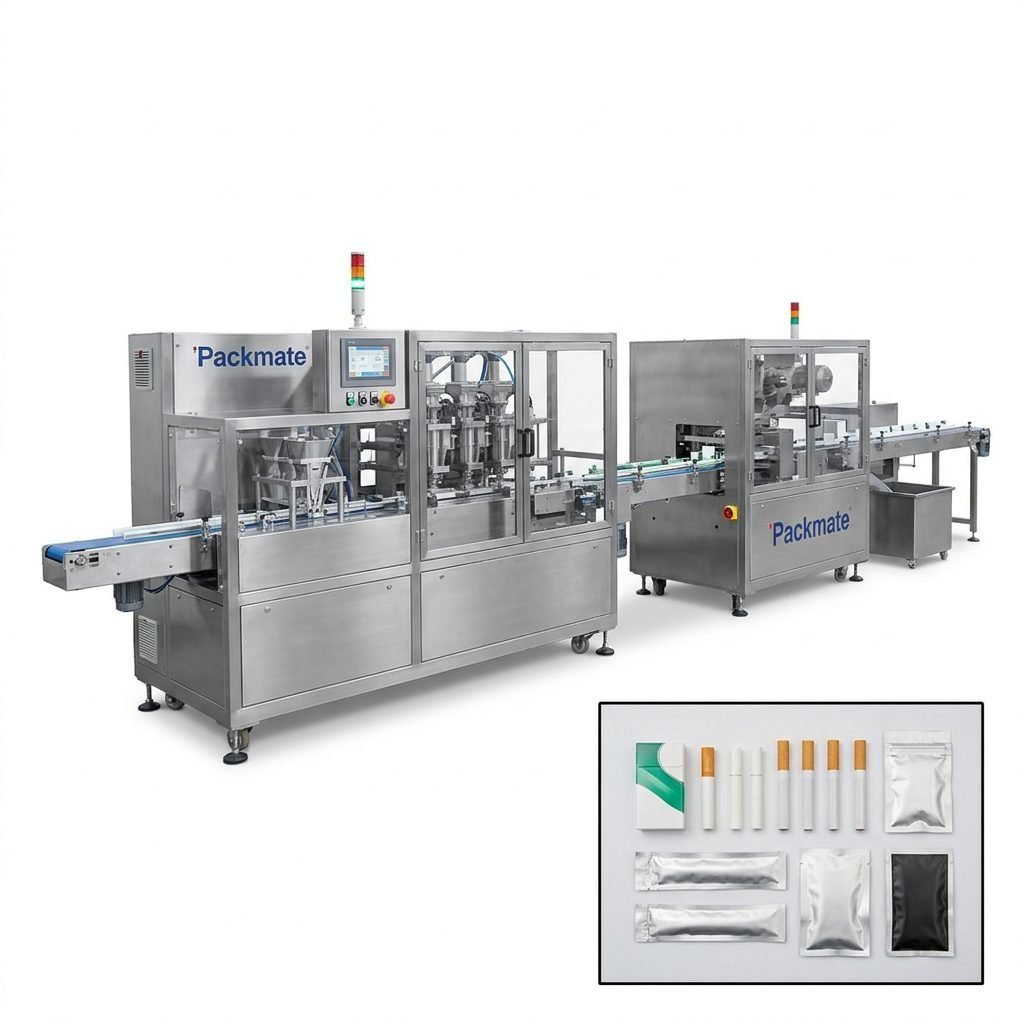
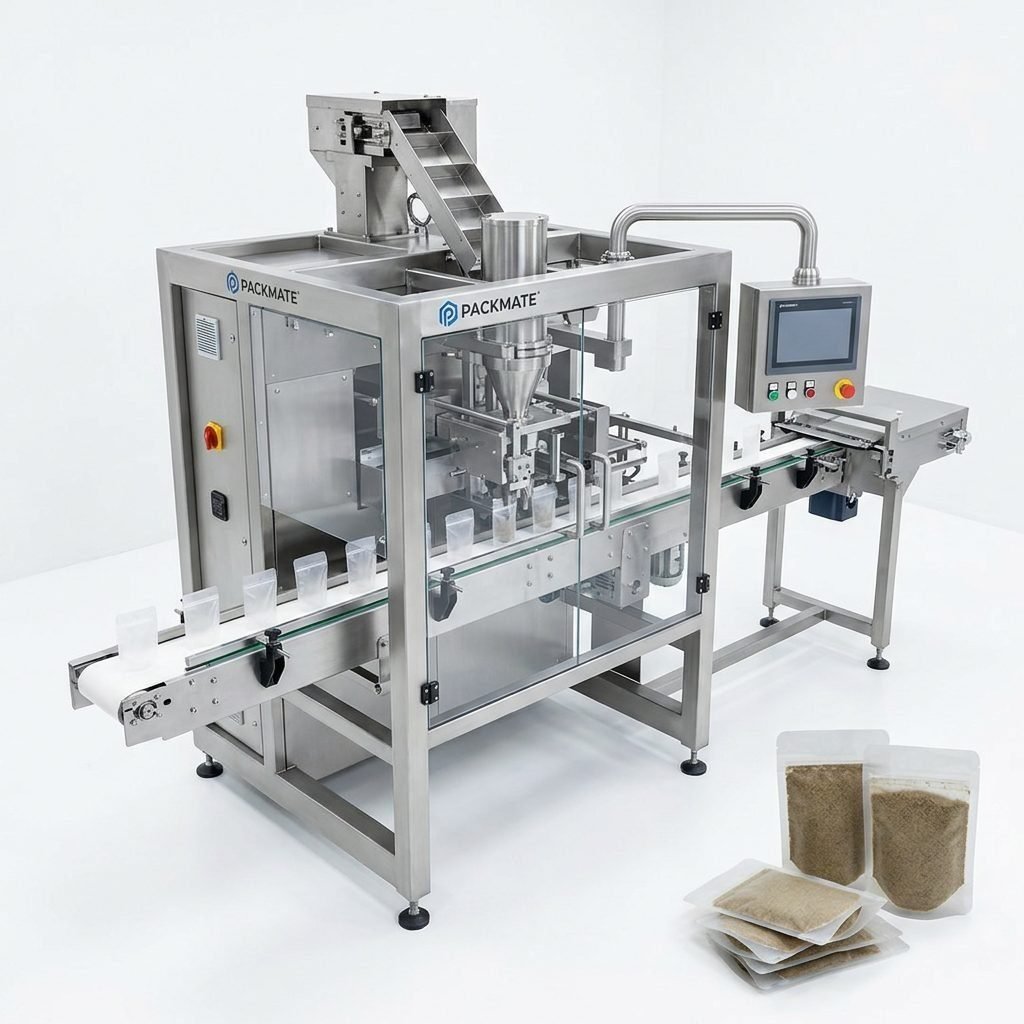
High-precision systems tailored to small-dose pouches. These lines are ideal for nicotine pouches with strict weight control and gentle handling. For options and models, review specialized machines like the ones on the Snus & Nicotine Packaging Machines page.
Sachet & Stick Pack Machines
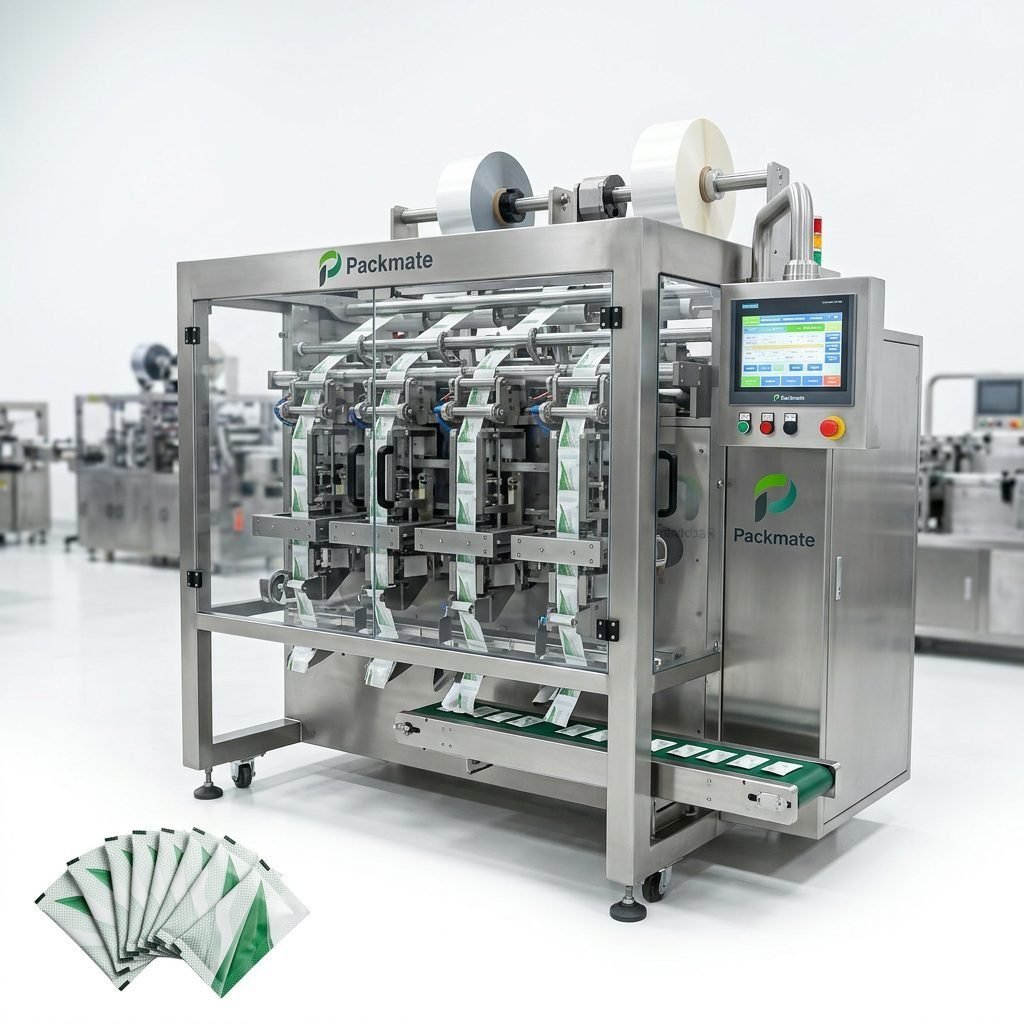
If you plan to produce single-serve sachets or stick packs, look for sachet & stick pack systems that can run high speeds while ensuring accurate dosing. See Sachet & Stick Pack Machines for typical specifications and formats.
Multi-lane & High-Output Lines
Multi-lane systems multiply throughput without increasing footprint proportionally — a strong choice if you expect rapid market growth or plan to serve regional distribution. Combining multi-lane packaging with automated weighing systems reduces labor and improves consistency. Explore Weighing & Packaging Systems to learn more.
Quick tip: For Djibouti’s hot climate, prioritize machines with short product exposure time and robust sealing methods to prevent moisture ingress and maintain pouch integrity.
Key Factors When Selecting a Nicotine Packaging Machine
1) Production Capacity & Scalability
Estimate your daily and monthly targets including peak demand. Machines are rated by pouches per minute and per lane. Choose a platform that provides headroom for growth and supports multi-lane upgrades if you plan to scale.
2) Dosing Accuracy & Stability
Nicotine pouch products require precise dosing. Look for servo-controlled feeders, precision volumetric or weighing systems, and integrated checkweighers. Machines that deliver consistent gram accuracy minimize product giveaway and ensure compliance.
3) Material Compatibility & Hygienic Design
Stainless steel contact parts, easy-to-disassemble components, and washdown-friendly structures reduce contamination risk and cleaning time. Materials should resist corrosion in coastal climates like Djibouti’s.
4) Climate & Packaging Seal Strength
Heat and humidity can reduce seal integrity. Choose machines with strong heat/seal control, nitrogen flushing options for extended shelf life, and packaging film recommendations that withstand high ambient temperatures.
5) Compliance, Safety & Certifications
International certifications (CE, ISO) and clear documentation are critical for import and distribution. Machines from reputable suppliers usually include test certificates and calibration logs. Packmate is an established manufacturer with CE and ISO credentials — see Certificate for details.
6) Ease of Maintenance & Local Support
Minimal downtime is crucial. Select machines with accessible spare parts, local or regional support partners, and remote diagnostics. Suppliers offering commissioning, training, and fast spare-part shipping reduce operational risk.
7) Automation & Integration
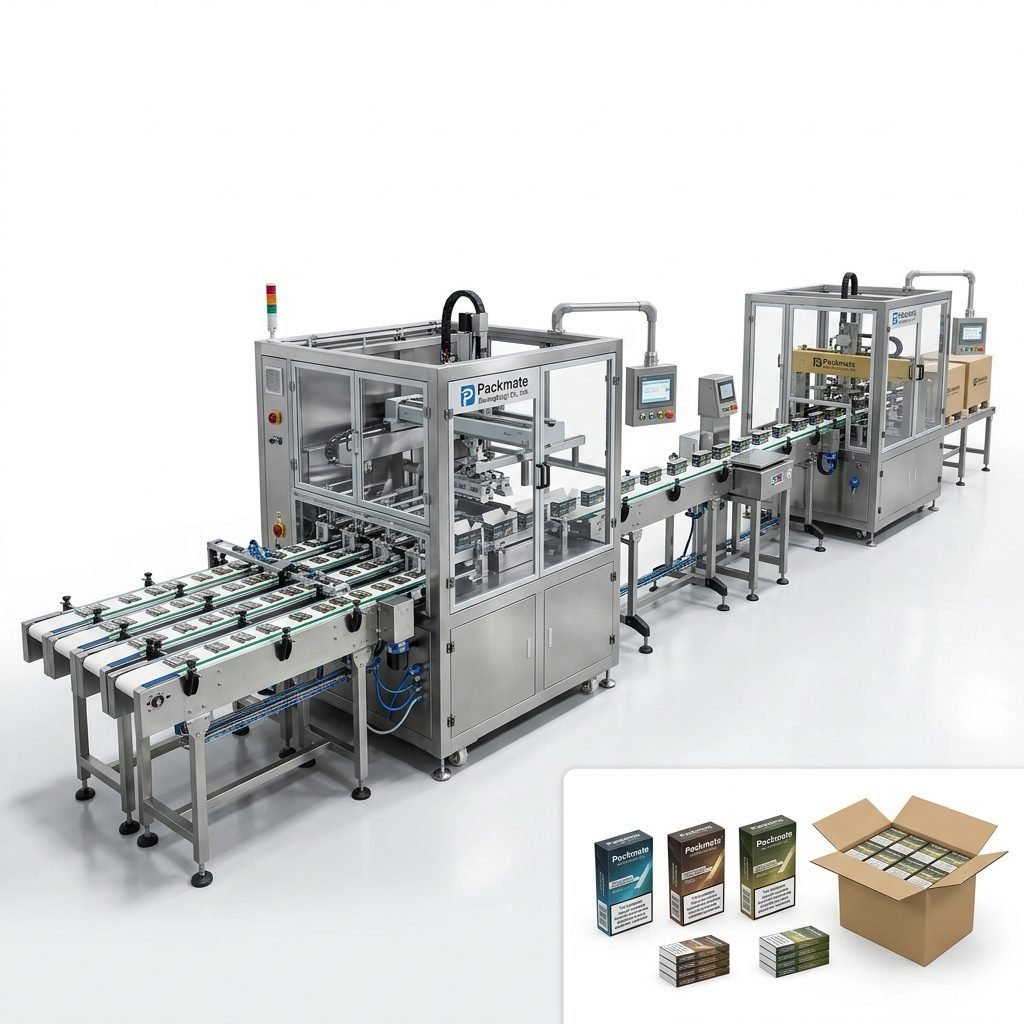
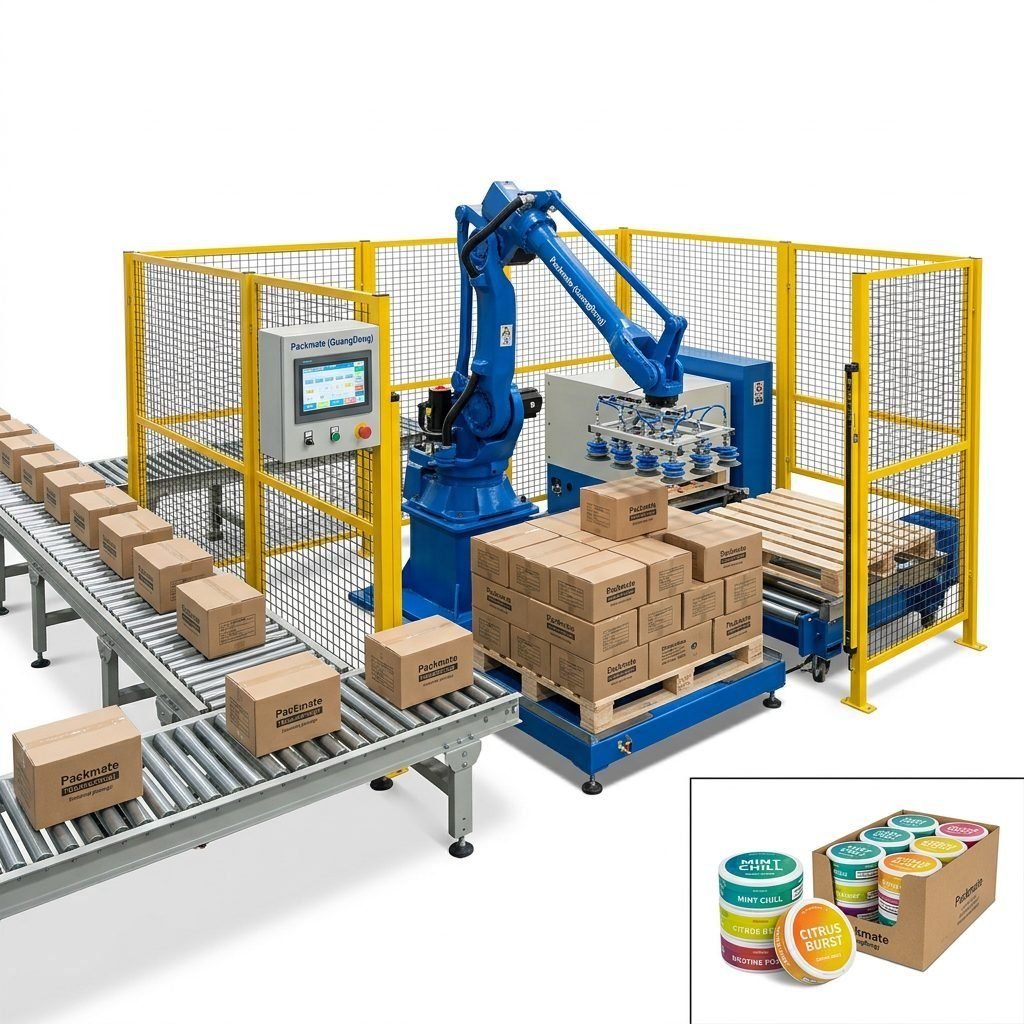
Integration with upstream dosing and downstream case packers, checkweighers, and labeling stations improves line efficiency. Look for PLC-based controls and open protocols for easier integration.
Must-have features: precise weighing, hygienic stainless steel construction, robust sealing, remote support capability, and clear CE/ISO documentation.
Evaluating Suppliers — What to Ask
When comparing suppliers, request detailed data and proofs:
✅ Production demos or videos with the exact product type.
✅ Test reports: weight accuracy logs, throughput, and uptime statistics.
✅ Spare-parts lists and lead times for shipment to Djibouti Port.
✅ Training and commissioning package including language options (French/Arabic/English).
Packmate’s extensive portfolio (50+ models) and global turnkey experience make it a candidate worth evaluating — learn more About Packmate or review real-world installations in the Case section.
Installation, Commissioning & Local Requirements in Djibouti
A successful deployment balances technical setup with local logistics. Key steps:
📌 Pre-shipment: request FAT (Factory Acceptance Test) videos and spare-part kits.
📌 Customs: ensure machine paperwork (CE, packing list, invoice) aligns with Djibouti customs requirements to prevent delays at the port.
📌 On-site: schedule bilingual technicians or local interpreters for smoother commissioning and operator training.
Maintenance Best Practices for Longevity
Regular maintenance prevents unexpected stops and preserves product quality. Recommended routine:
🔧 Daily: visual inspection, cleaning of product contact surfaces, and verify seal temperatures.
🔧 Weekly: check belts, sensors, and lubrication points; confirm weight calibration.
🔧 Monthly: software backups, PLC health checks, and inventory of critical spares like sealing bars and sensors.
Spare parts tip: stock high-wear items locally to avoid long port delays — sealing elements, belts, and sensors are common priorities.
Estimating Cost & ROI
Calculate ROI by factoring machine price, installation, shipping & customs, local modifications, consumables (film, nitrogen), labor, and expected product margin. Fast, accurate lines reduce product giveaway and labor costs, often improving ROI even with a higher initial investment.
Where to Buy & Who to Contact
Evaluate suppliers who provide turnkey services and global shipping to Djibouti. Supplier references and exhibition demos help confirm real-world performance. Explore these resources:
– Snus & Nicotine Packaging Machines
– Sachet & Stick Pack Machines
– About Packmate — company history, certifications, and manufacturing strength.
For more proof of performance, check the Case section and request a demo or FAT video before purchase.
Buyer Checklist Before You Sign
Use this quick checklist to compare offers and avoid surprises:
1) Production capacity meets target throughput with 15–30% headroom.
2) Supplier provides CE/ISO documents, FAT records, and a spare parts list.
3) Clear plan for installation, training in French/Arabic/English, and remote support.
4) Demonstrated performance on similar products and climates.
Final Recommendations for Djibouti Buyers
Prioritize machines with robust sealing and short product exposure times to withstand heat and humidity. Look for modular multi-lane options if you anticipate rapid scale-up, and insist on clear documentation and commissioning support for customs clearance at Djibouti Port. A reputable manufacturer with decades of experience and global turnkey projects can simplify your procurement and installation — consider providers with verifiable CE/ISO certifications and case studies.
Need immediate assistance?
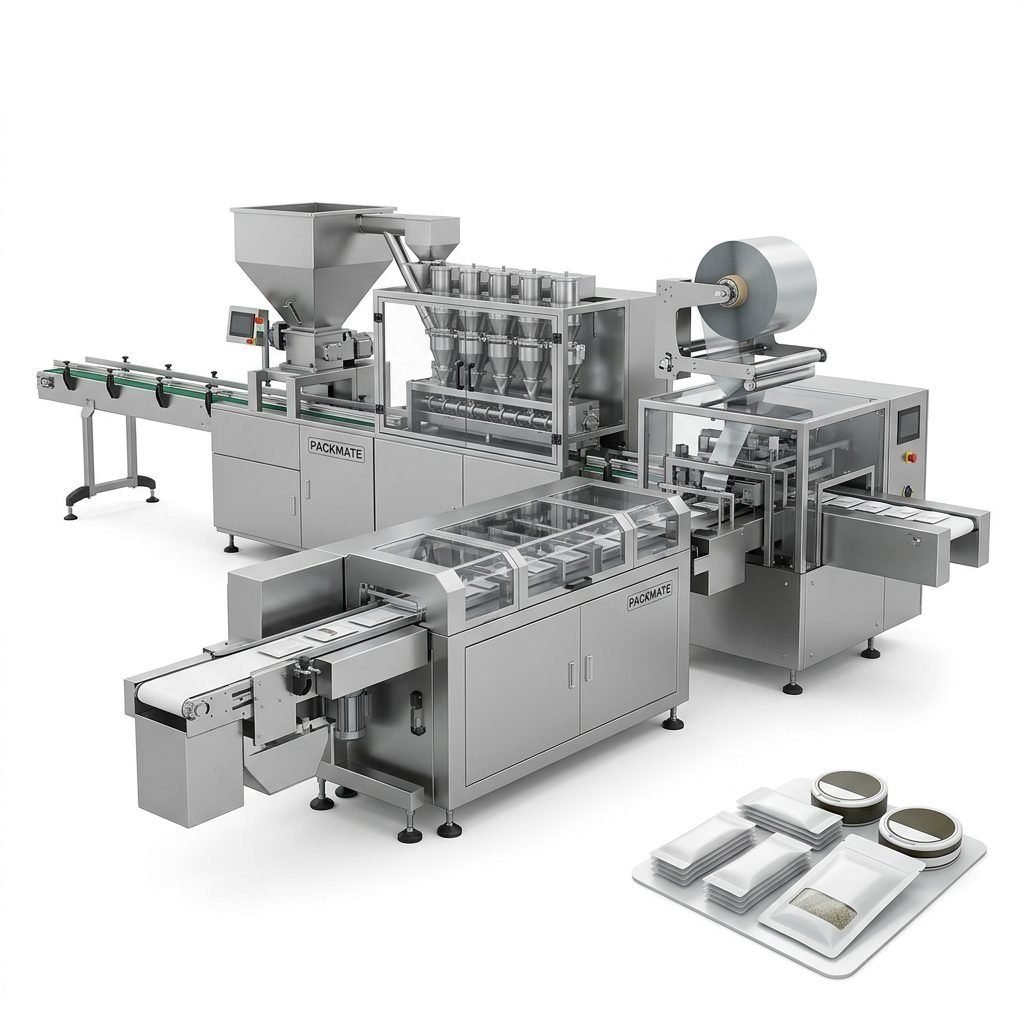
Contact suppliers who offer direct support and can arrange demonstrations. If you want a full packaging line including weighing and auxiliary equipment, review Filling & Packaging Lines and Auxiliary Packaging Equipment to configure a complete solution.
FAQs
Q1: What machine type is best for small-batch nicotine pouches?
A: For small batches and high flexibility, choose a single- or dual-lane snus/nicotine pouch machine with easy format changeovers. These allow quick adjustments to pouch size and dosing without needing a multi-lane investment.
Q2: How important are CE/ISO certificates for importing into Djibouti?
A: Very important. CE/ISO documentation not only demonstrates compliance and safety standards but also simplifies customs clearance and gives importers confidence when negotiating distribution and regulatory approval.
Q3: Can machines handle Djibouti’s hot climate without special modifications?
A: Many standard machines work fine, but you should choose options for enhanced sealing control, nitrogen flushing, and corrosion-resistant components. Discuss climate-related customizations with the supplier to ensure reliable long-term operation.
Q4: How soon can spare parts be shipped to Djibouti?
A: Lead times vary by supplier and part. Negotiate critical-spare inventory or air-shipping options in your purchase contract to minimize downtime. Reputable manufacturers provide parts lists and estimated lead times during the sales process.
Q5: Where can I see real examples of machines in operation?
A: Request FAT videos and customer case studies from suppliers. Visit the Case and Our Exhibition pages for real-world examples and live demonstrations when available.