Choosing the right snus packaging machinery manufacturer for operations in Armenia requires more than a simple price comparison. You need a partner who understands small-dose pouch production, local regulatory requirements, supply-chain realities, and the cultural nuances that affect product design and market acceptance. The following guide walks you through practical steps and decision criteria to help you select a reliable manufacturer that matches your production needs and growth plans.
Understand Your Production Requirements First
Start by documenting your current and projected production volumes, pouch sizes, formats (loose snus pouches, stick packs, sachets), and any multi-lane requirements. Are you producing small artisan batches for local Armenian markets or scaling for regional export? Knowing whether you need a single-lane high-precision filler or a multi-lane high-speed line will guide the choice between simple machines and turnkey automated solutions.
Key questions to answer
• What is the daily and monthly target output?
• Which pouch formats will you run (nit pouch, sachet, stick pack)?
• Do you require integrated weighers, dosing systems, or shrink/secondary packaging?
• What are the smallest and largest pouch weights you will process?
If you plan to export to neighboring markets (Russia, EU), factor in extra capacity and CE / ISO compliant documentation early in your specification.
Machine Types and What They Mean for Your Line
Different packaging formats require distinct machinery. A clear understanding of each machine type helps you avoid overspending or buying under-capacity equipment.
Sachet & Stick Pack Machines
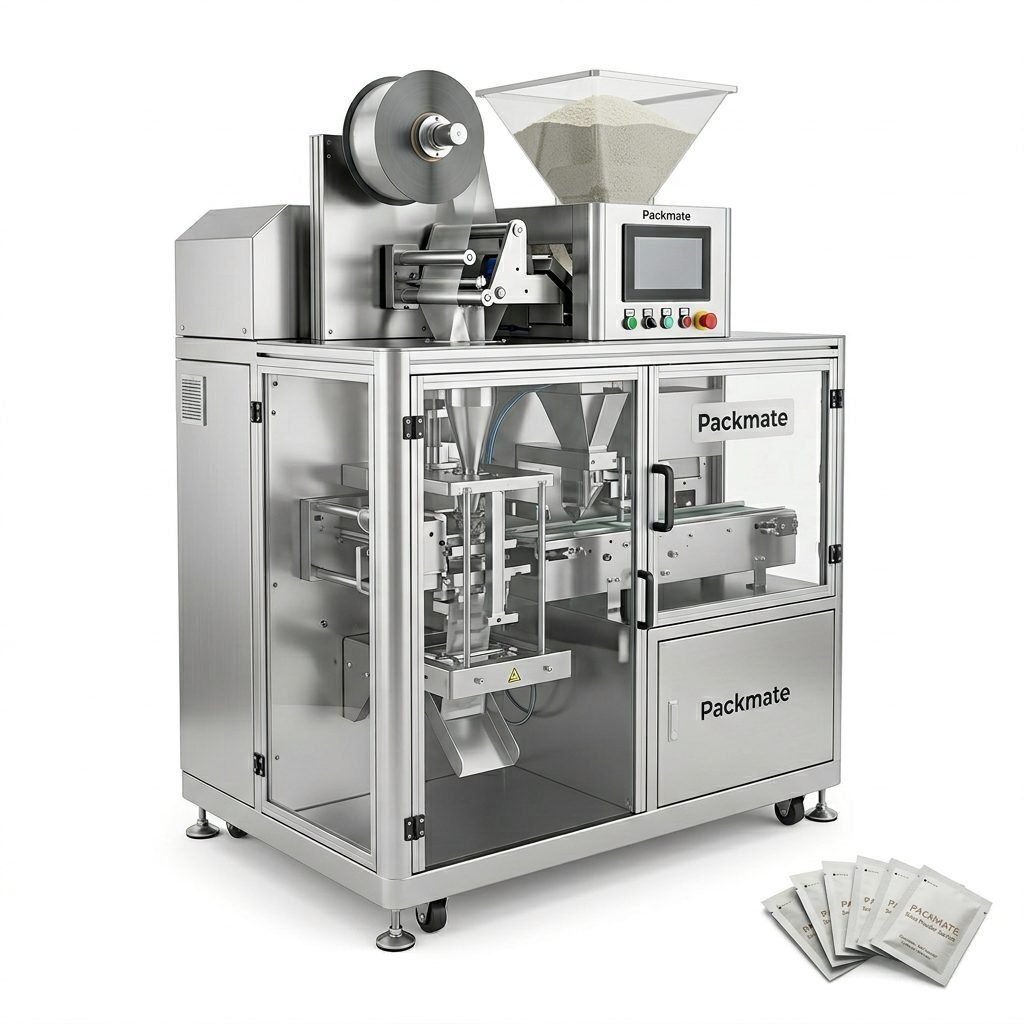
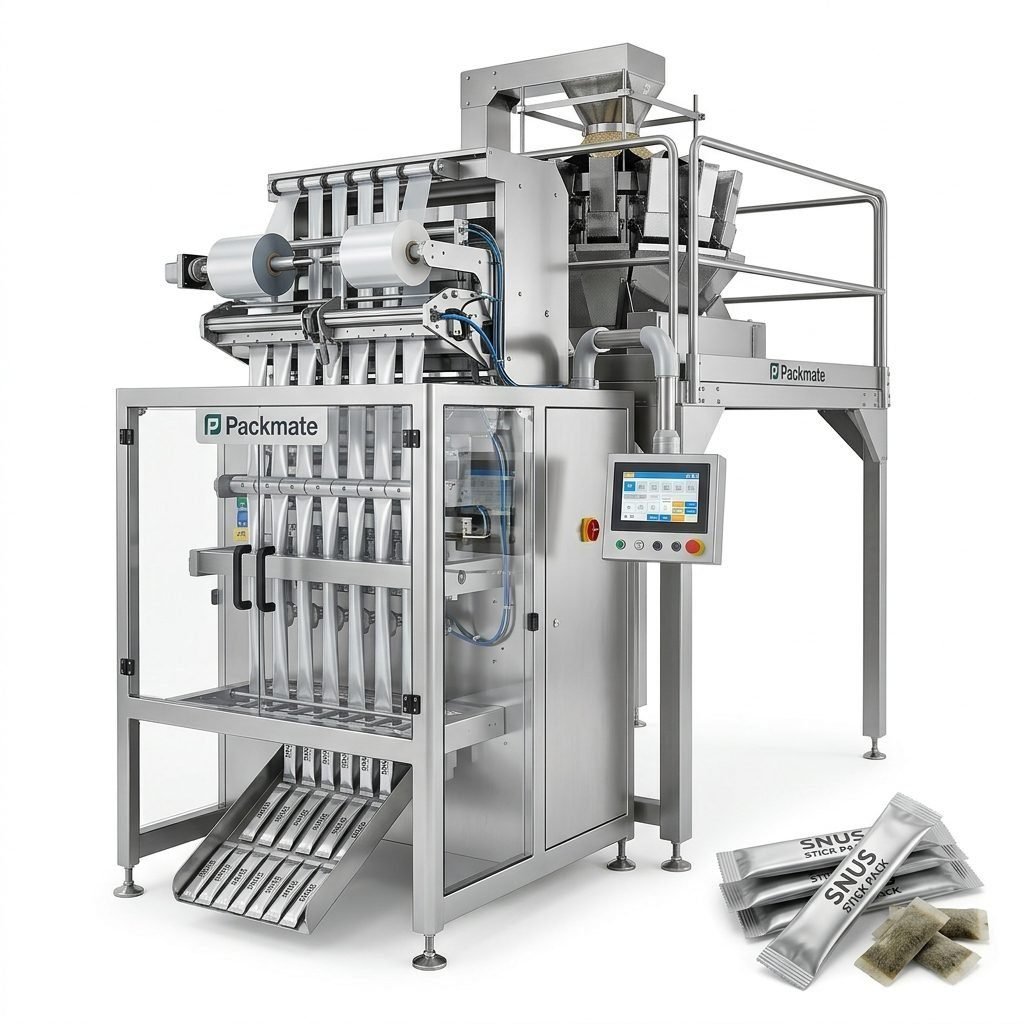
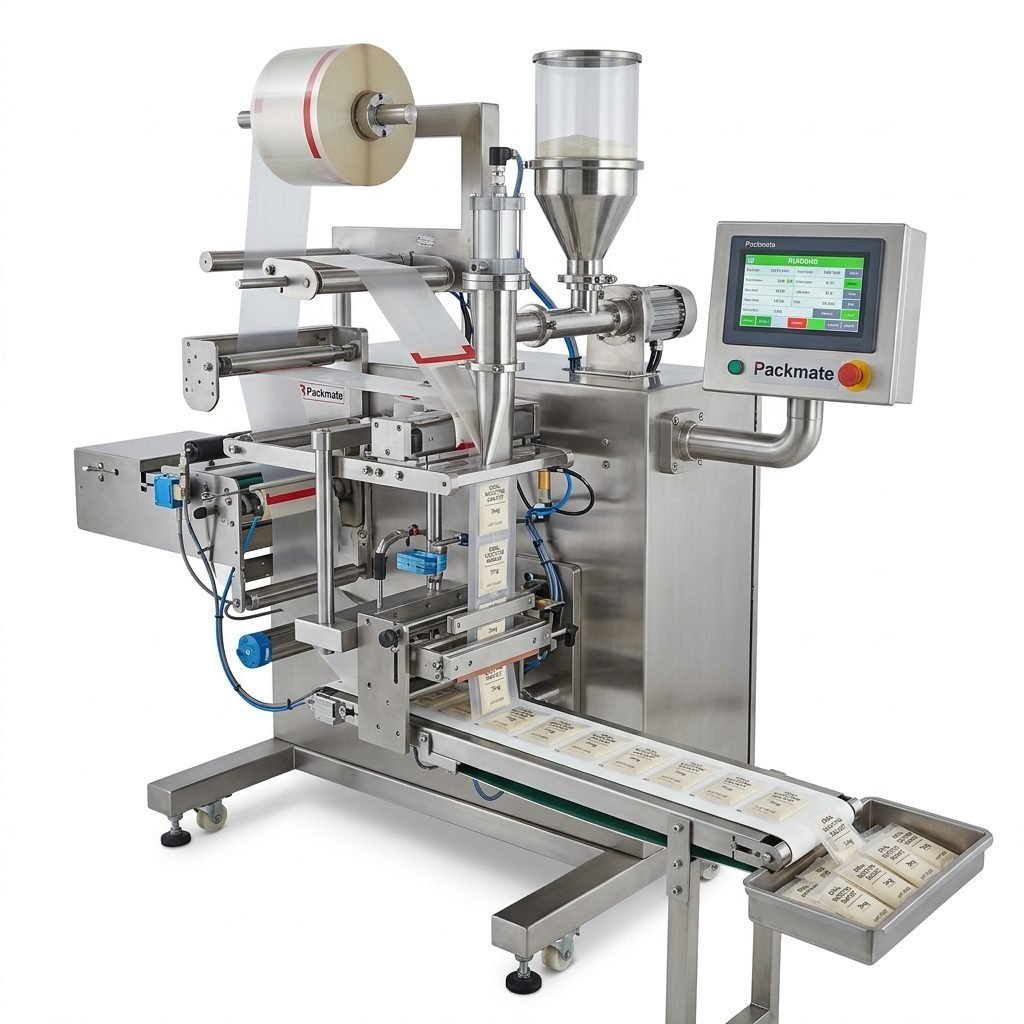
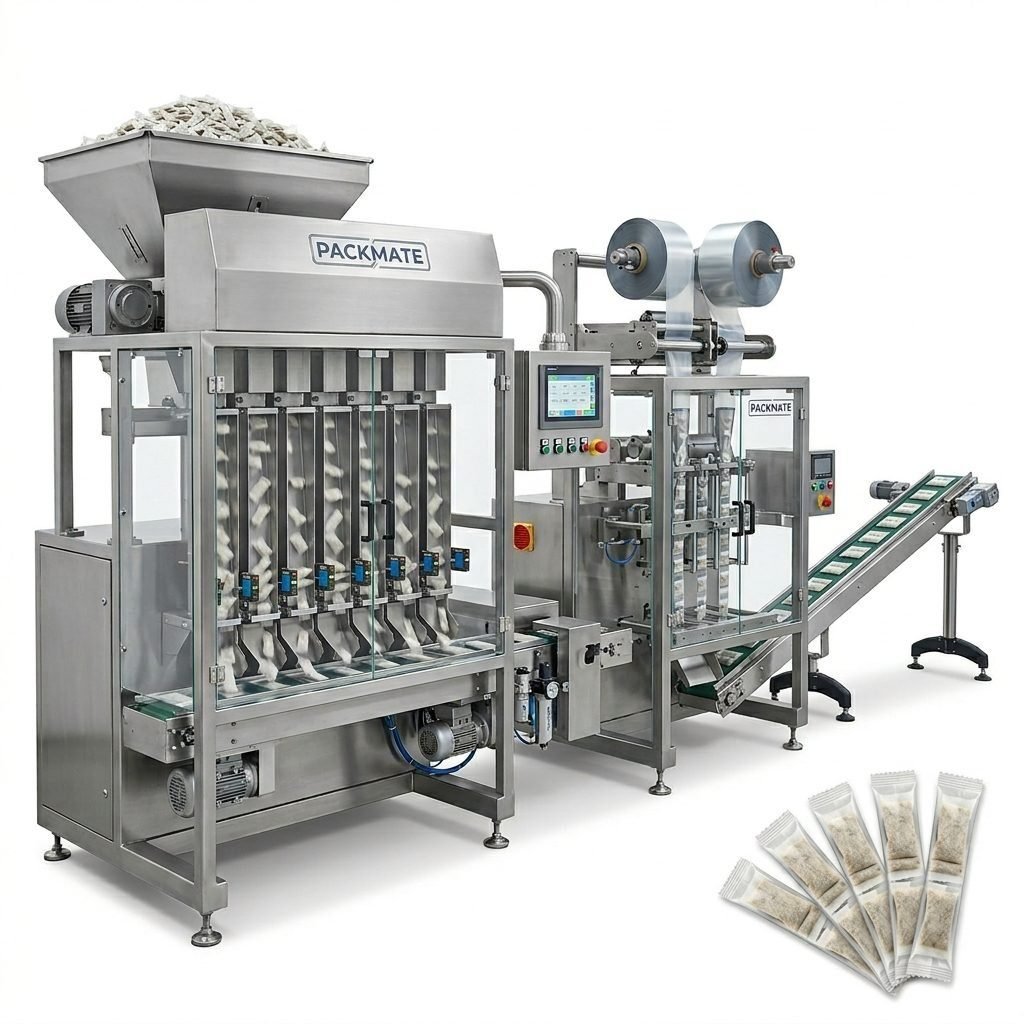
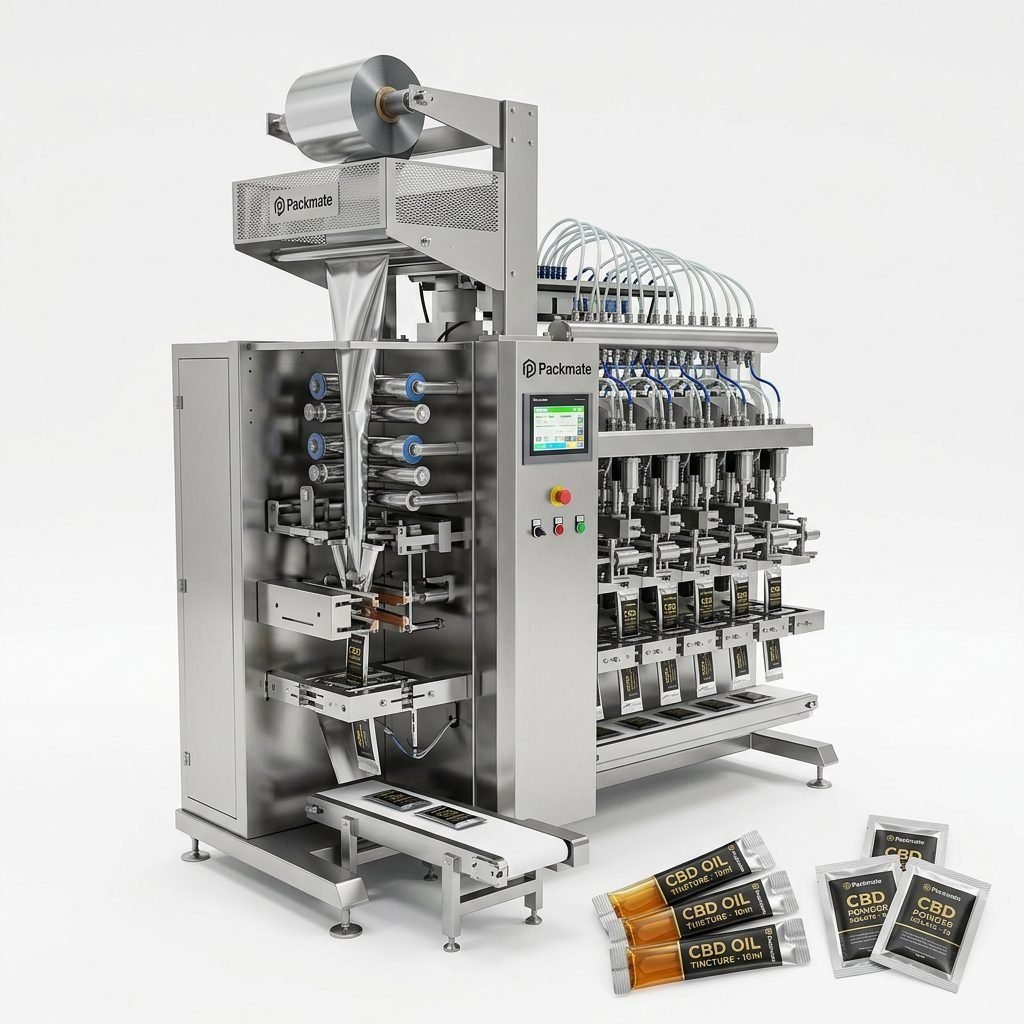
Sachet and stick pack machines are ideal for single-dose nicotine pouches and keep material waste low. They are suitable for smaller footprint factories and can be configured as multi-lane systems to increase throughput. See typical models and capabilities in a dedicated product range: Sachet & Stick Pack Machines.
Multi-Lane Snus / Nicotine Pouch Machines
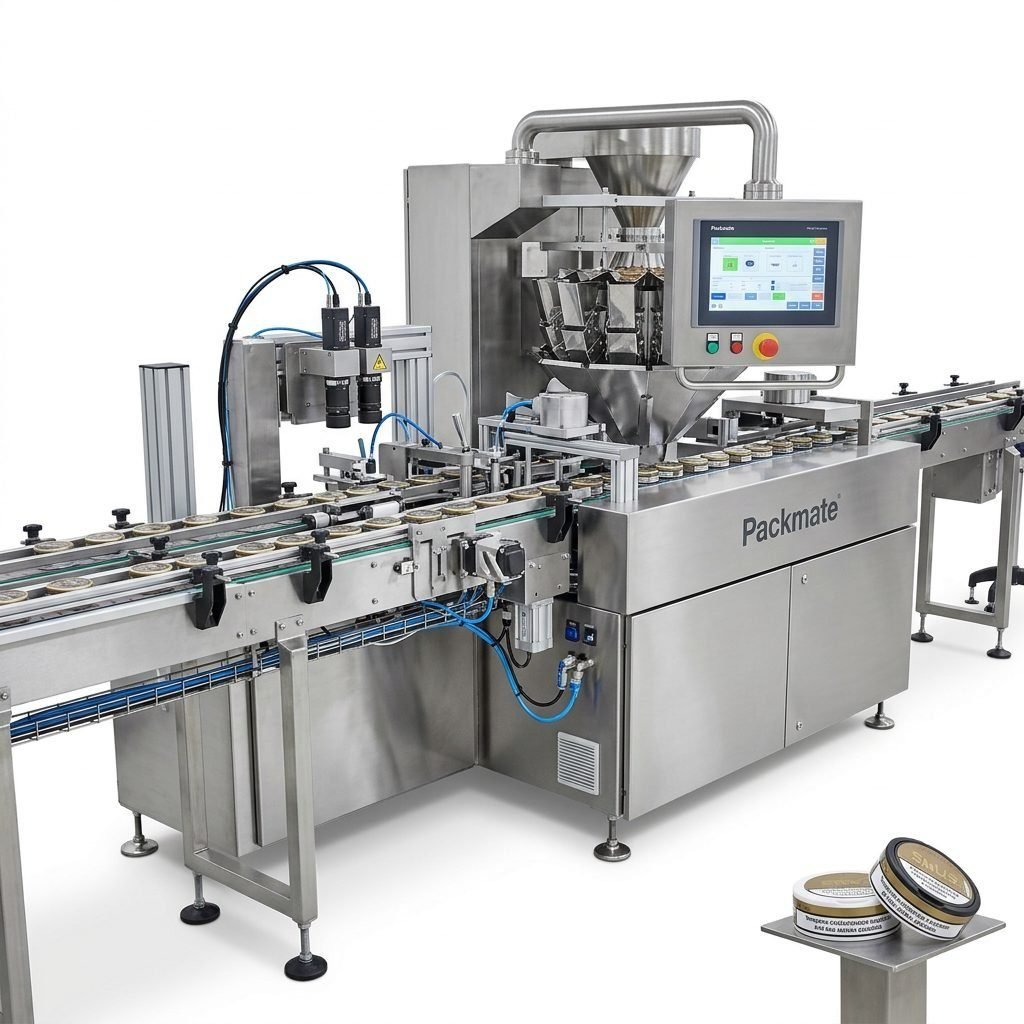
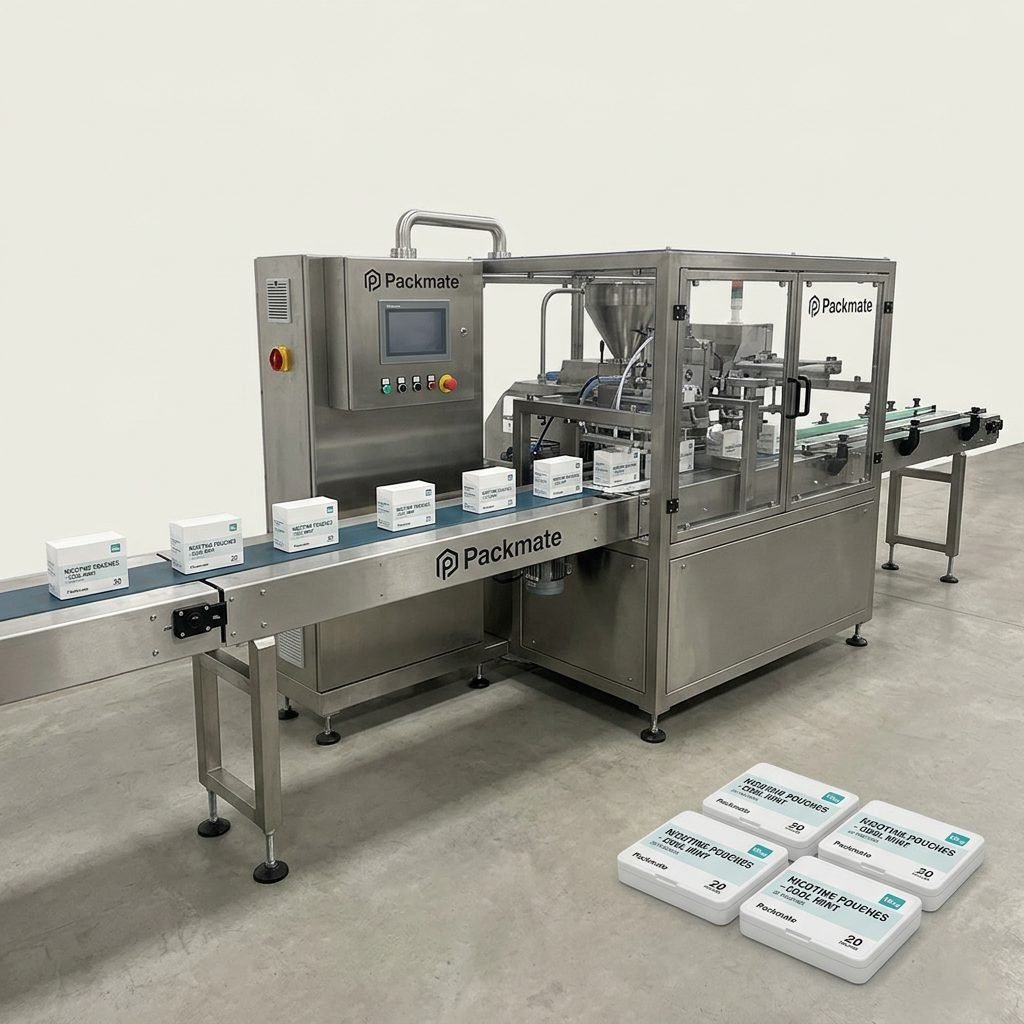
Multi-lane systems are the answer for brands scaling quickly. They balance speed and flexibility and often integrate dosing, weighing, and secondary packaging. Review multi-lane options here: Snus & Nicotine Packaging Machines.
Technical Specifications to Compare
When evaluating manufacturers, always compare technical specs rather than sales claims. Critical specs include accuracy of dosing, speed (pouches/minute per lane), changeover time, hygienic design, and usable material compatibility (powder, granule, liquid, or wet snus).
Ask for performance data under your product conditions, not generic figures. Request test runs using your actual pouch formulation and weigh samples produced during trials.
dosing accuracy (mg), rejected pouch rate (%), mean time between failures (MTBF), and average changeover time (min).
Quality, Certifications and Compliance
For operations in Armenia that may service regional export markets, selecting manufacturers with international certifications is essential. Certifications like CE and ISO signal adherence to global safety and quality standards and ease customs and regulatory checks.
Verify certificate authenticity and ask for a list of recent factory audits, spare-part lead times, and documented calibration procedures. A transparent quality management system reduces downtime and regulatory risk.
Packmate Example
Suppliers like Packmate highlight 30+ years of engineering experience, a 20,000㎡ factory, advanced CNC machining, and CE/ISO compliance — all valuable indicators of capability when assessing long-term partners. Learn more on the manufacturer’s profile: About Packmate.
Customization and Turnkey Solutions
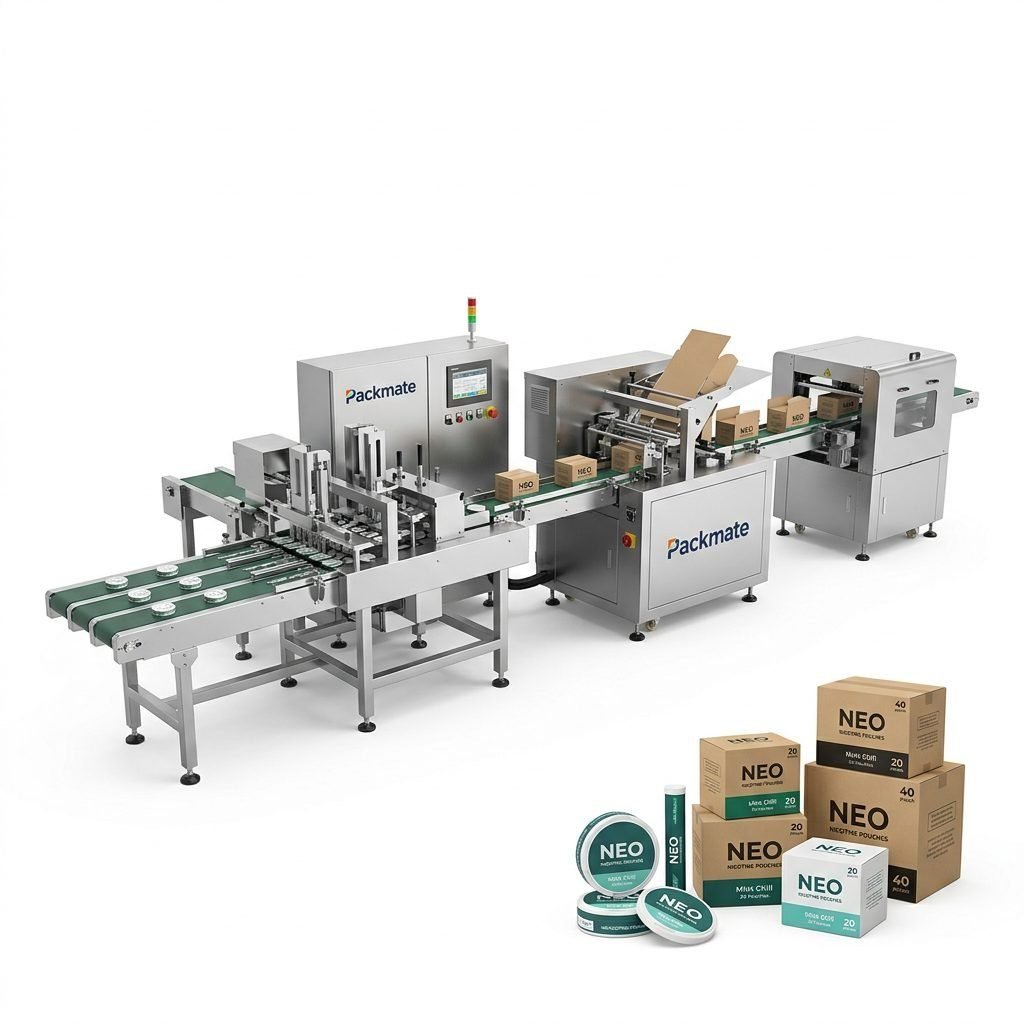
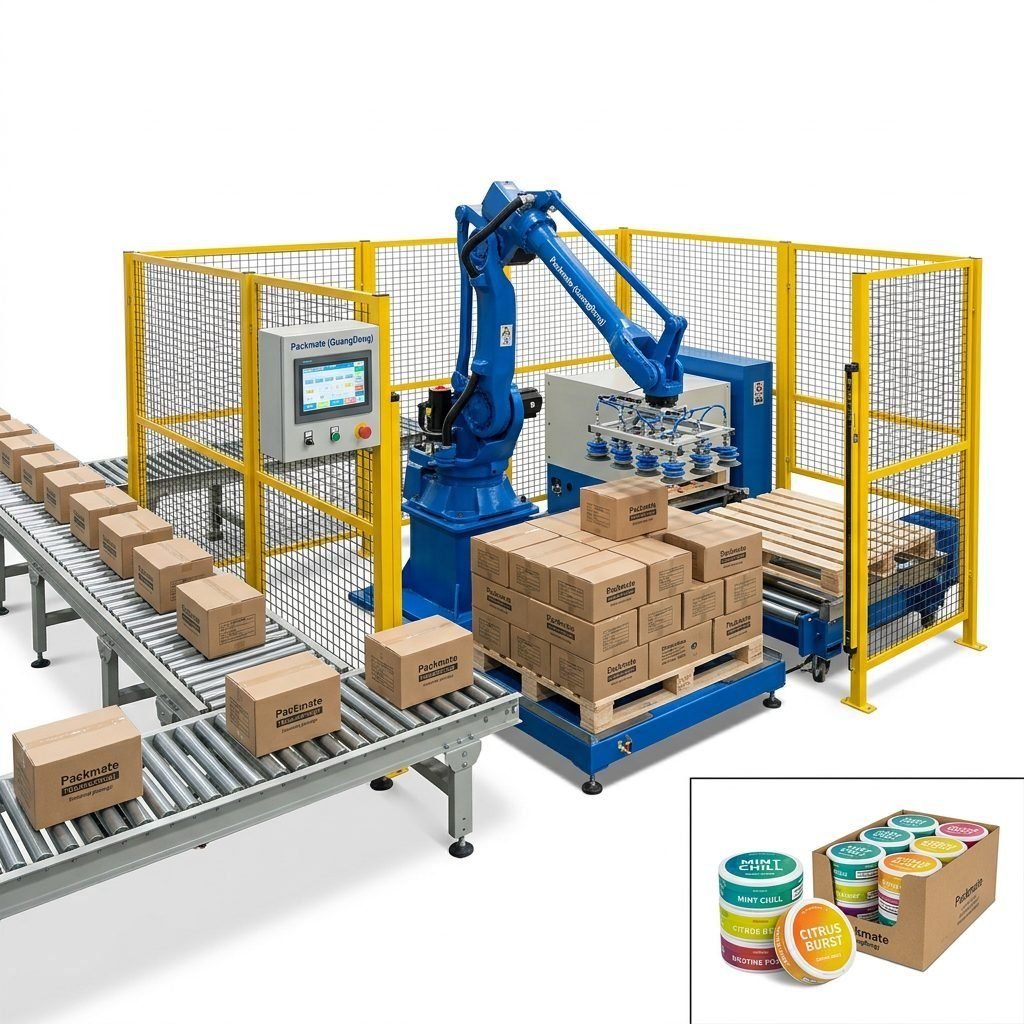
Many Armenian producers prefer turnkey solutions that include filling, sealing, secondary packaging, and palletizing. Customization for local labeling (Armenian language), pack sizes, and shelf-ready packaging is frequently necessary. Choose manufacturers that provide flexible PLC programming and rapid tooling changeovers.
If you want to offer region-specific flavors or limited editions for Armenian holidays (e.g., Vardavar, Easter traditions), ensure the line supports short runs and quick changeovers.
After-Sales Support, Spare Parts, and Service Network
Reliable after-sales service is often the difference between a good purchase and a successful production strategy. Confirm the manufacturer’s spare parts inventory, average spare-part delivery times to Armenia, remote support capabilities, and the availability of certified technicians for on-site repairs.
Strong suppliers provide documentation, operator training, preventive maintenance schedules, and a clear escalation matrix. Check references and look for case studies similar to your project: Case.
Request references from customers operating in climates and supply chains similar to Armenia. Look for long-term relationships and recorded MTBF improvements after machine upgrades.
Local Considerations for Armenia
Armenia has specific market, cultural, and logistical considerations that influence machine selection:
Regulatory & Labelling
You must comply with Armenian labeling and health-warning requirements. Machines that can apply labels, print batch codes, and handle Armenian language fonts (Unicode support) simplify compliance and reduce manual handling.
Market Preferences & Cultural Fit
While snus products are relatively new to the South Caucasus, Armenian consumers value quality and local branding. Consider offering small-batch artisanal product lines with tailored packaging—a machine with quick format changeover can support this strategy.
Logistics & Power Supply
Ensure the supplier can advise on voltage compatibility and provide local technical support. Manufacturers who export to the region should be experienced with customs documentation and export packaging to prevent delays.
Cost, ROI and Financing
Total cost of ownership includes installation, training, spare parts, and expected lifetime throughput. Request a simple ROI model from the supplier showing payback period based on realistic production scenarios. Factor in energy efficiency, yield improvements from precise dosing, and downtime reduction from better service.
Ask about leasing, phased upgrades, or buy-back programs if you plan to expand capacity over time.
How to Evaluate and Vet Manufacturers
A structured selection process reduces risk. Steps include:
1. Shortlist manufacturers with experience in snus and nicotine pouch lines.
2. Request machine specifications, references, and video demonstrations.
3. Ask for test runs with your product or samples from similar formulations.
4. Conduct a factory visit or virtual tour; verify machining capability and QC processes.
5. Review contracts for warranty, spare parts, and training obligations.
For a broad view of related systems (weighing, filling, auxiliary equipment), review integrated product ranges: Weighing & Packaging Systems and Auxiliary Packaging Equipment.
certifications, test-run evidence, spare-part lead times, local support plan, and customer references in similar markets.
Making the Final Decision
Balance technical fit, total cost of ownership, and the supplier’s commitment to your market. A manufacturer who offers modular lines, rapid customization, and proven after-sales service is usually the best long-term partner for Armenia’s evolving snus market.
If you want catalogues or to explore full production lines including filling and secondary packaging, check the product ranges and contact channels: Catalog | Contact Us.
Summary Checklist Before Purchase
– Confirm production capacity and pouch formats.
– Verify certifications and real test runs with your material.
– Ensure spare parts availability and defined SLAs for Armenia.
– Assess customization for Armenian labeling and short-run flexibility.
– Review total cost of ownership and ROI projections.
A partner with decades of experience, advanced machining capability, and a documented global track record will minimize risk and accelerate your time-to-market.
Frequently Asked Questions
Q1: How do I know whether to choose a single-lane or multi-lane machine?
A1: Choose based on projected throughput and product mix. Single-lane suits low-volume or multiple-format lines; multi-lane suits higher volume with consistent formats. Run a production forecast to decide.
Q2: Are CE and ISO certificates sufficient for exporting from Armenia?
A2: CE and ISO are important for international markets and often required by importers. Also verify destination-country regulations for nicotine and tobacco-containing products.
Q3: What after-sales support should I insist on?
A3: Ask for spare-part lists and lead times, remote troubleshooting capability, on-site training for operators, and a clear warranty and service agreement.
Q4: Can manufacturers test my product before purchase?
A4: Reputable manufacturers will conduct test runs using your actual product or a close simulation. Always request sample reports and videos or invite to witness a trial.
Q5: How important is local language support (Armenian)?
A5: Very important for labeling compliance and operator training. Ensure the control system supports Armenian fonts for labels and that training materials are translated or that a local translator is available.