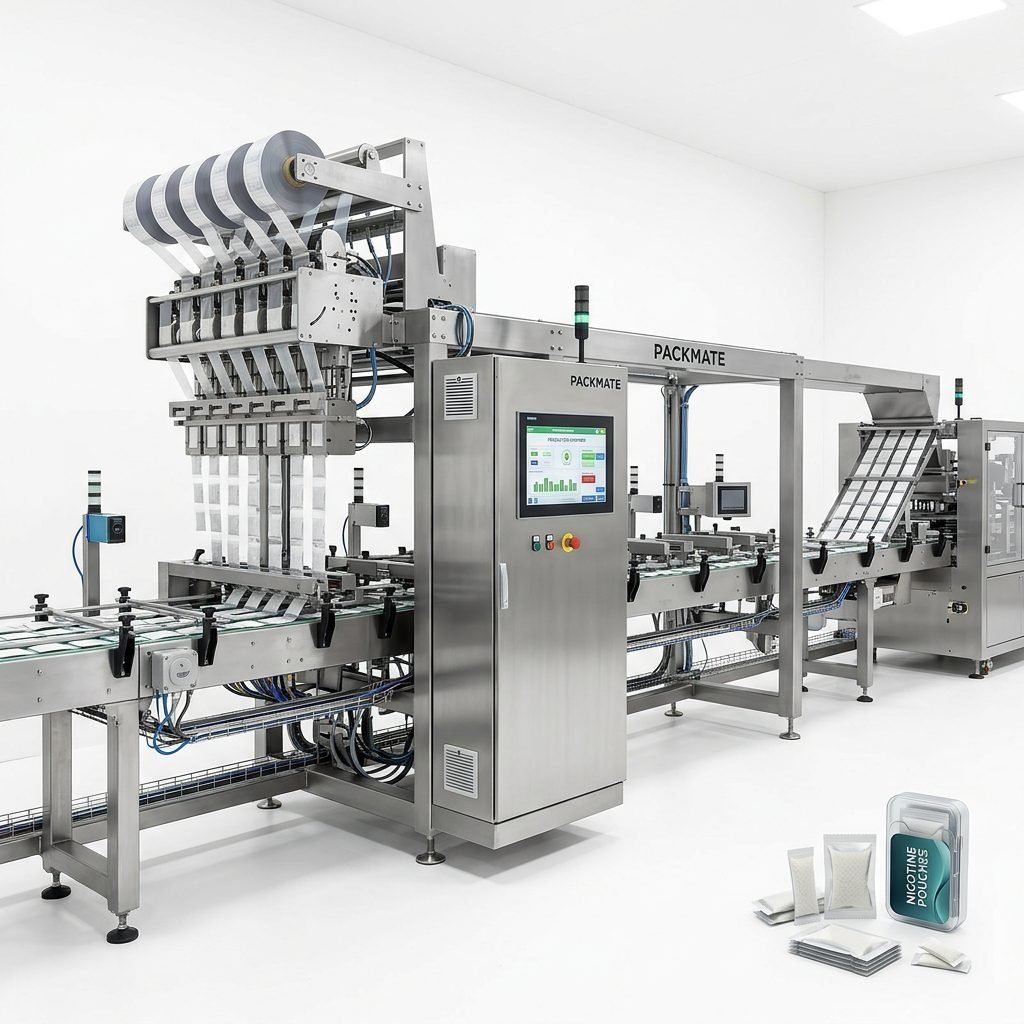
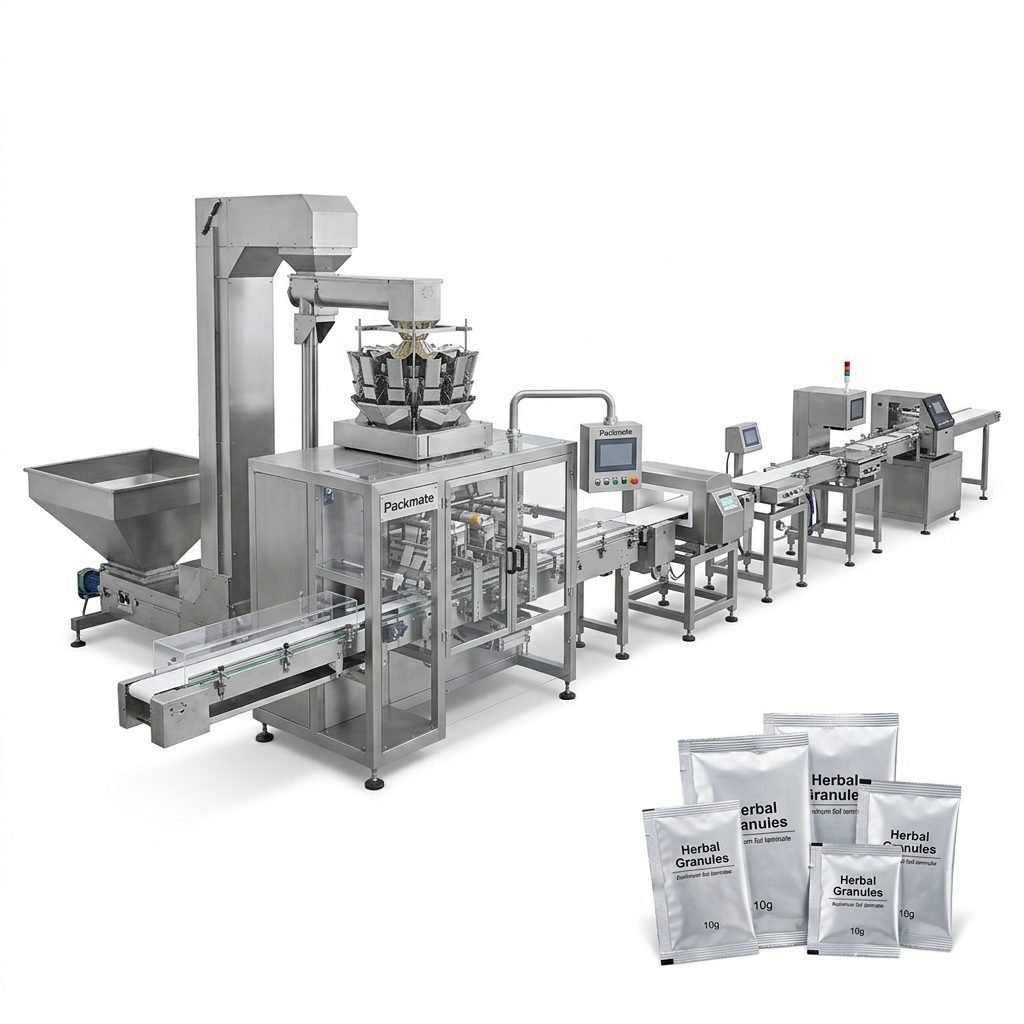
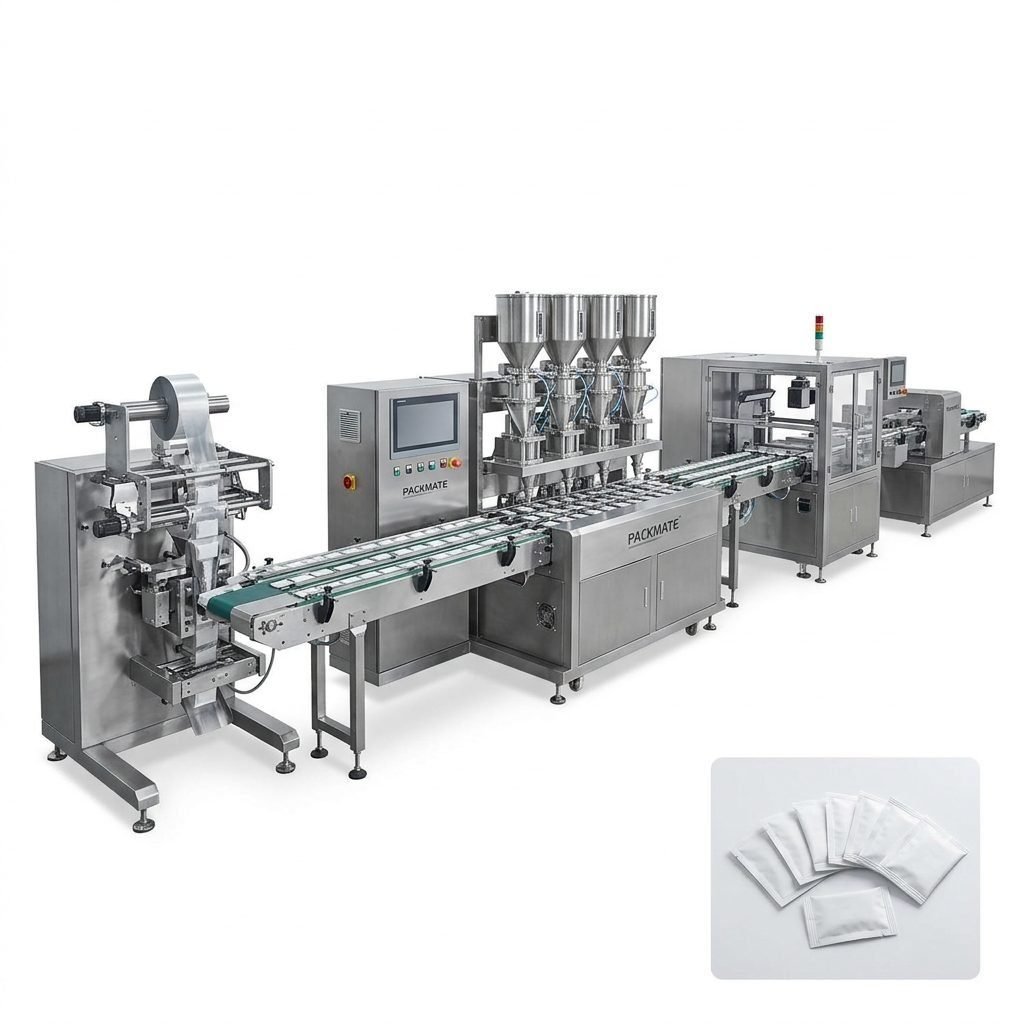
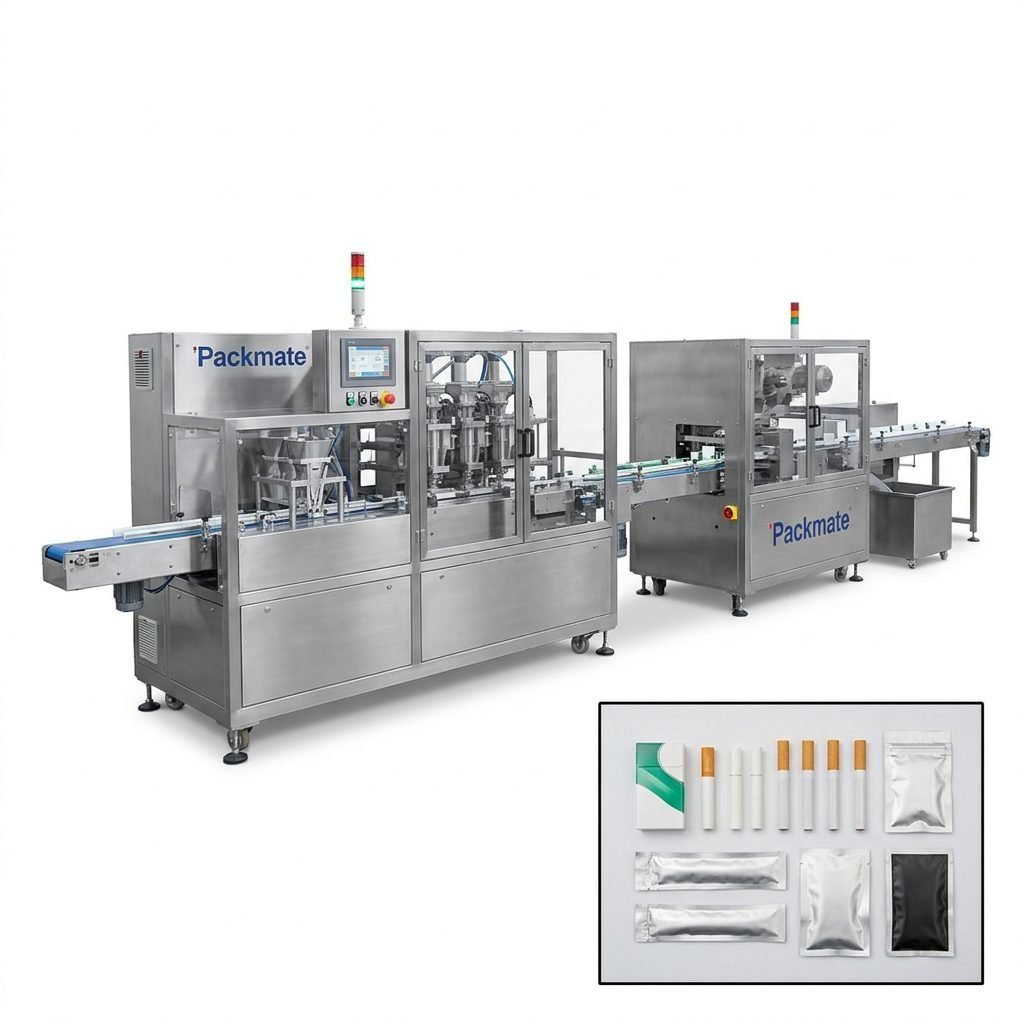
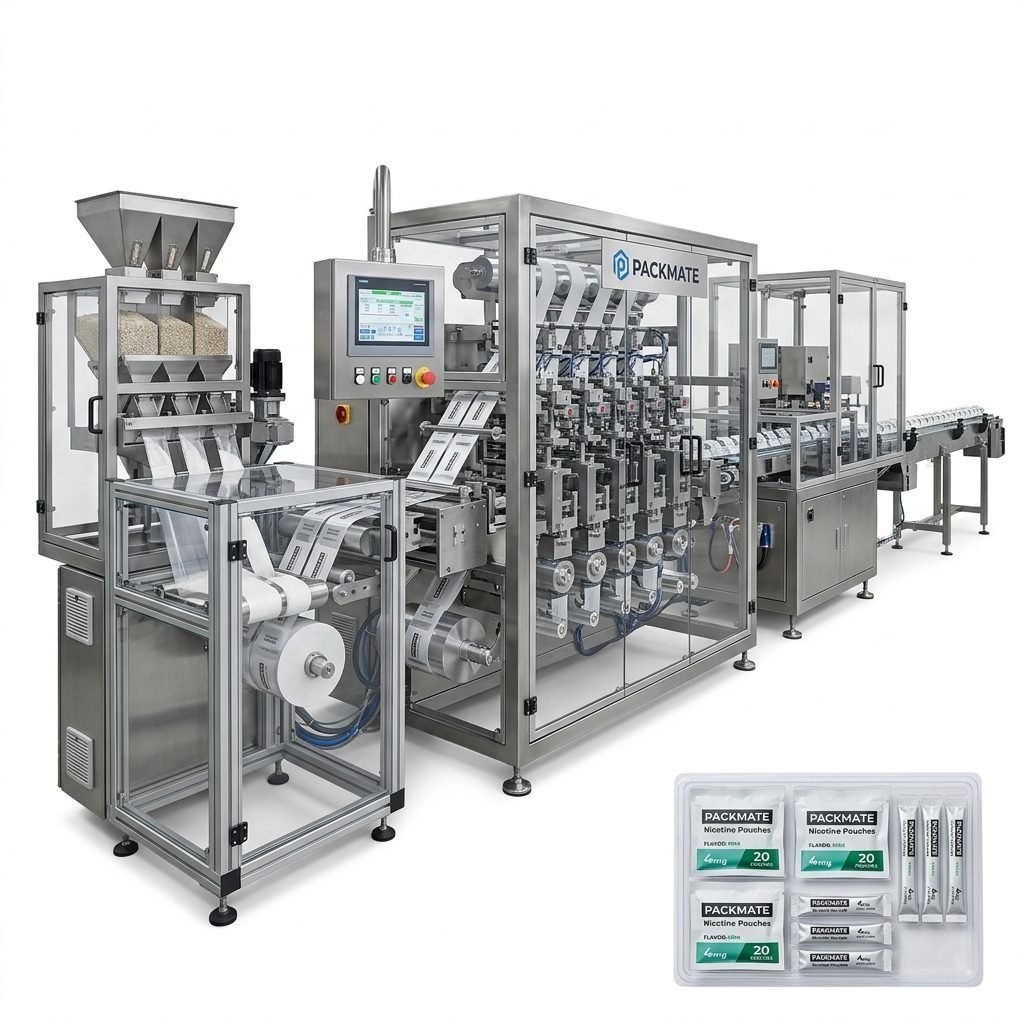
In today’s evolving tobacco-alternative market, compact snus production equipment is becoming an essential choice for modern manufacturers who need flexibility, cost-effectiveness, and fast time-to-market. Small-scale snus making machines allow brands to pilot new recipes, respond to niche consumer demands, and scale production with minimal capital outlay. This article explores the features, benefits, technical considerations, and real-world applications of efficient small-scale snus lines — with practical guidance to help you select and deploy the right setup for your operation.
Why Compact Snus Production Matters for Modern Manufacturers
Smaller footprint, faster ROI: Compact snus machines reduce factory space requirements and allow companies to start production quickly. For startups and regional producers, this translates into reduced upfront costs and faster return on investment.
✅ Flexibility to test and iterate — With small-batch capabilities, R&D teams can evaluate multiple formulations and pouch sizes without tying up large-scale lines.
🔧 Lower technical complexity — Compact equipment usually features user-friendly controls and modular designs that simplify training and maintenance, ideal for fast-growing brands.
Key Market Drivers
Consumer demand for nicotine pouches and portioned oral products continues to diversify. In many regions, smaller manufacturers are capturing market share with innovative flavors, discreet portion formats, and targeted marketing. Compact snus production equipment supports this trend by enabling local and regional production runs that align with consumer preferences.
Industry insight: For brands expanding into new markets, on-site small-scale lines can reduce logistics and compliance complexity while improving responsiveness to regulatory or flavor changes.
Core Features of Efficient Small-Scale Snus Machines
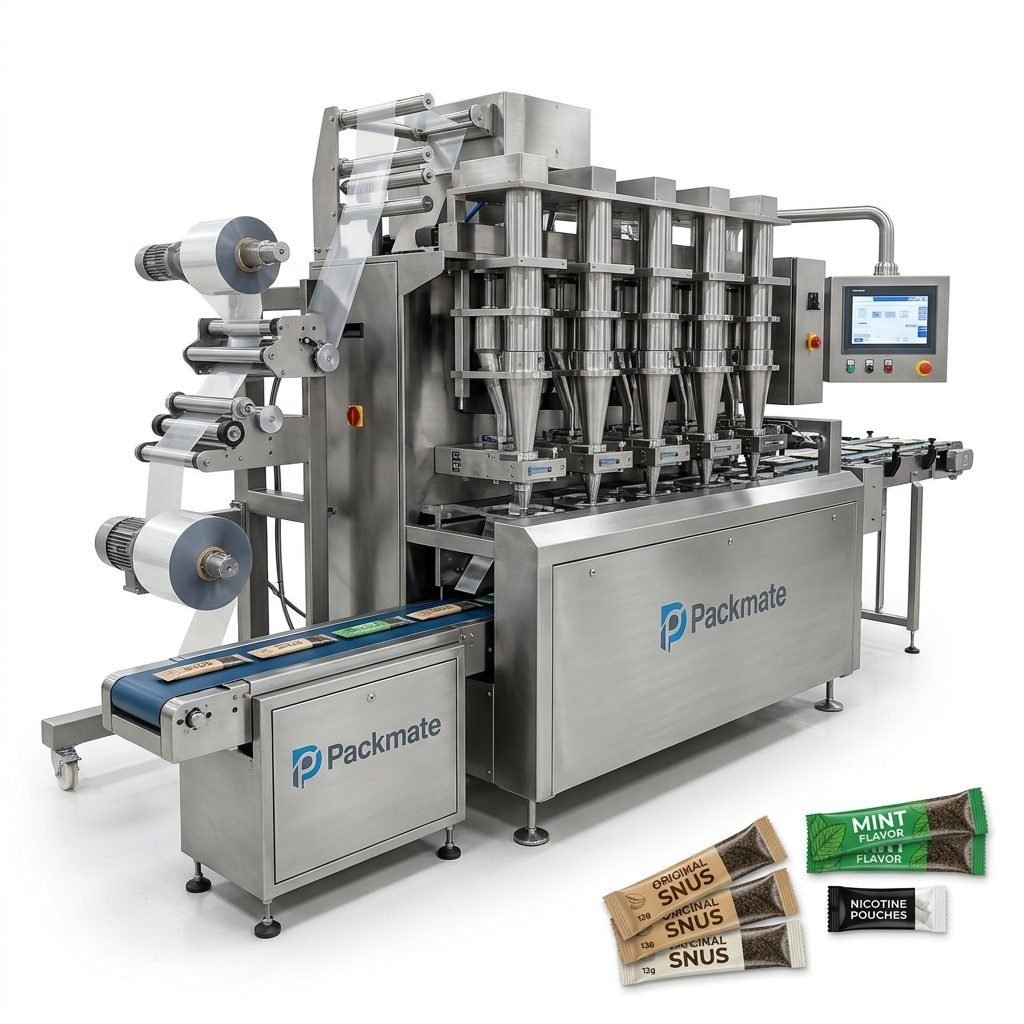
Compact snus production equipment typically includes integrated modules for dosing, blending, pouch forming or filling, sealing, and packaging. The most successful designs balance throughput with flexibility and sanitary design.
1. Precise dosing and portion control
Accurate dosing is critical for nicotine products. Look for machines with electronic weighing or volumetric systems fine-tuned for small-dose portions. Precise portioning reduces waste and ensures label compliance.
2. Multi-lane and single-lane flexibility
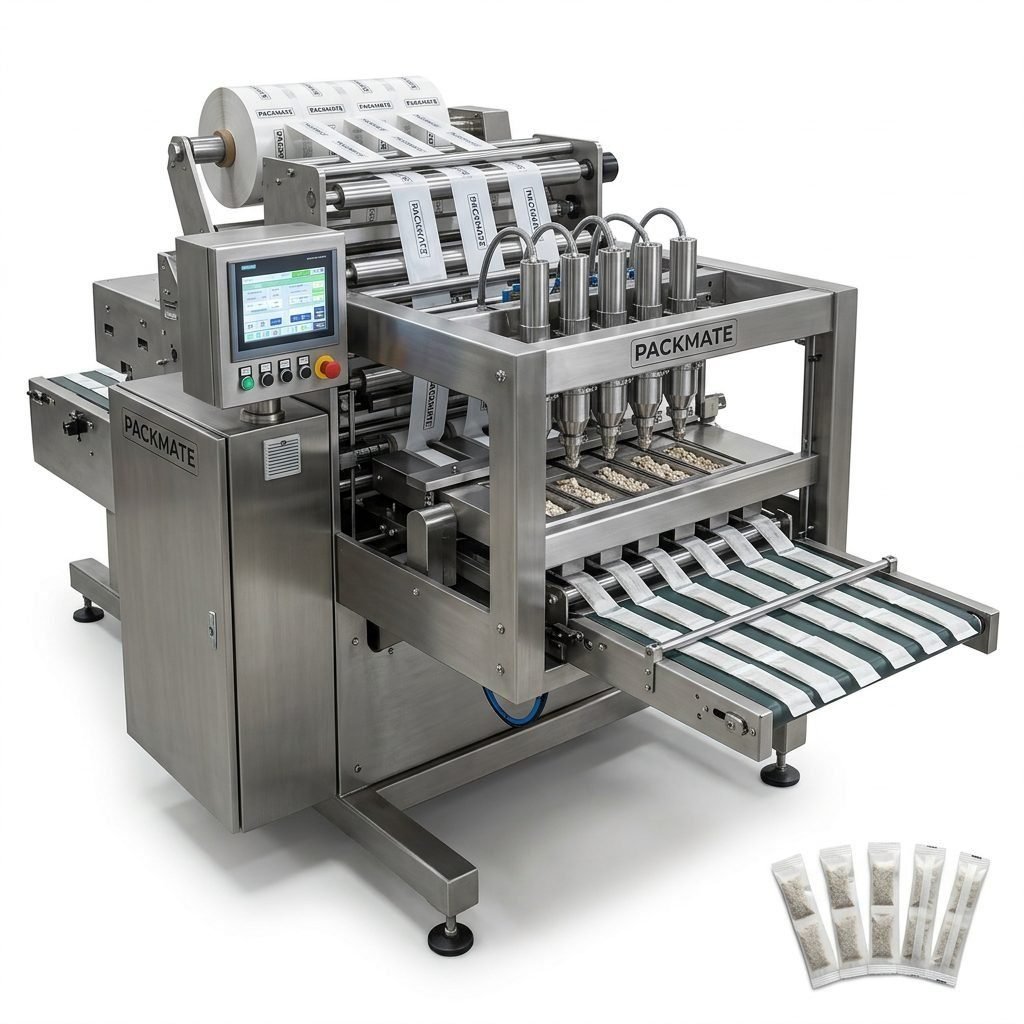
Some compact systems offer multi-lane heads that can run several small lanes simultaneously, giving you higher aggregate output without moving to a heavy industrial line. Others prioritize single-lane agility for frequent changeovers.
3. Sanitary and easy-clean design
Stainless-steel contact parts, quick-release mechanisms, and CIP-friendly components reduce downtime during changeovers and ensure product safety.
⚠️ Compliance tip: Ensure your chosen configuration supports traceability, batch coding, and cleaning validation — essential for regulatory acceptance in many markets.
Typical Production Workflow on a Small-Scale Line
Understanding the step-by-step workflow helps in planning factory layout, utilities, and staffing. The compact line often follows these stages:
1) Raw material handling — Ingredient blending, moisture control, and pre-weighing.
2) Portioning — Micro-dosing or precision weighing units fill each pouch to specification.
3) Pouch forming/filling — Depending on product type, this step forms fiber pouches, sachets, or soft portions.
4) Sealing & coding — Reliable heat or ultrasonic sealing with date/lot printing.
5) Secondary packaging — Cartoning or overwrapping for shelf-ready presentation and distribution.
Common Machine Types for Compact Production
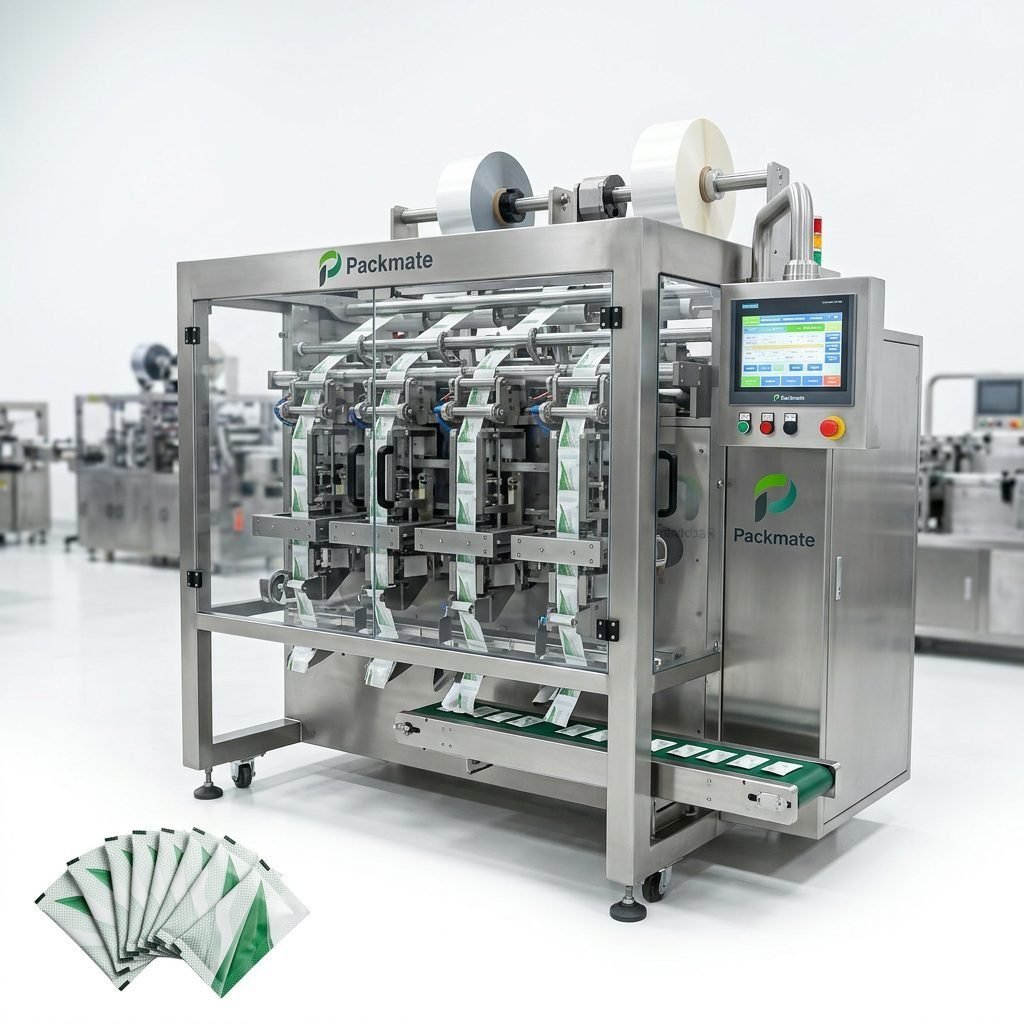
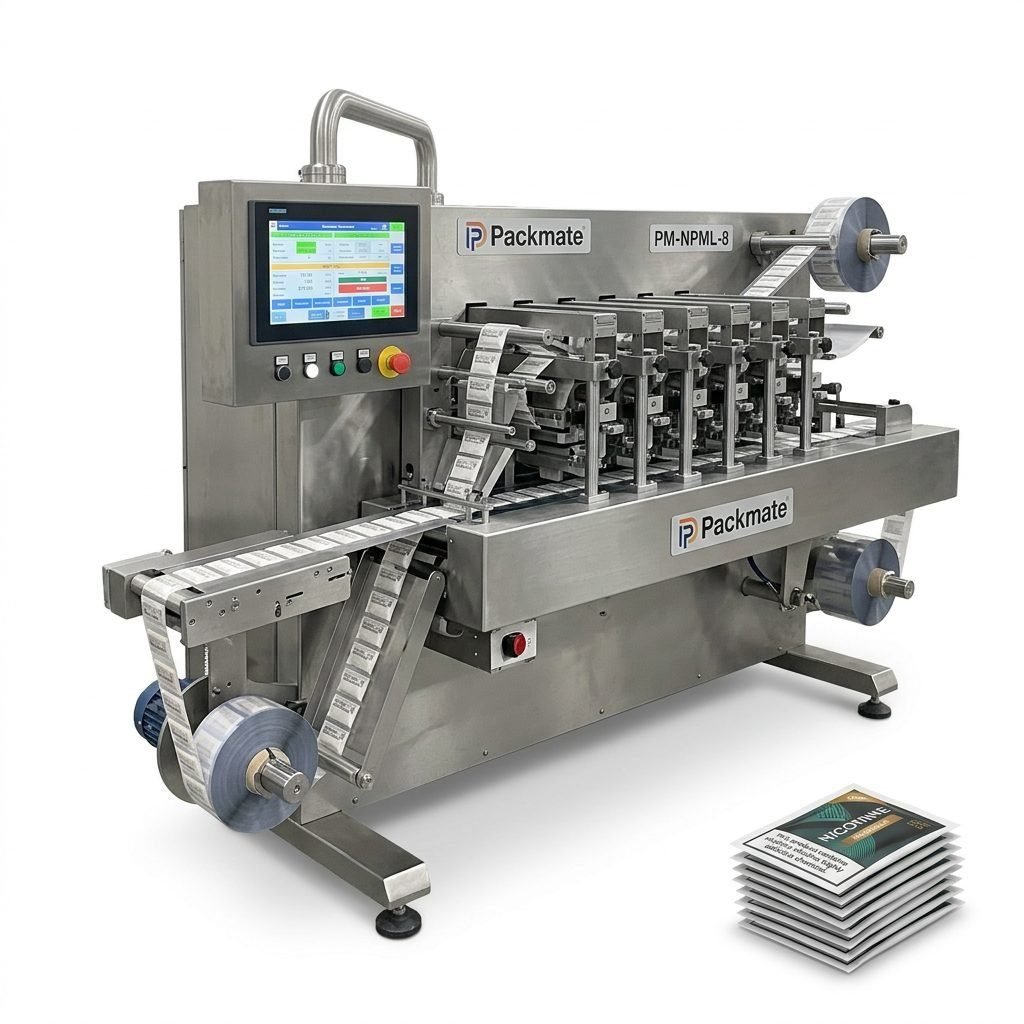
Manufacturers often select among stick pack, sachet, and specialized snus pouch machines, depending on the pouch style and fill characteristics. For an overview of available technologies, see dedicated product categories like Snus & Nicotine Packaging Machines and Sachet & Stick Pack Machines.
Selecting a Supplier: What to Ask
When evaluating compact snus equipment vendors, prioritize proven industry experience and local support. Ask about machine uptime history, spare parts availability, and qualification assistance.
🔎 Questions to ask: What is the expected throughput for your product format? Can the line be customized for different portion weights? Do you offer turnkey packaging solutions and training?
Packmate Snus Machine’s profile demonstrates decades of experience and robust manufacturing capabilities — review their company information for context on reliability and engineering capacity at About Packmate.
✅ Supplier due diligence: Check factory tour records, ask for machine demos at exhibitions, and request references from similar-scale producers.
Customization and Scalability
Compact machines are often modular, allowing manufacturers to add lanes, upgrade dosing systems, or integrate weighing and vision inspection as volumes grow. Discuss scalability paths up front to avoid expensive retrofits later.
If you expect rapid market growth, consider machines that easily scale into mid-range multi-lane production or can be networked with additional weighing and packaging modules. The Weighing & Packaging Systems category provides options for upgrading efficiency without full equipment replacement.
Integration with Quality Systems
Integration with MES, ERP, and quality control systems is increasingly important. Compact lines should offer data outputs for traceability and support IoT-enabled monitoring to reduce downtime.
Operation, Maintenance, and Training
Small-scale equipment must be designed for easy upkeep. Ensure the supplier provides clear documentation, spare parts kits, and operator training. Routine preventive maintenance schedules will keep the line productive and safe.
🛠️ Maintenance best practices: Keep critical spares like sealing elements, dosing parts, and pneumatic components on hand to avoid extended stoppages. Implement cleaning logs and batch records for compliance.
Certifications and Regulatory Readiness
Choose equipment that meets international standards. CE and ISO certifications indicate a manufacturer follows recognized engineering and safety practices. Confirm electrical and machine safety standards for your target markets.
For more technical and compliance documentation, check the manufacturer’s certificate listings and case studies, such as those available under Certificate and Case.
Real-World Use Cases and Global Applications
Compact snus lines are used globally by niche brands, research facilities, and regional producers. They are particularly valuable in regions where consumer preferences vary widely, allowing for local flavor trials and tailored packaging.
Examples include small-batch launches, seasonal flavor runs, and geographically-targeted releases. Multi-lane compact machines let producers serve several product SKUs concurrently while keeping operational complexity manageable.
Exhibitions and Live Demonstrations
Visiting trade shows or scheduling factory demos is an effective way to evaluate machine performance in person. See live operation, speak with engineers, and observe changeover procedures. Learn more about exhibition appearances at Our Exhibition.
Cost Considerations and ROI
Budgeting for a compact snus line should factor in capital expenditure, utilities, installation, training, and ongoing consumables. Compact equipment often has lower energy use and reduced staffing needs, which helps achieve a quicker payback.
Consider total cost of ownership: uptime, yield, scrap rates, and spare part lead times impact long-term profitability more than initial price alone.
💡 ROI insight: Small lines often reach breakeven faster when used for contract manufacturing, limited editions, or R&D-driven product lines that command premium pricing.
Implementation Checklist
Before installation, prepare a checklist: utilities (power/air), cleanroom or controlled area needs, raw material storage, waste handling, operator training schedules, and quality control procedures. Engage your supplier early to map out a smooth commissioning process.
If you need additional packaging modules or auxiliary equipment, explore categories such as Auxiliary Packaging Equipment and Filling & Packaging Lines.
Working with Packmate and Similar Manufacturers
Companies with deep experience in snus packing technologies — such as Packmate Snus Machine — provide both equipment and engineering support. Their factory capabilities, including advanced CNC centers and precision assembly lines, help ensure robust machine builds and consistent performance.
For pre-sales support, ask for references, demonstration videos, and detailed technical sheets. After-sales service and spare-part logistics are often deciding factors for long-term satisfaction.
Ordering and After-Sales
Confirm lead times, warranty terms, and the availability of installation and commissioning services. A clear service agreement reduces downtime risk and protects production continuity. Use the manufacturer’s service pages and contact resources when preparing procurement, for example Service and Contact Us.
Final Thoughts
Compact snus production equipment offers a balanced path for modern manufacturers seeking agility and quality. By focusing on accurate dosing, sanitary design, modular scalability, and supplier support, brands can confidently deploy small-scale lines and grow as markets evolve. Whether you are launching a niche product or adding local production capacity, the right compact system empowers faster innovation and better market fit.
Frequently Asked Questions
Q1: How quickly can a compact snus line be installed and commissioned?
A1: Installation and commissioning timelines vary by configuration but many compact systems can be installed and validated within a few weeks when utilities and site preparation are ready. Plan for operator training and initial validation runs.
Q2: Are compact lines compliant with international standards?
A2: Reputable manufacturers design equipment to meet CE, ISO, and other applicable standards. Always request certification documentation and verify electrical/mechanical compliance for your target market.
Q3: Can small-scale equipment handle multiple pouch formats?
A3: Yes — many compact systems are modular and support quick changeovers for different portion sizes and pouch styles. Clarify changeover times and tooling requirements with your supplier.
Q4: What ongoing support should I expect after purchase?
A4: Expect technical documentation, remote support, spare parts availability, and optional onsite service. Good suppliers offer training and predictable spare part lead times to minimize production interruptions.
Q5: Where can I find more product details and examples?
A5: Explore manufacturer product pages and case studies for machine specifications and real-world applications — for instance, check product categories and case references on the Packmate site.