Choosing the right snus packaging machinery for production in Trinidad and Tobago requires both market understanding and technical clarity. Whether you are scaling up a nicotine pouch brand, launching a new snus product, or optimizing an existing line, your equipment decisions will directly influence throughput, compliance, product quality, and total cost of ownership. This guide walks you through practical, industry-proven steps to select the best snus packing equipment for your operation, with actionable tips, recommended machine types, supplier evaluation criteria, and maintenance considerations.
Understand Your Production Requirements first
Before contacting vendors, clarify your production needs. Ask: what is your target output (units per minute/hour/day)? What pouch formats (stick pack, sachet, multi-lane nicotine pouches) will you run? Will you handle powdered, granular, or paste-like formulations? Typical capacity brackets help narrow options: pilot/small-batch (50–200 packs/min), medium production (200–600 packs/min), and high-speed multi-lane lines (600+ packs/min). Accurately defining these metrics avoids overspending on unnecessary features or underpowered machines that limit growth.
Key data to collect
Prepare the following before vendor evaluation: expected SKUs, pouch dimensions and material specs, target cycle times, desired automation level, budget range, and local utilities (power supply, compressed air). Also document packaging materials you plan to use (laminated films, paper-laminate, heat-sealable films) because compatibility affects sealing systems and dosing mechanisms.
Choose the Right Machine Type for Snus & Nicotine Pouches
Packaging formats drive machine selection. Three primary machine families suit snus and nicotine pouches:
Sachet & Stick Pack Machines
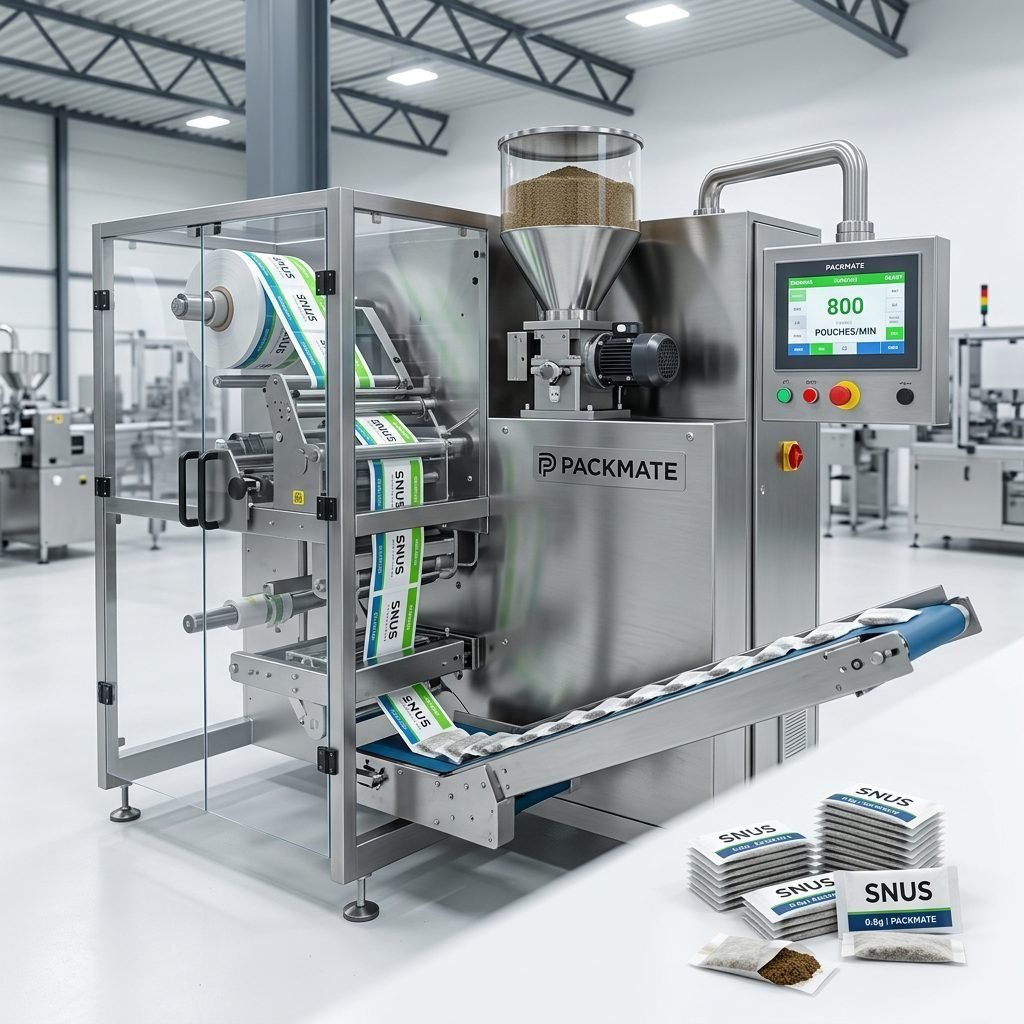
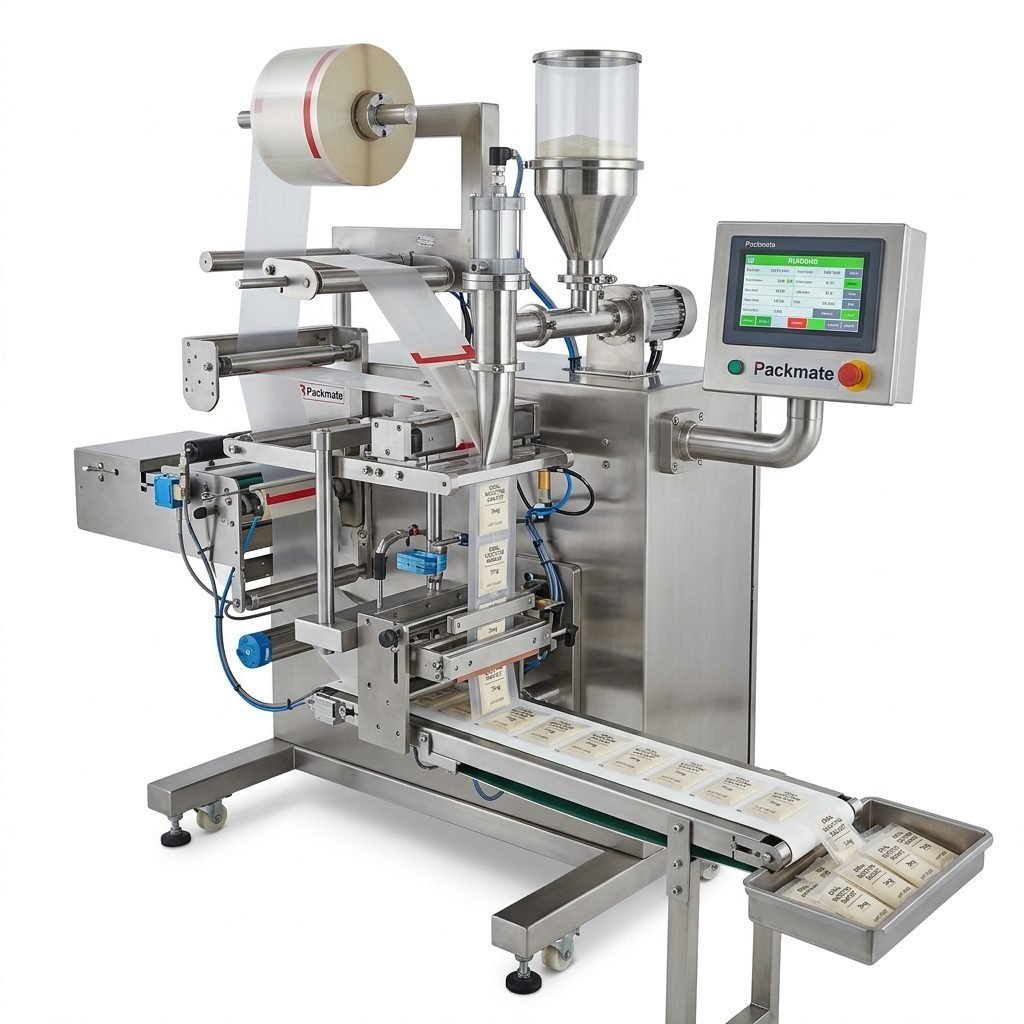
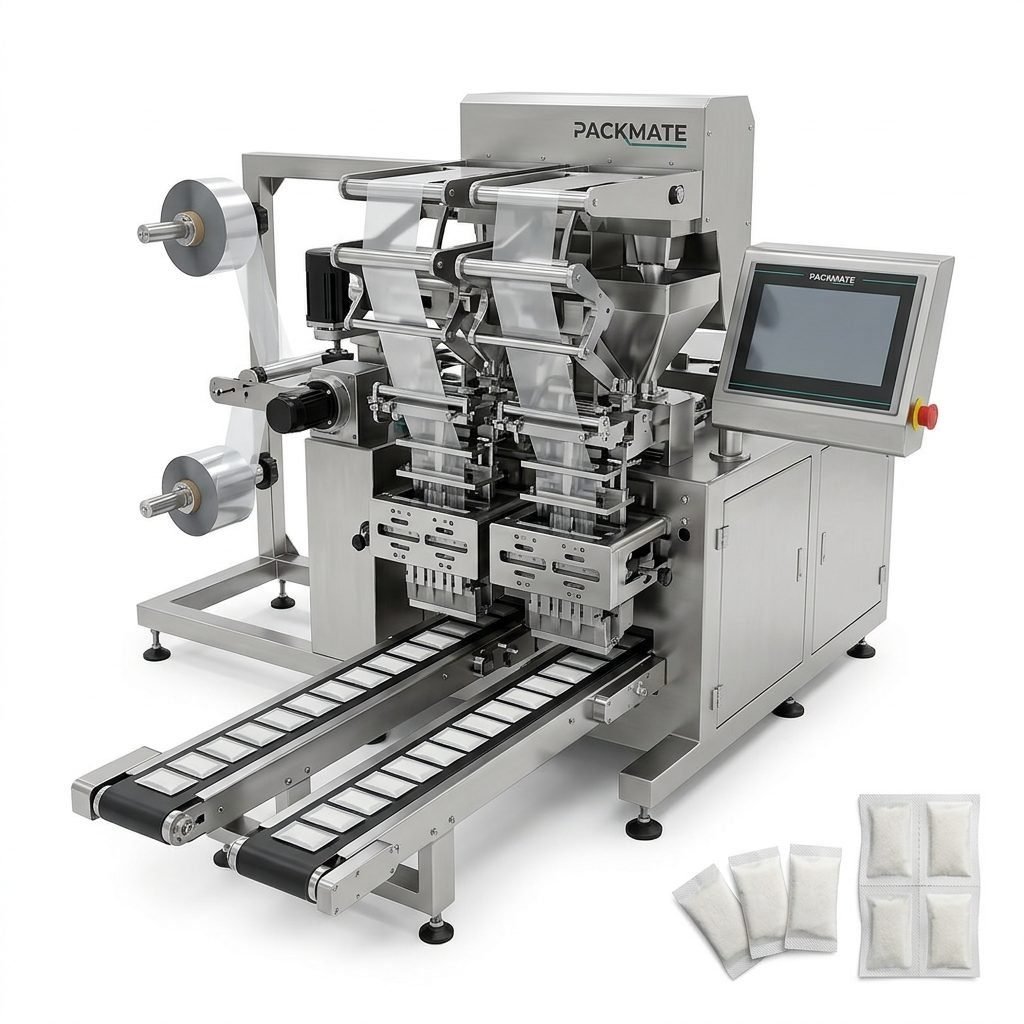
For slim stick packs and single-dose sachets, stick pack and sachet machines offer precise forming, filling, and sealing. These machines are excellent for single-portion nicotine pouches and can be configured for tear notches or easy-open options. If your product needs individualized dosing and sleek retail presentation, this category is ideal. Explore reliable models that balance speed and accuracy at Sachet & Stick Pack Machines.
Multi-Lane Nicotine Pouch Packaging Machines
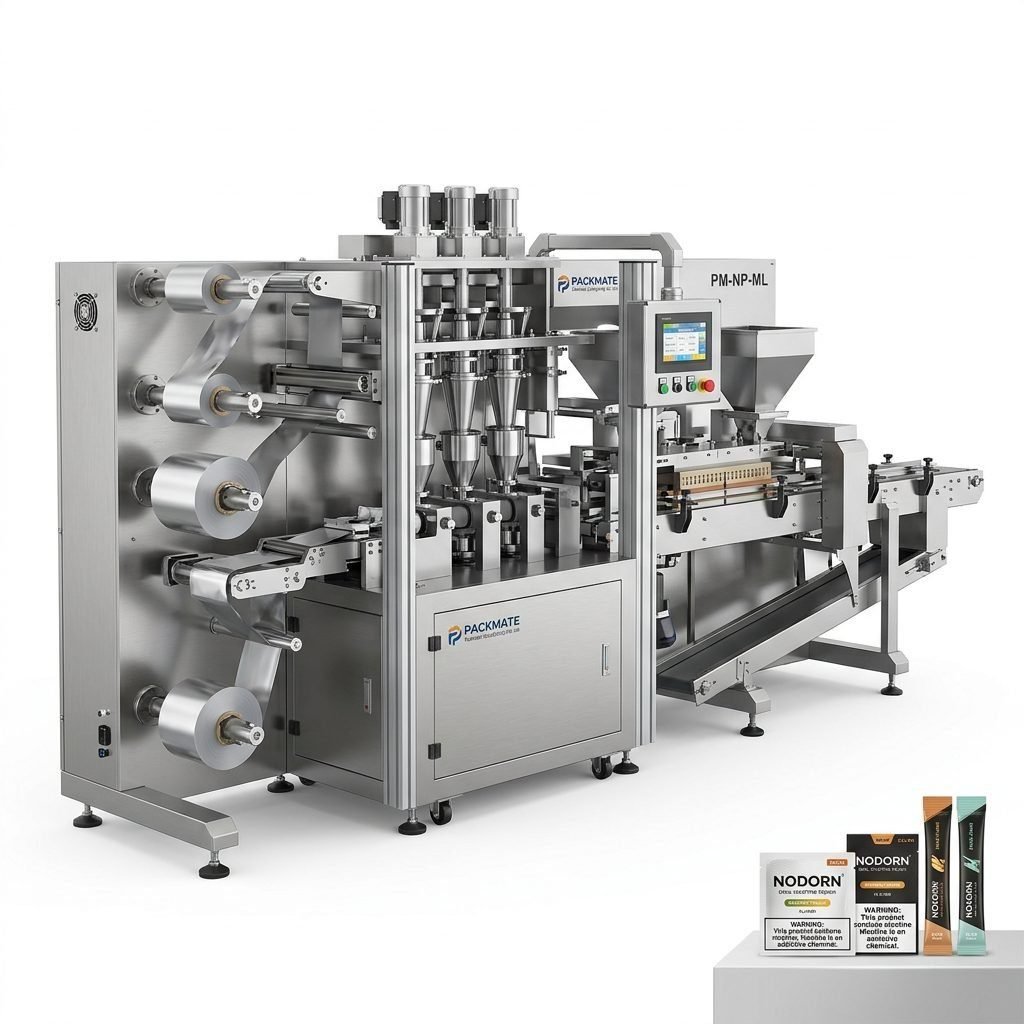
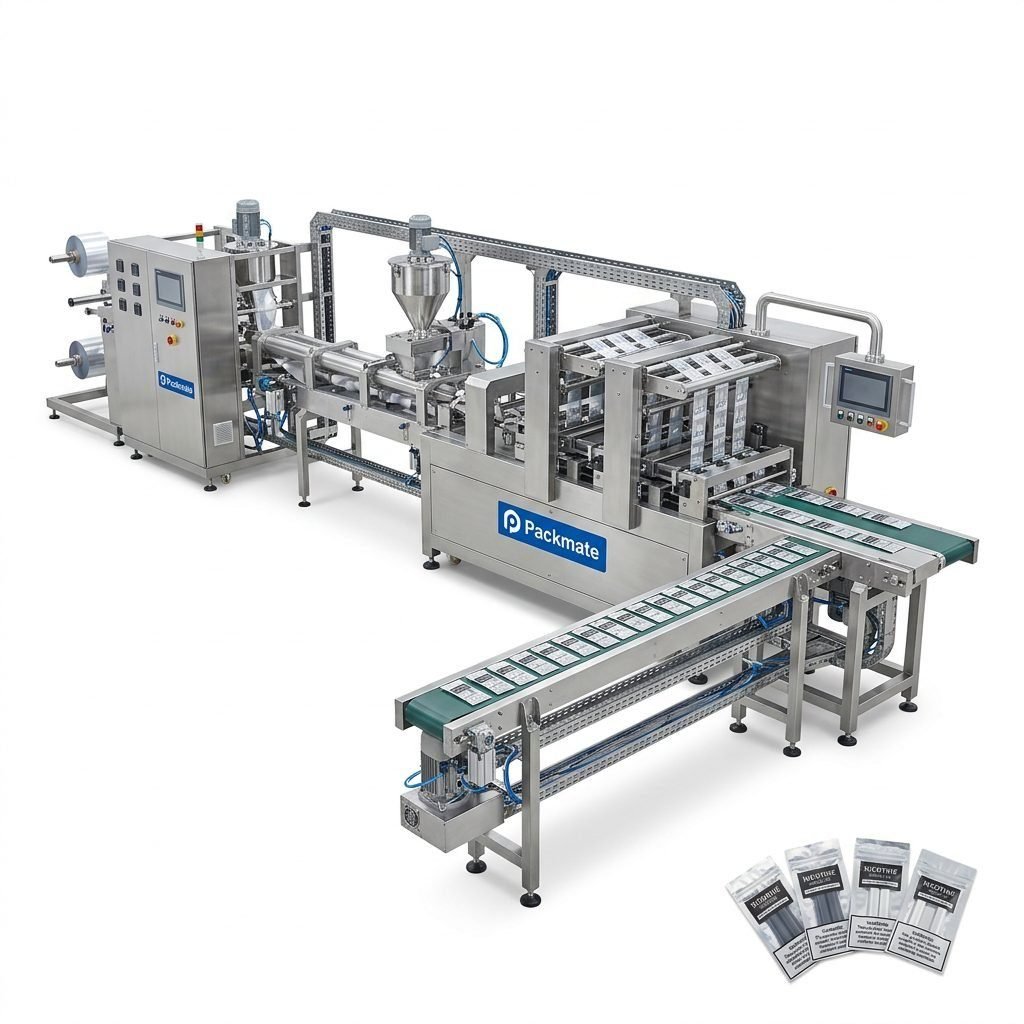
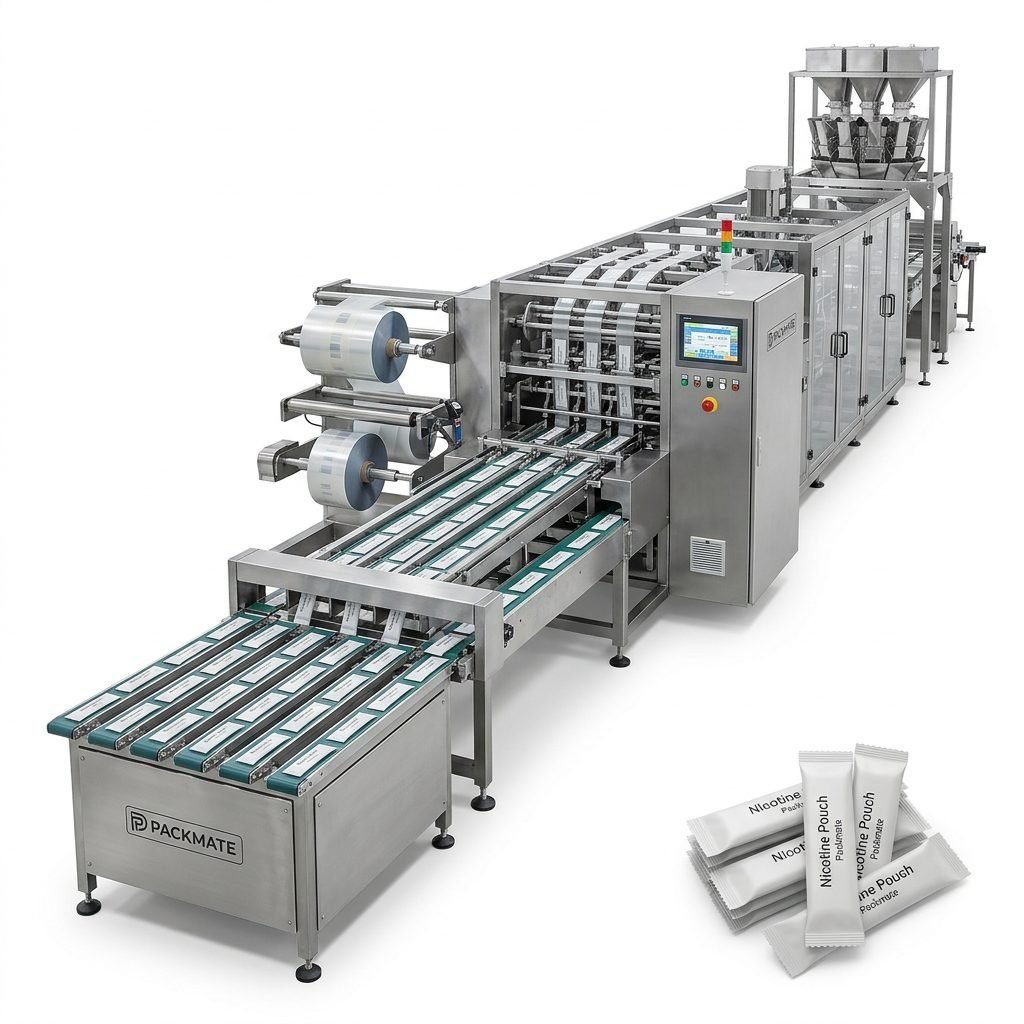
Multi-lane systems are the industry standard when you need high throughput for tiny-dosed pouches. These machines increase output by running multiple lanes in parallel and are commonly used by established brands seeking consistent dosing across thousands of sachets per hour.
Custom Filling & Packaging Lines
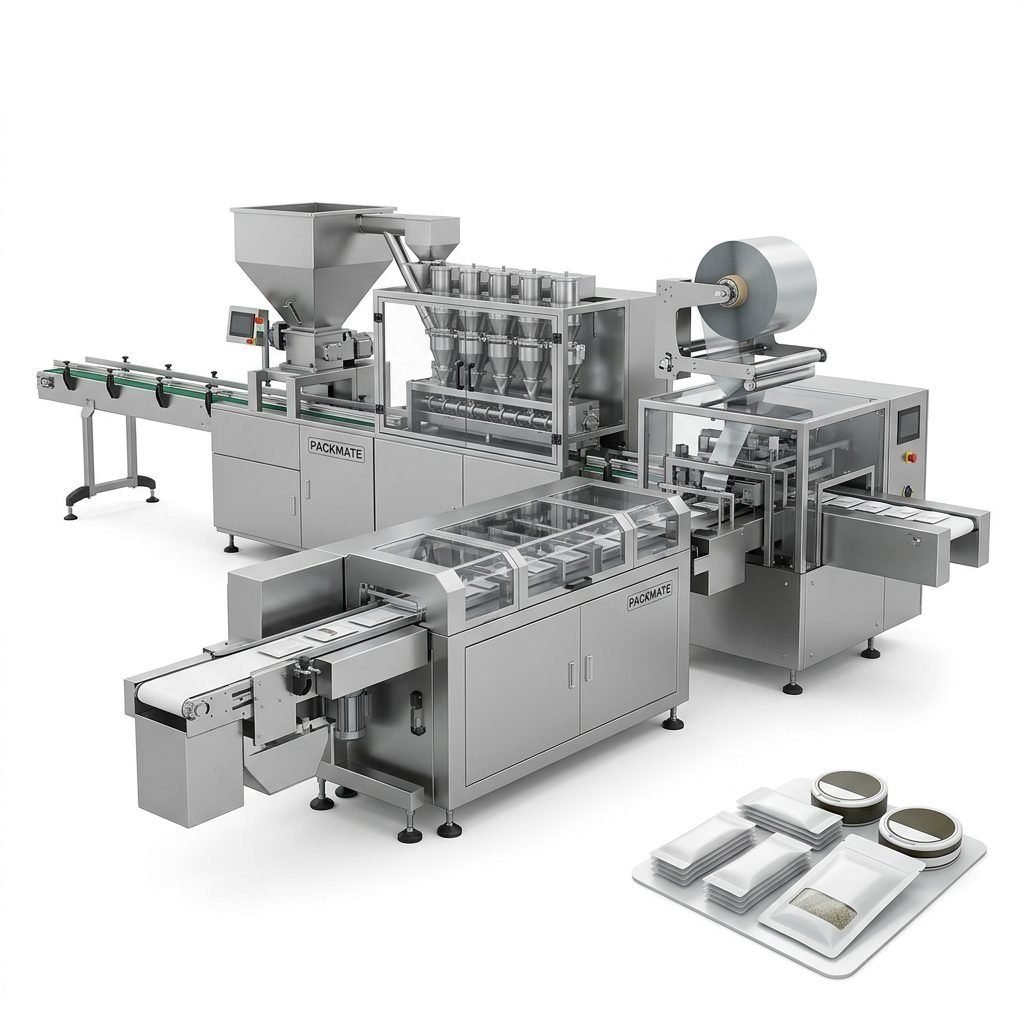
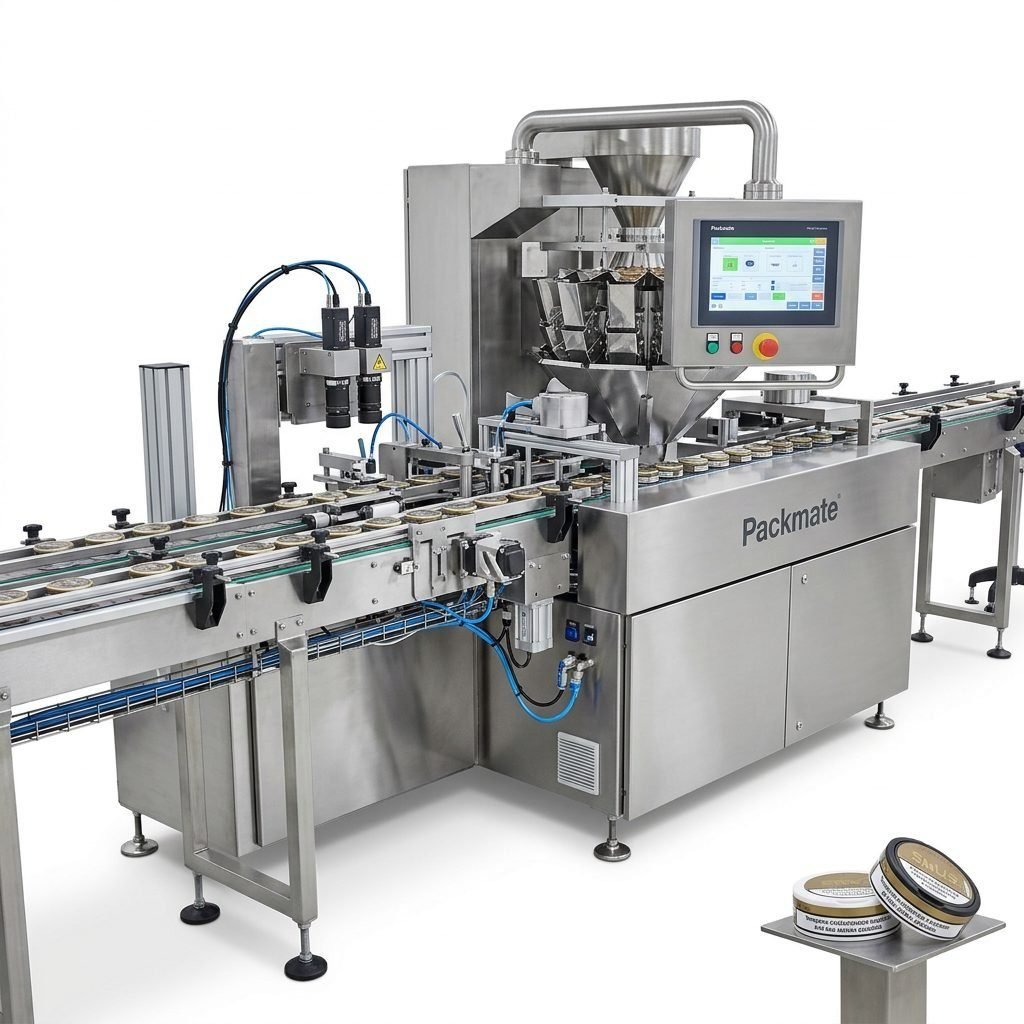
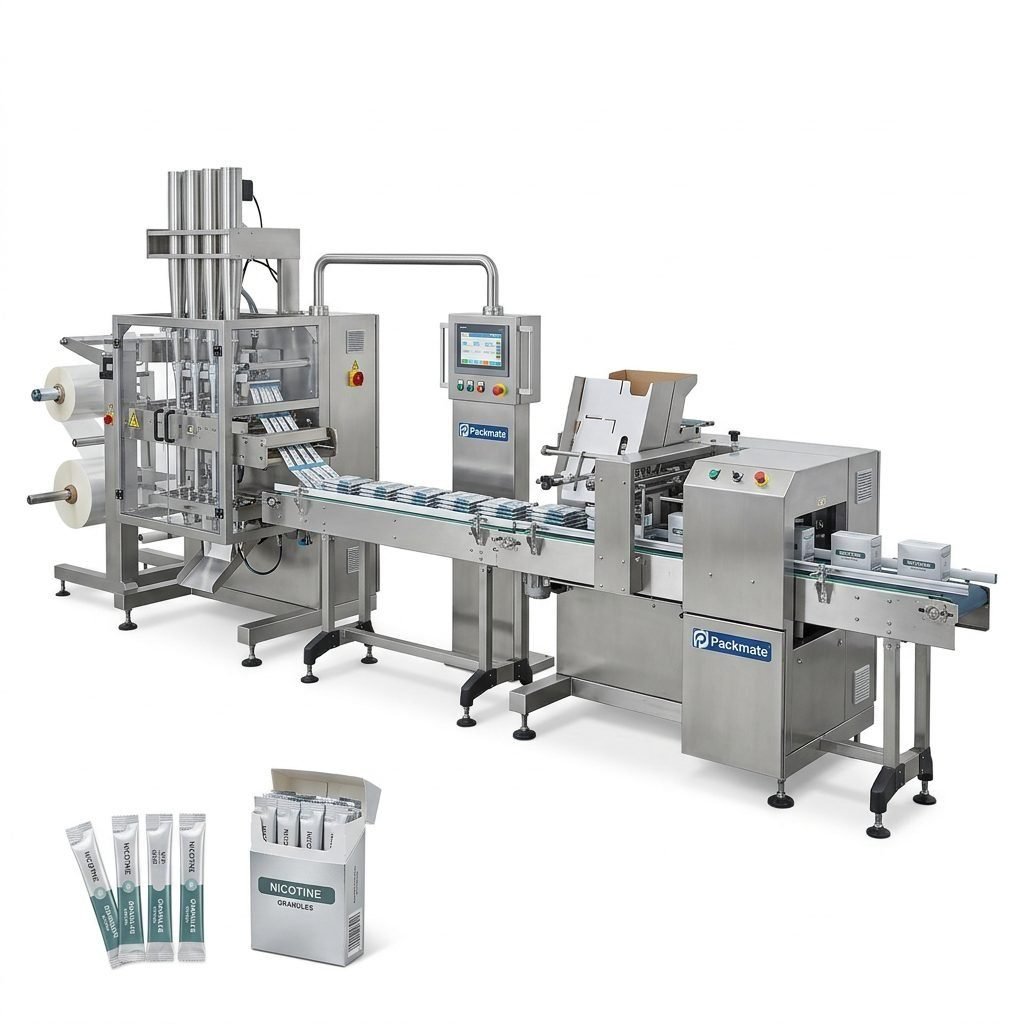
If your process includes upstream dosing, weighing, or automated cartoning, opt for integrated filling and packaging lines. Combined systems reduce manual handling and cut overall cycle time. For turnkey solutions that include upstream weighers and downstream cartoning, view Filling & Packaging Lines.
🔧 Quick tip: If you plan multiple SKUs with different pouch sizes, prefer modular machines with quick-change parts to minimize downtime between runs.
Assess Build Quality and Factory Capabilities
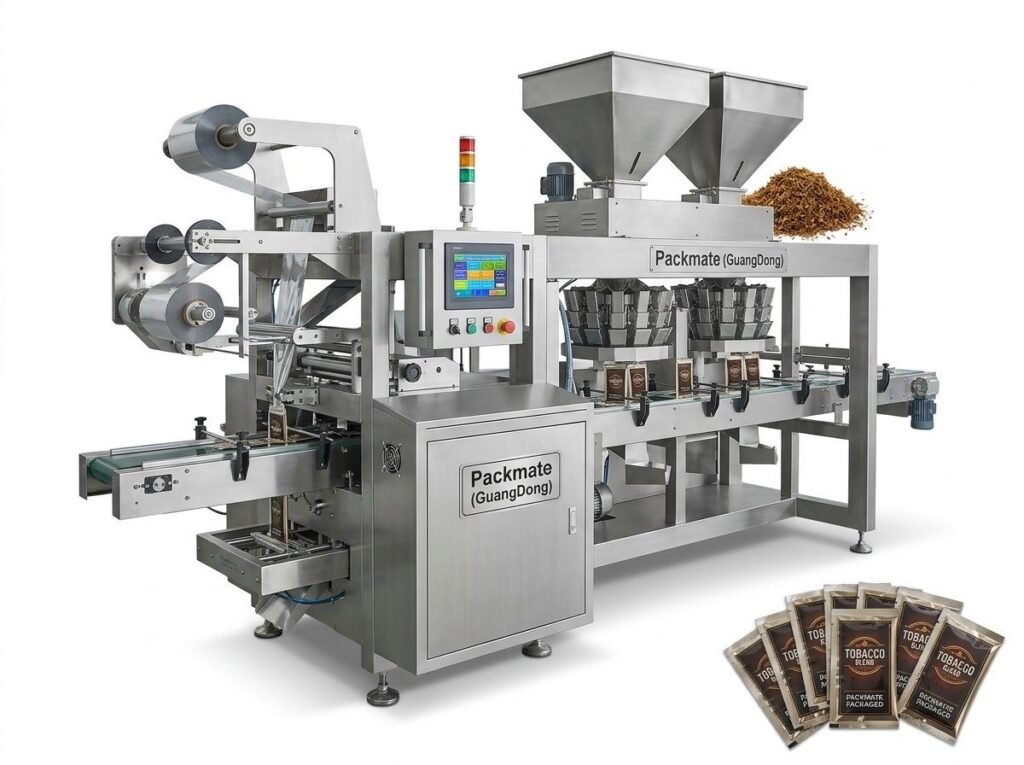
Machine longevity and spare-part availability depend on a manufacturer’s engineering capabilities. Look for vendors with robust manufacturing facilities, CNC machining centers, and precision assembly lines. A factory footprint (e.g., 20,000㎡) and decades of experience indicate capacity to deliver reliable, customizable equipment with strong quality control. Packmate Snus Machine, for instance, emphasizes advanced CNC and strict testing—an important signal when you require durable machines and global after-sales support.
Verification checklist
– Ask for factory photos, machining capabilities, and QA processes.
– Request video demos of the exact model running your product type.
– Confirm CE and ISO certifications for compliance and safety.
– Verify spare-part lead times and whether the vendor offers long-term service.
Evaluate Technical Features That Matter
Not all machines are created equal. Prioritize these technical attributes:
Dosing accuracy and weight control
Precision dosing systems (vibratory, auger, or weigh-based feeders) ensure consistent nicotine pouch weights. Inconsistent dosing can lead to regulatory headaches and product returns, so insist on equipment that demonstrates repeatable accuracy at your target speed.
Sealing integrity and film compatibility
Sealing systems must match your film construction. High-speed jaws, rotary sealing, or ultrasonic options each have trade-offs. If you use complex laminates or require barrier properties for shelf life, discuss sealing temperature control and film tension systems with vendors.
Automation, HMI, and Industry 4.0 readiness
Modern HMIs, recipe storage, fault diagnostics, and remote support features save time. If you plan to scale or integrate with ERP systems, choose machines with compatible data outputs and industry 4.0 connectivity.
⚖️ Performance benchmark: Ask for OEE (Overall Equipment Effectiveness) data from similar installations—uptime, speed, and reject rates.
Regulatory and Local Market Considerations in Trinidad and Tobago
Tobacco and nicotine product regulations vary by country. Ensure your packaging machinery supports compliance: tamper-evident features, child-resistant options if required, and clear labelling capabilities. Coordinate with local regulatory advisors to confirm labelling, warning statements, and allowable pouch dosing limits. Machine suppliers with export experience often assist with documentation needed for customs and certification.
Total Cost of Ownership (TCO) vs. Purchase Price
The cheapest machine upfront may cost more over time due to downtime, poor uptime, or expensive spare parts. Consider energy consumption, spare-part pricing, mean time between failures (MTBF), and local serviceability. A robust manufacturer that offers training, spare kits, and remote diagnostics reduces long-term operating costs.
Compare these TCO items
– Initial price vs. installed performance
– Installation and commissioning costs
– Spare parts package and lead times
– Training and technical support agreements
– Energy and air consumption at rated speed
Service, Spare Parts, and Local Support
After-sales service is vital. Confirm the supplier provides timely spare-part shipments to Trinidad and Tobago or partners with regional agents. Many reputable manufacturers offer training, on-site commissioning, and remote troubleshooting. Check if they publish manuals and parts lists in English and provide preventive maintenance schedules.
For complete packaging solutions and support, evaluate manufacturers that present comprehensive offerings such as Snus & Nicotine Packaging Machines and integrated auxiliary equipment. A vendor with an established global presence and exhibition history often has the operational maturity to support complex projects—see their Our Exhibition records for real-world demonstrations.
Factory Acceptance Testing (FAT) and Site Acceptance Testing (SAT)
Always request FAT videos or on-site FAT where your SKUs are run to demonstrate performance and tolerance. FAT should include endurance runs, changeover demos, and safety checks. After delivery, SAT should verify the machine’s integration with local utilities, floor layout, and downstream equipment.
✅ Must-have for procurement: A contractual FAT and documented acceptance criteria avoid disputes and protect production timelines.
Installation, Layout, and Utilities Planning
Early planning for machine footprint, operator access, material flow, and waste handling prevents costly rework. Collect electrical, pneumatic, and exhaust requirements and confirm your production floor meets them. Consider ergonomic access for cleaning and maintenance; machines with easy-open guards and hygienic design speed product changeovers and reduce cleaning time.
Financing, Leasing, and Warranty Options
Financing terms or leasing can ease capital burdens. Compare warranty lengths and what’s covered—often warranty extensions or service packages are available for high-value lines. A clear spare-parts kit supplied at delivery often includes wear parts that reduce early downtime risk.
Why Choose an Experienced Manufacturer
Choosing a manufacturer with decades of engineering experience and multiple product lines reduces procurement risk. Packmate, for example, highlights 30+ years of industry experience, a broad machine portfolio, and a full range of packaging solutions. A vendor that offers both single machines and integrated lines—along with auxiliary equipment and weighing systems—can help you scale efficiently. Learn more about vendor credentials and services at About Packmate and their Service offerings.
Selecting the right partner
Prioritize vendors who provide: transparent lead times, verified references, case studies, calibration services, and clear spare-part catalogs. A partner that supports custom tooling and multi-lane upgrades helps you adapt to market changes quickly.
Final Recommendations: A Practical Buying Roadmap
1) Define product SKUs, speeds, and packaging materials. 2) Shortlist 3 vendors with relevant snus experience. 3) Request FAT videos with your SKU or samples run. 4) Compare TCO, spare-part policies, and local support. 5) Negotiate installation, training, and warranty terms. 6) Plan for commissioning, operator training, and gradual scale-up runs.
📦 Pro tip: When testing vendor machines, include your packaging films and nicotine pouch samples. Real-material testing reveals sealing issues, forming tolerances, and dosing behavior early.
Useful Links and Resources
You can explore detailed machine families and case studies to compare technical specifications: Snus & Nicotine Packaging Machines, Weighing & Packaging Systems, and Case studies that show real installations.
Conclusion
Selecting the best snus packaging machinery in Trinidad and Tobago is a multi-dimensional decision that balances production goals, regulatory requirements, machine capability, and long-term support. By clarifying your production profile, prioritizing dosing accuracy and sealing performance, verifying factory credentials, and insisting on FAT/SAT procedures, you position your operation for smooth launches and scalable growth. Partnering with an experienced manufacturer that offers integrated solutions and strong after-sales service reduces operational risk and preserves product quality as you grow.
Common Questions (FAQ)
Q1: What machine speed do I need for a small startup in Trinidad and Tobago?
A1: For small startups, machines rated 50–200 packs/min are common. Choose modular systems that allow adding lanes or upgrading dosing to increase capacity without full replacement.
Q2: Are multi-lane nicotine pouch machines worth the investment?
A2: Yes, if you plan high-volume production. Multi-lane systems significantly raise throughput and lower per-unit labor costs, but require larger initial capital and more sophisticated maintenance planning.
Q3: How important is FAT before shipment?
A3: FAT is critical. It proves the machine runs your product at agreed speeds and tolerances and reduces installation time and disputes after delivery.
Q4: What should be included in an aftermarket service package?
A4: Include a spare-parts starter kit, remote support, scheduled preventive maintenance, technician training, and options for rapid-part shipment to minimize downtime.
Q5: Where can I view validated machine models and product cases?
A5: Visit manufacturer product pages and case studies for verified installations and performance examples, such as the product lines and cases available on Packmate’s site.