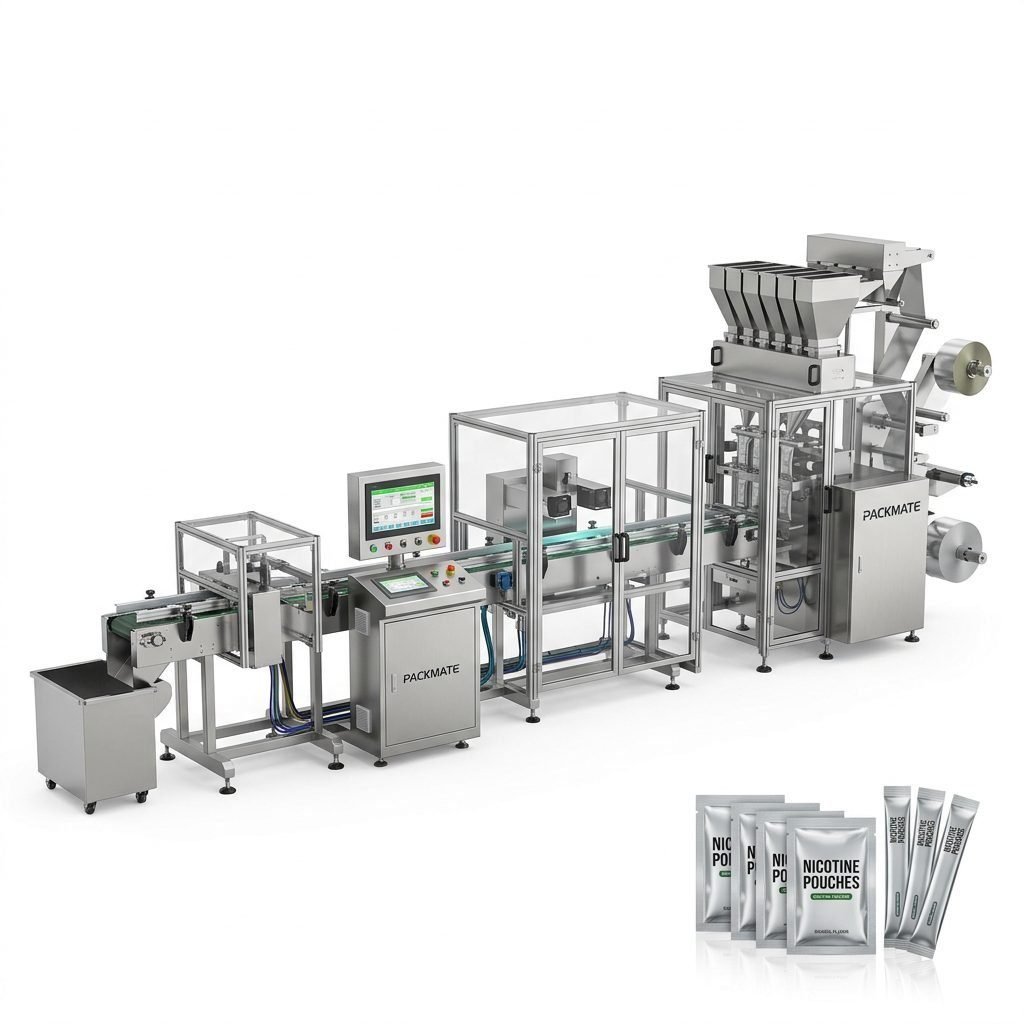
Choosing the right nicotine packaging machinery manufacturer is a strategic decision for any factory in Guinea. With the regional climate, import logistics, and local business practices to consider, you need a partner who delivers reliable machines, effective after-sales support, and solutions tailored to small-dose snus and nicotine pouch production. This guide walks you through how to evaluate manufacturers, what specifications matter most for Guinea, and practical tips to ensure your factory gets the best return on investment.
Understand Your Production Needs First
Before approaching suppliers, define your actual requirements: daily output targets, pouch formats (snus pouch, sachet, stick pack), desired uptime, and acceptable labor levels. In Guinea, many factories balance manual labor with automation, so choose a machine scale that matches available workforce, electricity stability, and local market demand.
✓ Key production parameters to list:
• Target units per minute/hour/day
• Pouch types and sizes (single lane vs multi-lane)
• Filling materials: powders, granules, liquids, or wet-sensitive nicotine pouches
• Required packaging materials (film types, reels, pre-made pouches)
Match Machine Types to Product and Climate
Guinea’s coastal and tropical climate can influence machine selection: humidity control, corrosion resistance, and sealing quality are more important than in temperate regions. For nicotine pouches you will commonly consider:
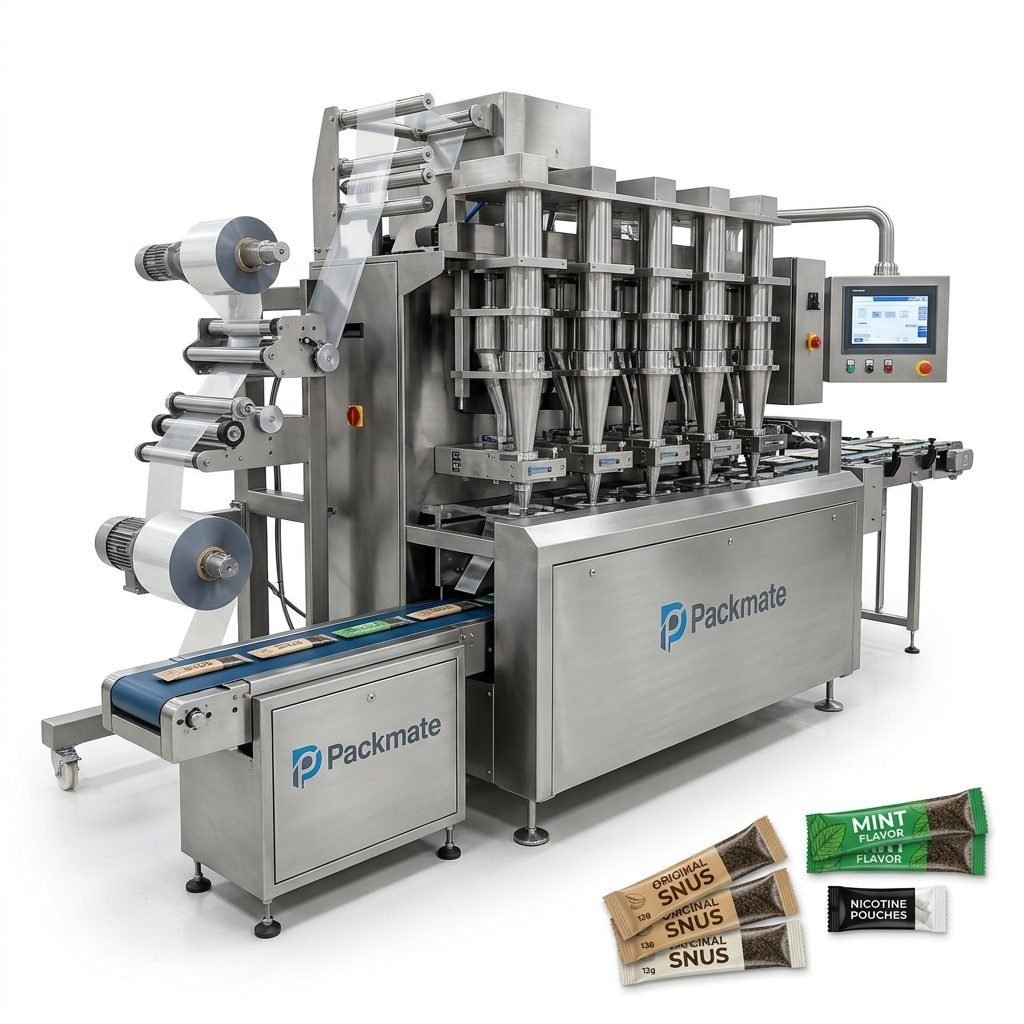
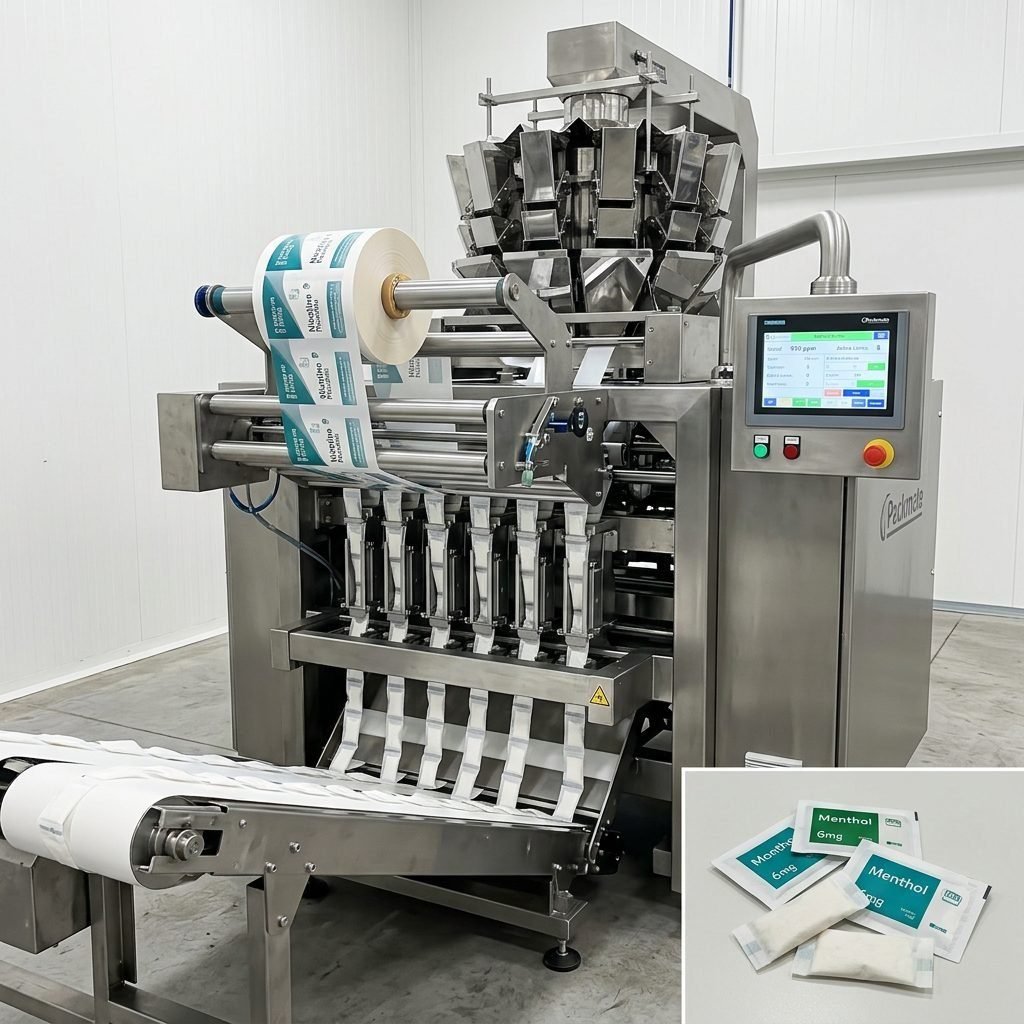
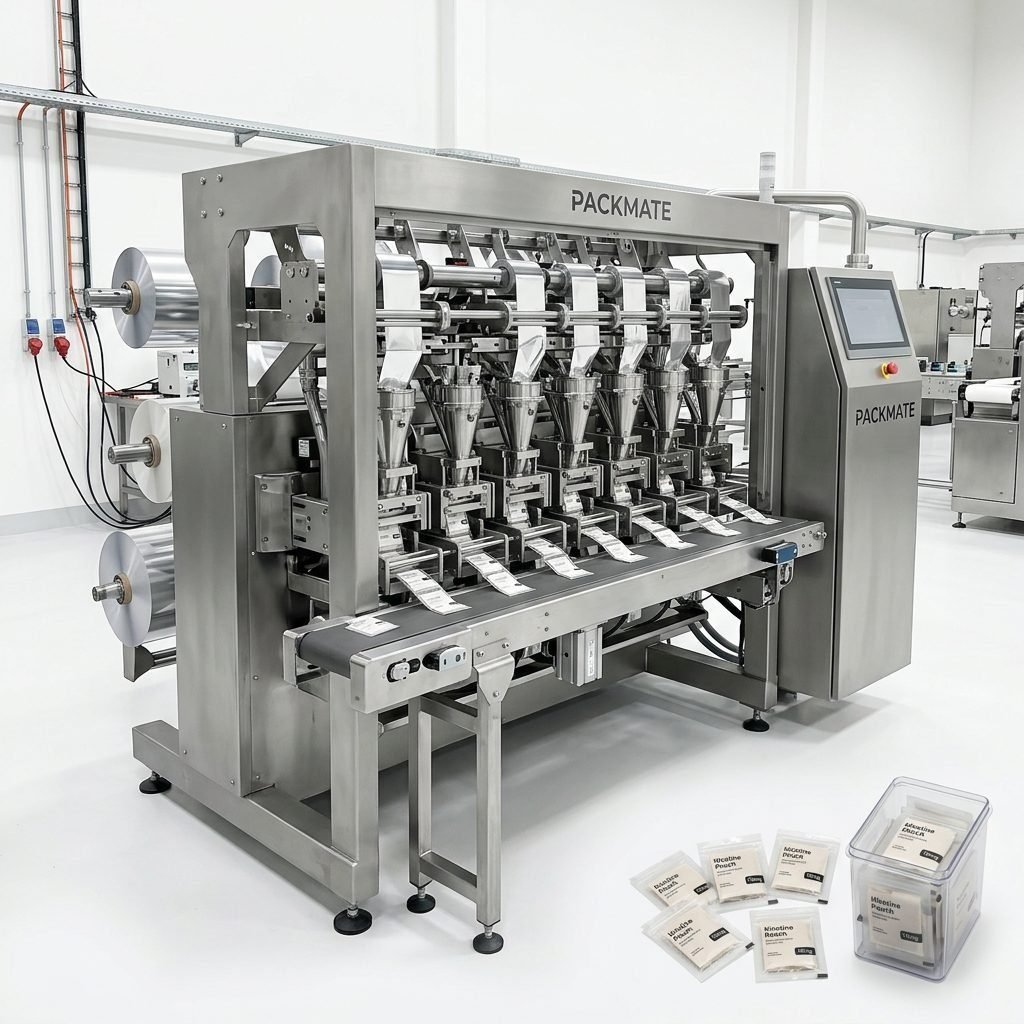
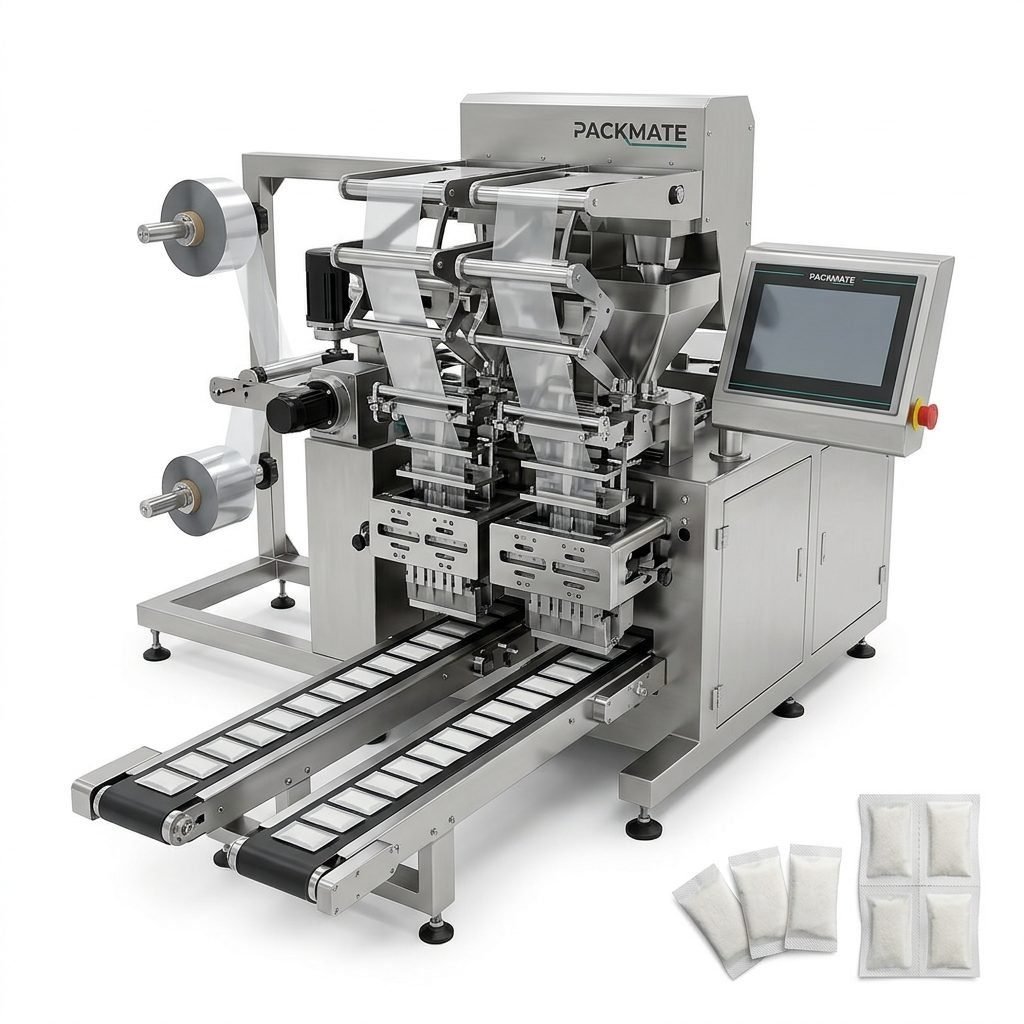
• Stick pack and sachet machines for single-dose formats.
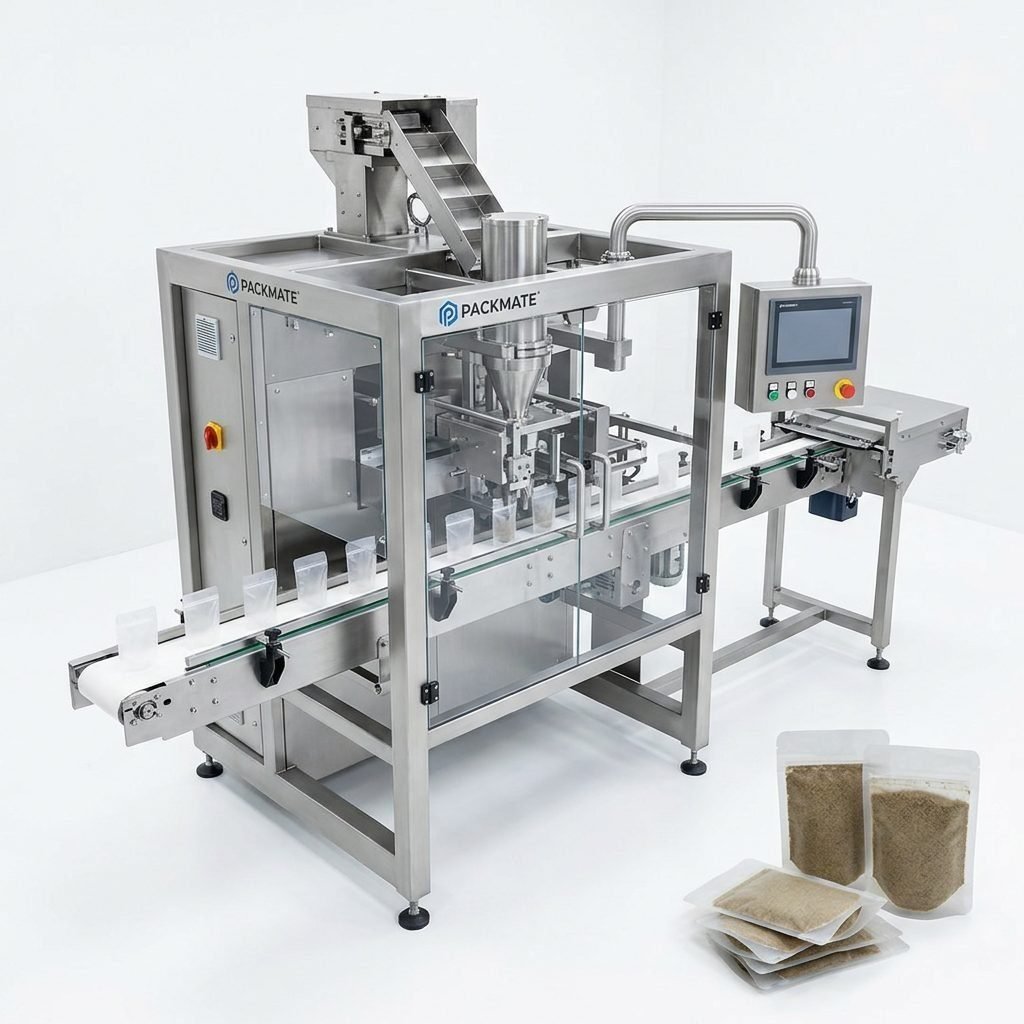
• Multi-lane pouch machines for high throughput and small-dose nicotine pouches.
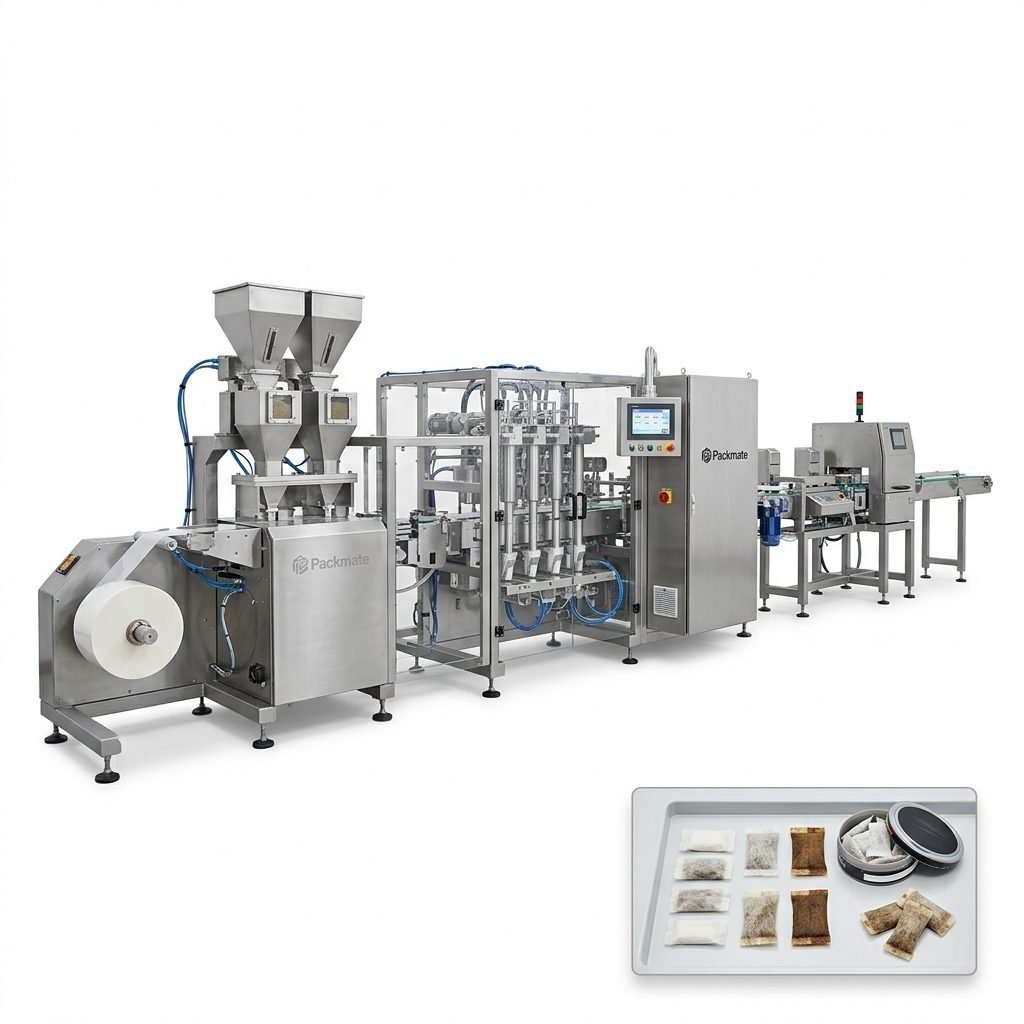
• Integrated filling lines and weighing systems when precise dosing is required.
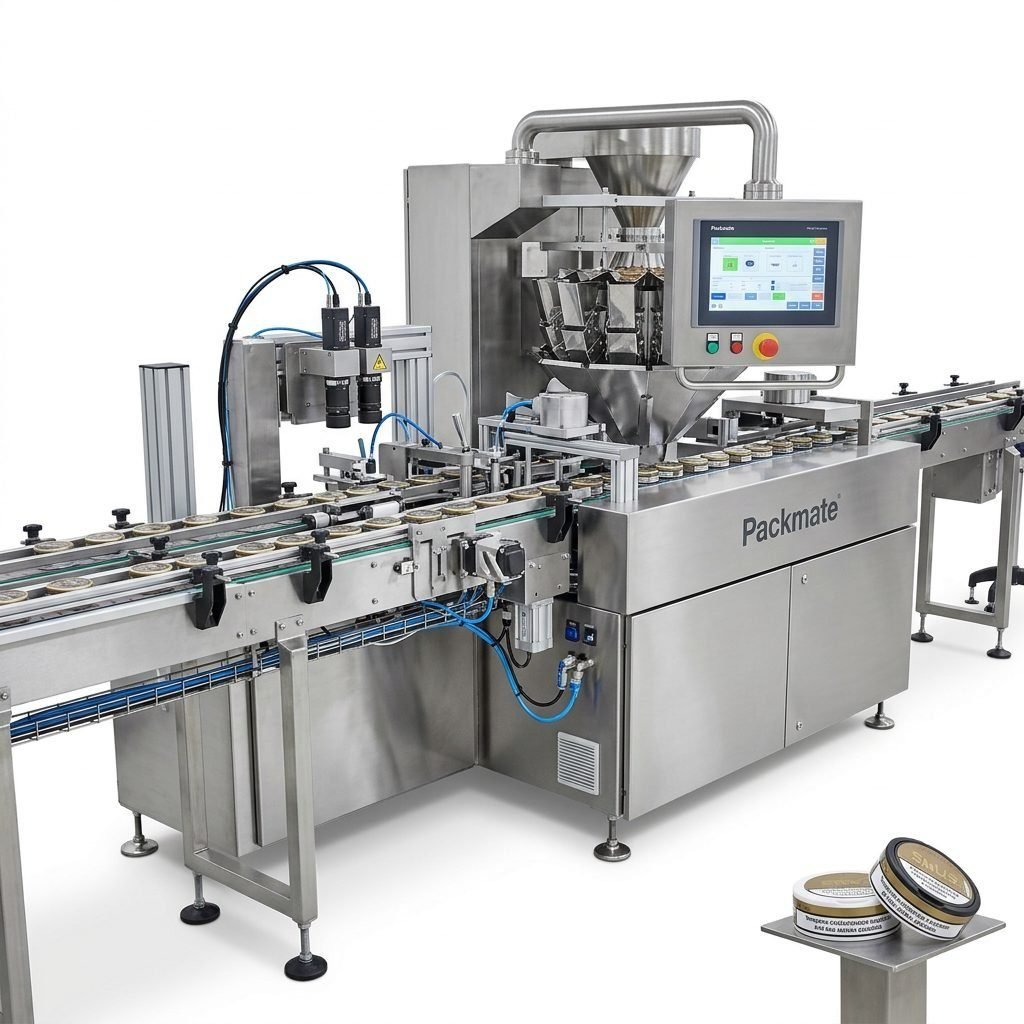
Look for stainless-steel construction, good sealing systems, and attention to moisture control. Manufacturers like Packmate emphasize snus and nicotine pouch lines that address these exact needs — see their Snus & Nicotine Packaging Machines for models suited to such environments: Snus & Nicotine Packaging Machines.
Materials Compatibility and Hygienic Design
Nicotine products require hygienic handling and often delicate materials. Verify that the manufacturer uses food-grade contact surfaces, easy-to-clean design, and sanitary seals. In high-humidity areas like Guinea, corrosion resistance and protective coatings prevent long-term degradation.
Evaluate Manufacturer Credentials and Capacity
Check the manufacturer’s history, factory scale, certifications, and global footprint. A supplier with proven turnkey solutions and global references reduces risk. For example, Packmate boasts over 30 years of packaging engineering experience, a 20,000㎡ factory, and 50+ machine models — features that indicate strong production capacity and technical depth. Learn more about their background at About Packmate.
⚠️ Red flags to watch for:
• No factory visits or photos of production lines
• Vague warranty or unclear spare parts policy
• Lack of international certifications such as CE or ISO
Certifications and Compliance
For export markets and local regulation compliance, manufacturers must supply CE/ISO documentation and material certificates. Ask for factory test reports and FAT (Factory Acceptance Test) videos. A compliant manufacturer will facilitate customs clearance and reduce regulatory delays when importing equipment into Guinea.
Assess After-Sales Support and Local Service Strategy
The best machines fail without prompt technical support. In Guinea, response time can be affected by shipping and travel logistics, so prioritize suppliers with:
• Regional partners or spare parts warehouses near West Africa.
• Remote diagnostics and training (video calls, documentation in French and English).
• Clear warranty, spare parts lists, and local technician training packages.
Packmate provides global turnkey solutions and long-term technical support; review their Service and Case pages to evaluate real installations: Service and Case.
Language and Training Considerations
French is widely used in Guinea for business operations. Ensure manuals, training materials, and on-site instruction can be provided in French or that a local translator will be arranged. This reduces miscommunication during commissioning and operator training.
Check Electrical and Installation Requirements
Guinea uses 220–230V, 50Hz power systems in most areas. Confirm the machine’s electrical compatibility and power protection requirements. Ask suppliers about recommended UPS units, voltage stabilizers, and anticipated power consumption to ensure consistent operation in regions with unstable supply.
✓ Installation checklist for Guinea:
• Confirm voltage and phase (single/three-phase)
• Plan for dust and humidity protection in the workshop
• Reserve space for spare parts, reels, and maintenance access
Total Cost of Ownership (TCO) vs Upfront Price
Compare machines on TCO metrics: energy use, spare parts cost, expected MTBF (mean time between failures), and serviceability. Cheaper machines may save initial capital but increase downtime and maintenance expenses — particularly costly if spare parts must ship from overseas.
Spare Parts Availability
Ensure a clear list of consumables and critical spare parts. Ask for estimated lead times and pricing. A reputable manufacturer will provide parts kits and fast shipping options, or even suggest stocking strategies for key components locally.
Inspect Machine Flexibility and Scalability
Your product mix may change over time. Preferred manufacturers offer modular designs and adjustable platforms that can adapt from narrow stick packs to wider multi-lane pouches. This scalability enables growing Guinean factories to expand without replacing whole lines.
Automation Level and Operator Skill
Select automation appropriate to your workforce. Higher automation reduces labor needs but increases reliance on technical maintenance. Training packages and easy-to-use HMI interfaces in French or English are valuable features.
Request Demonstrations and References
Ask for live demos, factory videos, and customer references in similar climates or markets. A strong manufacturer will show successful installations and production samples. Consider visiting regional exhibitions or requesting detailed video FAT sessions before purchase.
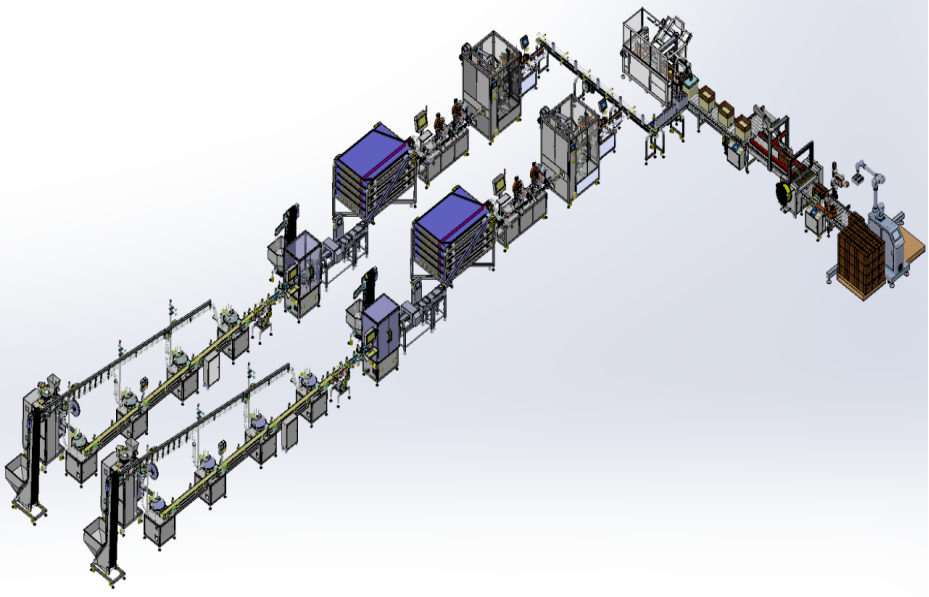
If you want to explore full production line options, check out the manufacturer’s full catalog of Bag & Pouch Packaging Machines and Filling & Packaging Lines to compare equipment types: Bag & Pouch Packaging Machines and Filling & Packaging Lines.
✓ Final checklist before signing a contract:
• Confirm lead time, installation scope, and acceptance criteria (FAT & SAT)
• Verify warranty terms, spare parts pricing, and training language
• Ensure electrical compatibility and prepare workshop environment
• Negotiate payment terms, shipment method (Incoterms), and customs support
Cultural & Business Etiquette in Guinea
Business in Guinea values relationships and trust. Expect formal meetings, clear documentation, and possibly the need for face-to-face negotiation with language accommodation. Building a long-term relationship with your supplier often leads to better service, priority on parts, and smoother dispute resolution.
Local Partnerships and Logistics
Given Guinea’s port at Conakry and varying inland transport infrastructure, plan logistics in detail. A supplier experienced in West African shipments can recommend packaging, crating, and clearing processes to avoid delays or damage during transit.
When you are ready to reach out, use validated supplier channels, request detailed quotations, and arrange virtual or in-person factory visits. If you want direct contact with the manufacturer referenced here, you can use their Contact page: Contact Us.
Bottom line: Choose a manufacturer who demonstrates technical depth, proven snus/nicotine pouch experience, reliable after-sales service, and the ability to accommodate Guinea’s climate and logistical realities. Investing time in audits, FATs, and clear contracts will pay dividends in uptime and productivity.
Frequently asked questions:
Q1: What certifications should I expect from a nicotine packaging machine supplier?
A1: Ask for CE and ISO certificates, material contact documentation (stainless steel grades), and factory test reports. If you plan to export finished products, ensure the line meets target market regulatory standards.
Q2: How important is local spare parts availability?
A2: Very important — shipping delays increase downtime. Negotiate spare part kits, stocking suggestions, and regional distribution options before purchase.
Q3: Can machines be adapted to Guinea’s power and humidity conditions?
A3: Yes. Confirm electrical compatibility (220–230V, 50Hz) and choose corrosion-resistant materials, proper sealing, and humidity-control measures for packaging and storage to protect product quality.
Q4: What should a Factory Acceptance Test (FAT) include?
A4: FAT should demonstrate continuous production at target speeds, dosing accuracy, sealing integrity, electrical behavior, and operator HMI training. Request video evidence and acceptance criteria in the contract.
Q5: How do I start contacting reliable suppliers?
A5: Prepare a clear specification sheet, ask for references and case studies, and schedule demos. You can review manufacturer product lines and cases to shortlist vendors: Sachet & Stick Pack Machines and Catalog.