Choosing the right nicotine packaging machine supplier in Cambodia requires a clear understanding of local market dynamics, regulatory requirements, and practical considerations such as installation, training, and after-sales support. This guide walks you through a step-by-step process to evaluate suppliers, compare offers, and make a confident purchase decision that fits your production goals and budget.
Understand Cambodia’s Market and Local Habits
Cambodia’s industrial landscape is growing steadily, driven by foreign investment and a young workforce. When sourcing nicotine packaging machinery here, it’s important to balance global technical standards with local business customs. Cambodian partners typically value long-term relationships, clear communication, and respect for local holidays and working rhythms. Plan lead times around local festivals and national holidays to avoid unexpected delays during shipping, installation, or training.
🔶 Local insight: Cambodia’s workforce adapts quickly to automation, but on-site training in simple, practical Khmer-language instructions or bilingual manuals accelerates adoption and reduces downtime.
Key Criteria to Evaluate Suppliers
1. Industry Experience and Track Record
Look for suppliers with documented experience in snus and nicotine pouch packaging. A supplier with a 20+ year history of developing and refining machines demonstrates stability and technical maturity. Ask for case studies, client references, and factory tour options. Suppliers who have delivered projects across different continents tend to understand import/export nuances and can help with customs documentation.
2. Product Range and Customization Options
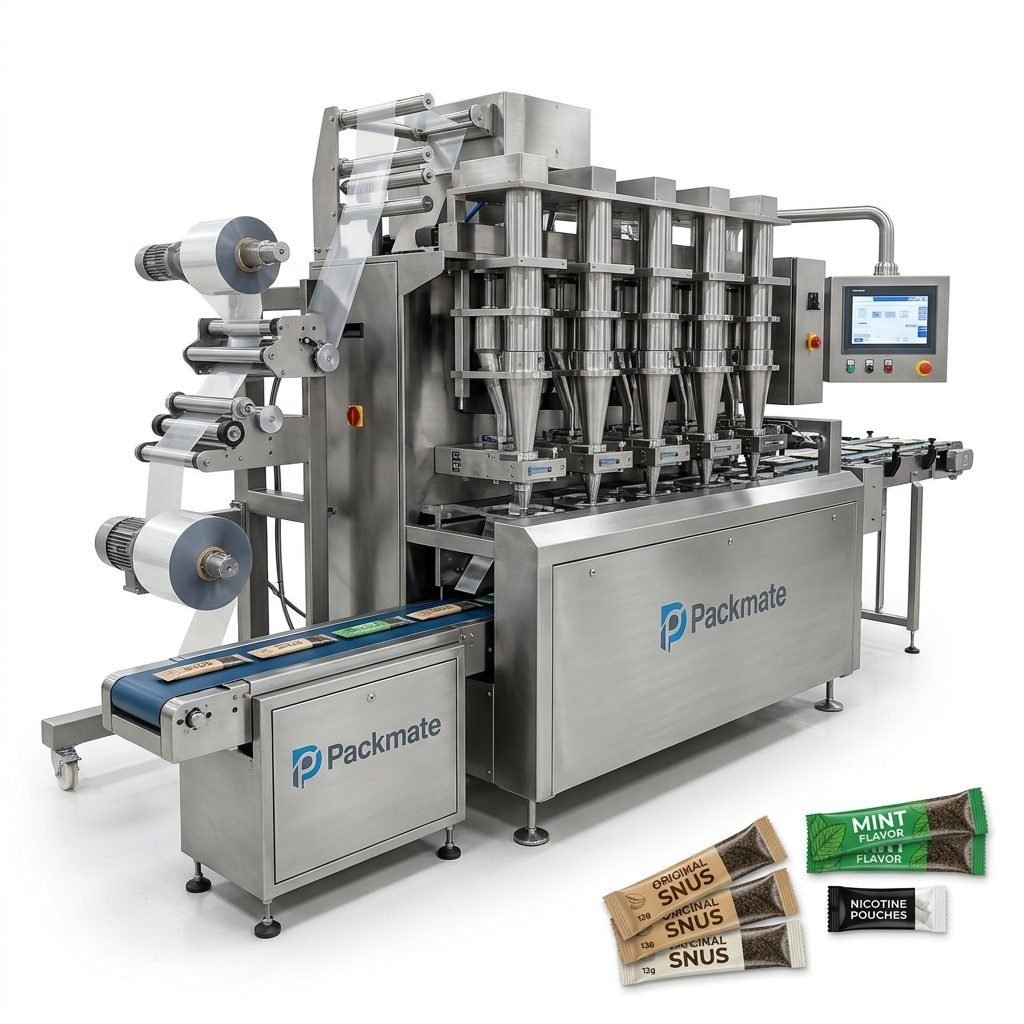
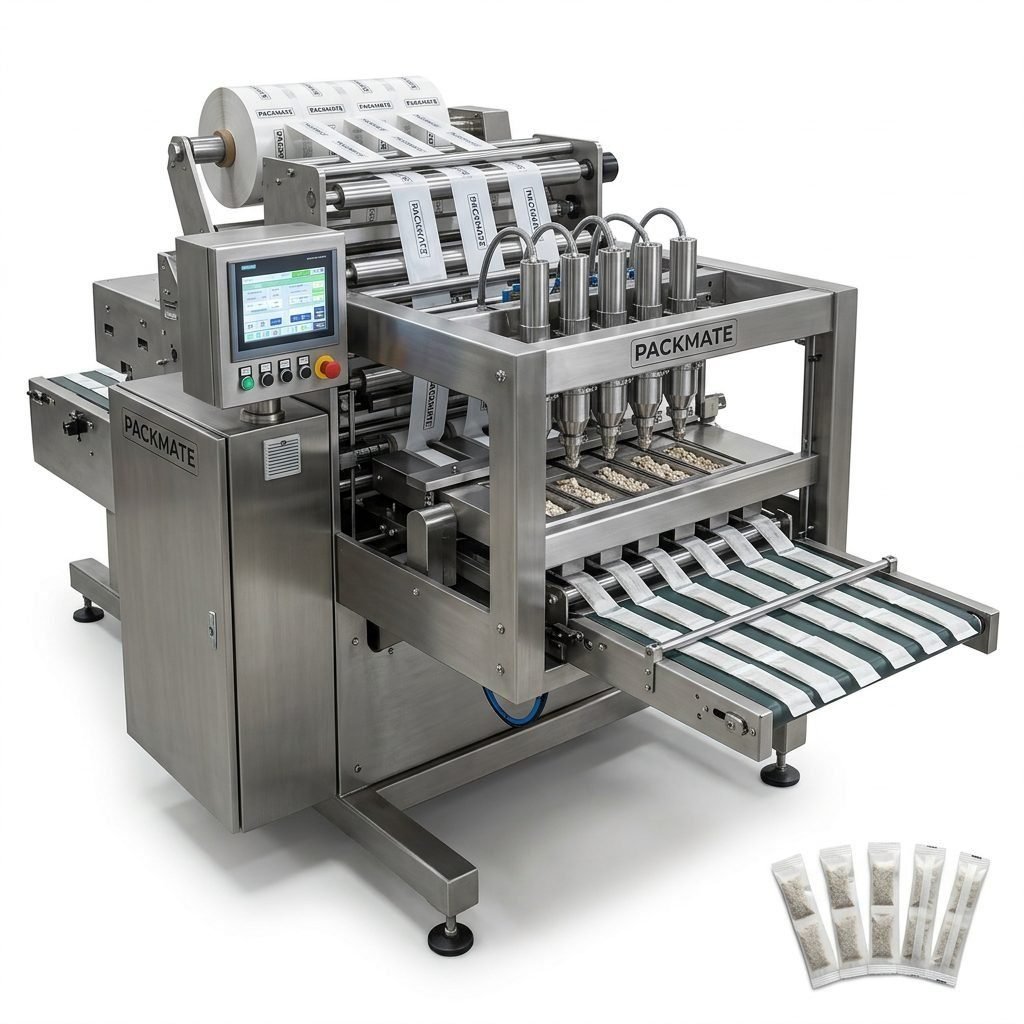
Your production needs may evolve — choose a supplier offering a wide product range (stick packs, sachets, multi-lane snus machines, weighing and filling systems). Verify whether machines can be customized to handle varying pouch sizes, fill weights, and materials. Flexible automation reduces future capital spending.
3. Technical Quality, Certifications and Standards
Ensure the supplier provides machines that comply with international standards such as CE and ISO. Quality certifications indicate that the machinery design, electrical components, and safety systems meet recognized benchmarks. Request documentation for major components (e.g., PLC, servo motors, sensors) and inspect sample test reports.
4. After-sales Service, Spare Parts and Local Support
After-sales support is critical — confirm lead times for spare parts, availability of remote diagnostics, and whether the supplier provides on-site commissioning. Suppliers with global service networks or local partners can drastically shorten downtime. Ask for a clear spare parts list and guaranteed delivery windows.
5. Total Cost of Ownership (TCO) vs Initial Price
Avoid choosing solely on lowest purchase price. Consider lifetime costs: maintenance, spare parts, energy consumption, operator training, and potential production losses during stoppages. A higher-quality machine with better reliability frequently leads to lower TCO over 3-5 years.
6. Compliance, Traceability and Documentation
For nicotine products, regulatory compliance and traceability can be crucial — ensure the machine can integrate batch coding, serialization, or other marking systems. Clear technical manuals, electrical schematics, and maintenance procedures in English (and ideally a translated Khmer summary) make handovers smoother.
7. Logistics, Installation and Lead Time
Calculate realistic lead times including manufacturing, inspection, shipping, customs clearance in Cambodia, and on-site commissioning. Suppliers experienced with Southeast Asia are typically familiar with regional logistics routes and can help avoid delays. Confirm who handles import formalities and the expected delivery timeline.
Why Packmate (Packmate Snus Machine) Is a Strong Option for Cambodian Buyers
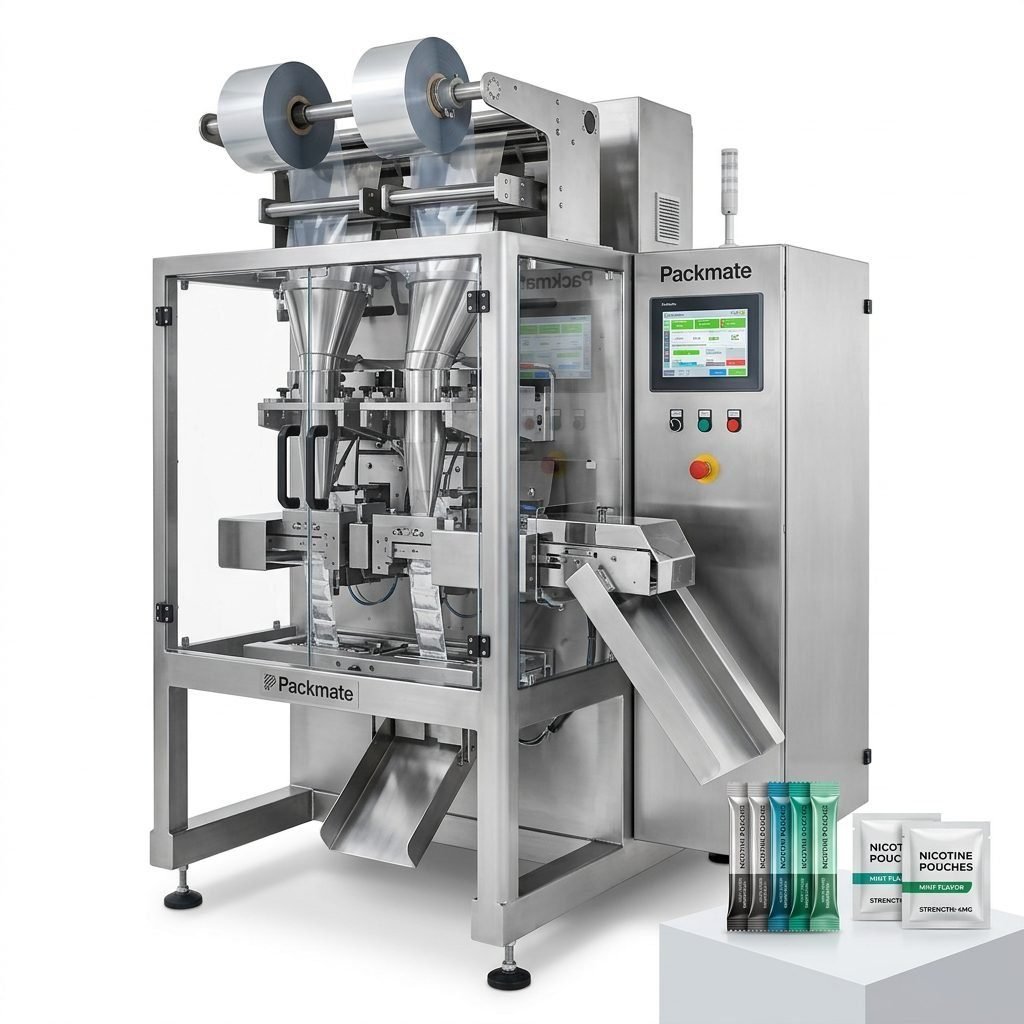
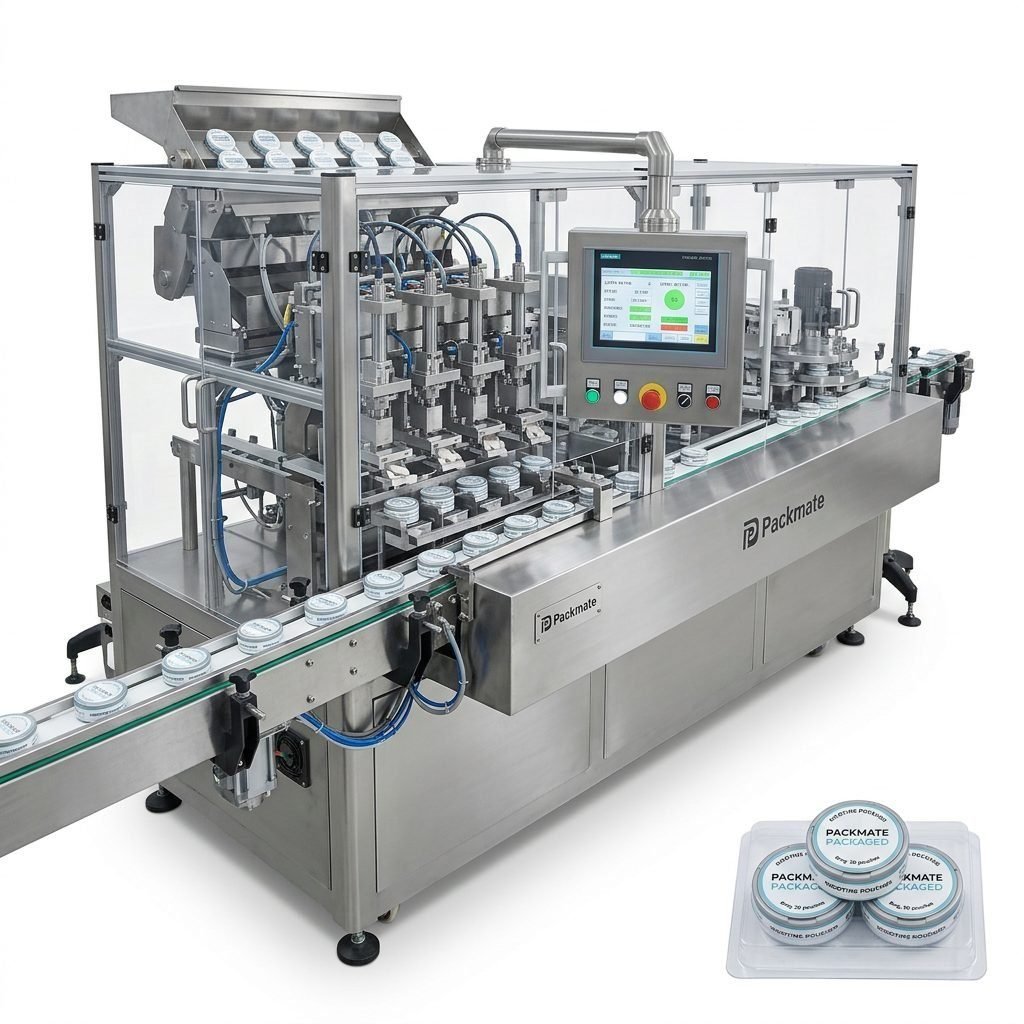
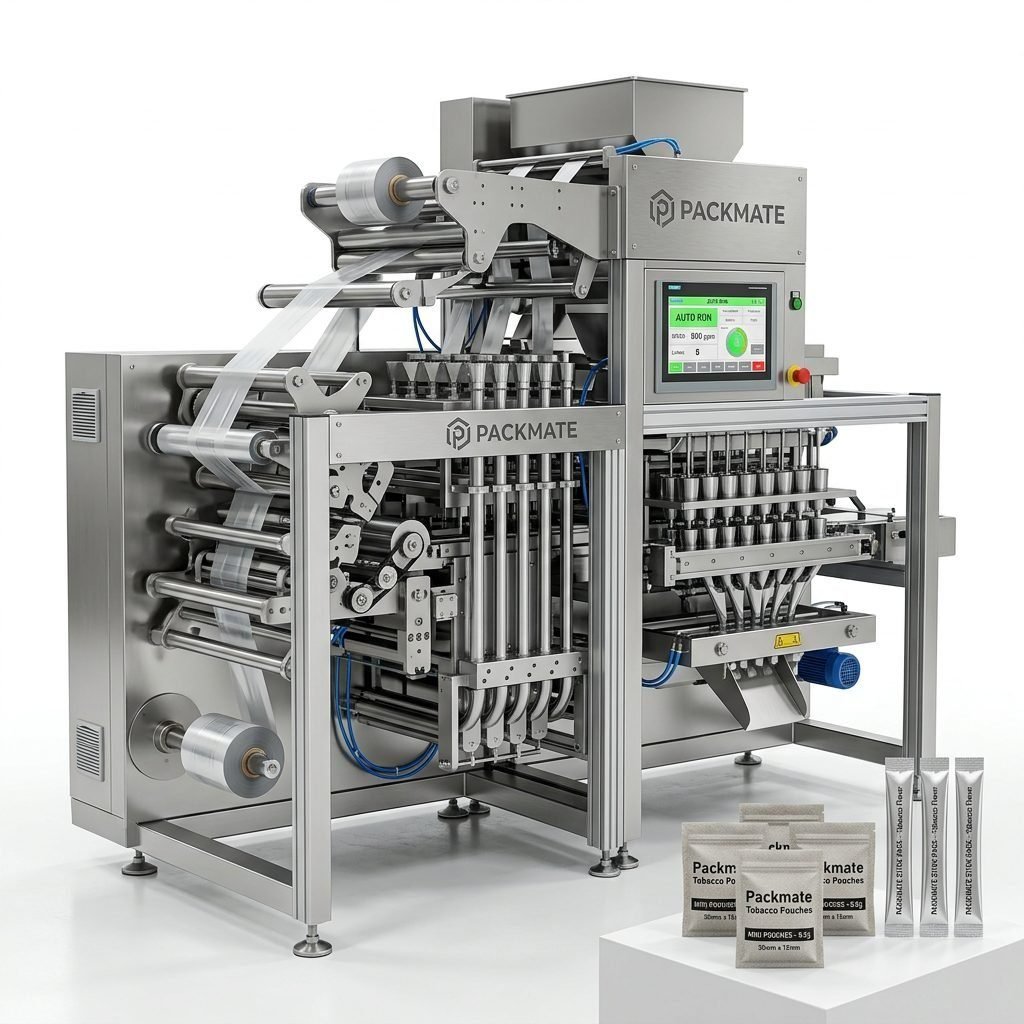
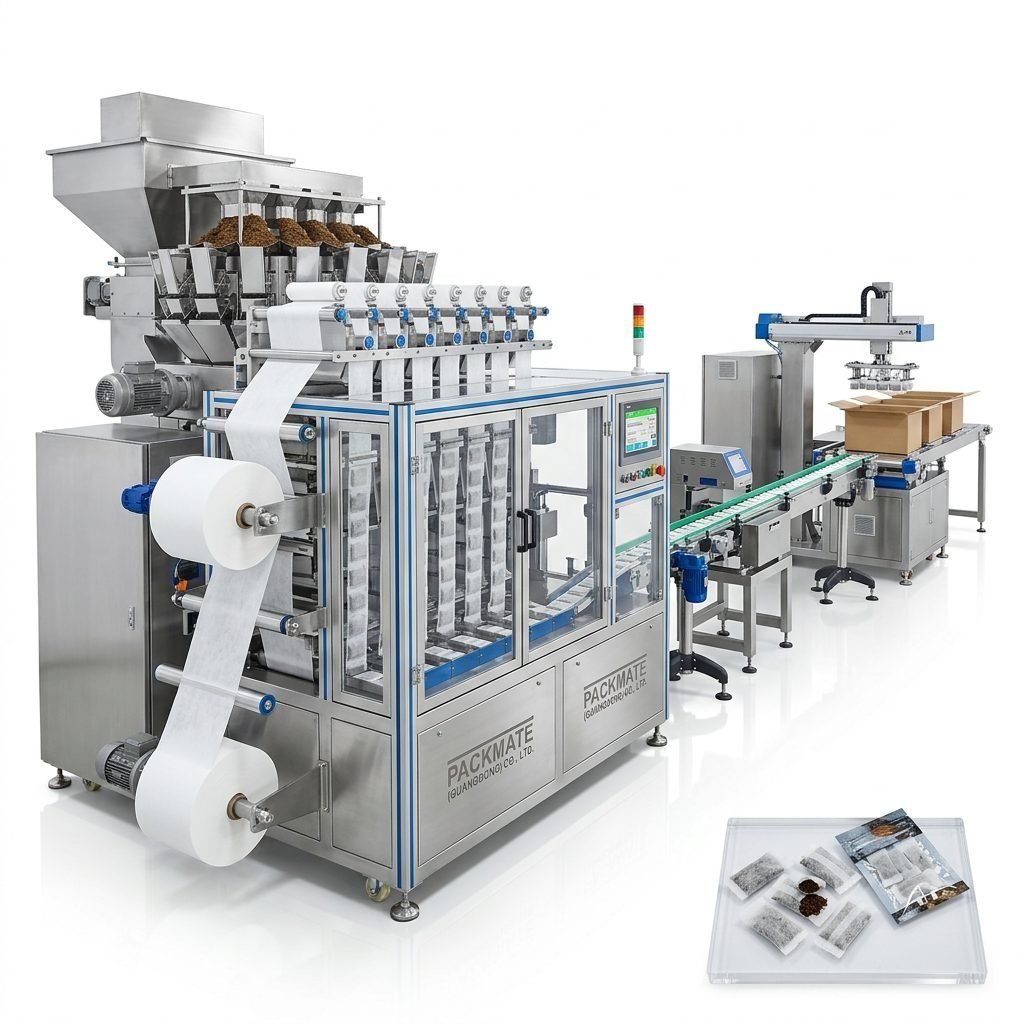
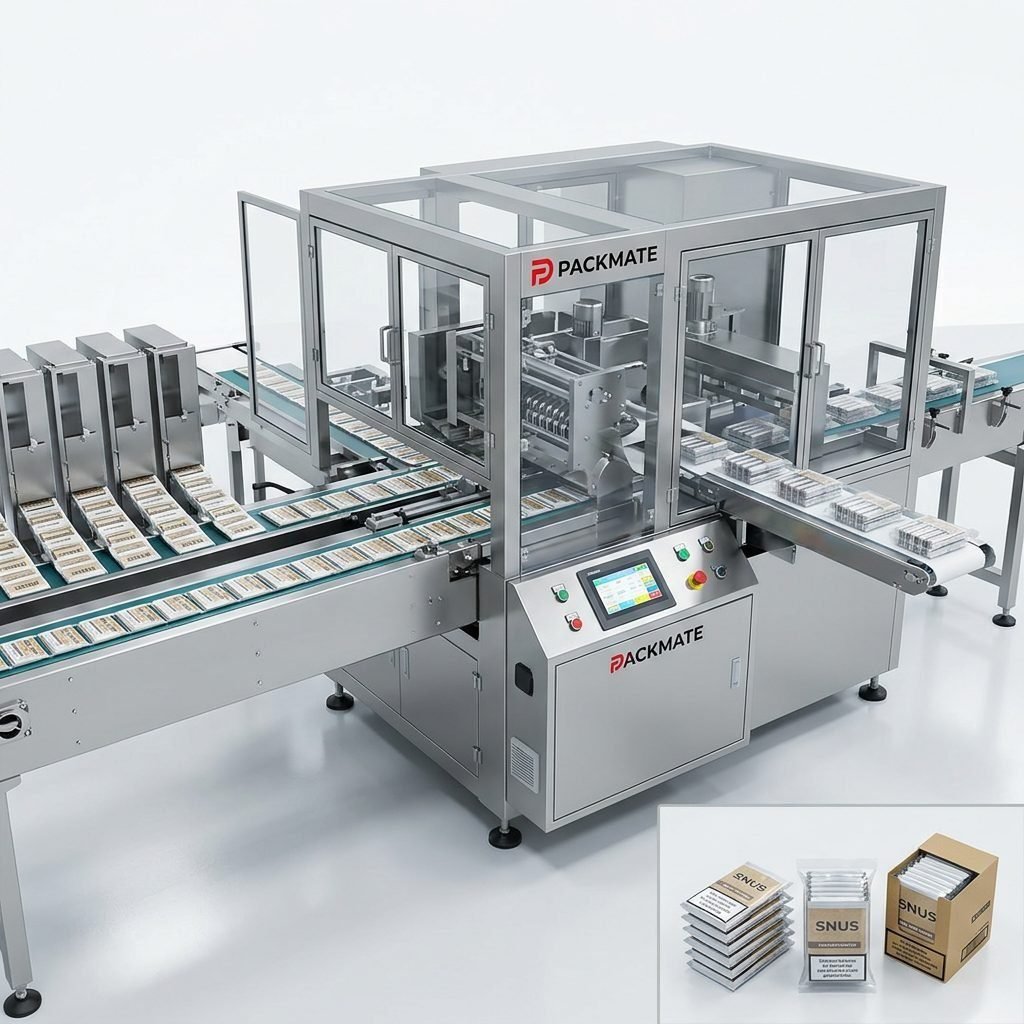
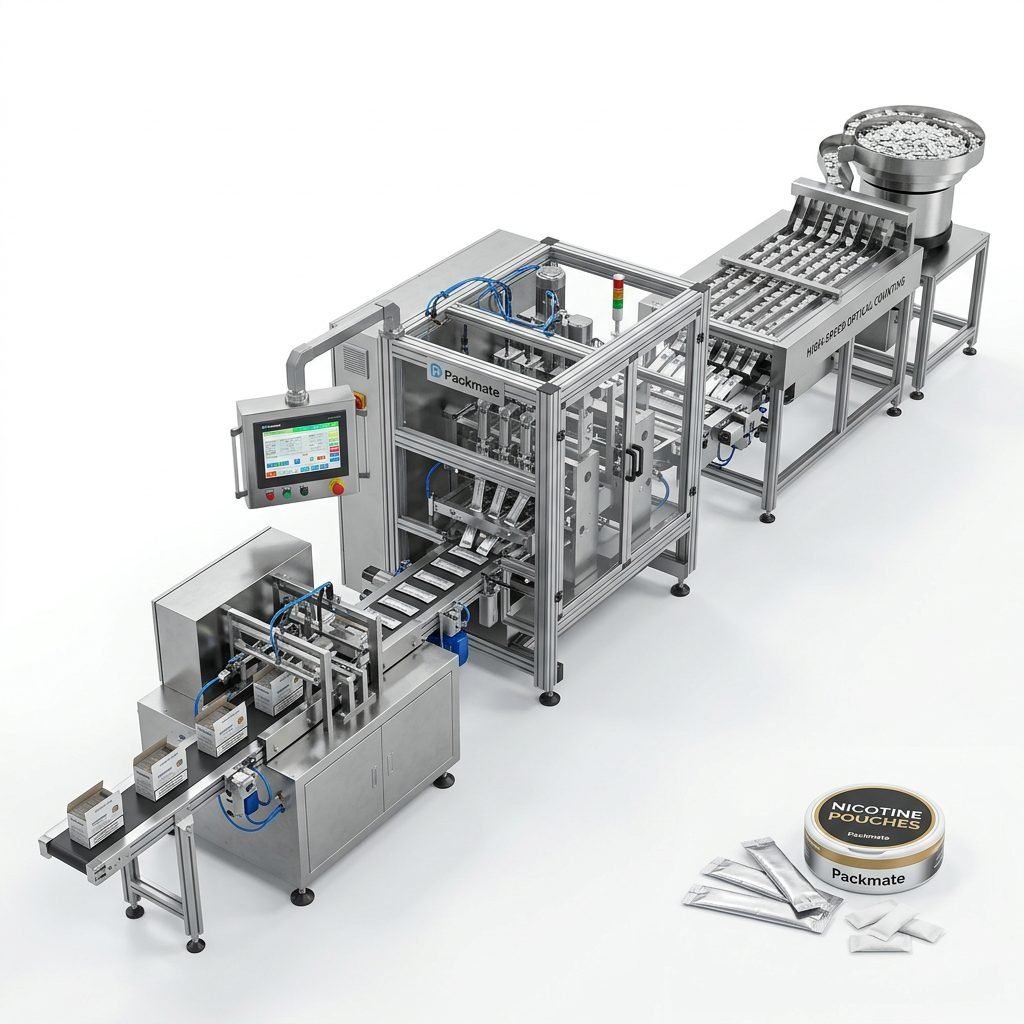
Packmate Snus Machine brings decades of focused expertise in snus and nicotine pouch packaging. With a 20,000㎡ manufacturing facility, a broad machine portfolio, and international certifications, they are positioned to support both entry-level producers and high-speed multi-lane lines. Explore their product offerings for specific solutions: Snus & Nicotine Packaging Machines and learn more about the company’s background at About Packmate.
✅ Factory strengths: Advanced CNC machining, 50+ machine models, and long-term experience in nicotine-pouch automation make Packmate a reliable contender for Cambodian manufacturers aiming for high uptime and consistent quality.
Practical Steps to Shortlist and Audit Suppliers
Follow a structured evaluation process to reduce risk and finalize the best supplier.
Step 1 — Define Your Requirements
Document your required capacity (pouches per minute), pouch formats, fill weights, packaging materials, and quality targets. Include future scalability targets and preferred automation level (semi-automatic vs fully automatic).
Step 2 — Request Detailed Bids and Technical Sheets
Ask for machine specifications, layout drawings, electrical schematics, and a complete bill of materials. Request references and videos of similar machines running comparable products. Suppliers who provide transparent documentation are generally more trustworthy.
Step 3 — Factory Tour or Virtual Inspection
Inspecting the factory (or a live virtual demonstration) reveals production standards, assembly processes, and quality control practices. Review spare-part inventory, assembly test reports, and the supplier’s calibration and testing routines.
Step 4 — Clarify Support Terms and Warranties
Confirm warranty length, what it covers, response times for remote support, and the cost structure for spare parts. Ensure there is a written agreement on training, commissioning, and handover documentation.
Negotiation Tips and Contract Essentials
Strong negotiation balances price with service, delivery, and guarantees. Consider these contract clauses:
🔶 Acceptance testing: Define a Factory Acceptance Test (FAT) and Site Acceptance Test (SAT) protocol with measurable KPIs for speed, accuracy, and downtime.
🔶 Lead times and penalties: Include clear delivery milestones and remedies for missed deadlines.
🔶 Spare parts & consumables: Agree on pricing for critical spare parts, minimum stock levels, and guaranteed availability windows.
Installation, Commissioning and Training in Cambodia
A successful handover depends on practical, on-the-ground preparation. Plan the facility layout in advance, verify utilities (power, compressed air, dust extraction), and create a commissioning schedule that accounts for customs clearance and possible local labor constraints.
⚠️ Cultural note: Cambodian teams appreciate hands-on training and clear documentation. Offer on-site practical sessions and concise manuals. Consider a bilingual training package to speed up operator competence.
Common Pitfalls and How to Avoid Them
Recognize common mistakes early:
✅ Underestimating spare parts needs — maintain a buffer stock of critical components.
✅ Ignoring integration requirements — verify PLC and HMI compatibility with existing factory systems.
✅ Skipping FAT or vague acceptance criteria — insist on measurable performance tests before shipment.
Supplier Shortlist — What to Ask in Final Meetings
When narrowing to finalists, request:
🔶 Production videos of the exact model running your target product
🔶 Detailed timeline from order confirmation to commissioning
🔶 A written spare parts list with lead times and prices
🔶 Contactable references in nearby regions or industries
Where to Find Reliable Information and Demonstrations
Use supplier websites, product catalogs, and trade show reports to gather objective data. For example, examine product categories like Sachet & Stick Pack Machines, and check real-world case studies at Case. For pre-sales and post-sales queries, contacting the supplier directly via their contact page is recommended: Contact Us.
Final Checklist Before Purchase
Use this quick checklist to confirm readiness:
🔶 Detailed technical specification matched to your product
🔶 Signed FAT/SAT acceptance criteria and schedule
🔶 Warranty terms, spare-part lists, and after-sales SLA
🔶 Logistic plan including customs clearance in Cambodia
🔶 Training plan with language considerations and hands-on sessions
Making the Most of Your Investment
After purchase, track machine performance against agreed KPIs, schedule preventive maintenance, and keep a clear log of production incidents. Regularly review spare-part consumption and update your stock levels accordingly. Networking with regional operators and joining industry show events can also provide insights into optimization and upgrades.
🔶 Bonus tip: Ask the supplier about modular upgrades — machines designed for modular expansion reduce total investment when scaling production.
Conclusion
Selecting the best nicotine packaging machine supplier in Cambodia involves evaluating technical capability, local adaptation, after-sales support, and total cost of ownership. Prioritize suppliers who demonstrate clear documentation, robust quality control, and practical on-site support. By following a structured due diligence process — defining requirements, conducting FAT/SAT, and securing strong post-sales agreements — you will minimize risk and position your production line for reliable, long-term performance.
Frequently Asked Questions
Q1: How long does it take to get a snus packaging line delivered to Cambodia?
A1: Typical lead times vary by model and customization level. Expect 90–180 days for manufacturing and testing, plus shipping and customs clearance. Confirm exact timelines with the supplier during the quotation stage.
Q2: What local support can I expect after installation?
A2: Reliable suppliers offer remote technical support, spare parts supply, and on-site commissioning. For Cambodia, choose suppliers who provide bilingual documentation or local technician training to ensure smooth operations.
Q3: How do I validate the machine performance before payment?
A3: Insist on a Factory Acceptance Test (FAT) where the supplier demonstrates the machine running your product or closely matched samples. Define SAT (Site Acceptance Test) metrics to validate performance after installation.
Q4: Are there local regulations in Cambodia that affect nicotine pouch production?
A4: Regulations can change; consult local regulatory bodies or legal advisors. Ensure machines support necessary labeling, coding, and traceability functions to comply with local or export market requirements.
Q5: Where can I see real examples of similar packaging lines?
A5: Ask suppliers for case studies and demo videos. Visit manufacturer case pages and exhibition reports such as the supplier’s Our Exhibition and Case pages to review past projects and live demonstrations.