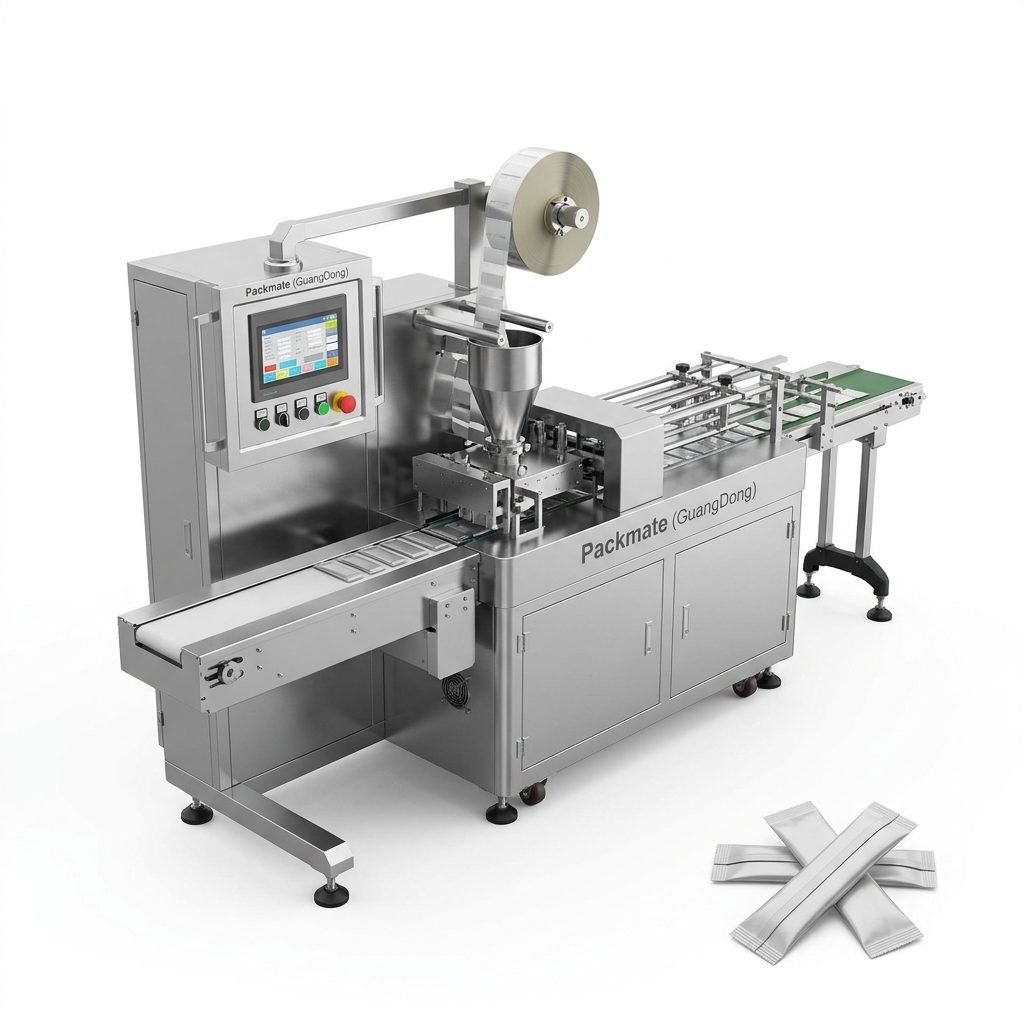
Choosing the right nicotine packaging machinery supplier in New Zealand requires more than price comparison. The New Zealand market values compliance, sustainability and close supplier relationships, so it’s essential to evaluate technical capabilities, regulatory knowledge, after-sales support and local fit. This guide walks you through practical steps and checklists to identify the best partner for nicotine pouch or snus packaging lines—helping you reduce risk, protect brand reputation and optimize long‑term production costs.
Understand New Zealand Market Nuances
New Zealand is a relatively small but discerning market. Buyers often prioritize:
🔍 Regulatory compliance: Ensure machines and materials meet local and import regulations; documentation for CE/ISO and material traceability is commonly requested.
♻️ Sustainability expectations: NZ manufacturers and customers typically prefer recyclable or minimal packaging and energy‑efficient equipment.
🤝 Close supplier relationships: Due to distance from major production hubs, NZ buyers value reliable after‑sales service, spare parts availability and clear communication.
Key types of nicotine packaging machines to consider
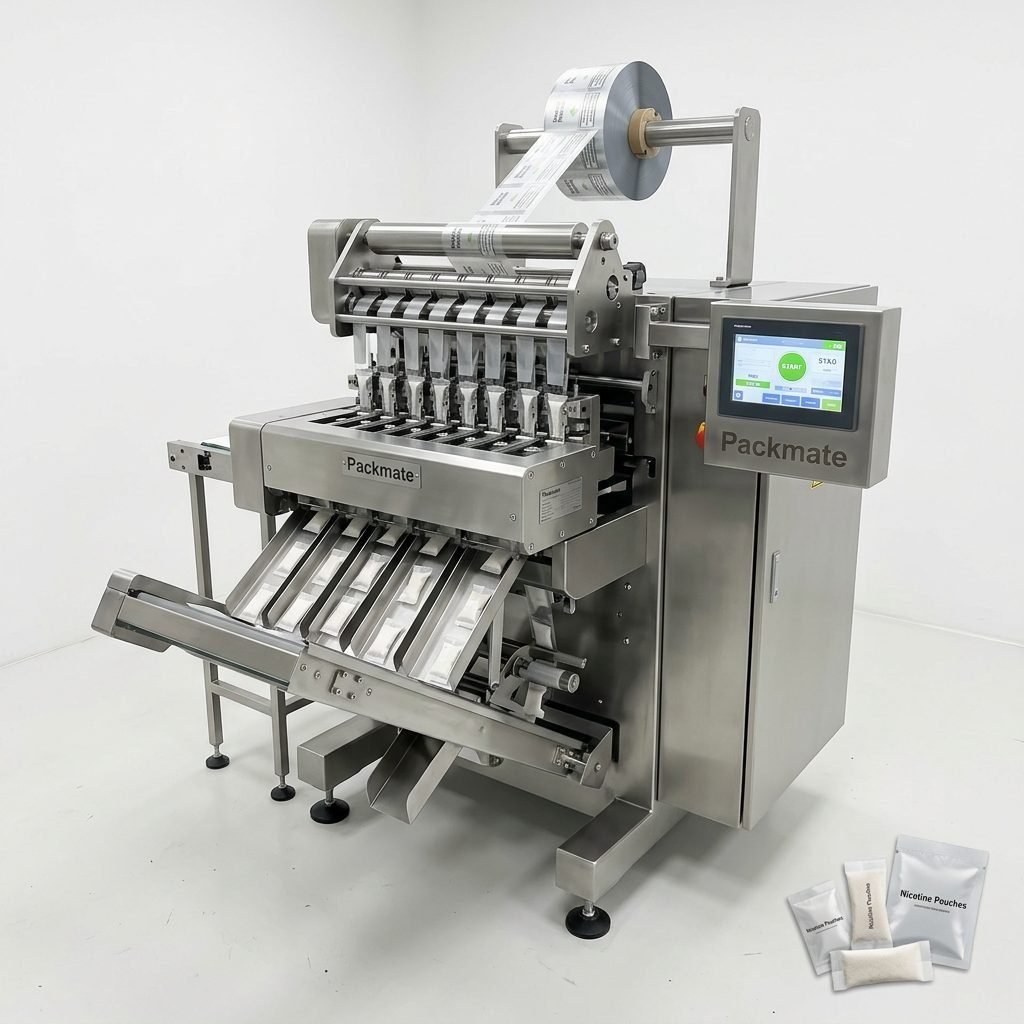
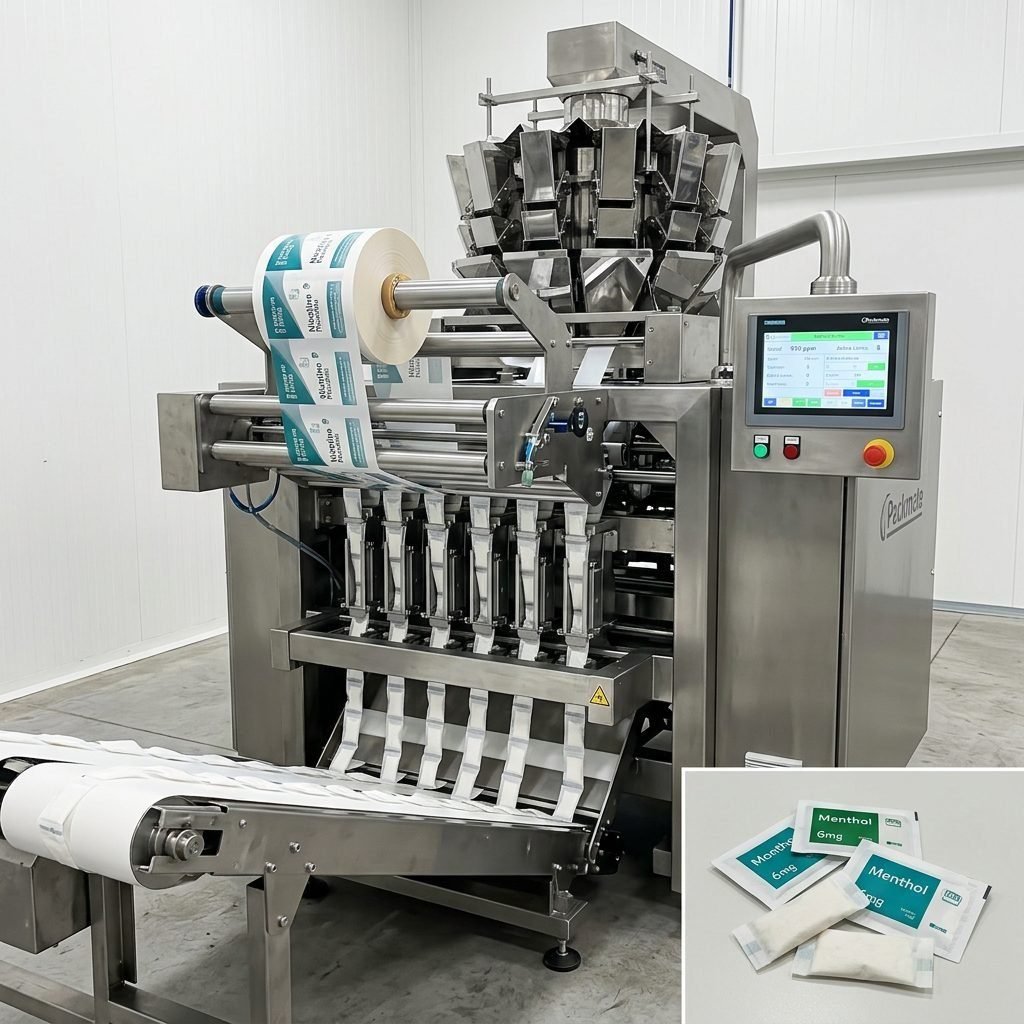
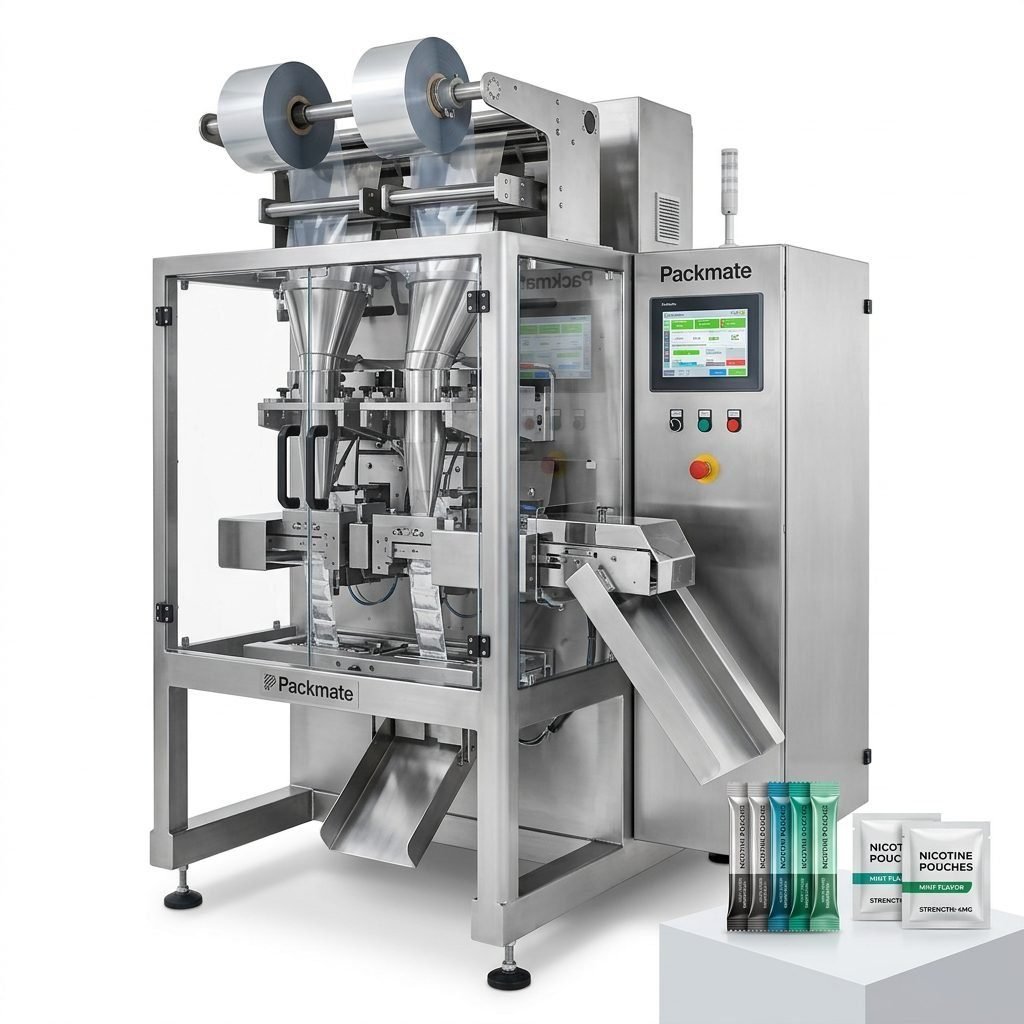
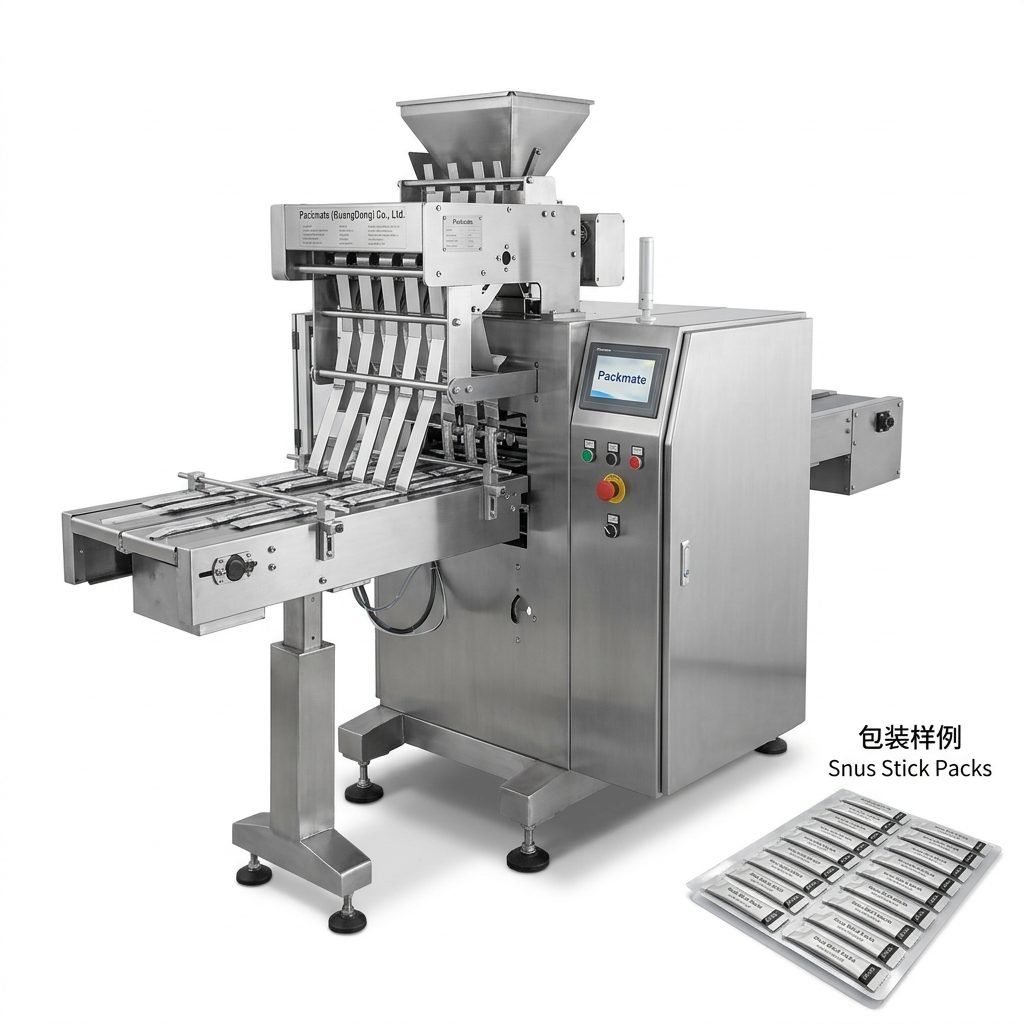
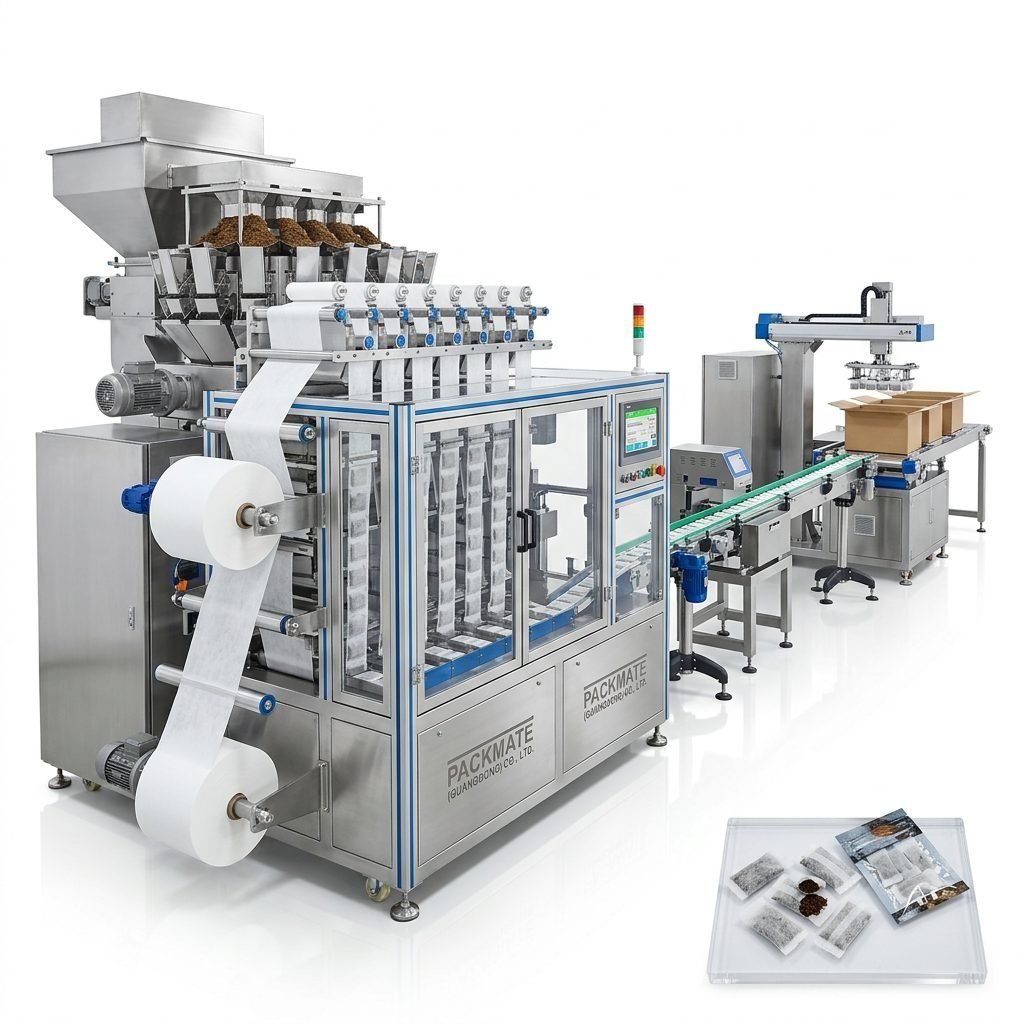
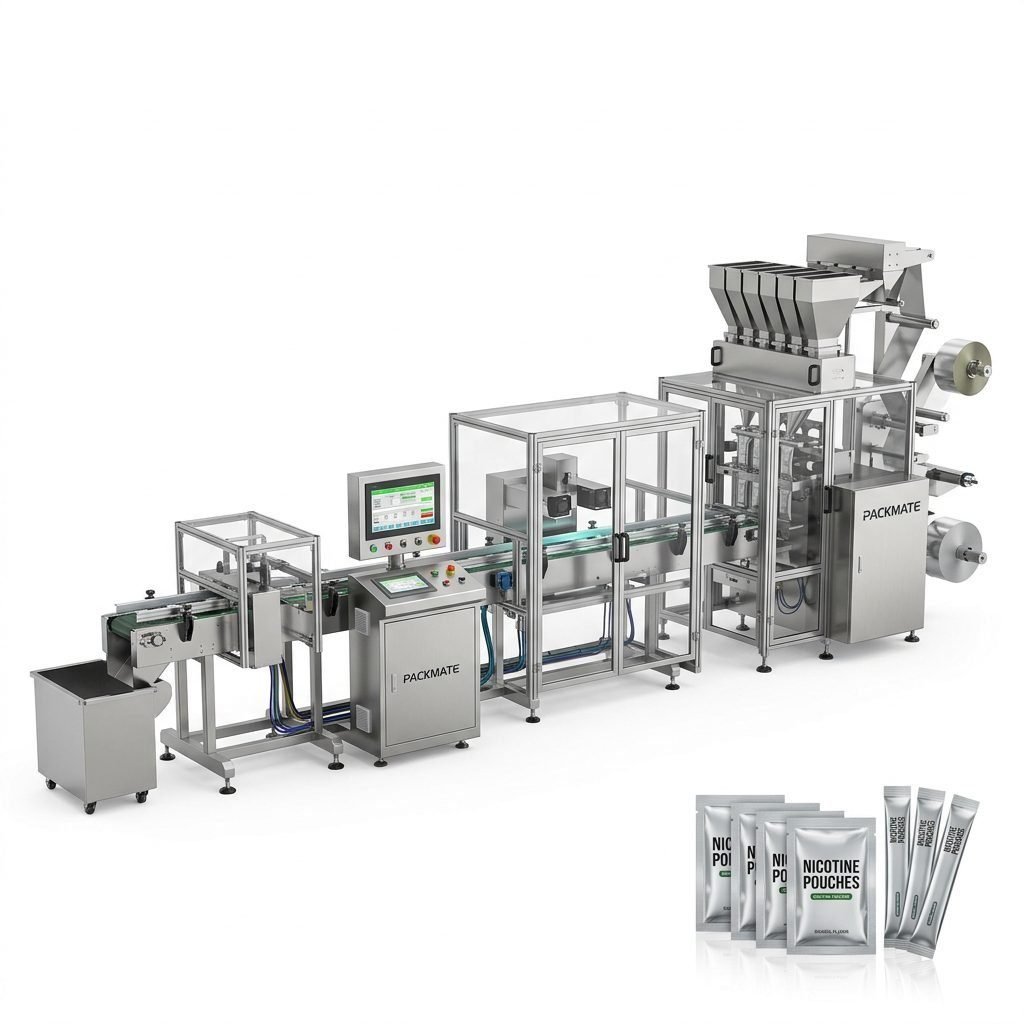
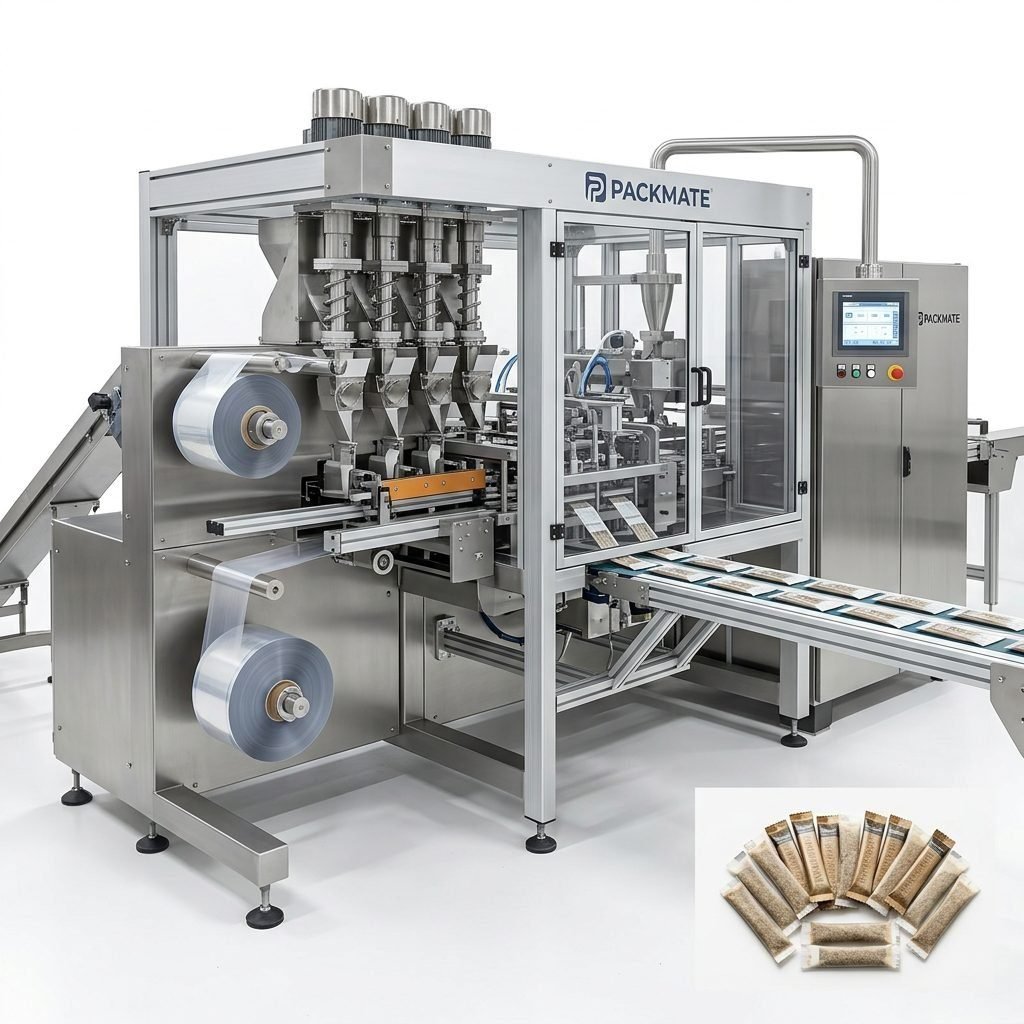
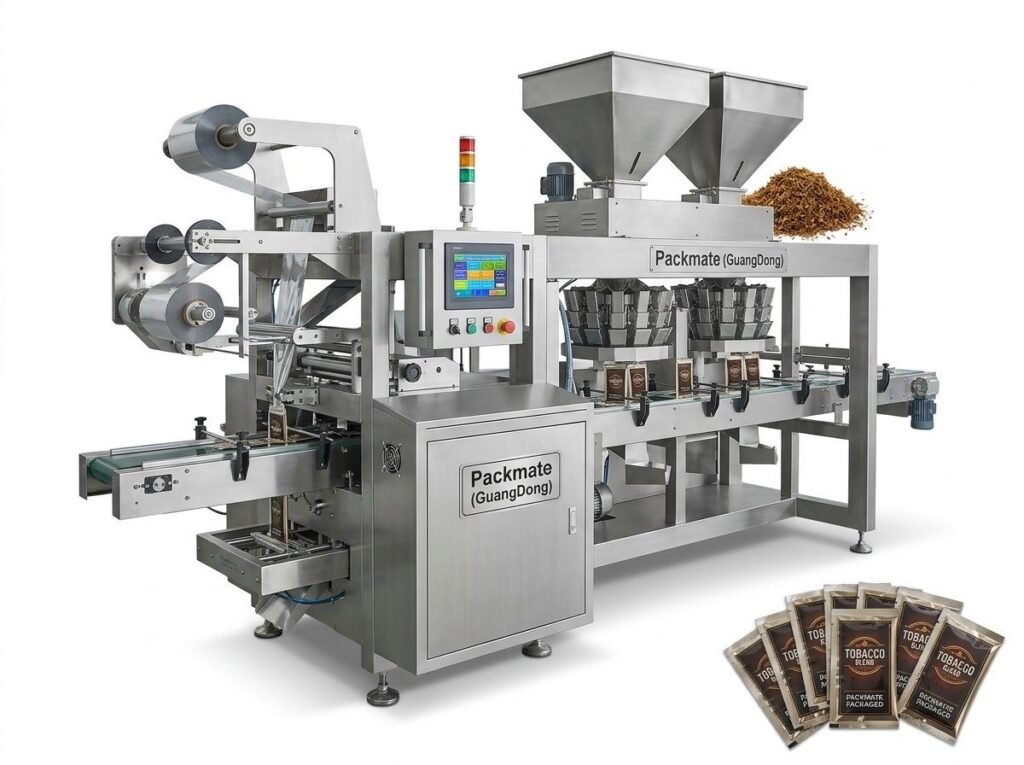
Depending on product format and output needs, common options include stick pack, sachet, multi‑lane snus pouch systems and complete filling lines. Evaluate machine compatibility with nicotine pouch weights (often small dose), multi‑lane throughput and flexible format changeover.
Top Criteria When Choosing a Supplier
1. Experience and Track Record
Look for manufacturers with proven experience in nicotine pouch and snus packaging. A supplier with decades in packaging machine development is preferable because nicotine pouch filling often requires high precision for small doses. For example, Packmate Snus Machine highlights over 30 years of engineering history and multi‑lane line experience—factors that reduce implementation risk.
2. Range of Machine Models and Customization
✔︎ Multi‑model offerings: A broad portfolio (stick pack, sachet, snus pouch, multi‑lane systems) allows you to scale or pivot product formats.
✔︎ Customization: Ability to customize lanes, dose systems, and infeed/automation to suit small batch runs or high throughput production.
3. Certifications and Compliance
Ensure the supplier provides CE, ISO and any industry-specific certificates, plus full material declarations. Ask for calibration certificates for dosing systems and for compliance statements for electrical and safety standards—this is particularly important for import clearance and workplace safety in New Zealand.
4. After‑Sales Service and Spare Parts
Rapid support and spare‑parts supply are critical when your production schedule is tight. Prefer suppliers who offer:
- Local or regional service partners
- Remote diagnostics and software support
- Clear spare parts lead times and stocking options
Questions to Ask Your Prospective Supplier
1. What is your experience with nicotine pouch or snus packaging lines?
2. Can you provide references or case studies for installations in similar climates or market sizes?
3. What certifications do your machines and components carry (CE, ISO, material compliance)?
4. What are the typical lead times for machines and spare parts to New Zealand?
5. Do you offer installation, commissioning and operator training in NZ or remotely?
Red Flags to Watch For
Be wary if a supplier:
- Cannot provide recent references or machine videos
- Has vague spare parts policies or long lead times
- Refuses to discuss local compliance or installation support
Evaluating Total Cost of Ownership (TCO) vs. Upfront Price
When comparing quotes, include hidden costs like shipping, customs clearance, on‑site installation, training, spare parts inventory, and downtime risk. A slightly higher purchase price can be justified by superior reliability, lower energy use, and faster changeover time.
ROI Factors to model
• Production uptime and MTBF (mean time between failures).
• Changeover times between formats and batch sizes.
• Energy and consumable costs (films, adhesives, sealing elements).
• Labour savings through automation and operator ease of use.
Site Visit and Factory Acceptance Tests (FAT)
Whenever possible, conduct a factory acceptance test (FAT) or ask for a detailed video demonstration. A FAT should validate:
- Dose accuracy and repeatability
- Sealing integrity and package appearance
- Throughput at target format and multi‑lane synchronization
- Safety interlocks and cleanability
When FAT isn’t possible
Request high‑resolution video demo of your specific format and an independent third‑party inspection report. Confirm acceptance criteria in the contract to avoid ambiguity at delivery.
Shipping, Import and Local Compliance Considerations for New Zealand
International shipments to NZ require clear HS codes, accurate machine declarations and often pre‑authorization for electrical components. Confirm the supplier can provide:
• Packing lists and commercial invoices with component detail
• User manuals, wiring diagrams and spare parts lists in English
• Certificates required for customs and electrical safety inspections
Sustainability and Community Considerations in NZ
New Zealand businesses often prefer suppliers who demonstrate sustainable practices and respect for local communities, including Māori protocols where applicable. Consider suppliers that offer:
- Recyclable packaging solutions and minimal waste designs
- Energy-efficient drives and motors
- Transparent sourcing of materials and conflict-free components
Practical Checklist Before Signing a Contract
1. Confirm performance specs: throughput, accuracy, energy use.
2. Agree FAT criteria and acceptance tests in writing.
3. Include clear warranty terms and spare parts lead times.
4. Schedule installation, training and timeline for commissioning.
5. Ensure all documentation for NZ customs and compliance is provided.
Real‑World Example: How Packmate Aligns with NZ Needs
A globally recognized supplier with a strong manufacturing base and over 30 years of experience can provide several advantages to New Zealand buyers. Packmate Snus Machine—manufacturing across 20,000㎡ with advanced CNC centers—offers a wide range of models suited for nicotine pouches and multi‑lane production. Their mix of standardized models and turnkey customization helps NZ businesses balance capital expenditure with production flexibility. For more detail on machine ranges, see Snus & Nicotine Packaging Machines and Sachet & Stick Pack Machines.
Negotiating Service and Warranty Terms
Negotiate clearly on warranty coverage (parts vs. labour), response time SLAs, spare parts availability and remote support provisions. Consider a performance bond or phased payment tied to FAT and successful commissioning to protect your investment.
Tip: Local agent vs direct manufacturer
Buying via a local NZ agent can simplify compliance and service, but buying direct from a reputable manufacturer can reduce cost and improve customization. Evaluate the tradeoffs in light of lead times and local support availability. Visit About Packmate and Contact Us for direct factory inquiries.
Implementation Timeline and Project Management
Typical project phases include specification, quote, contract, FAT, shipping and installation. Allow buffer time for customs clearance and site electrical/mechanical preparations. Good suppliers will help you with a clear Gantt chart and a single point of contact for project updates.
Useful Resources and Next Steps
To continue your evaluation, request machine videos, FAT reports and customer references. Browse product lines such as Snus & Nicotine Packaging Machines, Sachet & Stick Pack Machines and Filling & Packaging Lines to understand capability ranges. Review company credentials via About Packmate and study case installations on the supplier Case page.
Final selection reminder
Prioritize suppliers who combine technical expertise, demonstrable nicotine pouch experience, clear compliance documentation and reliable after‑sales support. In New Zealand, a partner that respects local values around sustainability and community engagement will be a strong strategic fit.
Frequently Asked Questions
Q1: How important is CE/ISO certification for machines imported into New Zealand?
A: Certifications like CE and ISO provide assurance on safety and manufacturing standards and simplify regulatory review at customs; always request these certificates from your supplier.
Q2: What lead time should I expect for a multi‑lane snus packaging line?
A: Typical lead times vary by customization but expect manufacturing and FAT to take several months; factor in shipping and customs clearance. Clarify timelines with your supplier up front.
Q3: Can suppliers provide installation and training in New Zealand?
A: Many established manufacturers offer installation and training—either in person or remotely. Confirm travel, accommodation and local visa needs if in‑person support is required.
Q4: How can I ensure sustainability in my packaging line selection?
A: Ask about recyclable film compatibility, energy‑efficient components, and waste reduction features. Suppliers with transparent sourcing and lifecycle reporting will better support NZ sustainability goals.
Q5: Where can I find product details and examples of past projects?
A: Review product pages such as Snus & Nicotine Packaging Machines, Filling & Packaging Lines and the supplier Case studies. For direct enquiries, use Contact Us to request demos and references.