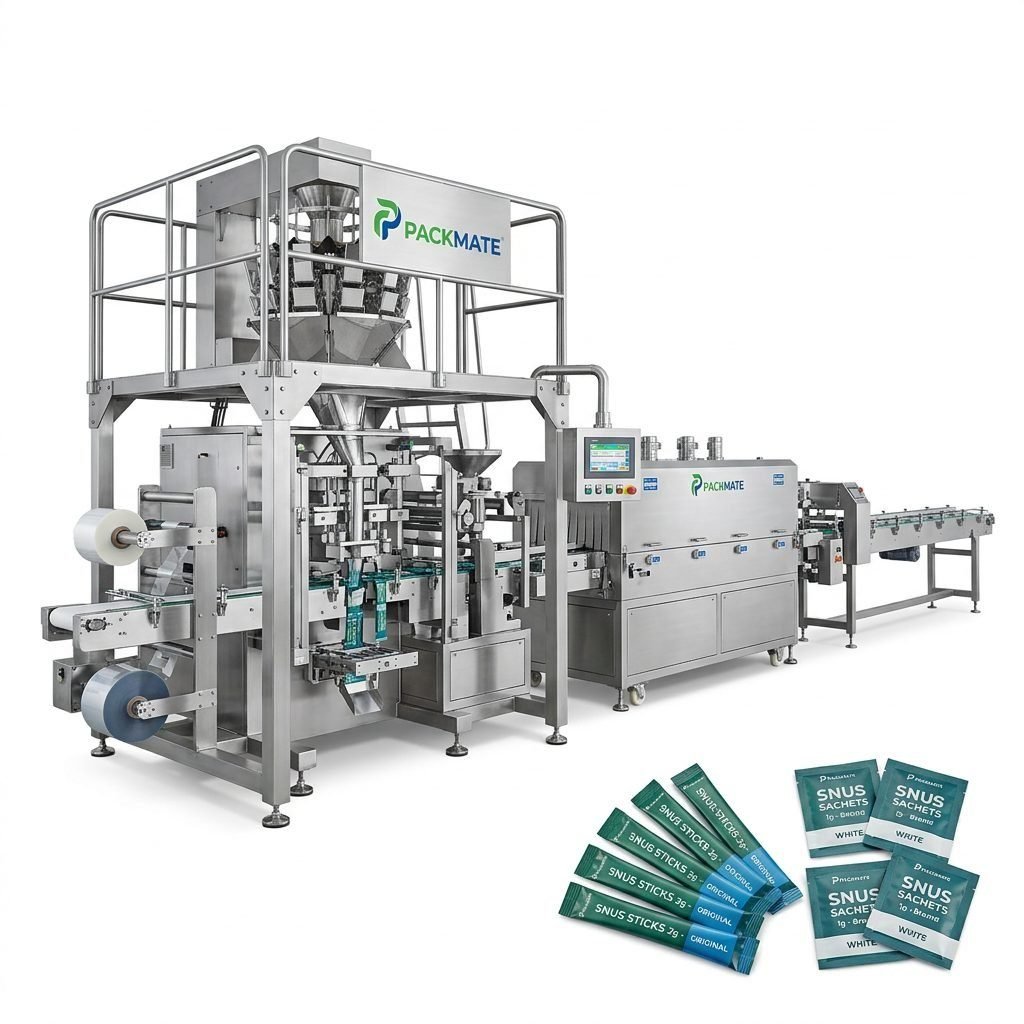
Choosing the right nicotine pouch or snus packaging machine supplier for your factory in Armenia can determine product quality, production efficiency, and long-term profitability. This guide walks you through practical steps, local considerations, technical criteria, and commercial aspects to help you make an informed decision. Whether you are launching a new nicotine pouch brand or scaling production, understanding machine performance, supplier credentials, and Armenian market realities will save time, money, and headaches.
Understand the Armenian Market and Local Business Culture
Armenia’s manufacturing and distribution environment is shaped by a close-knit business culture, strong regional trade ties (especially with Russia and neighboring countries), and a growing interest in alternative nicotine products. When evaluating suppliers, factor in:
Relationship-building is key — Armenian partners value trust, site visits, and clear after-sales commitments. Language flexibility (Russian and English) is helpful, and logistics planning should consider regional customs procedures and road transport realities.
Local consumer preferences and regulatory notes
Nicotine pouch demand in Armenia may differ from northern European markets. Focus on machines that offer flexible dosing, small-batch runs, and multiple pouch formats to adapt quickly to customer tastes and regulatory labeling requirements. Make sure your supplier understands export documentation and can help with CE/ISO compliance to meet international buyers.
Key Technical Criteria: What Your Factory Really Needs
Before requesting quotes, define your production targets and product specs. Key technical factors include:
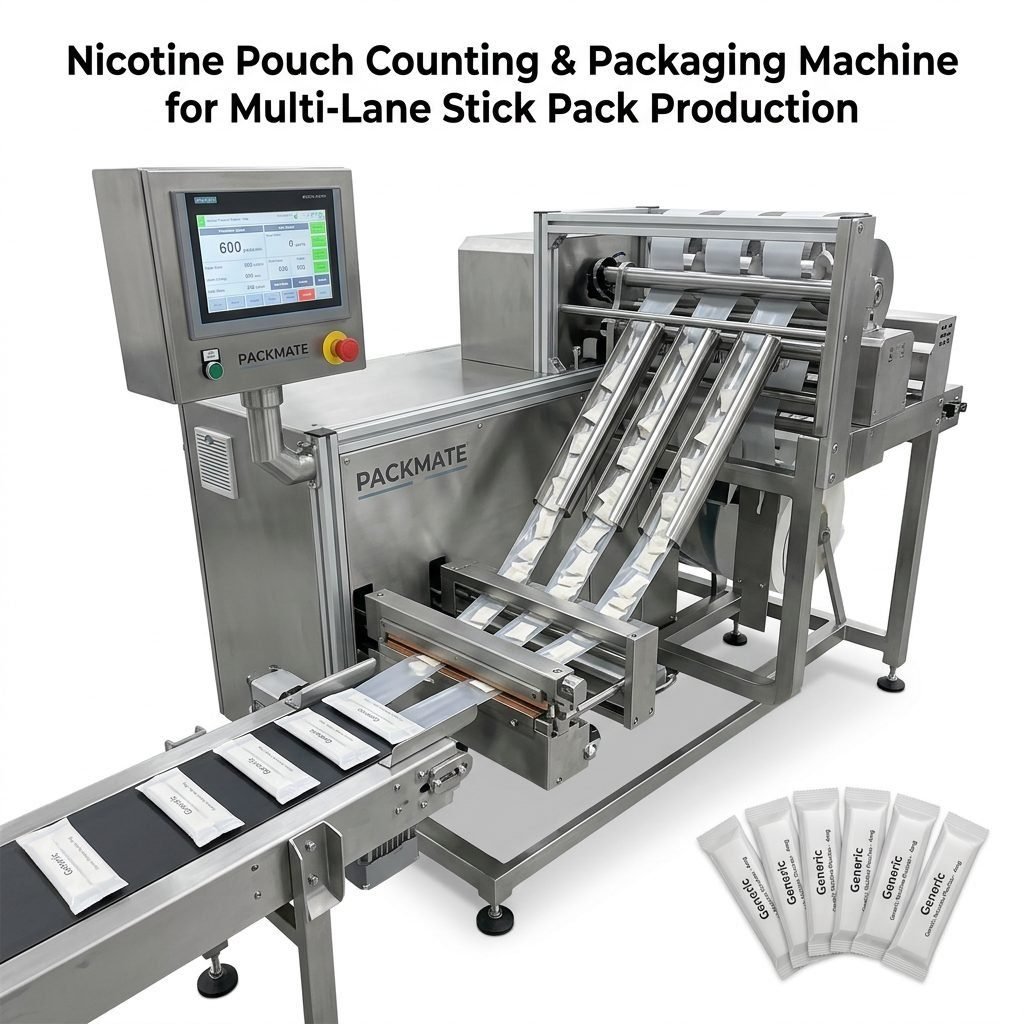
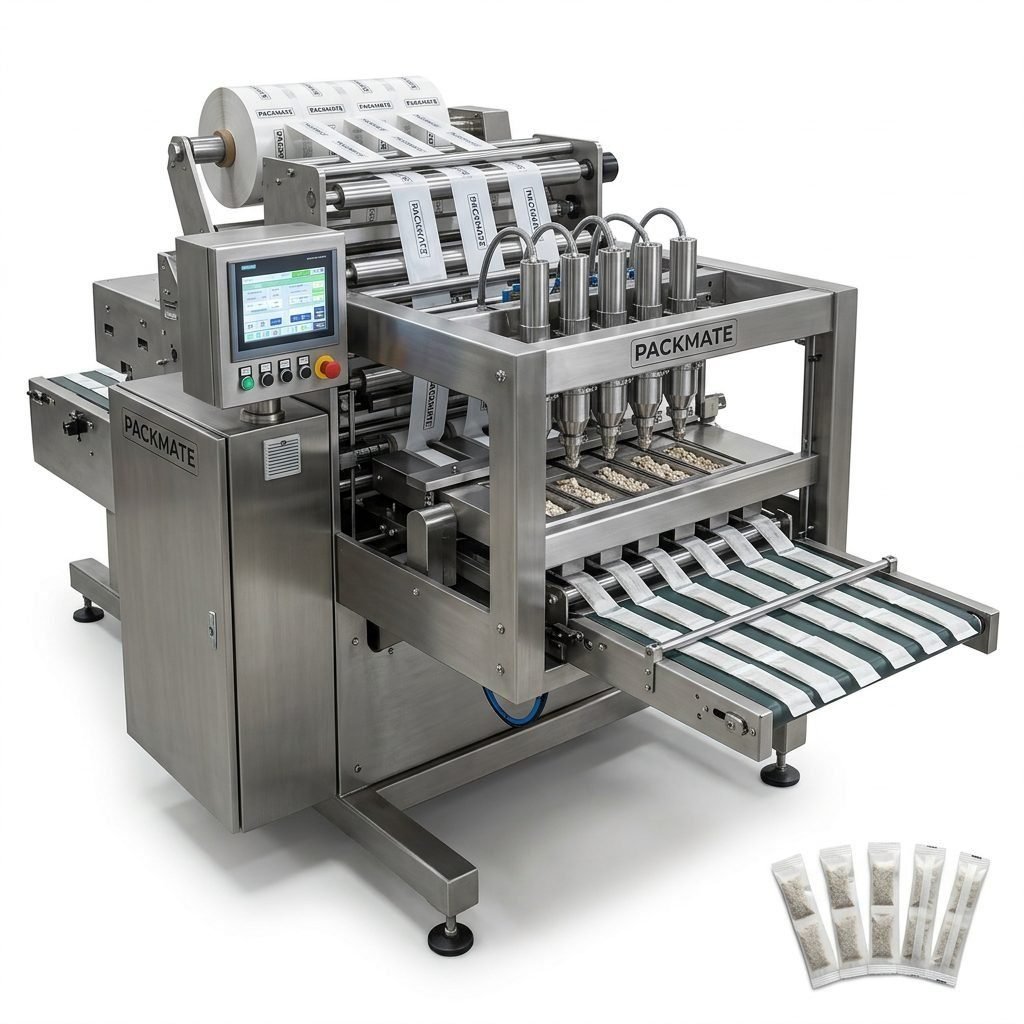
Throughput and lanes: Decide on single-lane versus multi-lane systems. Multi-lane machines can multiply output (great for higher volumes) but require higher initial investment and more complex maintenance.
Filling accuracy: Small-dose nicotine pouches demand precision. Look for proven weighing and dosing systems with low deviation to avoid waste and regulatory problems.
Format flexibility: Your supplier should support multiple pouch types — tuck-in sachets, flat pouches, stick packs, and custom shapes. This allows you to adapt to changing consumer trends without replacing major equipment.
Mechanical reliability and spare parts
Prioritize suppliers with strong machining capabilities (CNC centers, precision assembly) and a reliable spare parts supply chain. Quick access to replacement parts reduces downtime in Armenia, where shipping times may vary.
Supplier Credentials: Verify Experience, Certification, and Case History
A credible supplier should present documented experience with nicotine pouch/snus packaging, certifications, and real-world case studies. Consider:
Years of industry experience — suppliers with decades of engineering experience are more likely to deliver robust solutions. For example, companies with 20–30+ years often possess mature quality systems and design libraries that reduce customization time.
🔍 Check certifications such as CE and ISO for safety and quality compliance, and ask for machine test reports and performance guarantees.
Review case studies and customer testimonials. Suppliers who share real case examples show transparency and proven performance across different markets.
Factory Visit and Acceptance Testing
Whenever possible, schedule a factory visit or a remote live demonstration. On-site inspections or detailed video trials reveal machine build quality, assembly standards, and testing rigour.
During acceptance testing, verify:
- Actual output vs. quoted throughput
- Filling accuracy and weight variation
- Changeover time for formats and lanes
- Operator interface clarity and language options
Customization, Automation, and Integration
Armenian manufacturers benefit from suppliers that can provide modular upgrades and turnkey lines. Ask about:
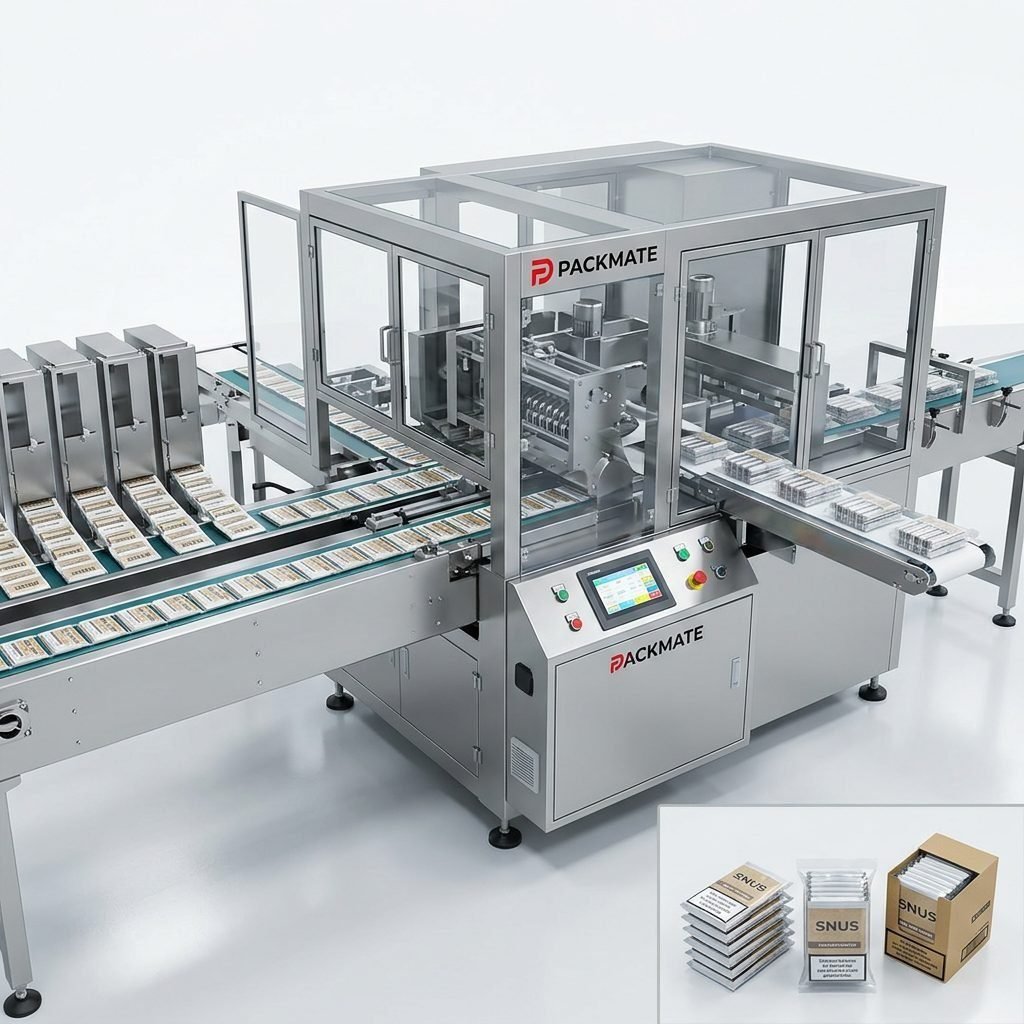
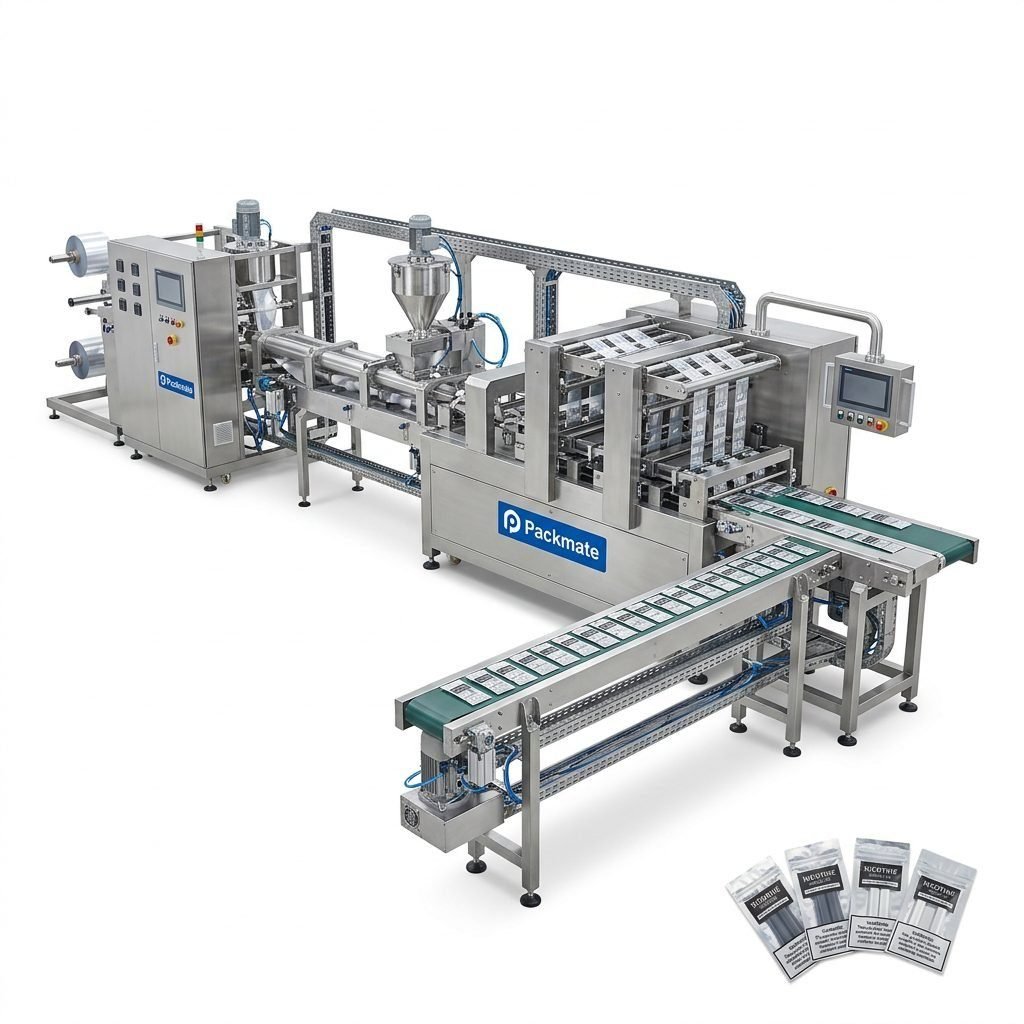
Turnkey solutions — integration of mixing, dosing, filling, pouch formation, and secondary packaging minimizes coordination issues.
Suppliers who offer filling & packaging lines and weighing systems can deliver smoother production ramps and fewer compatibility risks.
After-Sales Service, Training, and Spare Parts Strategy
After-sales support is a critical competitive differentiator. Look at:
Service response times and remote diagnostics capabilities. The supplier should offer remote troubleshooting, PLC access options, and scheduled maintenance plans.
Operator and maintenance training — ensure the supplier provides on-site or virtual training sessions in an accessible language for your staff in Armenia.
Ask for a documented spare parts list and recommended inventory levels. Prefer suppliers who can ship parts quickly or have regional stocking partners.
Commercial Terms: Pricing, Payment, and Lead Times
Balanced commercial terms are essential. When comparing quotes, evaluate:
Total cost of ownership — factor in installation, spare parts, consumables, training, and warranty period, not only the purchase price.
Lead times can vary by model complexity and customization. Get clear delivery timelines and penalties or remedies for late delivery.
Payment terms should be negotiated to balance your cash flow needs and supplier security. Armenian businesses often work with letter of credit arrangements or staged payments tied to milestones and factory acceptance testing.
Logistics, Installation and Local Compliance
Plan installation logistics early. For Armenia, consider:
- Packaging machines can be large — verify transport dimensions and local crane or forklift capabilities.
- Customs documentation and import duties — ensure supplier provides correct HS codes and commercial invoices.
- Local electrical standards and operator safety regulations — adapt machinery controls and safety guards as required.
Why Work with a Specialist Snus/Nicotine Packaging Manufacturer?
Specialist manufacturers bring targeted expertise in small-dose pouch production, multi-lane synchronization, and hygienic design for nicotine pouches. They understand the sensitivity of active ingredients, dosing tolerances, and consumer presentation.
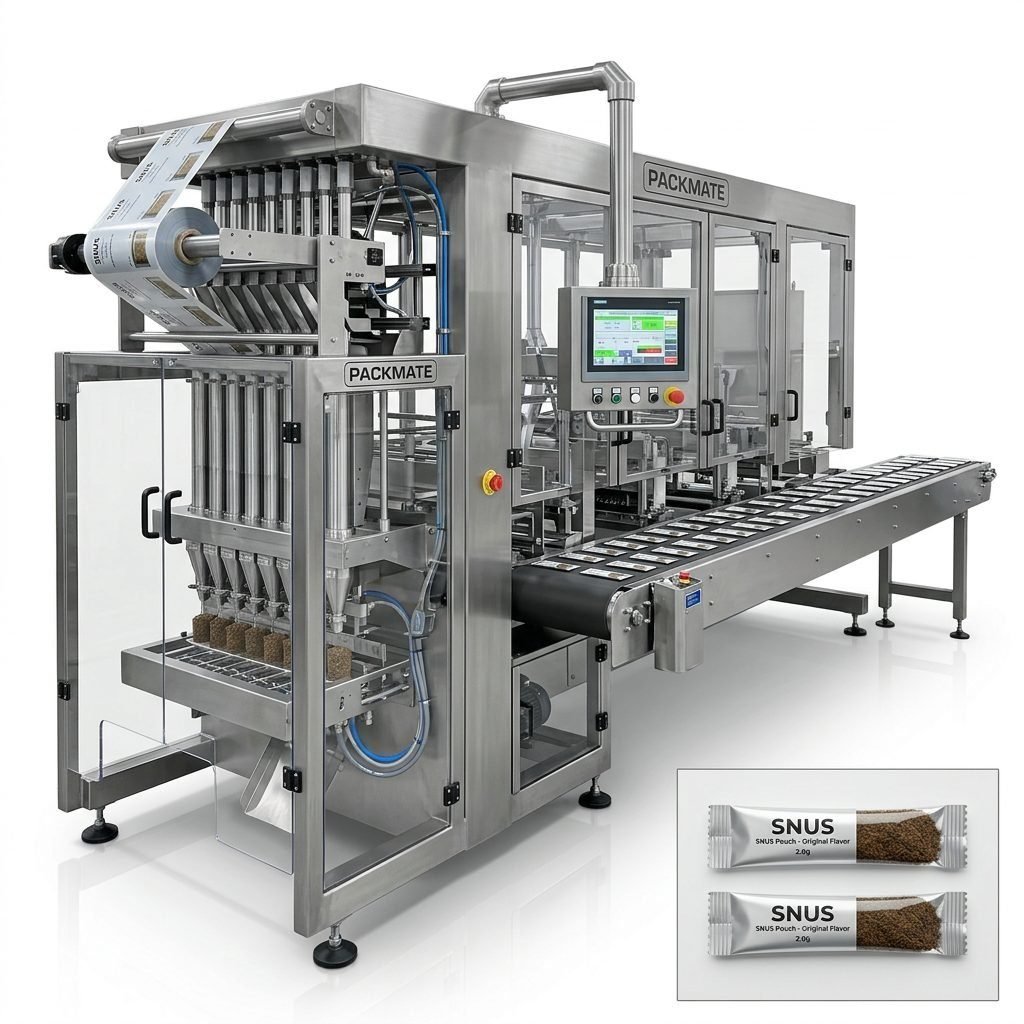
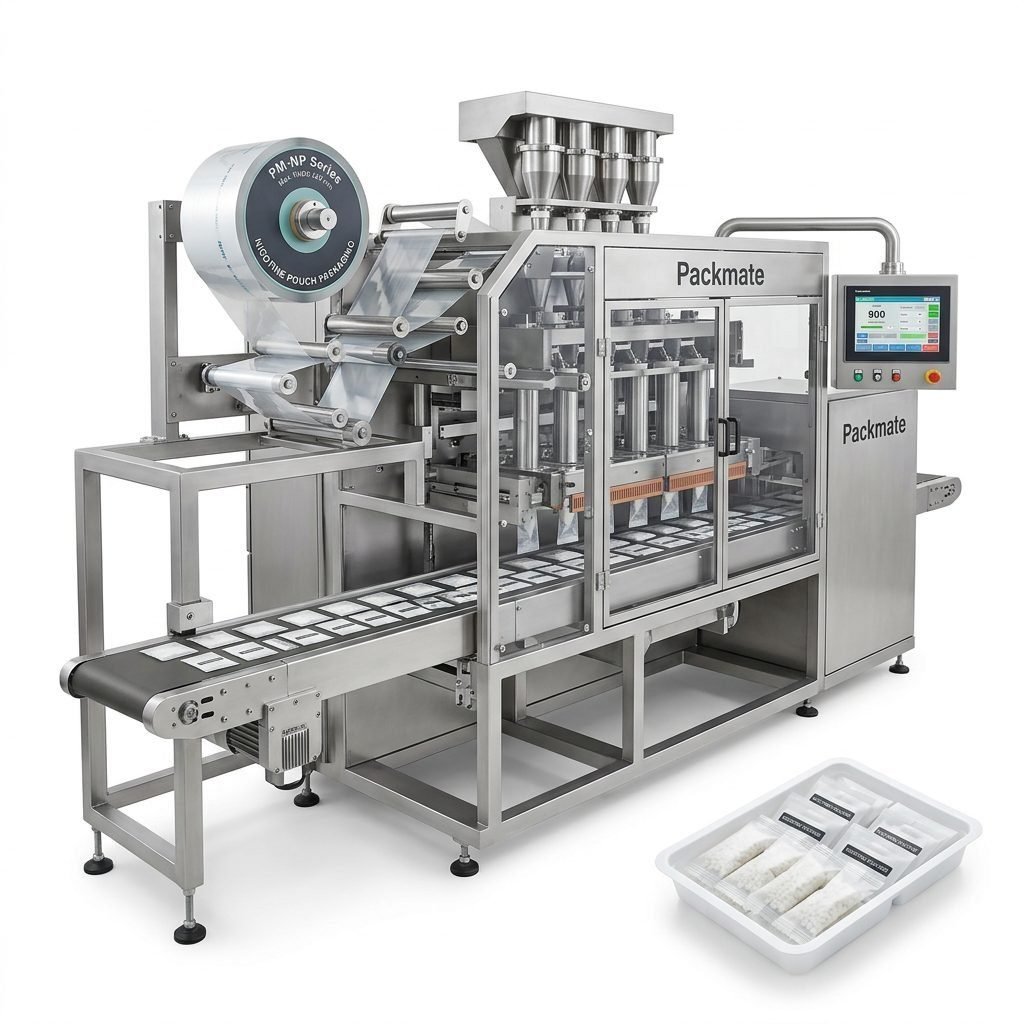
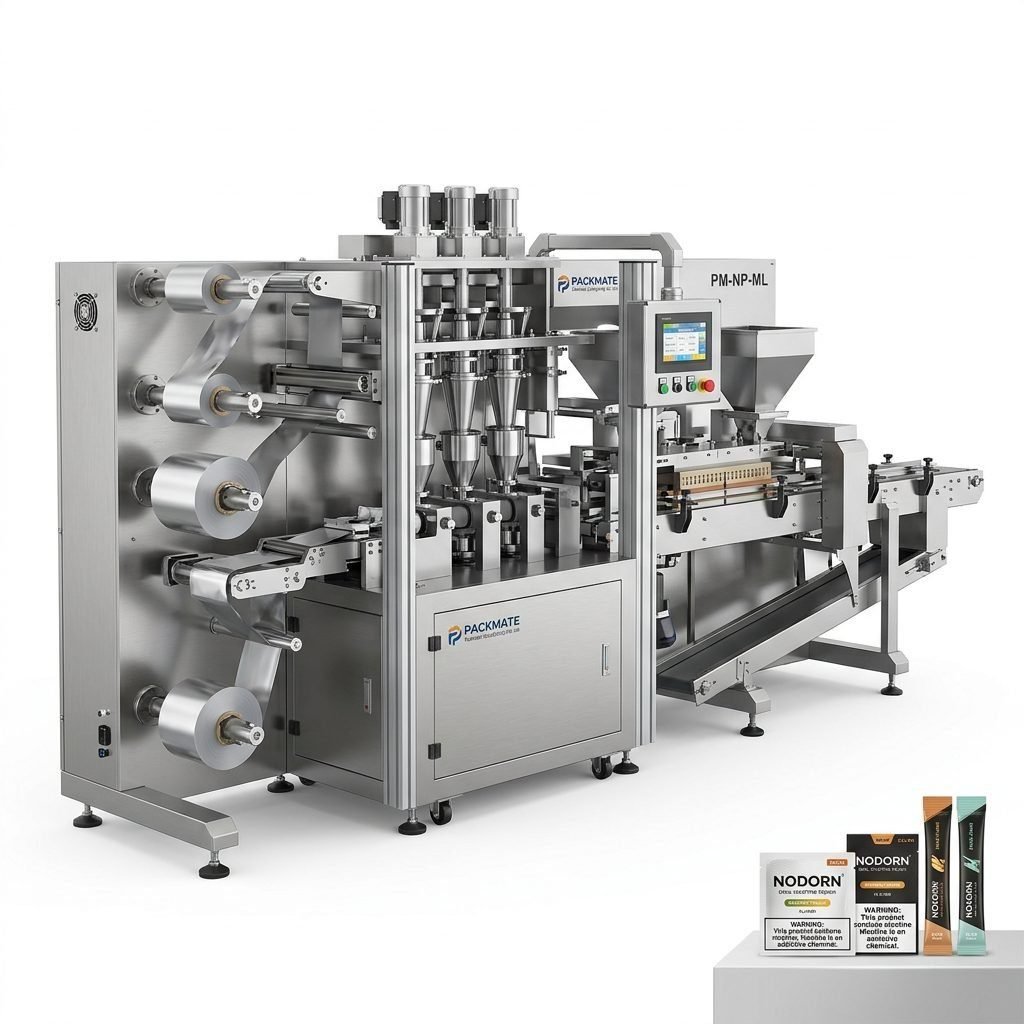
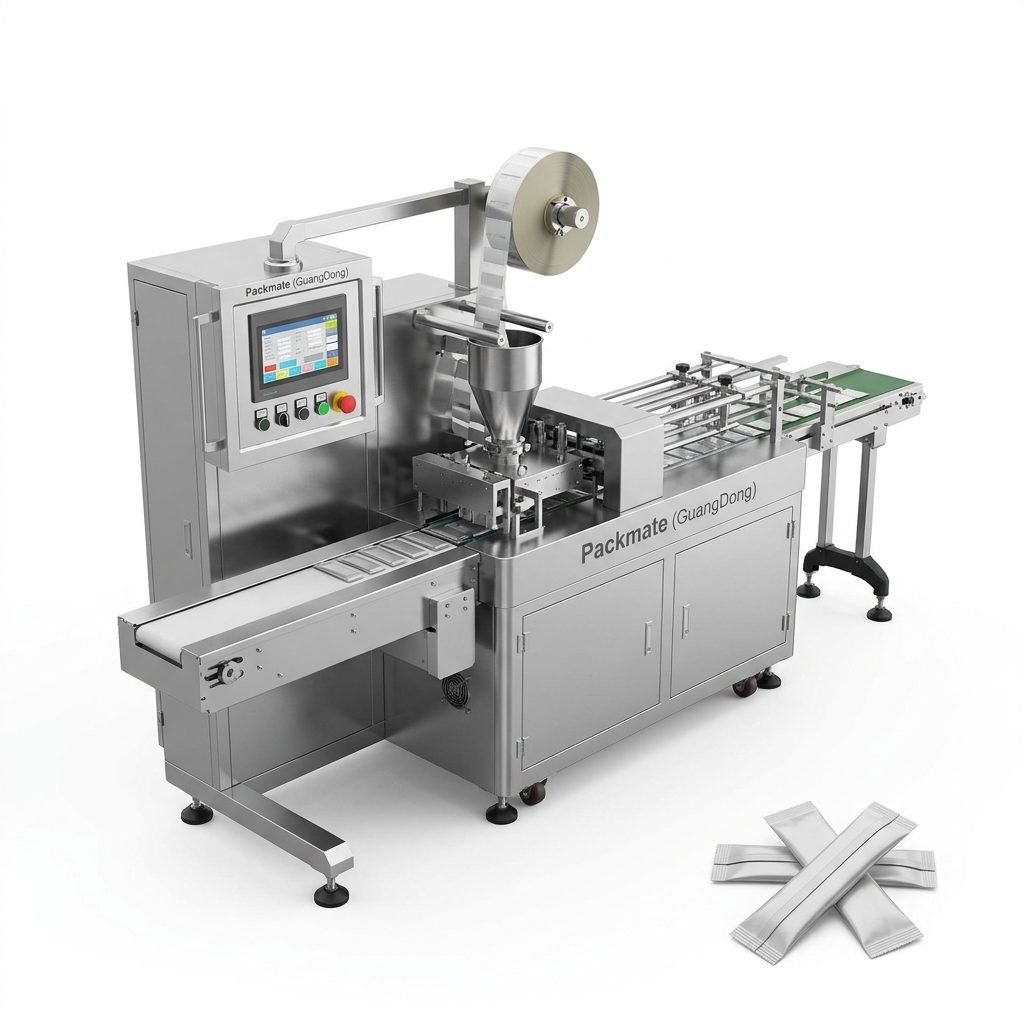
For example, Packmate Snus Machine is a manufacturer focused on snus and nicotine pouch packaging with decades of R&D and a large manufacturing facility. They provide a range of machines and turnkey lines, with certifications and global case references. Learn more about the company and its credentials on the About Packmate page and explore specialized snus & nicotine packaging machines.
⚙️ Key strengths to seek: a large factory footprint, advanced CNC machining, and a broad model range allowing for customized solutions and quick scale-up.
Checklist: Questions to Ask a Potential Supplier
Use this checklist during conversations, RFQs, or factory visits:
- How many years have you supplied nicotine pouch/snus packaging lines?
- Can you provide CE/ISO certificates and machine test reports?
- What is the guaranteed throughput and weight accuracy?
- Do you offer multi-lane machines and turnkey line integration?
- What are the warranty, spare parts lead times, and training options?
- Can you assist with installation, commissioning, and operator training in Armenia?
Tip
When contacting suppliers, reference specific product examples and formats you plan to produce. Suppliers can provide more accurate quotes and lead times if given clear specifications and expected monthly volumes.
Negotiation and Final Selection
Balance price with long-term reliability. Negotiate for spare parts packages, extended training, and defined service-level agreements. Request a factory acceptance test (FAT) and include performance acceptance criteria in the contract.
If possible, start with a pilot order or trial line to validate quality and market acceptance in Armenia before committing to multiple lines.
Making the Most of Supplier Relationships in Armenia
Build long-term partnerships rather than transactional relationships. Regular maintenance contracts, scheduled upgrades, and joint problem-solving lead to fewer production interruptions and better cost control.
Participate in industry exhibitions and supplier demonstrations to stay updated on innovations — many suppliers showcase new technologies and case studies at global trade shows. You can view exhibition activity and company participation on the supplier’s exhibition page.
Final Considerations Before Purchase
– Verify lead times and spare parts logistics for Armenia to avoid extended downtime.
– Confirm language support for manuals, HMI interfaces, and training sessions.
– Ensure the supplier provides a clear warranty, FAT results, and a maintenance roadmap.
✅ If you need reliable snus and nicotine pouch packaging solutions, choosing a specialist manufacturer with demonstrable experience, robust after-sales, and turnkey capabilities is the safest path to sustainable production.
Useful Links and Next Steps
Visit product pages to compare machine families and request detailed quotes: Snus & Nicotine Packaging Machines, Sachet & Stick Pack Machines, and check service offerings to align support packages with your Armenian operations.
Frequently Asked Questions
Q: How long does it typically take to install and commission a snus packaging line in Armenia?
A: Installation and commissioning time varies by complexity; a single-line machine may take 2–4 weeks, while a fully integrated multi-lane turnkey line could take 8–16 weeks including site preparation and operator training.
Q: What certifications should I require from a packaging machine supplier?
A: Ask for CE and ISO certificates, FAT reports, and material traceability documentation. These confirm compliance with international standards and help with export and regulatory processes.
Q: How can I reduce downtime and ensure spare parts availability in Armenia?
A: Negotiate spare parts kits at purchase, maintain safety stock for critical wear items, and choose suppliers who offer regional shipping or fast express parts delivery.
Q: Are turnkey lines recommended for small producers in Armenia?
A: Turnkey lines provide integration benefits and faster ramp-up, but smaller producers may prefer scalable modular systems to keep upfront costs lower while allowing future expansion.
Q: Where can I find more details about a manufacturer’s history and certifications?
A: Manufacturer websites usually provide company profiles, timelines, and certification pages. For example, the supplier’s About and Certificate pages offer detailed insights into capabilities and credentials.