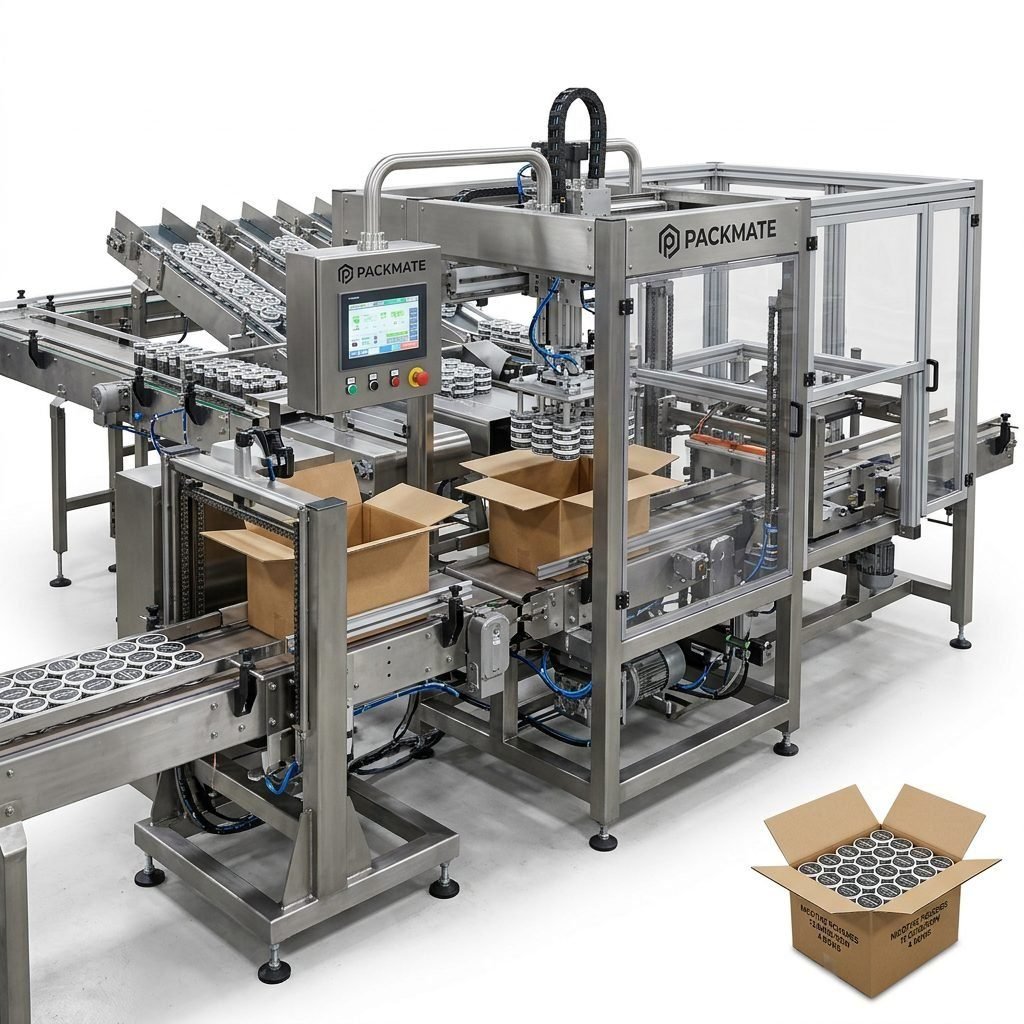
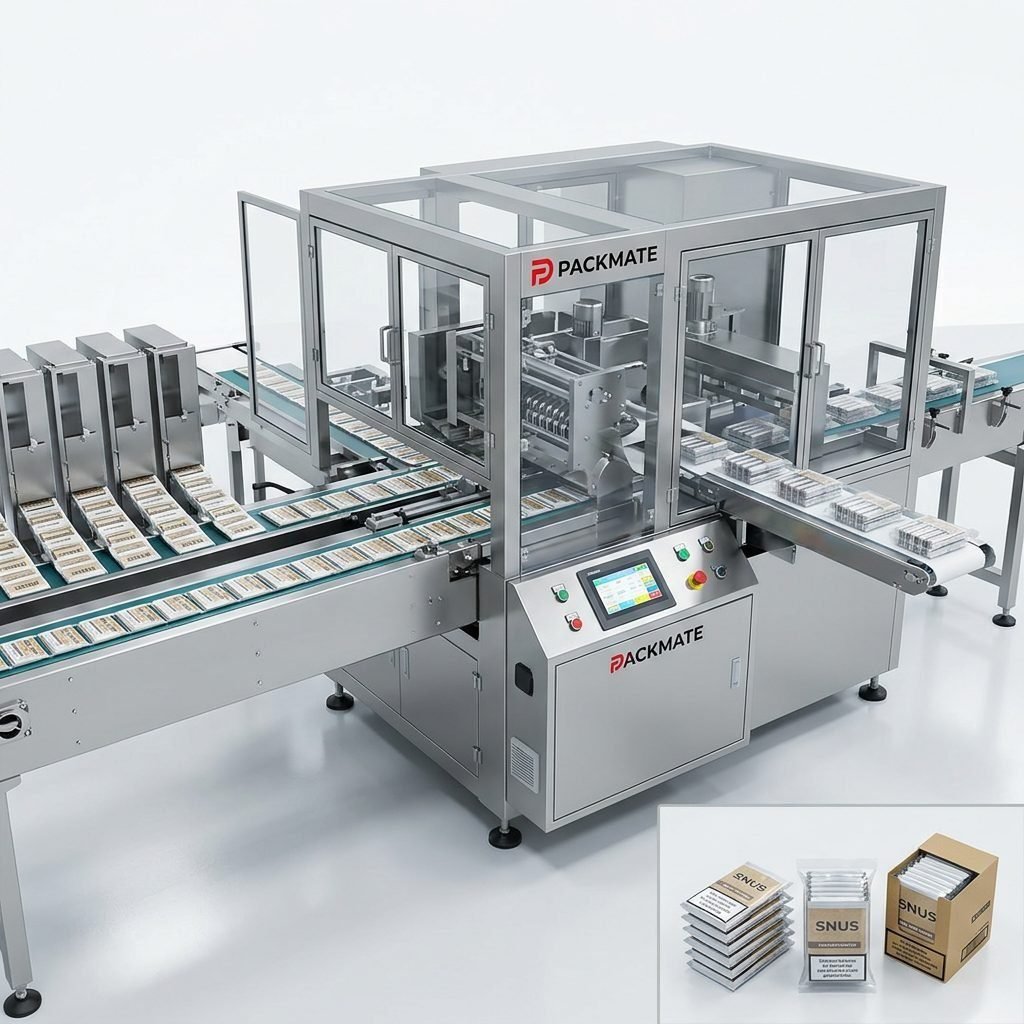
Choosing the right nicotine packaging machinery supplier in Turkey is a strategic decision that affects product quality, regulatory compliance, and long-term production costs. Whether you are launching nicotine pouches for the Turkish market or scaling exports from a local facility, understanding local business culture, technical capabilities, and after-sales support is essential. This guide walks you through practical steps, evaluation criteria, and local considerations to help you select a supplier who matches your production needs and growth plans.
Understand Your Production Requirements First
Start by documenting the specific characteristics of your product and production targets. Ask clear questions: What pouch types (snus, nicotine pouch, sachet, stick pack) will you produce? What are target throughput and lane counts? What filling tolerances and materials (powder, granule, liquid) must the machines handle? Knowing these details helps you match suppliers to technical specifications and avoid costly misfits.
Key checklist:
✅
Product format (pouch type, size)
|
Throughput & lanes
|
Tolerance & dosing
|
Materials & consumables
Why Turkey’s Market and Culture Matter
Turkey is a bridge between Europe and Asia, with a business culture that values long-term relationships, trust, and clear communication. Local manufacturers and buyers often prefer suppliers who can demonstrate reliable delivery schedules and responsive after-sales service. In addition, regulatory awareness is crucial: nicotine and snus products face stricter controls in many Turkish markets and neighboring export destinations, so your supplier’s knowledge of compliance and documentation becomes a competitive advantage.
When negotiating with suppliers in Turkey, expect more emphasis on personal meetings and building rapport. For international suppliers selling into Turkey, providing clear timeline commitments, training plans, and spare parts strategies will be especially persuasive.
Local considerations
– Respect local business etiquette: punctual meetings and transparent pricing help establish trust.
– Understand import/export documentation if you plan to ship machinery into Turkey or export finished goods from Turkey.
– Evaluate on-site training offerings — hands-on commissioning and operator training in Turkish or with translators adds huge value.
Technical Capabilities: What to Inspect
Technical performance is the backbone of a good packaging investment. Assess the following factors carefully when reviewing supplier capabilities:
🔧
Machine models & flexibility: Can the supplier offer single-lane and multi-lane options? Do they support quick format changes for different pouch sizes?
⚙️
Performance & accuracy: Confirm filling accuracy, cycle rates, and rejection handling for off-spec units.
🧰
Build quality & materials: Stainless steel contact parts, robust CNC components, and international safety standards (CE / ISO) reduce downtime.
Supplier Track Record and Factory Strength
Evaluate the supplier’s history, factory footprint, and capacity to deliver. A manufacturer with a large, well-equipped factory and decades of experience is more likely to meet quality and delivery expectations. Look for concrete facts such as years in business, facility size, and the range of models they produce. For example, a supplier with a 20,000㎡ factory, advanced CNC machining centers, and 50+ models demonstrates strong production capability and diversified solutions.
Check for:
-
Documented case studies or references from similar projects.
-
Factory tours (virtual or in-person) and demonstration videos.
-
Certifications such as CE and ISO that indicate regulatory compliance.
After-Sales Service, Spare Parts, and Training
After-sales support often determines the real value of a packaging machine. A reputable supplier should offer timely spare parts, remote diagnostics, and on-site technicians for commissioning. When operating in Turkey, consider suppliers who provide:
✅
Local spare parts stock or a reliable shipping plan to Turkey to minimize downtime.
✅
Remote support & PLC access: Fast remote troubleshooting via phone, video, or VPN reduces travel needs.
✅
Training programs: Operator and maintenance training tailored to your production team’s language and shift schedules.
Customization and Turnkey Solutions
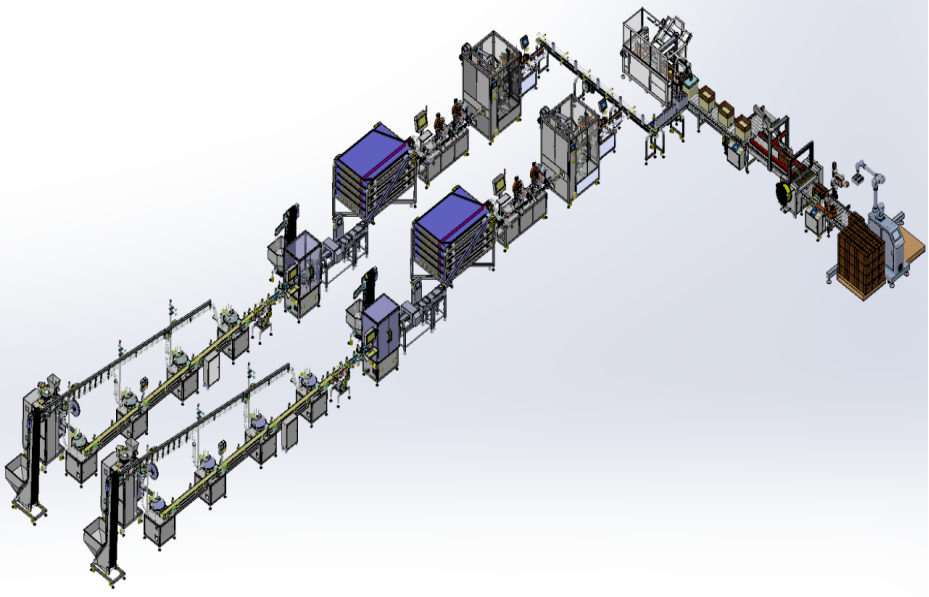
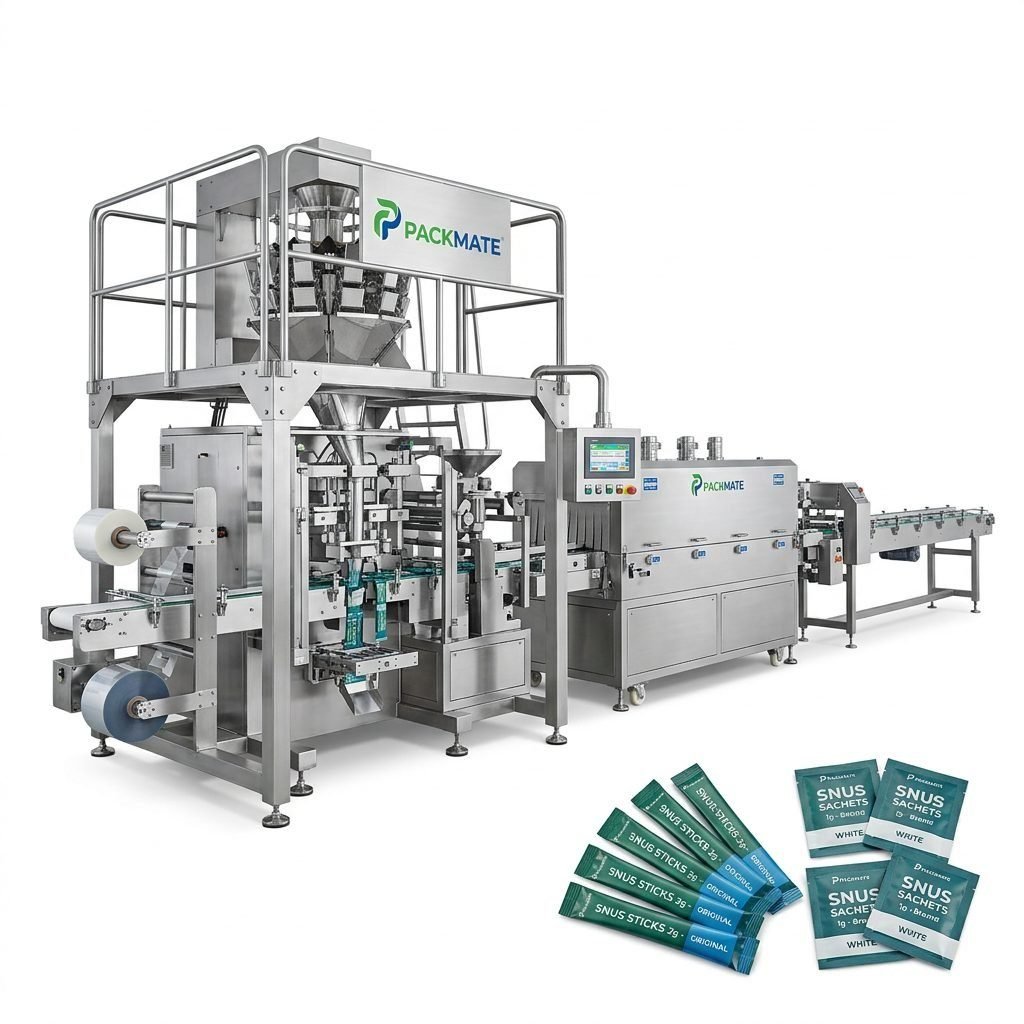
Nicotine pouch production often requires customized feeder systems, dosing modules, and packaging conveyors. Suppliers who provide turnkey lines — integrating filling, weighing, pouch forming, and final packaging — can reduce integration risks. Look for vendors who can design full lines and provide layout drawing, utility requirements, installation, and FAT (Factory Acceptance Test) documentation.
Reliable turnkey suppliers will share:
-
Turnkey project timelines and milestones.
-
Detailed electrical, pneumatic and civil requirements.
-
Integration with upstream/downstream equipment (weighers, cartoners, case packers).
Commercial Terms, Warranties and Total Cost of Ownership
Price is only one element of procurement. Evaluate total cost of ownership (TCO), factoring in energy consumption, consumables, maintenance intervals, and expected lifetime. Also, clarify warranty terms and what is covered: mechanical parts, electrical components, software support, and travel costs for on-site service in Turkey.
Negotiate clear KPIs for acceptance testing and penalties or remedies if delivery milestones are missed. A transparent contract reduces later disputes and aligns expectations.
Evaluate Supplier Transparency and Communication
Good communication is essential for international projects. Look for suppliers who proactively share manufacturing photos, pre-shipment inspection reports, and offer virtual FAT. Language skills and time-zone overlap for support calls are practical considerations when working with manufacturers outside Turkey.
Questions to ask during supplier audits
-
Can you provide references from customers who produce nicotine pouches or similar products?
-
Do you perform FAT and provide a detailed acceptance checklist?
-
What is your lead time and capacity to build multiple lines?
-
How do you handle spare parts logistics to Turkey?
Regulatory and Quality Compliance
For nicotine products, regulatory landscapes vary by country and region. Ensure the supplier understands and can support compliance documentation for your target markets — CE/ISO certifications, hygienic design for food-contact surfaces, and material traceability. If you plan to export from Turkey to the EU or other regions, verify that the machine and processes meet those regulatory requirements.
Why Packmate-style Suppliers Can Be Attractive
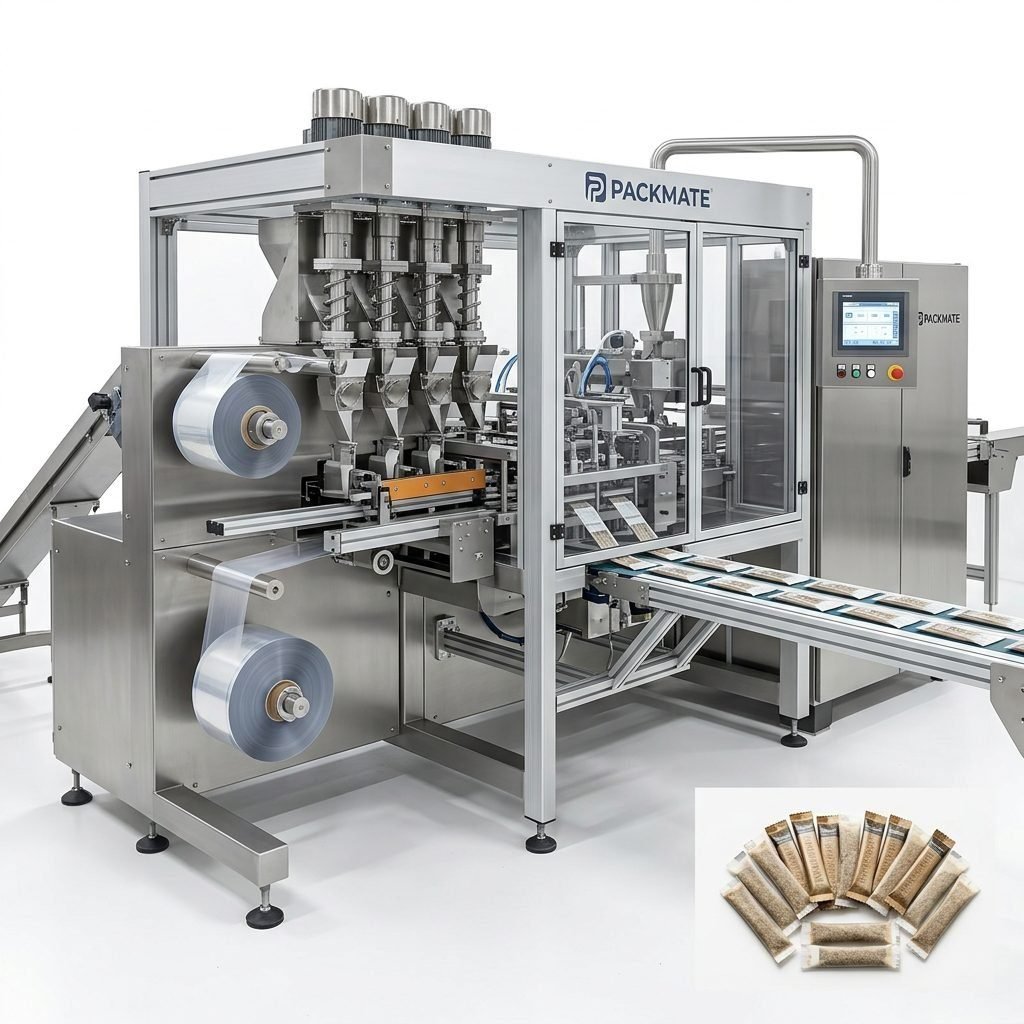
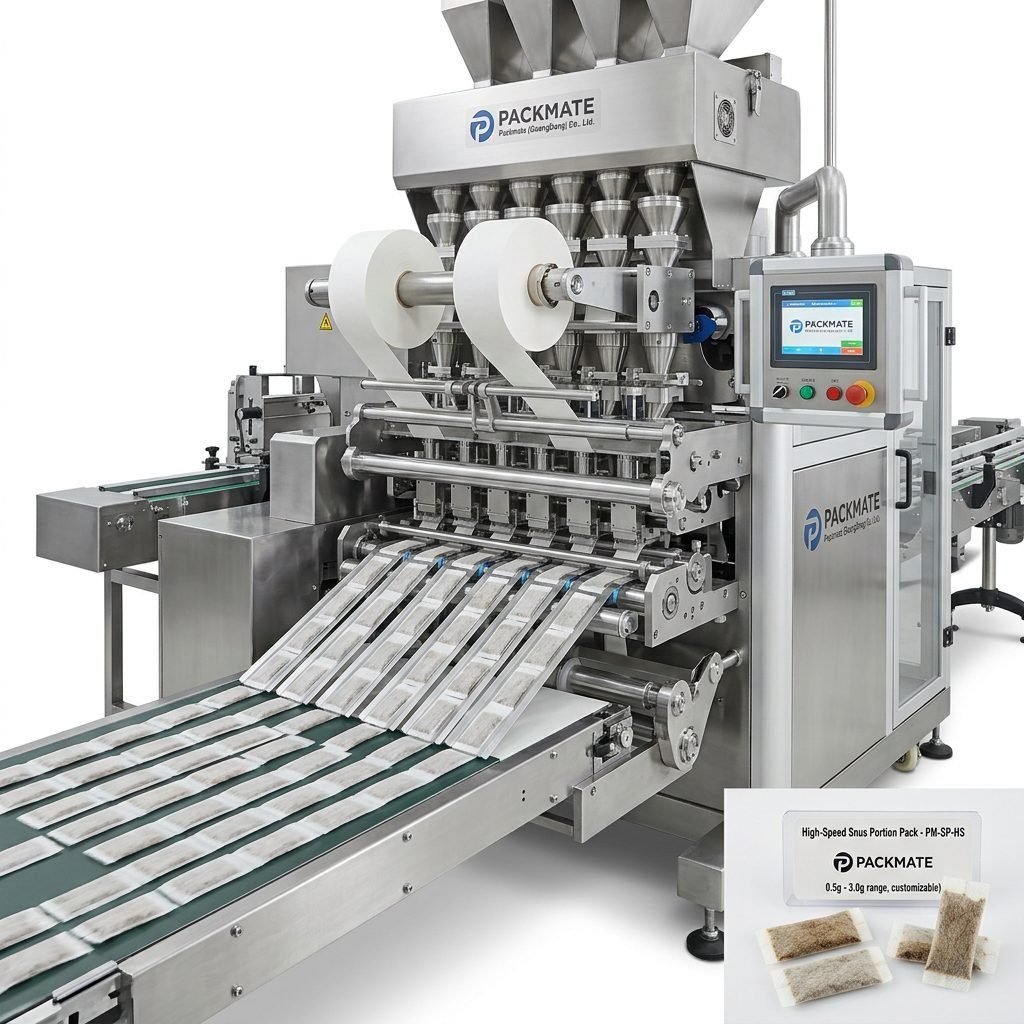
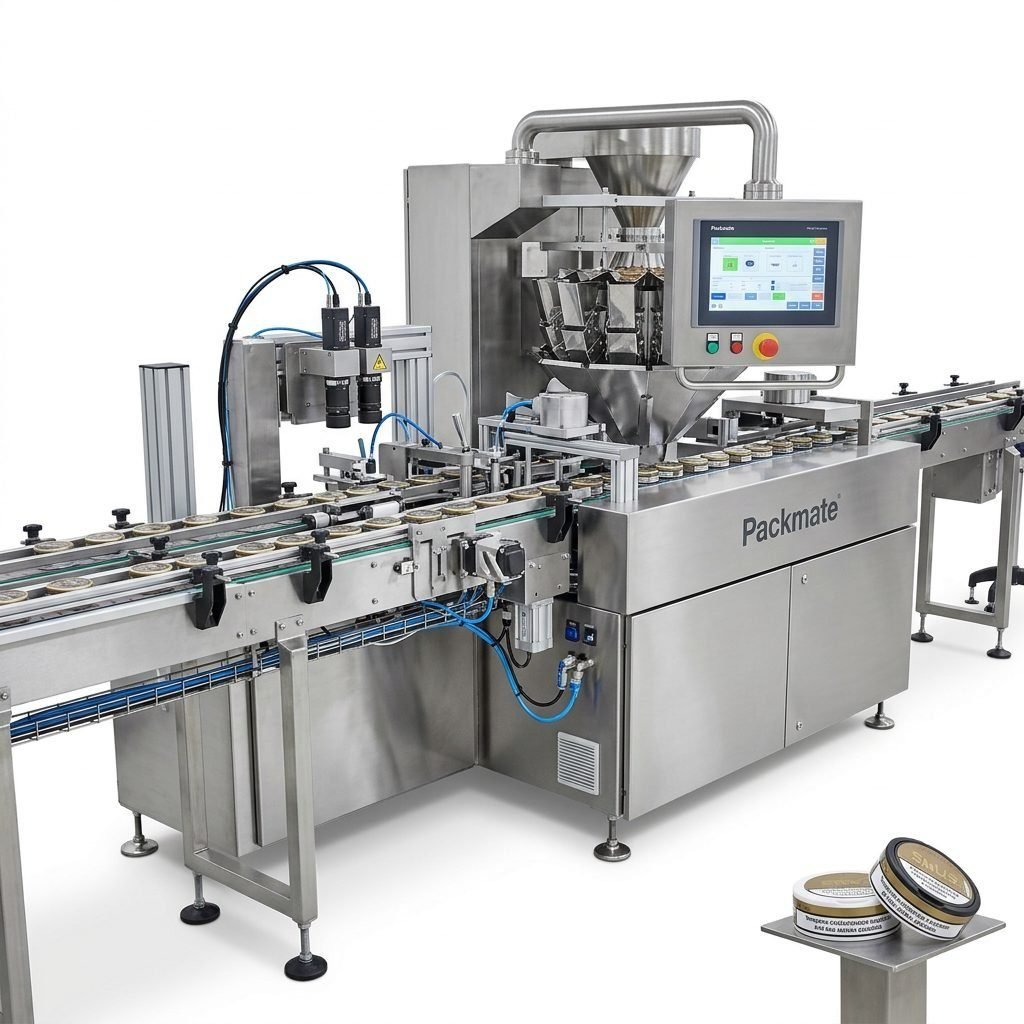
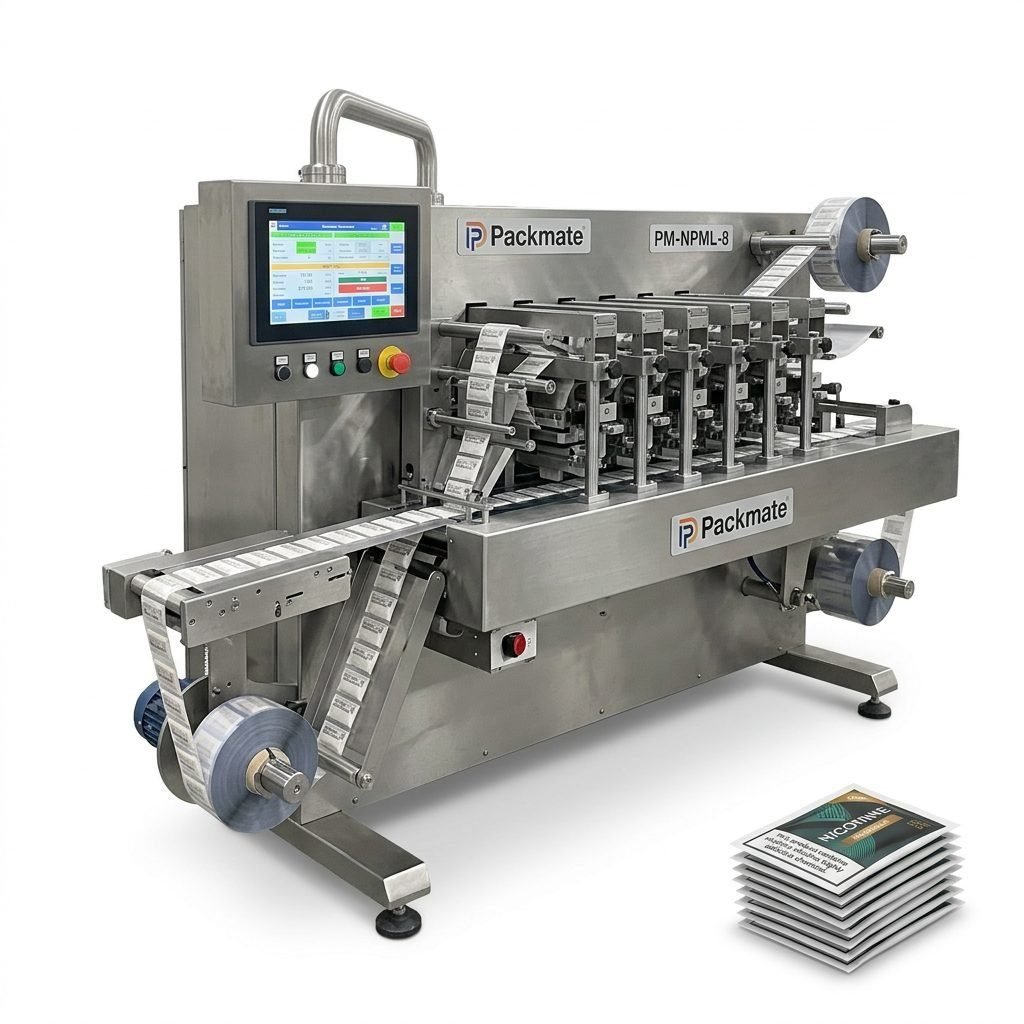
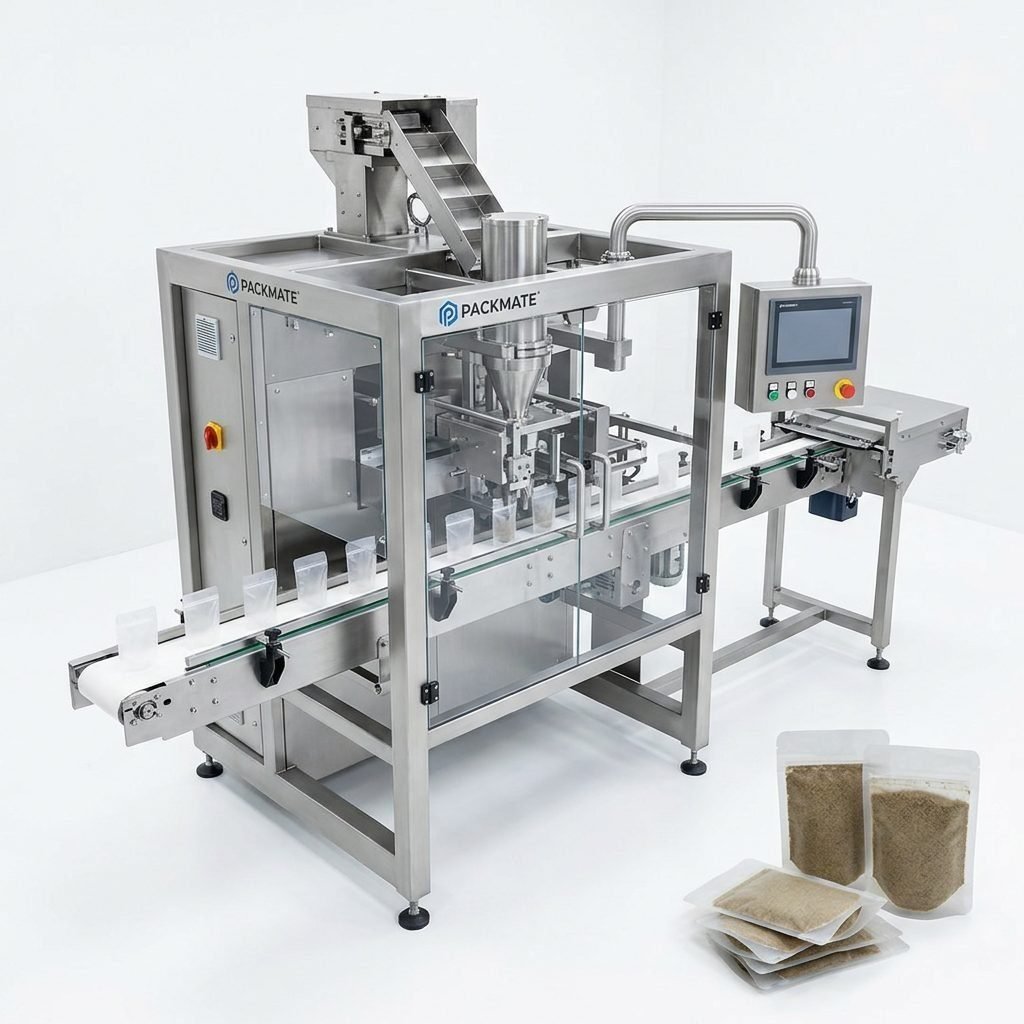
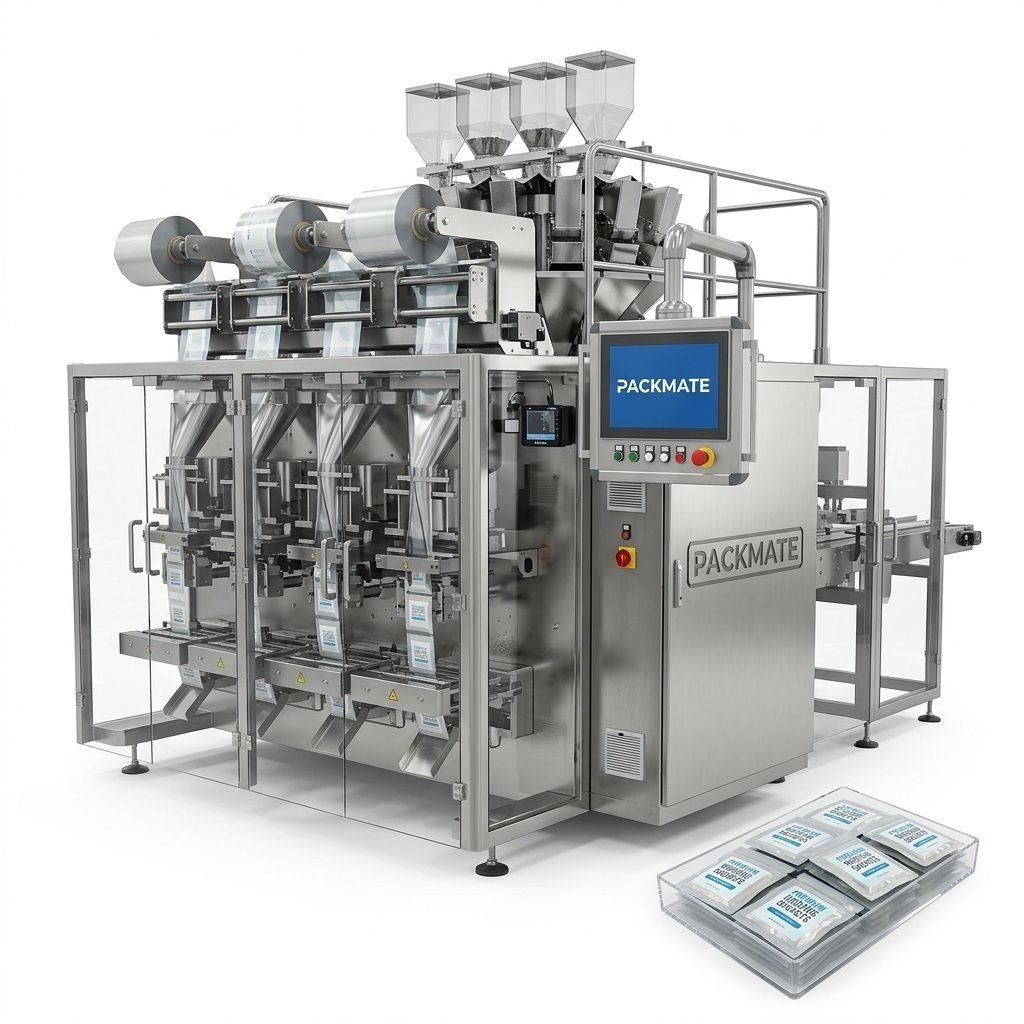
Suppliers with long-term engineering experience, diverse machine portfolios, and in-house CNC capability — similar to Packmate Snus Machine — often provide several advantages: rapid prototyping, tailored multi-lane machines for small-dose pouches, and turnkey packaging lines that integrate weighing and filling systems. A manufacturer with 30+ years in the industry and a 20,000㎡ facility signals the depth needed for consistent global supply and technical support.
For more specific product categories and machine models, you can explore product lines and case studies such as:
Pilot Runs, Trials and Performance Guarantees
Before full-scale acceptance, insist on pilot runs or sample production to validate the machine’s performance with your actual materials. A reliable supplier will offer sample tests, produce trial runs, and set agreed performance guarantees for throughput and quality.
Document acceptance criteria in the contract: acceptable rate of rejects, consistent filling accuracy, and uptime targets. This protects both buyer and supplier and frames clear expectations for commissioning.
Cost-Saving and Risk Mitigation Strategies
To optimize investment and reduce risks, consider:
-
Start with modular equipment that can be upgraded as volumes grow.
-
Negotiate spare part kits and planned maintenance agreements upfront.
-
Request a clear escalation route for technical problems that includes remote and on-site options.
Selecting the Final Supplier
When choosing the final supplier, score potential vendors across a weighted matrix: technical fit (40%), service & spare parts (20%), price & TCO (20%), references & factory strength (10%), and cultural fit & communication (10%). Conduct reference checks and, if possible, a factory visit to witness production standards and quality control processes in person.
Final reminder:
A successful partnership blends technical excellence with reliable service, regulatory know-how, and shared commitment to product quality.
Next Steps and Useful Resources
After narrowing down candidates, request a detailed quotation with lead times, spare part lists, and training schedules. Ask for FAT videos and machine performance logs. For more information on complementary systems or specific product lines, see related pages for weighing and filling systems that often integrate with nicotine pouch lines:
Frequently Asked Questions
Q1: How long does it typically take to receive a nicotine pouch packaging line in Turkey?
Lead times vary with complexity. Standard single machines may ship within 8–12 weeks, while fully customized turnkey lines often require 12–24 weeks including design, manufacturing, and FAT. Allow extra time for shipping, customs clearance, and on-site commissioning in Turkey.
Q2: What ongoing costs should I budget for after purchasing the machine?
Budget for spare parts, preventive maintenance, consumables (seals, knives, packaging films), occasional software updates, and potential travel costs for on-site service. A maintenance agreement or spare parts kit from the supplier can stabilize your operating budget.
Q3: Can suppliers support export compliance if I plan to ship products from Turkey to the EU?
Reputable suppliers will help ensure machines meet CE/ISO standards and provide necessary documentation. However, regulatory compliance for finished nicotine products is a separate area — consult local legal counsel for product-level registration and market-specific labeling regulations.
Q4: Is remote commissioning reliable for complex packaging lines?
Remote commissioning can be effective for software configuration and troubleshooting, especially when combined with comprehensive documentation and local technicians. For final validation and mechanical adjustments, an on-site visit is often recommended to ensure optimal performance.
Q5: How can I verify a supplier’s claims before purchase?
Request references, FAT documentation, and demonstration videos with your product. If possible, perform a factory visit or arrange an independent inspection. Check certifications and ask for a sample production run with your material to validate the machine’s performance.