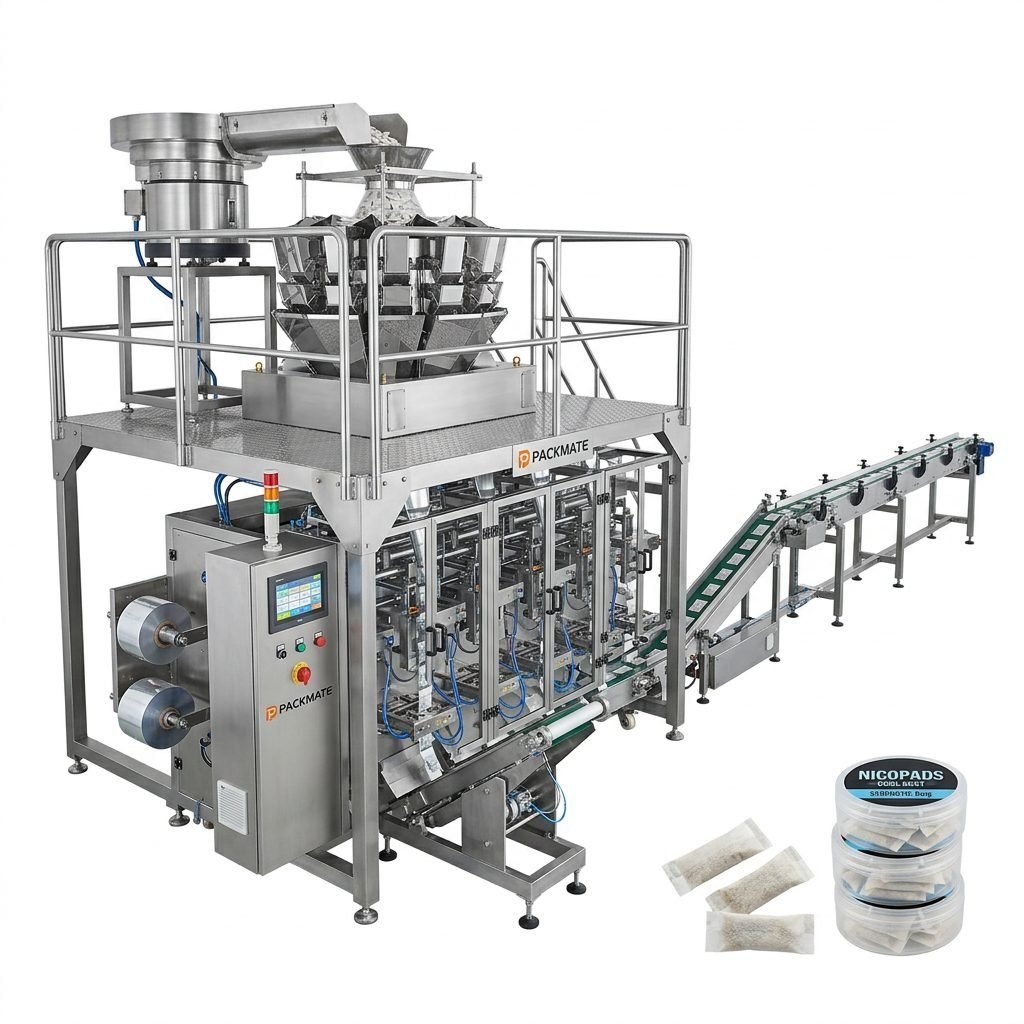
Choosing the right nicotine packaging machine supplier for your business in Argentina is one of the most important strategic decisions you will make. A good supplier does more than sell equipment: they deliver reliable production uptime, regulatory guidance, spare parts, local support, and long-term partnership. This guide walks you through the practical, technical, commercial, and cultural considerations to help you pick the best partner for snus and nicotine pouch packaging in Argentina.
Understand the Argentina market and local requirements 🇦🇷
Argentina has its own market nuances and regulatory landscape. Before you shortlist suppliers, be sure you understand: local labeling, taxes (IVA), and the customs clearance process. Argentine consumers often look for premium presentation and clear Spanish-language labeling; small-format pouches and tasteful, discreet packaging perform well in urban retail channels. When evaluating suppliers, confirm they can provide packaging designs and labeling guidance that comply with Argentine regulations and local language requirements.
Key machine types and how they fit your product mix
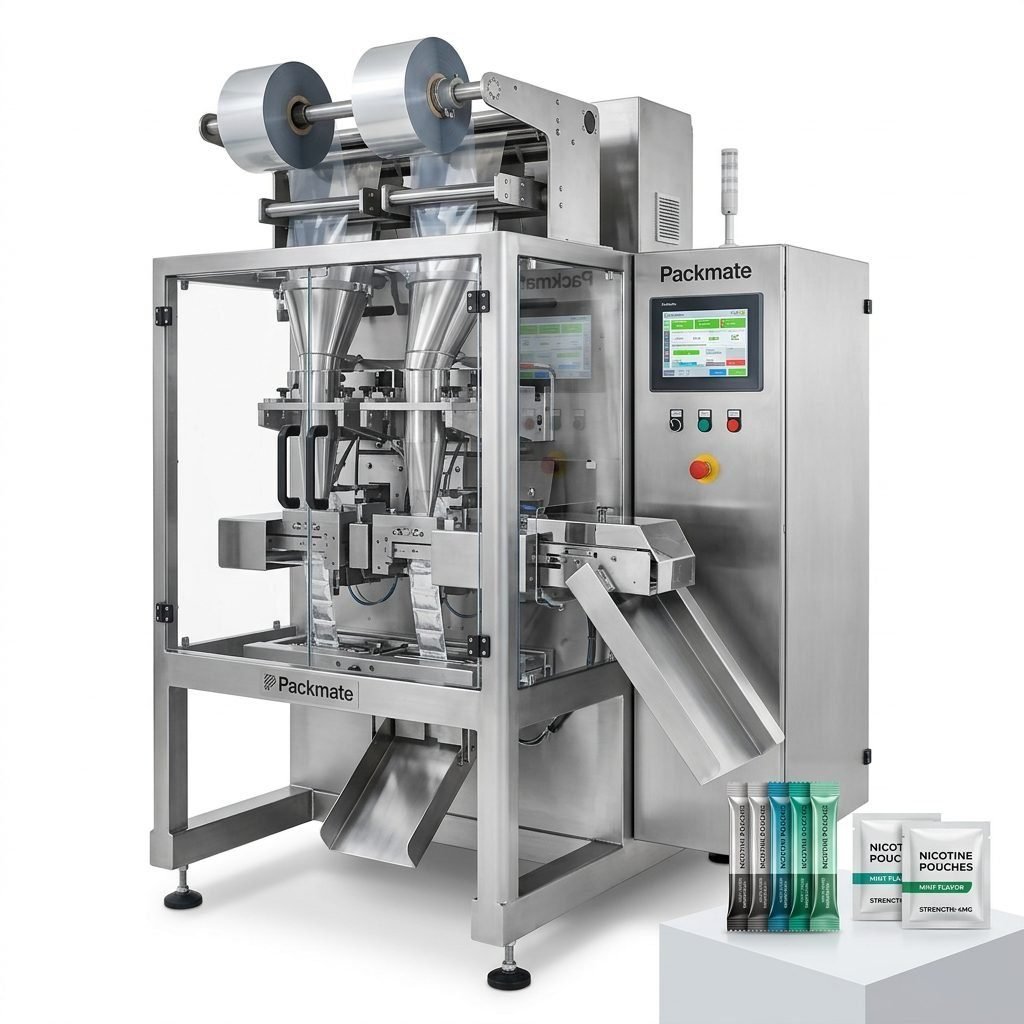
Nicotine pouch and snus packaging lines come in several formats. Know which suits your product portfolio:
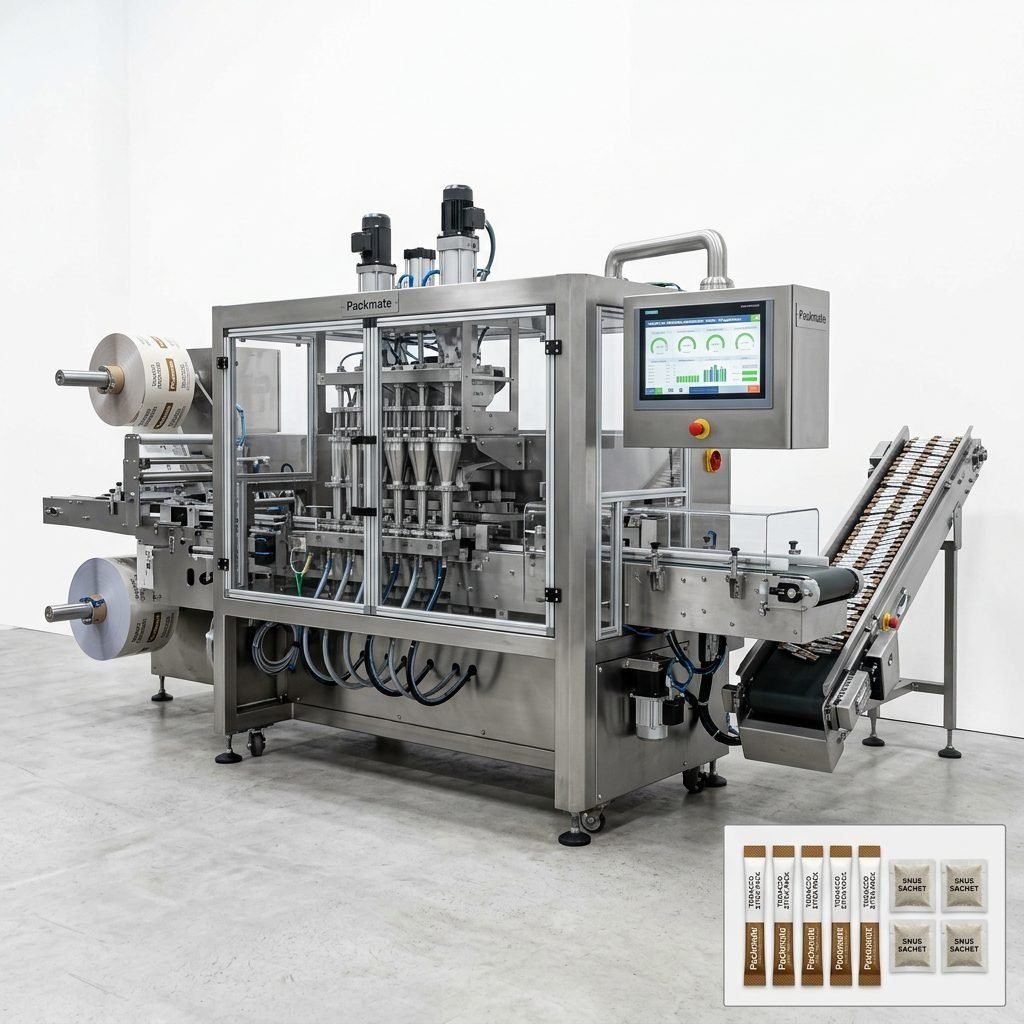
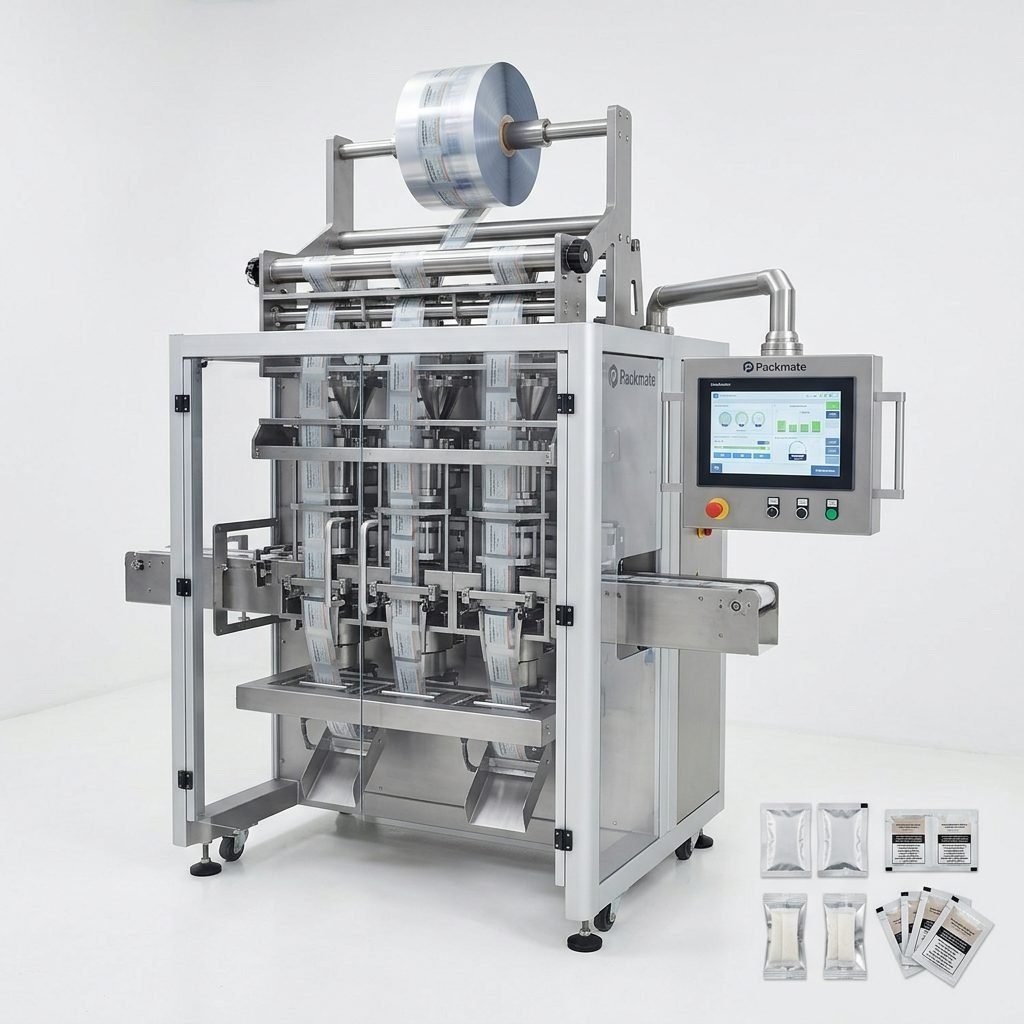
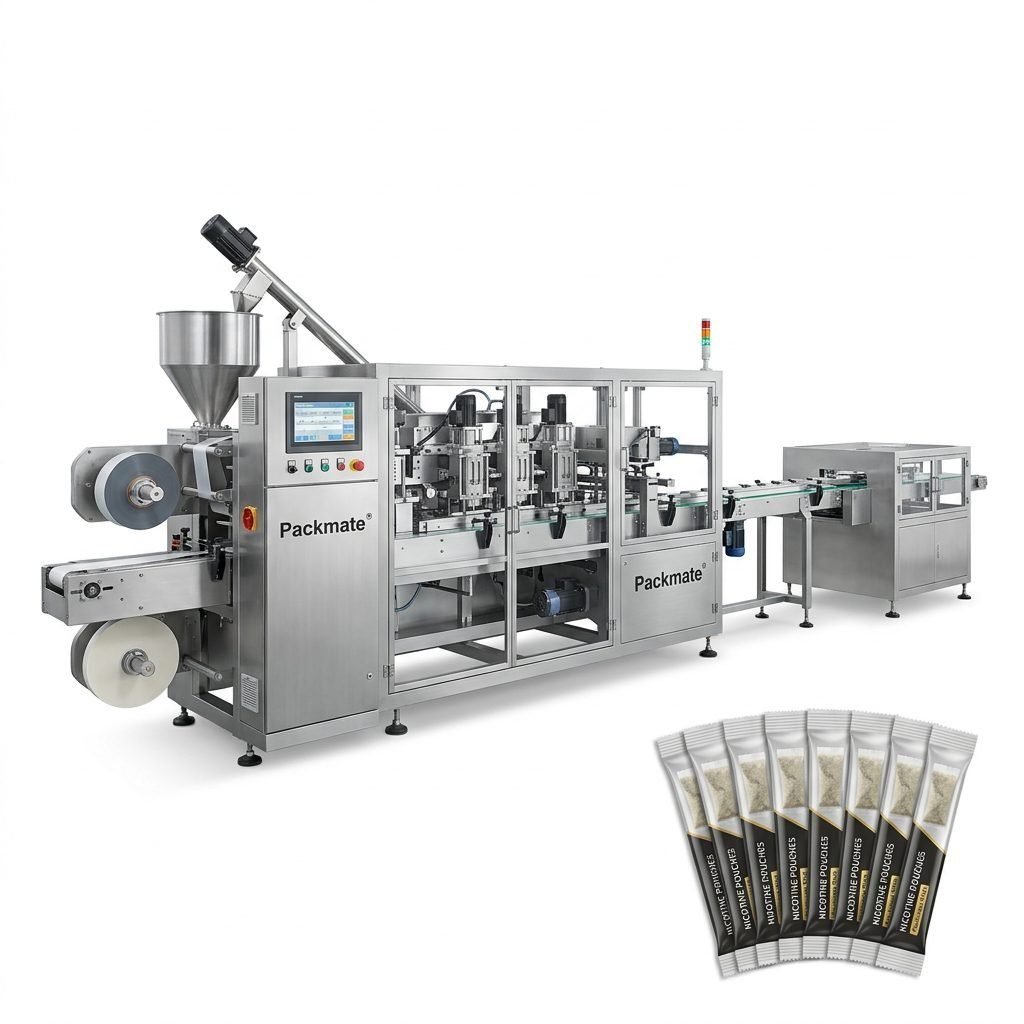
Sachet & stick pack machines — ideal for single-dose pouches and consumer convenience. These are compact and cost-effective for lower to medium volumes. (See Sachet & Stick Pack Machines)
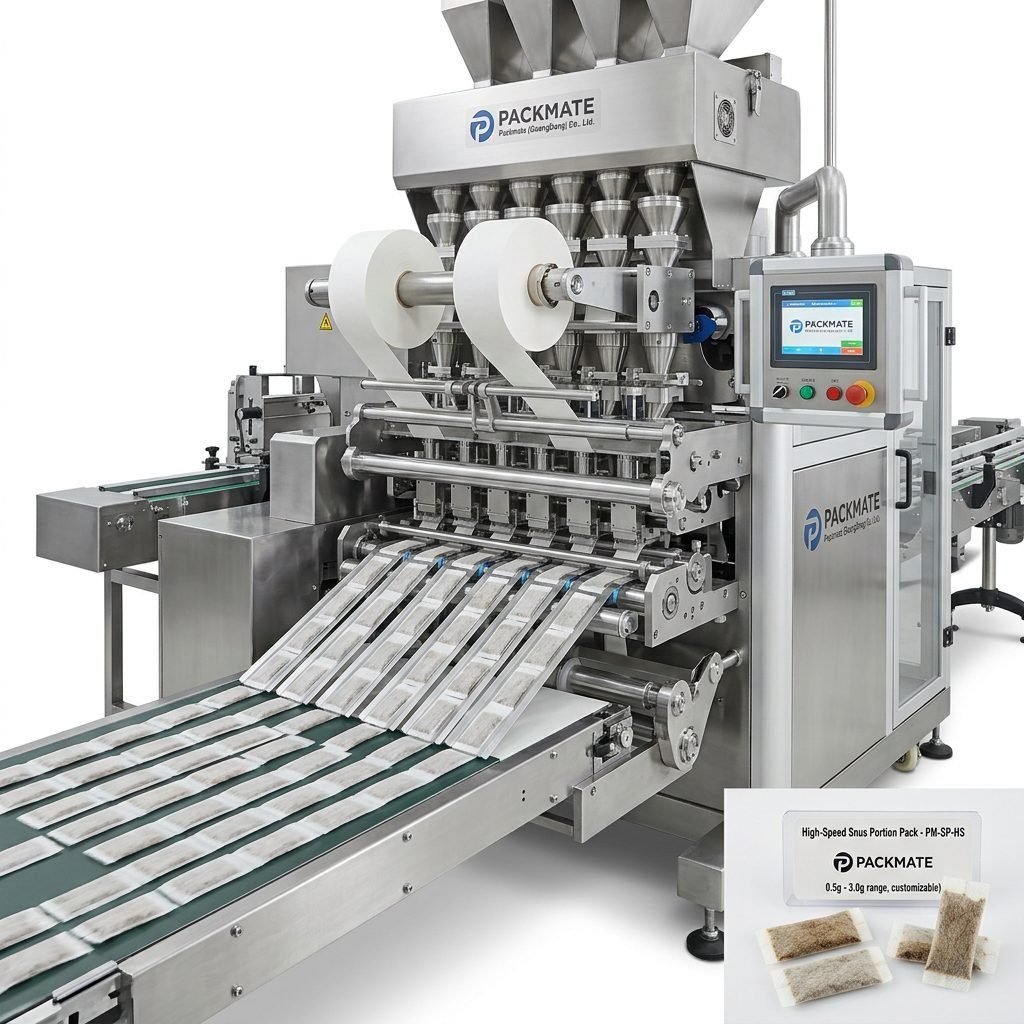
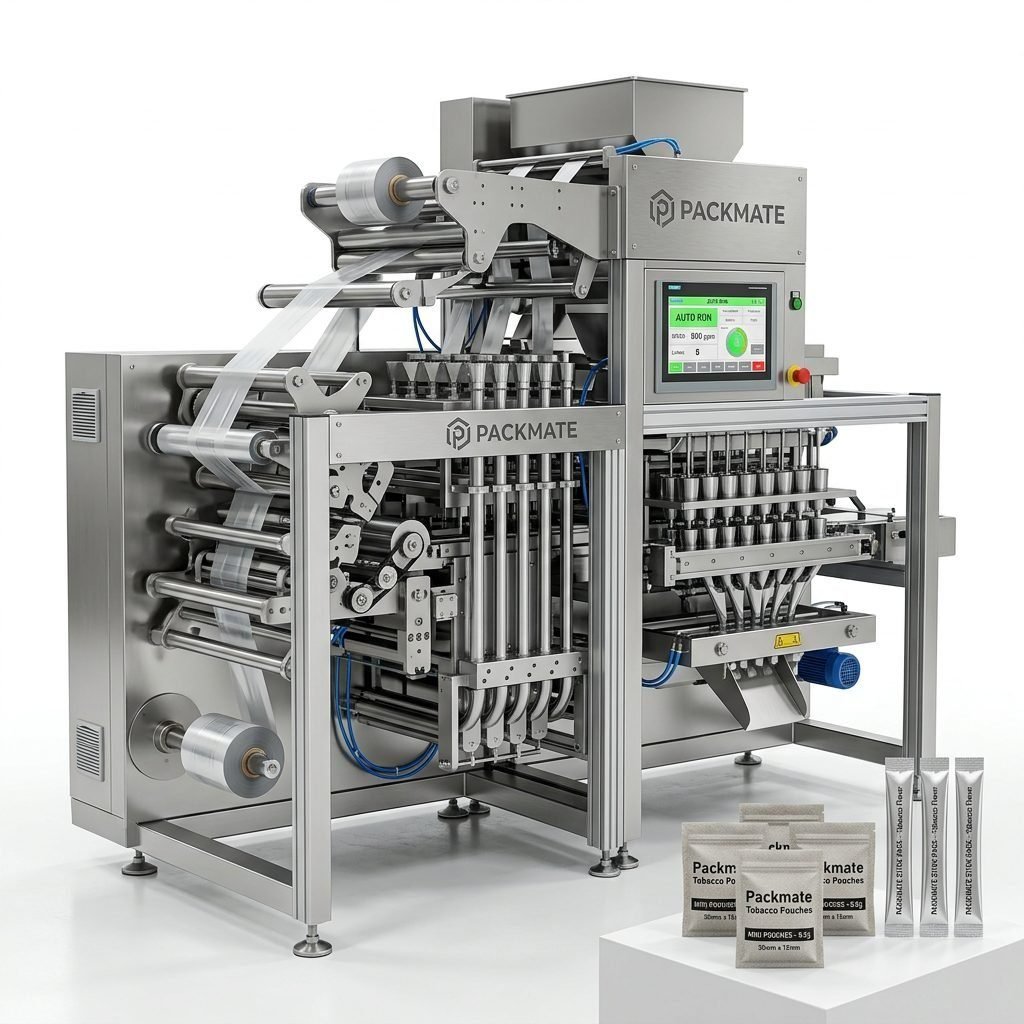
Multi-lane snus machines — designed for high throughput and small-dose pouch production, offering excellent yield for growing brands that want to scale production without proportional footprint growth.
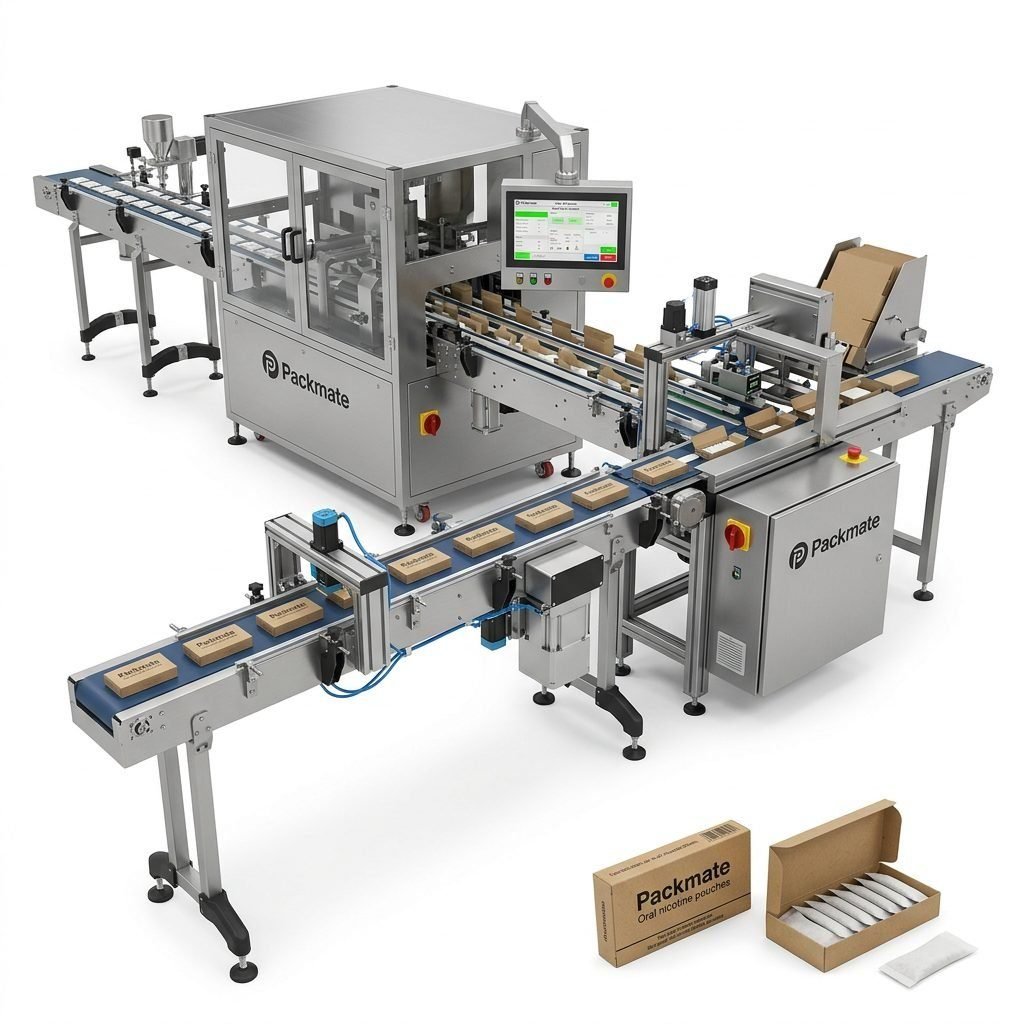
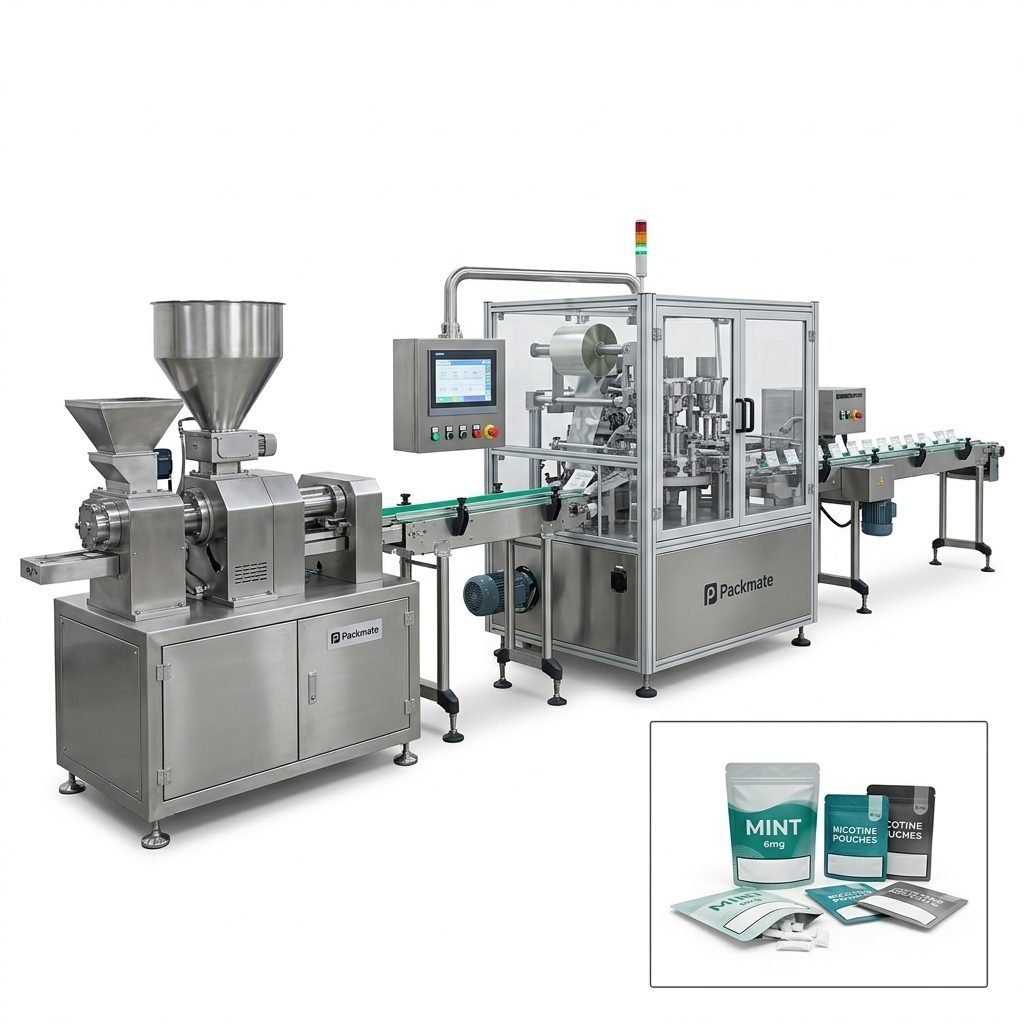
When assessing suppliers, review their range of models and whether they provide turnkey lines that include dosing, weighing, sealing, and end-of-line packaging. For specialized snus and nicotine pouches, suppliers with proven multi-lane technology and precision dosing are preferable.
Technical criteria: what to inspect and test ⚙️
Accuracy — weight consistency per pouch is critical. Ask for metrology data and statistical process control reports.
Throughput and scalability — confirm the machine’s native speed, multi-lane capability, and realistic production rates under your recipe.
Changeover time & modularity — look for quick tool-less changeovers, interchangeability of lanes, and modular subsystems to expand capacity later.
Also evaluate electrical consumption, compressed air usage, and cleaning/maintenance ease. Machines designed for nicotine pouches should minimize product contact contamination and be straightforward to sanitize or maintain between flavor changes.
Factory capabilities, quality control and certifications
Inspect a supplier’s manufacturing capacity and quality systems. High-quality suppliers will document engineering processes, component traceability, and final testing protocols.
Packmate’s background is useful to consider: decades of machine R&D, a 20,000㎡ facility, advanced CNC centers, and 50+ models built under ISO and CE standards provide tangible evidence of scale and quality. You can read more about the company profile and credentials on the About Packmate page.
Ask suppliers for certificates such as CE and ISO. These indicate adherence to international safety and quality norms and can simplify import and compliance checks in Argentina.
After-sales support, spare parts and training 📦
A machine is only as valuable as the support that keeps it running. Prioritize suppliers that offer:
Local or regional support — remote troubleshooting is useful, but on-site technicians and timely spare parts delivery reduce downtime in Argentina.
Training & commissioning — ensure the supplier provides operator and maintenance training during installation and a clear spare parts list with lead times.
Suppliers that publish comprehensive service offerings and case histories (for example, Packmate’s documented case studies) typically deliver better lifecycle support.
Commercial terms, testing and delivery
Carefully structure contracts to protect your operation. Key commercial items include:
• FAT (Factory Acceptance Test): demand a full machine run-off with your product or a close proxy. This avoids surprises on-site.
• Clear lead times and penalties: specify delivery windows and remedies for delays.
• Incoterms and documentation: ensure export paperwork and certificates for Argentine import clearance are correct (CE, packing lists, invoices).
• Payment terms and escrow options: consider staged payments tied to milestones (design approval, FAT, shipment, commissioning).
A reliable supplier will agree to robust FAT procedures and provide comprehensive documentation, including electrical diagrams, PLC code backups, and spare parts lists.
Cultural and business etiquette when negotiating in Argentina
In Argentina, relationships matter. Building trust through personal interaction, patience during negotiations, and responsiveness to follow-up questions can accelerate deals. Expect a preference for direct communication in Spanish—translate key technical documents and labels. Be aware that decision-making can be hierarchical; identify decision-makers early and maintain clear, respectful follow-up.
How to short-list suppliers: a practical checklist ✅
Use this practical checklist to compare vendors objectively:
Technical fit — model compatibility, throughput, dosing precision, and footprint.
Quality — factory tour, CNC capability, QA systems, sample run results.
Commercials — price vs TCO, warranty, spare parts lead time, payment milestones.
Support — training, local reps, remote assistance SLA, documentation language.
References — customer case studies and live references in similar markets.
Factory visits, demos and acceptance testing
Whenever possible, visit supplier factories or attend their exhibition demos. Seeing a line run with real product and meeting engineering staff gives invaluable insight. If a visit is not feasible, request detailed video demonstrations and a remote FAT. Check for repeatability: the supplier should show consistent pouch weights over long runs and document the metrics.
Why choose an experienced supplier for nicotine pouch packaging?
Machines for nicotine products face unique challenges: precise metering of small doses, flavor transfer risks, and strict consumer labeling. Suppliers with proven snus/nicotine expertise reduce development time and minimize production risk. For a comprehensive product line and turnkey solutions, review Packmate’s range of Snus & Nicotine Packaging Machines and explore their case studies to see real-world applications.
Questions to ask suppliers during evaluation
• Can you provide FAT reports and test runs with products similar to ours?
• What is the expected MTBF (mean time between failures) and recommended spare parts inventory?
• Do you provide installation, commissioning, and operator training in Spanish?
• What certifications do you hold (CE, ISO), and can you provide copies?
• What ongoing service packages and response times do you offer for Argentina?
Working with Packmate — what they bring to Argentine customers
Packmate is positioned as a specialist in snus and nicotine pouch machinery. Their profile highlights 30+ years of engineering experience, a 20,000㎡ manufacturing base, advanced CNC and assembly systems, and more than 50 machine models. These capabilities support custom turnkey solutions and multi-lane production lines tailored to nicotine pouch manufacturers.
For more details on real-world installations and client stories, review Packmate’s case studies at Case, or learn about their global presence and exhibitions at Our Exhibition. When you are ready to discuss specifications, use their Contact Us page to request tailored proposals and FAT arrangements.
Final checklist before signing
• Confirm product-specific FAT and acceptance criteria.
• Lock in training schedules and documentation language (Spanish preferred).
• Agree on spare parts kit and first-year service SLA.
• Validate all certifications and customs paperwork for Argentina imports.
• Define warranty coverage, penalties for missed milestones, and escalation paths.
Short conclusion
Selecting the right nicotine packaging machine supplier in Argentina requires a balanced evaluation of technical performance, factory credibility, local regulatory knowledge, and strong after-sales support. Prioritize suppliers with proven snus experience, transparent FAT processes, and the ability to provide Spanish-language support and documentation. With the right partner, you will reduce risk, optimize total cost of ownership, and accelerate market entry.
Frequently Asked Questions (FAQs)
Q1: Are nicotine pouch packaging machines legal to import into Argentina?
A: Legality depends on product classification and local regulations. You should consult local regulatory authorities or a customs broker. A qualified supplier can assist with documentation and labeling compliance to smooth customs clearance.
Q2: How important is a FAT and can it be done remotely?
A: FAT is essential. It confirms performance with expected products. Remote FAT is possible via live video, but an on-site run or recorded comprehensive run-off is preferable for final acceptance.
Q3: What support should I expect after installation?
A: Expect commissioning, operator and maintenance training, spare parts kits, diagnostic tools, and agreed SLAs for remote and on-site support. Confirm response times for Argentina before purchase.
Q4: How many models should a reputable supplier offer?
A: A wide model range (dozens of models) indicates maturity and engineering resource availability. Suppliers like Packmate, which present 50+ machine models and flexible turnkey lines, are better positioned to tailor solutions.
Q5: Where can I see real installations and references?
A: Ask suppliers for case studies and customer references. Visit their Case and product pages for documented examples and reach out to references to validate performance in operations similar to yours.