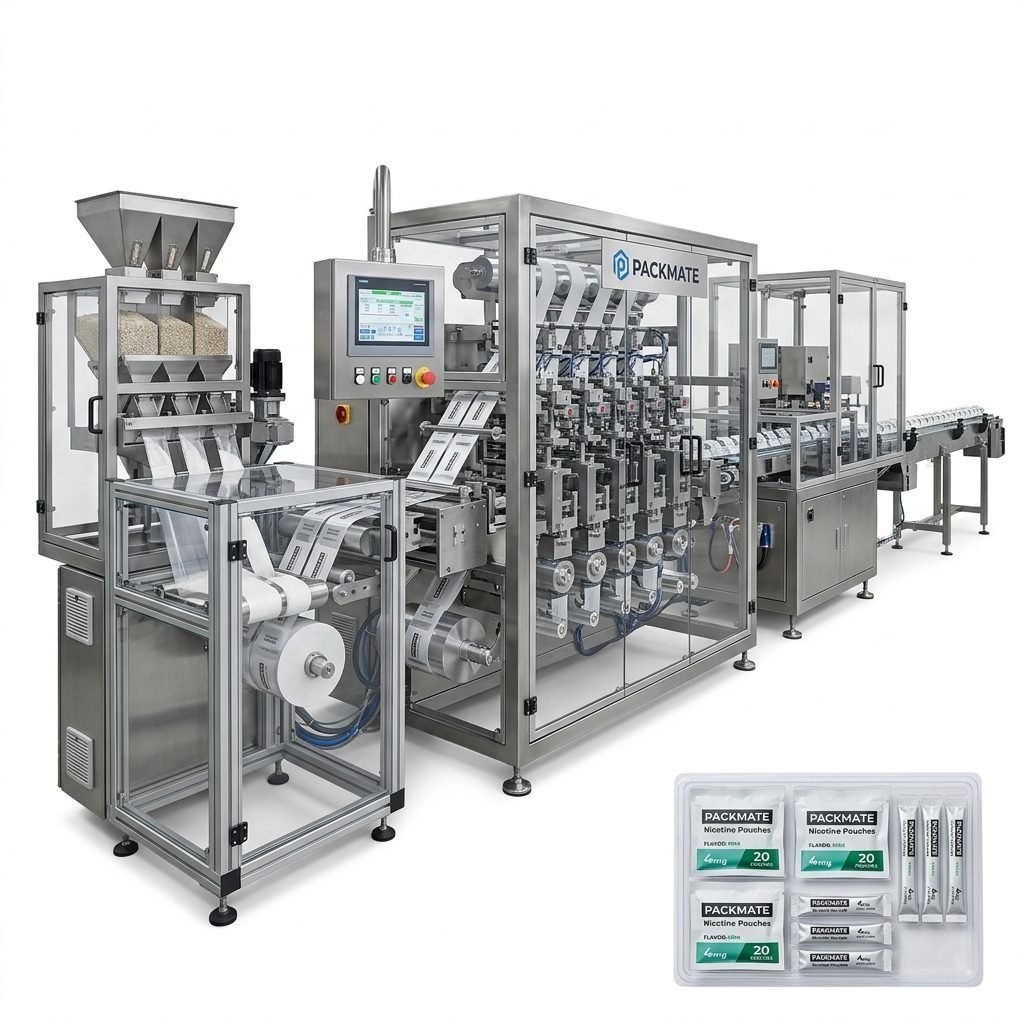
Choosing the right snus packaging machine manufacturer in Lebanon is a decision that affects your product quality, production efficiency, and long-term profitability. This guide walks you through essential technical and commercial considerations—including local customs and regulatory nuances in Lebanon—so you can select a partner who delivers reliable machines, timely support, and the flexibility your brand needs.
Understand the Lebanese Market and User Habits
Lebanon’s market is regional and cosmopolitan. Consumers often prefer premium presentation and small-dose convenient formats. Retail channels include traditional kiosks, duty-free shops, specialty tobacconists, and online sales. When sourcing machinery, remember:
✓ Consumer expectation: neat, tamper-evident sachets or pouches with clear labeling in Arabic and English.
✓ Distribution: compact multi-lane production can serve both domestic orders and export demands to neighboring countries.
✓ Regulations: check local import rules and health labeling requirements—packaging machines must support variable printing and serialization for compliance.
Key Machine Types and Which Works Best
The right machine depends on your product format and production goals. Typical options include:
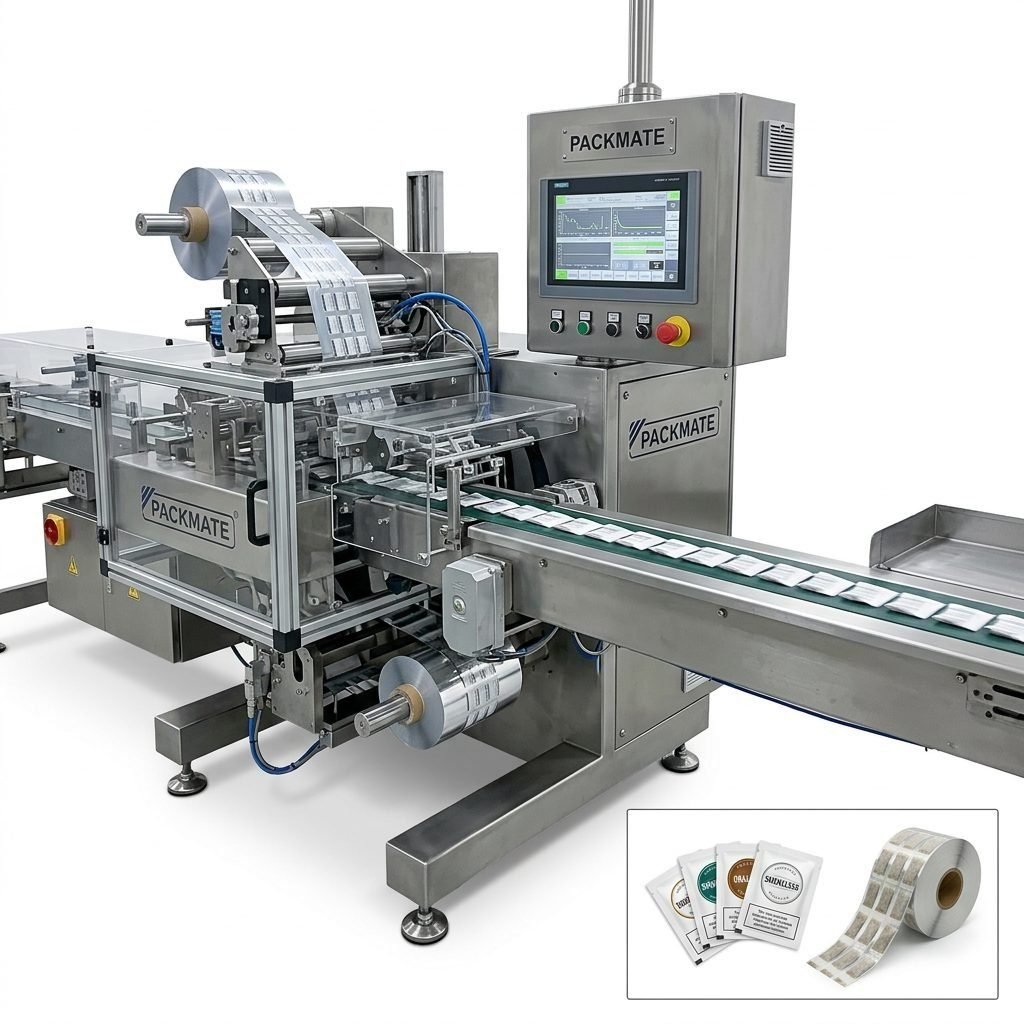
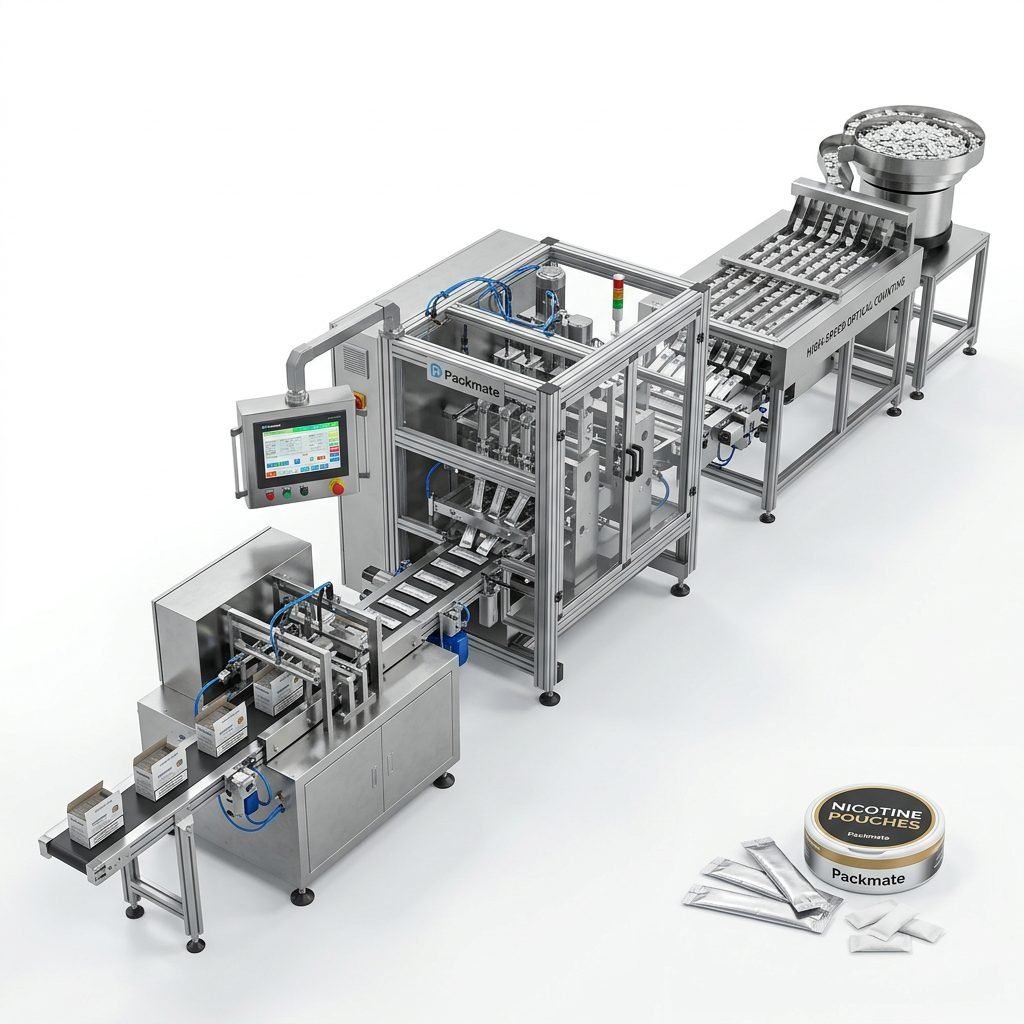
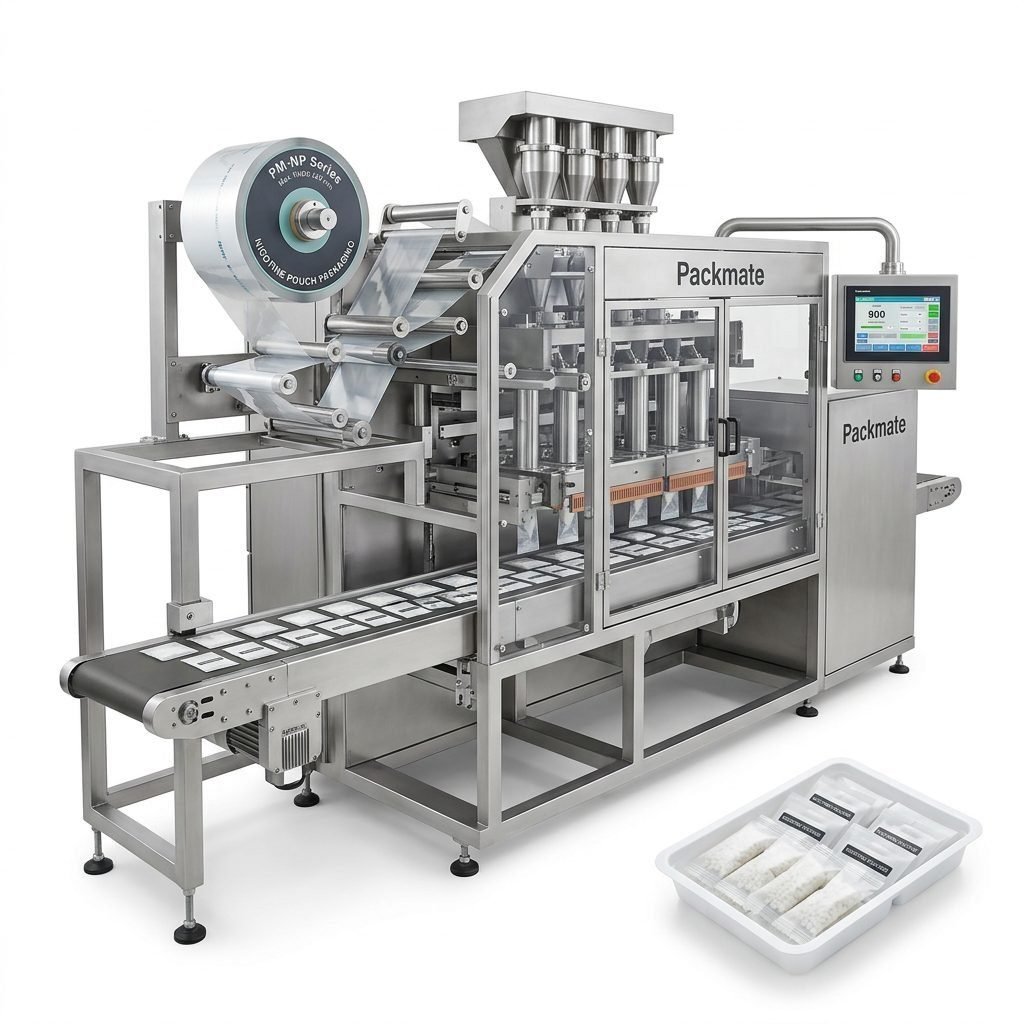
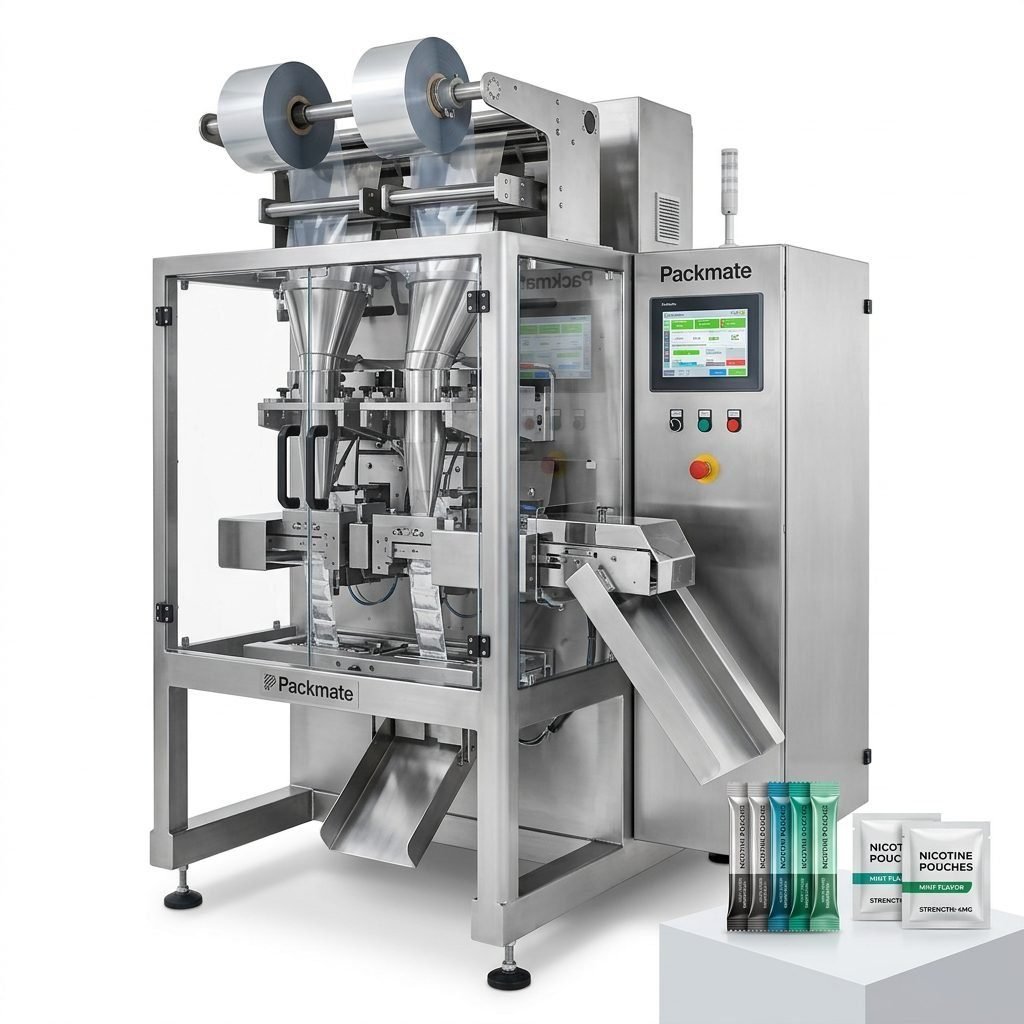
🔧 Snus & Nicotine Pouch Machines — designed for low-dose pouches and nicotine sachets; ideal for premium single-dose presentation. (See detailed models: Snus & Nicotine Packaging Machines)
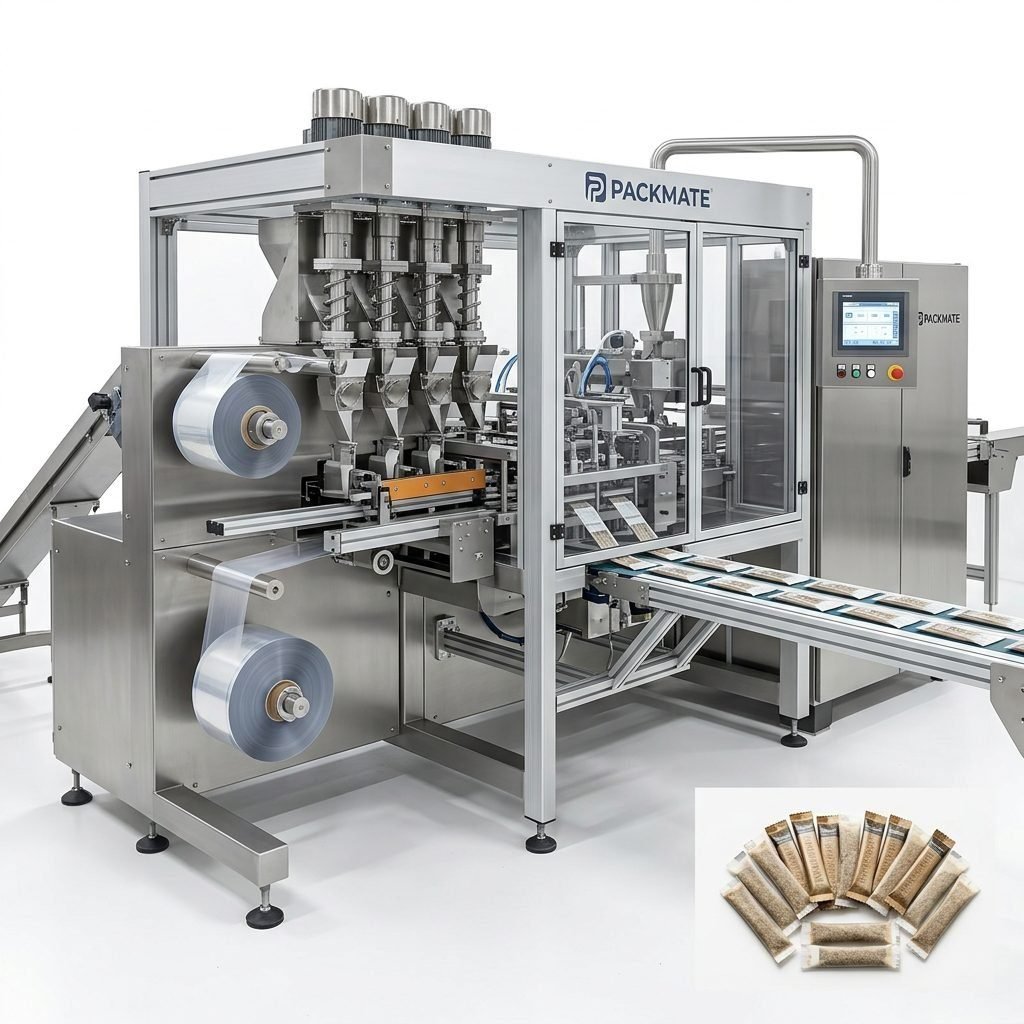
🟢 Multi-lane sachet or stick pack systems — scale output with parallel lanes; best for brands expanding distribution across Lebanon and exports. (Good reference: Sachet & Stick Pack Machines)
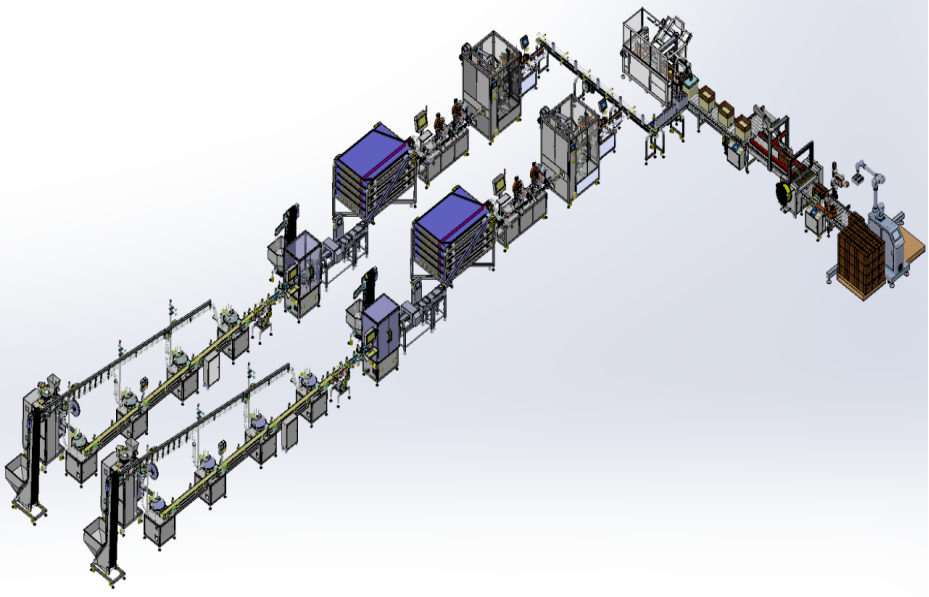
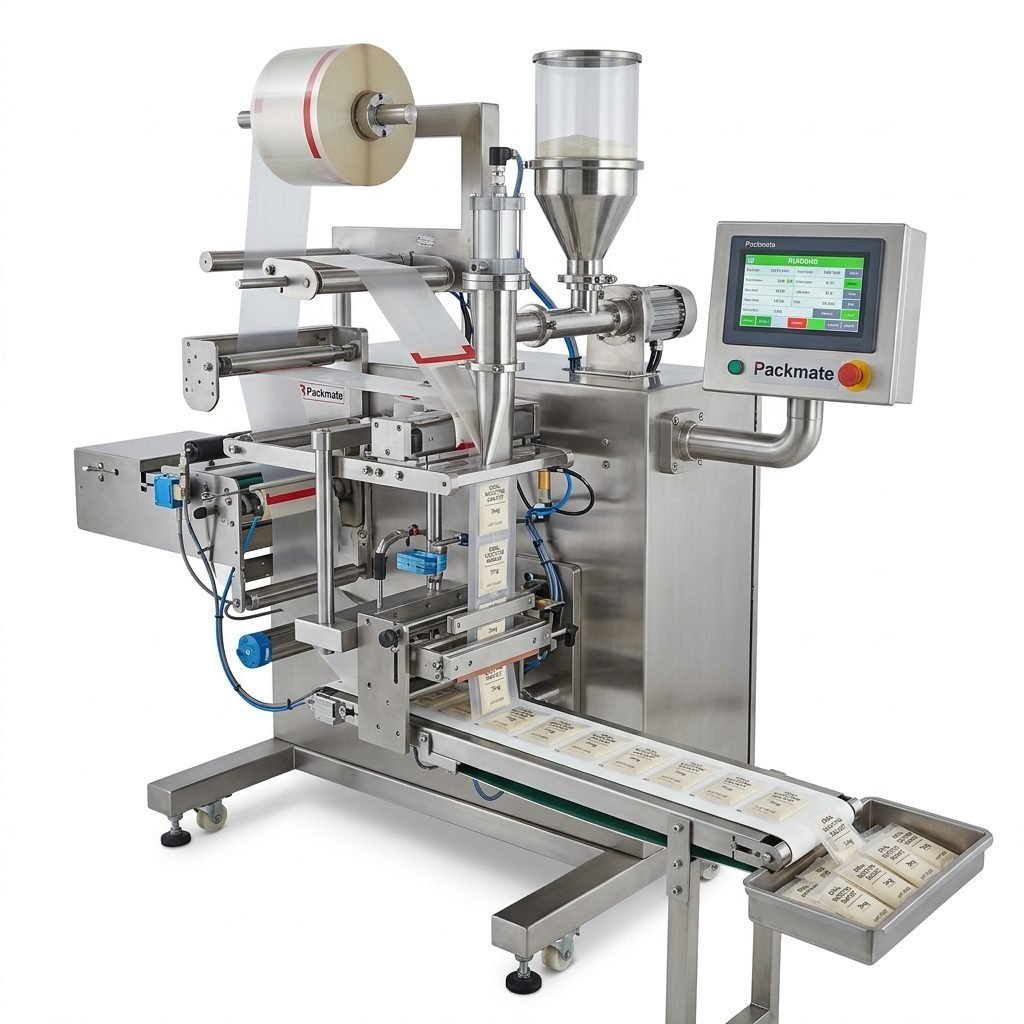
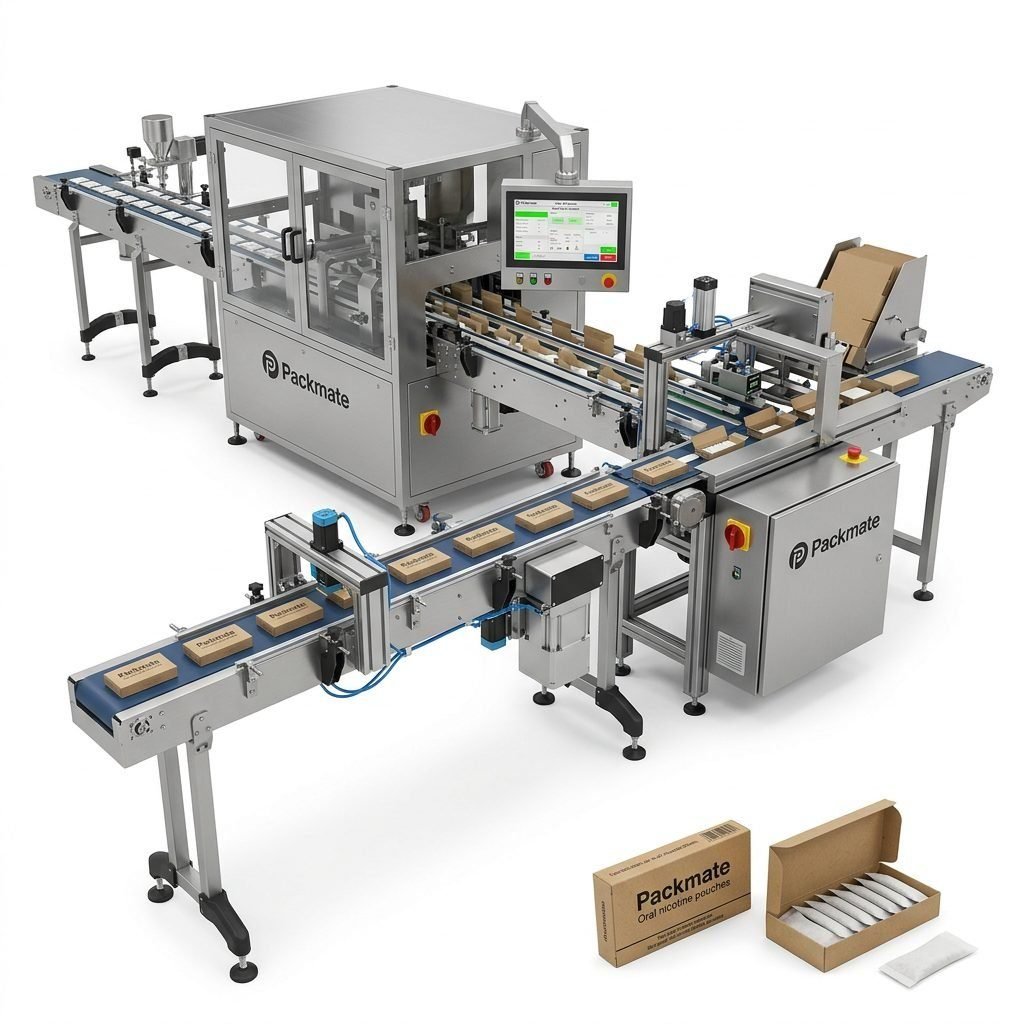
⚙️ Integrated filling and weighing lines — essential when dosing accuracy and product consistency (powder or granules) are priorities. (Explore: Weighing & Packaging Systems)
Top Technical Criteria to Evaluate
When comparing manufacturers, focus on performance metrics and engineering details that matter in Lebanon’s climate and business environment:
Production capacity & flexibility: choose machines that match your target speed (bags/min) and support quick changeover between flavors, pouch sizes, and languages on prints.
Accuracy & yield: low-dose pouches require precise dosing. Review tolerance specs and reject rates in manufacturer data.
Materials & durability: stainless steel contact parts, corrosion-resistant finishes, and IP protection are important due to Lebanon’s coastal humidity.
Certifications, Compliance and Safety
Verify CE and ISO compliance for machines and electrical systems. Manufacturers with international certifications make customs clearance and export documentation smoother. Packmate’s documented conformity (CE/ISO) is an example of what to request when you evaluate potential suppliers. (Learn more: Certificate)
After-sales Service and Local Support
After-sales service is often the deciding factor for Lebanese manufacturers and distributors:
✓ Spare parts availability: confirm lead times for critical components and whether local warehouses or regional agents exist.
✓ Training & commissioning: ensure the supplier provides on-site commissioning, operator training in English/Arabic, and clear SOPs.
✓ Remote diagnostics: look for machines with PLC/HMI systems supporting remote troubleshooting—this reduces downtime and travel costs.
Manufacturing Strength & Customization Capability
Lebanese buyers should preference manufacturers with proven factory strength: large production area, CNC machining capability, and a track record in snus/nicotine pouch equipment. A manufacturer with 30+ years in packaging machinery and a 20,000㎡ plant demonstrates the production depth to supply customized turnkey lines and spare parts for years to come. For reference, reviewing a supplier’s case studies and factory tours (virtual or in-person) is strongly recommended. (See company details: About Packmate)
Material & Environmental Considerations in Lebanon
Lebanon’s Mediterranean climate and power grid characteristics mean:
🔸 Select machines rated for 230V/50Hz and discuss voltage stabilizers if supply is unstable.
🔸 Specify corrosion-resistant materials and protective coatings to avoid rust in coastal facilities.
🔸 Ensure the machine design allows easy cleaning to meet food safety and hygiene expectations.
Commercial Terms: Price, Lead Time and Warranty
Compare not just the ticket price but the total cost of ownership:
Lead time: factor in manufacturing, testing, shipping, customs clearance, and on-site installation. A realistic lead time avoids rushed decisions.
Warranty & spare parts policy: request warranty terms in writing and understand spare part pricing and availability.
Payment terms: negotiate milestone payments tied to FAT (Factory Acceptance Test) and delivery to protect both parties.
Factory Audit and Reference Checks
Before committing, do a factory audit (virtual tour if travel is difficult) and check references:
🔎 Request video of the machine running with your product or a similar product.
🔎 Speak to existing customers in similar climates or markets; ask about uptime, spare parts delivery, and real-world yields. (Examples of case work can be reviewed: Case)
Installation, Training and Local Language Needs
Make sure commissioning includes operator training in the language your staff uses—Arabic and English are commonly required in Lebanon. Request translated manuals, spare parts lists, and basic troubleshooting guides.
Sustainability & Energy Consumption
Evaluate motors, servo systems, and energy-saving features. Machines with intelligent motion control reduce power peaks—valuable where grid reliability is a concern. Consider machines that enable lean production and minimize material waste.
How to Negotiate the Best Outcome
Negotiating effectively can secure better payment terms, improved support, and faster delivery:
• Ask for spare parts kits with the initial shipment to reduce downtime.
• Include acceptance criteria (FAT) with test reports using your actual product formula.
• Protect yourself with clear warranty clauses and service response times in the contract.
Why Working with an Experienced Manufacturer Matters
An experienced manufacturer with a history in snus and nicotine pouch packaging can speed up solution development, offer proven multi-lane systems, and provide turnkey lines that integrate weighing, filling, and sealing. Suppliers with a long history—built on CNC capabilities and robust assembly lines—typically provide better long-term value and reliability. For comprehensive solutions and global references, explore the manufacturer’s service and contact pages: Service | Contact Us
Final Checklist Before You Buy
• Machine type & production capacity validated for your SKU mix
• Compliance certificates (CE/ISO) and FAT report provided
• Clear warranty, spare parts availability, and training plan
• Local language documentation and remote support capabilities
Conclusion
Selecting the best snus packaging machine manufacturer for your Lebanese operation requires balancing technical performance, after-sales support, and awareness of local market habits. Prioritize suppliers with proven snus/nicotine pouch expertise, solid manufacturing capacity, strong certification, and clear support commitments. Doing so minimizes risk, shortens ramp-up time, and helps build a dependable production line that meets local consumer expectations.
Frequently Asked Questions
Q1: How long does it take to receive and commission a snus packaging line in Lebanon?
A1: Typical lead times range from 8–16 weeks depending on customization, testing, and shipping; add customs clearance and on-site installation time.
Q2: What are common warranty terms and spare parts lead times?
A2: Standard warranties are 12 months for mechanical parts; critical spare parts should be stocked or shipped within days to a few weeks depending on supplier arrangements.
Q3: Do I need any special electrical or environmental adjustments for Lebanon?
A3: Confirm machines are compatible with 230V/50Hz, consider stabilizers for unstable supply, and request corrosion-resistant finishes for coastal regions.
Q4: Can manufacturers supply Arabic labeling and language options?
A4: Yes—many suppliers offer HMI language options, translated manuals, and printing modules that support Arabic and bilingual labels.
Q5: Where can I see real examples and contact reliable suppliers?
A5: Review supplier case studies, exhibition records, and company profiles to verify capabilities; for example, check a supplier’s exhibition and contact pages for demos and inquiries. (Explore: Our Exhibition)