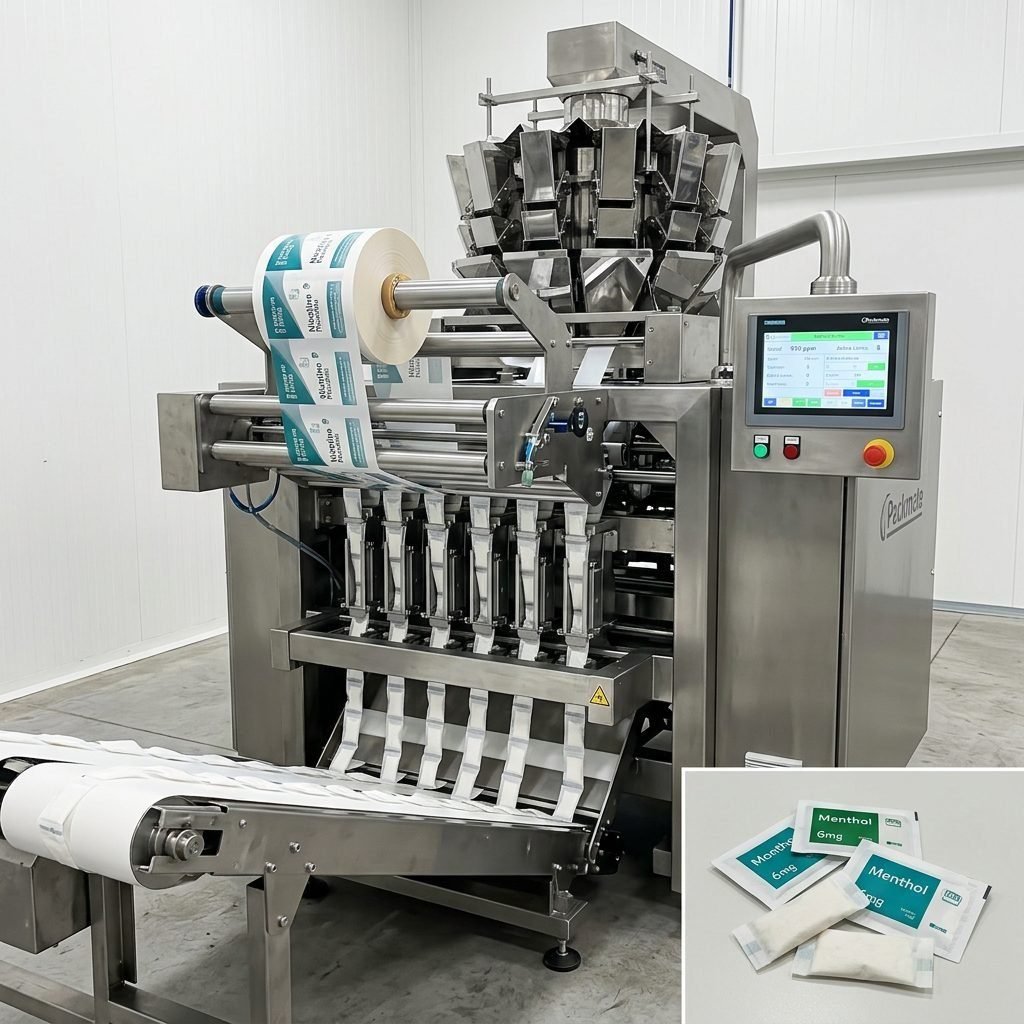
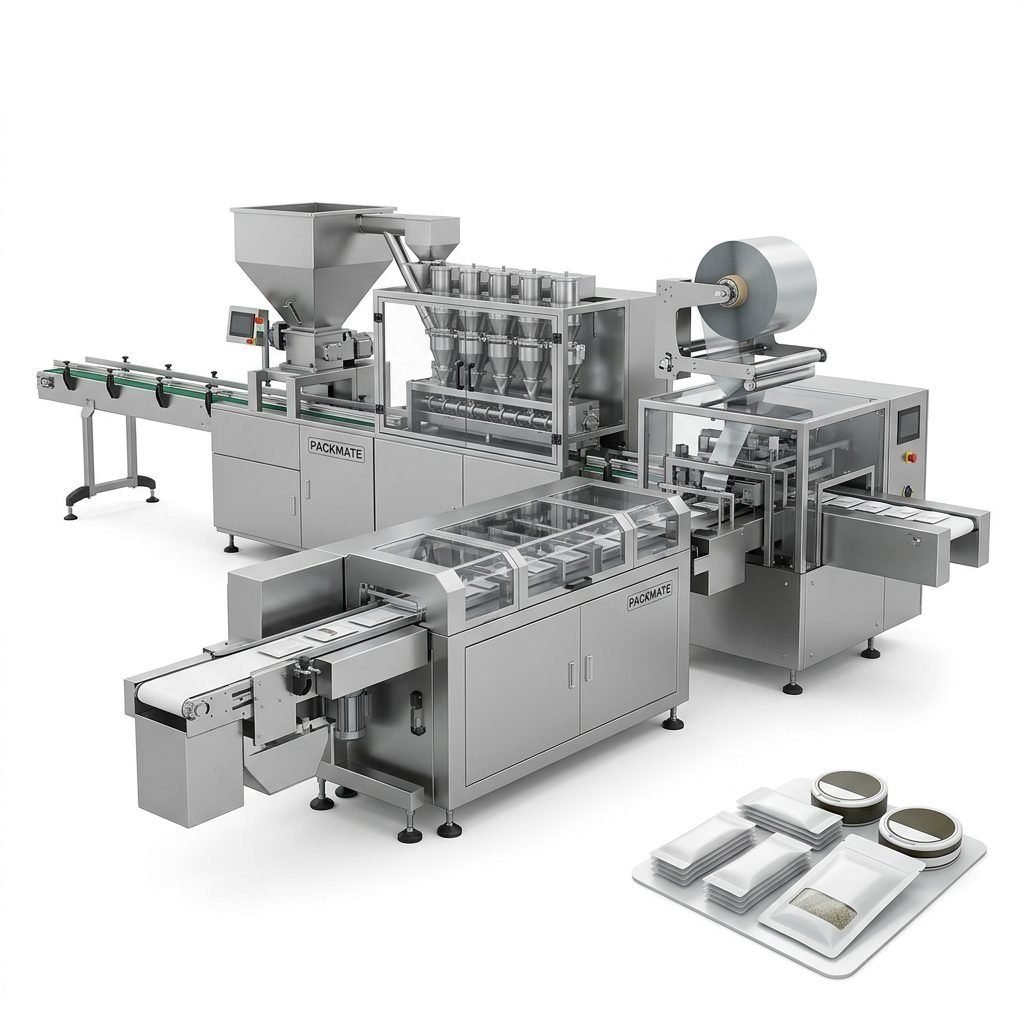
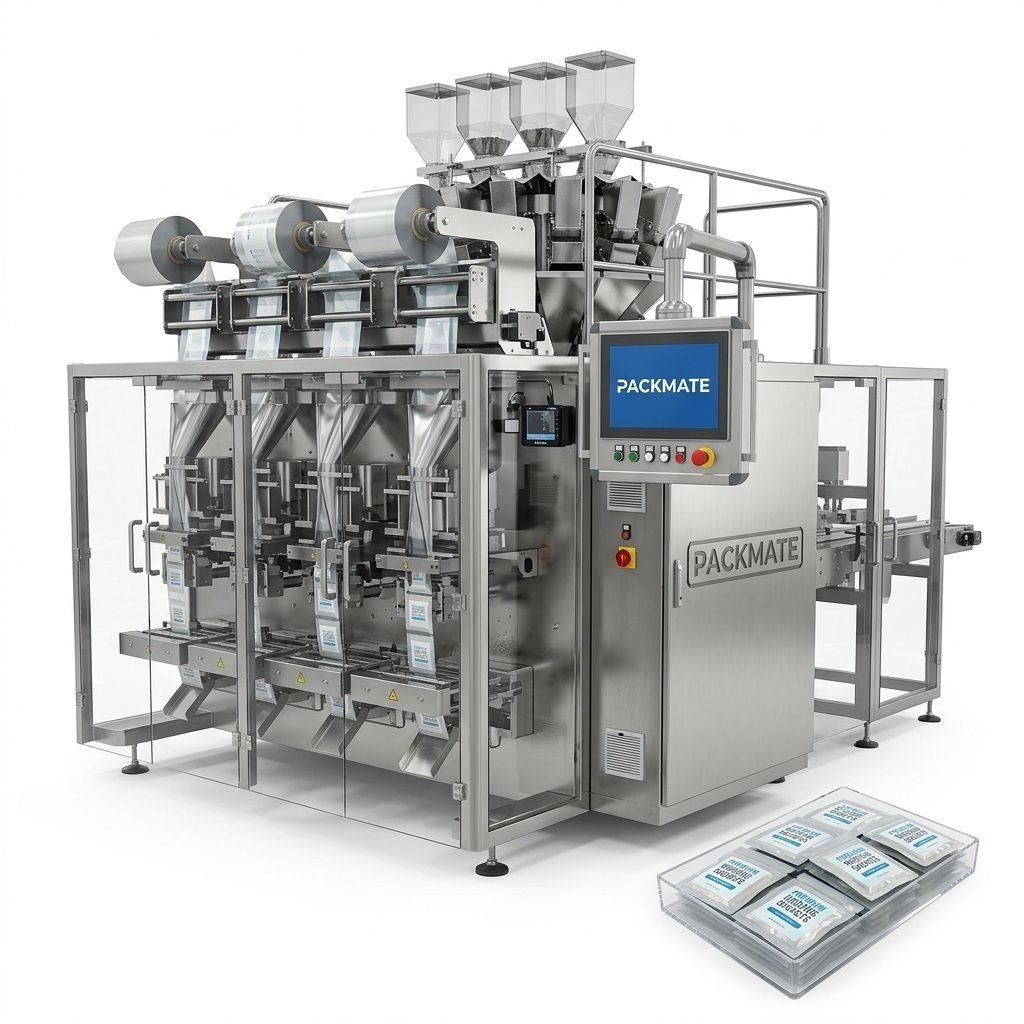
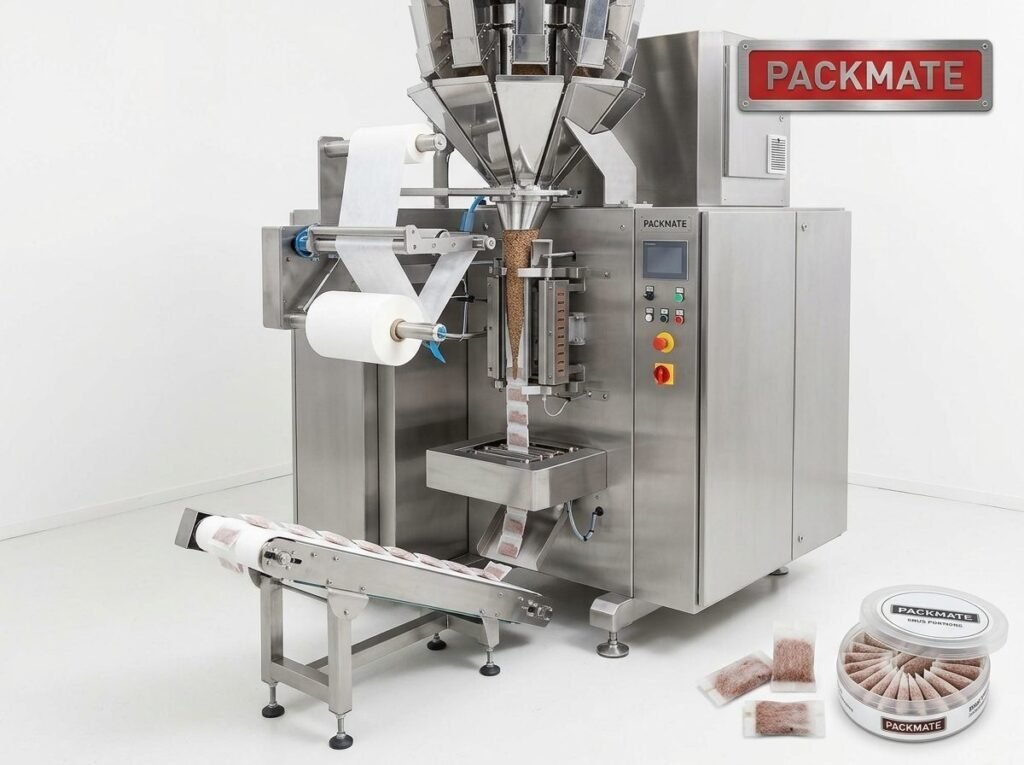
Choosing the right partner for an automatic snus packaging line is one of the most important business decisions for manufacturers of nicotine pouches and snus. A well-chosen supplier delivers machines that combine productivity, reliability, and regulatory compliance — and that can scale as your product portfolio grows. This guide walks through practical selection criteria, machine features, supplier evaluation steps, and real-world considerations so you can choose a snus line manufacturer that fits your production goals and budget.
Why the choice of manufacturer matters
Modern snus and nicotine pouch production requires precision dosing, multi-lane synchronization, and hygienic design. A poor machine choice can lead to wasted raw materials, inconsistent product quality, frequent downtime, and regulatory headaches. Partnering with an experienced manufacturer ensures the packaging line matches your product format (pouches, stick packs, sachets), production speed, and future expansion plans.
Key outcomes from a strong supplier relationship
✓ Higher yield: Accurate weighing and dosing reduce overfill and material loss.
✓ Consistent quality: Stable sealing, cutting, and handling eliminate rework.
✓ Faster time-to-market: Turnkey systems and customization speed new SKU launches.
What features to prioritize in an automatic snus packaging machine
When reviewing equipment options, focus on features that directly impact throughput and product integrity.
Production capacity and multi-lane capability
High-output lines often use multi-lane modules to run several pouches in parallel. Look for machines with reliable lane synchronization, easy lane changeover, and modular expansion options so you can increase capacity without replacing the entire line.
Dosing accuracy and material handling
Precision feeders and weighing systems are essential for consistent nicotine pouch weight. Consider integrated weighing or volumetric dosing suitable for granules or powders, and check how the machine handles hygroscopic or sticky formulations.
Flexible pouch formats and sealing quality
A versatile system supports multiple pouch formats — round pouches, oval, sachets, and stick packs. Sealing technology must be capable of producing strong, tamper-evident seals across different film laminates used in snus packaging.
Tip: If you plan multiple SKUs, prioritize machines that enable quick format changeovers and store recipe settings in the HMI. This saves hours during line changeovers and reduces human errors.
How to evaluate and qualify a snus packaging machine supplier
Supplier evaluation should be systematic. Below are practical steps to verify capability, quality, and long-term fit.
1. Track record and industry focus
Prefer suppliers with a demonstrable focus on snus and nicotine pouch lines. A manufacturer with experience across related categories (food, pharmaceutical) understands hygiene and regulatory demands. Packmate Snus Machine, for example, specializes in snus and nicotine pouch systems and has decades of engineering experience.
2. Factory capacity and machining capabilities
Evaluate the supplier’s factory size, CNC machining centers, assembly lines, and quality testing. A larger, well-equipped factory typically provides faster lead times and better quality control for high-precision parts.
3. Certifications and compliance
Make sure the equipment complies with relevant international standards such as CE and ISO. These certifications indicate the supplier adheres to recognized safety and quality systems.
What to ask during a factory visit: Demonstration of machine running your product, inspection of critical parts, traceability of components, and a review of after-sales support capabilities.
Machine families: which one suits your product?
Different packaging styles have different strengths. Match the machine family to your product characteristics and business strategy.
Sachet & Stick Pack Machines
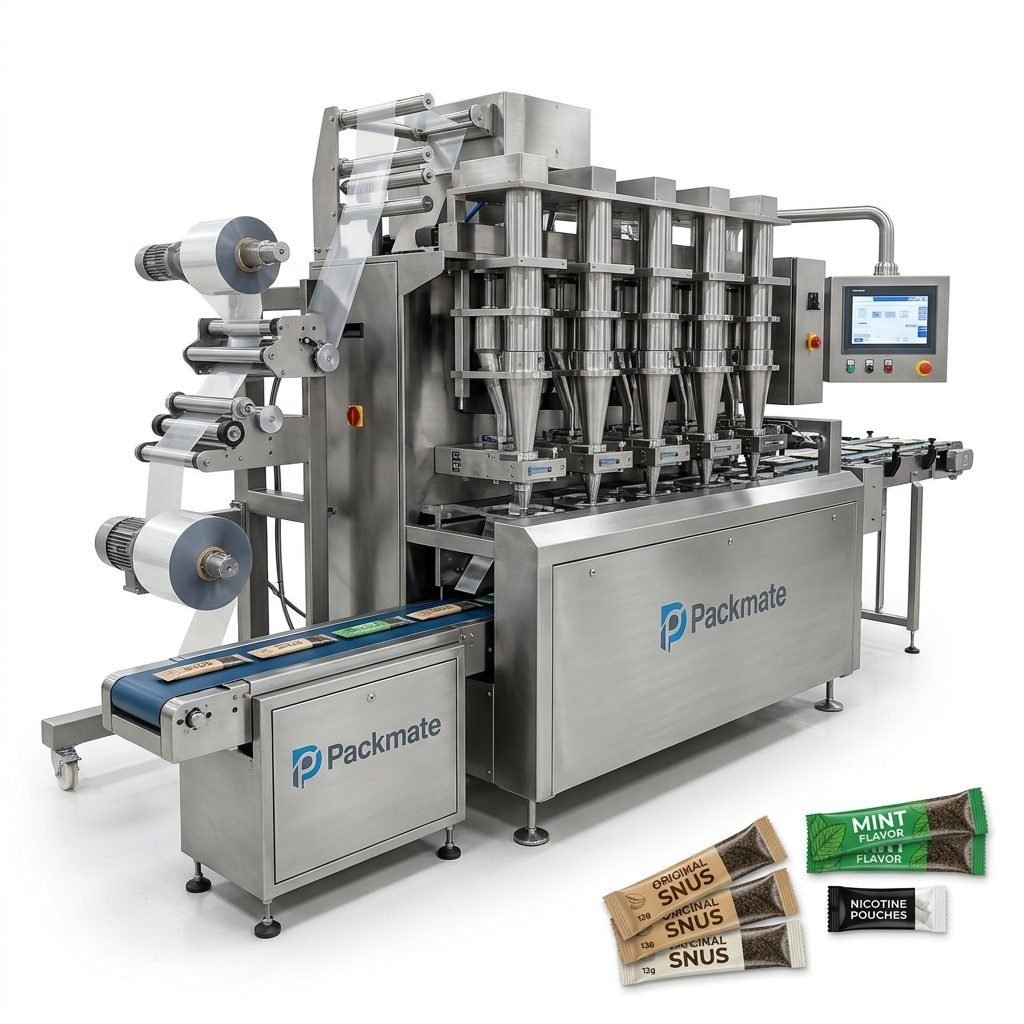
Stick packs are compact and ideal for single-dose formats, while sachet lines can deliver pillow or flat sachets suitable for small pouch variants. These machines are typically fast and space-efficient.
Pouch & Multi-lane Snus Lines
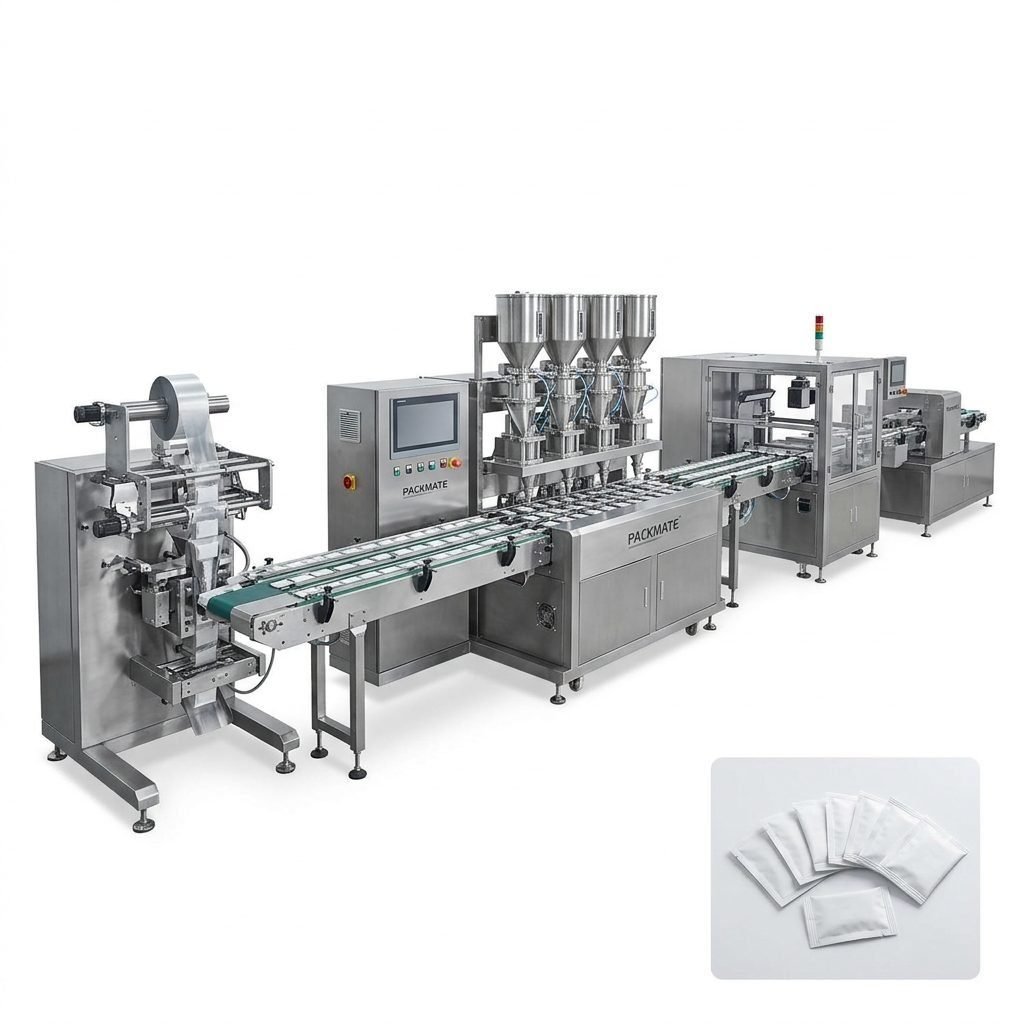
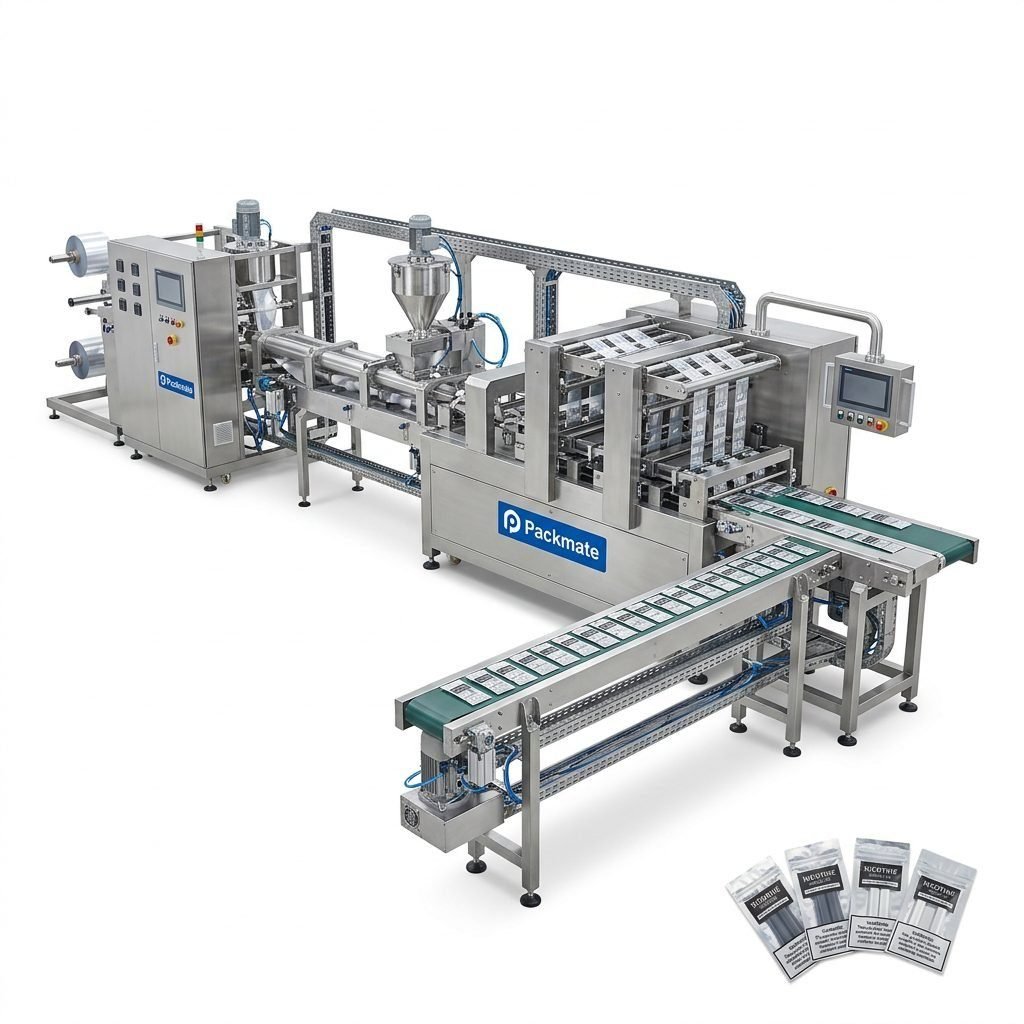
Multi-lane pouch lines increase throughput by running several lanes simultaneously. They often integrate fillers, dosing systems, and automated feeding to produce small-dose pouches with high accuracy. For example, Packmate provides specialized multi-lane systems for nicotine pouches.
Auxiliary equipment and integration
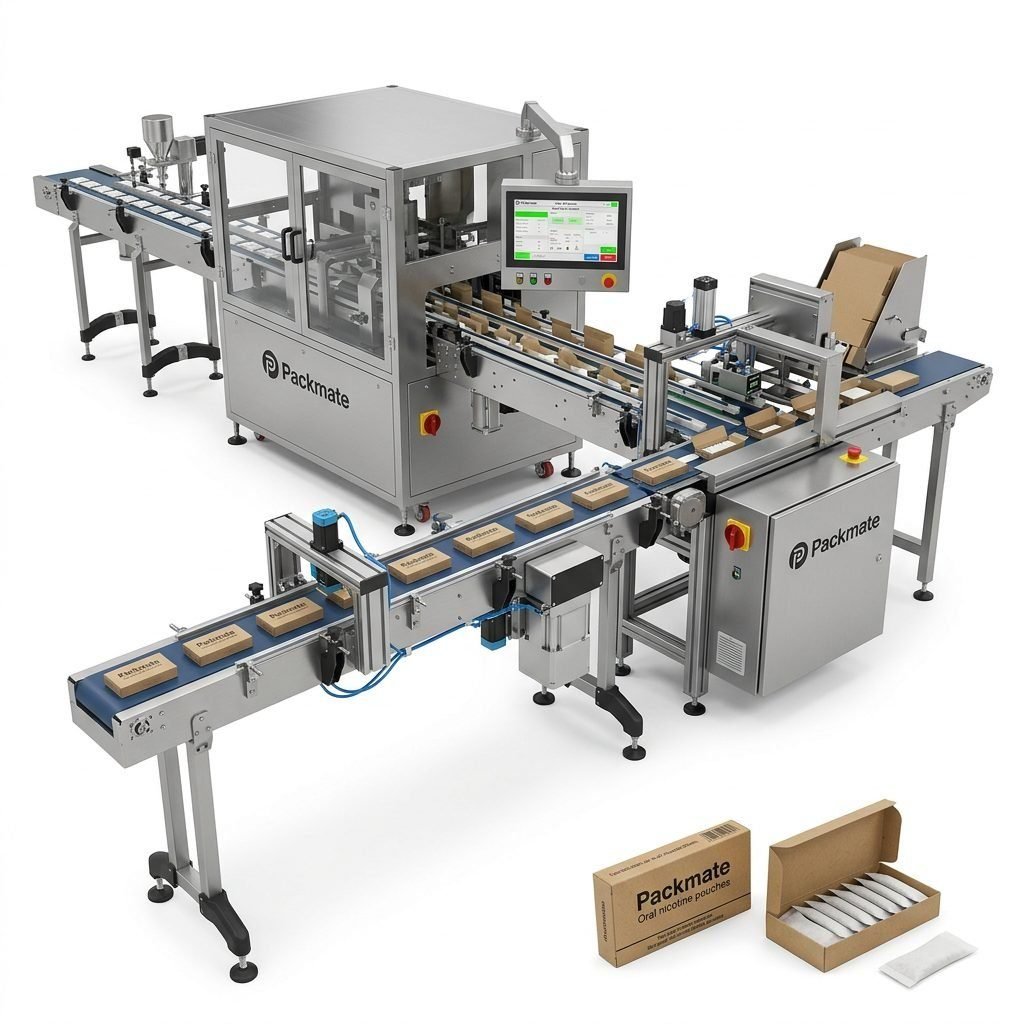
Don’t overlook feeders, bucket elevators, bagging robots, and quality inspection modules. A vendor that supplies auxiliary packaging equipment and full production lines simplifies integration and ensures better compatibility.
Learn more about specific machine categories at Snus & Nicotine Packaging Machines and explore other formats via Sachet & Stick Pack Machines.
Cost vs. return on investment (ROI)
Upfront machine price is only part of the equation. Assess total cost of ownership including spare parts, energy consumption, maintenance, and expected yield improvements. A higher initial investment in precision equipment often pays back quickly through reduced waste and increased uptime.
ROI checklist: expected throughput, typical yield, energy use, spare parts lead time, training costs, and warranty/after-sales SLA.
After-sales service, spare parts and training
After-sales support is a decisive factor. Check lead times for spare parts, availability of local technicians or remote support, and whether the supplier provides comprehensive operator and maintenance training. Suppliers with global support networks shorten downtime and protect production.
Service agreements and warranty
Negotiate clear warranty terms and optional service agreements covering preventive maintenance visits, remote troubleshooting, and priority spare parts delivery.
For turnkey solutions that include equipment, integration, and service, review offerings like Filling & Packaging Lines and auxiliary options at Auxiliary Packaging Equipment.
Regulatory compliance and quality assurance
Because nicotine pouches are regulated in many markets, ensure the equipment supports traceability, cleanroom-compatible materials, and sanitary design. Request test documentation and confirm that the supplier has relevant certifications such as CE and ISO.
Quality testing and factory inspection
Insist on witnessing a factory acceptance test (FAT) running your product. This reveals real-world machine behavior, cycle rate, and product quality before shipment. Ask for video records and detailed performance data.
Practical procurement and negotiation tips
Structure your request for quotation (RFQ) to get apples-to-apples comparisons:
RFQ essentials
Product specs (format, weight, materials), required throughput (pouches/min per lane), layout constraints, acceptable film laminates, electrical and utility requirements, installation scope, and preferred warranty terms.
Negotiation tip: Ask suppliers to include spare parts lists and recommended annual consumables. Bundling a spare parts package often reduces overall downtime and secures priority shipments.
Installation, commissioning and ramp-up
Confirm whether the supplier provides on-site commissioning and operator training. Proper commissioning includes mechanical alignment, control tuning, and first-pass validation of product quality. A structured ramp-up plan reduces early-life failures.
Operator training and documentation
Ensure you receive bilingual manuals, wiring diagrams, spare parts lists, and digital copies of all control recipes. Hands-on operator and maintenance training accelerates stable production.
Real-world evidence and case studies
Reviewing supplier case studies reveals how equipment performs across markets. Look for examples in your target region and similar product formats. Packmate publishes multiple global cooperation cases demonstrating high-throughput snus lines and turnkey solutions.
See real examples at Case and learn more about Packmate if you want details about factory capability and company history.
Checklist: final selection criteria before signing
Before committing, verify the following:
• Technical: FAT results, performance metrics, spare parts list, electrical and pneumatic specs.
• Legal/Commercial: Warranty terms, delivery schedule, payment milestones, and acceptance criteria.
• Support: Availability of on-site commissioning, training, and a clear escalation path for urgent issues.
Final reminder: Factory reputation, proven multi-lane designs, and strong after-sales support typically outweigh small price differences when selecting a snus packaging partner.
Next steps: how to get started
Start with a clear product specification and target throughput. Request machine videos running similar products, ask for FAT invitations, and plan a site visit if possible. Contact the supplier with a detailed RFQ to receive comparable offers. If you need turnkey support, verify integration of upstream filling systems and downstream packing lines.
For inquiries or to arrange demonstrations, use the supplier’s contact channels such as Contact Us and review their product catalogs for matching machine models.
Quick resource links
Explore product families and technical data: Bag & Pouch Packaging Machines, and check integrated systems at Weighing & Packaging Systems.
Frequently Asked Questions
1. What production speed should I target for a new snus line?
Target speed depends on demand and lane configuration. Many manufacturers begin with a single- to four-lane configuration at moderate speeds (hundreds to low thousands of pouches per minute across all lanes) and scale to higher lane counts for mass production. Define your SKU demand and choose modular systems that allow lane expansion.
2. How important are certifications like CE and ISO?
Certifications demonstrate adherence to international standards for safety and quality. They are particularly valuable when exporting to regulated markets or when auditors request documented quality systems.
3. Can one supplier provide a full turnkey line including filling and final cartoning?
Yes. Many suppliers offer integrated filling, dosing, pouch forming, and downstream cartoning and case packing. For turnkey projects, validate the supplier’s integration experience and request references for similar installations.
4. What is a typical lead time for a multi-lane snus packaging line?
Lead times vary by customization and current factory load. Standard models may ship faster, while highly customized multi-lane turnkey lines often require several months for design, manufacturing, testing, and FAT. Confirm timelines early in the procurement process.
5. How do I ensure spare parts availability and quick support?
Negotiate spare parts kits as part of the purchase, request recommended consumable lists, and establish service level agreements that define response times. Suppliers with global exhibitions and local partners tend to provide faster access to parts and service resources.