Introduction: Why Choosing the Right Nicotine Packaging Machinery in Pakistan Matters
Pakistan’s growing consumer market and shifting regulations around tobacco alternatives make selecting the correct nicotine packaging machinery a strategic decision for any factory owner. The wrong machine can lead to production delays, regulatory headaches, and increased costs, while the right one can help you scale efficiently and stay compliant. This guide walks you through practical considerations tailored to Pakistani production realities, local worker skillsets, and distribution habits across urban and rural regions.
Understand Your Product and Market Demand
Before evaluating machines, define your product format: single-dose nicotine pouches, multi-pouch packs, sachets, or stick packs. In Pakistan, many retailers prefer compact, tamper-evident packs that fit local point-of-sale systems and customer expectations for portability. Consider:
• Production volume: Are you aiming for small-batch artisanal runs for niche urban markets or high-volume output for national distribution? Machines differ vastly in throughput.
• Dose precision: Nicotine products demand consistent dosing. Choose equipment with reliable weighing and dosing systems to avoid regulatory issues and customer complaints.
Local Consumer Habits and Packaging Preferences
In Pakistan, portability and discreet consumption are important. Smaller, resealable pouches and low-profile sachets sell well in urban centers like Karachi and Lahore. Rural markets often favor economical multi-pack formats. Make sure your machine can deliver the pack styles your target customers prefer.
Key Technical Specifications to Compare
When comparing machines, focus on technical features that relate directly to production goals and local infrastructure:
Throughput (units per minute): Higher speed machines are ideal for large-volume factories but require stable power and trained operators.
Accuracy and filling systems: Look for precise weighing and volumetric feeders. For nicotine pouches, micro-dosing capabilities and multi-lane systems can dramatically increase yield.
Packing formats supported: Ensure the machine handles the pouch sizes, materials (foil, paper, laminates), and sealing types you need.
📌 Tip: If you plan to expand product lines, prioritize modular systems that allow adding lanes or converting formats without buying a new machine.
Machine Types Suitable for Pakistani Factories
Different technologies suit different business models. Below are common options and their advantages:
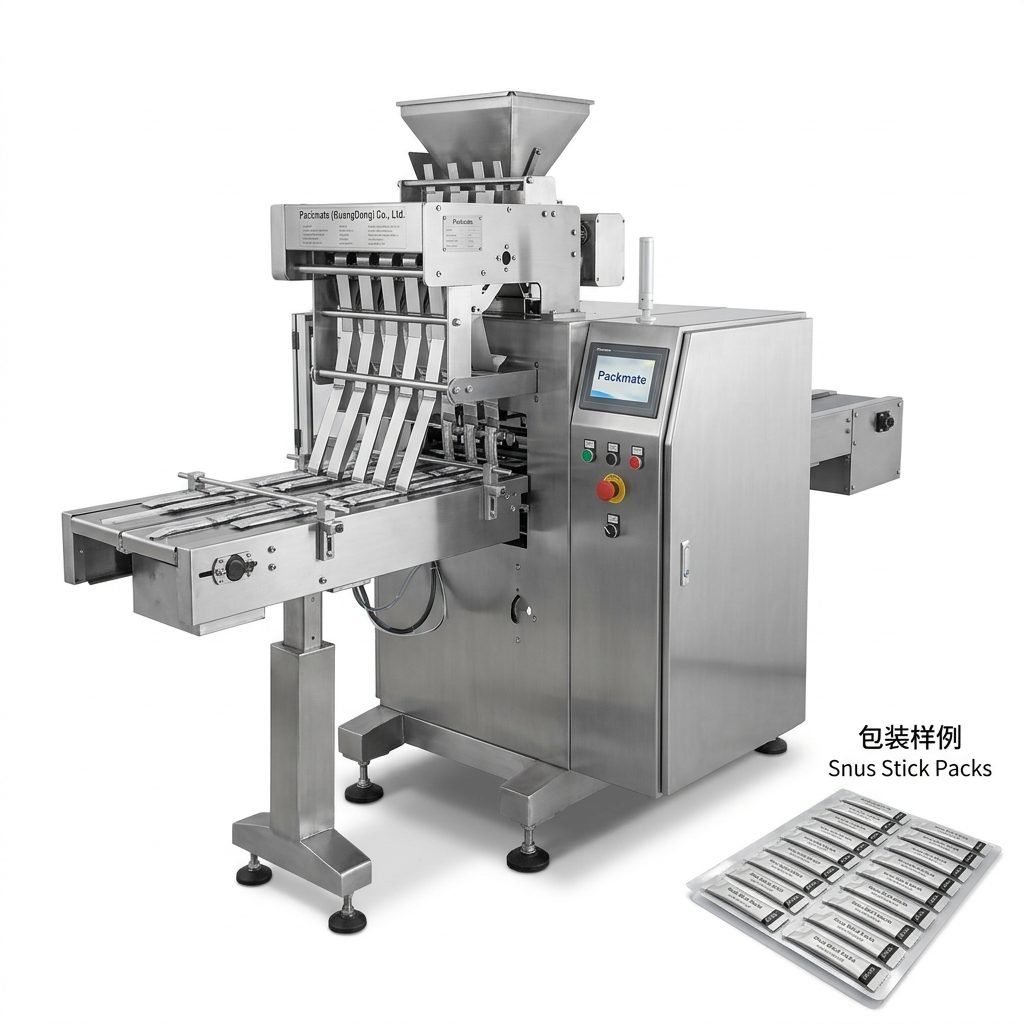
Stick Pack Machines
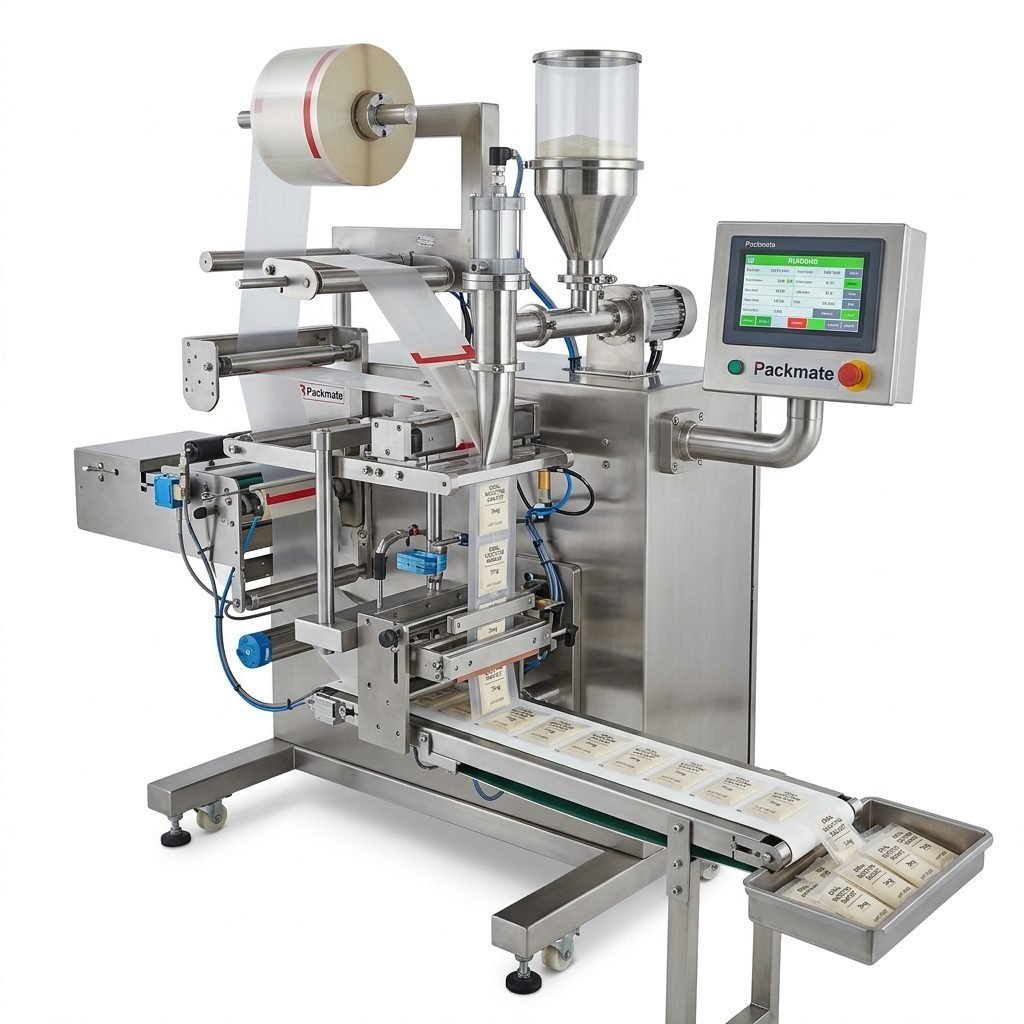
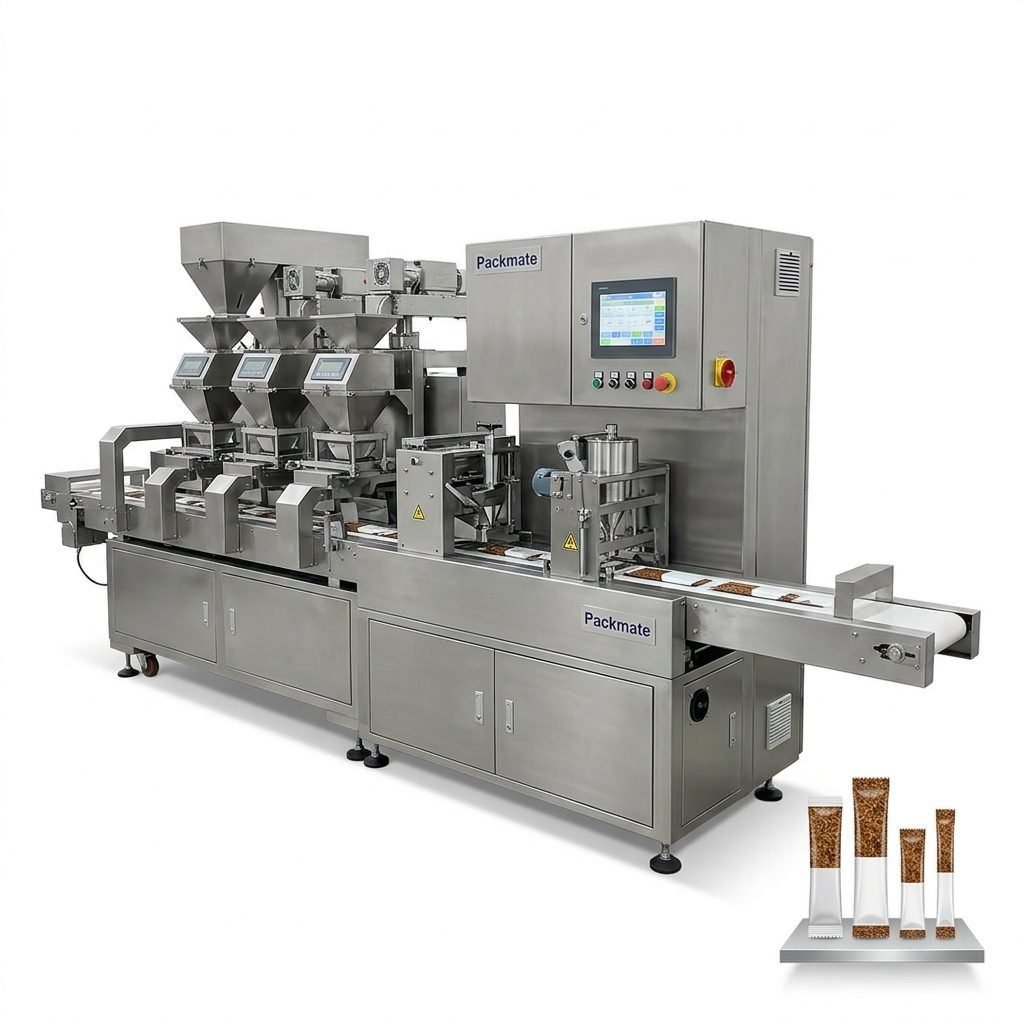
Stick packs are popular for individual sachets or single-use nicotine sticks. They are compact and ideal for portion control. Choose a machine with robust sealing technology to cope with humid conditions often encountered in monsoon seasons.
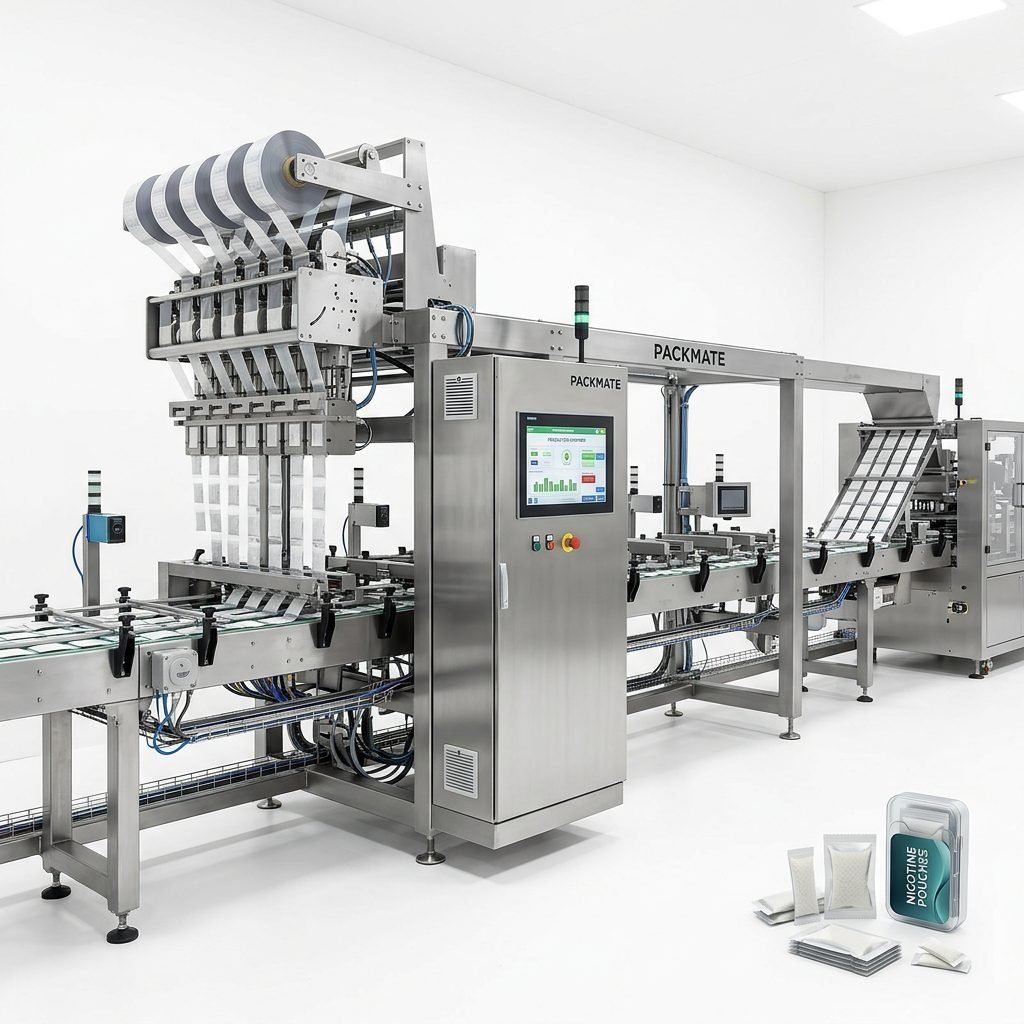
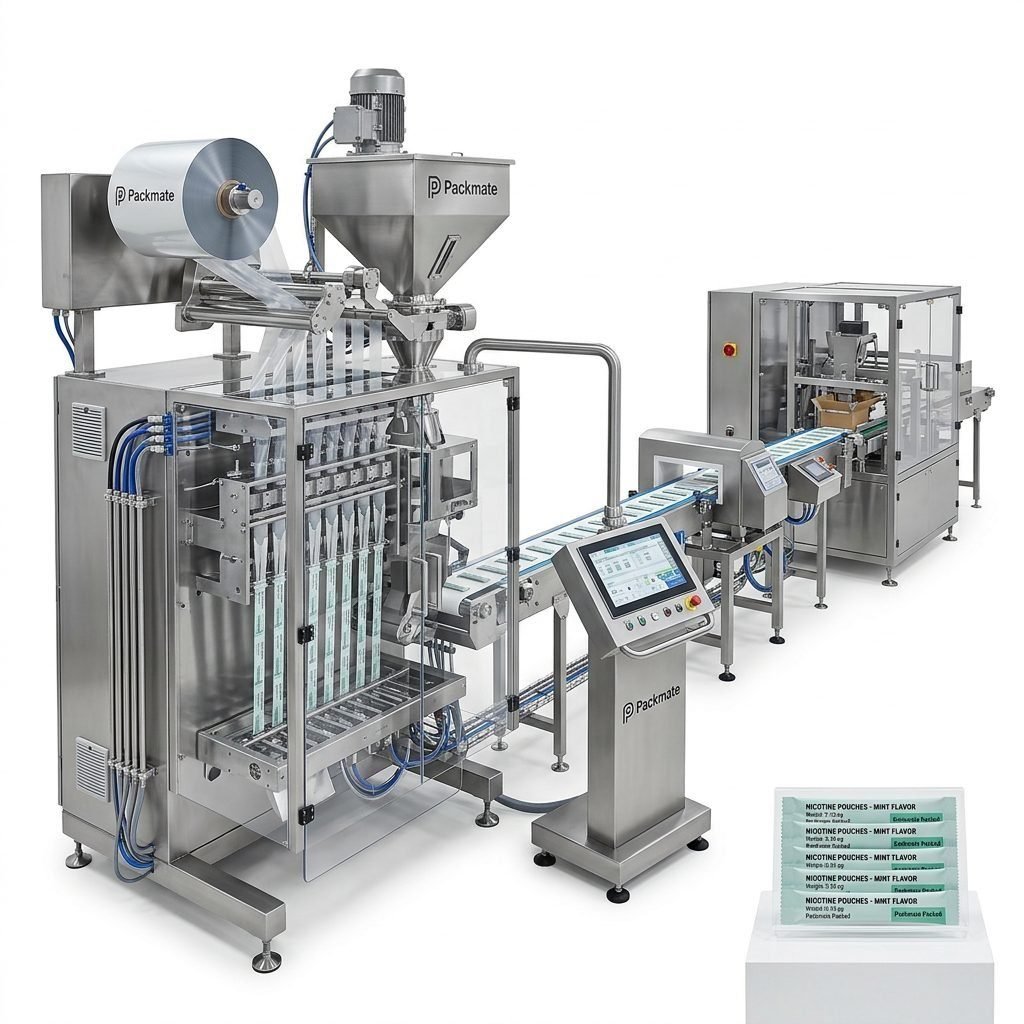
Multi-Lane Snus & Nicotine Packaging Machines
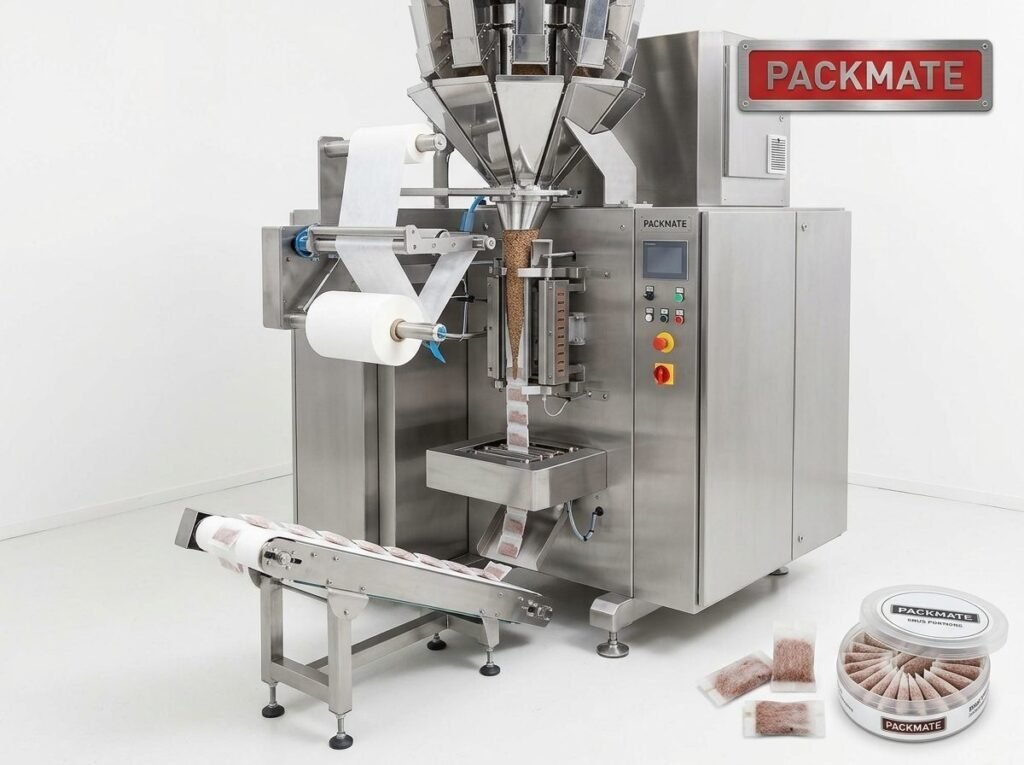
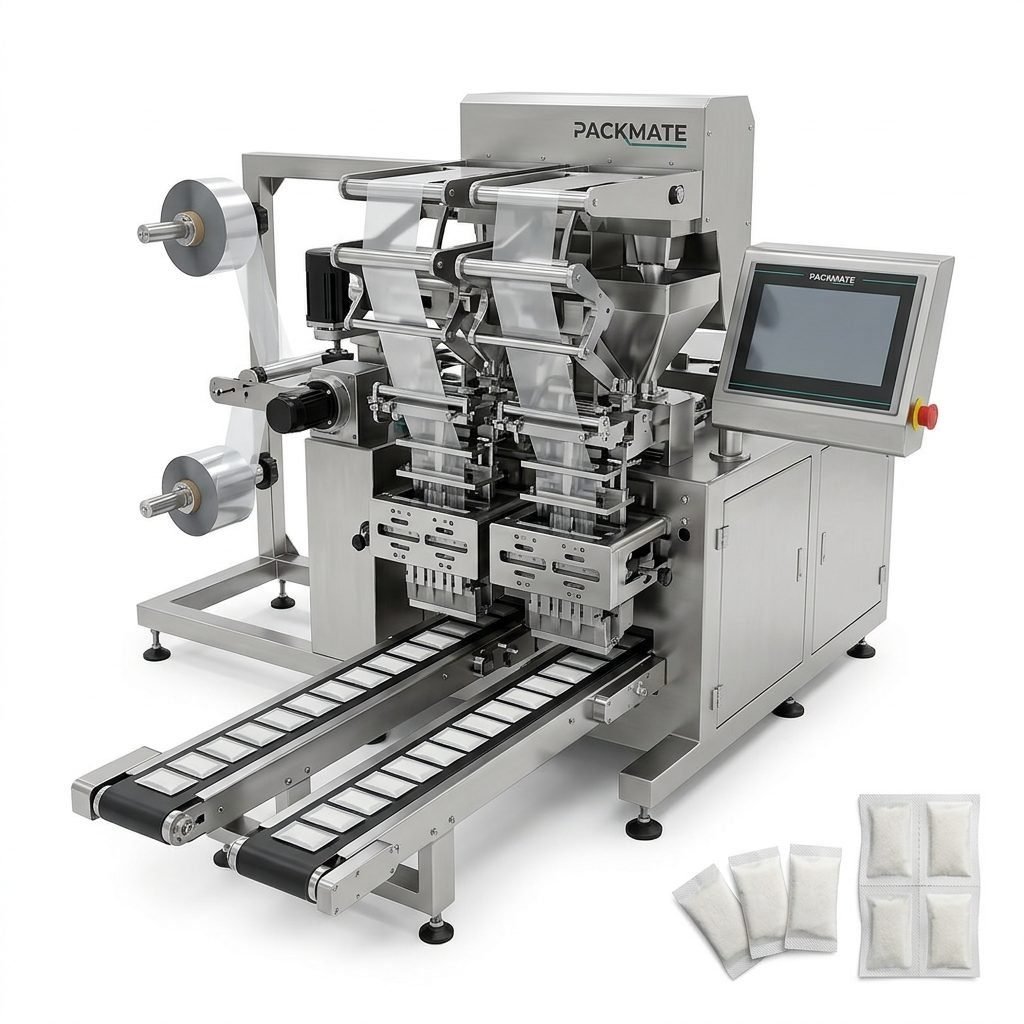
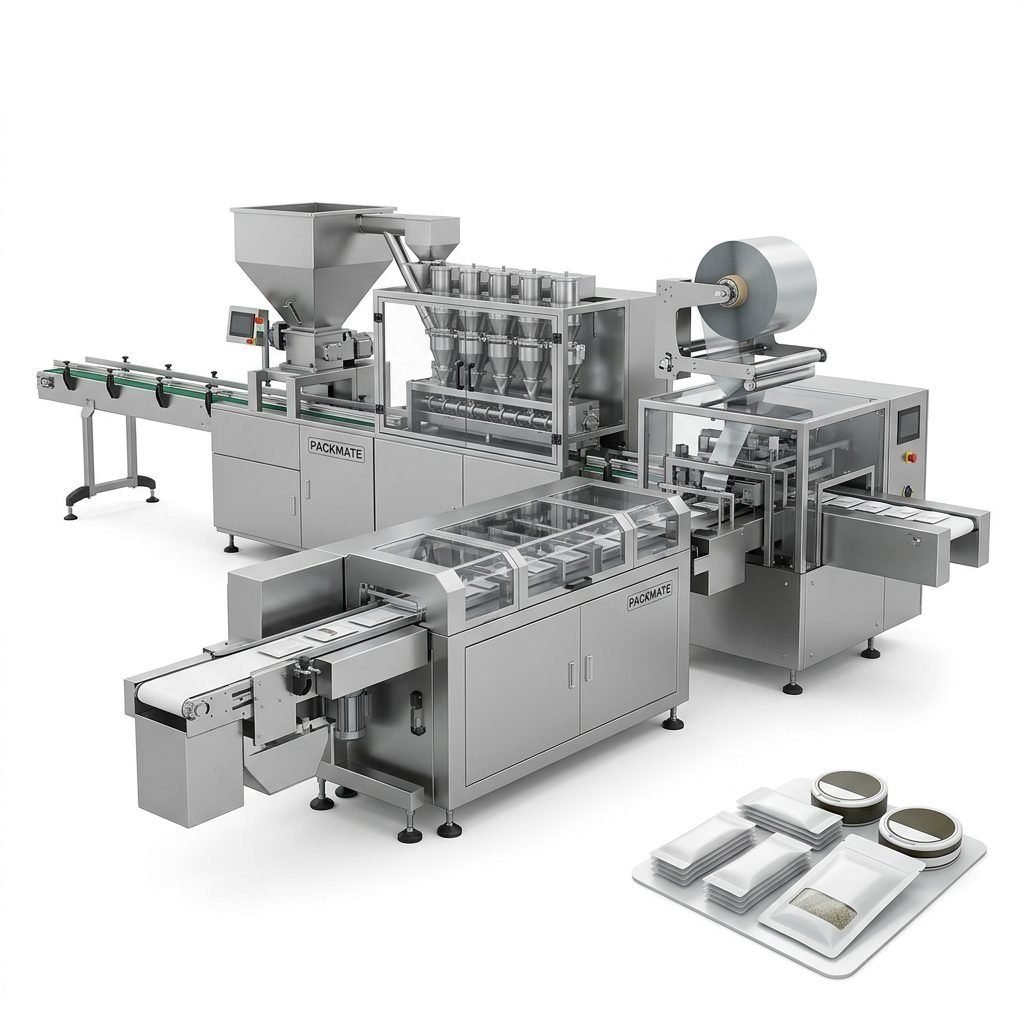
Multi-lane systems can multiply output without requiring additional floor space. For Pakistan, where labor costs are moderate, multi-lane systems offer the best balance of automation and throughput. See examples at Snus & Nicotine Packaging Machines.
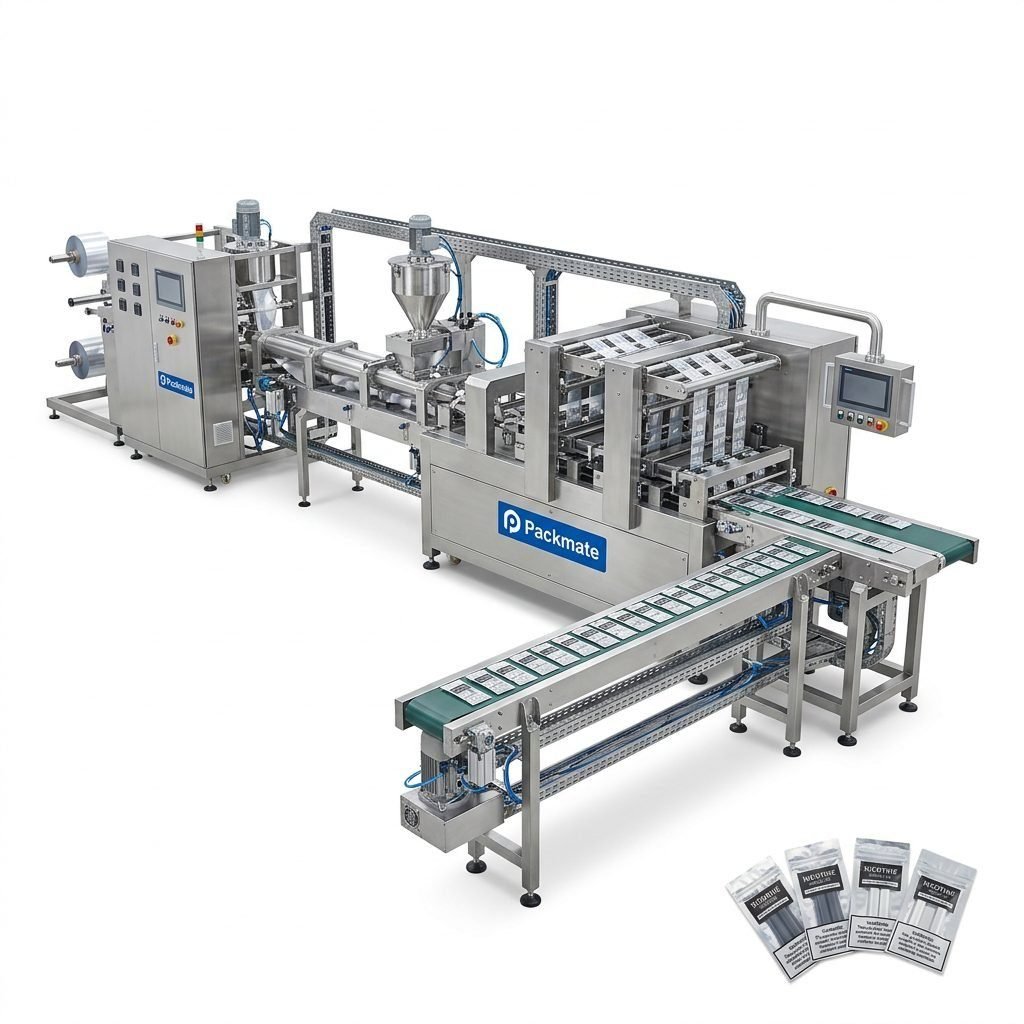
Sachet & Stick Pack Machines
Sachet and stick pack machines excel at small-dose packaging and are flexible for promotional packs. For a broad selection, review Sachet & Stick Pack Machines.
Practical Considerations for Pakistani Manufacturing Environments
Pakistan’s infrastructure and workforce characteristics influence machine selection:
Power stability: Regions may experience frequent voltage fluctuations. Equip your factory with surge protection and consider machines that tolerate minor power instability or include built-in UPS options.
Local maintenance skills: Choose machines with clear documentation, local service support, or remote diagnostics. Packmate (GuangDong) offers global support networks and spare parts—learn more at About Packmate.
Material supply: Source packaging films and laminates that are readily available in Pakistan to minimize lead times and import costs.
🔧 Local Insight: Factories in Punjab and Sindh often have better access to spare parts and technicians. If you locate your plant near industrial hubs, you’ll reduce downtime and operational costs.
Quality, Certifications, and Compliance
Compliance with international and local standards is non-negotiable. Choose machines with trustworthy certifications to ease export and regulatory approval.
CE and ISO: Machines certified to CE and ISO standards indicate adherence to safety and manufacturing quality. Packmate machines carry these certificates—see Certificate.
Hygiene and cleaning: For nicotine and oral products, hygienic design and easy-access components for cleaning are essential to avoid contamination.
Total Cost of Ownership (TCO) Analysis
Beyond initial purchase price, calculate TCO including installation, training, spare parts, energy consumption, and expected maintenance. In Pakistan, consider import duties, transportation from ports (Karachi), and customs processing times.
Energy efficiency: Machines with optimized motors and sleep modes reduce long-term costs, especially in areas with high energy prices.
Spare parts availability: Choose suppliers with global warehousing or regional distributors to minimize lead time on critical components. Packmate offers global solutions; check their Service options.
Automation Level and Workforce Training
Decide how much automation is appropriate. High automation reduces manual labor but requires skilled technicians. Pakistan’s labor market provides varying levels of technical skill; factor in training time and costs.
Operator training: Choose suppliers that include onsite commissioning and training. Documentation in English and visual aids will accelerate learning.
Remote Support and Spare Parts Logistics
Remote diagnostics and PLC-based systems allow suppliers to troubleshoot without a technician on-site. Verify if the machine vendor offers online support and guaranteed spare parts supply. For reference, view Auxiliary Packaging Equipment options to complement main lines.
✅ Make-or-Buy Consideration: If skilled technicians are scarce locally, negotiate extended commissioning and spare parts packages, or consider partnering with vendors that provide longer on-site support.
Layout, Footprint and Installation in Your Pakistani Factory
Floor space, material flow, and worker safety are critical. Machines must fit within your factory layout and allow clear access for maintenance. In cities where real estate is expensive, compact or vertical solutions can save costs.
Site preparation: Prepare for foundation requirements, drainage for washdowns, and proper ventilation to handle dust or odors from nicotine handling.
Choosing the Right Supplier — Why Packmate Is a Strong Option
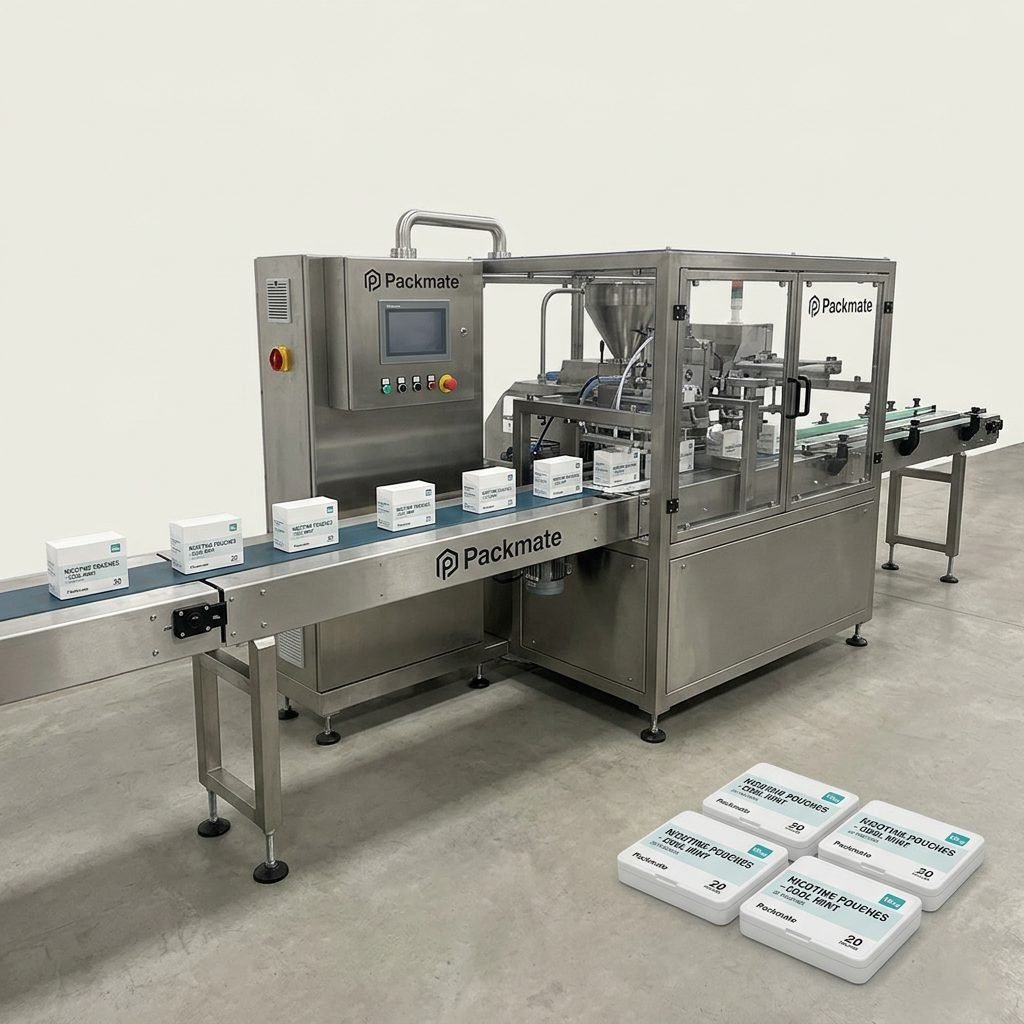
When selecting a supplier, evaluate manufacturing history, factory capability, custom engineering services, and global references. Packmate Snus Machine brings over 30 years of experience, a 20,000㎡ facility, and 50+ machine models tailored to nicotine pouch production.
Factory strength: Advanced CNC machining and precision assembly ensure consistent machine performance. Explore product families at Bag & Pouch Packaging Machines.
Global experience: Packmate has delivered turnkey lines worldwide and can advise on regulatory pathways and export-ready packaging configurations. See case studies at Case.
Steps to Make Your Final Decision
Follow a structured selection process to reduce risk and ensure the machine matches your long-term goals:
1) Define product formats and monthly volume targets.
2) Shortlist machines by throughput, accuracy, and format compatibility.
3) Request site-specific quotes that include installation, training, and spare parts.
4) Inspect references and factory acceptance tests (FAT). If possible, attend a demonstration—Packmate often showcases equipment at international events; see Our Exhibition.
5) Negotiate warranty terms, lead times, and support SLAs to match Pakistani logistics realities.
⚠️ Warning: Avoid selecting machines only on price. Low-cost units may incur higher downtime and lower yield, increasing long-term costs.
Integration with Weighing and Filling Systems
For nicotine pouch production, integrating accurate weighing with the packaging machine is essential. Consider complete lines that include dosing, filling, and final packing. Explore integrated systems at Weighing & Packaging Systems and Filling & Packaging Lines.
Final Checklist Before Purchase
– Confirm machine throughput matches forecasted demand.
– Verify spare parts availability and lead times to Pakistan.
– Ensure supplier provides training, FAT, and commissioning services.
– Validate machine certifications (CE/ISO) and hygienic design.
Conclusion
Selecting the best nicotine packaging machinery for your Pakistani factory requires balancing technical capabilities with local realities: power stability, technician availability, material sourcing, and consumer preferences. Prioritize machines that deliver precise dosing, flexible formats, and reliable after-sales support. Suppliers like Packmate offer decades of experience, robust manufacturing facilities, and integrated turnkey solutions that help you minimize risk and scale efficiently.
Frequently Asked Questions (FAQs)
Q1: What production speed should I target for a medium-sized factory in Pakistan?
A1: Aim for machines capable of 100–300 packs per minute for multi-lane systems depending on lanes and pack size; adjust based on monthly demand forecasts.
Q2: How important are CE and ISO certifications for nicotine packaging machines?
A2: Very important—certifications indicate compliance with safety and quality standards and simplify export and regulatory approvals.
Q3: Can Packmate provide turnkey solutions and on-site training in Pakistan?
A3: Yes, Packmate offers turnkey lines and global service support; contact their team via Contact Us for specific arrangements.
Q4: What are the common maintenance issues to prepare for locally?
A4: Prepare for wear on sealing jaws, dosing components, and electrical surges; maintain a stock of critical spares and ensure routine cleaning schedules.
Q5: How can I evaluate a machine before purchase?
A5: Request a Factory Acceptance Test (FAT), attend a demonstration, inspect performance data, and ask for client references in similar markets.