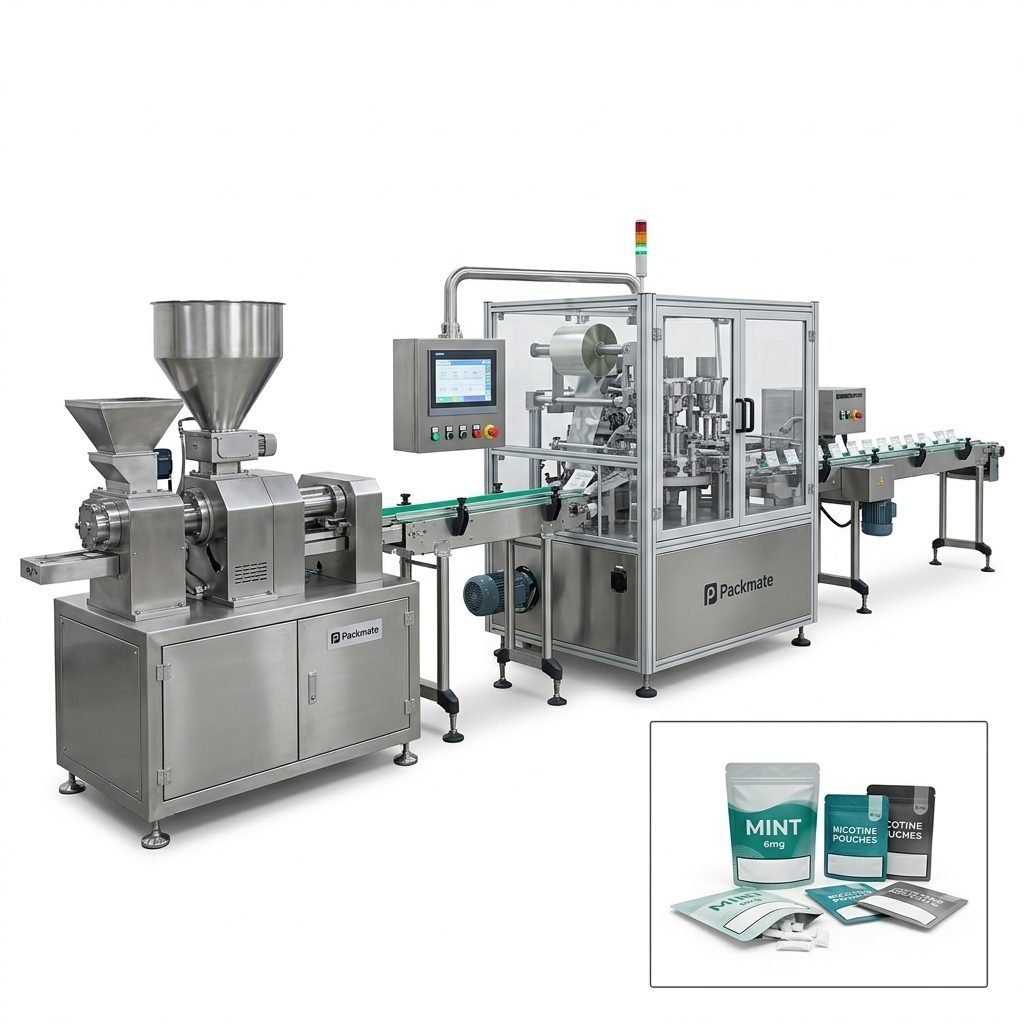
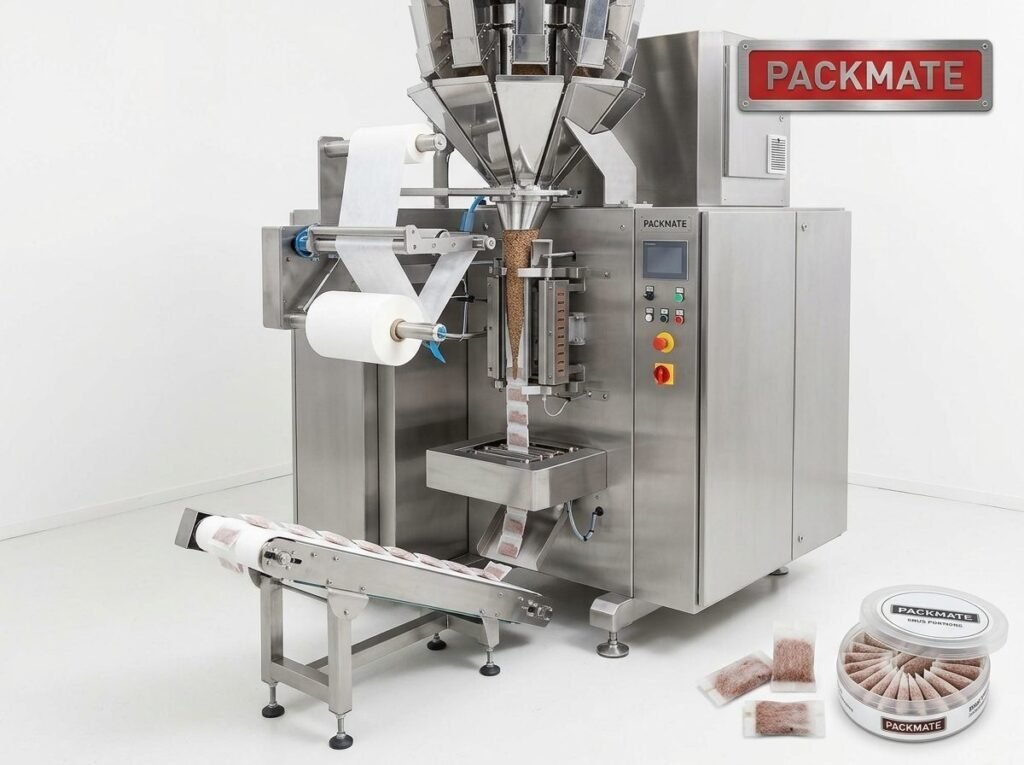
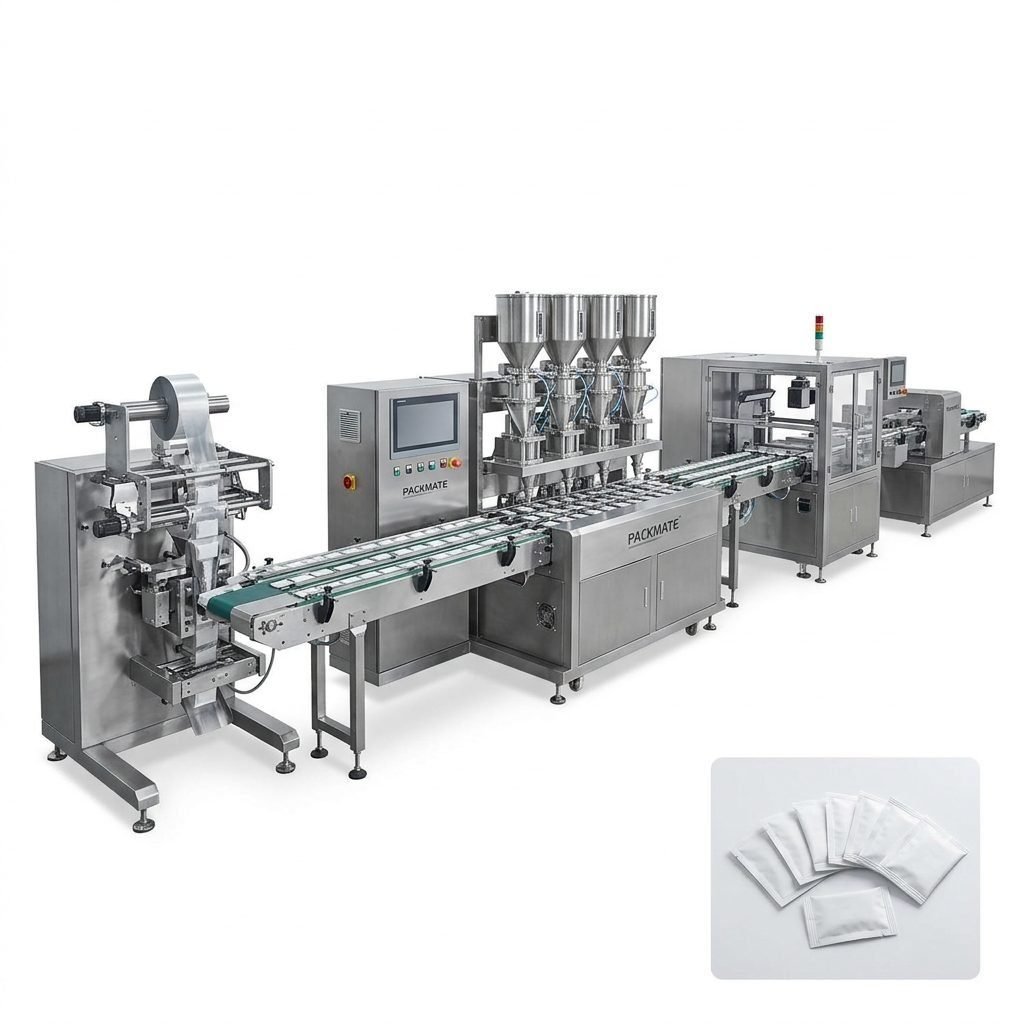
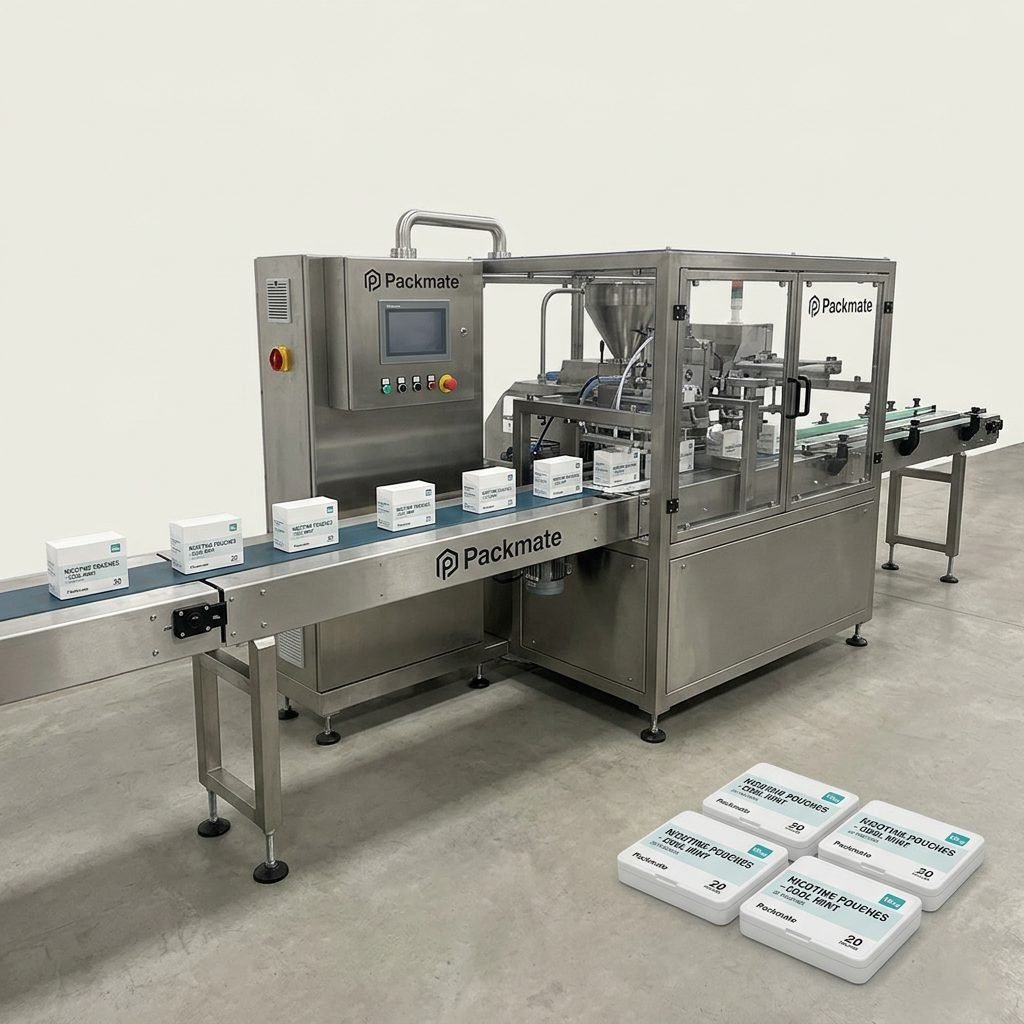
Choosing the right snus packaging machine manufacturer for your business in Costa Rica is a strategic decision that combines technical requirements, regulatory awareness, cultural understanding, and logistics planning. This guide walks you through practical steps and evaluation criteria so you can select a partner who delivers reliable machines, local-friendly support, and long-term value for nicotine pouch and snus production.
Understand Costa Rica’s Market and Local Preferences
Costa Rica is known for its “Pura Vida” lifestyle — consumers and businesses value quality, environmental responsibility, and trust-based relationships. When evaluating a manufacturer, consider:
- Regulatory sensitivity: Be aware of local tobacco and nicotine regulations; ensure machines and packaging formats allow compliance and traceability.
- Eco-awareness: Costa Rican buyers often prefer sustainable materials and efficient machines that reduce waste and energy use.
- Relationship building: Local buyers value responsive communication in Spanish and reliable after-sales processes — suppliers who provide clear documentation and training tailored to Central American operations score higher.
- Distribution logistics: Proximity to the Port of Moín or Puerto Limón and good service networks around San José can reduce lead times and costs.
Core Technical Criteria: What Your Machine Must Deliver
A snus packaging machine must meet production goals while preserving product integrity. Evaluate machines across these technical factors:
Performance & precision: dosing accuracy, pouch or sachet weight tolerance, and consistent sealing to avoid oxidation or moisture ingress.
Production speed & scalability: single-lane vs. multi-lane options, modular upgrades, and throughput per minute to match your growth plans.
Format flexibility: ability to run snus pouches, nicotine pouches, stick packs or sachets with quick changeovers.
Machine Types to Consider
Depending on your product — dry nicotine pouches, moist snus, or stick-style portions — different equipment is appropriate. Common categories include:
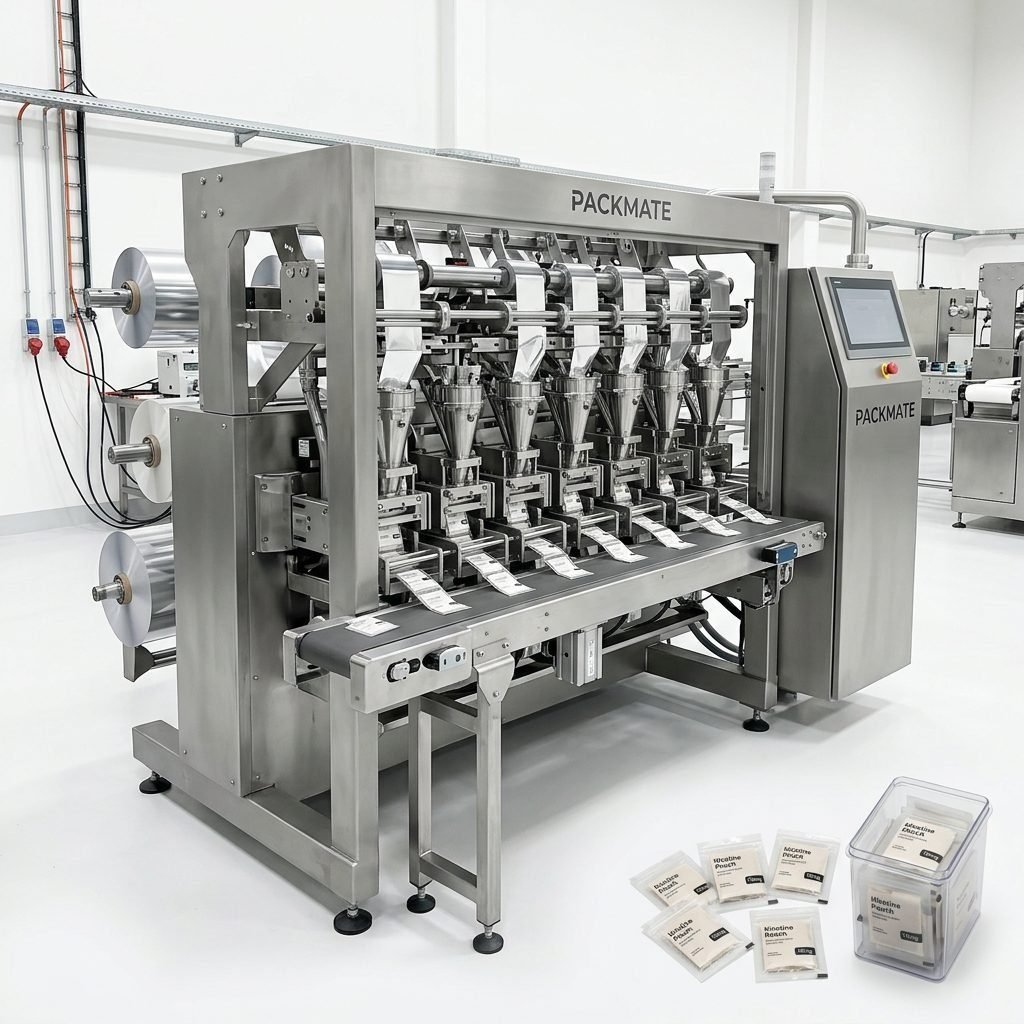
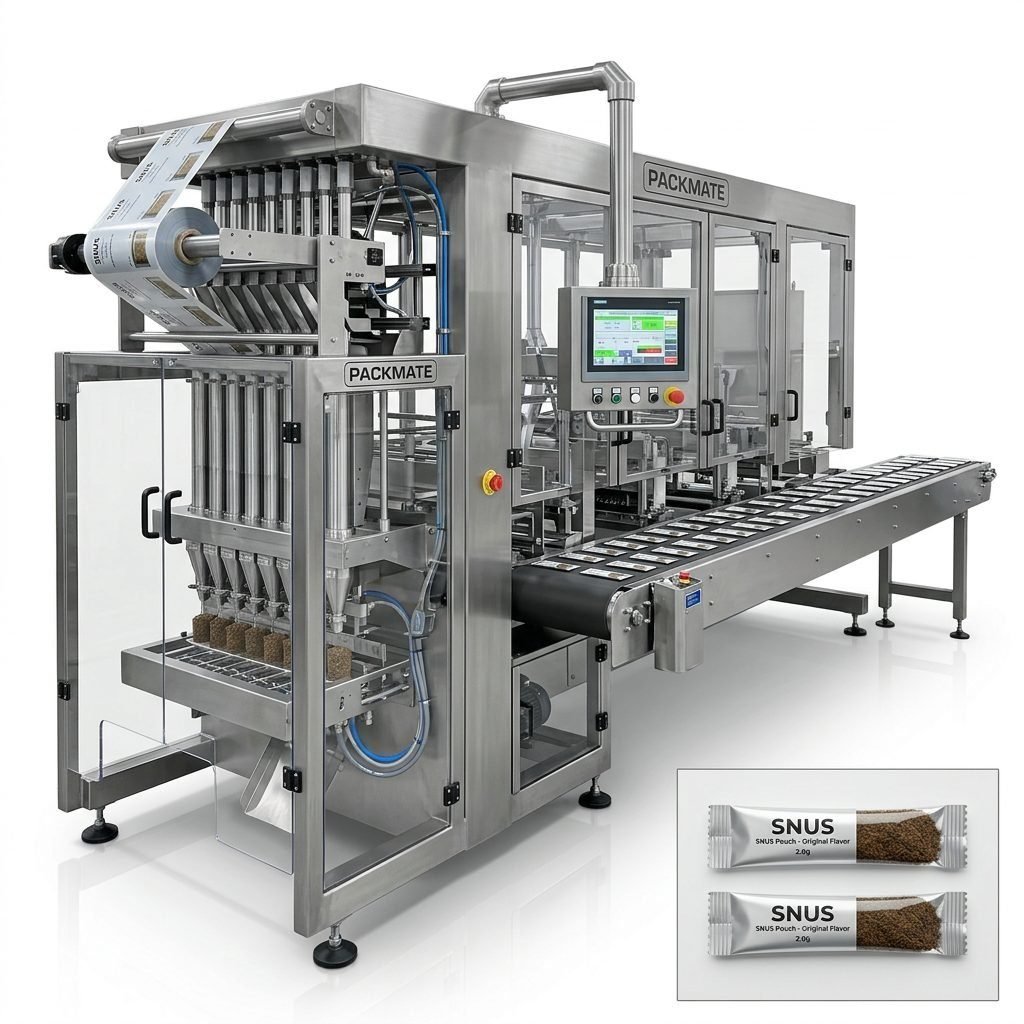
- Multi-lane snus pouch machines (best for high-volume small-dose production).
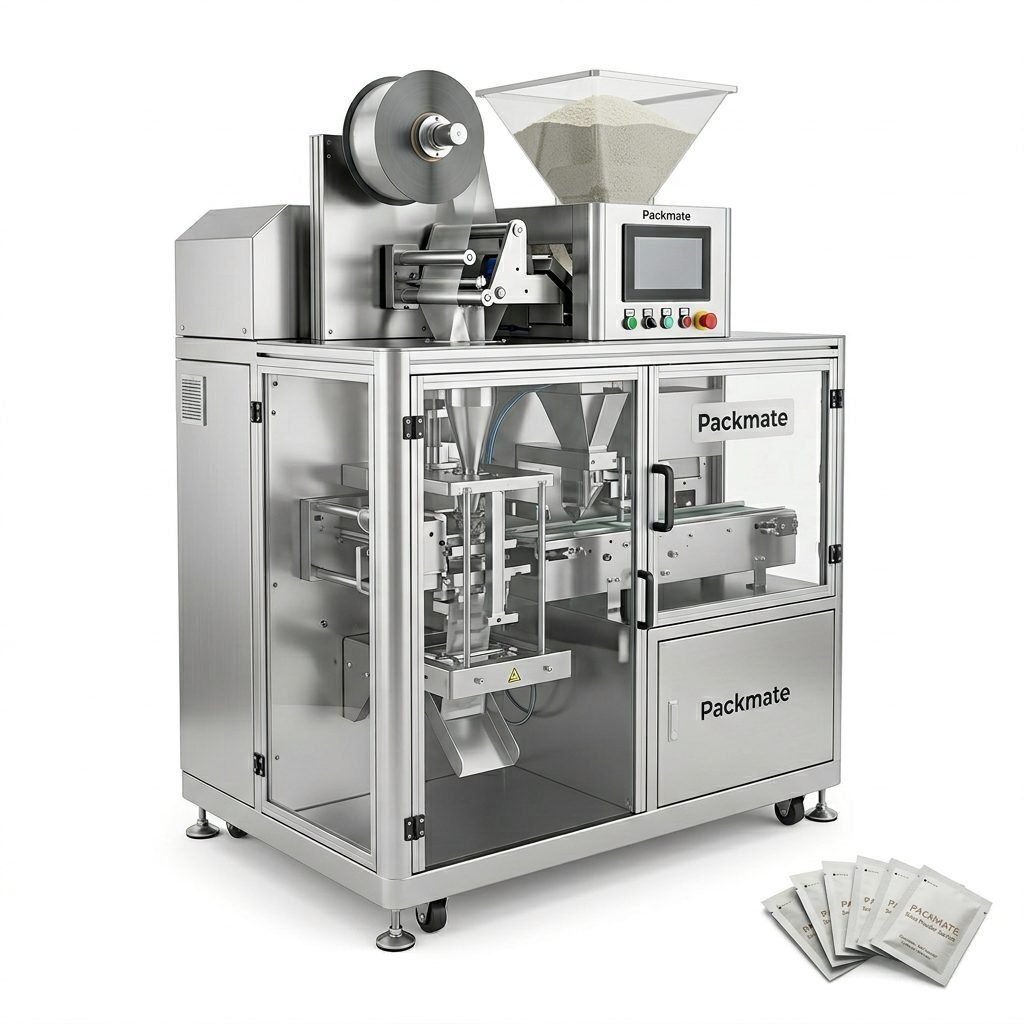
- Stick pack and sachet machines for single-portion formats.
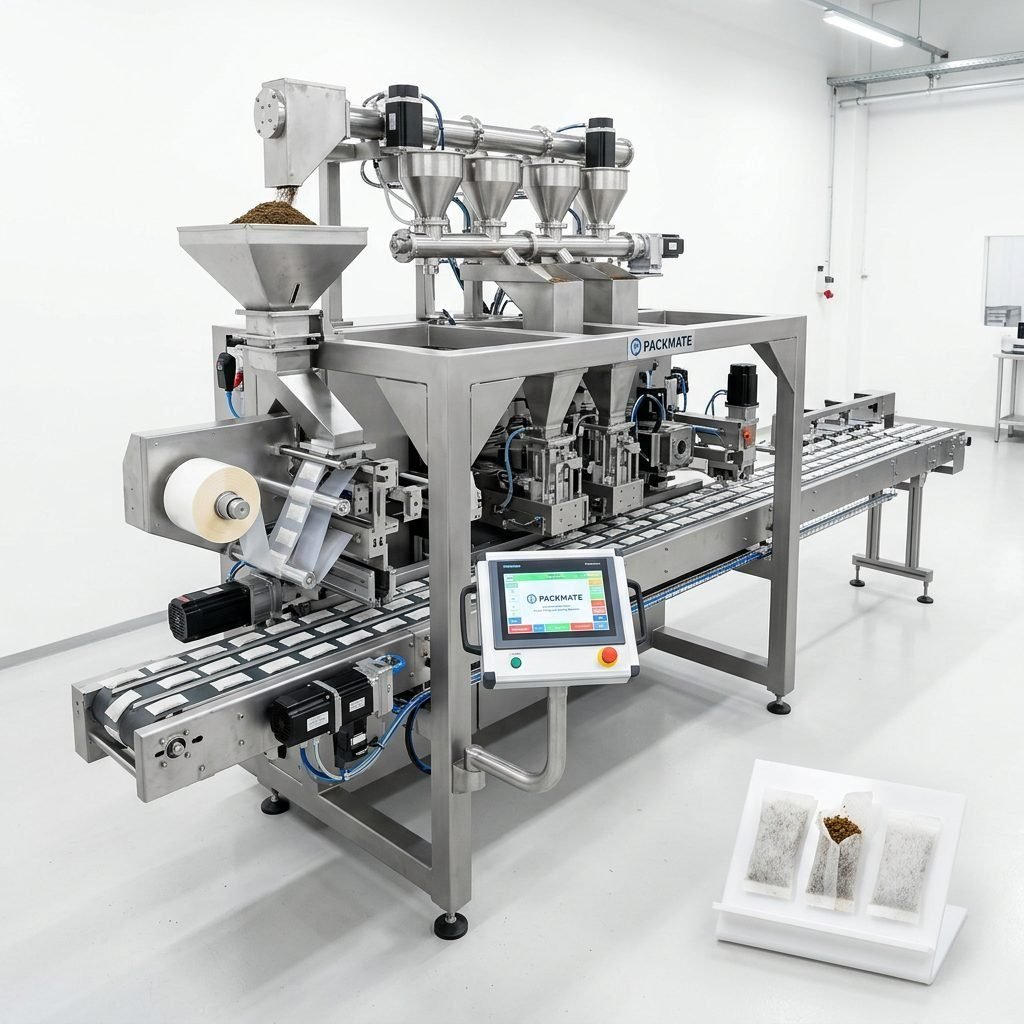
- Filling and packaging lines that integrate weighing systems, dosing, and final packing.
Quality, Certifications & After-Sales Support
Quality is non-negotiable for long-term value. Look for manufacturers that back performance with certifications and real support:
Certifications — CE, ISO, and other compliance marks mean the equipment meets international safety and manufacturing standards.
Spare parts & local stock — ask about typical lead times for critical components and whether the supplier can help maintain a parts kit in Costa Rica or nearby countries.
Training & technical documentation — on-site installation, Spanish-language manuals, remote troubleshooting, and scheduled maintenance plans are essential.
Customization & Turnkey Solutions
If your product needs specialized dosing, sachet shapes, or integrated secondary packaging, prioritize manufacturers that offer turnkey customization. A turnkey supplier will work with you on product formulation constraints, line integration, and packaging artwork compatibility.
Explore manufacturer portfolios to see examples of tailored lines and end-to-end solutions — for example, detailed product categories can be viewed on links like
Snus & Nicotine Packaging Machines and
Filling & Packaging Lines.
Checklist: Must-Have Custom Features
🔧 Adjustable dosing range for micro-doses
⚙️ Quick-change tooling for format switching
📦 Integration for secondary packaging and labeling
✅ Cleanable contact parts and hygienic design
How to Evaluate a Manufacturer — Questions to Ask
Use this practical questionnaire when speaking with potential partners:
- What is the machine’s hourly output for my target pouch size and dosage?
- Can you provide references or case studies from similar projects? (Ask for photos of lines and performance metrics.)
- What certifications do your machines carry and can you provide documentation?
- What is the warranty, and how quickly can you supply spare parts to Costa Rica?
- Do you offer installation and training in Spanish, or local technician support in Central America?
Costs, Shipping & Local Logistics in Costa Rica
Total cost of ownership includes purchase price, shipping, customs duties, installation, and ongoing maintenance. Key considerations for Costa Rica:
Freight & customs: Import processes through Moín or Limón can add days to lead times — work with freight forwarders experienced in industrial machinery.
Local taxes & duties: Factor in tax implications and whether the supplier can provide documentation to facilitate customs clearance.
On-site service: If the supplier can dispatch technicians to San José or provide remote diagnostics, downtime and long-term costs fall dramatically.
Why Track Record and Manufacturing Strength Matter
A manufacturer’s facility, years of engineering experience, and variety of models indicate stability and capability. For instance, Packmate Snus Machine highlights:
- 30+ years of engineering experience and a 20,000㎡ factory footprint.
- 50+ machine models and advanced CNC & precision assembly systems.
- Global turnkey solutions and CE/ISO certifications that support export to regulated markets.
For more detailed product examples and configurations, review category pages such as
Bag & Pouch Packaging Machines and
Weighing & Packaging Systems.
Case Studies & Proof of Performance
Ask the supplier for case studies showing similar installations. Real-world examples demonstrate how a line performs under production stresses and reveal how quickly suppliers respond to issues. You can request documented cases on supplier websites or contact them for client references and performance logs.
See case examples and exhibition activity to understand the supplier’s presence in key markets: Case and Our Exhibition.
Installation, Training and Maintenance Plans
Ensure the supplier provides:
- On-site installation and commissioning with performance acceptance testing.
- Spanish-language manuals and operator training tailored to Costa Rican staff.
- Preventive maintenance programs and spare parts kits optimized for your SKU mix.
- Remote diagnostic capabilities and a clear escalation path for urgent issues.
Selecting a Partner: Practical Steps
Follow these steps to choose a trusted manufacturer:
- Shortlist 3–5 suppliers based on technical fit, certifications, and references.
- Request detailed quotes including installation, training, spare parts, and estimated lead times.
- Visit (or request virtual tours of) the factory to verify manufacturing capacity and QC processes.
- Negotiate a service-level agreement (SLA) that covers response times and parts availability in Costa Rica.
Red Flags to Watch For
⚠️ Unwillingness to provide client references or case studies
⚠️ Vague spare parts lead times or no local parts strategy
⚠️ Limited documentation or no language support suitable for Costa Rican teams
Why Strong After-Sales Makes the Difference in Costa Rica
Because Costa Rica is geographically distant from many factories, rapid and effective after-sales service reduces downtime and protects production schedules. A manufacturer who offers reliable spare-part supply chains, scheduled maintenance, and remote troubleshooting will save you money and improve overall equipment effectiveness (OEE).
Final Considerations
When you combine technical fit, regulatory awareness, cultural alignment, and logistics planning, you gain a clear perspective on which manufacturer will be the best long-term partner for your Costa Rican operation. A supplier with decades of engineering experience, a broad product portfolio, and demonstrated global turnkey projects gives you the best chance to scale successfully and compliantly.
To learn more about potential partners and product specifications, visit the manufacturer’s overview pages such as About Packmate and browse specific equipment families to match your product needs.
Common Questions (FAQs)
Q: How do I know if a snus machine is compliant with Costa Rican regulations?
A: Verify the machine’s hygiene and safety certifications (CE/ISO) and consult local regulatory authorities about nicotine product labeling and packaging rules. Your supplier should provide documentation to assist with compliance.
Q: What is the typical lead time for a customized multi-lane snus packaging line?
A: Lead times vary by complexity but typically range from several weeks to a few months. Confirm the timeline in writing and include milestones for manufacturing, FAT (factory acceptance test), shipping, and on-site commissioning.
Q: Can I get training and manuals in Spanish?
A: Reputable suppliers provide Spanish-language manuals and can conduct on-site or remote training in Spanish. Make this a contractual requirement if it is important for your team.
Q: What spare parts should I stock locally in Costa Rica?
A: Keep an inventory of high-wear parts (seals, blades, belts), critical control components (PLC modules, sensors), and fast-moving consumables. Your supplier can recommend a tailored spare-parts kit based on your line configuration.