Choosing the right snus packaging machinery supplier for a factory in Haiti requires a practical blend of technical due diligence, respect for local customs and supply chain realities, and careful attention to after-sales service. This guide walks you through actionable criteria, local considerations, and strategic questions to ask suppliers so your nicotine pouch or snus production line runs smoothly, reliably, and in compliance with local expectations.
Why the supplier choice matters in Haiti
Haiti’s market environment poses unique operational challenges: tropical humidity, intermittent power supply, variable customs clearance times at Port-au-Prince, and a bilingual (French / Haitian Creole) consumer base. A manufacturer that understands these realities will deliver machines that are durable, easily serviceable, and tailored for local packaging preferences. Selecting the wrong supplier can increase downtime, raise total cost of ownership, and complicate regulatory compliance.
Local habits and packaging expectations
Haitian consumers often value discreet, single-use formats and clear labeling in French or Creole. Consider packaging formats that meet local demand—small sachets, stick packs, or multi-pouch cartons—and ensure artwork and labeling are adaptable to local languages and regulations. Climate resistance is crucial: heat and humidity influence film selection and sealing integrity.
Top technical criteria to evaluate
🔎 Performance & speed — Confirm the machine’s throughput (pouches per minute) and performance consistency for your intended pouch size and fill weight.
⚙️ Accuracy & dosing — For nicotine pouches tiny weight variance matters. Ask for tolerance specifications and real-world dosing data.
✅ Material compatibility — Machines must handle the films, foils, and liners suited to tropical climates and to your barrier requirements.
🔧 Ease of maintenance — Modular designs, easy-access parts, and simple hygiene protocols reduce downtime when skilled technicians are scarce.
Certifications and compliance
Ensure the supplier provides international certificates like CE and ISO and can help with documentation needed for Haitian customs and health authorities. Request documentation for electrical safety, EMC, and material contact approvals where applicable. A compliant machine reduces inspection delays and supports long-term market access.
After-sales support and training — the decisive factor
In Haiti, where rapid access to replacement parts or specialized engineers may be limited, after-sales service becomes a primary selection criterion. Prioritize suppliers who offer:
📦 Local spare parts strategy — an inventory plan or rapid shipping agreements that minimize downtime.
🛠️ On-site commissioning & technician training — documented training sessions and bilingual manuals (French/Creole) help local operators run and maintain lines.
🌐 Remote diagnostics & software updates — remote support saves travel time and allows quick troubleshooting.
Turnkey vs modular solutions
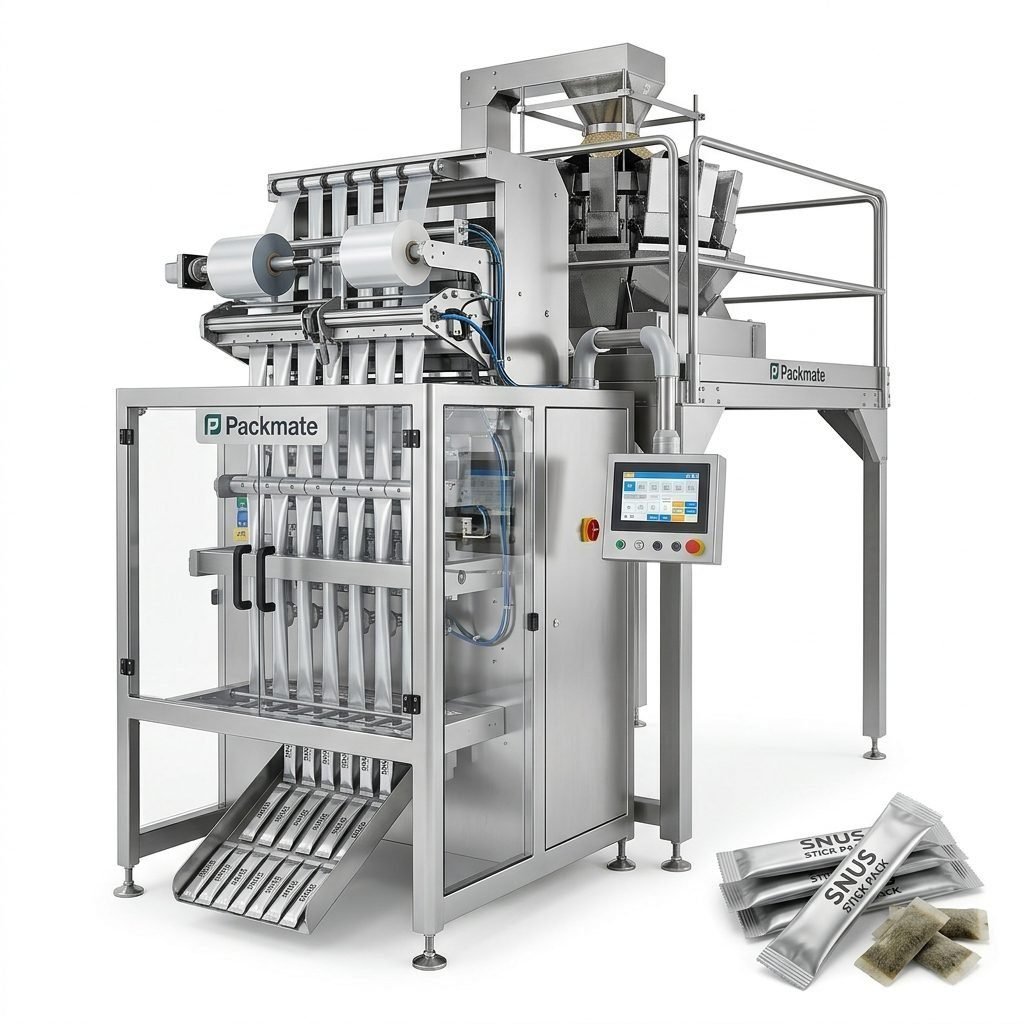
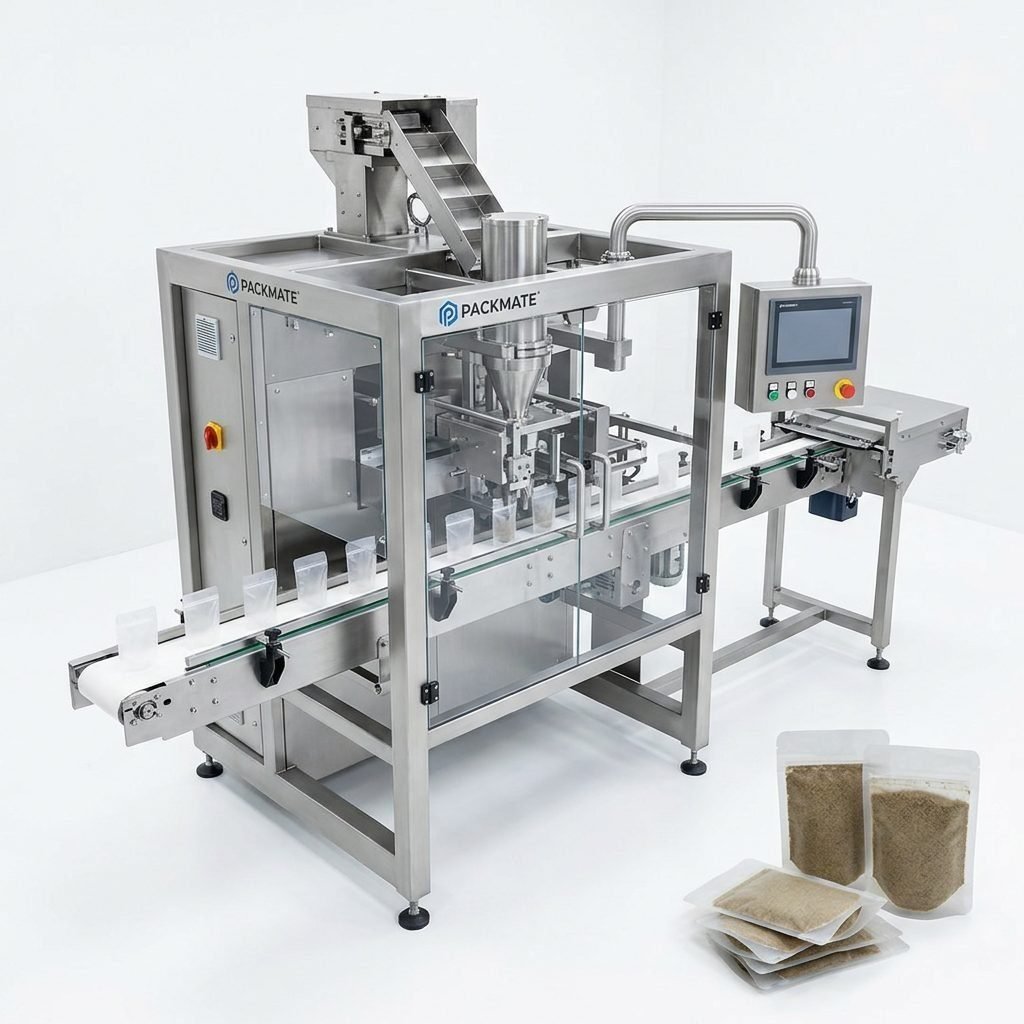
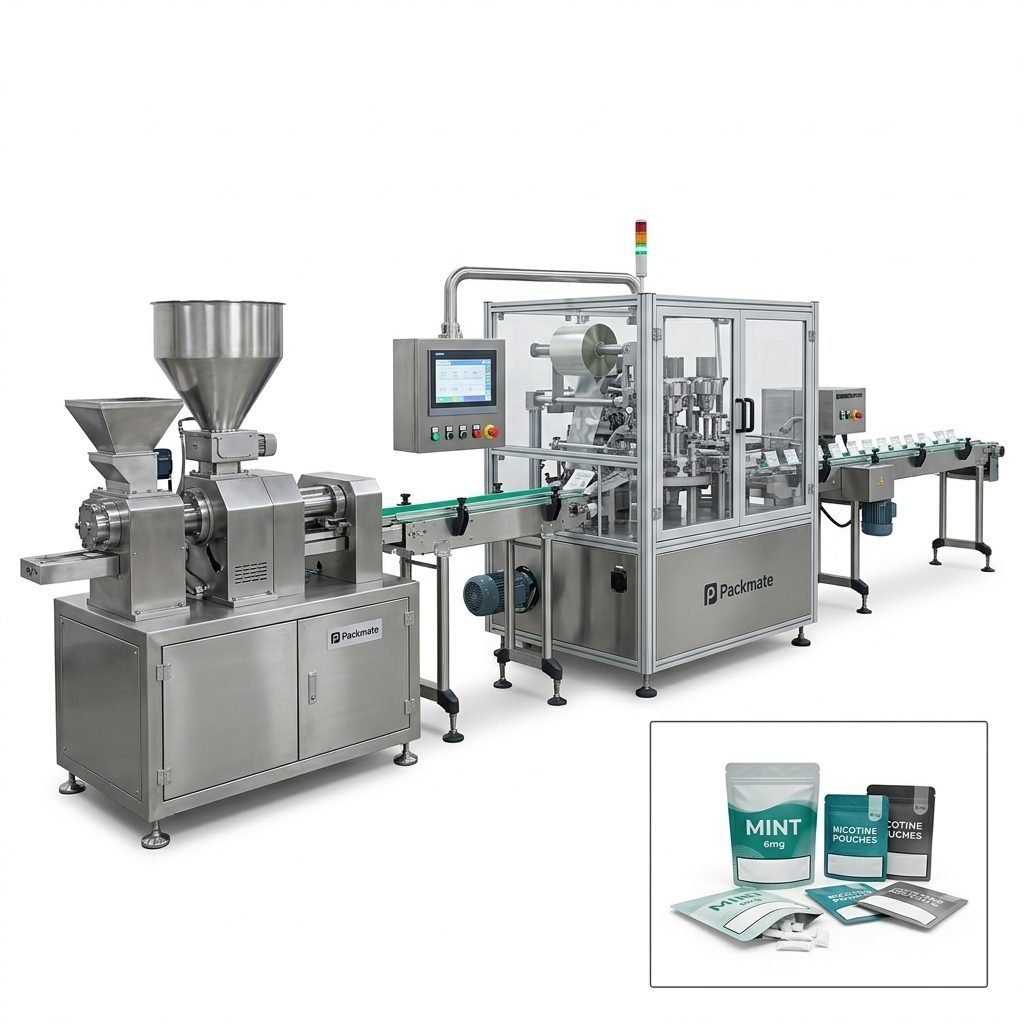
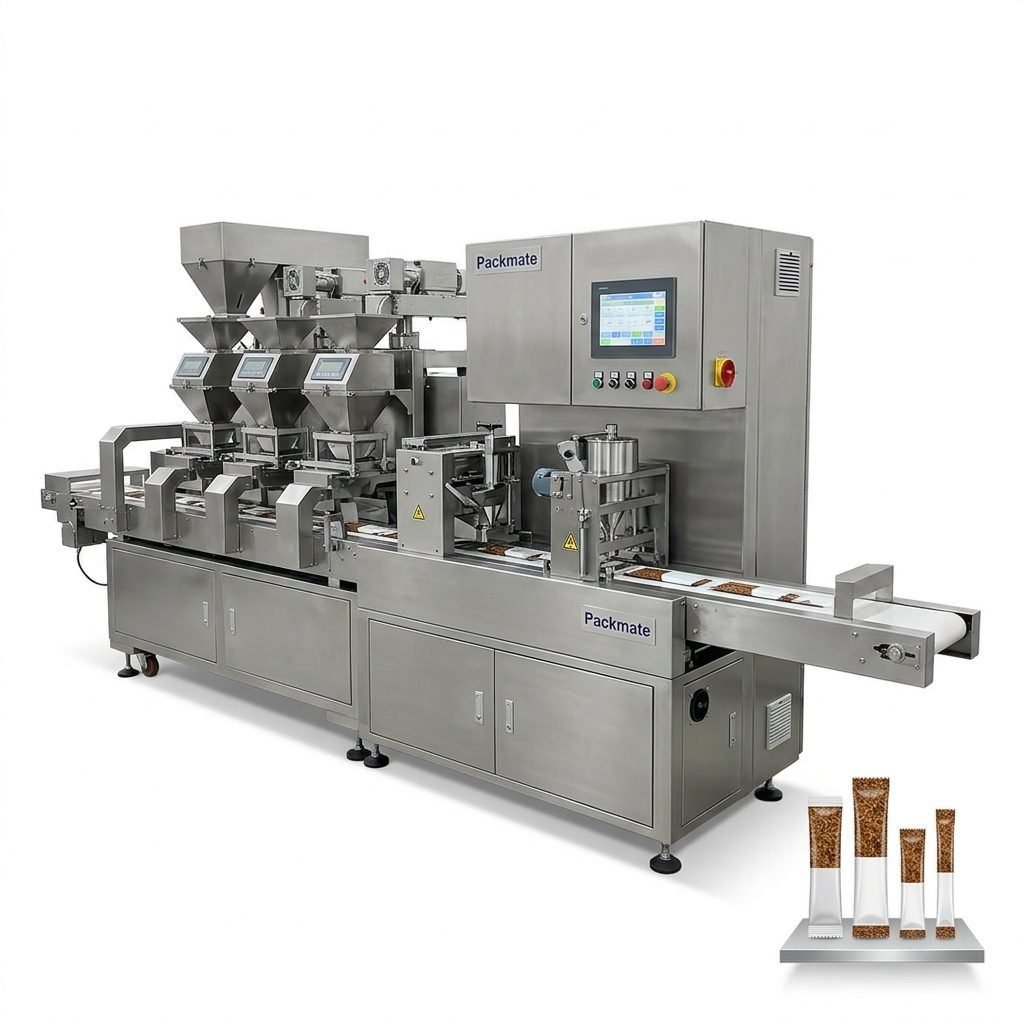
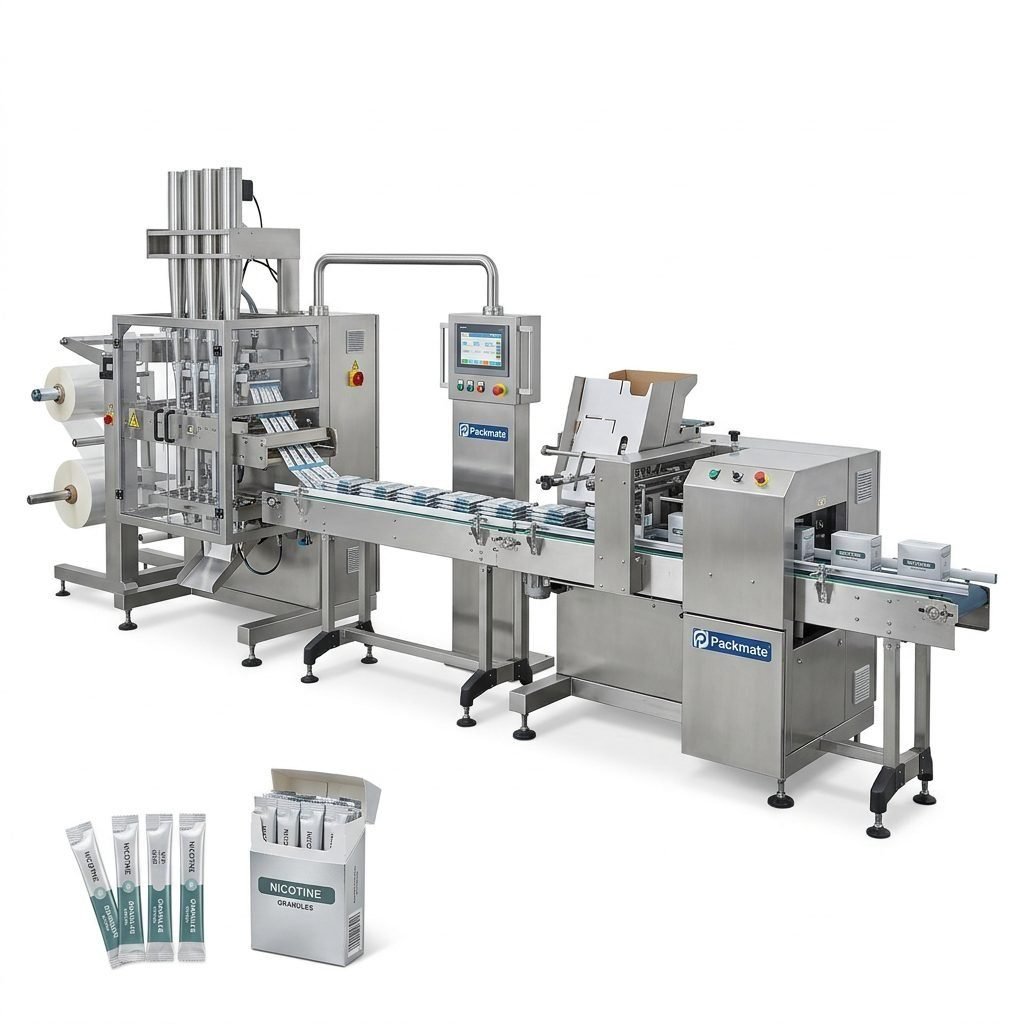
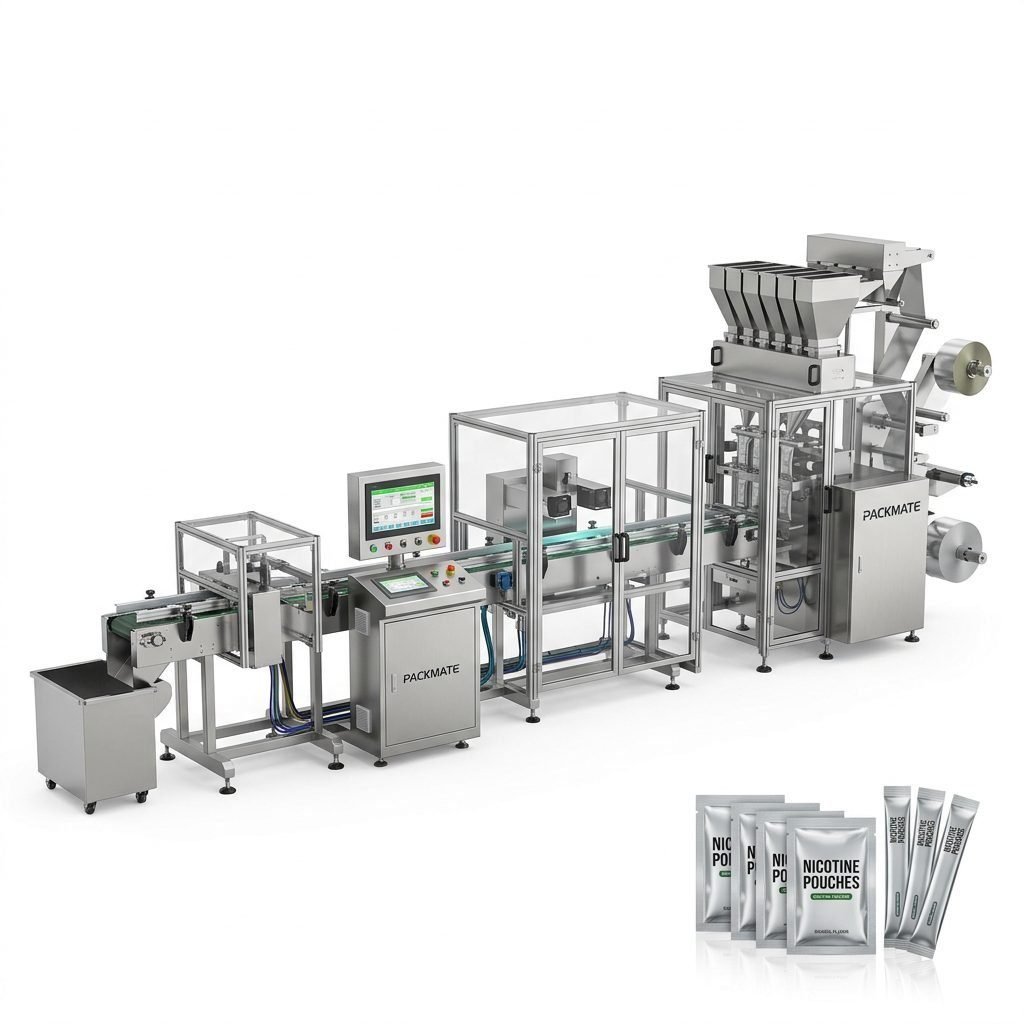
Decide whether you want a fully integrated turnkey line (filling, dosing, sealing, secondary packaging, case packing) or modular machines assembled on-site. Turnkey reduces integration risks and supplier coordination, while modular systems allow phased investment. Suppliers like Packmate Snus Machine offer both options — explore their turnkey capabilities and modular models to match your capital and timeline.
Questions to ask during supplier evaluation
1. What are the machine’s real-world throughput and OEE for products similar to ours? (Request video demos.)
2. Can you provide references or case studies for installations in similar climates or markets? (Ask for contacts.)
3. What is included in warranty and what are typical lead times for spare parts shipments to Port-au-Prince?
4. Do you provide training in French or Haitian Creole and bilingual manuals?
Factory visits and verification
If possible, visit the supplier’s factory or ask for a virtual tour. Check for precision machining centers, assembly clean areas, and quality control practices. Packmate’s 20,000㎡ facility and advanced CNC centers demonstrate capacity for consistent quality — evidence you should request during supplier verification.
Logistics, installation, and local setup
Plan for shipping, customs clearance, and local infrastructure:
• Verify packaging dimensions for sea freight and whether skids or containers are used. Strong packaging reduces damage during long transits to Haitian ports.
• Check local electrical requirements (voltage/frequency) and request transformers or control box adjustments if needed.
• Confirm the supplier’s role in on-site installation and validation, and whether they provide spare parts kits tailored for your first 12 months of operation.
Total cost of ownership (TCO) vs initial price
The cheapest quote rarely equals best value. Evaluate TCO: energy consumption, spare parts pricing, mean time between failures, local service availability, and consumable costs. A well-built machine with CE/ISO compliance may cost more up front but yields lower operating costs in the long run.
Why Packmate could be your strategic partner
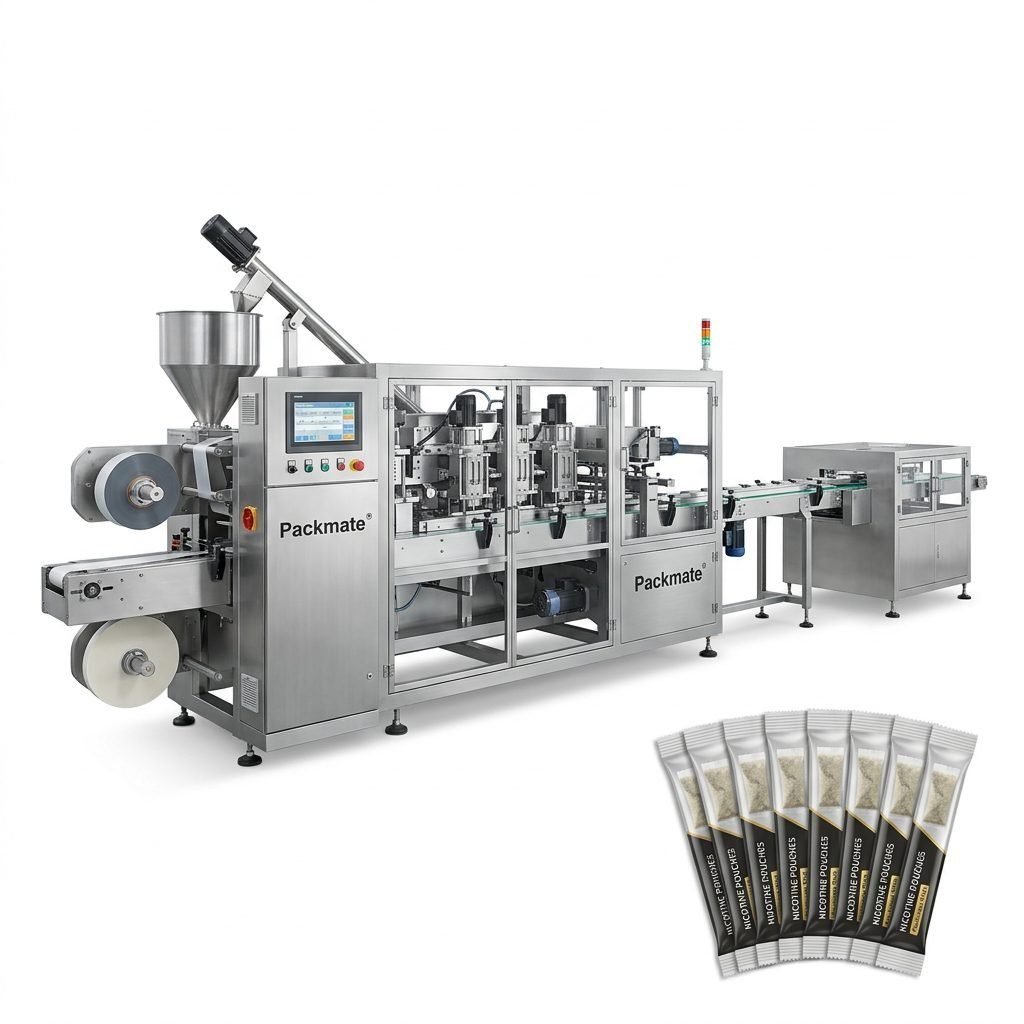
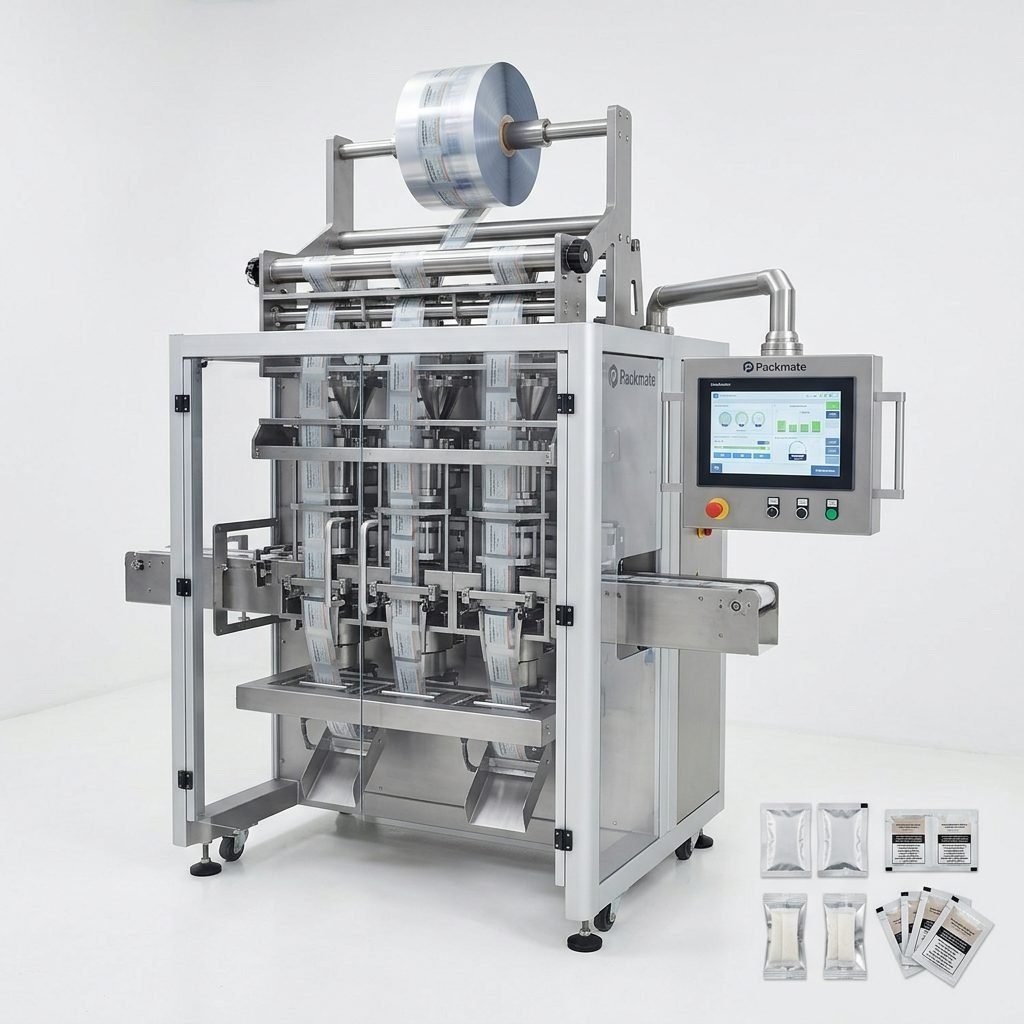
Packmate Snus Machine has over 30 years of engineering experience, a 20,000㎡ factory, and more than 50 machine models ranging from stick pack to multi-lane snus systems. Their global turnkey solutions and certifications (CE, ISO) make them a strong candidate for Haitian operations. Learn more about specific product lines such as their Snus & Nicotine Packaging Machines and Sachet & Stick Pack Machines to see fit-for-purpose options.
Explore product categories and technical specifications:
• Snus & Nicotine Packaging Machines — product details
• Sachet & Stick Pack Machines — technical options
• Turnkey lines and cases — installation examples
Selecting spare parts and consumables
For Haitian conditions, keep a stock of critical wear parts (sealing jaws, belts, pumps, O-rings) and recommended consumables. Ask the supplier for a starter spare parts list and consider contractual spare parts agreements or local distribution partners.
Operational tips for successful ramp-up in Haiti
📋 Prepare bilingual SOPs and training guides (French & Creole) — ensure operators understand cleaning, troubleshooting, and changeover steps.
🌡️ Control humidity and temperature in the packaging area — use dehumidifiers or climate control to protect film and sealing performance.
🔄 Implement preventive maintenance schedules — regular checks reduce unexpected stops and extend machine life.
🔐 Factor security and spare parts redundancy into your planning given local supply chain unpredictability.
Legal and regulatory reminders
Confirm that nicotine product packaging meets Haitian import regulations and labeling laws. Work with local counsel or a regulatory consultant to verify permitted nicotine levels, required health warnings, and any taxes or licensing for tobacco-related goods.
Checklist before signing a contract
Use this short checklist to finalize supplier selection:
• Verified machine performance and references
• Clear warranty, spare parts lead times, and service terms
• Bilingual documentation and training commitments
• Shipping, customs, and installation responsibilities defined in the contract
Next steps and useful contacts
Reach out to suppliers with a clear RFP that includes product specs, expected throughput, local environment notes (humidity, power), and language needs. For detailed product catalogs and service pages, see Packmate’s About page and Service offerings to evaluate alignment with your Haiti project.
• About Packmate — company profile
• Service & support — after-sales services
• Contact — get in touch
Final thoughts
Prioritizing suppliers who combine proven technical capability, strong after-sales support, and cultural awareness of Haitian market realities will maximize the success of your snus packaging operations. Evaluate candidates using the criteria above, verify claims through visits or case studies, and negotiate terms that protect uptime and long-term operating costs.
Common Questions
Q1: What certifications should I require from a snus packaging supplier?
A1: Require CE and ISO certifications, electrical safety documentation, and any material contact certifications relevant to nicotine or food contact. These reduce regulatory and operational risks.
Q2: How should I plan spare parts inventory for a new line in Haiti?
A2: Start with a 6–12 month kit of critical wear parts (sealing jaws, belts, sensors, pumps), and negotiate lead time guarantees. Consider local stocking or regional hubs to reduce downtime.
Q3: Do suppliers provide training in French or Creole?
A3: Many global suppliers offer training in major languages; confirm bilingual documentation and on-site training options in French or Haitian Creole before purchase.
Q4: What environmental controls are most important for snus packaging in Haiti?
A4: Temperature and humidity control are critical to protect film integrity and sealing. Use dehumidifiers, air conditioning in the packaging area, and monitor storage conditions for raw materials.
Q5: Where can I see examples of installed lines and customer cases?
A5: Request case studies or visit the supplier’s case pages to review past installations and performance metrics — for example Packmate’s case library highlights global projects and turnkey solutions.