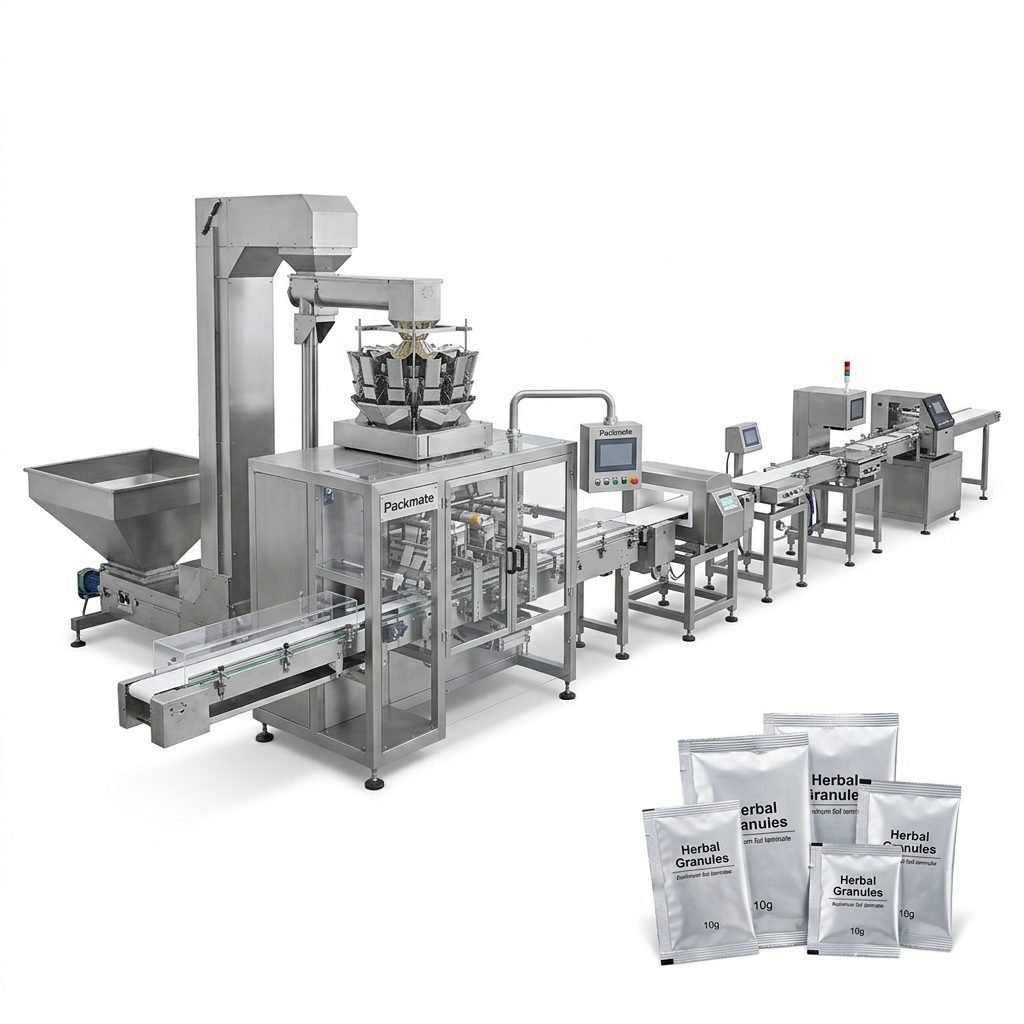
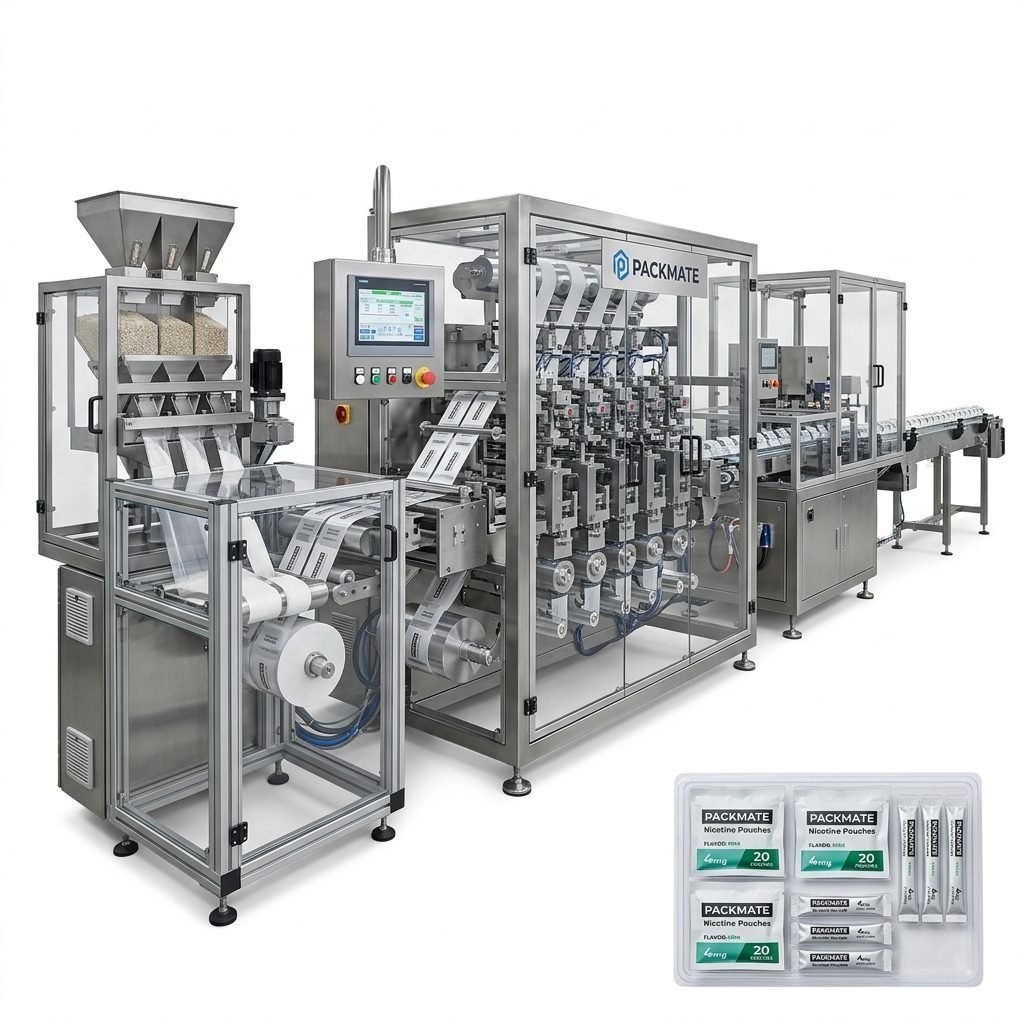
Choosing the right supplier for nicotine packaging machinery in the United Kingdom requires more than comparing price tags. It involves assessing regulatory compliance, engineering capability, after-sales support, and a supplier’s understanding of the UK marketplace and customer expectations. The following guide breaks down practical steps and evaluation criteria so importers, manufacturers and packaging managers can make confident decisions when sourcing snus and nicotine pouch packaging equipment.
Understand the UK Market & Local Habits
The United Kingdom has a distinct consumer behavior and regulatory atmosphere around nicotine products. Retail channels, strong labelling expectations, and an emphasis on product safety mean packaging must be consistent, tamper-evident, and traceable. Many UK businesses prioritize suppliers who can demonstrate clear compliance documentation, flexible batch coding and labelling solutions, and hygienic production lines suited to both small-batch artisan brands and high-speed industrial runs.
Why local considerations matter
UK buyers often expect:
fast technical response, on-site installation support, and clear warranty terms. The importance of exhibitions, in-person demos, and verified case studies from European deployments cannot be overstated when building trust with UK partners.
🔎 Tip: Ask potential suppliers for UK-specific references or European case studies — this helps verify their ability to meet local packaging formats and labelling standards.
Key Technical Capabilities to Evaluate
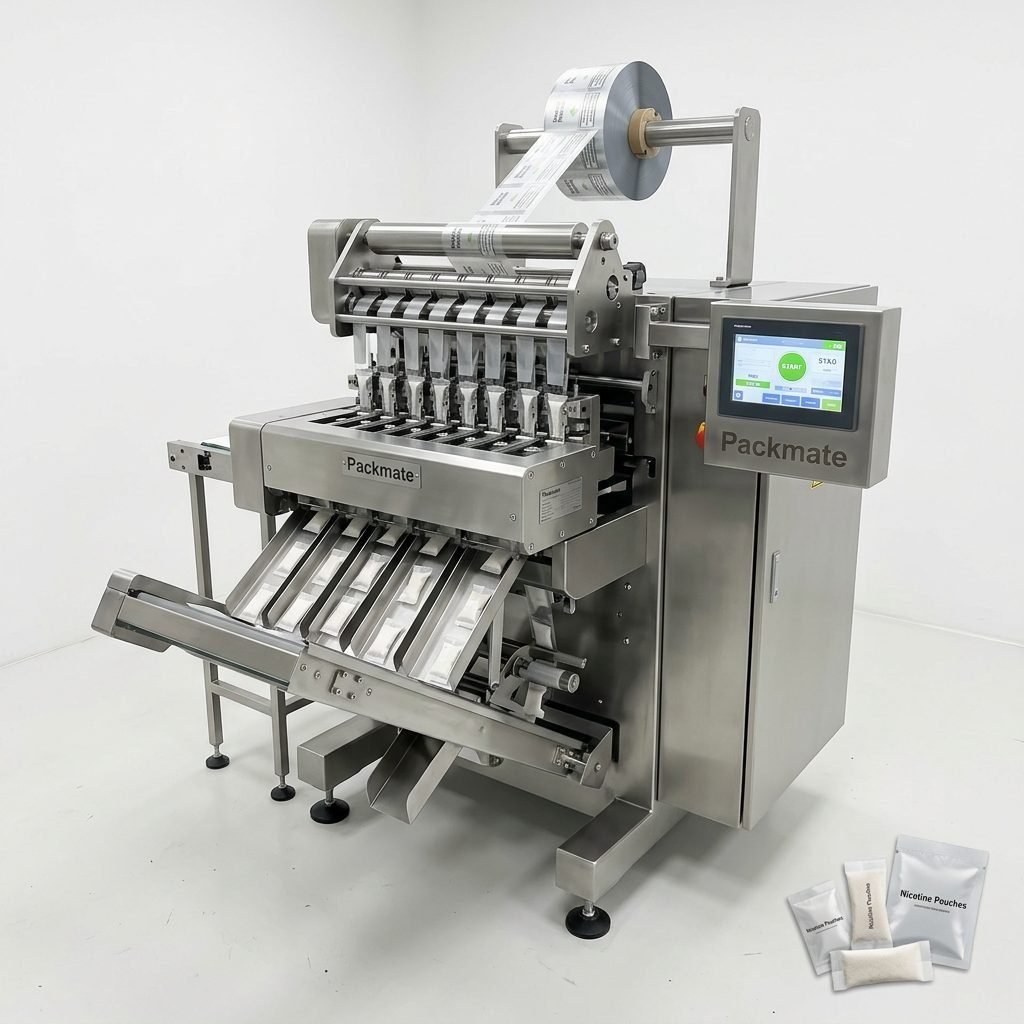
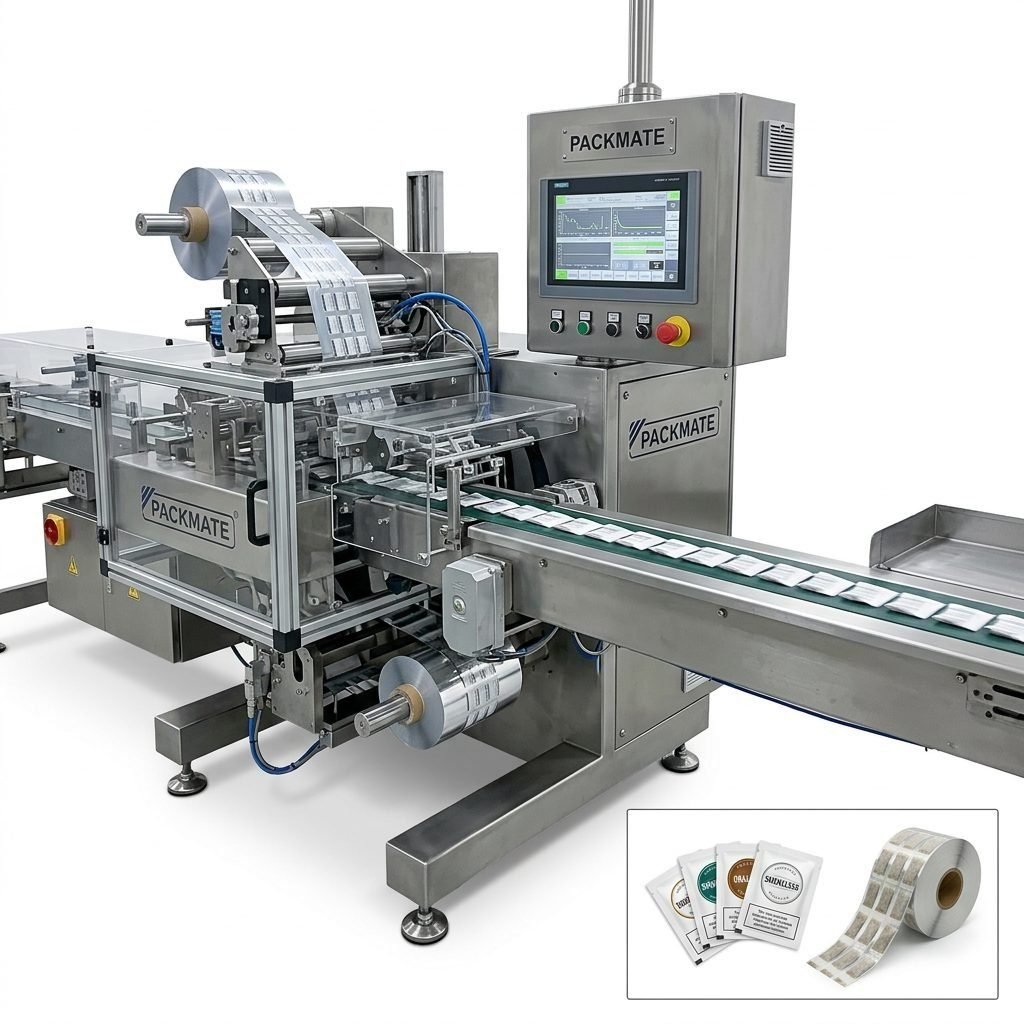
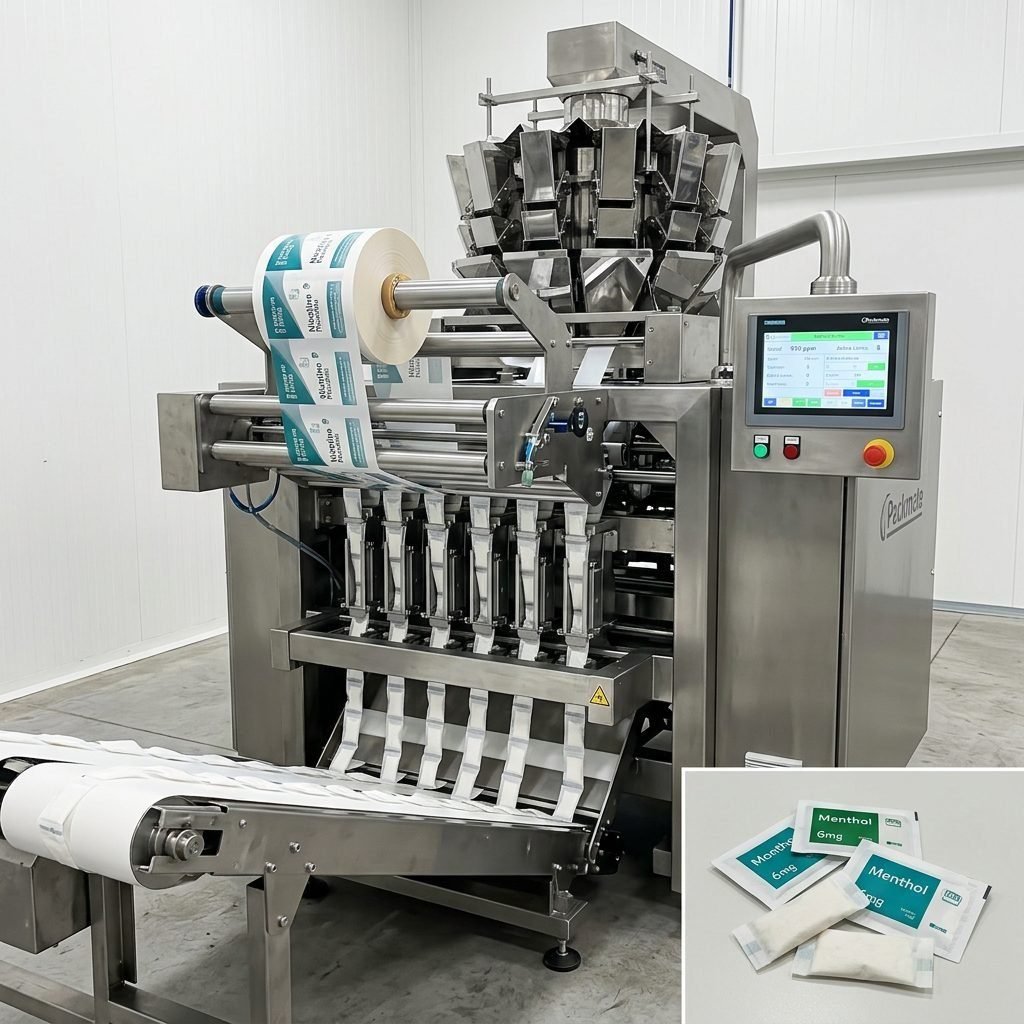
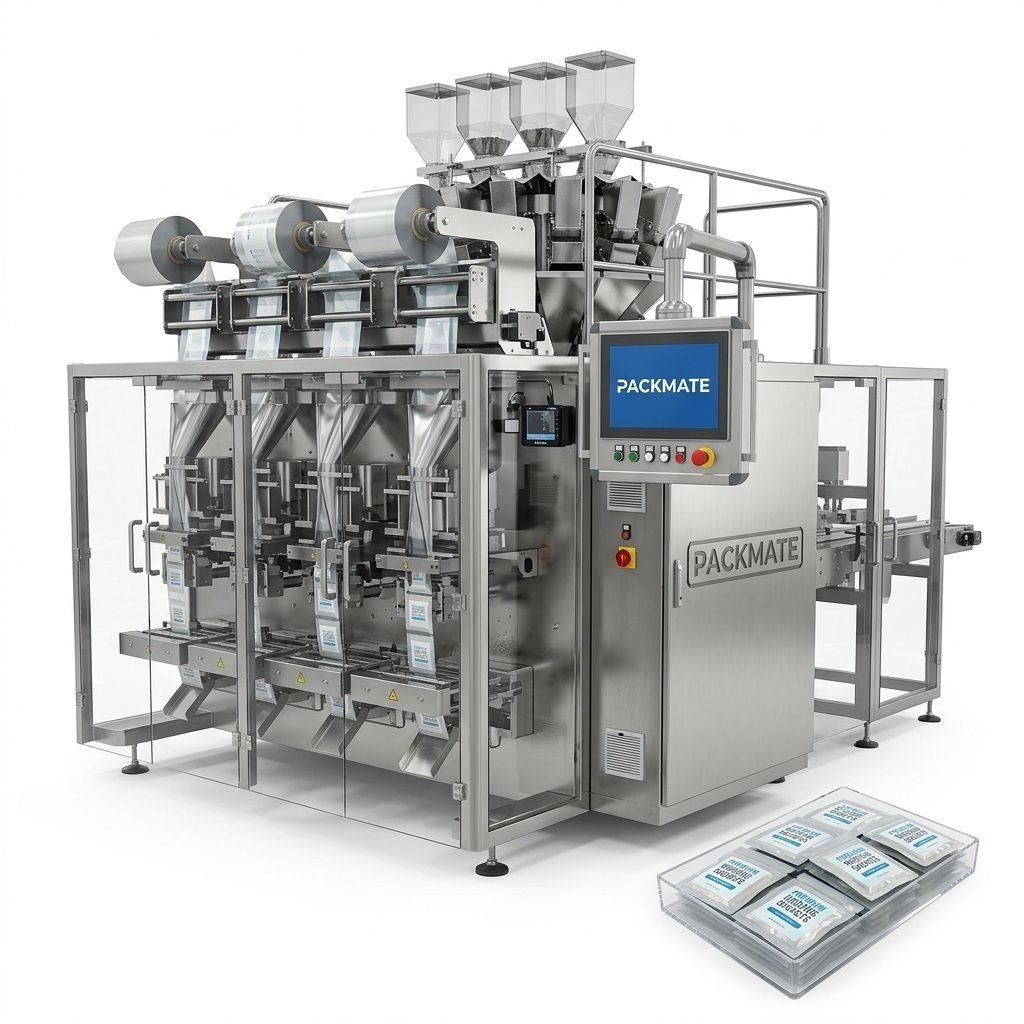
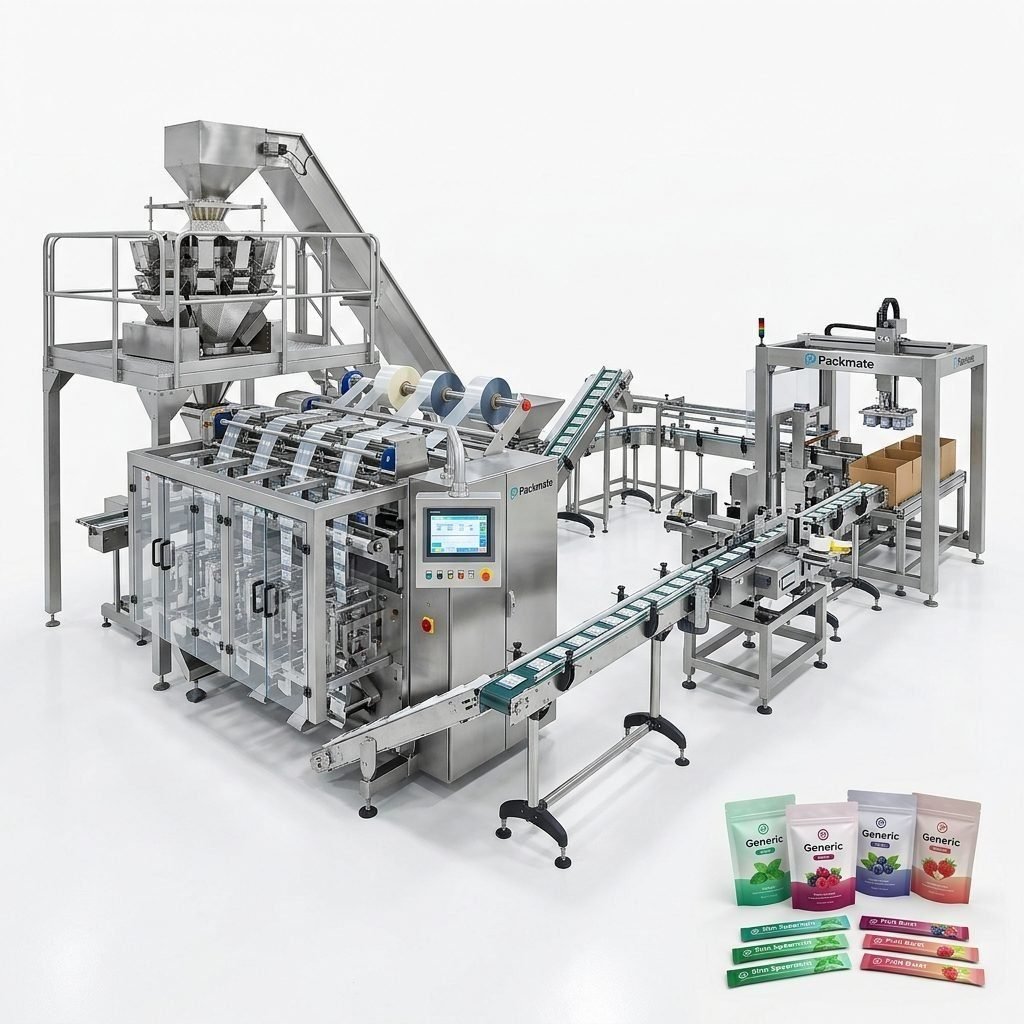
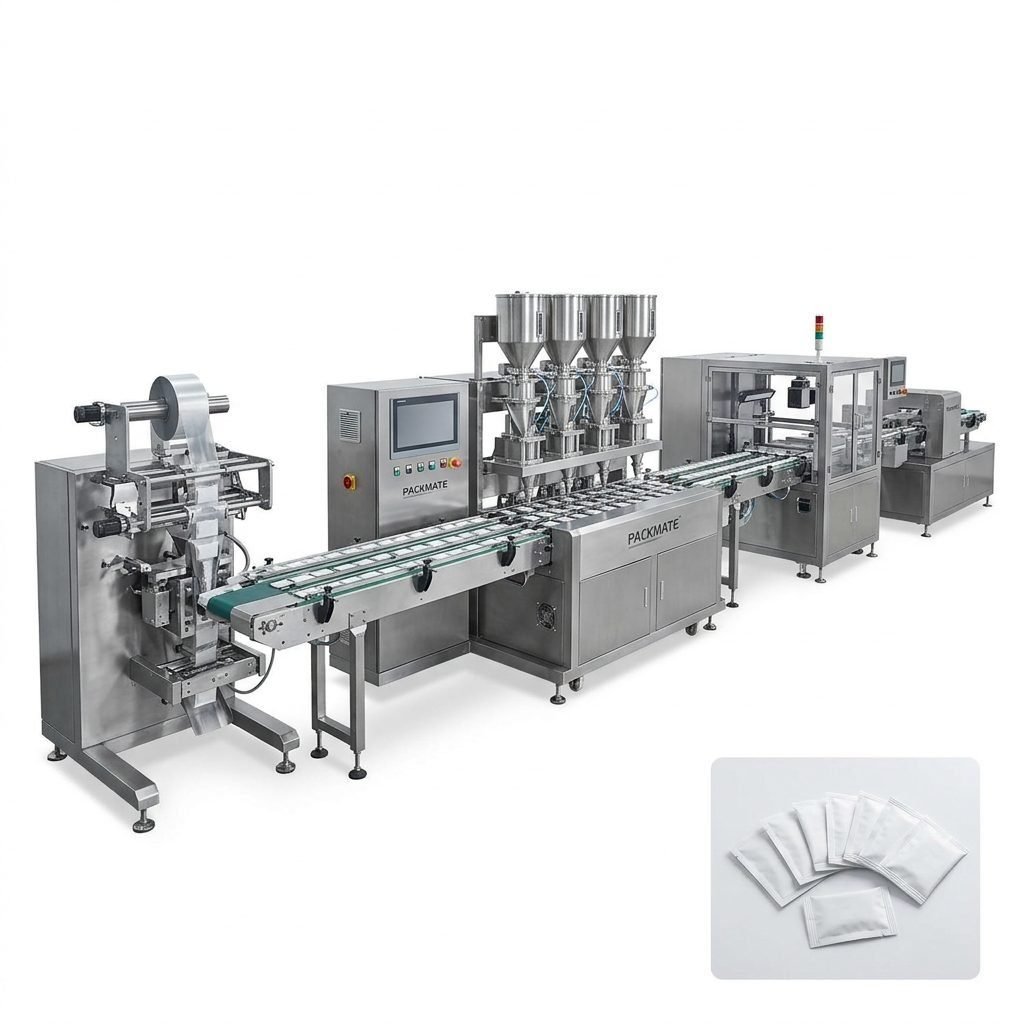
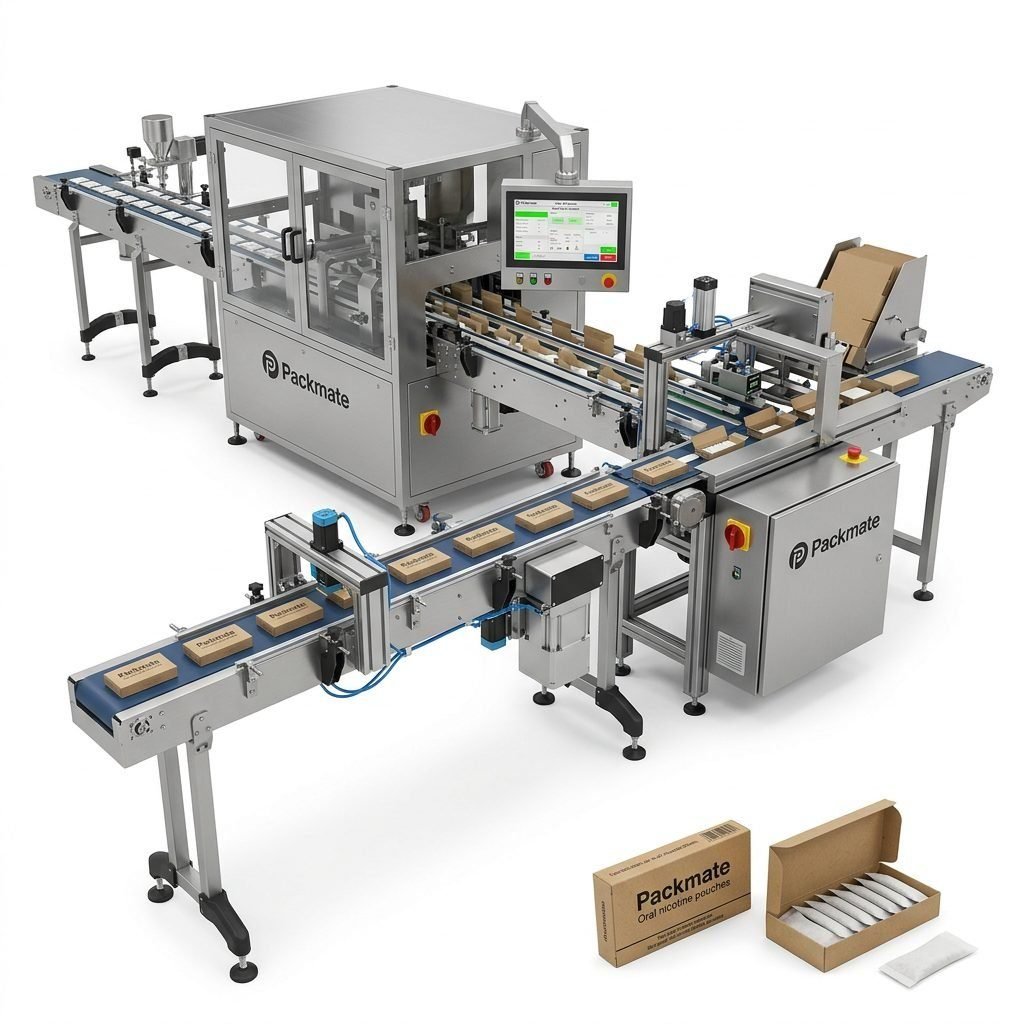
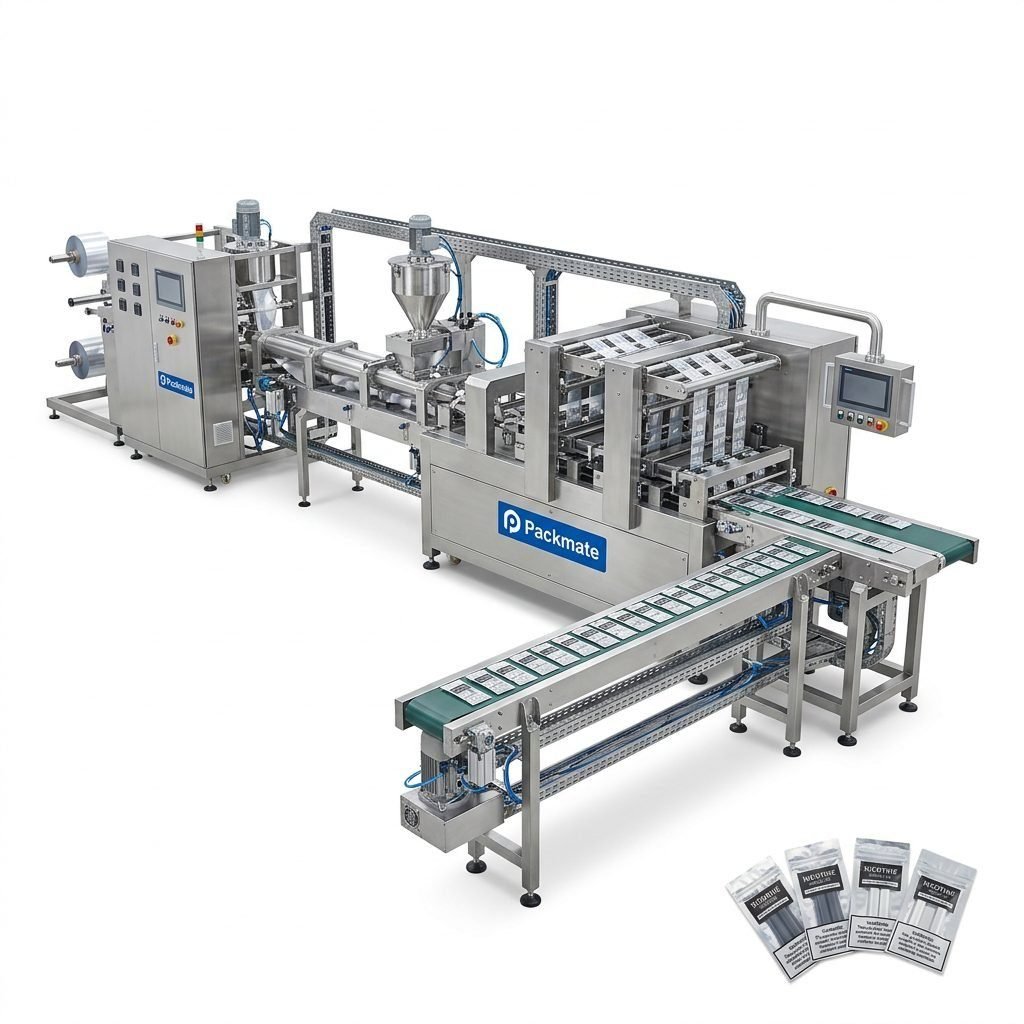
Not all packaging machines are created equal. Look for suppliers who offer machines and lines tailored for nicotine pouches and snus products, including multi-lane systems, stick pack, and sachet options. Suppliers that provide full automation for weighing, filling, sealing and secondary packaging will reduce manual labour and increase consistency.
Must-have machine features
- High-precision dosing and multi-head weighing integration
- Multi-lane pouch forming and cutting for small-dose pouches
- In-line labelling, batch coding and tamper-evident sealing
- Modular design for future upgrades and format changes
- Hygienic design and easy-clean surfaces for nicotine product handling
Certifications, Compliance & Documentation
The UK market values documented safety and quality systems. Suppliers should be able to provide machine certifications (CE, ISO) where applicable, detailed user manuals, electrical schematics, risk assessments, and validation protocols. For products destined for regulated channels, confirm the supplier can support regulatory audits and supply traceability records for mechanical components and software.
⚠️ Warning: Absence of clear compliance documentation is a red flag — always request certificates and test reports before purchase.
Manufacturing Strength & Customization
Evaluate a supplier’s manufacturing footprint and customization capability. A factory with modern CNC machining centers, precision assembly lines, and a large model range signals capacity to deliver reliable, repeatable machines. Suppliers that can design turnkey solutions — integrating filling, weighing, and primary/secondary packaging — help shorten project timelines.
For reference, suppliers like Packmate highlight extensive manufacturing floors, multiple product lines, and decades of engineering experience — factors that UK buyers often consider when assessing delivery risk and long-term partnerships.
Useful links
– Explore product lines: Snus & Nicotine Packaging Machines
– Check turnkey systems: Filling & Packaging Lines
– Learn about the supplier: About Packmate
After-Sales Support, Spare Parts & Training
In the UK, fast uptime and reliable service are expected. Confirm the supplier offers:
- Clear warranty terms and the scope of coverage
- Availability of spare parts and lead times for common components
- Installation, commissioning, and operator training (onsite or remote)
- Remote diagnostics and software support for PLC/HMI systems
✅ Good practice: Negotiate a spare-parts package and service-level agreement (SLA) as part of the contract to reduce future downtime risk.
Quality Assurance & Factory Testing
Request FAT (Factory Acceptance Test) and SAT (Site Acceptance Test) procedures. A reputable supplier will invite customer representatives to witness FAT — or provide a comprehensive video of machine tests — including speed runs, format changeovers, and sample packs for inspection.
Inspection checklist
- Repeatability of dose and pouch weights
- Sealing integrity under different environmental conditions
- Changeover time and tool-less adjustments
- Safety interlocks and emergency stops
Pricing, Total Cost of Ownership and ROI
Price should be considered alongside TCO: energy consumption, maintenance intervals, spare parts cost, operator training time, and expected production uptime. UK buyers often model payback periods — calculate ROI by combining throughput gains, reduced labour costs, and lower scrap rates delivered by modern automated lines.
🔧 Ask for a TCO breakdown: Request energy specs, recommended spare-part list, and service frequency estimates to model long-term costs.
References, Case Studies & Exhibitions
Credible references and published case studies demonstrate real-world performance. Suppliers participating in global exhibitions show openness to demonstrations and networking — traits valued in the UK market. For examples and past projects, review supplier case pages or request demonstration videos and customer contacts.
Useful resources: Case | Our Exhibition.
Practical Questions to Ask Every Supplier
When interviewing vendors, use this checklist to uncover strengths and weaknesses:
- Can you provide CE/ISO certificates and FAT documentation?
- What is the guaranteed hourly throughput for my product format?
- How fast is format changeover and are format sets included?
- Do you offer installation, commissioning and local technical support in the UK?
- What spares are recommended and what are typical lead times?
- Can you provide client references within Europe or the UK?
Red Flags to Watch For
Watch for vague answers, missing documentation, or reluctance to show production tests. A supplier refusing to discuss spare parts lists, warranty coverage, or staff training is a risk for long-term operation.
Step-by-Step Selection Process
- Define product formats, expected volumes and quality targets.
- Shortlist suppliers based on product fit, certifications and references.
- Request detailed technical proposals and TCO estimates.
- Arrange FAT or virtual demos and inspect test samples.
- Negotiate contract terms, delivery schedule, and SLA.
- Confirm installation, training and spare-parts agreements.
- Plan for SAT and performance validation post-installation.
📌 Local touch: If vendor representatives can attend a UK-based exhibition or demo, schedule face-to-face meetings — this builds trust and speeds contract negotiations.
Negotiating Contracts & Delivery
Make sure contracts detail delivery milestones, penalties for late delivery, acceptance criteria, and a clear warranty period. For international shipments to the UK, clarify Incoterms, VAT implications and customs clearance responsibilities.
Making the Final Decision
Choose the supplier that best balances technical fit, compliance, manufacturing strength and support readiness. A slightly higher upfront cost can be justified by lower lifetime operating expenses and faster ramp-up of production.
Final checklist
- Certifications and FAT evidence ✔️
- Proven UK/European references ✔️
- Clear warranty, SLA and spare parts plan ✔️
- Onsite commissioning and operator training included ✔️
- Transparent TCO and ROI analysis ✔️
Further Reading & Contact
If you need detailed machine specifications or want to discuss a turnkey nicotine pouch packaging line, review product pages or contact suppliers directly. For example, see Packmate’s product categories and service offerings to understand full-line capabilities and global support.
Helpful links: Sachet & Stick Pack Machines | Service | Contact Us
Frequently Asked Questions
Q1: What certifications should I insist on for nicotine packaging machines?
Ask for CE and relevant ISO certificates, plus FAT documentation and electrical safety test reports. A supplier that can produce traceable calibration and testing records demonstrates manufacturing discipline.
Q2: How important is local support in the UK?
Very important. Rapid response for breakdowns, spare-part availability and on-site commissioning shorten downtime — something UK manufacturers prioritize to keep production schedules on track.
Q3: Should I visit the supplier’s factory before buying?
Yes — a factory visit or a thorough FAT (physical or virtual) helps verify build quality, testing procedures and production capacity. If visiting is not possible, request comprehensive video tests and third-party inspection reports.
Q4: How do I judge spare parts availability and costs?
Request a recommended spare-parts list with part numbers, typical consumption rates and lead times. Compare this across suppliers to estimate long-term logistics and inventory costs.
Q5: Where can I find real customer cases and machine specs?
Review supplier case pages and product catalogs for real examples and technical data sheets. For further reference, see Packmate’s case studies and product listings to evaluate line configurations and success stories.