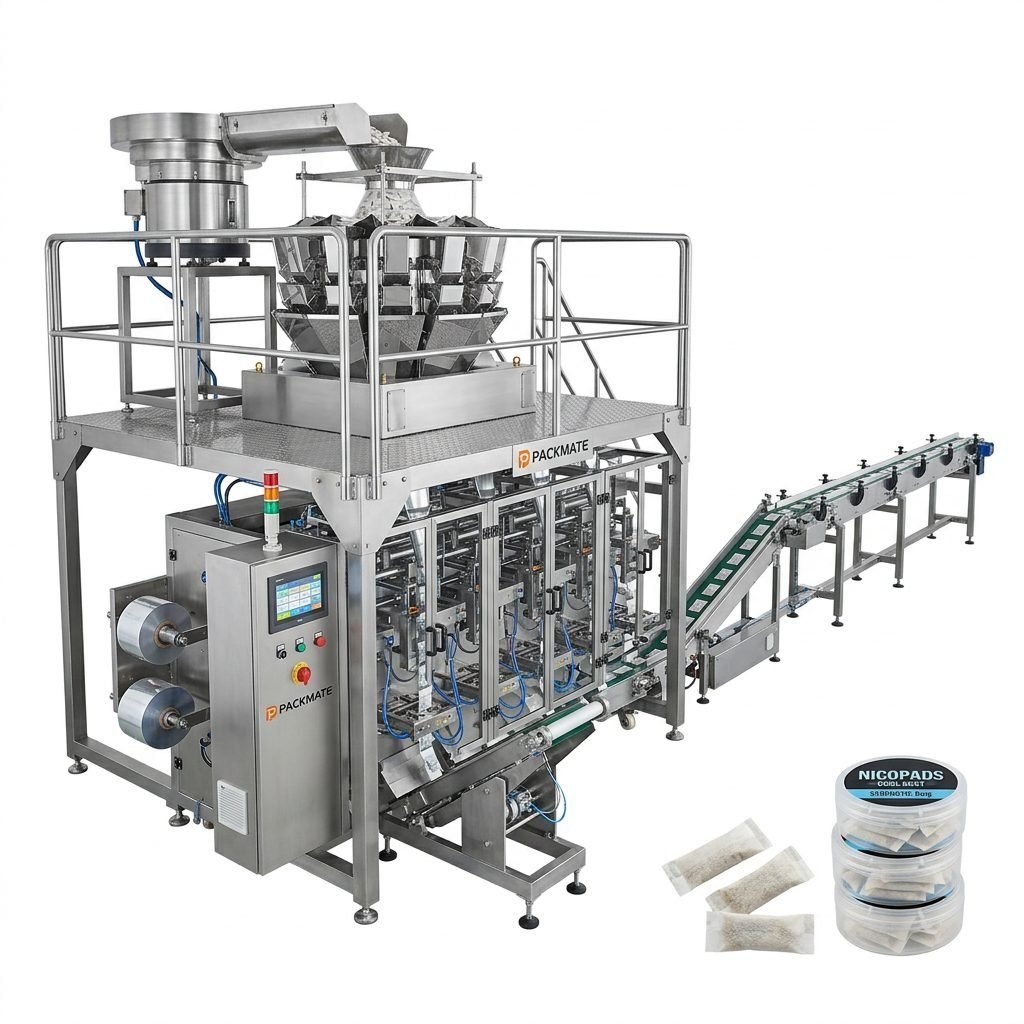
Introduction: Selecting the Right Nicotine Packaging Machine Manufacturer in Tunisia
Choosing the best nicotine packaging machine manufacturer for your business in Tunisia is a strategic decision that affects product quality, regulatory compliance, production efficiency, and long-term profitability. This guide walks you through practical and technical considerations, vendor-evaluation steps, and targeted questions to help you identify a reliable partner that matches your production scale, product type, and market ambitions.
Why Manufacturer Selection Matters for Nicotine Pouch Production
Nicotine pouches and snus are high-regulation products that demand precise dosing, contamination control, and consistent packaging quality. A capable manufacturer ensures machines deliver stable line speeds, minimal downtime, accurate dosing, and easy sanitation — all necessary for meeting local and export standards. Choosing the right partner reduces risk and accelerates your path to market.
Key Business Impacts
Production stability and consistent pouch quality influence customer satisfaction and regulatory approval. The right equipment can lower labor costs, reduce waste, and enable rapid format changeovers that support product diversification.
🔧 Tip: Prioritize vendors offering turnkey solutions — machines, line integration, and after-sales service — to minimize integration risks and shorten commissioning time.
Understand Tunisia’s Market and Regulatory Context
Tunisia’s market presents both local consumer demand and export opportunities to Europe and North Africa. Ensure your chosen equipment supports traceability, hygiene standards, and material compatibility for nicotine products. A manufacturer familiar with international norms (CE, ISO) and export documentation will save you time during compliance processes.
Local Service & Spare Parts Availability
Proximity to reliable spare parts and technical support is crucial. Ask potential suppliers about local agents, recommended stock of wear parts, and remote troubleshooting capabilities to reduce costly line stoppages.
Technical Features to Prioritize
When evaluating nicotine packaging machines, focus on core technical capabilities that affect product integrity and throughput.
Dosing Accuracy & Filling Systems
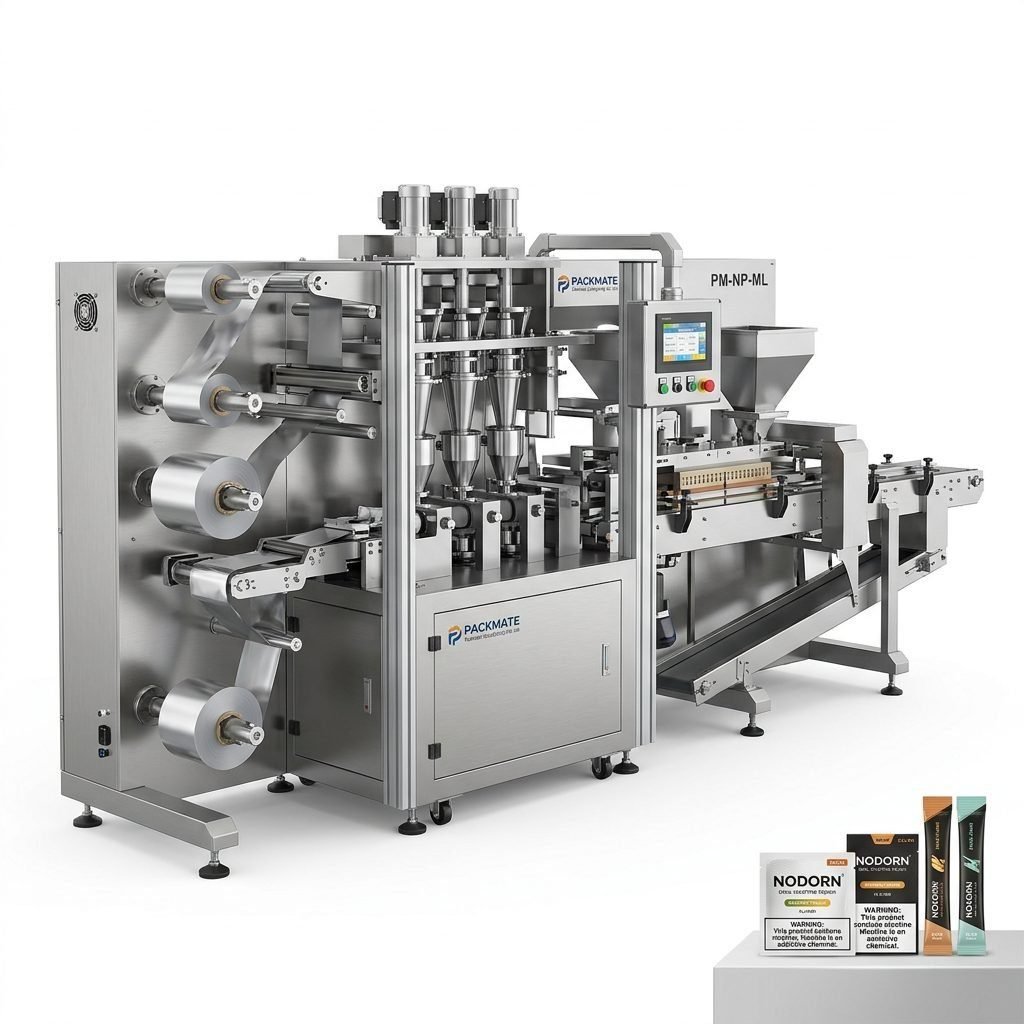
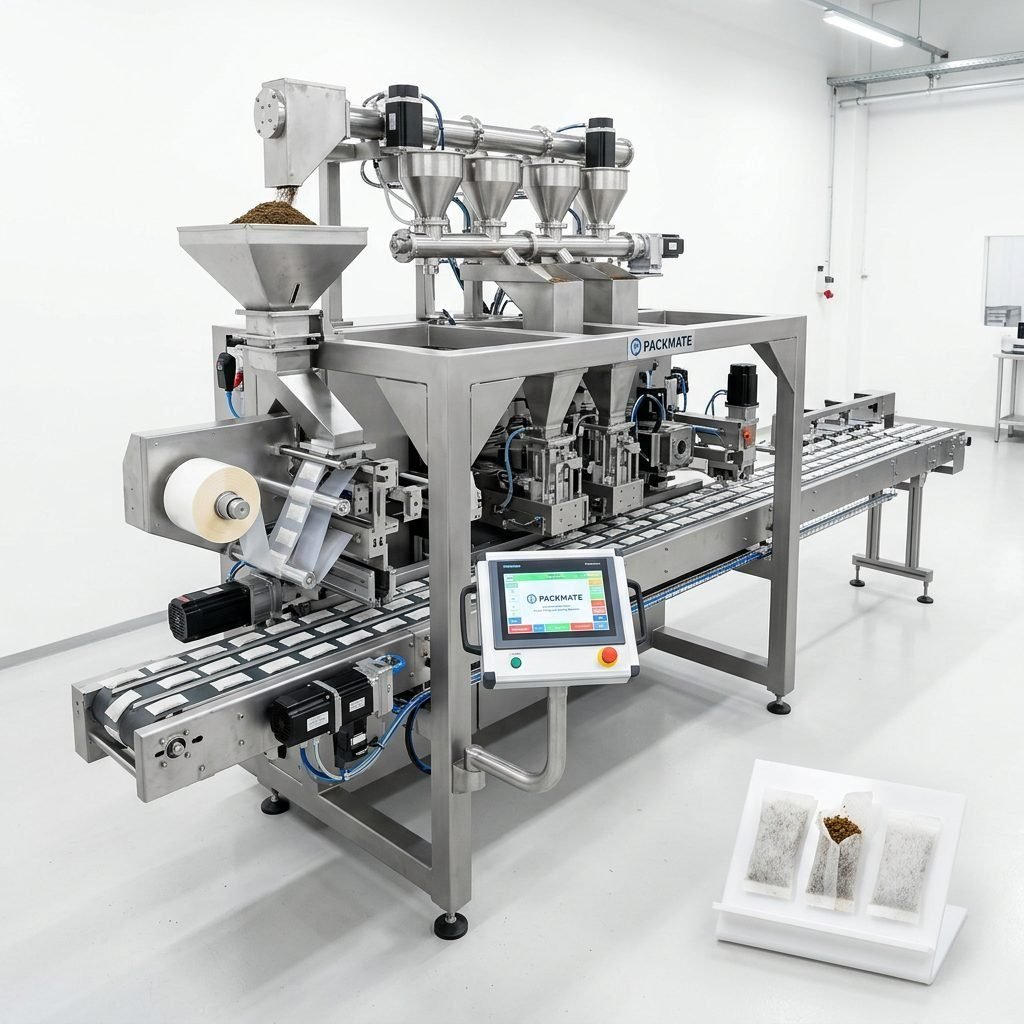
Precise dosing reduces waste and maintains nicotine consistency across pouches. Look for machines with proven weighing or auger systems, fast servo control, and low variation tolerances for small-dose pouches.
Multi-lane & Small-dose Line Options
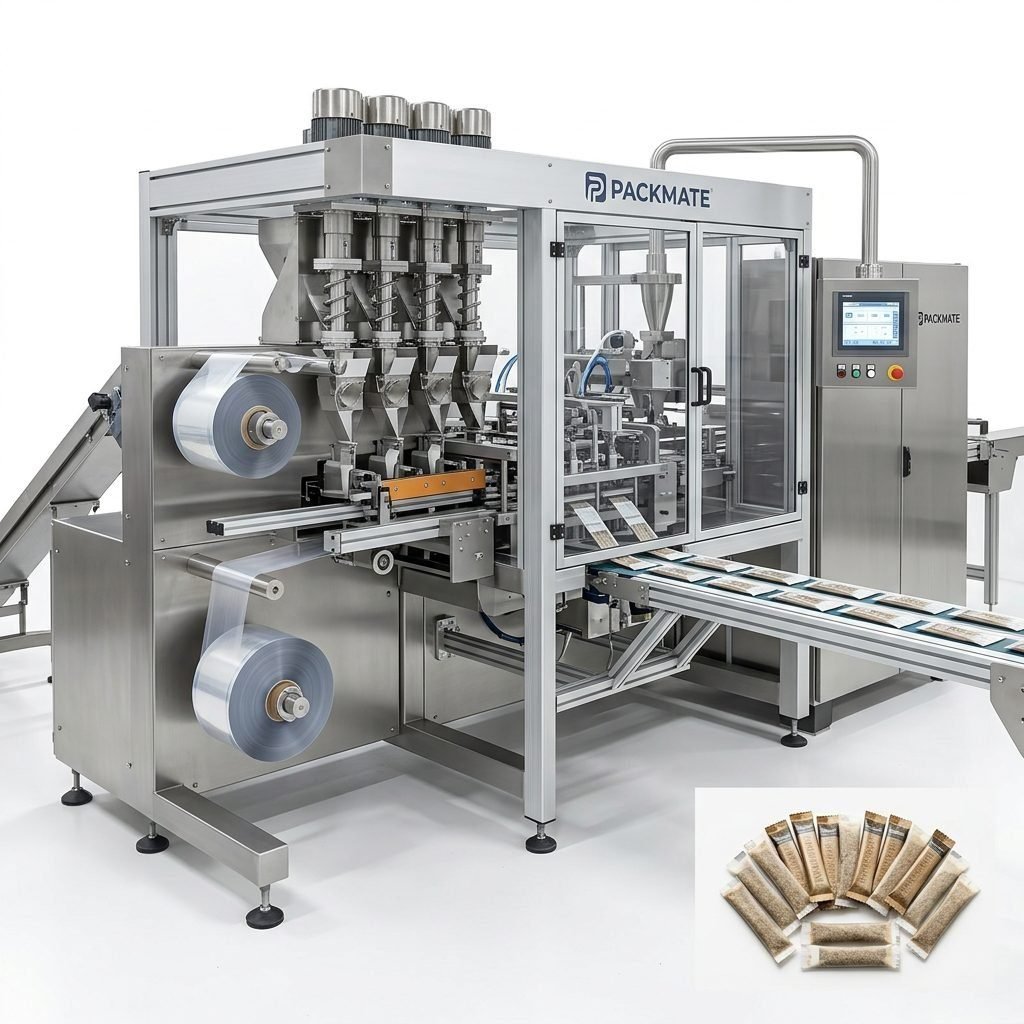
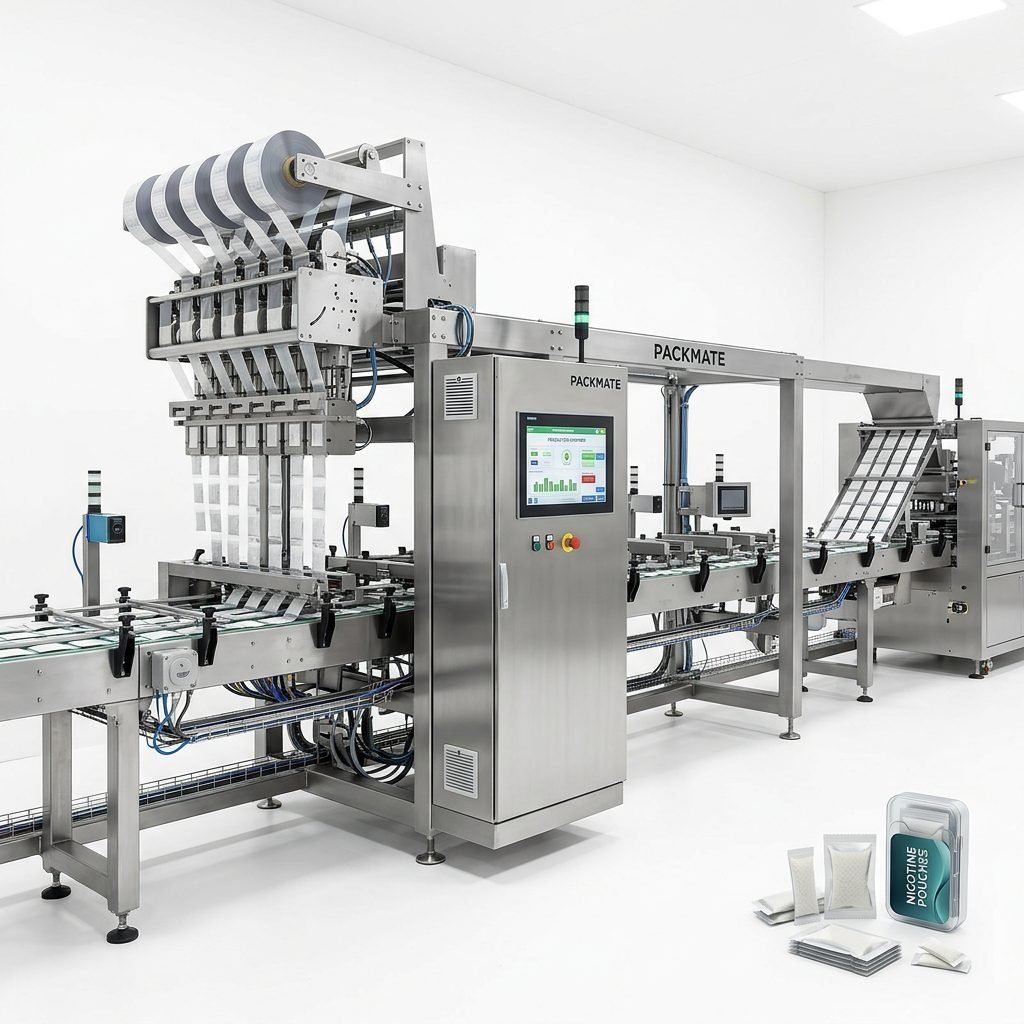
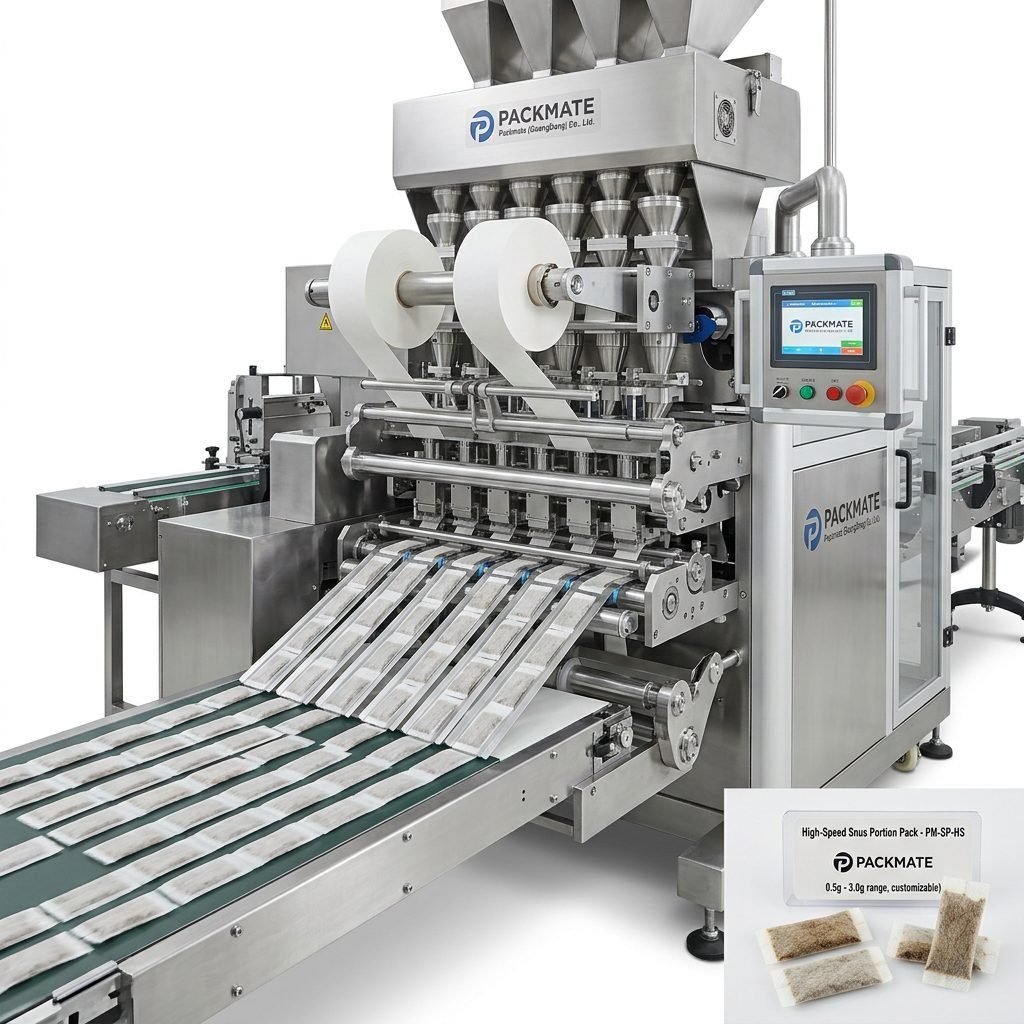
Multi-lane systems boost output while keeping footprint efficient. For snus or nicotine pouches, multi-lane modules designed for small-dose productions are critical for scaling without losing accuracy.
✅ Must-have: Servo-driven controls, automated reject systems, and CIP-friendly (clean-in-place) surfaces for hygiene.
Format Flexibility & Changeover Time
Fast and tool-less format changes allow you to run multiple SKUs with minimal downtime. Ask about average changeover times, spare format kits, and operator training requirements.
Manufacturing Strength and Quality Control
A manufacturer’s factory capabilities reveal a lot about reliability. Facilities with advanced CNC machining centers, precision assembly lines, and robust testing regimes produce machines with tighter tolerances and longer service life.
Packmate Snus Machine (as an example) highlights 30+ years of experience, a 20,000㎡ factory, and over 50 machine models — indicators of mature engineering and production depth. Look for documented factory tours, equipment photos, and quality certificates (CE, ISO).
Factory Testing & Acceptance
Factory Acceptance Tests (FAT) are essential. Confirm the vendor performs FAT with your actual material, runs the specified line speed, and provides video documentation. This reduces surprises during site acceptance.
Customization & Turnkey Solutions
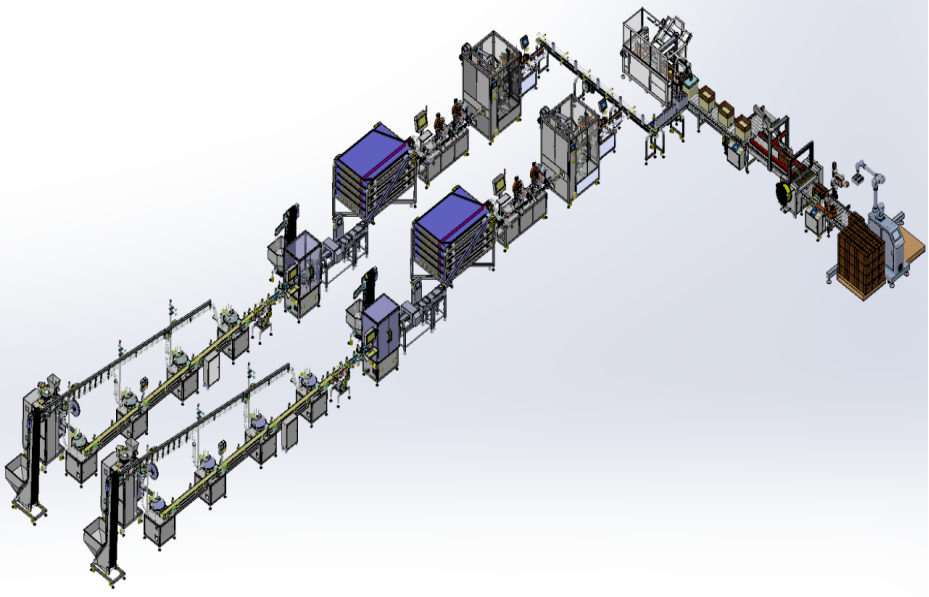
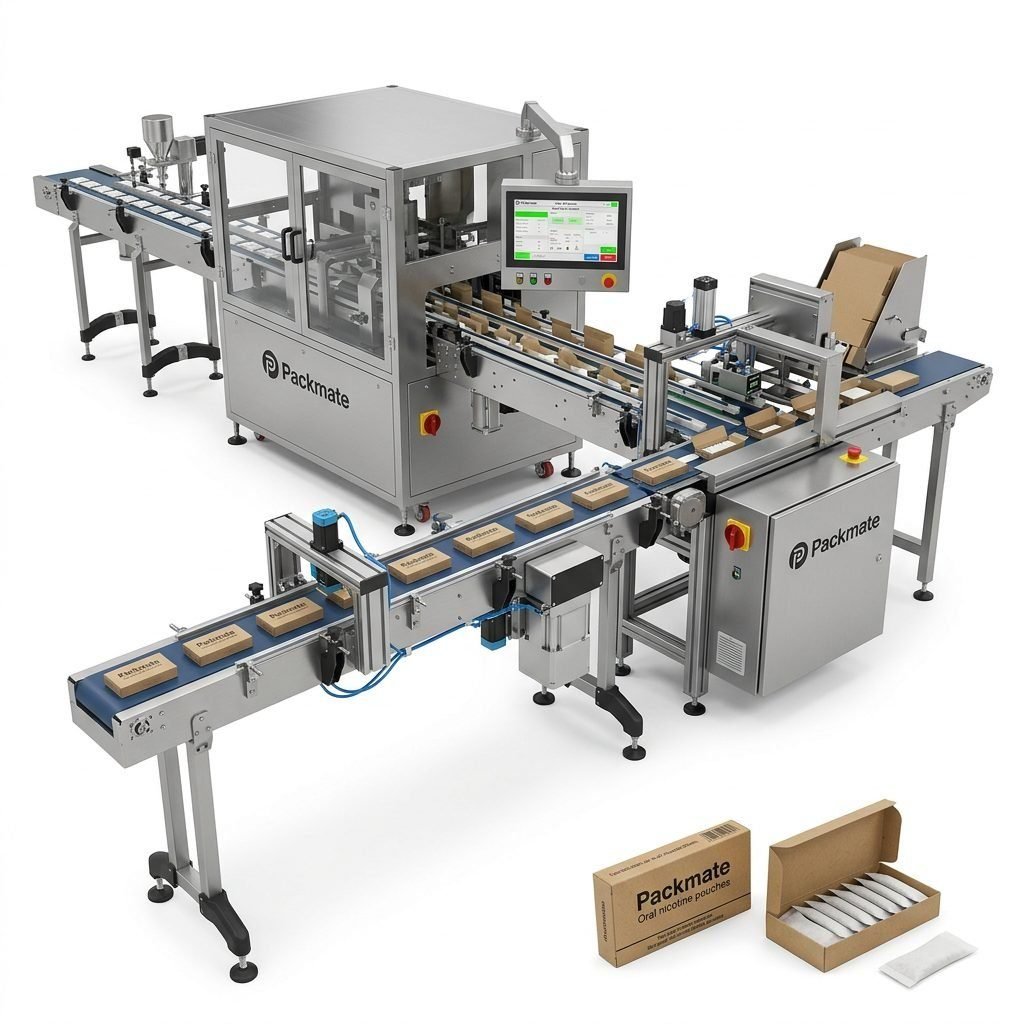
Nicotine pouch lines often require custom dosing heads, multi-lane synchronization, or unique packaging skins. Choose a manufacturer offering full turnkey services — from weighing and filling to secondary packing and labeling.
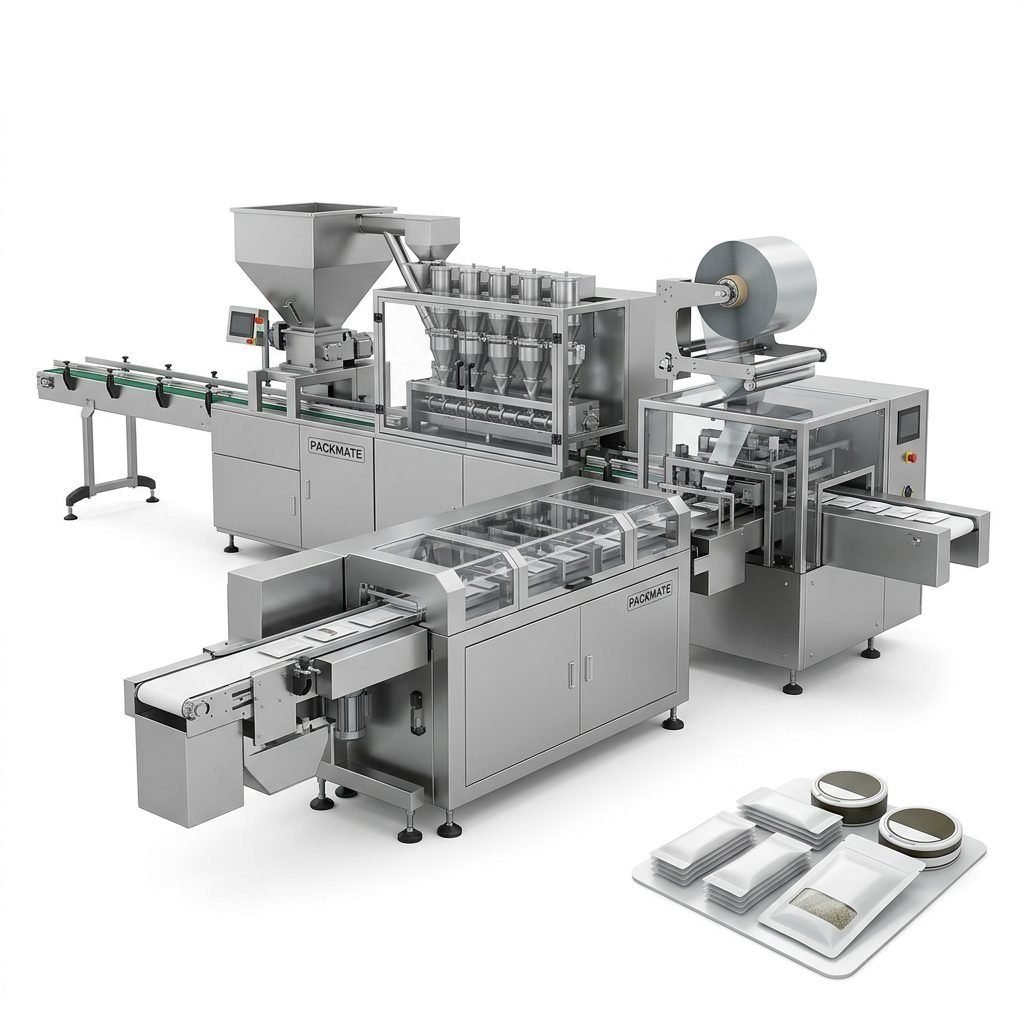
If you need integrated solutions, explore categories like Snus & Nicotine Packaging Machines, Sachet & Stick Pack Machines, and Weighing & Packaging Systems to understand available modules and line combinations.
📦 Note: Turnkey providers can manage electrical integration, PLC/HMI programming, and line layout, reducing your internal project management burden.
Service, Support & Spare Parts Strategy
Reliable after-sales support is as important as the machine itself. Ensure the manufacturer provides clear spare parts lists, recommended spares inventory, local or regional agents, and structured maintenance contracts.
Remote Diagnostics & Training
Remote diagnostics, PLC backup strategies, and hands-on operator training are high-value services. Vendors that offer preventative maintenance schedules and online troubleshooting reduce Mean Time To Repair (MTTR).
Assessing Vendor Credibility — A Practical Checklist
When evaluating manufacturers, use a repeatable checklist to compare proposals:
🔎 Track record: Years in business, industry focus, and the number of deployed lines worldwide.
📄 Certifications: CE, ISO, and any other regulatory compliance documentation relevant to nicotine products.
🏭 Factory capabilities: CNC centers, assembly lines, QA testing areas, and FAT procedures.
📚 References & case studies: Real customer references, videos, and documented case studies (see examples at Case).
📞 Support network: Local agents, spares lead times, and international service policies.
Site Visits, FAT, and Acceptance Testing
Whenever possible, visit the manufacturer’s factory, witness a FAT, and run your actual materials. This validates performance claims, reveals build quality, and confirms that software and HMI match your operational needs.
What to Observe During a Visit
Observe machine tolerances, consistency in welds and surface finishes, cable management, and modularity for upgrades. Talk to engineers about spare parts lead times and request demonstration videos of format changes and cleaning procedures.
Commercial Considerations: Pricing, Lead Times & ROI
Price is important, but total cost of ownership (TCO) and return on investment (ROI) matter more. Consider installation costs, spare parts, expected life, energy use, and labor savings to make an apples-to-apples comparison.
⚖️ Cost vs. Value: Cheaper initial quotes may lack features that preserve product quality or increase uptime. Prioritize proven reliability over the lowest bid.
Questions to Ask Potential Manufacturers
A focused set of questions helps reveal whether a supplier is a true partner:
- Can you run a FAT with our material and provide performance data?
- What is your recommended spare parts list and lead time for critical components?
- Do you offer turnkey line integration and installation supervision?
- Can you provide customer references with similar production requirements?
- What warranty terms and extended support packages do you provide?
Why Consider Packmate Snus Machine as a Supplier
Packmate Snus Machine is a specialized manufacturer with deep experience in snus and nicotine pouch packaging. Their product range spans stick pack, sachet, and multi-lane systems — ideal for companies seeking scalable solutions. Learn more about the company and offerings via About Packmate.
For detailed product categories and modules, review their lineups such as Snus & Nicotine Packaging Machines and Bag & Pouch Packaging Machines. If you want direct engagement, use the Contact Us page to request specifications or a factory visit.
A Practical Procurement Roadmap
1. Define product specs: pouch size, dosing tolerance, materials, and speed requirements.
2. Shortlist vendors with nicotine packaging experience and request datasheets and references.
3. Schedule factory visits and FATs; test your material and run acceptance protocols.
4. Compare TCO, warranty, spares availability, and training offerings before final selection.
📌 Remember: A supplier who supports you beyond delivery — with installation, training, and responsive spare parts — will be a strategic asset as your nicotine product line grows.
Final Checklist Before Signing a Contract
– Confirm FAT results with your material and a signed acceptance protocol.
– Verify lead times for critical spares and confirm a recommended spares list.
– Ensure warranty scope and penalties for missed performance.
– Agree on training schedules, commissioning timelines, and documentation deliverables.
– Confirm compliance certifications and export documentation for Tunisia and target markets.
Conclusion
Selecting the best nicotine packaging machine manufacturer in Tunisia requires balancing technical fit, factory capability, after-sales support, and total cost of ownership. Use factory visits, FAT, and detailed technical comparisons to make an informed decision. Prioritize partners that provide turnkey solutions, documented reliability, and strong service networks to ensure sustainable production and growth.
Common Questions (FAQs)
Q1: How important is a factory acceptance test (FAT)?
A1: FAT is critical — it verifies machine performance with your actual material and reduces commissioning risks. Always request video proof and test data.
Q2: What certifications should a nicotine packaging machine have?
A2: At minimum, seek CE and ISO certifications; additional regional compliance may be required depending on export markets.
Q3: How do I assess spare parts availability for a foreign supplier?
A3: Ask for a recommended spares list, typical lead times, and whether local agents or distributors hold inventory to minimize downtime.
Q4: Should I choose single-lane or multi-lane systems for nicotine pouches?
A4: Multi-lane systems increase throughput in limited floor space but require precise synchronization. Choose based on your projected volumes and product mix.
Q5: Where can I see real-world machine examples and case studies?
A5: Review vendor case pages and exhibition reports. For example, Packmate shares cases and exhibition details at Case and Our Exhibition.