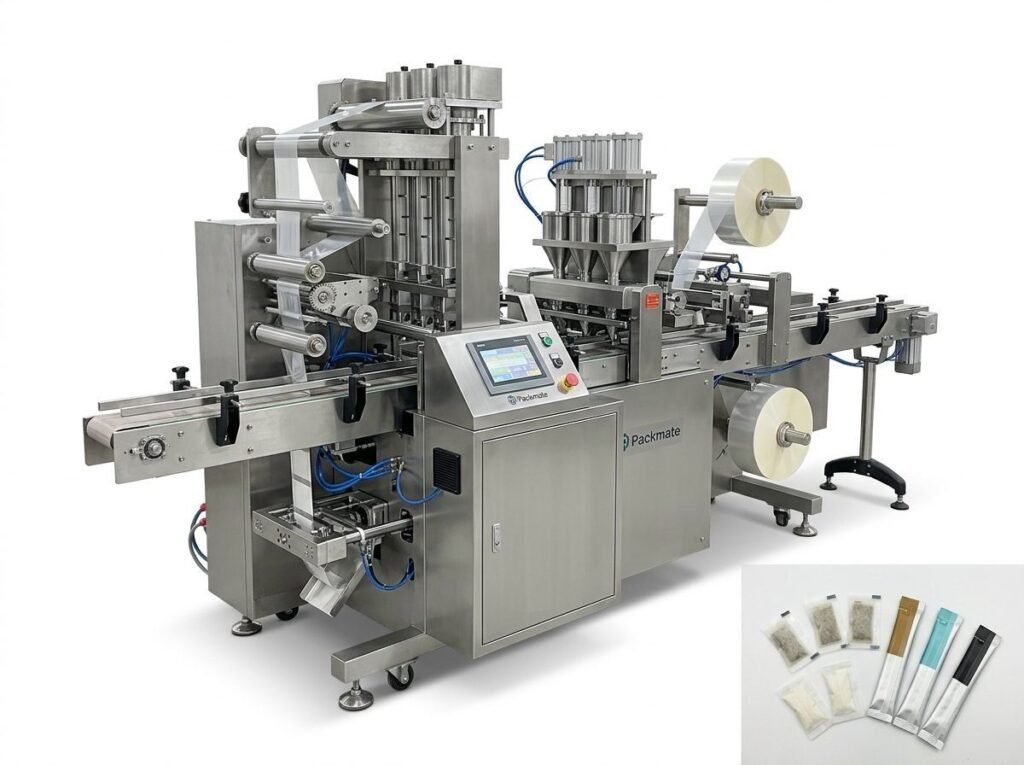
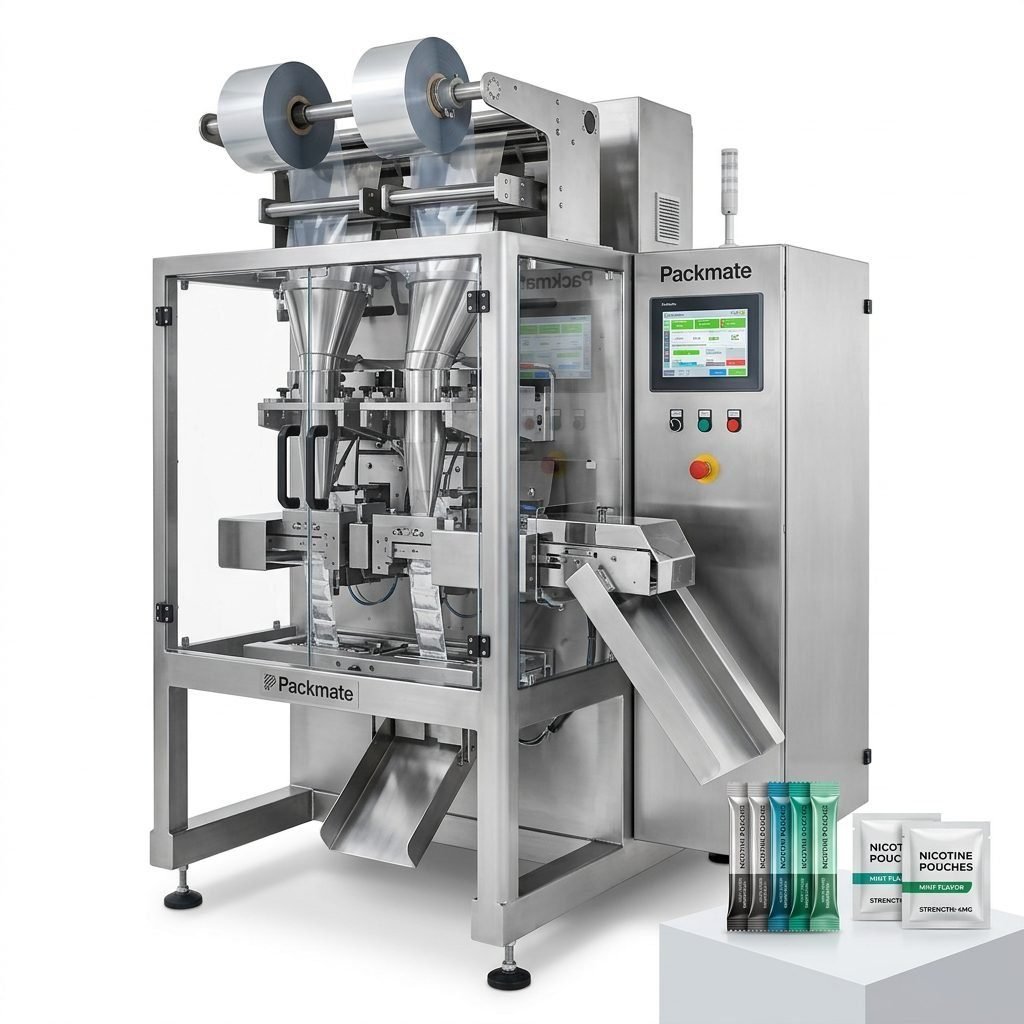
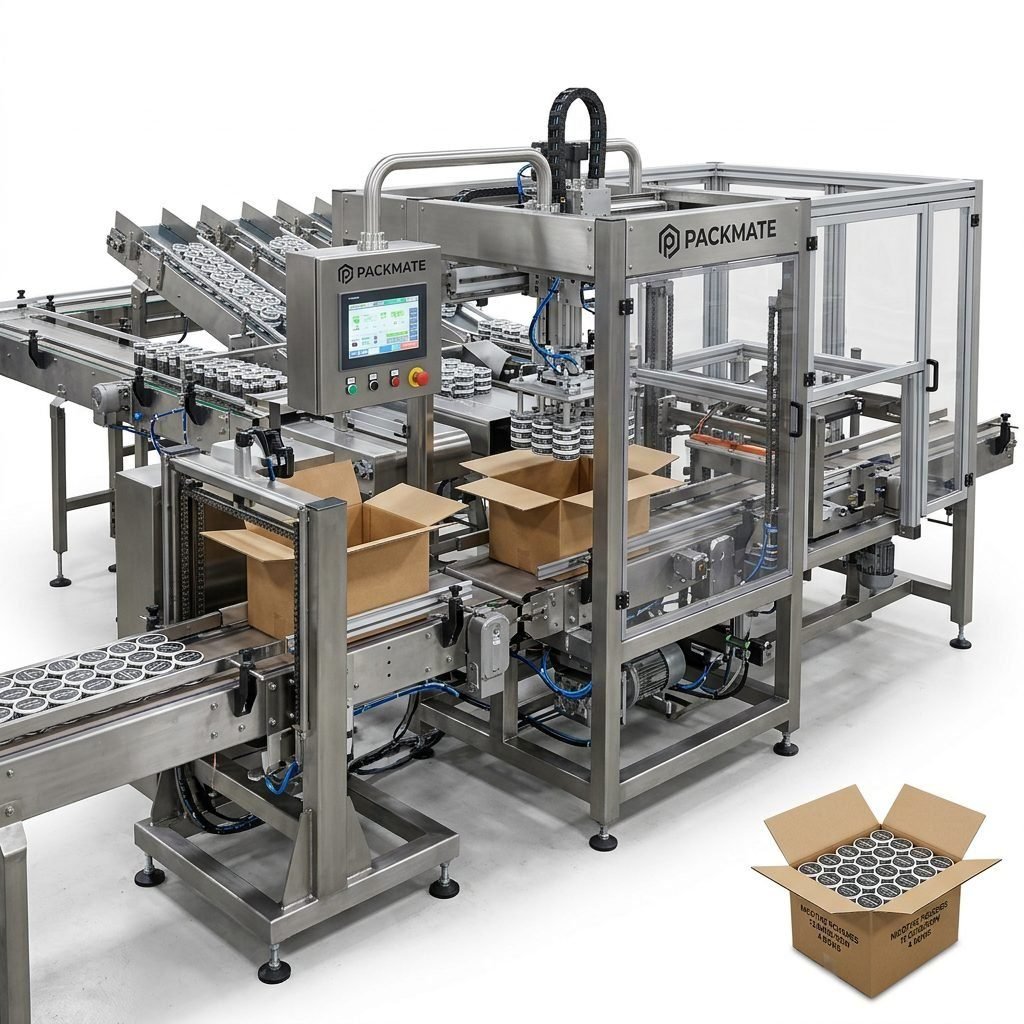
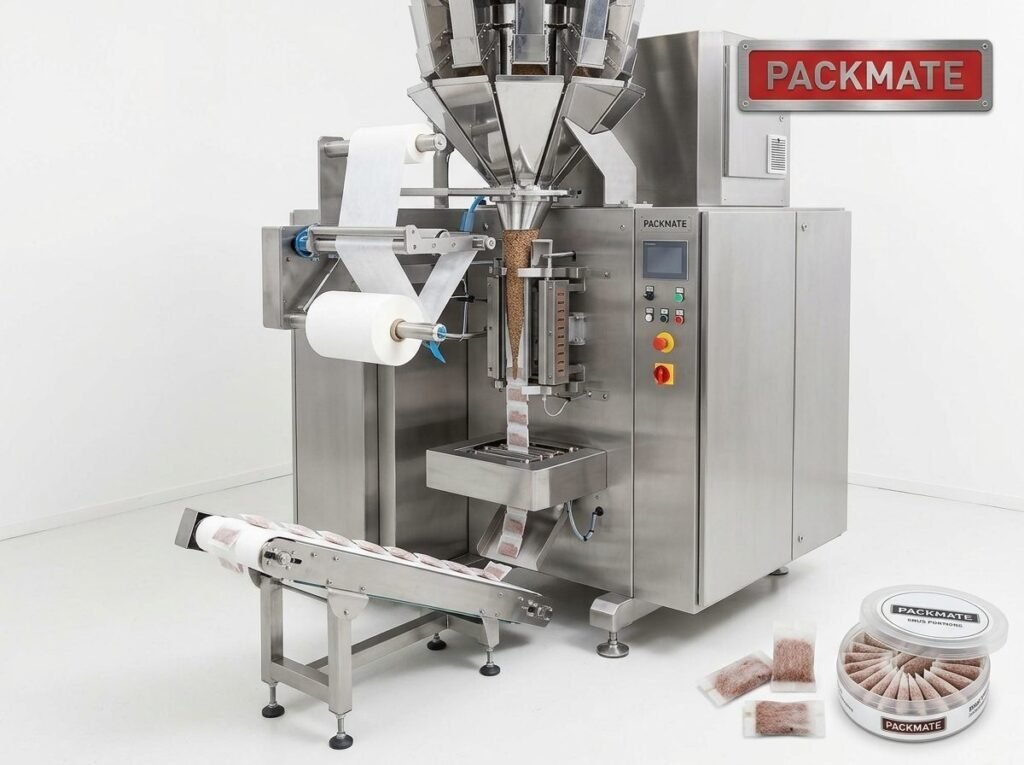
Choosing the right nicotine packaging machine supplier in Georgia can determine how quickly your production ramps up, how reliably your line runs, and how well you protect your customers and brand. This guide walks you through practical steps, local considerations for Georgia, and an actionable supplier evaluation checklist so you can select a partner that delivers performance, compliance, and long-term value.
Understand the Georgia market and local customs
Doing business in Georgia (the country) often combines formal documentation with relationship-driven negotiations. Georgian buyers value trust, punctual commitments, and clear after-sales communication. Many companies operate bilingually (Georgian and Russian), and English is commonly used in international trade, but offering documentation or on-site training in Russian or Georgian can be a strong differentiator.
📌 Local compliance matters: Confirm nicotine product regulations in Georgia as they may affect packaging materials, labelling, and permissible nicotine concentrations. Work with a supplier who understands export documentation, customs codes for packaging machinery, and temporary import procedures for commissioning visits.
Regulatory and trade considerations in Georgia
Before selecting a supplier, verify that they can provide machines that comply with international standards (CE, ISO) and supply the necessary certificates for Georgian customs clearance. Ask about sanitary and safety documentation, electrical certifications compatible with Georgian voltage/frequency, and any advice on labeling for local market requirements.
Key technical capabilities to evaluate
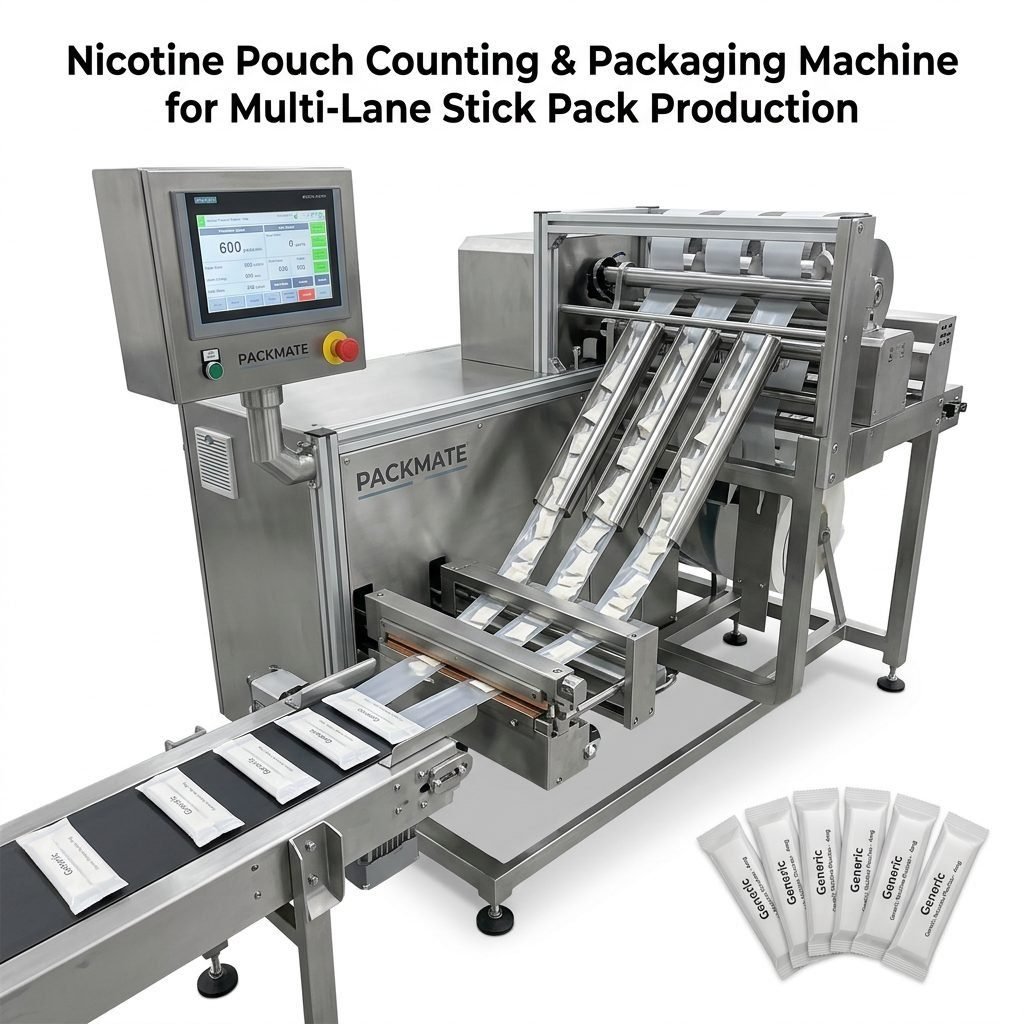
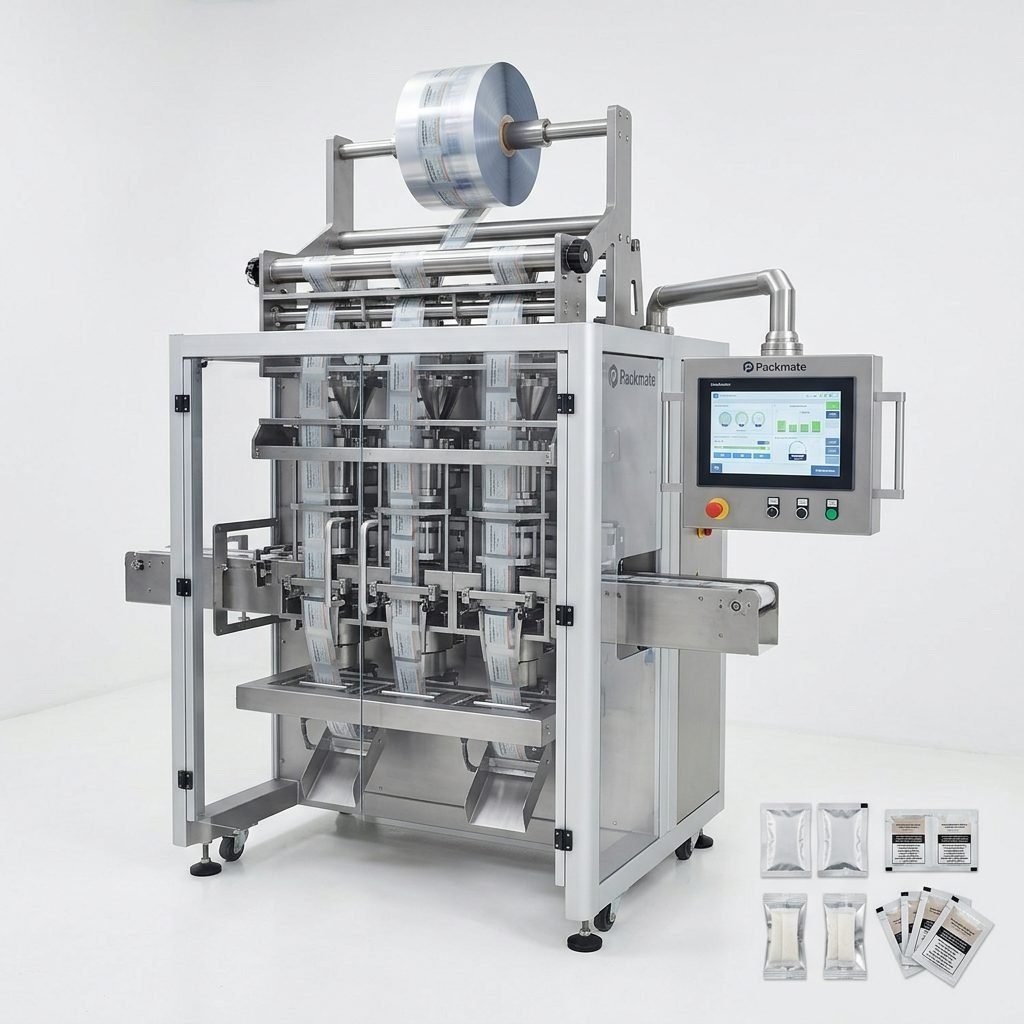
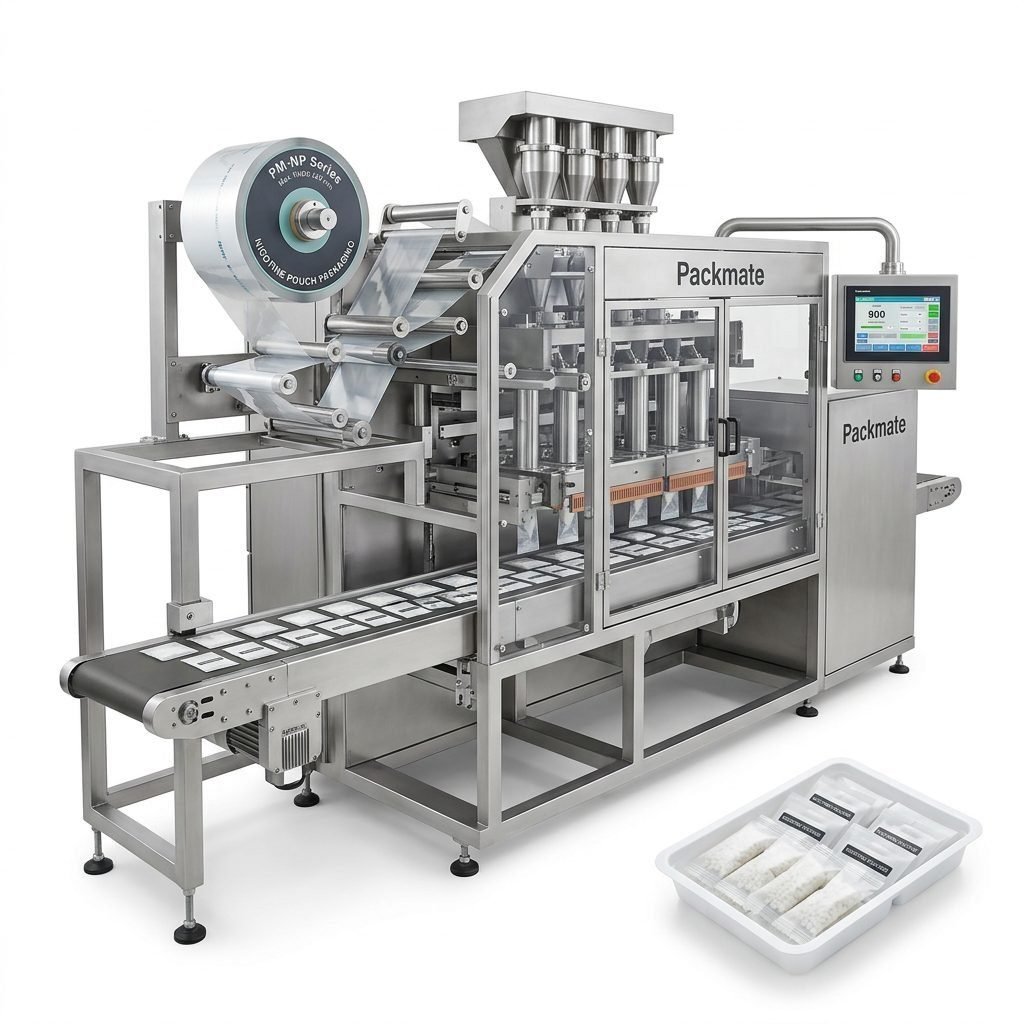
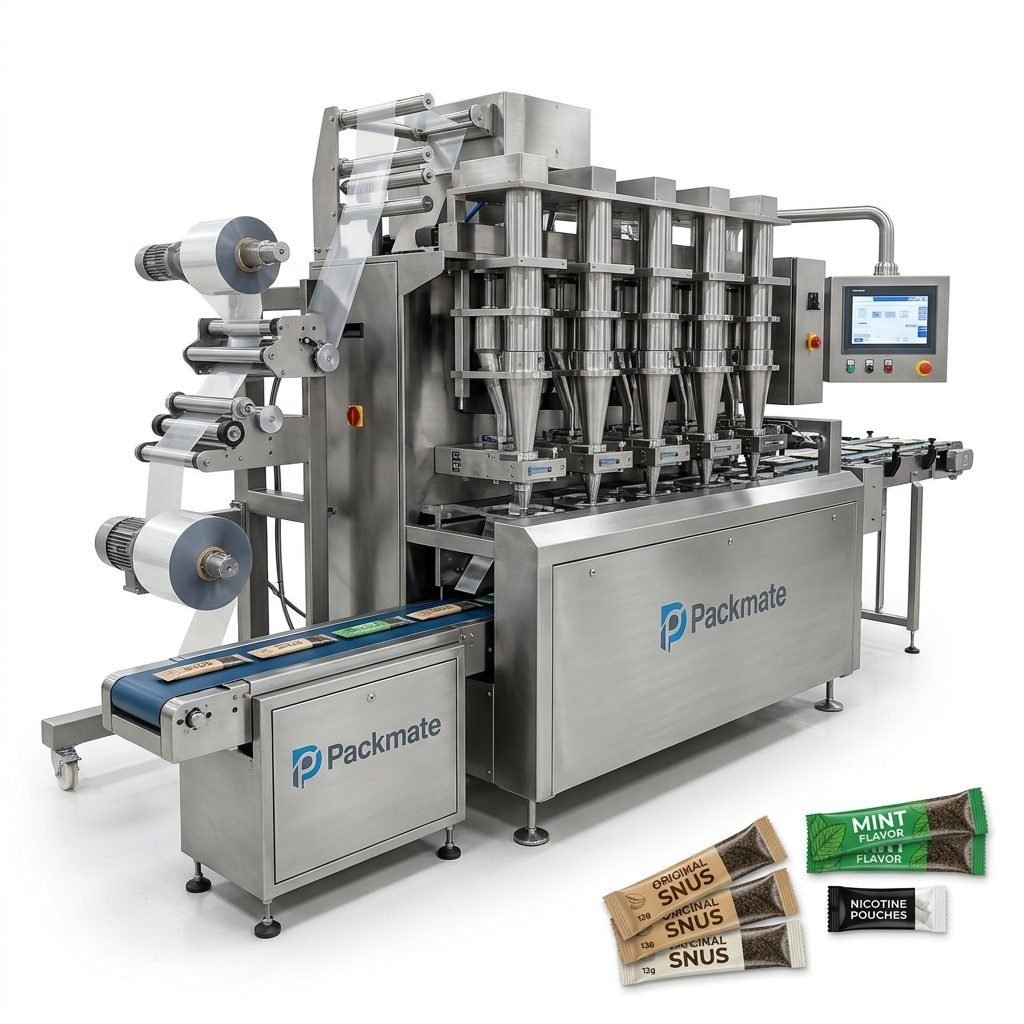
Technical fit is paramount. Identify your target output (pouches per minute), pouch type (snus/nicotine pouches, stick packs, sachets), dosing method (weighing, volumetric), and desired automation level. A reputable supplier will match machine model, lane count, and auxiliary equipment to your required throughput rather than just selling the most expensive machine on the floor.
-
✅ Throughput scalability: Choose equipment (e.g., multi-lane systems) that can scale capacity without exponential cost increases.
-
✅ Precision dosing: For nicotine pouches, consistent small-dose accuracy is critical to product quality and compliance.
-
✅ Material compatibility: Confirm compatibility with barrier film types, pouch formats, and any secondary packaging.
-
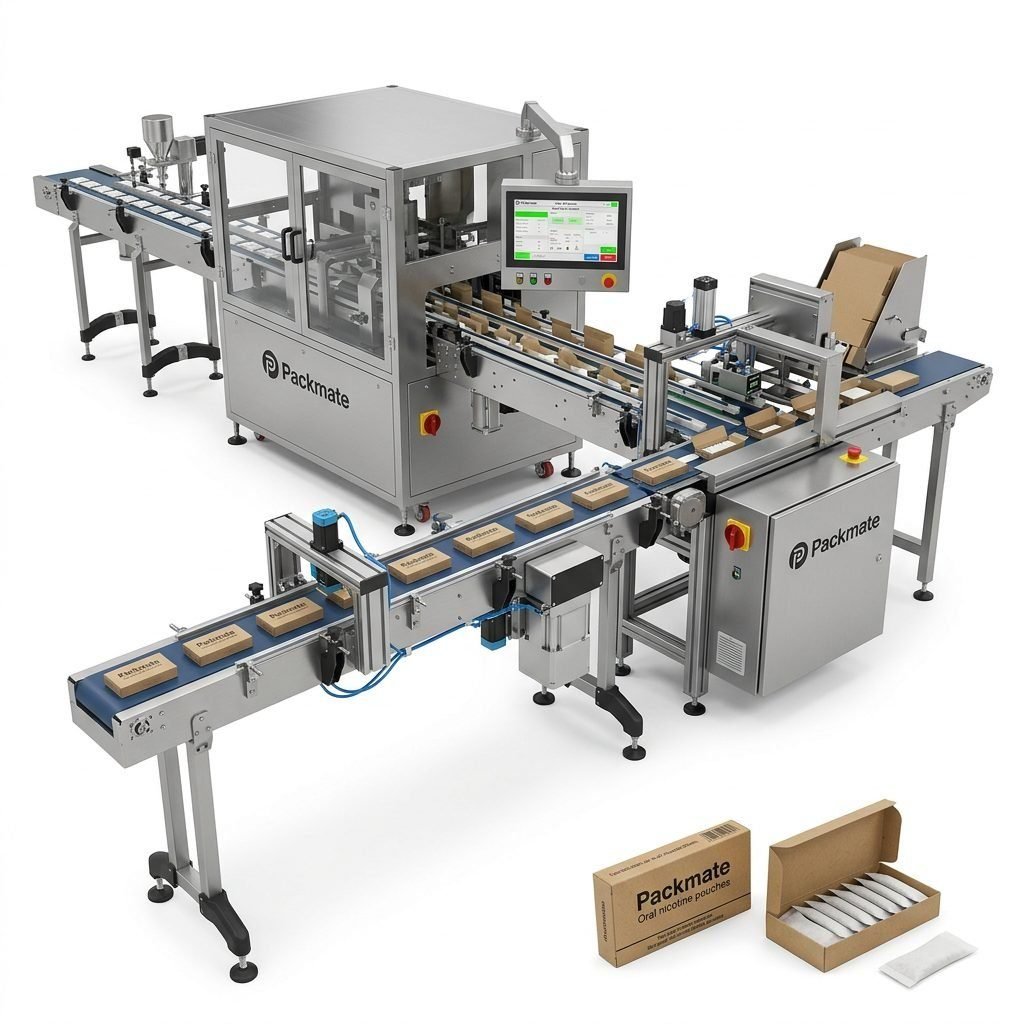
✅ Integration capability: The supplier should support full lines: feeding, weighing, filling, sealing, and cartoning.
Why certifications and factory capability matter
Choose suppliers with documented manufacturing capabilities: CNC machining, precision assembly lines, and quality control systems. Certificates like CE and ISO signal compliance and consistent production standards — important when Georgian customs or clients request proof.
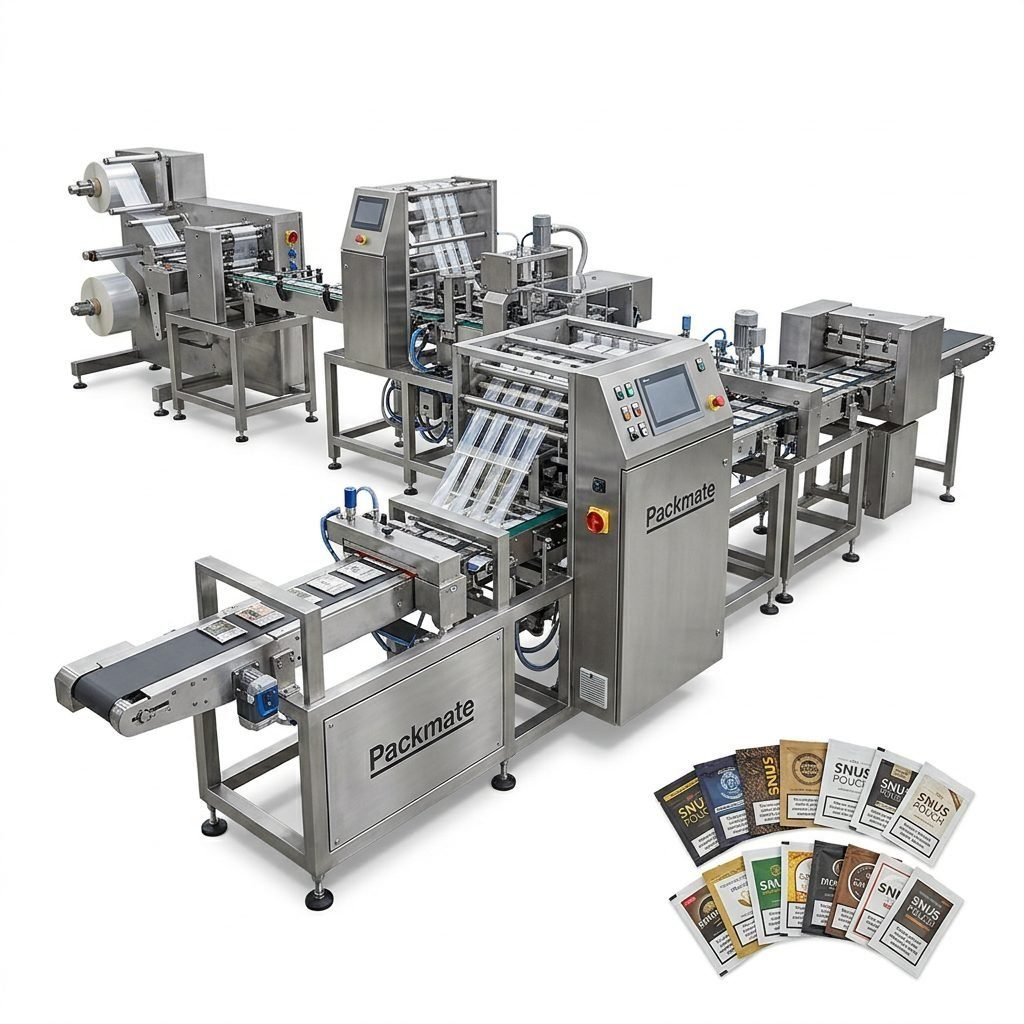
🔧 Factory strength: Suppliers with a sizable facility (for example, a 20,000㎡ plant and advanced CNC centers) can custom-engineer multi-lane snus packaging systems and maintain spare part inventories — reducing lead times and downtime.
After-sales service, spare parts, and local support
After-sales support is often the deciding factor. Confirm guaranteed response times, availability of spare parts kits, and options for remote diagnostics and training. For Georgia, aim for suppliers who can:
-
📦 Ship critical spares quickly (consider express shipping options into Tbilisi or Poti ports).
-
📞 Provide multilingual technical support or assign an account manager familiar with Georgian import/export.
-
🛠 Offer installation, on-site commissioning, and operator training — with documentation in English and, if possible, Russian or Georgian.
Remote support and digital tools
Modern packaging suppliers provide remote control interfaces, PLC snapshots, and guided troubleshooting. These capabilities shorten downtime and allow your engineering team in Georgia to fix issues with remote assistance. Ask about IoT options, software licensing, and data logging for traceability.
Quality assurance: testing, trials, and references
Never buy sight unseen. A trustworthy supplier will allow product trials, supply videos of similar lines in operation, and provide customer references or case studies across Europe and Asia. If possible, arrange a factory visit or request a live demonstration at an international exhibition — many suppliers showcase snus and nicotine lines at trade fairs.
Explore product pages and cases to compare real installations: Snus & Nicotine Packaging Machines, Case, and About Packmate.
Factory acceptance tests and FAT checklist
Your purchase contract should include a detailed FAT (Factory Acceptance Test). Key items:
-
Production speed verification under real materials
-
Dosing/weighting accuracy tests across a representative batch
-
Sealing strength and leak tests for pouches
-
Electrical safety, noise, and vibration checks
-
HMI language support and documentation completeness
Total cost of ownership (TCO) — not just the purchase price
Compare machines on long-term metrics: energy consumption, spare parts pricing, mean time between failures (MTBF), and required maintenance labor. A slightly higher upfront investment often pays off through reduced downtime and higher yields.
💡 Tip: Request a lifetime spare parts list and approximate costs. Ask your supplier about preventive maintenance contracts and on-site training packages for Georgian operators.
Customization and turnkey solutions
If you need a complete line — from pouch forming to filling to case packing — select suppliers experienced in turnkey projects. They should coordinate auxiliary equipment (weighers, conveyors, checkweighers) and deliver a single point of contact for installation and commissioning.
See an example of integrated offerings: Filling & Packaging Lines and Weighing & Packaging Systems.
Commercial terms, warranties, and negotiation points
Negotiate clear warranty terms (duration, coverage, response SLA), payment schedules (LC vs TT), and delivery terms (EXW/FCA/CIF). Build acceptance criteria into the contract and ensure language about spare parts lead times and software updates is explicit.
Common contract clauses to include
-
Detailed FAT acceptance criteria
-
Warranty response time (e.g., remote within 24 hours, on-site within X days)
-
Spare parts list and pricing guarantees for a defined period
-
Training and documentation language requirements
Logistics: shipping, customs, and local installation
For shipments into Georgia, clarify packaging for long-distance ocean freight, HS codes for customs, and whether the supplier will assist with clearance documents. Plan for machine crating, lifting requirements at site, and any local rigging or electrical work.
If you need supplier contact details to start discussions, consider reaching out: Contact Us and explore services at Service.
Local partnerships and representation in Georgia
Suppliers with local agents or authorized service partners in the region can provide faster on-site responses. If a supplier does not have a local presence, ask about the roster of certified service technicians and whether they’ll support training of in-country technicians to reduce future dependency.
Evaluating potential suppliers: a practical checklist
Use this checklist during supplier meetings and site visits.
📋 Supplier evaluation checklist:
-
Proof of previous installations for nicotine/snus packaging
-
Factory capabilities and QC process (CNC, assembly lines)
-
Spare parts inventory and lead times
-
After-sales SLA and remote support options
-
References from clients in similar regulatory environments
-
Clarity on warranty scope and exclusions
Negotiation and pilot orders
Consider a pilot order or leasing an initial machine to validate process parameters. Negotiate training days, discounted spare parts bundles, and performance milestones tied to payment stages.
Making the final decision
Balance technical fit, TCO, and the supplier’s ability to support your Georgia operations. Prioritize suppliers with documented nicotine pouch experience, solid factory capabilities, and strong after-sales presence or a clear plan to serve your site quickly.
If you want to review machine lines and technical specs before shortlisting suppliers, review Bag & Pouch Packaging Machines and Sachet & Stick Pack Machines for modern snus and nicotine applications.
Checklist summary before signing
– Confirm FAT criteria and acceptance tests.
– Validate spare parts availability and warranty SLAs.
– Confirm customs documents and local installation responsibilities.
– Ensure training and multilingual documentation are included.
– Assess supplier’s proven experience with nicotine pouch lines.
Final note on partnerships
Long-term success in Georgia comes from selecting a supplier who is not only technically competent but also responsive and willing to invest in the relationship. A partner with global turnkey experience, strong manufacturing capability, and a clear after-sales roadmap gives you the best chance of achieving steady, compliant, and profitable production.
Frequently Asked Questions
Q1: What certifications should I request from a nicotine packaging machine supplier?
A1: Ask for CE and ISO certificates, electrical safety paperwork, and factory QA documentation. For customs clearance in Georgia, ensure the supplier provides origin certificates, commercial invoices with correct HS codes, and test reports used during FAT.
Q2: How long does it take to receive spare parts in Georgia?
A2: Lead times vary by supplier and part. Critical parts are often stocked by experienced manufacturers; confirm express shipping options and whether the supplier offers a starter spare parts kit to be shipped with the machine.
Q3: Should I insist on a factory acceptance test (FAT)?
A3: Yes — an FAT with your material and acceptance criteria prevents misunderstandings and ensures the equipment meets performance and quality requirements before shipment.
Q4: Is on-site training necessary for operators in Georgia?
A4: On-site training accelerates ramp-up and reduces errors. Insist on structured training days, bilingual documentation if required, and recorded training sessions for future hires.
Q5: How can I find reputable suppliers with nicotine pouch experience?
A5: Review supplier case studies and product pages, check exhibition attendance for live demos, and request references from clients in similar markets. For more details and contact options, see the supplier’s service and contact pages.