Choosing the right nicotine packaging machinery for a production line in Chad requires more than comparing specifications on paper. You must balance local market preferences, climate and infrastructure realities, regulatory and cultural considerations, and long-term serviceability. This guide explains the practical steps Chad-based manufacturers and entrepreneurs should follow to select snus and nicotine pouch packaging equipment that fits production goals, budget, and local working conditions.
Understand the Local Market and Regulations
Before selecting machinery, map the end market in Chad: who are your consumers, what package sizes sell best, and what legal restrictions apply? In Chad, where French and Arabic are widely spoken and regional differences shape consumption, small-format, portable pouches often appeal to urban youth and working adults. Additionally, you should closely review national and regional regulations regarding nicotine products, labeling in French/Arabic, and import or production licensing. Local religious or cultural norms may affect marketing strategies in certain regions—be sensitive when choosing packaging formats and imagery.
Practical Tip
— Ensure your labeling meets local language and health warning requirements before investing in high-speed lines.
Choose the Right Machine Type for Your Output
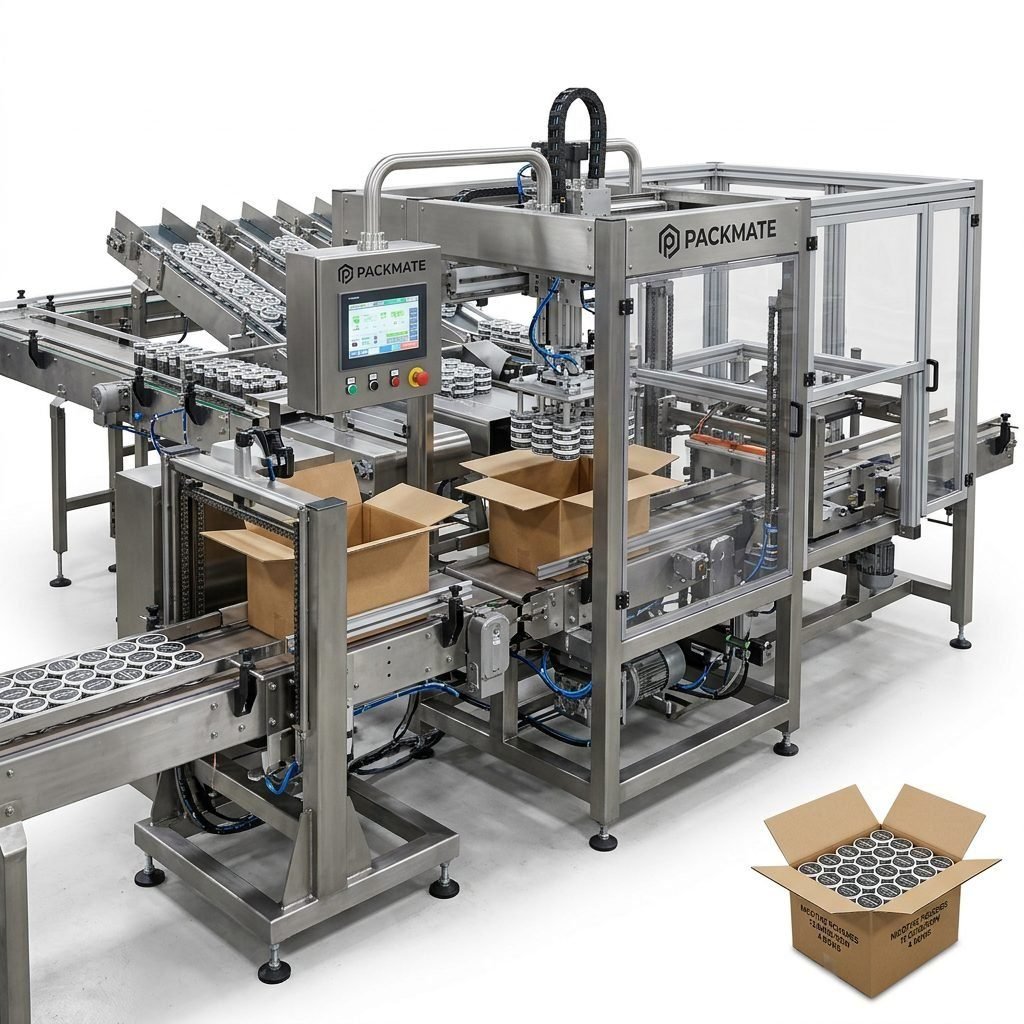
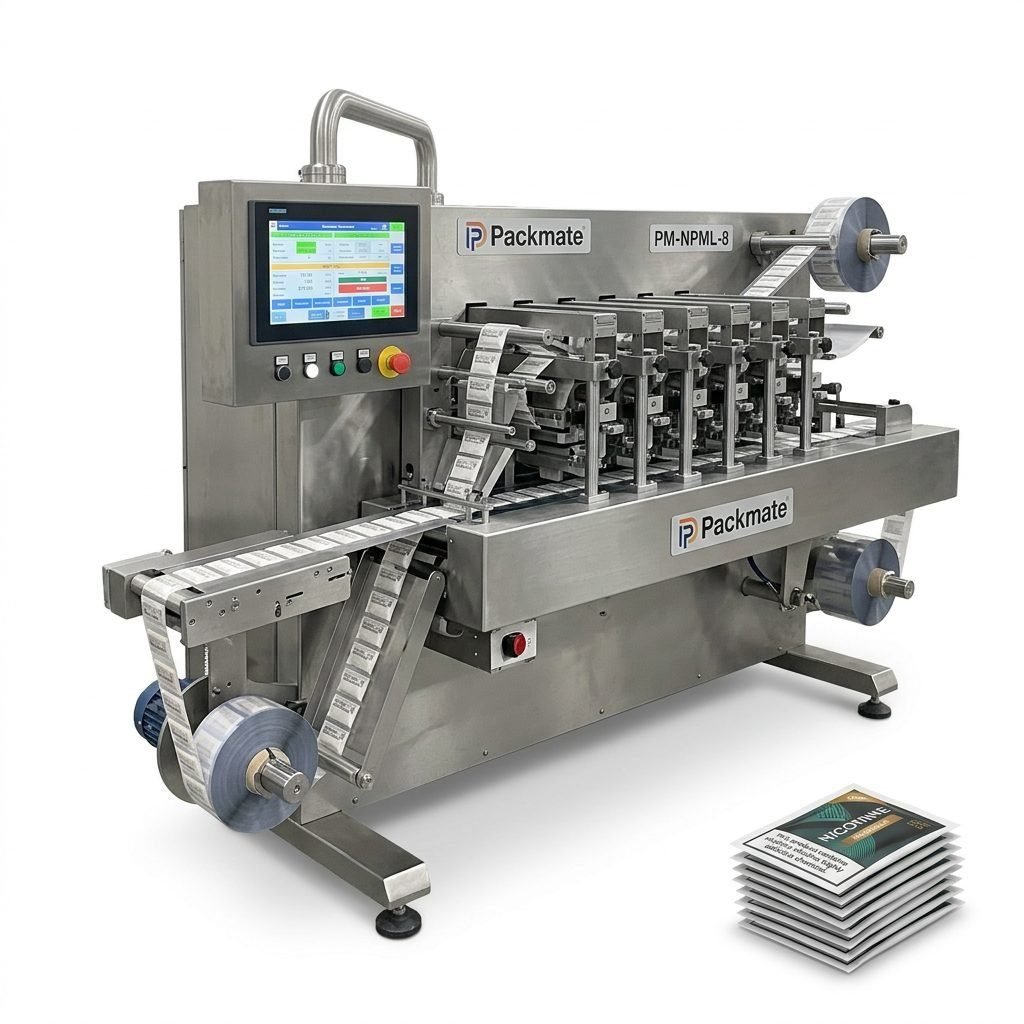
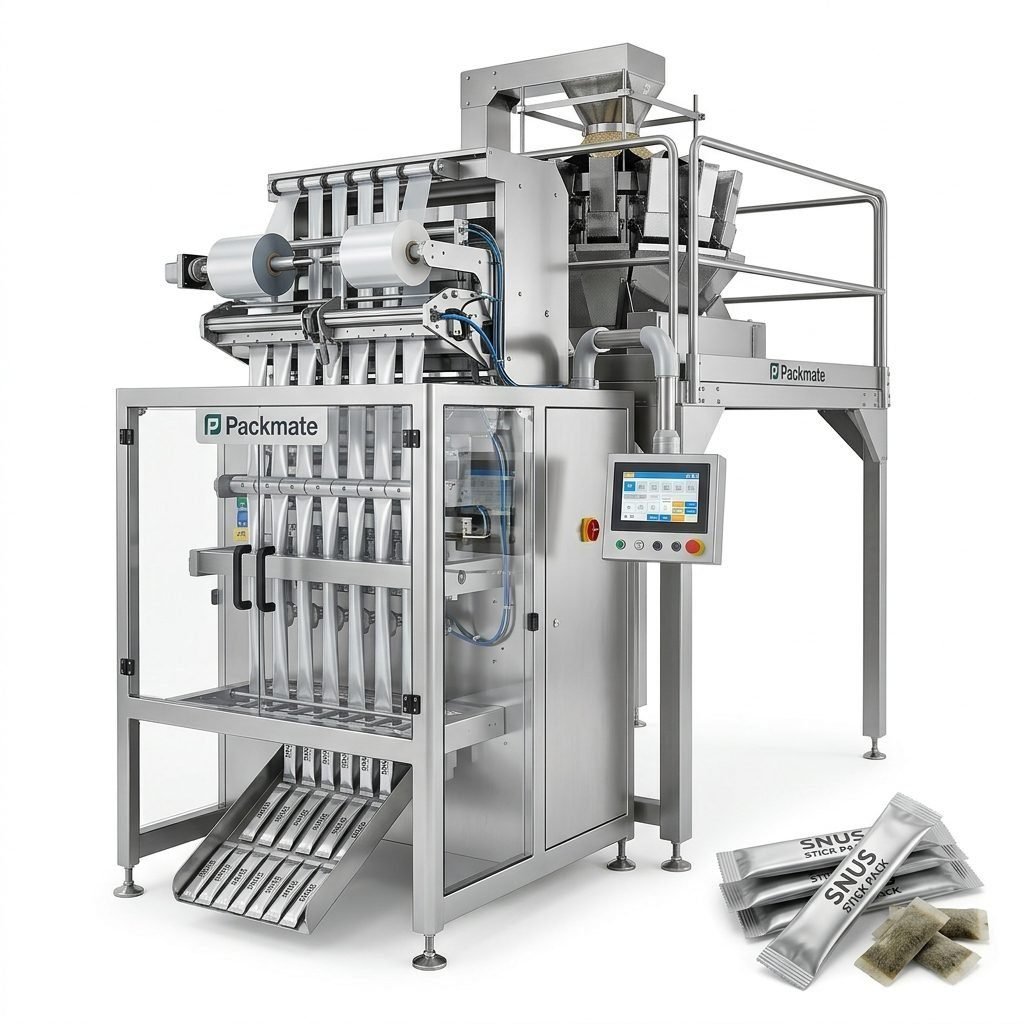
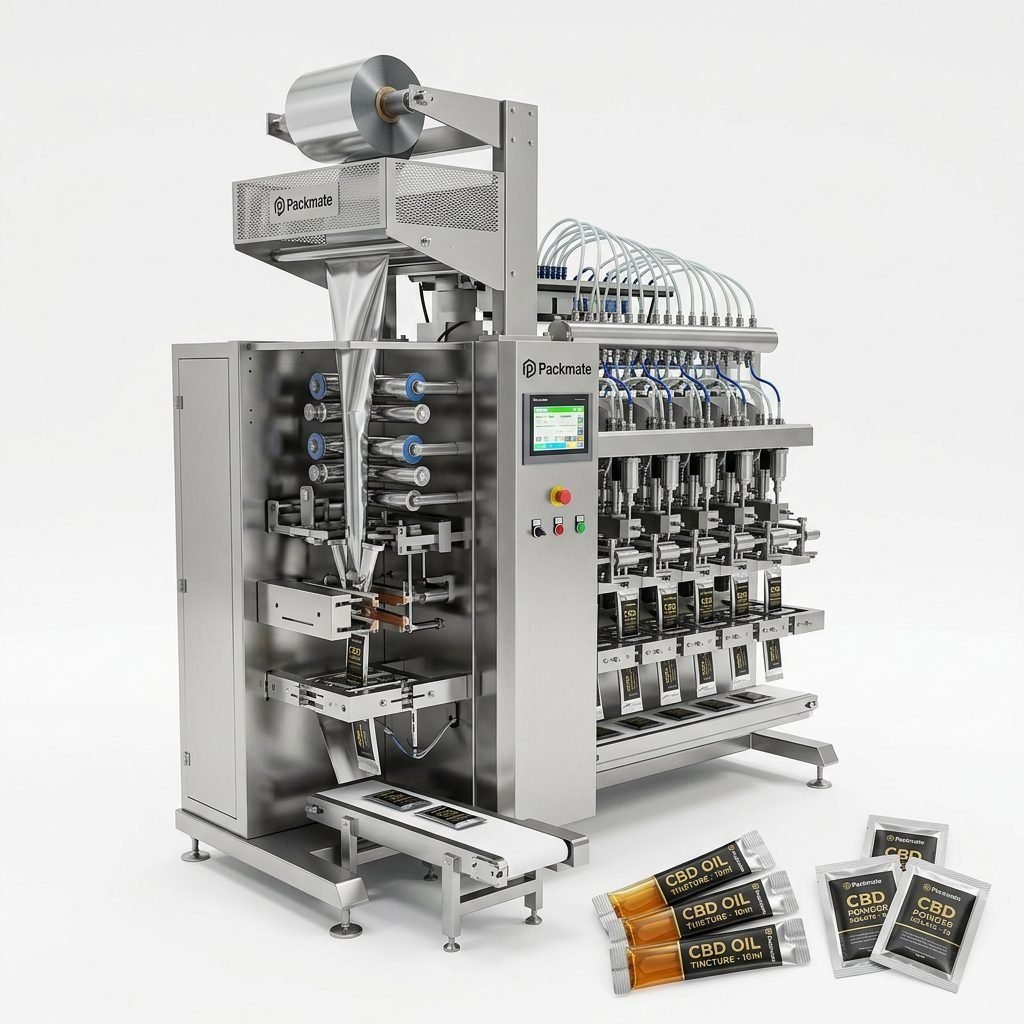
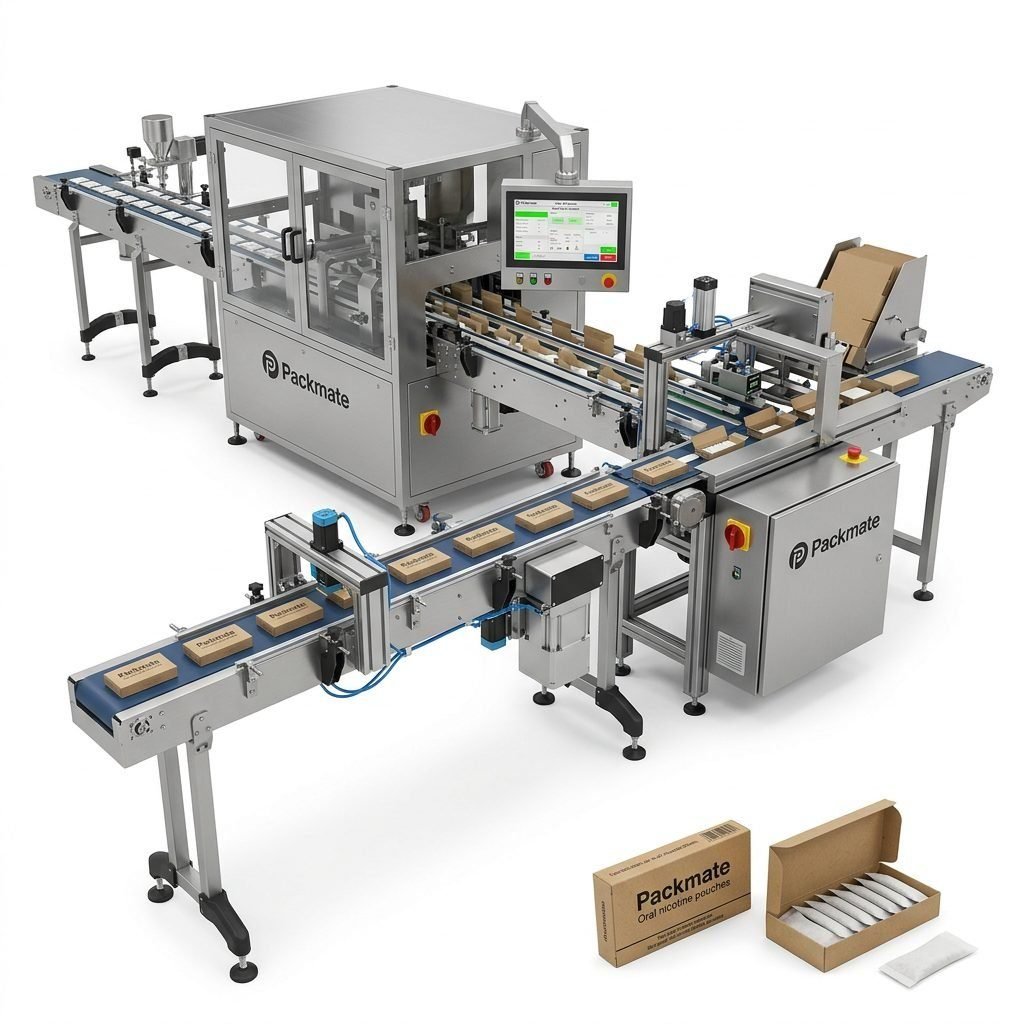
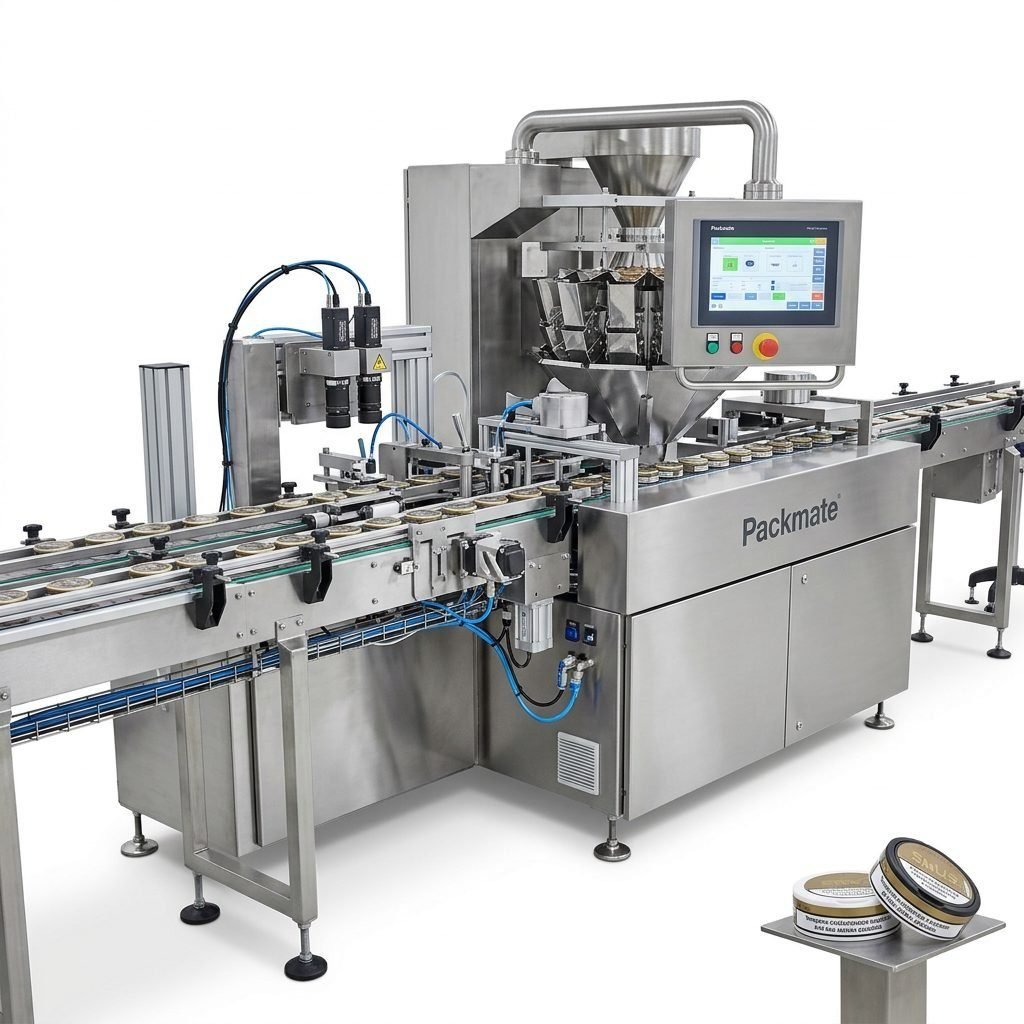
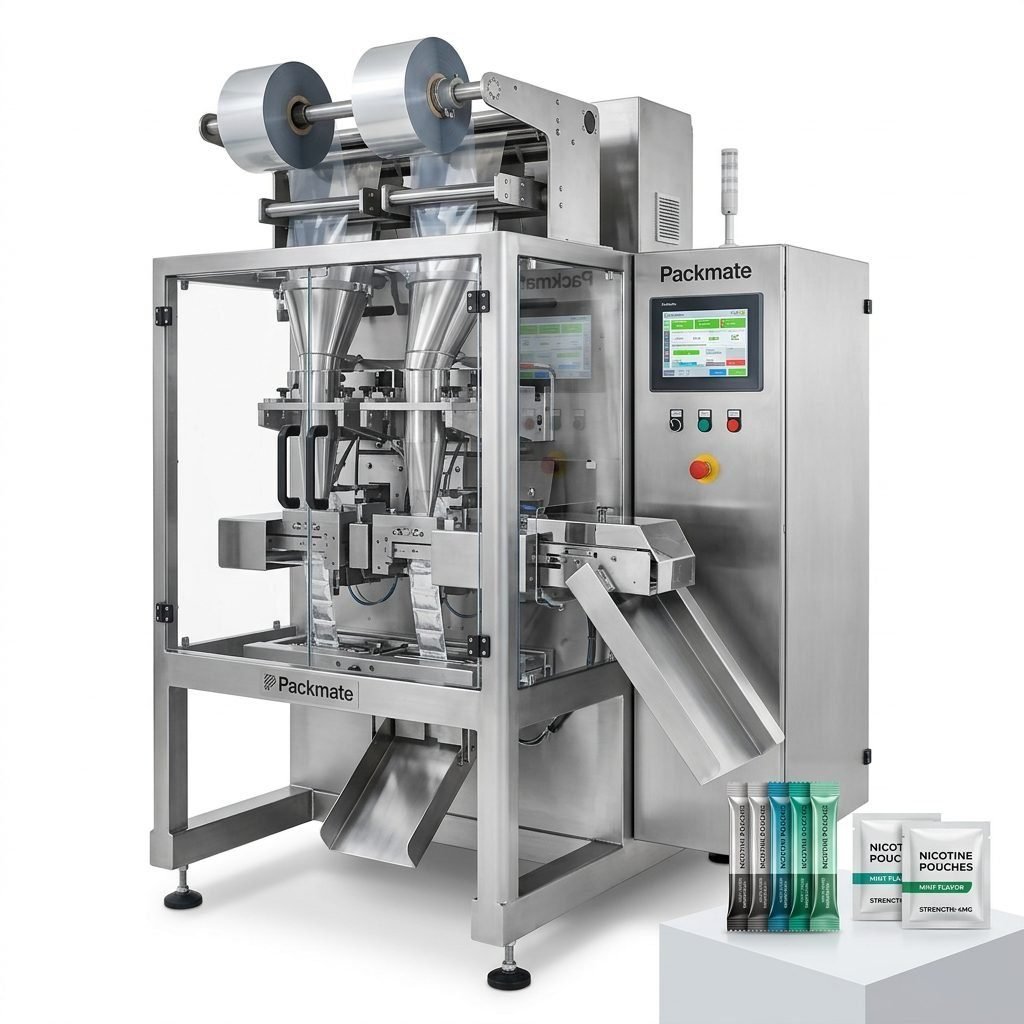
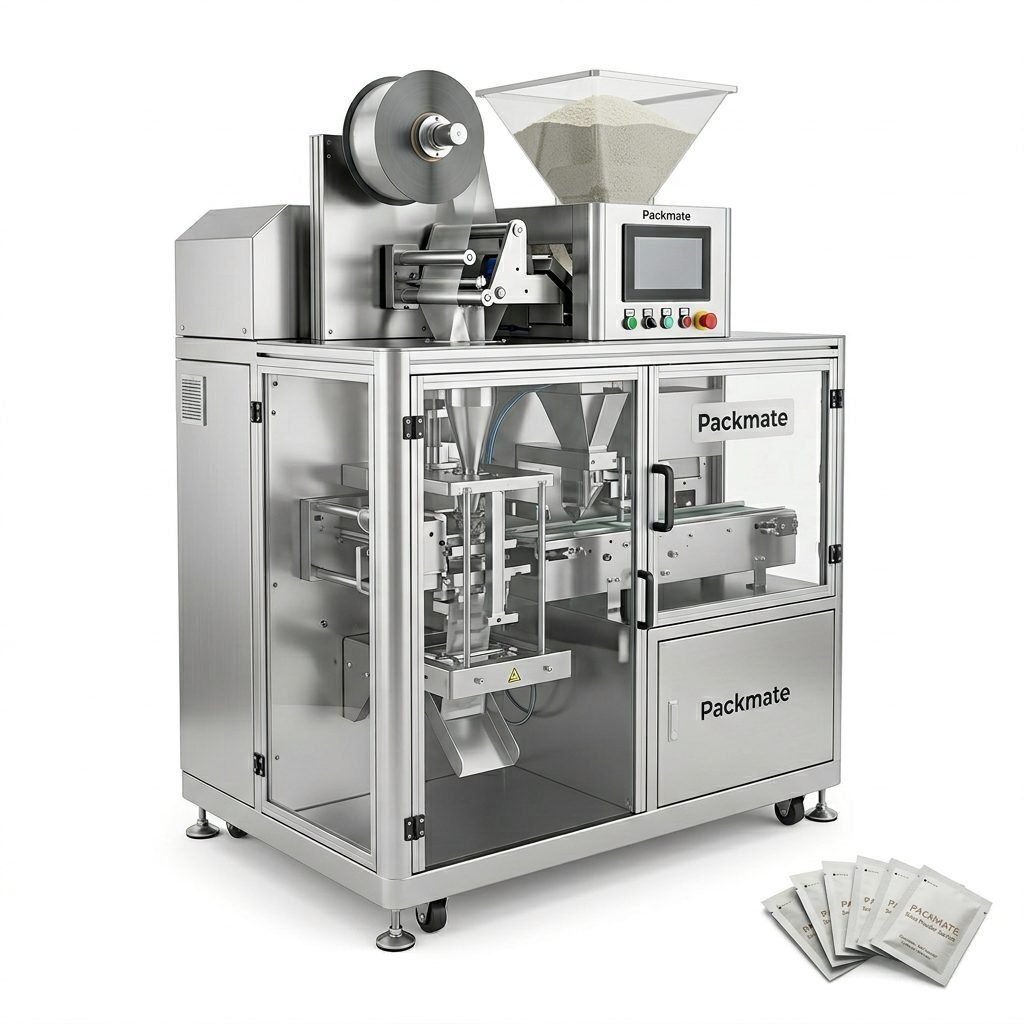
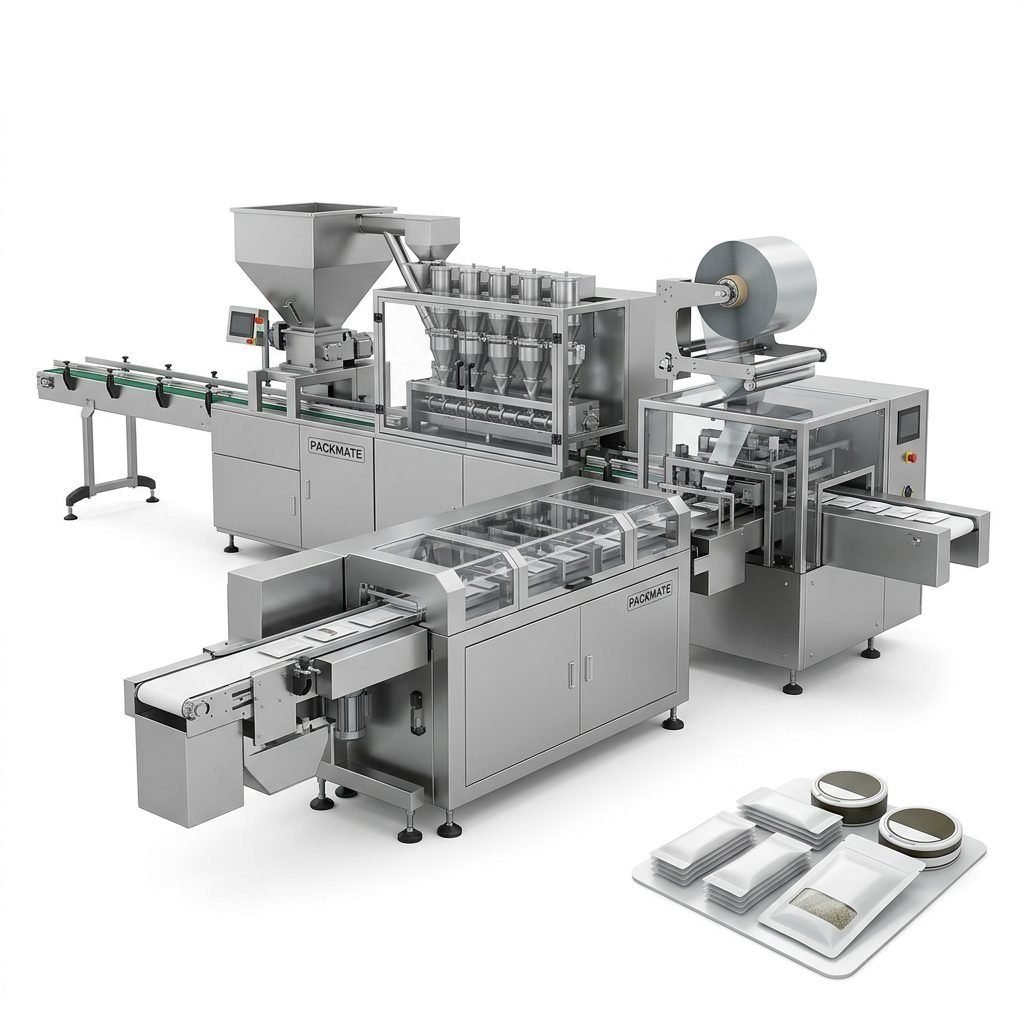
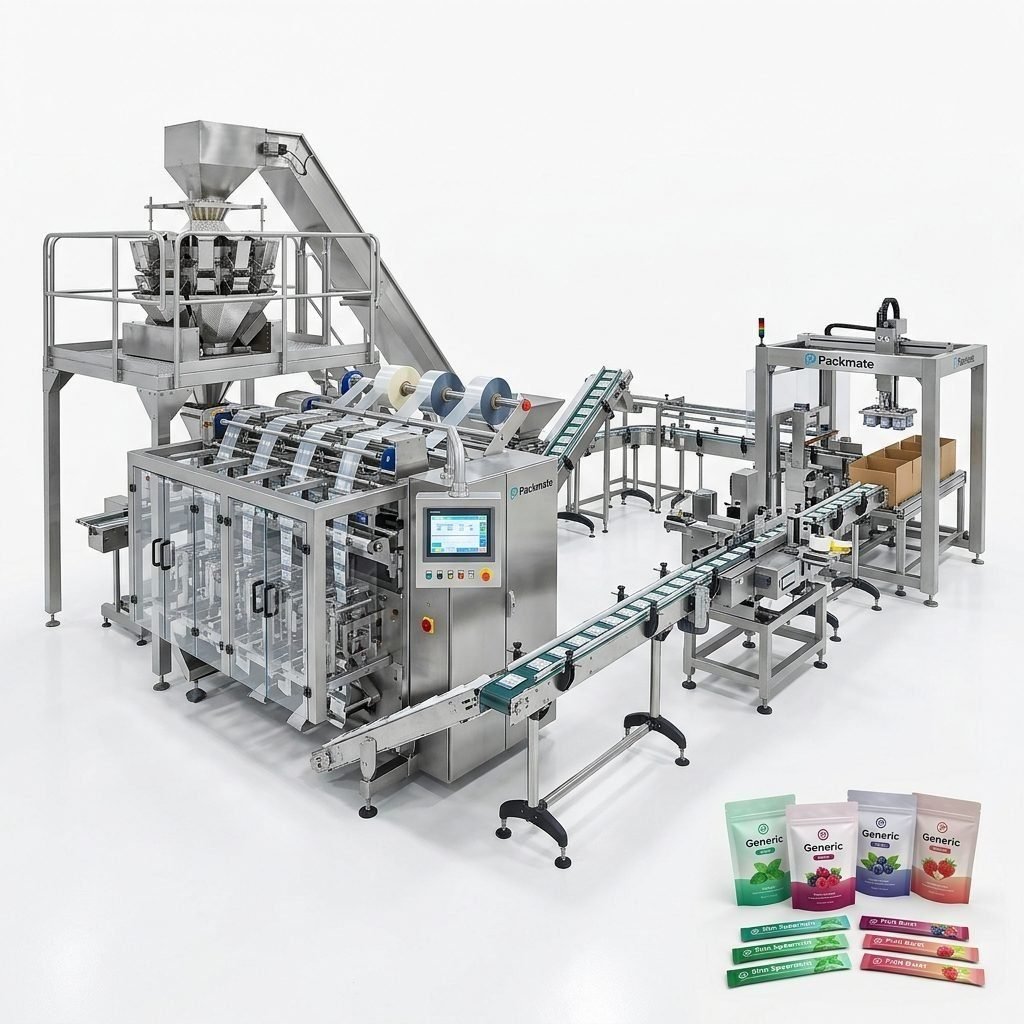
Matching production capacity with demand is essential. Options include single-lane sachet or stick pack machines for small runs, multi-lane snus pouch machines for medium-to-high output, and fully automated turnkey lines for industrial producers. For businesses in Chad aiming to scale, multi-lane systems can offer faster throughput and lower per-unit costs, while single-lane machines are ideal for startups testing the market.
Consider exploring proven equipment ranges such as Snus & Nicotine Packaging Machines or Bag & Pouch Packaging Machines that offer models suitable for different capacities and pouch styles.
Consider Climate and Infrastructure in Chad
Chad’s climate can be hot and dusty in many regions. Machines installed in such environments must be robust against dust ingress and temperature fluctuations. Additionally, unstable power grids are common—look for machines that tolerate voltage variations, support phased power solutions, or include UPS options. Ventilation and simple dust filtration can dramatically extend machine life.
— Prioritize durability, easy-to-clean designs, and electrical protection to minimize downtime in remote locations.
Packaging Materials and Format Compatibility
Choose machines compatible with locally available materials: foil laminates, barrier films, and pre-made pouches are common. If supply chains are uncertain, prefer machines that can handle a wider range of film thicknesses and materials. For Chad, lightweight, sealed pouches that protect against heat and humidity are often preferred for shelf stability and transport across long distances.
Material Flexibility
Machines with adjustable sealing temperature, variable speed control, and adaptive forming devices give you flexibility to trial different materials without costly changeovers.
Core Machine Features to Prioritize
When evaluating models, assess the following features: reliability, ease of maintenance, spare parts availability, local service capability, automation level, hygiene standards, and operator training requirements. Choose PLC controls with intuitive HMI screens, minimal mechanical complexity where possible, and modular designs for future upgrades.
Must-have features:
servo-driven precision, multi-lane capability (for scale), quick-change parts, and CE/ISO compliance for export markets.
After-sales Support, Parts & Training
Reliable after-sales support is arguably more important than upfront cost. In Chad, where long-distance logistics complicate spare part delivery, choose suppliers with global support networks, well-documented spare parts lists, and remote diagnostic capabilities. Locate vendors who provide hands-on training for local technicians, clear maintenance schedules, and digital manuals in French or Arabic if needed.
For trusted references, review supplier project portfolios and case studies such as the ones offered on the manufacturer’s Case page.
Customization and Turnkey Solutions
If you require a complete production solution—from dosing and filling to sealing and secondary packaging—consider turnkey providers. Turnkey lines reduce integration risk and accelerate time-to-market. Manufacturers with decades of experience in snus and nicotine pouch systems can advise on line balancing, automation level, and layout optimization for your facility. Learn more about supplier capabilities on their About Packmate page.
Budgeting, ROI and Scalability
Balance upfront capital against long-term operating costs. Higher initial investment in robust, multi-lane or servo-driven lines often pays off through lower labor, higher throughput, and reduced waste. Build a simple ROI model: factor in expected sales volume in Chad and neighboring markets, material costs, maintenance costs, and potential export opportunities.
- Match machine capacity to realistic demand projections
- Verify spare part lead times to Chad
- Include training and commissioning costs
Installation, Commissioning and Local Training
Ensure supplier offers onsite commissioning or remote support during startup. Given transport and travel constraints in Chad, arrange for remote training materials, bilingual manuals, and a local technician training program. A well-trained local team reduces downtime and supports continuous production.
Selecting a Trusted Supplier
Choose a supplier with a proven track record in snus and nicotine packaging lines. Manufacturers with decades of experience and extensive manufacturing capabilities will be better situated to deliver reliable, customizable solutions. You can explore suppliers that specialize in snus equipment and full packaging lines such as Snus & Nicotine Packaging Machines, Sachet & Stick Pack Machines, and allied systems.
Why supplier history matters
A supplier that has evolved over decades brings engineering maturity and tested modular designs—key for reducing integration headaches and ensuring compatibility with future upgrades.
Logistics: Shipping, Customs and Local Delivery
Plan shipment and customs clearance carefully. Heavy machinery often requires special permits and handling. Ask suppliers for CIF or DDP quotes and check local import rules. For remote regions of Chad, factor final-mile transport and installation challenges into timelines and budgets.
Sustainability and Waste Management
Many customers now require sustainable packaging and reduced waste. Evaluate machines for material-efficient formats, minimal scrap, and compatibility with recyclable laminates. This helps both compliance and brand reputation in regional markets.
Supplier resources
— Check the manufacturer’s Service, Certificate, and Our Exhibition pages to verify global presence and compliance.
Real-World Example: From Pilot to Scale
Imagine a startup in N’Djamena launching a compact nicotine pouch brand. They begin with a single-lane sachet machine to test the market, then upgrade to a multi-lane snus pouch machine when distribution expands to Chad’s main cities. Throughout, they prioritize robust parts, local training, and a supplier that provides modular upgrades. This phased approach minimizes risk while enabling growth.
Final Buying Checklist
- Confirm regulatory compliance and labeling requirements for Chad and target export markets
- Match machine capacity to short-term and 3–5 year projections
- Verify parts availability and support response times
- Assess environmental resilience (dust, heat, power variation)
- Ensure on-site commissioning and local training are included
- Request references and site visit opportunities or case examples
Where to Learn More and Next Steps
For detailed specs and tailored solutions, consult product catalogs and contact manufacturers directly. Explore full product lines such as Weighing & Packaging Systems and Filling & Packaging Lines. When you are ready to speak with a supplier, use the manufacturer’s Contact Us page to request a proposal tailored to Chad’s conditions.
Summary: Making the Right Choice in Chad
Selecting nicotine packaging machinery in Chad is a strategic decision balancing market demand, environmental realities, regulatory compliance, and long-term support. Opt for durable, serviceable machines with flexible material compatibility, plan for power and dust challenges, emphasize supplier support and spare parts, and scale thoughtfully from pilot systems to multi-lane production lines.
Frequently Asked Questions
Q1:
What machine capacity is ideal for a new brand in Chad?
A1: Start with a single- or dual-lane machine for market testing, then scale to multi-lane systems once distribution and demand are clear.
Q2:
How important is local spare parts availability?
A2: Extremely important. Long lead times can halt production for weeks. Choose suppliers offering easy-to-order parts and remote diagnostics.
Q3:
Do I need CE or ISO certifications to operate in Chad?
A3: While local rules vary, internationally recognized certifications (CE, ISO) demonstrate safety and quality and facilitate export opportunities.
Q4:
Can equipment be customized for local labeling languages?
A4: Yes. Most reputable suppliers offer HMI language options and printing/labeling modules that support French and Arabic labeling requirements.
Q5:
Where can I view supplier references and detailed product lines?
A5: Review manufacturer pages such as Catalog and FAQs for comprehensive information and case studies.