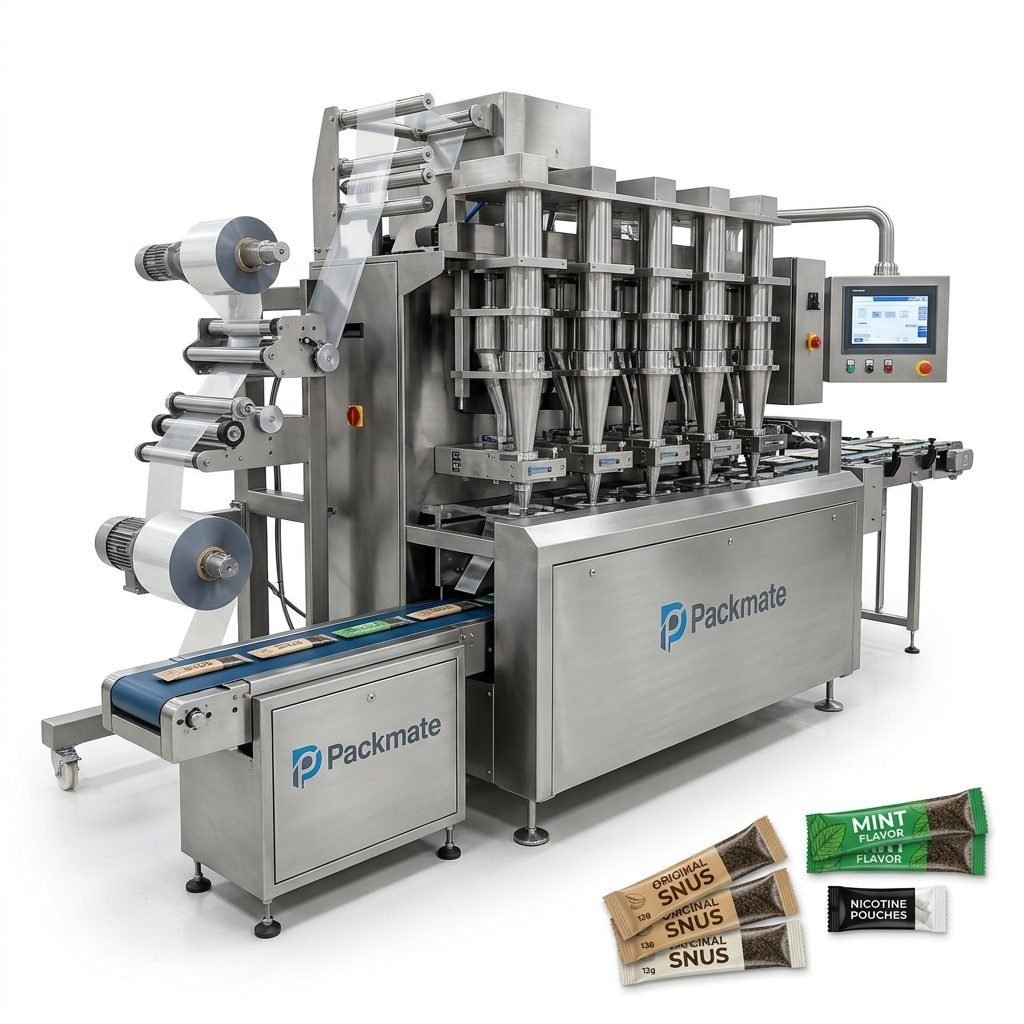
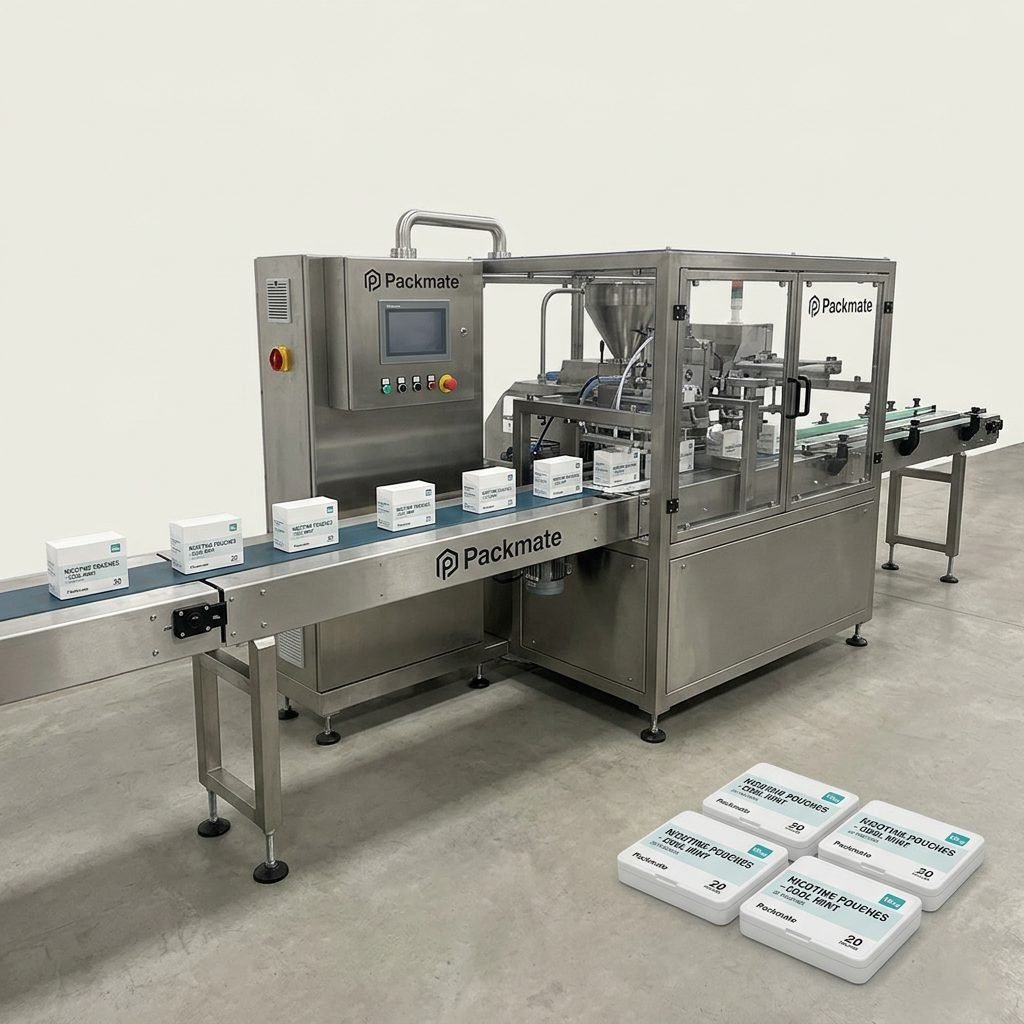
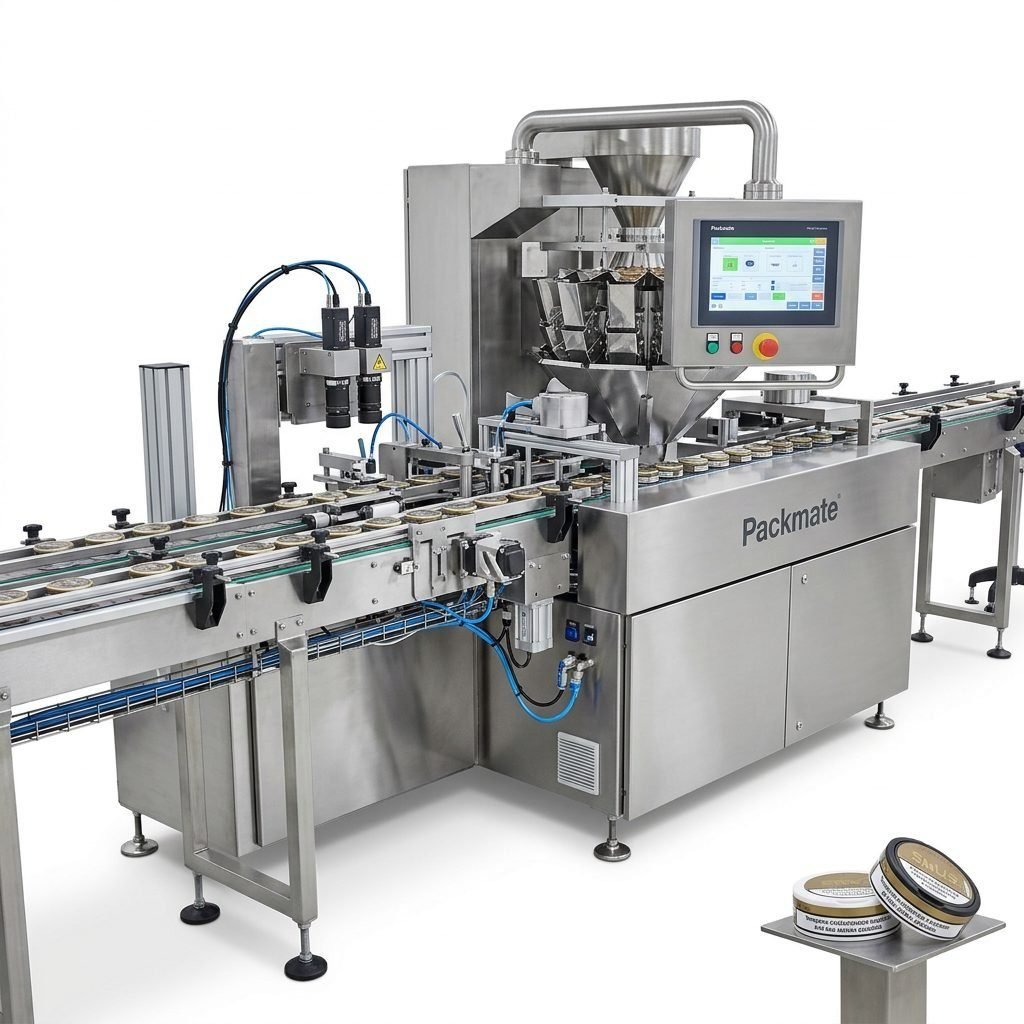
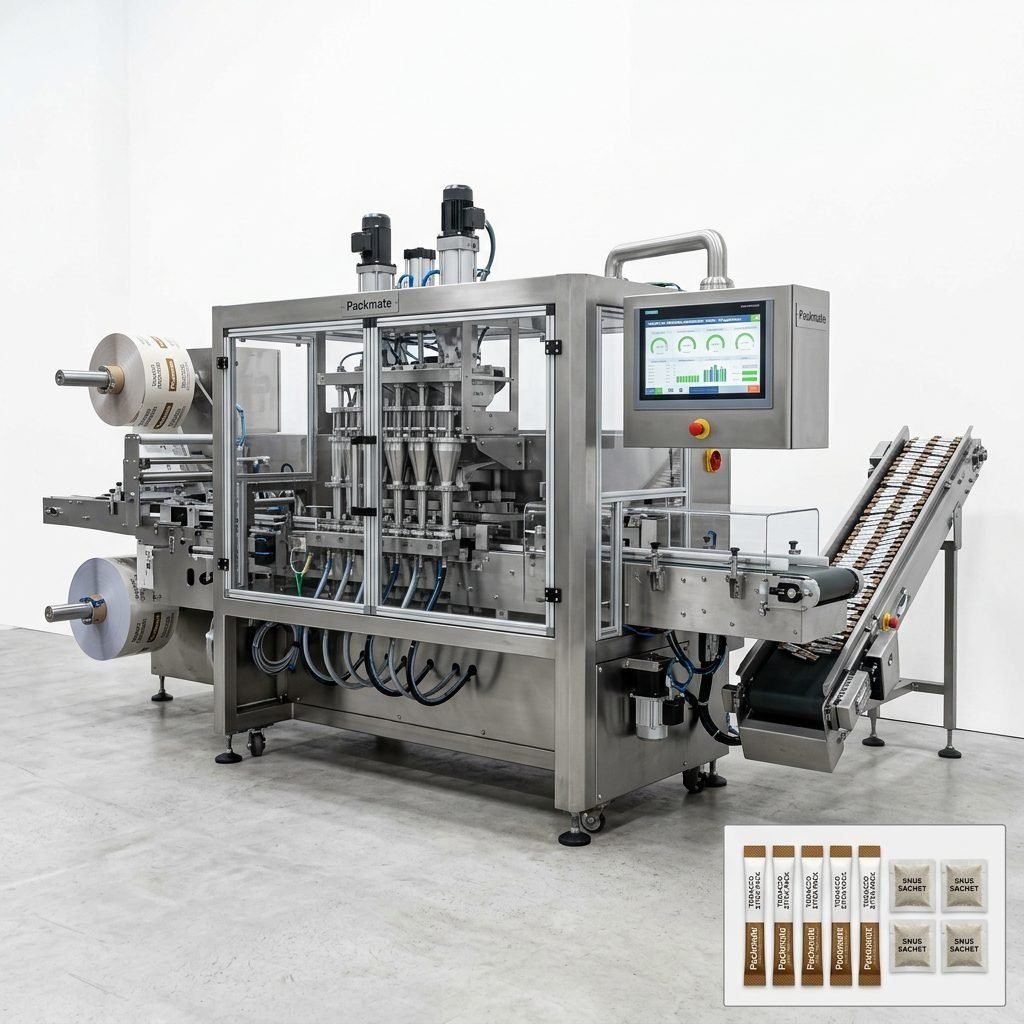
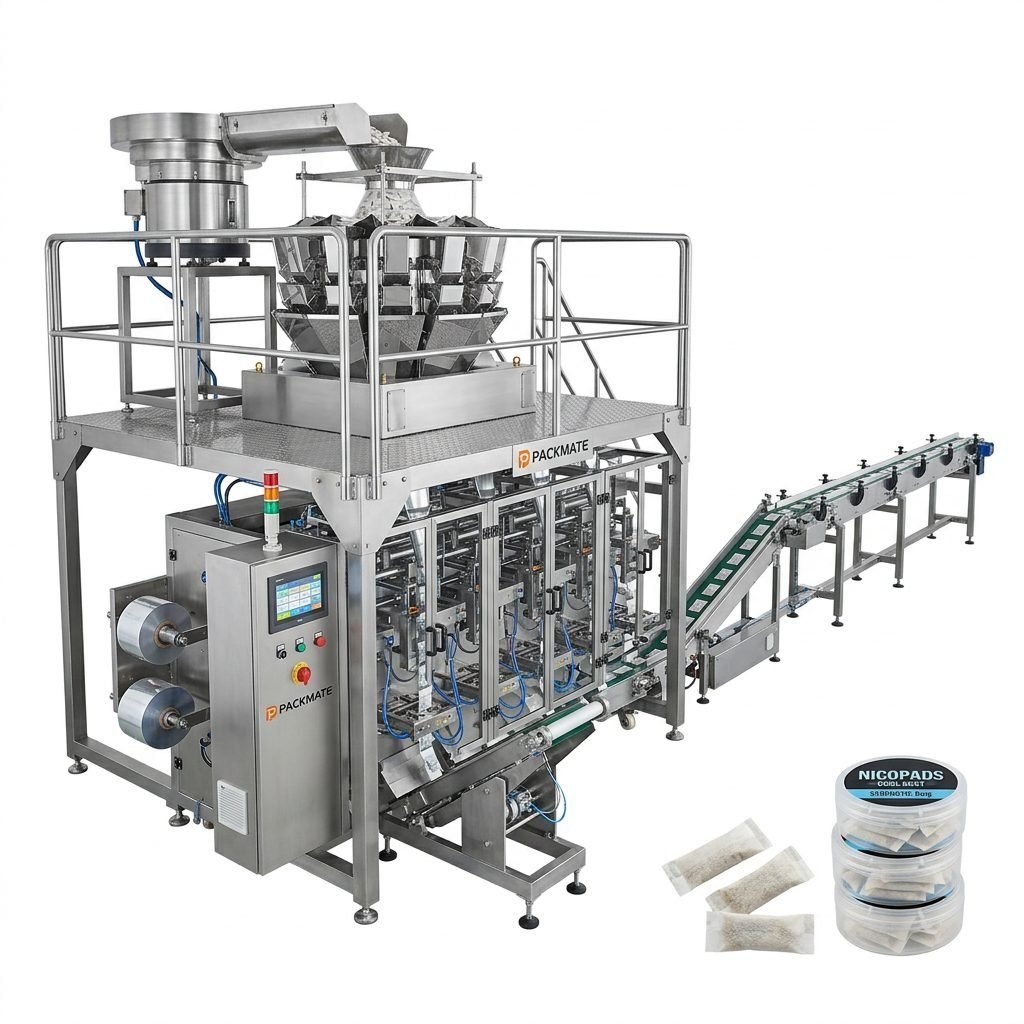
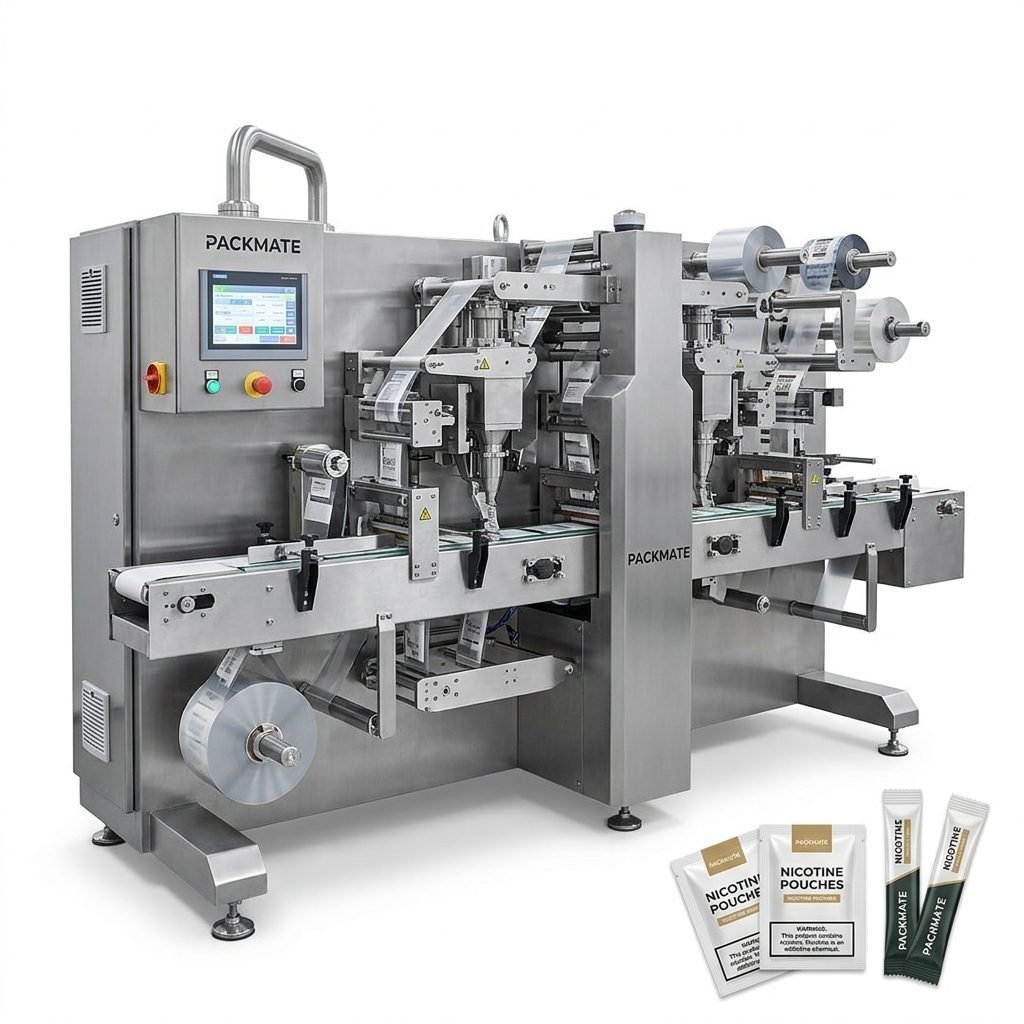
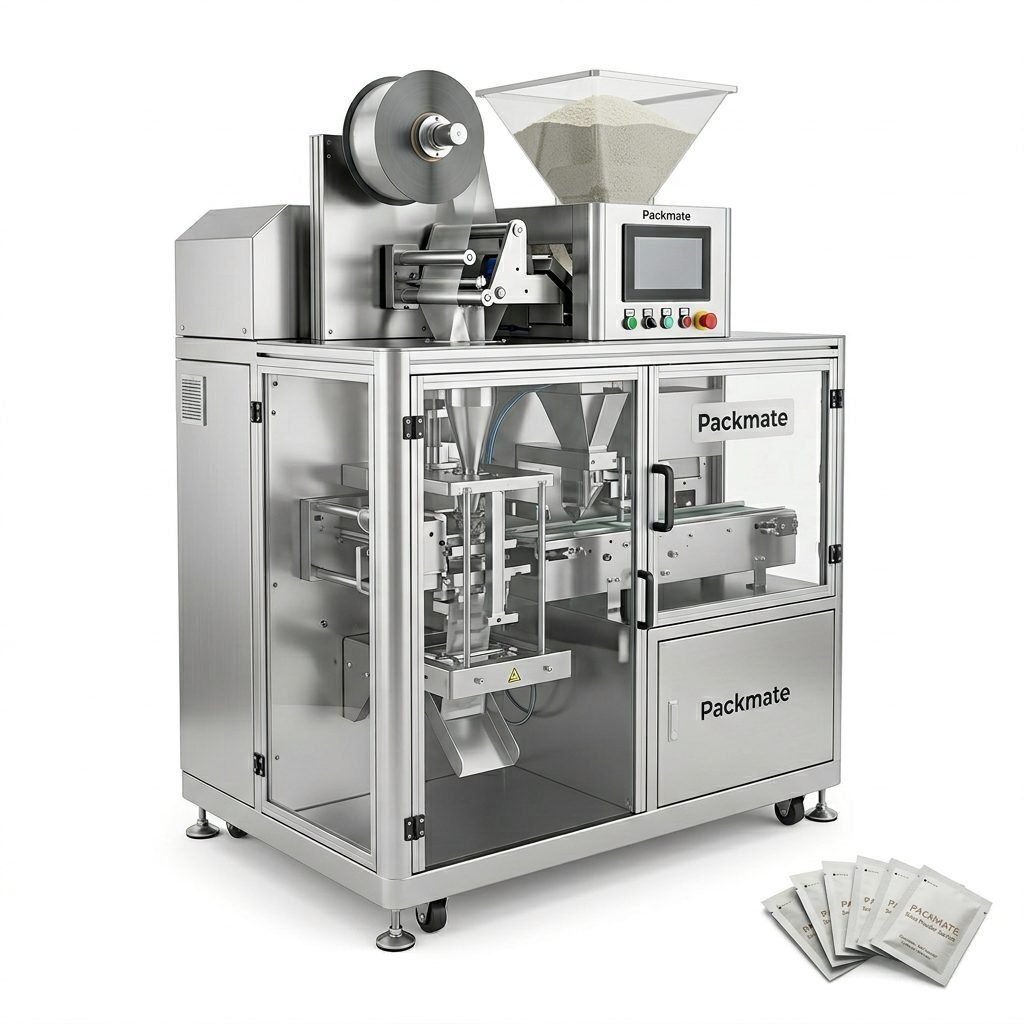
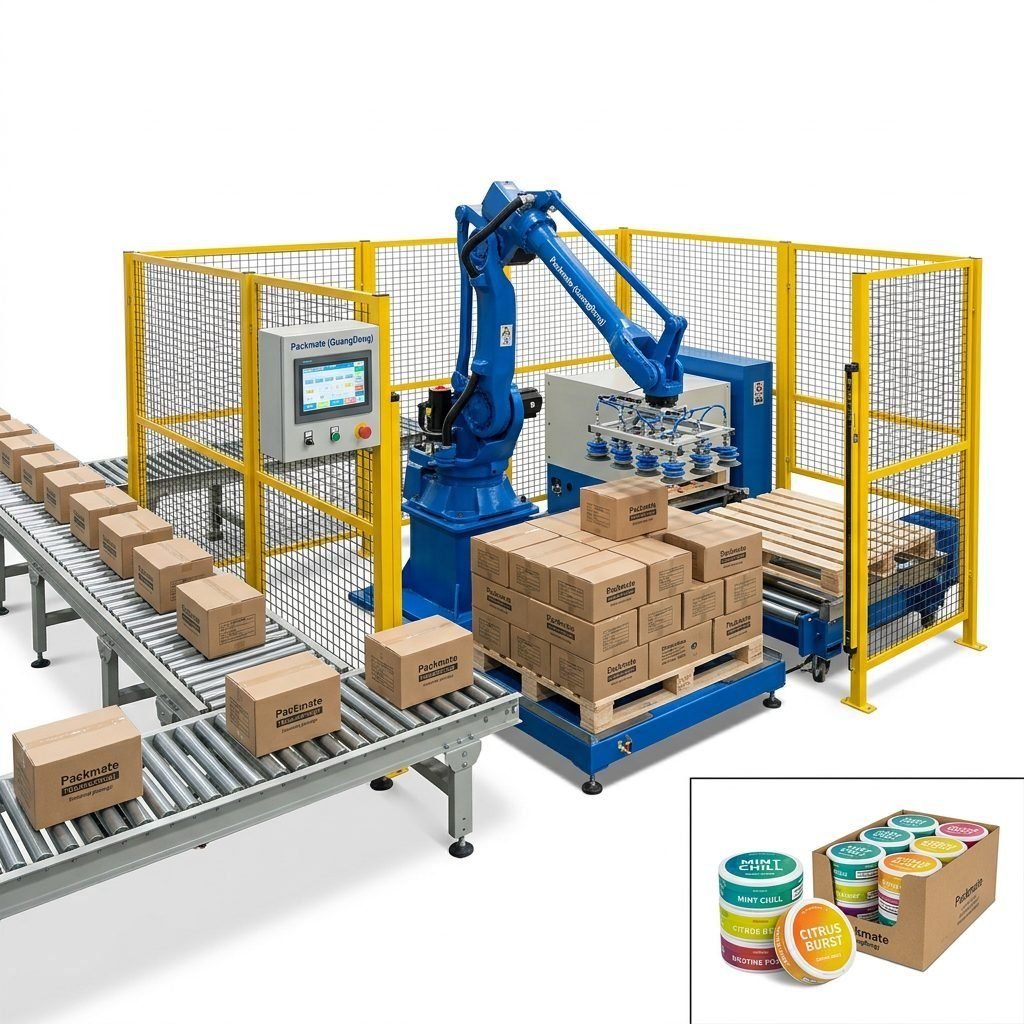
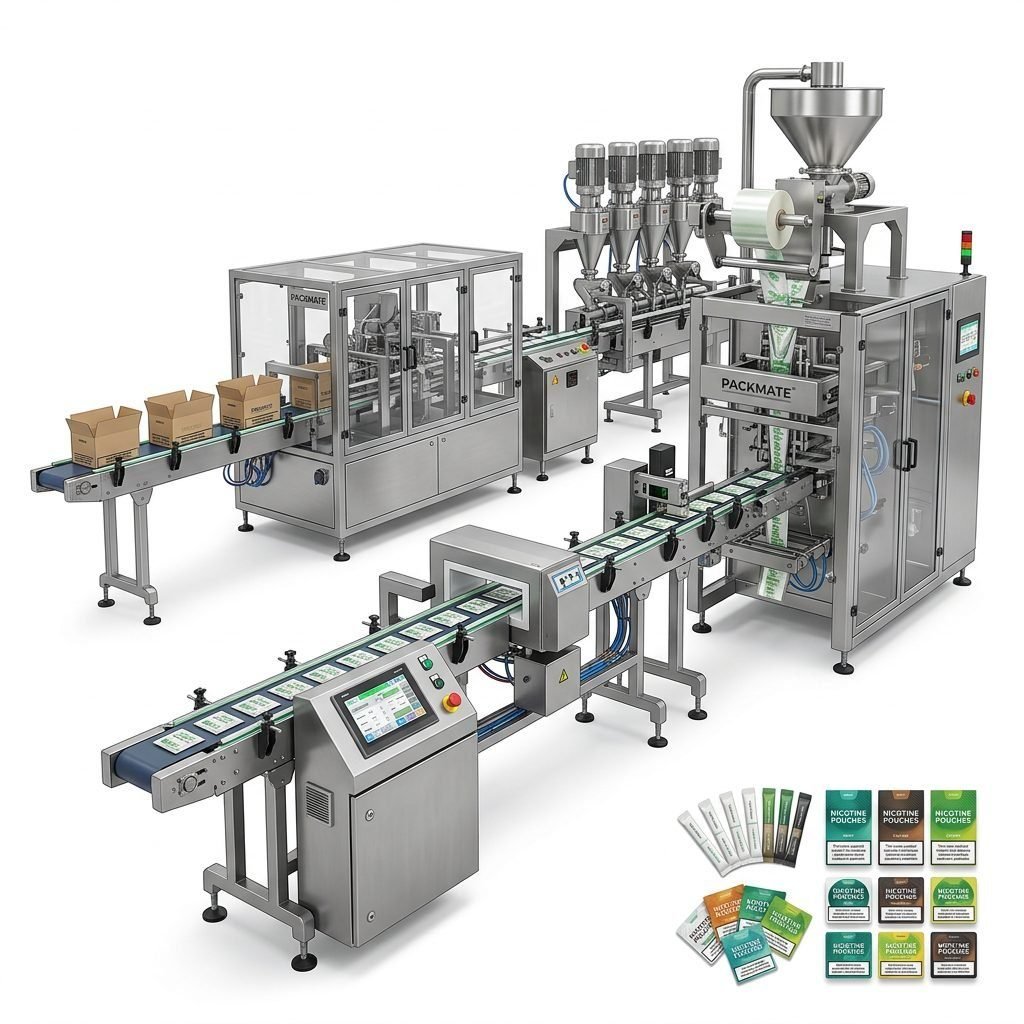
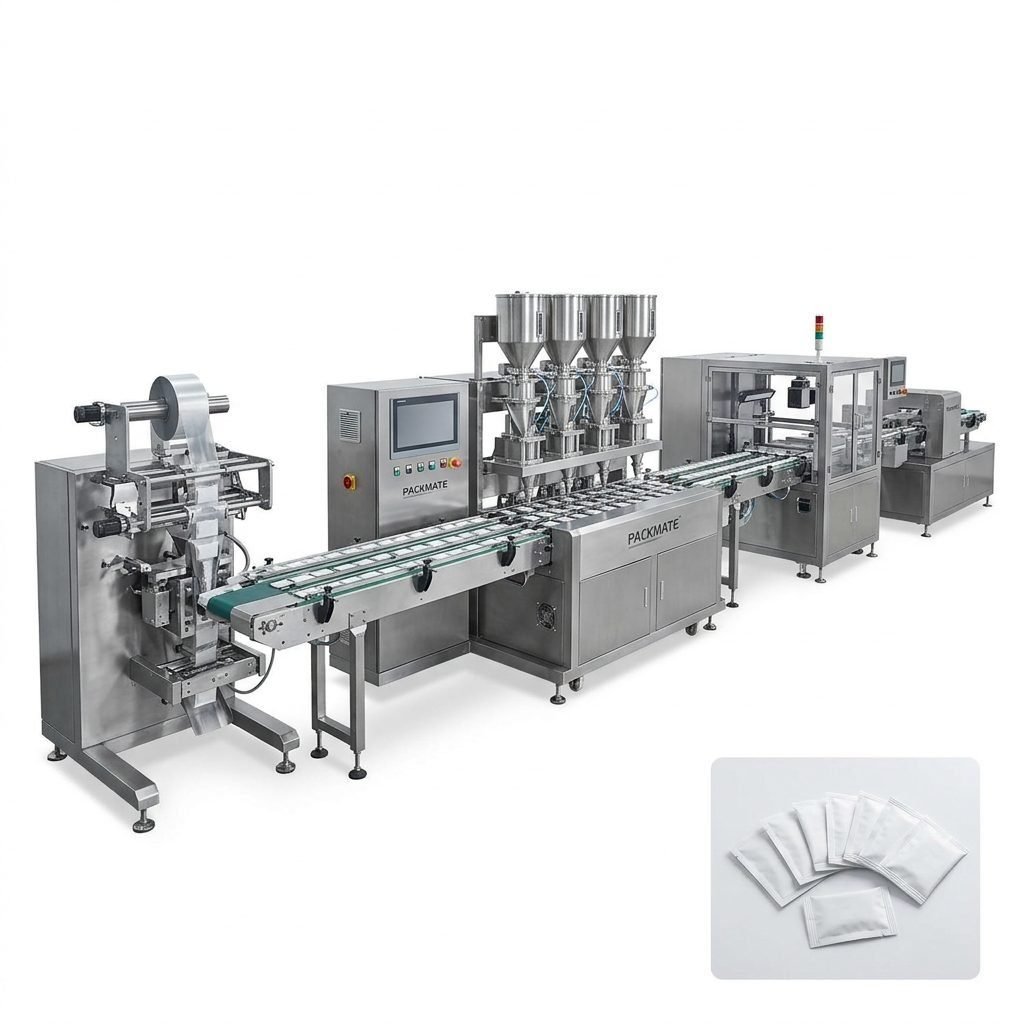
Choosing the right snus packaging machinery manufacturer for your Sri Lanka business is a strategic decision that affects production efficiency, product quality, regulatory compliance, and long‑term profitability. This guide walks you through practical criteria, local market considerations, machine features, and procurement steps so you can confidently select a supplier who meets technical expectations and respects Sri Lankan market realities.
Why the Manufacturer Matters: More Than Just a Machine
A packaging machine is a capital investment and an operational core. Choosing a manufacturer with deep domain experience ensures reliable equipment, easier integration with upstream/downstream processes, timely spare parts, and technical support when you need it. In the snus and nicotine pouch space, precision dosing, pouch sealing integrity, and multi‑lane throughput are critical — making supplier expertise indispensable.
Key manufacturer outcomes to expect
⚙️ High consistency in dosing and sealing for consumer safety and brand reputation.
📦 Scalable solutions that let you increase lanes or speeds as demand grows.
✅ Localizable service — spare parts, training, and documentation that work in Sri Lanka.
Understand the Sri Lankan Market & Cultural Context
Sri Lanka’s consumer and retail landscape is unique: a mix of urban supermarkets, small neighborhood stores, duty‑free outlets at airports, and a growing e‑commerce sector. Local tastes and regulatory attitudes toward nicotine products are shaped by health policy, taxation, and community norms. When sourcing equipment, consider:
Local compliance: check import rules, registration for nicotine products, and labeling requirements in Sri Lanka.
Cultural sensitivity: packaging design and messaging should respect conservative community norms and religious holidays (e.g., Vesak) when planning launches or promotions.
Top Technical Features to Prioritize
Look for machine capabilities that map to product types, throughput goals, and quality standards:
- Multi‑lane configurations for small‑dose nicotine pouches to maximize output in a compact footprint.
- Precise volumetric or loss‑in‑weight dosing systems for powder/paste consistency.
- Reliable sealing technologies compatible with various foil and paper pouches to prevent moisture ingress.
- Integrated checkweighers, metal detectors, and vision inspection for quality control.
- Flexible changeover and modular design to switch product formats quickly.
Relevant machine categories
If you want to explore specific machine families, reputable manufacturers commonly present these product lines:
Snus & Nicotine Packaging Machines,
Sachet & Stick Pack Machines, and
Weighing & Packaging Systems.
Checklist for Evaluating Manufacturers
When comparing suppliers, use this practical checklist. Each point helps minimize risk and clarifies long‑term costs:
Experience & specialization: prefer companies with a track record in snus/nicotine pouch equipment and multi‑lane small‑dose systems.
Factory strength: evaluate manufacturing capability (CNC centers, assembly lines) and production area — larger facilities often mean faster lead times and better QA.
Certifications: CE, ISO, and other relevant certifications indicate compliance with international standards.
Spare parts & service: ask about local stocking options, typical lead time for parts, and availability of on‑site technicians.
References & case studies: request customer references, performance data, and documented case studies.
Assessing Cost vs Value: Total Cost of Ownership
Don’t focus solely on the purchase price. The true cost includes installation, training, spare parts, downtime, consumables, energy consumption, and eventual upgrades. A lower‑priced machine with poor support can cost far more over five years than a well‑supported higher‑quality unit.
Ask for a TCO breakdown
Request from suppliers: estimated annual spare parts cost, mean time between failures (MTBF), warranty coverage scope, and recommended maintenance schedule. Suppliers who provide transparent TCO models demonstrate maturity and confidence.
Factory Visits, FAT & Sample Runs
Factory inspection and a Factory Acceptance Test (FAT) are essential. Observing machines running your actual product is the best way to validate performance claims.
Must‑see during a visit:
- Live production with materials similar to yours.
- Assembly processes and QA tests (e.g., leak test, seal strength testing).
- Spare parts storage and service workshop.
After‑Sales Support & Local Service in Sri Lanka
Prioritize manufacturers who can provide robust after‑sales programs: remote troubleshooting, local partners or authorized service agents, and training for your maintenance team. Shorter response time for critical breakdowns reduces lost production and protects margins.
What good support looks like
• Remote diagnostics and PLC/parameter support;
• Training packages for operators & maintenance;
• Clear spare parts catalogues with part numbers and shipment options.
Logistics, Import & Local Setup
Coordinate with your supplier on crating standards, transport insurance, customs documentation, and pre‑shipment inspections. Ask the manufacturer to provide detailed packing lists, machine drawings for clearance, and assistance with local installation. For Sri Lanka, plan for port handling and inland transport times, and be aware of any special permits required for nicotine equipment imports.
Supplier Red Flags to Avoid
Watch out for common warning signs:
⚠️ No FAT or refusal to demonstrate with a real sample run.
⚠️ Unclear warranty terms or no documented spare parts list.
⚠️ Lack of references or reluctance to provide contactable clients.
Practical Procurement Steps
Follow a structured procurement process to reduce risk:
- Define product formats, throughput targets, and budget.
- Issue an RFQ with detailed technical specs and request FAT conditions.
- Visit factory or request a live video FAT with samples.
- Negotiate payment terms, lead time, and warranty clauses.
- Arrange shipping, customs clearance, and on‑site installation planning.
How Packmate‑style Capabilities Benefit Sri Lankan Buyers
Established suppliers with 20,000㎡ factories, advanced CNC machining, and decades of R&D bring predictable quality and customization. Companies like these often provide turnkey lines, from filling and multi‑lane pouch forming to end‑of‑line packaging and QA systems. If you want to view real examples or technical portfolios, check suppliers’ product pages and case studies such as Case and learn more About Packmate.
Integration with Your Production: Avoiding Bottlenecks
Consider how the snus packing machine will work with upstream filling and downstream secondary packaging. Integration points to verify:
- Material flow and hopper capacity for continuous operation.
- Conveyor compatibility and buffering to match downstream carton packers.
- Automation level vs. available skilled operators in your facility.
Final Selection Tips
After technical evaluation and factory checks, give weight to:
1. Real performance data (samples tested at speed),
2. Clear after‑sales plan (service SLAs and spare stocking), and
3. Cultural & regulatory support (supplier familiar with Sri Lanka market realities and documentation).
Useful resources
For further technical references explore detailed product families such as Snus & Nicotine Packaging Machines and broader lines including Filling & Packaging Lines. Manufacturer service and certification information can be reviewed at their Service and Certificate pages.
Quick Buyer’s Decision Matrix (Summary)
Performance: validated by FAT/sample runs
Support: local or regional service network
Compliance: documentation and certifications for Sri Lanka import/market
Value: transparent TCO and spare parts policy
Conclusion
Selecting the best snus packaging machinery manufacturer for your Sri Lanka operation requires balancing technical fit, local compliance, and dependable support. Prioritize vendors who demonstrate real performance with your product, provide clear after‑sales plans, and understand local import and cultural considerations. With the right partner, you’ll achieve consistent product quality, scalable throughput, and a smoother market entry in Sri Lanka.
Frequently Asked Questions
Q1: How important is CE/ISO certification when buying snus packaging equipment?
A1: Certifications like CE and ISO demonstrate adherence to international safety and quality standards. They are important for product reliability and may simplify regulatory review during import.
Q2: Can a manufacturer support installation and training in Sri Lanka?
A2: Many reputable manufacturers provide installation, commissioning, and operator training remotely or onsite. Confirm whether they have local partners or accept travel to Sri Lanka for hands‑on training.
Q3: What lead time should I expect for a custom snus multi‑lane line?
A3: Lead times vary by customization level and factory backlog. Typical ranges can be 8–20 weeks; confirm with the supplier and allow additional time for FAT, shipping, and local installation.
Q4: Are spare parts readily available for overseas customers?
A4: Good manufacturers maintain spare part catalogs and can ship internationally. Ask about recommended spare inventories and whether local stocking or expedited shipping options exist for Sri Lanka.
Q5: How do I verify a supplier’s claims about throughput and product quality?
A5: Require a FAT with your specific product and materials, check references, and request detailed test reports for dosing accuracy, seal strength, and rejection rates at target speeds.