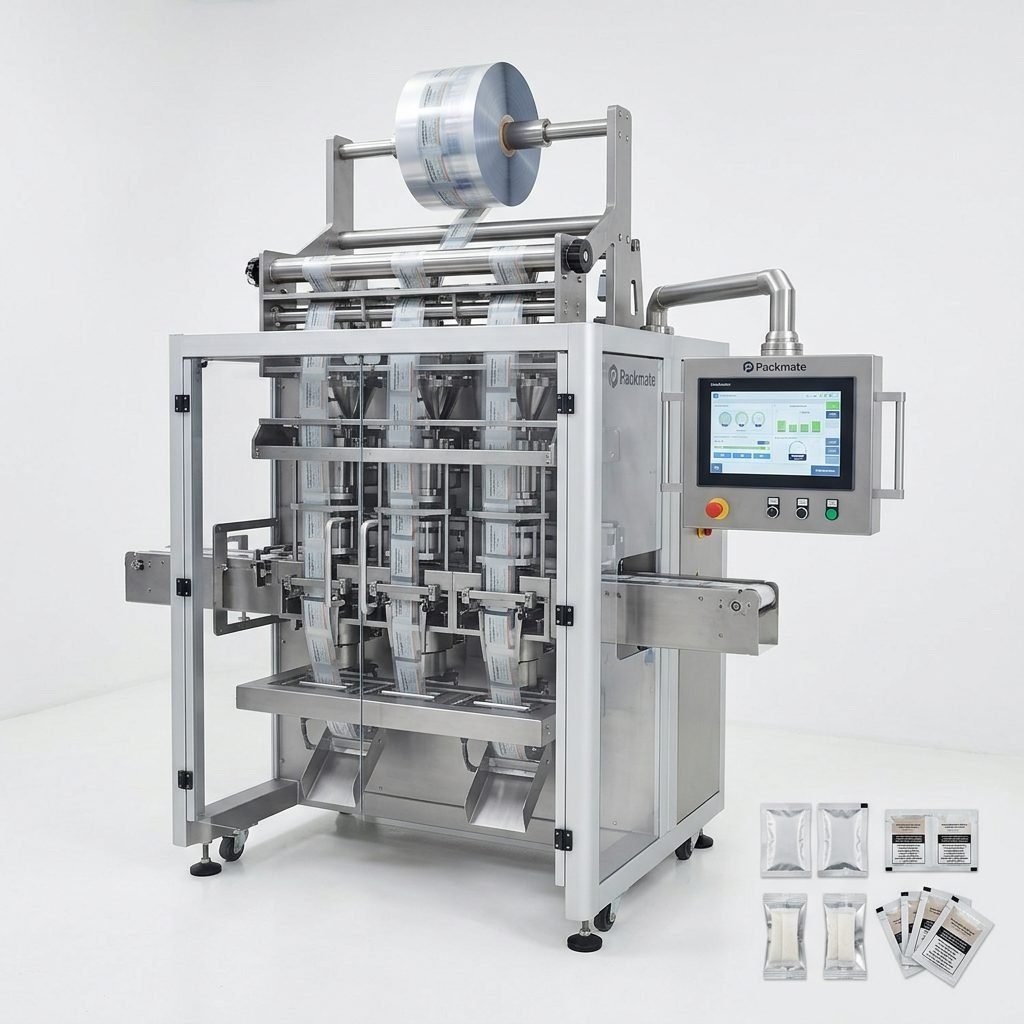
Choosing the right snus packaging machine manufacturer is a strategic decision for any company entering or expanding in the Swiss snus and nicotine pouch market. Switzerland’s discerning consumers, multilingual labeling needs, and strict expectations for product quality and traceability mean that your machine supplier must do more than simply deliver equipment — they must be a reliable technical partner. This guide explains the practical, regulatory, and commercial factors to consider when selecting a manufacturer in or for Switzerland.
Understand the Swiss market and local habits
Switzerland is unique in its cultural and regulatory landscape. Buyers expect precision, cleanliness, and clear multilingual packaging (German, French, Italian). Consumers often prefer premium presentation and trustworthy supply chains. For snus and nicotine pouches, that means packaging lines should deliver consistent portioning, tamper-evident seals, and precise printing for language variations and regulatory statements.
When evaluating manufacturers, consider whether they can support:
🔧 Multilingual printing options for product and legal text (DE / FR / IT and English).
🧼 Hygienic design to meet high sanitation expectations.
♻️ Sustainability in materials and energy efficiency as Swiss buyers value environmental responsibility.
Regulatory awareness: local compliance matters
Switzerland is not part of the EU but has its own tobacco and nicotine laws. A reputable manufacturer will be familiar with European and Swiss packaging regulations, including labeling, child-resistant closures if required, and traceability. Ask suppliers about prior projects delivered to European and Swiss clients and request documentation proving compliance experience.
Key technical capabilities to evaluate
Not all packaging machines are equal. For snus and nicotine pouches, prioritize the following capabilities when comparing manufacturers:
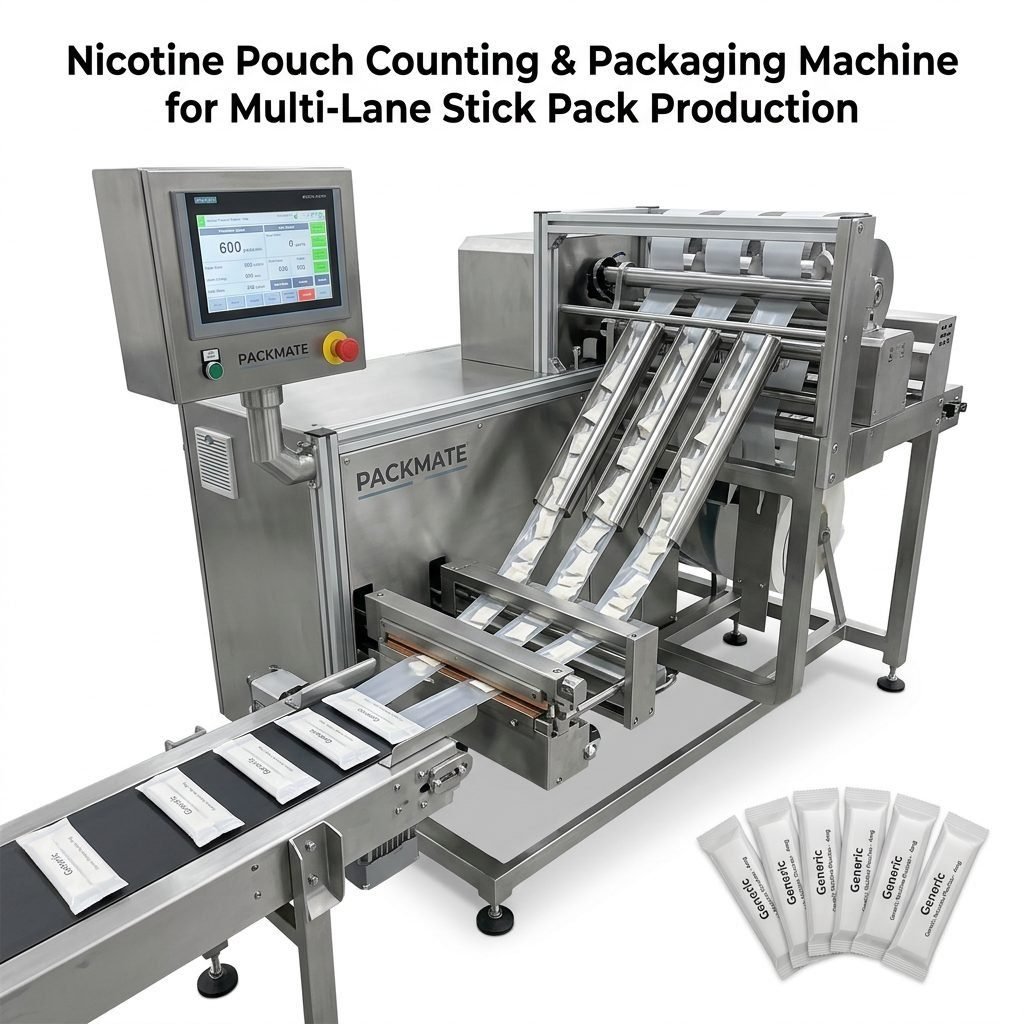
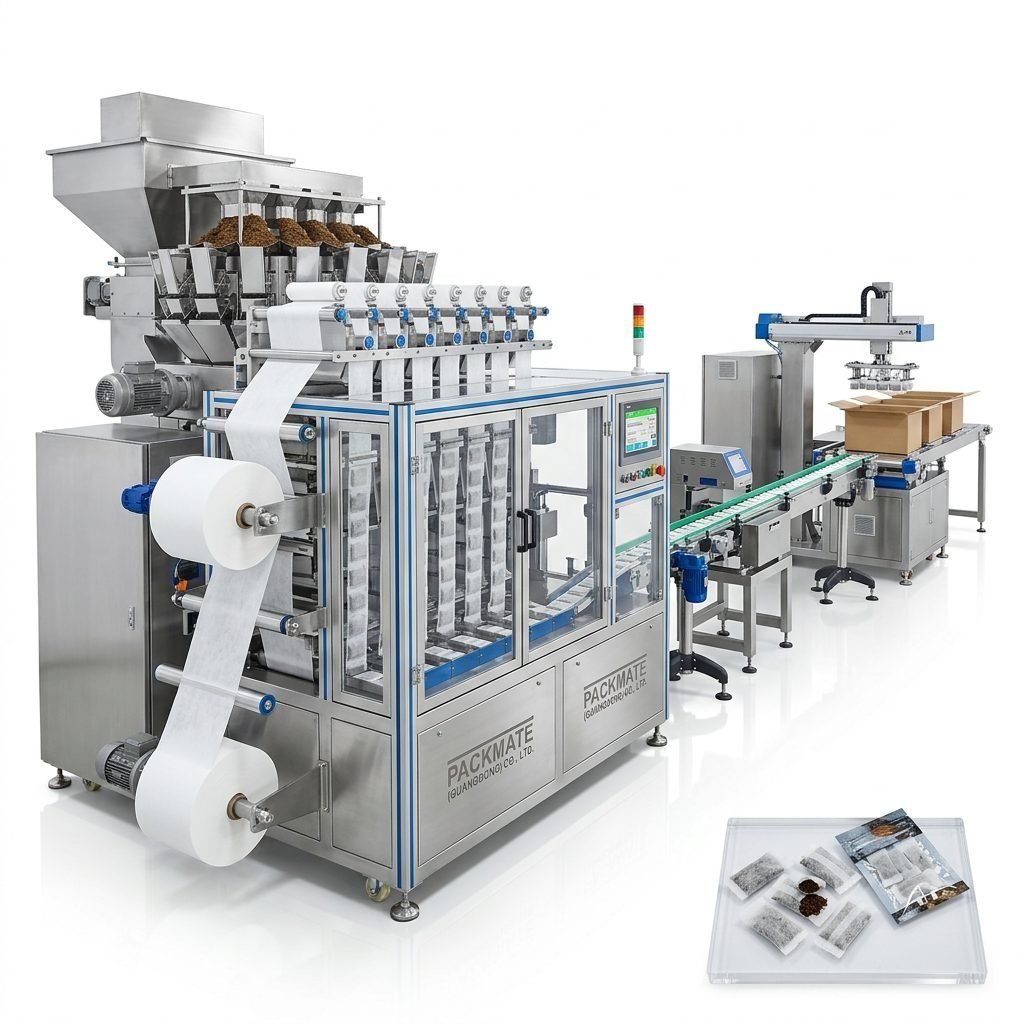
- Multi-lane pouch handling and high-precision dosing for small-dose products.
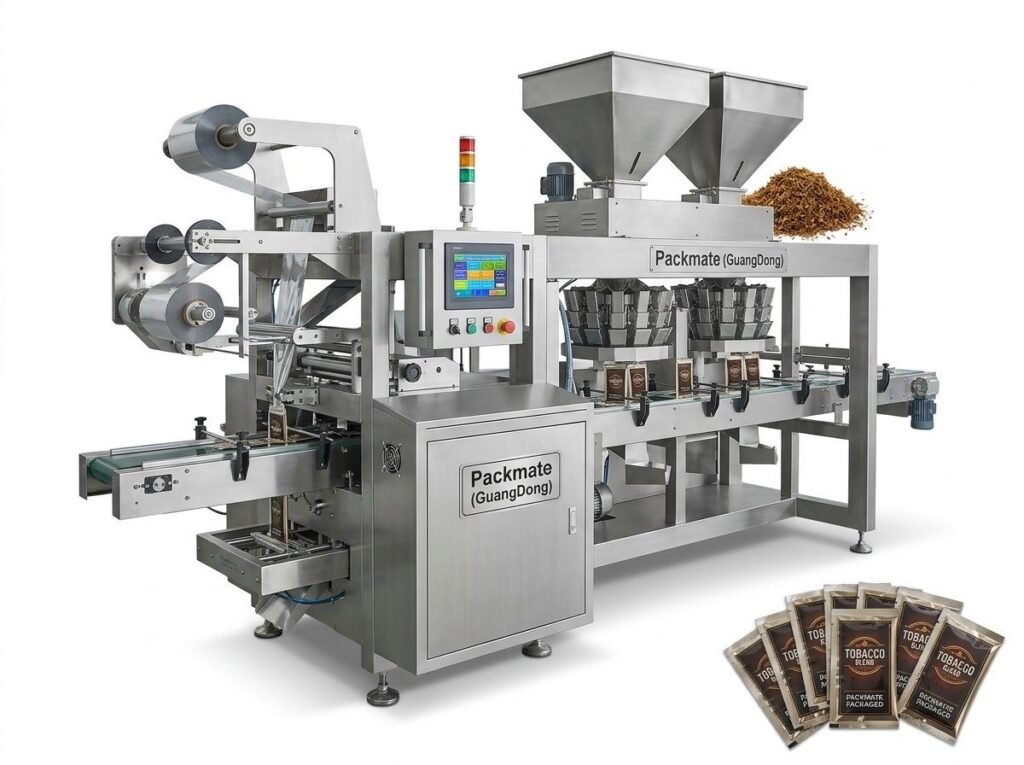
- Compatible pouch formats: stick packs, sachets, round cans, or flat pouches.
- Gentle product handling to preserve texture and prevent clumping of tobacco or powder.
- Reliable sealing systems suitable for foil or laminated films and moisture control.
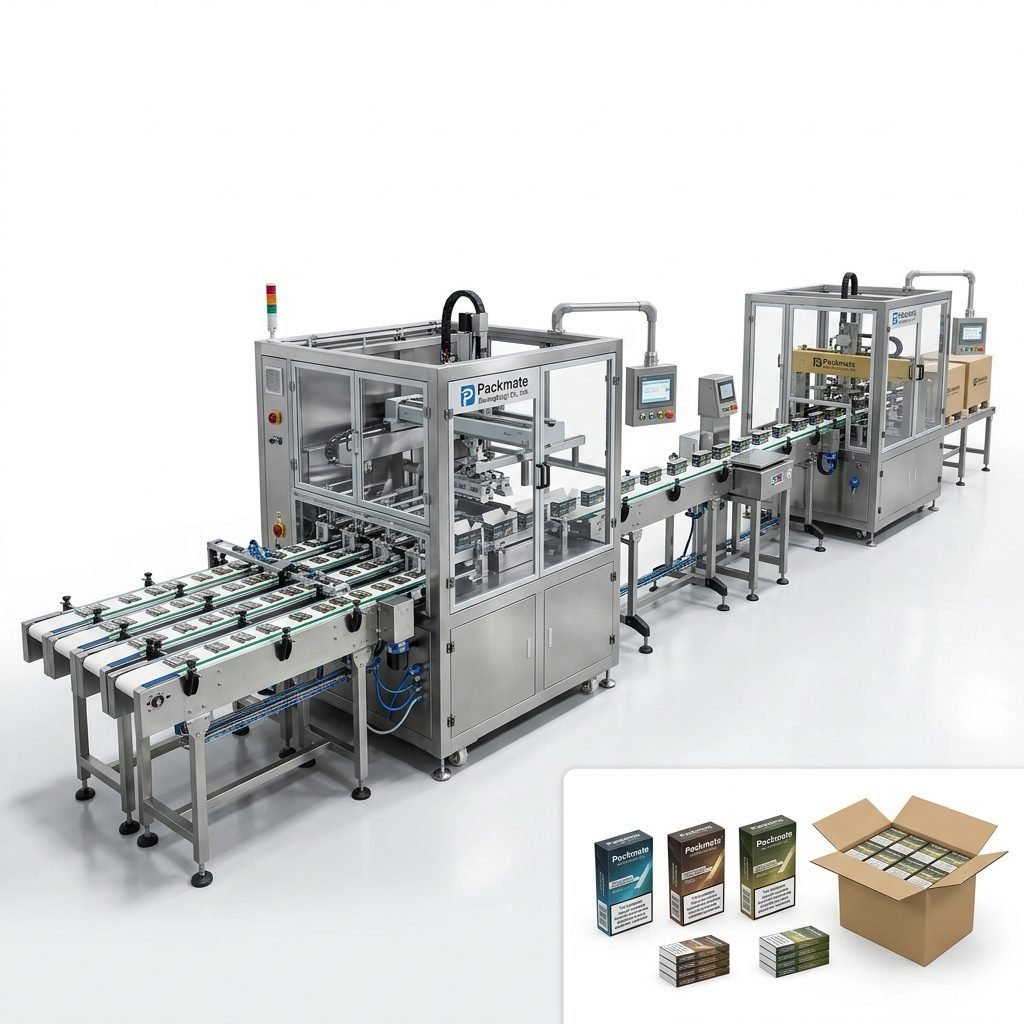
- Integrated secondary packaging options (cartoning, multipack, labeling).
- Speed and uptime metrics: ask for real-world throughput data, not only theoretical max speeds.
⚙️ Critical spec: tolerance and repeatability of dosing systems — this directly affects product consistency and waste.
Automation level and integration
Decide whether you need a single machine or a turnkey line. Many Swiss manufacturers and brand owners prefer compact, fully integrated systems that combine weighing, filling, pouch forming, sealing, and secondary packaging with centralized control. Look for PLC + HMI systems with recipe management and remote diagnostics.
Quality assurance and certifications
Manufacturers should demonstrate robust quality management. Verify certifications such as ISO and CE compliance and request test reports or factory acceptance testing (FAT) evidence. A trustworthy supplier will provide routine performance records and references from other European or Swiss clients.
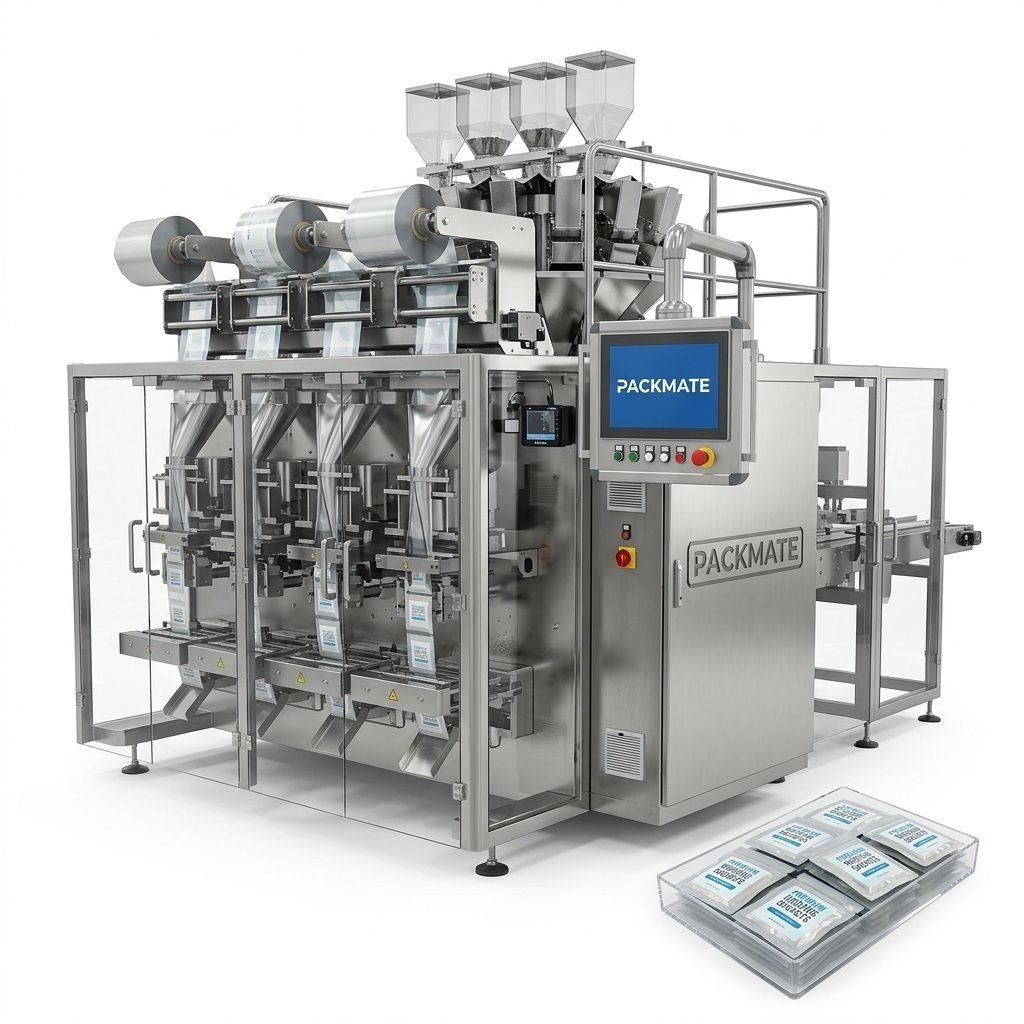
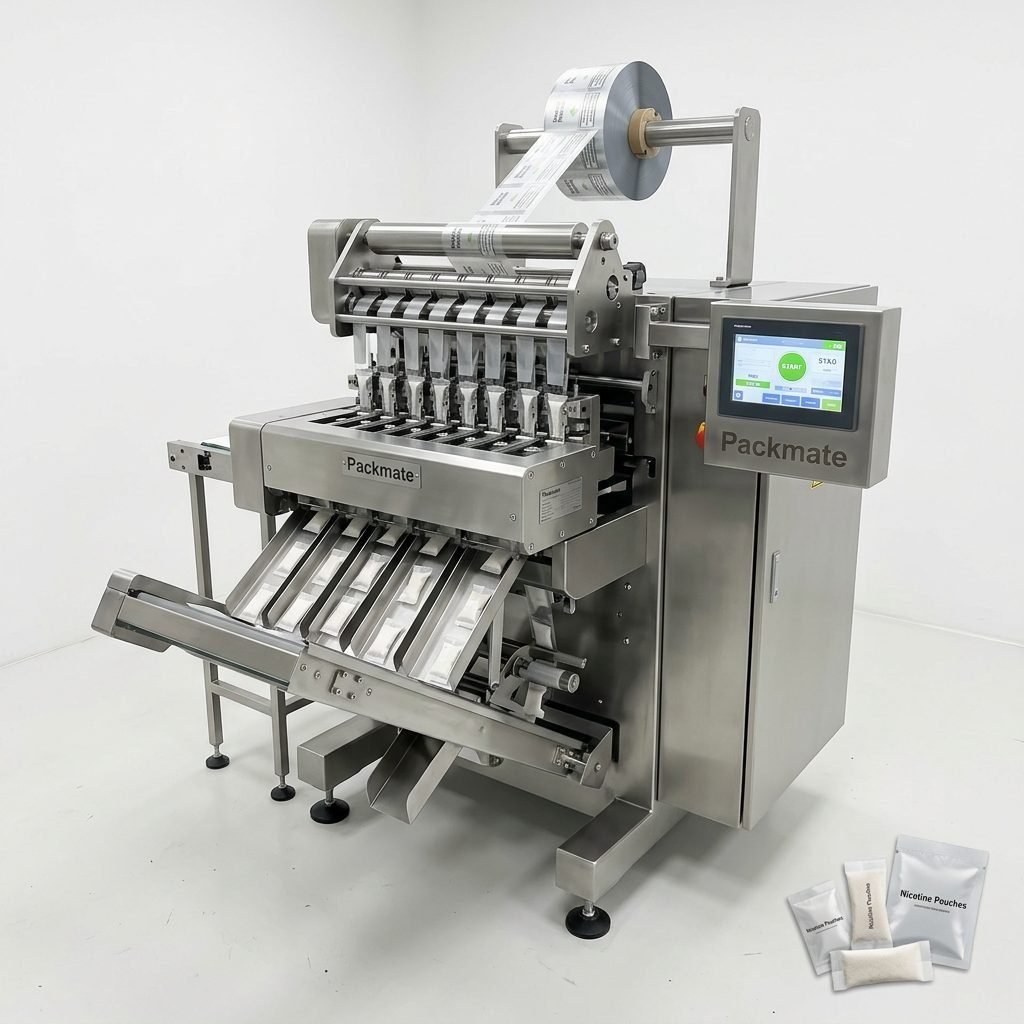
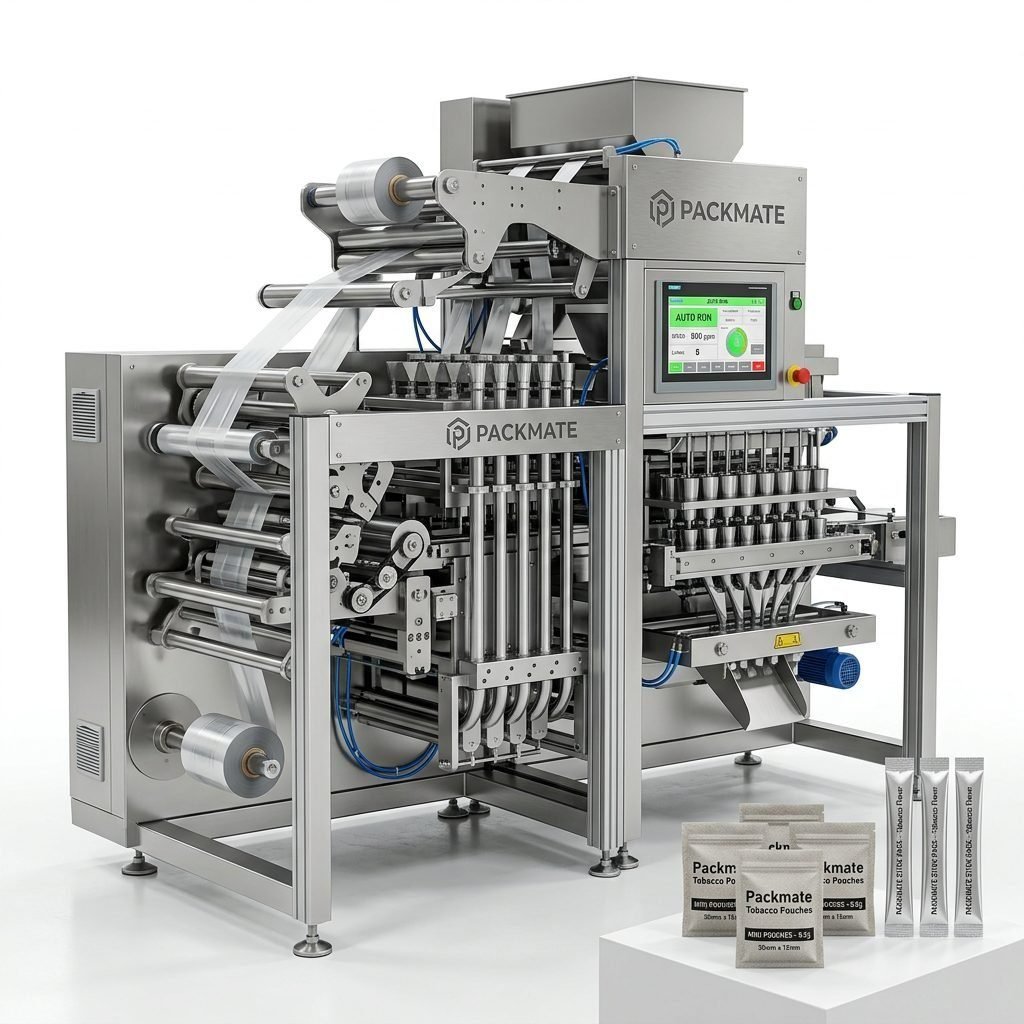
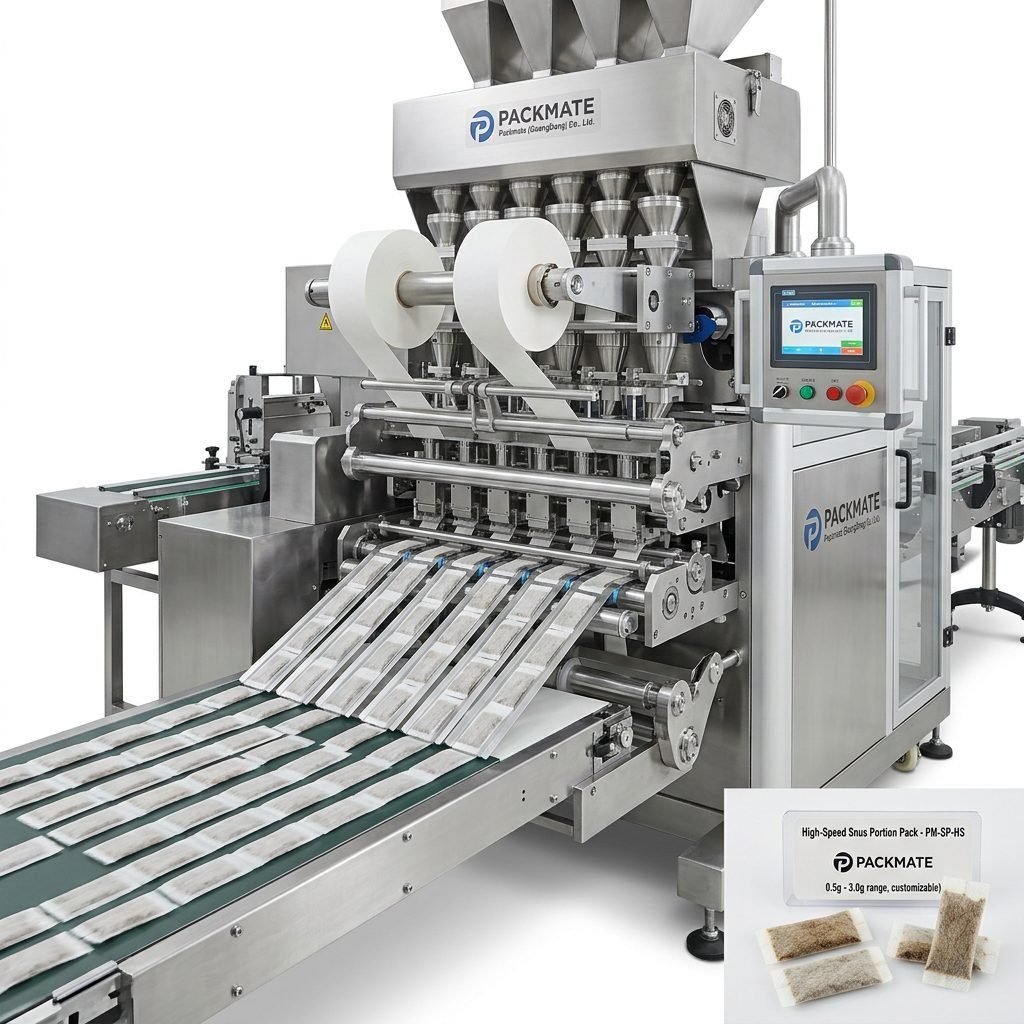
Packmate Snus Machine, for example, highlights a 20,000㎡ manufacturing facility, advanced CNC machining centers, CE and ISO compliance, and decades of experience in snus lines. Review similar credentials when comparing suppliers and consider visiting their factory or asking for video FAT.
After-sales service: spare parts & training
Swiss operations demand fast and reliable service. Confirm that the manufacturer can supply spare parts quickly and offers comprehensive training (onsite or remote) in languages used by your team. Service agreements, local stocking options, and guaranteed response times are critical for minimizing downtime.
Factory inspection checklist (what to verify in person or virtually)
When you have shortlisted manufacturers, use a clear checklist for factory visits or virtual audits:
✅ Assembly quality and clear production flow
✅ CNC and machining capabilities for durable parts
✅ QA testing area and test run documentation
✅ Spare parts inventory and lead times
✅ Evidence of prior European deliveries and export logistics experience
Ask for demonstrations and case studies
Request detailed case studies and live demonstrations. Many manufacturers publish success stories and machine videos — examine them closely to confirm claimed speeds, format changeover times, and hygiene practices. For additional reference, review case pages and product portfolios like this Snus & Nicotine Packaging Machines page.
Useful links you may want to check:
- Snus & Nicotine Packaging Machines
- Bag & Pouch Packaging Machines
- Filling & Packaging Lines
- Project Cases and References
Turnkey solutions vs. single machines
A turnkey supplier can save time and integration headaches by supplying a full line: feeding, dosing, pouch forming, sealing, secondary packaging, and control systems. If you are launching new SKUs in Switzerland with different languages and packaging formats, turnkey lines reduce the complexity of integrating disparate machines.
📦 Tip: Ask for a full layout proposal and electrical / pneumatic requirements before signing — Swiss facilities often have strict utility arrangements and limited floor space.
Customization and flexibility
Your supplier should be able to customize tooling and program recipes for multiple pouch sizes and dosing recipes. Quick-change tooling, intuitive HMI recipe controls, and documented changeover procedures are essential for small-batch Swiss production runs.
Total cost of ownership (TCO): think long term
Price is important, but initial machine cost is only part of the equation. Consider energy consumption, spare parts costs, expected mean time between failures (MTBF), and the supplier’s spare parts logistics into Switzerland. A slightly higher upfront investment may pay off with higher uptime and lower long-term maintenance.
Warranty and performance guarantees
Ensure warranty terms and acceptance testing criteria are explicitly documented in the contract. Specify acceptance performance (e.g., throughput, rejection rate, sealing integrity) and penalties or remediation paths if the machine fails to meet those metrics during site acceptance testing (SAT).
Logistics, delivery and installation in Switzerland
Discuss delivery timelines, customs handling, and local installation support. Many manufacturers will coordinate international shipping and offer installation teams; verify whether they provide local language support and can comply with Swiss safety regulations during installation.
If you expect frequent line changes or localized engineering needs, ask whether the manufacturer offers European spare parts hubs or partnership networks to reduce downtime.
References, exhibitions and credibility
A manufacturer active at major industry exhibitions and with a track record of global projects is easier to trust. Review exhibition participation, certificates, and client testimonials. Packmate and peers often publish exhibition schedules and certifications that help verify credibility — see About Packmate and Certificate pages for examples.
Relevant links:
🇨🇭 Swiss reminder: plan for multilingual training materials and SOPs; local staff appreciate clear instructions in German, French, or Italian.
Final checklist before signing
Use this short checklist to finalize your decision:
✔️ Proven machine performance with data and FAT/SAT records
✔️ Clear warranty, spare parts lead times, and service SLA
✔️ Customization capability for multilingual labels and format changes
✔️ References from European / Swiss projects and exhibition presence
Selecting a snus packaging machine manufacturer for the Swiss market requires a balanced review of technical capabilities, regulatory knowledge, and local service readiness. Prioritize partners who demonstrate hygiene-focused designs, rapid service response, and multilingual support — and validate claims with on-site or virtual inspections and documented case studies.
Want to explore options?
If you want to learn more about complete packaging lines and supplier capabilities, review product portfolios and case studies, or request a consultation via the supplier’s contact channels to discuss Swiss-specific requirements.
FAQ 1: How important is CE / ISO certification for machines used in Switzerland?
Certification such as CE and ISO demonstrates a baseline of safety and quality management. While Switzerland has its own rules, CE and ISO provide confidence in manufacturing standards; always ask for machine-level test reports and traceability documents.
FAQ 2: Should I choose a local European supplier or an experienced Asian manufacturer?
Both can be suitable. Local suppliers may offer faster onsite support, while experienced Asian manufacturers often provide cost-effective turnkey solutions with proven global installations. Evaluate service agreements, spare parts logistics, and past European/Swiss references when making the choice.
FAQ 3: What are the typical lead times for snus packaging machines?
Lead times vary by complexity. Standard machines may ship in a few months; customized turnkey lines can take longer. Always confirm production schedules, FAT dates, and shipping windows in the purchase agreement to coordinate Swiss import and installation timing.
FAQ 4: How do I ensure materials and packaging comply with Swiss labeling rules?
Work with the manufacturer to validate printing and label placement for multilingual compliance. Also consult local regulatory counsel to ensure health warnings, ingredient lists, and other statutory texts meet Swiss requirements. Many manufacturers can assist with label proofs and print tests during FAT.