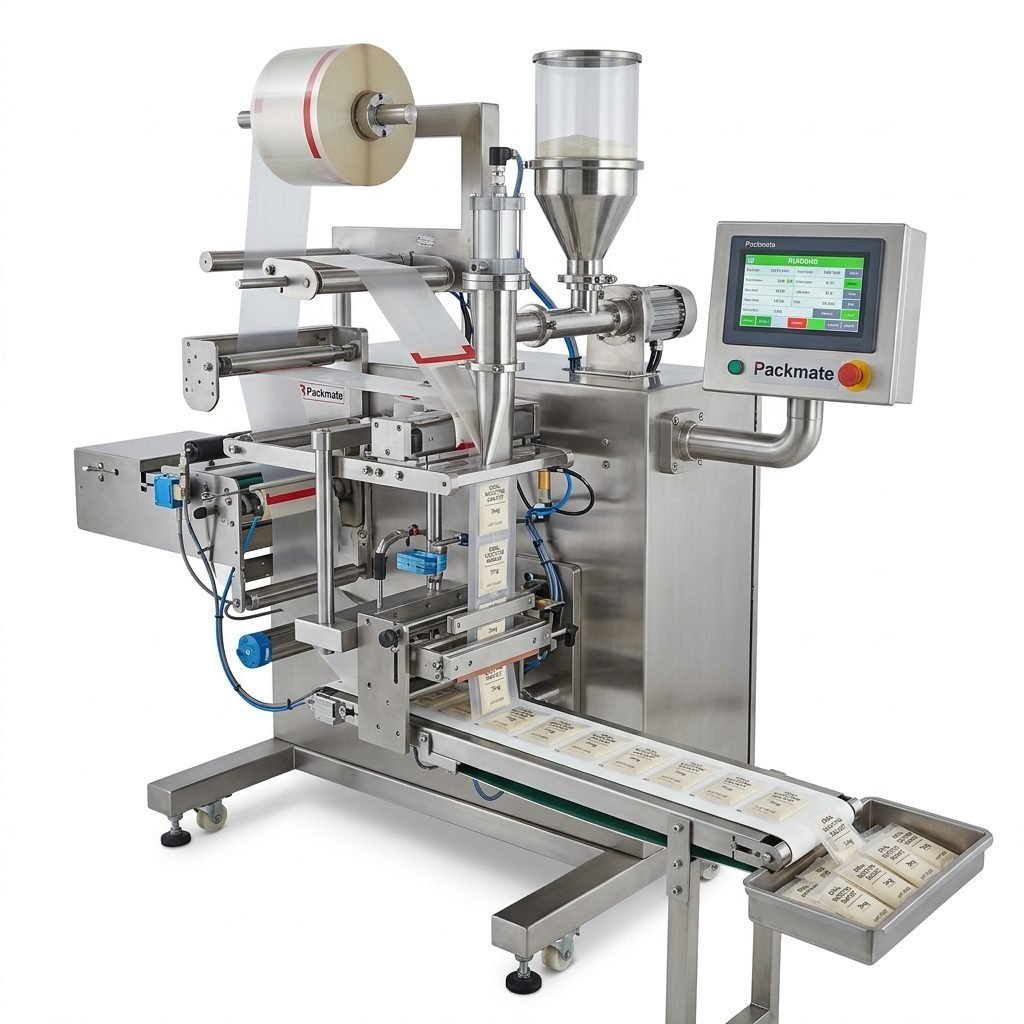
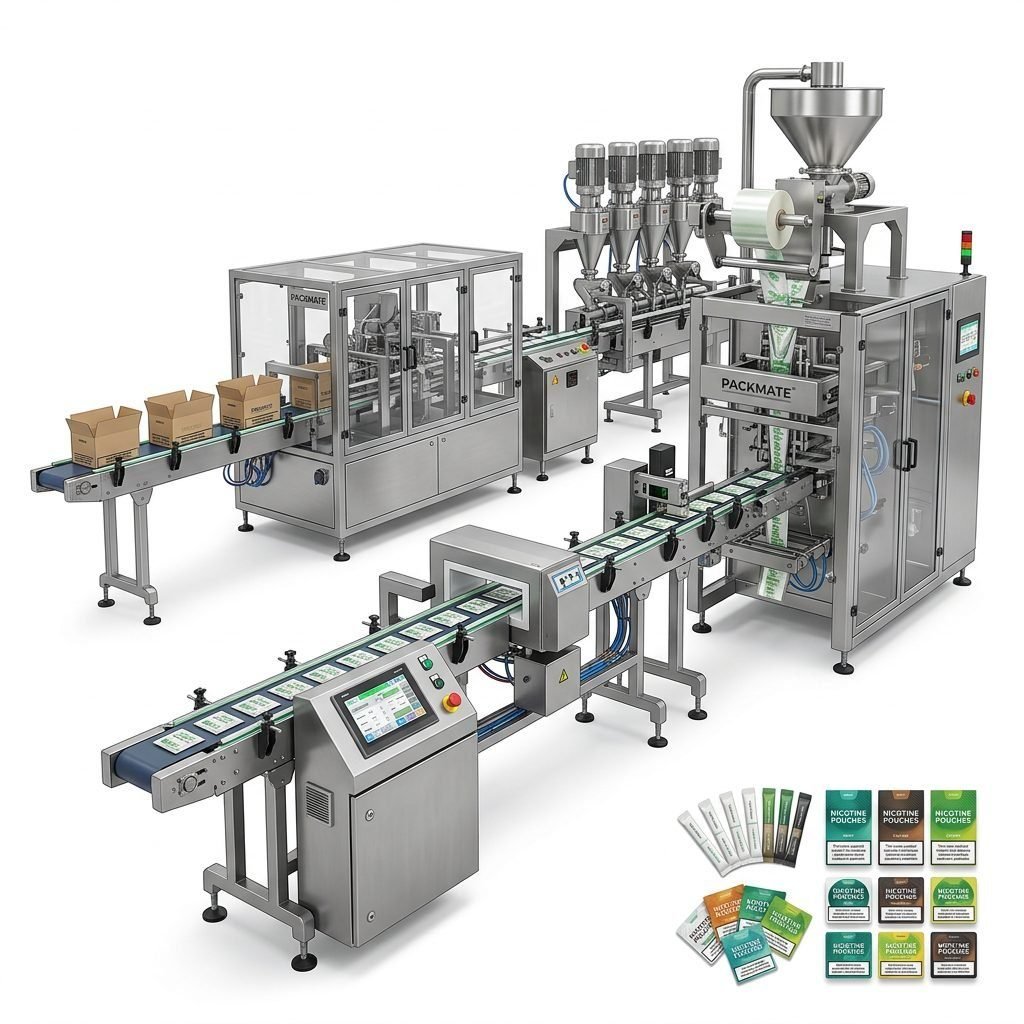
Designing a high-efficiency nicotine pouch machine requires a careful balance of precision engineering, flexible product handling, and consistent packaging integrity. This guide walks packaging engineers, factory managers, and procurement teams through the full lifecycle of machine design and production line implementation — from core mechanical concepts to turnkey integration and ongoing maintenance. Whether you are producing single-lane trials or high-throughput multi-lane nicotine pouch lines, the principles below help ensure consistent output, regulatory compliance, and cost-effective operation.
Core Design Principles for Nicotine Pouch Machines
A robust design begins with clarity on product specification: pouch size, fill weight, material type, and desired throughput. Key mechanical and control principles include reliable pouch feeding, accurate dosing, gentle pouch handling to prevent damage, and high-speed sealing with minimal downtime. Modern machines combine mechatronics, servo-driven axes, and modular tooling to adapt quickly to different pouch formats.
Essential components
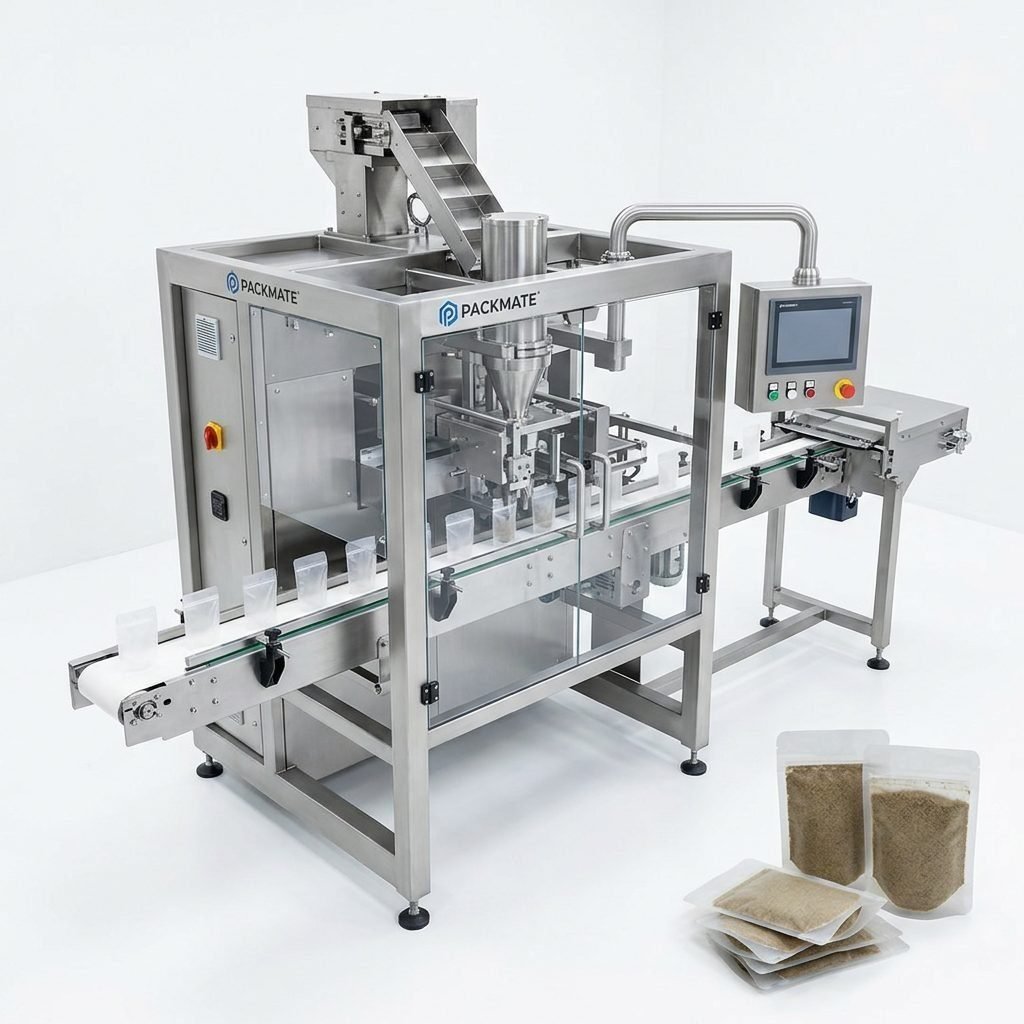
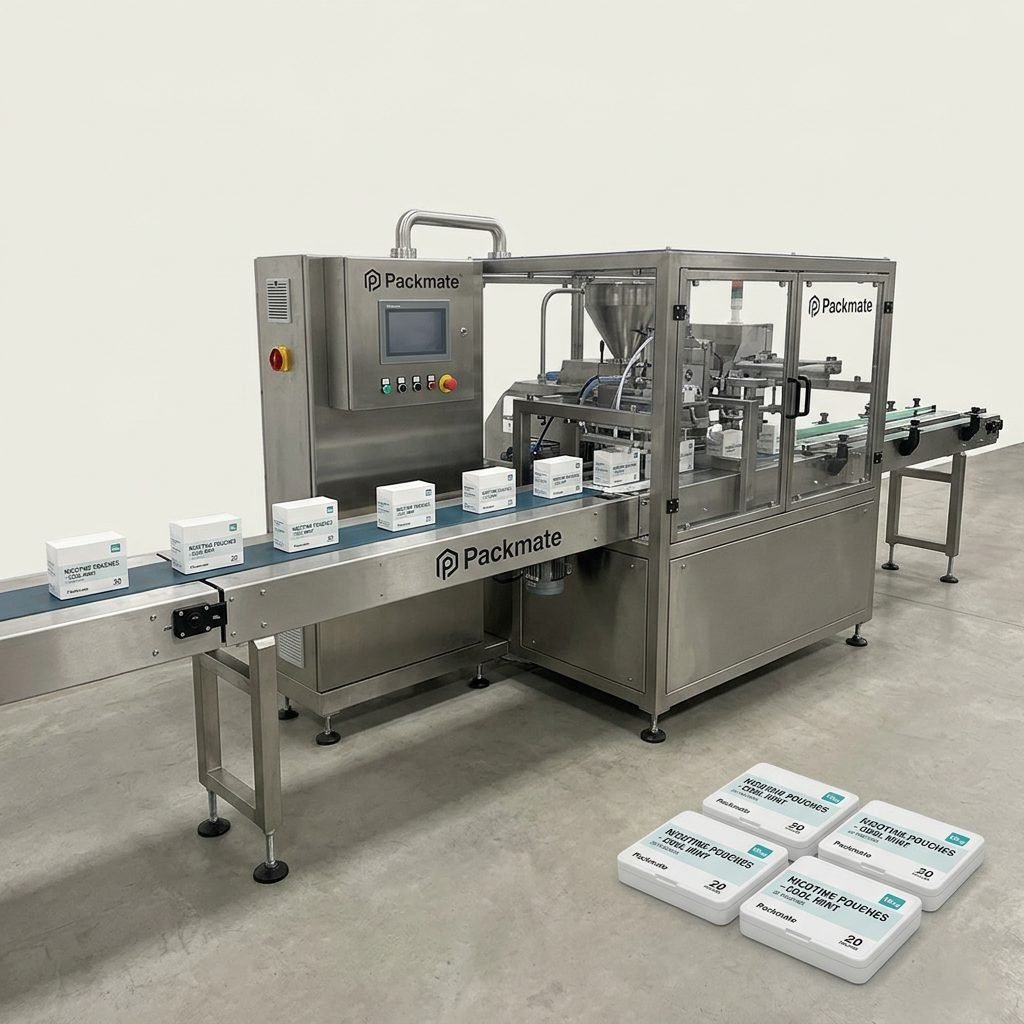
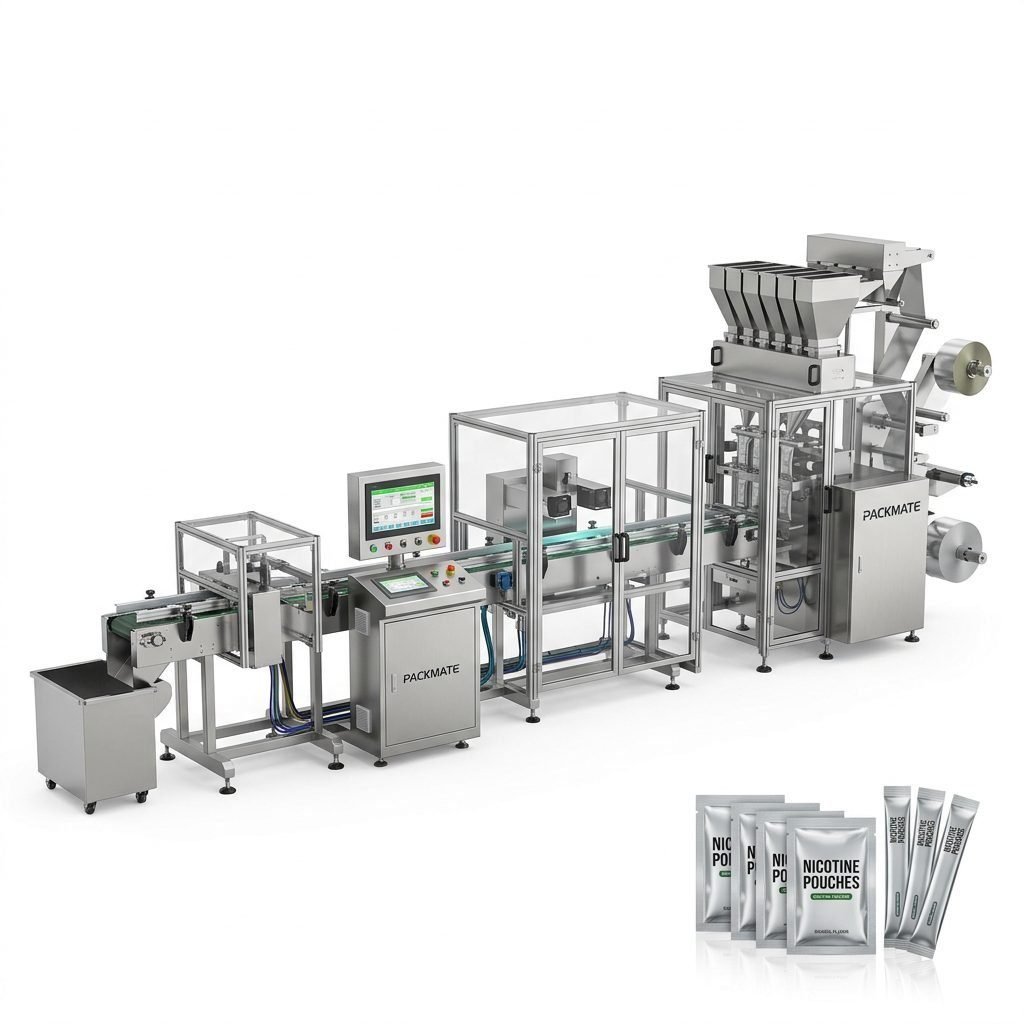
Typical nicotine pouch packaging machines incorporate: a feeder or collator, multi-lane dosing module, precision weighing or volumetric systems, heat or ultrasonic sealing stations, cutting and folding modules, in-line quality inspection, and an output conveyor with reject handling. Each component must be synchronized to maintain continuous flow at the desired speed.
Key design note: Use servo motors for critical axes to ensure repeatable pouch placement and sealing accuracy. Good servo control reduces waste and improves speed stability. ⚙️
Production Efficiency: Throughput, OEE, and Changeover
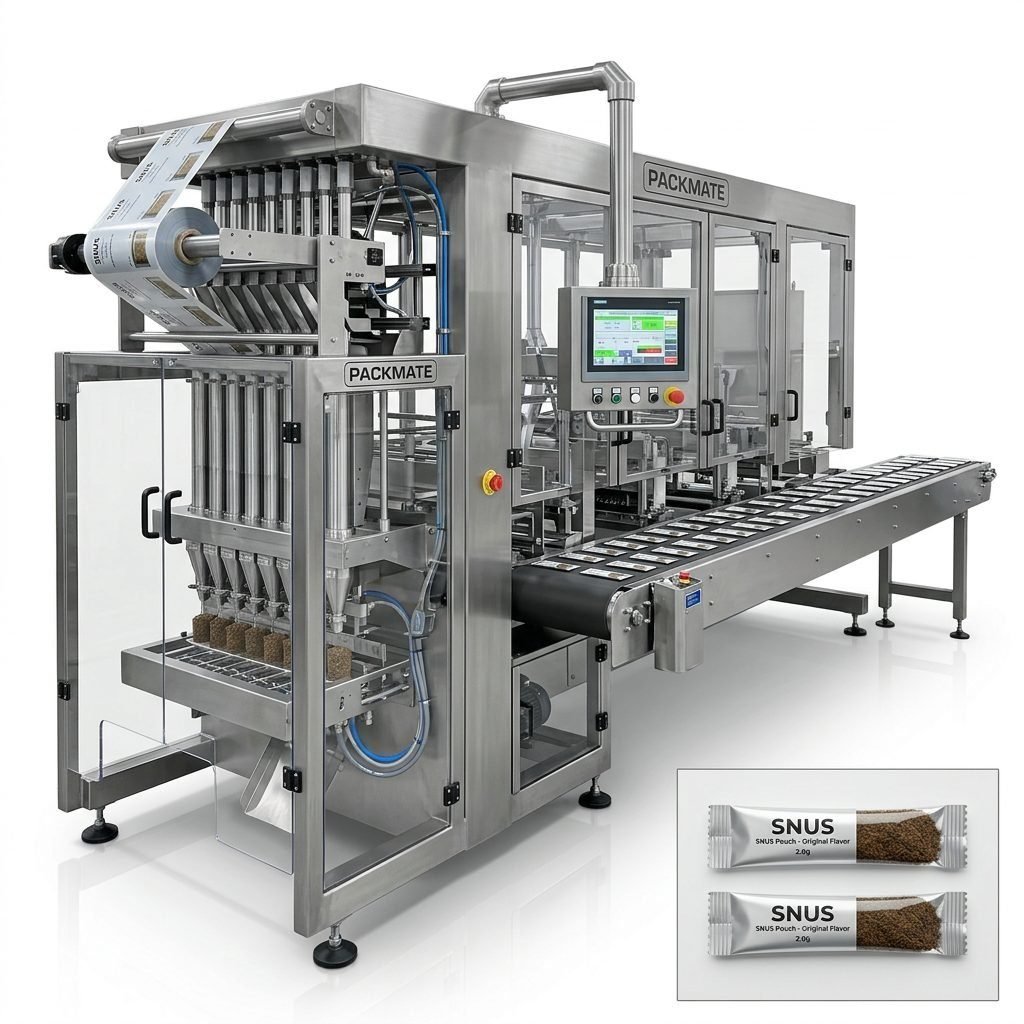
To achieve high throughput, designers often use multi-lane systems that run several pouches in parallel. A 4- or 6-lane configuration multiplies output without demanding proportionally more floor space. However, achieving high Overall Equipment Effectiveness (OEE) requires quick changeovers, simple maintenance access, and reliable in-line sensors to detect jams and product deviations.
Minimizing changeover time
Design for tool-less adjustments, easily swappable cassette modules, and pre-programmed recipes in the HMI. Reduced adjustment complexity directly correlates with lower downtime during format switches and sample runs. 🔧
Material Handling and Filling Accuracy
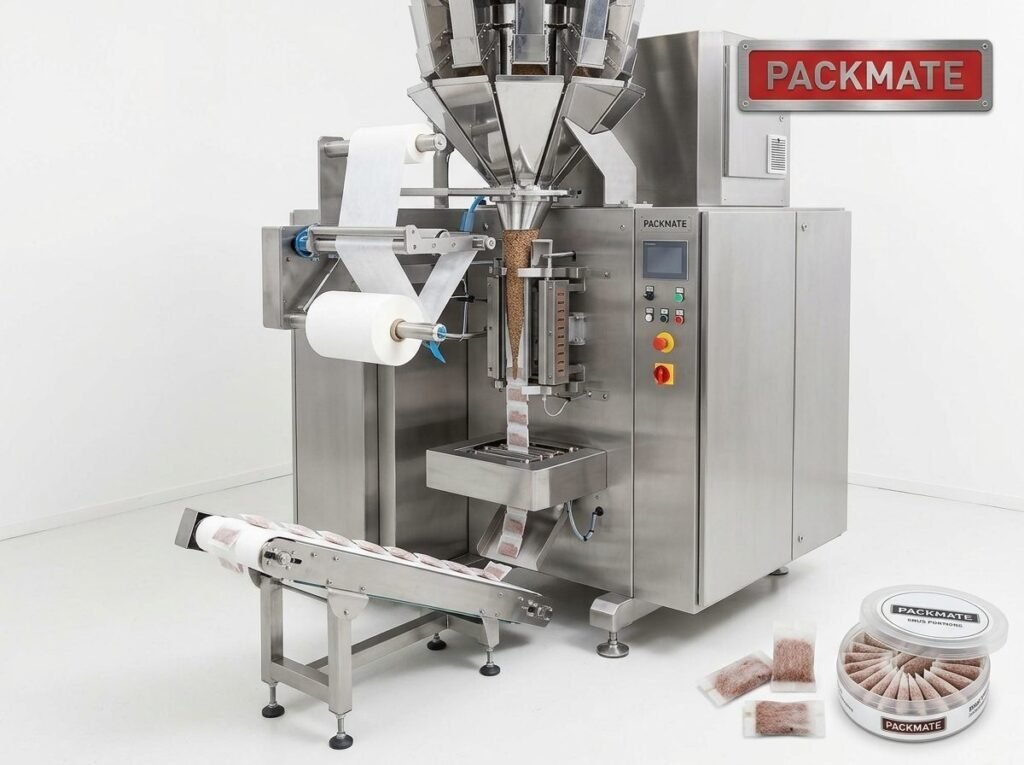
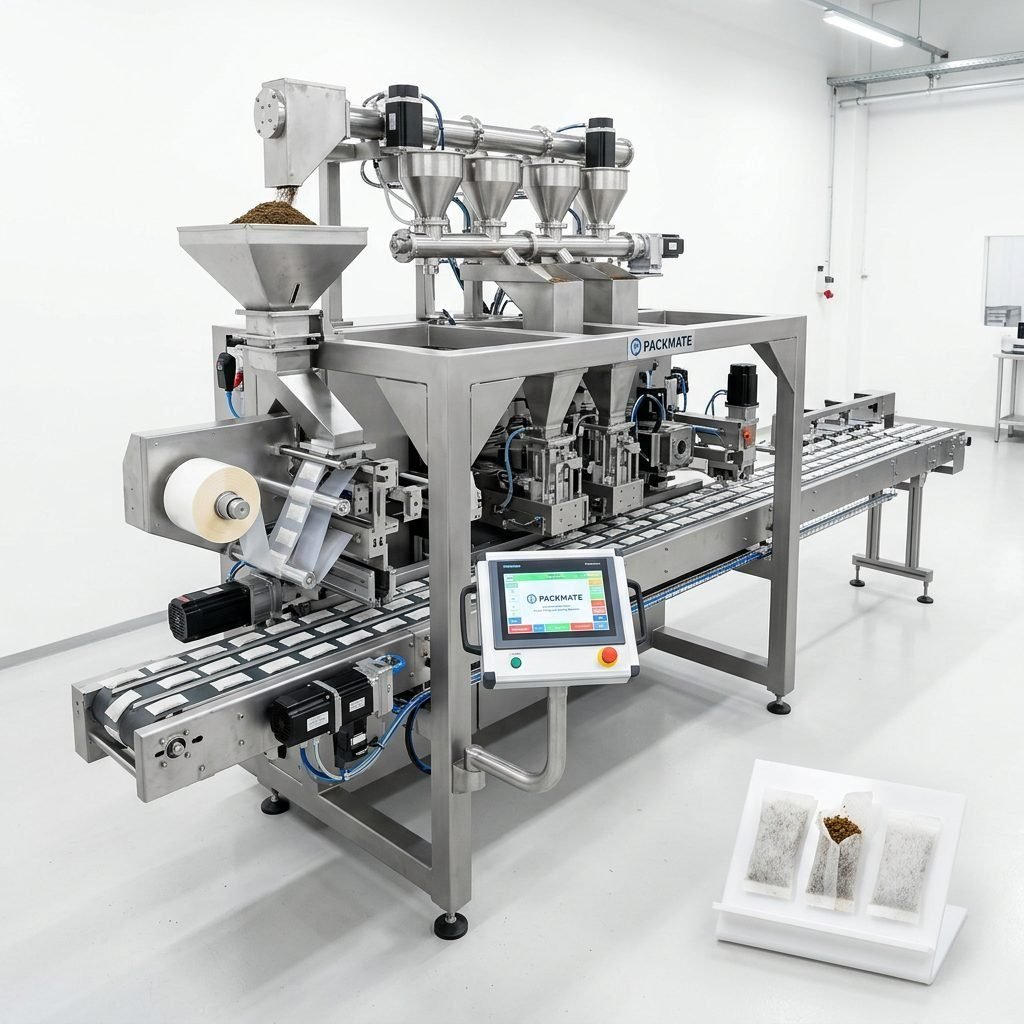
Nicotine pouches demand delicate handling and accurate dosing. Depending on your formulation (powder, granule, or paste), choose an appropriate feeding system: screw feeders for powders, augers for semi-dense fills, or multi-head weighers for high-precision blends. Integrating weighing & packaging systems can significantly improve fill consistency for small dose products.
Tip: Use in-line checkweighers and optical inspection to reject underfilled or misformed pouches before secondary packaging. 📦
Sealing Technology and Packaging Integrity
Reliable seal quality is central to shelf life and consumer safety. Heat-seal bars and ultrasonic sealing are common; choose materials and temperatures that form consistent seals without degrading nicotine or flavor compounds. Groove design, cooling time, and pressure all influence seal integrity.
Seal inspection
Integrate non-destructive leak testing and vision systems to detect incomplete seals, wrinkles, or contamination. Deploy a combination of vision inspection and metal detection when necessary to comply with local and export market safety standards.
Automation & Control: Software, HMI, and Industry 4.0
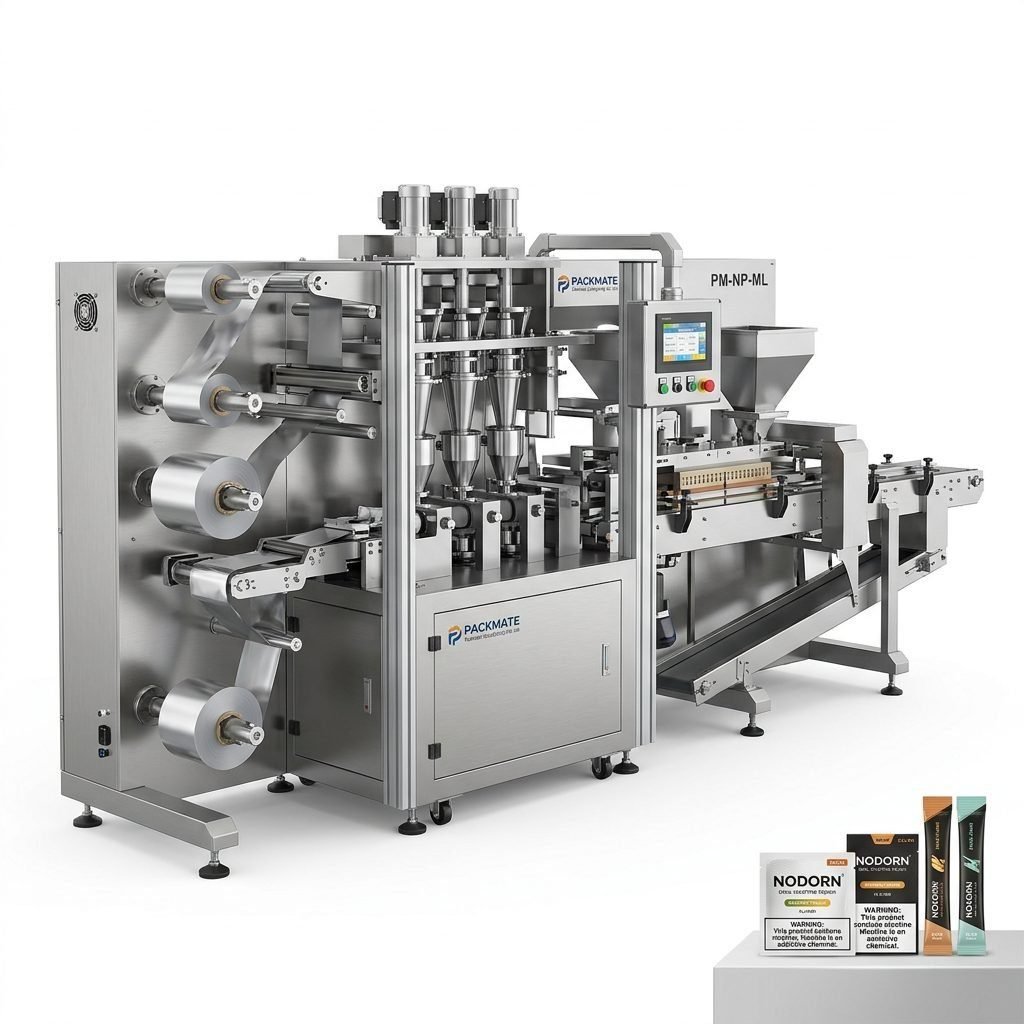
Modern nicotine pouch lines benefit from integrated PLC controls, recipe management, and remote diagnostics. A clear HMI improves operator responsiveness, while logging systems feed into predictive maintenance tools. For customers aiming at long-term efficiencies, Industry 4.0 connectivity (remote monitoring, data analytics) is a valuable investment.
Packmate Snus Machine emphasizes robust control systems in its product range — see examples in our Snus & Nicotine Packaging Machines portfolio.
Hygiene, Safety, and Compliance
Compliance with CE and ISO standards is essential for global sales. Design machines with hygienic zones, easy-to-clean surfaces, and guarded moving parts to protect operators. Provide clear documentation for validation and routine cleaning procedures to meet regulatory bodies across markets.
Safety highlight: Implement fail-safe interlocks and emergency stops on all access panels. Regular safety audits preserve uptime and keep insurance and regulatory risks low. ✓
Customization & Turnkey Solutions
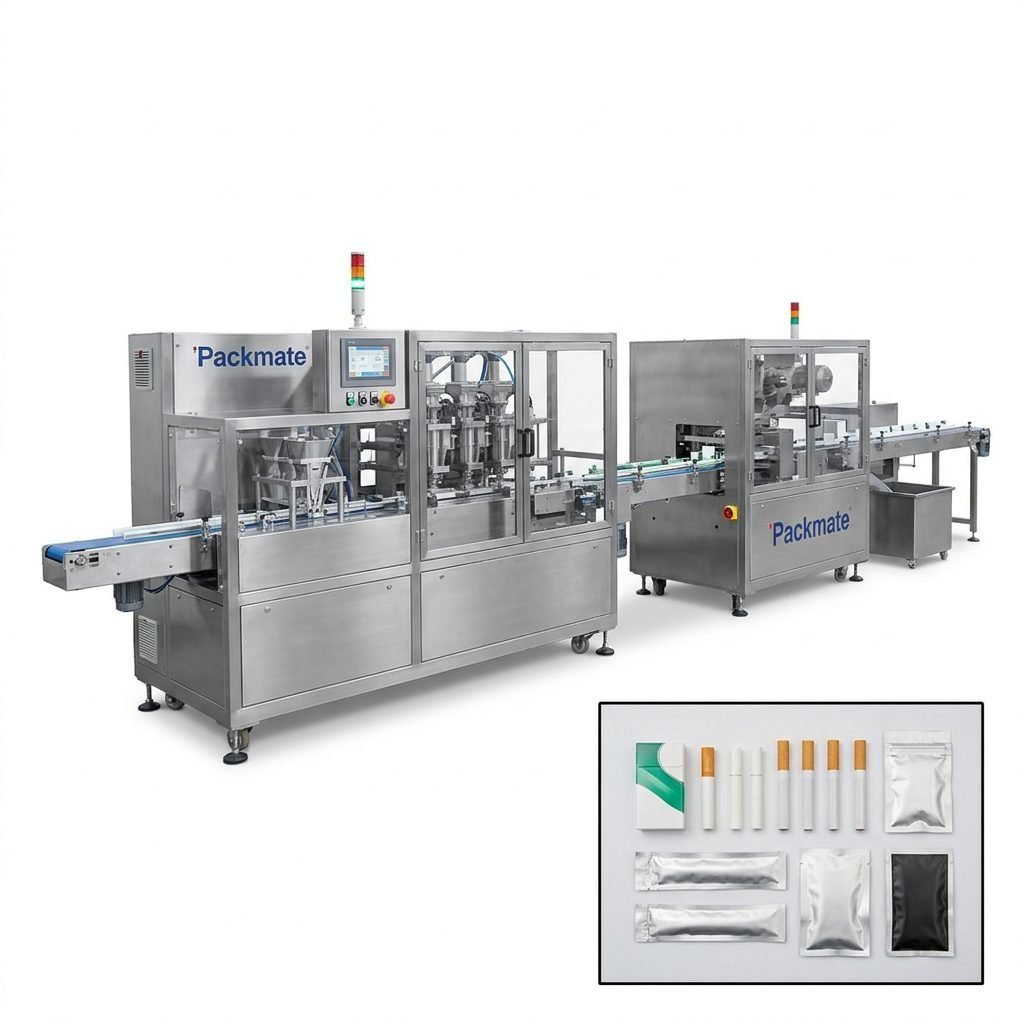
Each manufacturer’s needs vary — from local flavor formats to packaging styles and production scale. A modular approach allows rapid adaptation; choose vendors who can deliver custom tooling, multi-lane scaling, and complete line integration including upstream and downstream equipment. Packmate offers complete lines including stick pack, sachet, and auxiliary systems — refer to the Bag & Pouch Packaging Machines and Filling & Packaging Lines for examples.
Turnkey project checklist
– Site layout and utilities review (air, power, compressed air)
– FAT & SAT testing plan
– Spare parts and maintenance training
– Validation protocols and documentation
– Lifecycle support and upgrade paths
Maintenance, Spare Parts, and Lifecycle Support
Preventive and predictive maintenance keep throughput high. Provide spare parts kits for wear items (seals, sensors, belts) and remote support access for troubleshooting. Manufacturers with strong after-sales networks and documentation shorten downtimes and extend machine life.
Maintenance priority: Keep a spare set of critical tooling and a consumable replacement schedule to avoid unexpected stops. 🔁
Selecting a Manufacturer: What to Look For
Evaluate manufacturers based on engineering experience, factory capabilities, references, and certifications. Key indicators include CNC machining capability, assembly experience, and global service networks. Companies with a long history in snus and nicotine pouch equipment will better understand the nuances of small-dose pouch handling.
Learn more about Packmate’s background and capabilities via the About Packmate page and review case histories on the Case section to see real-world implementations.
Cost Considerations and ROI
Capital investment depends on lane count, automation level, and auxiliary equipment. Estimate ROI by calculating output increase, labor savings from automation, reduction in reject rates, and maintenance costs. Multi-lane expansion often yields the fastest ROI for growing nicotine pouch brands because fixed costs are amortized across higher volumes.
Global Markets and Local Considerations
Different regions have distinct packaging preferences and regulatory requirements. For example, Scandinavian snus markets focus on traditional formats and strong quality documentation, while newer nicotine pouch markets in North America and parts of Asia may prioritize discreet pouch sizes and child-resistant secondary packaging. Partner with a manufacturer experienced in global standards and local adaptations.
Export readiness
Ensure machinery conforms to export destination regulations (CE, ISO) and that documentation includes wiring diagrams, spare parts lists, and maintenance manuals. For a portfolio of compliant packaging solutions check the Certificate page.
Market insight: Machines built for small-dose pouch production should emphasize gentle handling, precision dosing, and flexible lane scaling for market responsiveness. 📈
Case Examples and Resources
Explore Packmate’s full range for examples of integrated systems and tailored turnkey projects. Useful resources include product catalogs and service offerings to plan your next production upgrade: Catalog, Service, and exhibition showcases at Our Exhibition.
Final Recommendations for Implementation
1. Start with a pilot line to validate fill methods and seal parameters.
2. Specify multi-lane scalability to support growth without full replacement.
3. Prioritize robust controls and maintainable mechanical design.
4. Contract a vendor that provides comprehensive FAT/SAT and training.
5. Plan spare parts inventory and remote support to minimize downtime.
Getting started
If you are evaluating equipment for nicotine pouch production, request detailed specs, sample test runs, and references from the manufacturer. When ready, contact the supplier to schedule a factory acceptance test and line commissioning. For direct inquiries see Contact Us.
Frequently Asked Questions
Q1: How do I choose the right lane count for my production?
A1: Evaluate current and projected demand, floor space, and budget. Multi-lane machines (4–8 lanes) are ideal for scaling while maintaining compact footprints.
Q2: What sealing method is best for nicotine pouches?
A2: Heat sealing is versatile for many films; ultrasonic sealing suits some laminated materials and can reduce heat exposure. Evaluate material compatibility and perform sample tests.
Q3: How do I ensure regulatory compliance for export markets?
A3: Partner with manufacturers who provide CE/ISO documentation and validation support. Maintain traceability and thorough technical files for customs and regulatory inspection.
Q4: Can machines handle flavored nicotine pouches with different textures?
A4: Yes — with proper dosing systems (auger, screw, or multi-head) and gentle handling, machines can accommodate varied textures and blends. Request test runs with your formulation.
Q5: What after-sales support should I expect?
A5: Look for training, remote diagnostics, spare parts availability, and on-site service options. Strong after-sales reduces lifecycle costs and ensures production continuity.