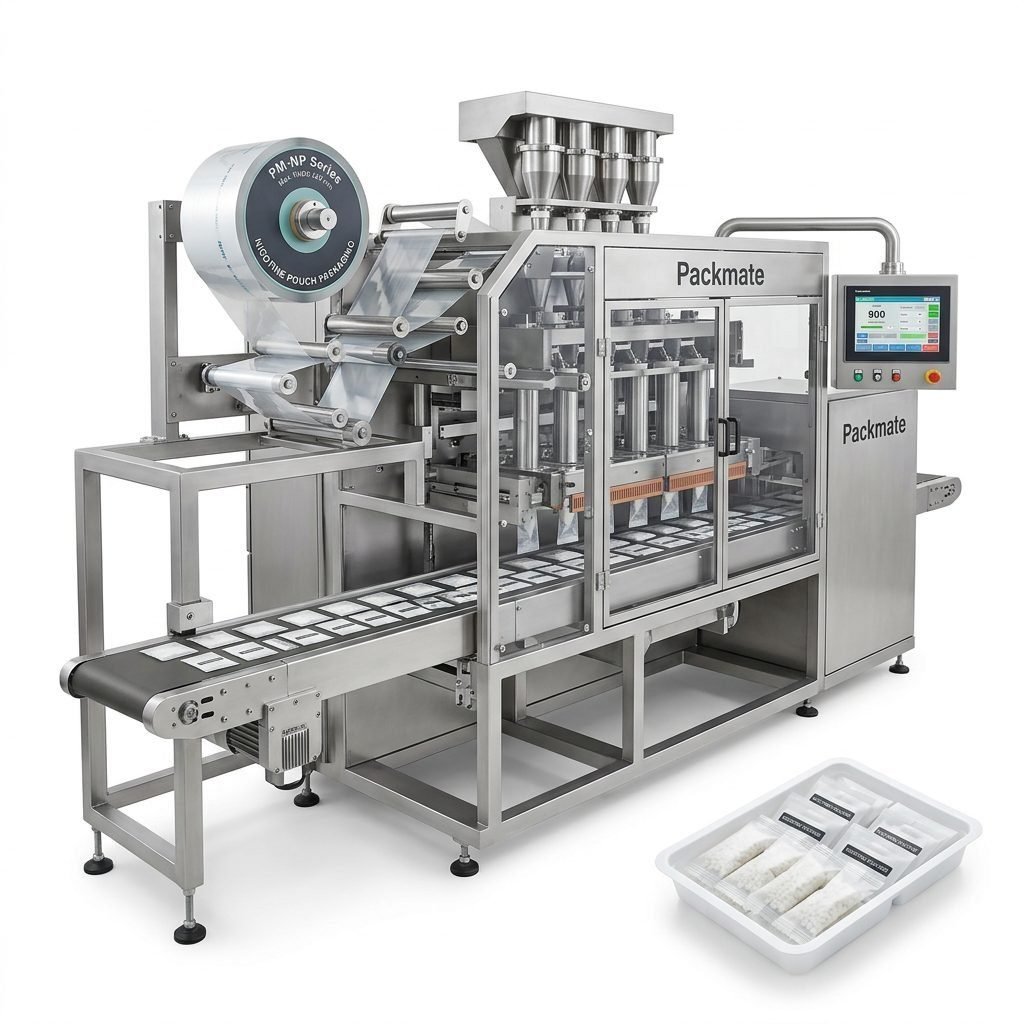
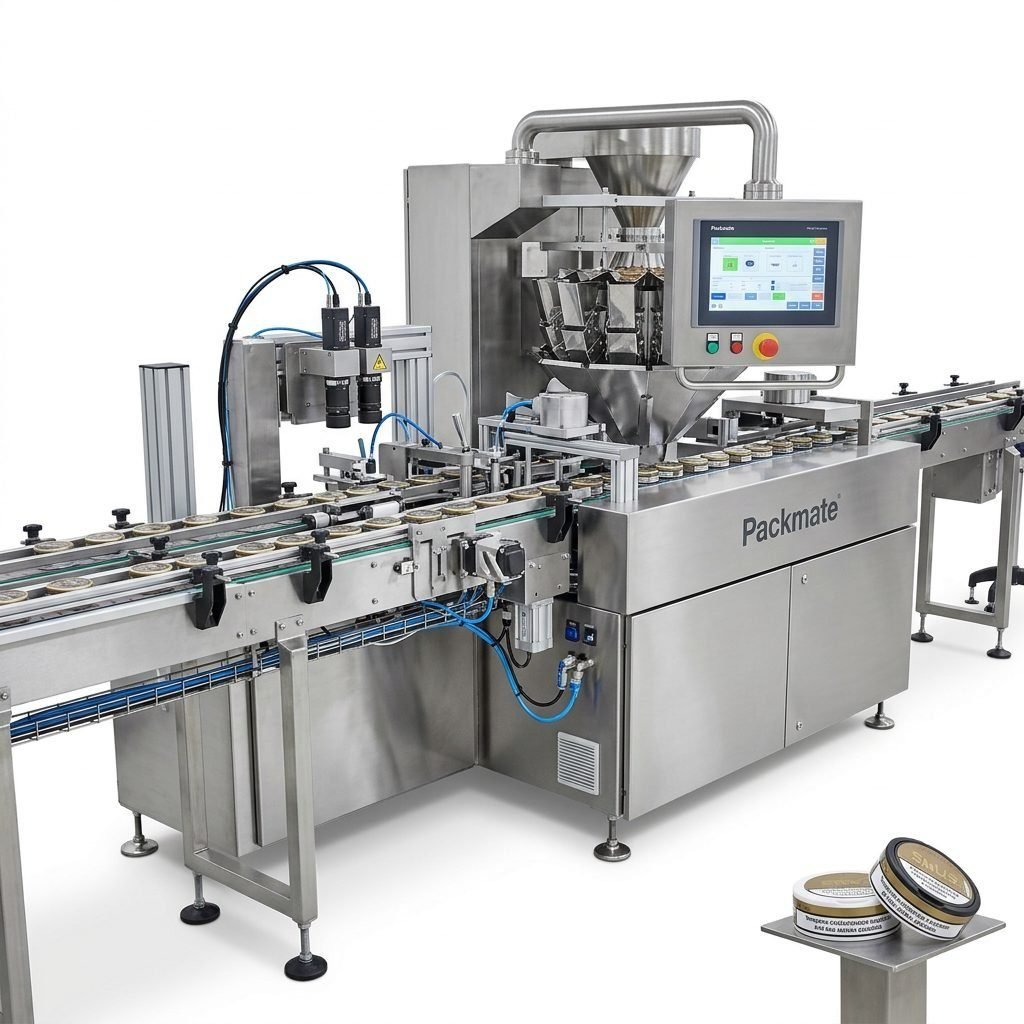
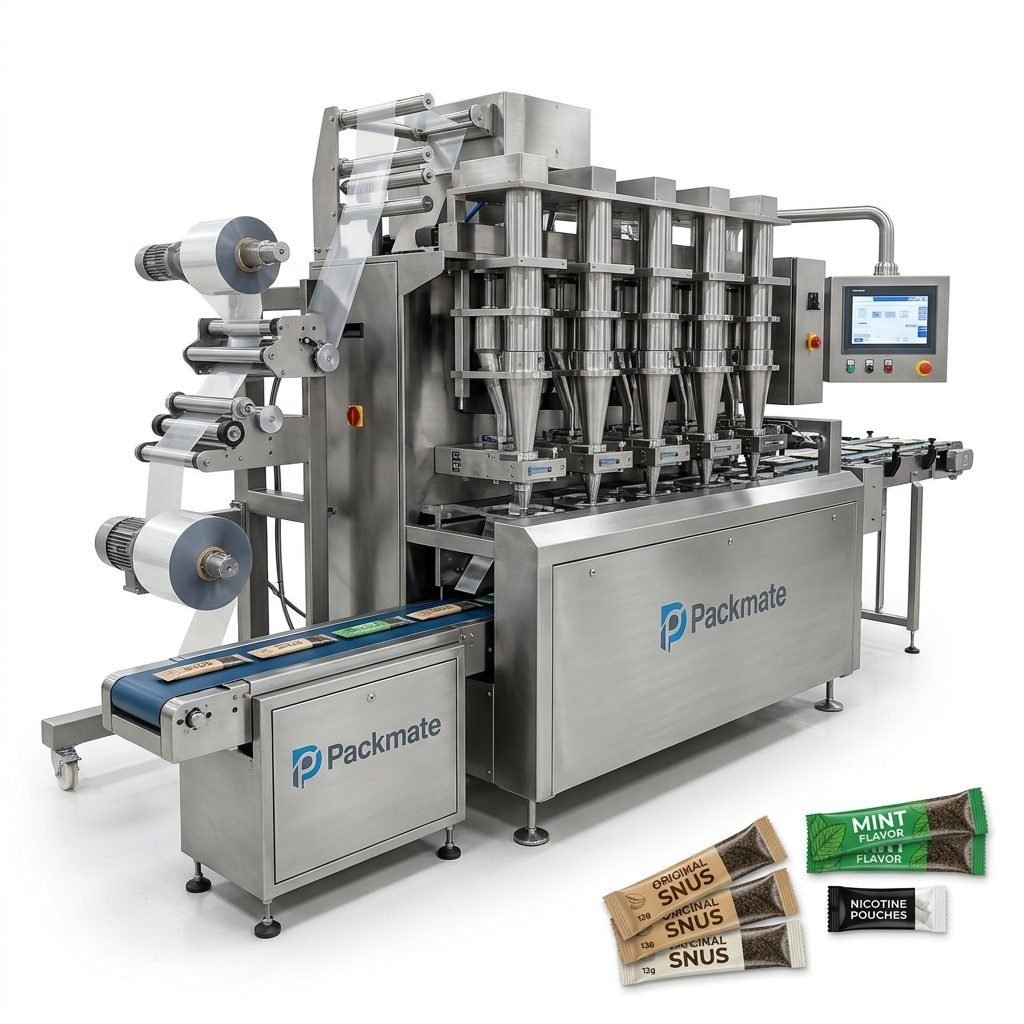
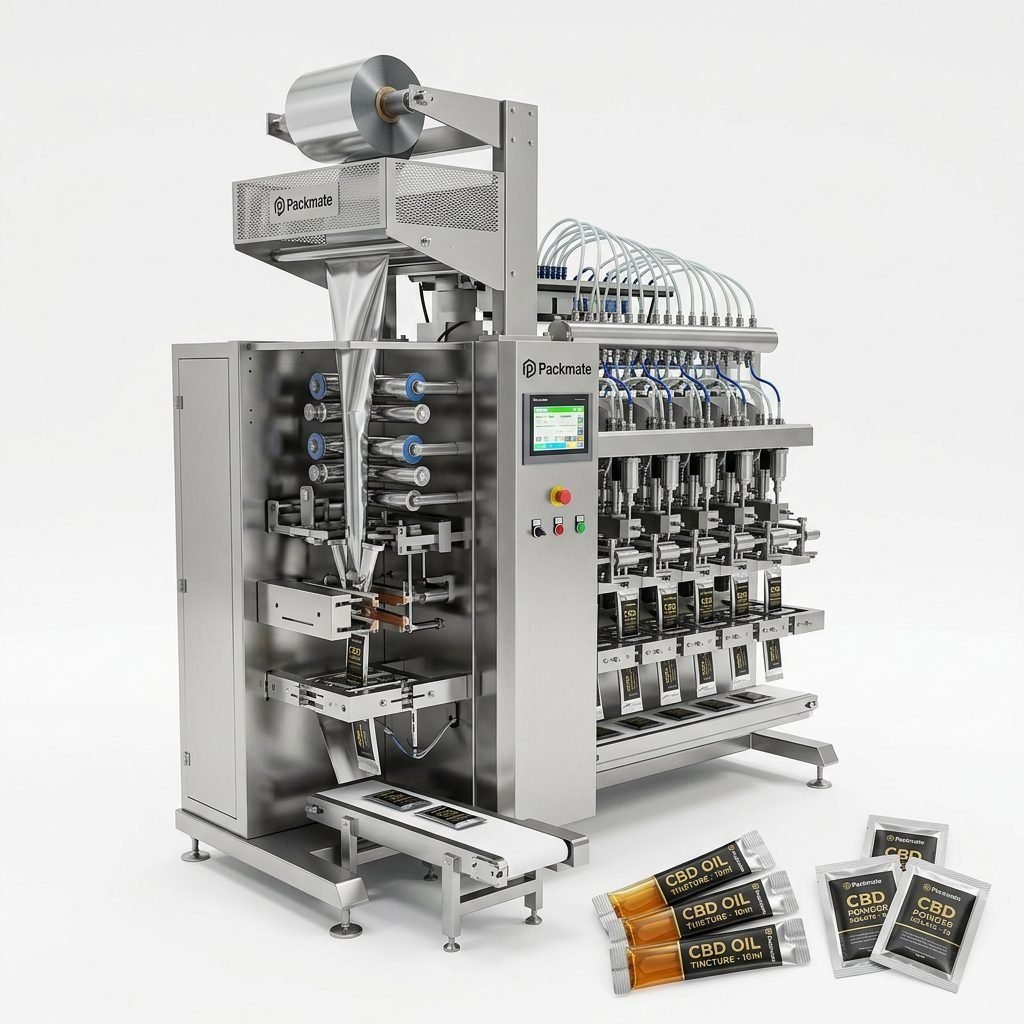
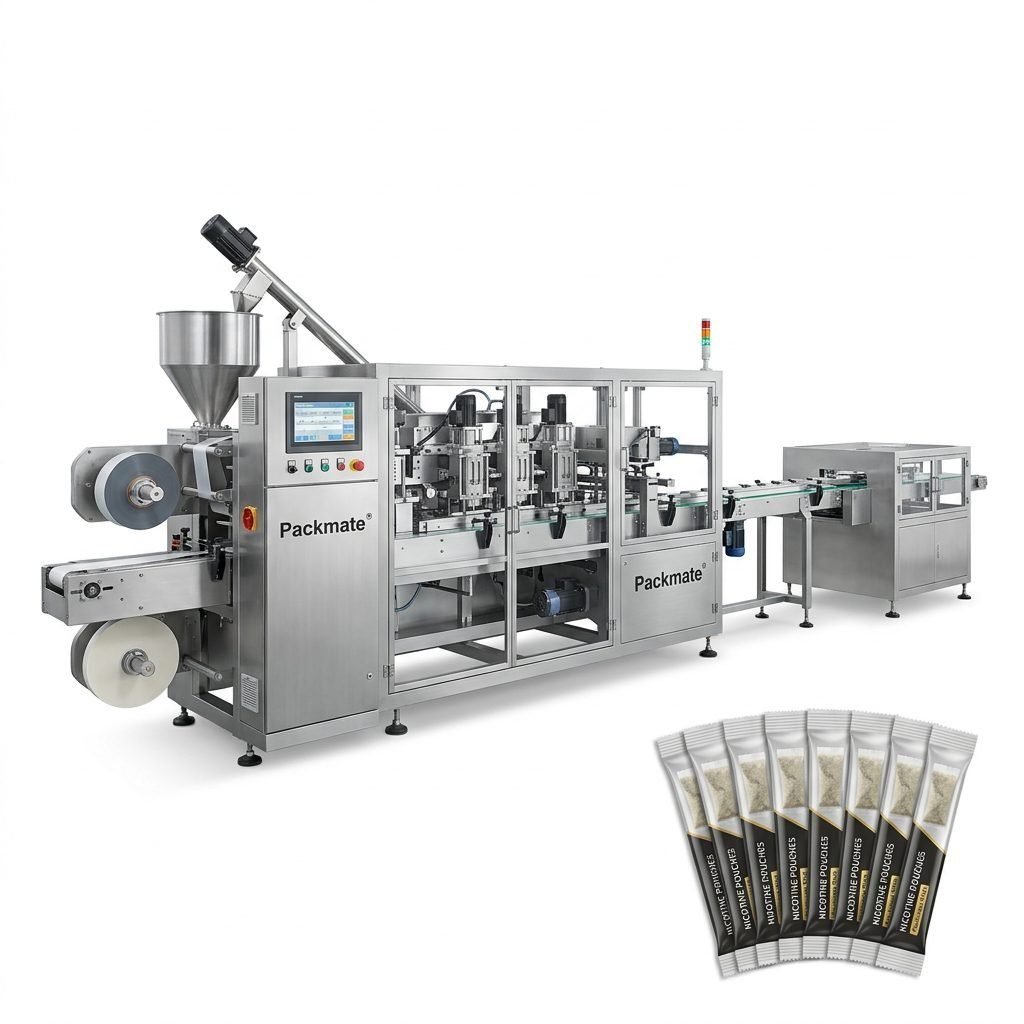
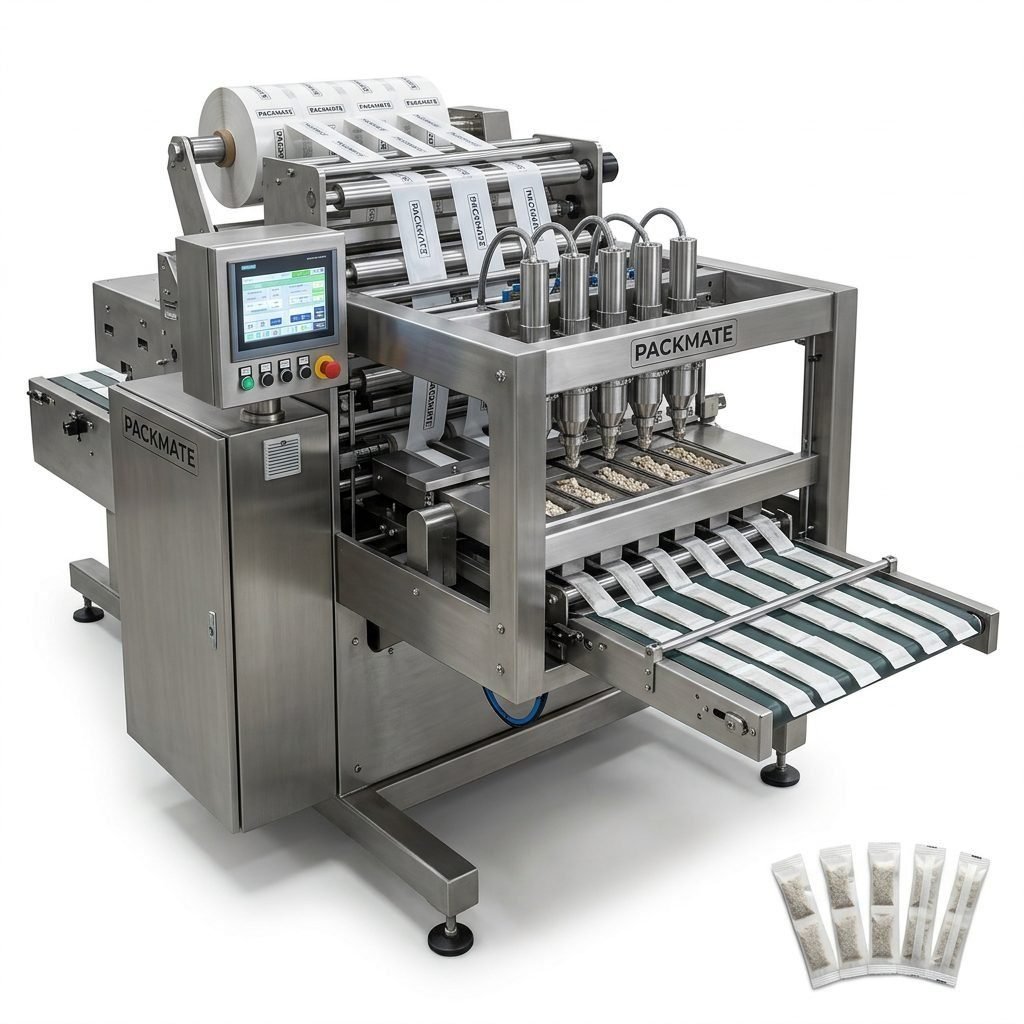
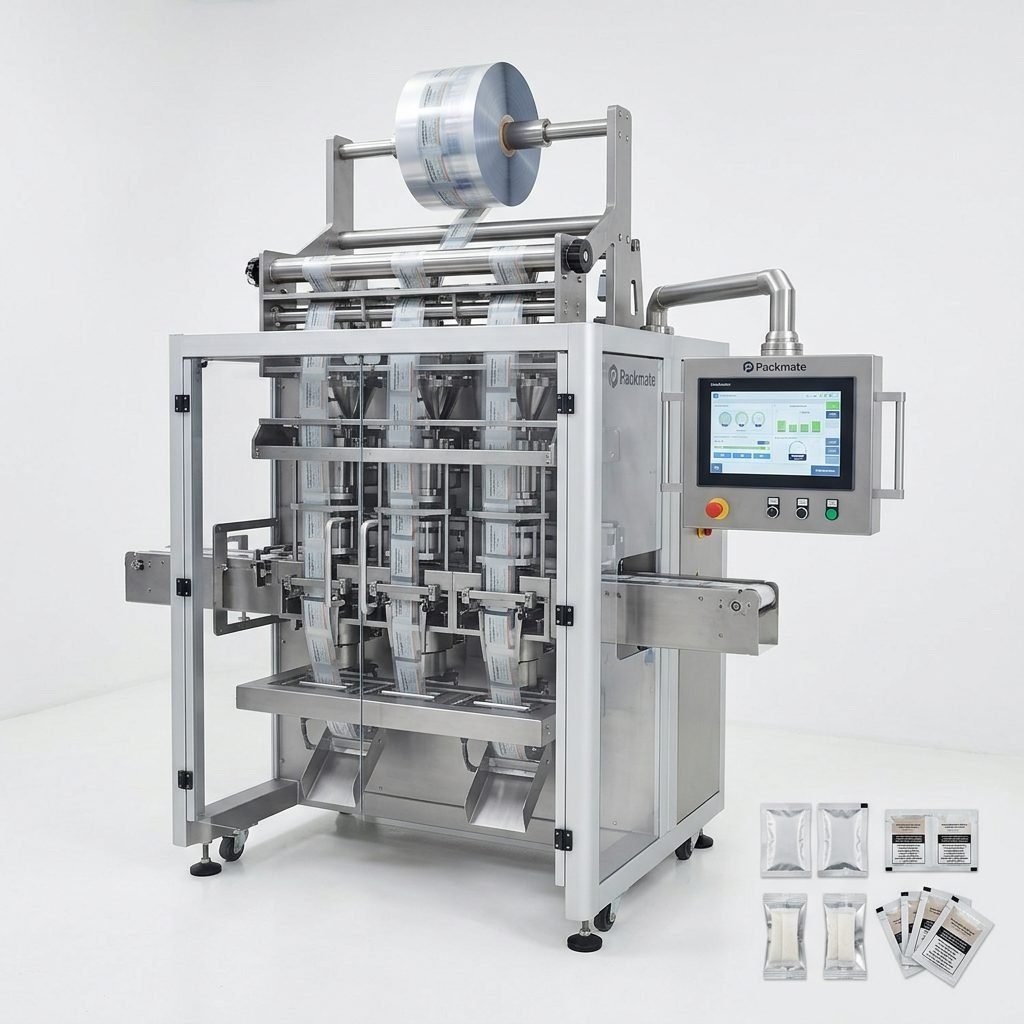
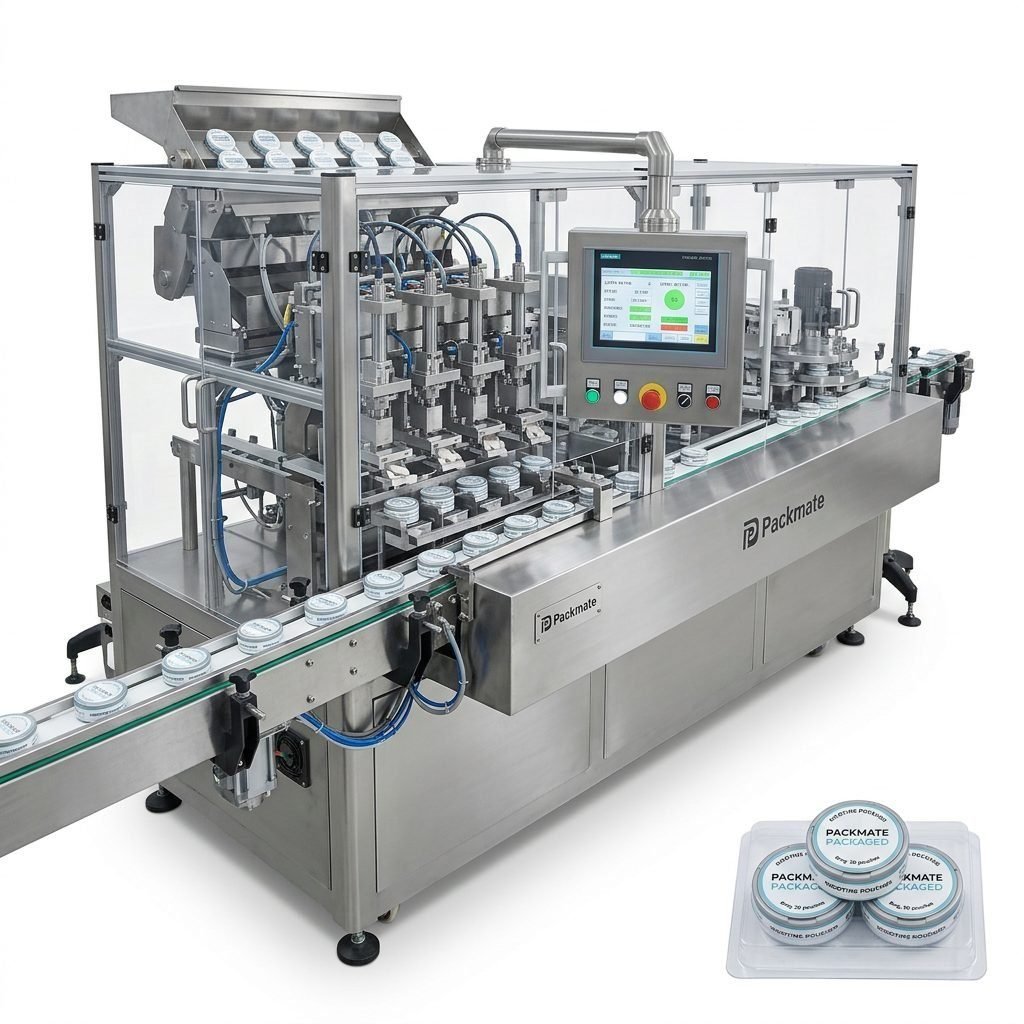
Choosing the right nicotine packaging machine manufacturer for your Fiji-based business is a strategic decision that impacts product quality, regulatory compliance, and long-term operational costs. Whether you plan to produce nicotine pouches, snus, stick packs, or sachets for local sales or regional export across the South Pacific, this guide walks you through the essential considerations — from machine types and climate-adapted design to after-sales support and cultural preferences in Fiji.
Understand Your Product Format and Production Goals
Start by defining what exactly you will package. Nicotine pouches and snus require precise portioning accuracy and delicate sealing, while stick packs and sachets may demand faster output and different sealing geometries. Key questions include:
✓ What daily output (pieces/hour) do you target?
✓ Do you need single-lane or multi-lane machines (multi-lane systems dramatically increase throughput)?
✓ Will you run powders, granules, wet blends or preformed pouches?
Machine Types to Consider
Typical equipment categories include snus & nicotine pouch machines, stick pack machines, sachet machines, and integrated filling & packaging lines. If you want a quick reference to models and capabilities, explore manufacturers’ product pages such as Snus & Nicotine Packaging Machines and Sachet & Stick Pack Machines.
Consider Fiji’s Local Conditions and Cultural Preferences
Fiji is a tropical island nation with high humidity, salty air in coastal areas, and a workforce often experienced in tourism, agriculture, and light manufacturing. These local characteristics affect machine selection and packaging design:
ℹ️ Humidity and heat: prioritize machines with reliable sealing and optional integrated drying/desiccation solutions to prevent moisture ingress.
ℹ️ Corrosion resistance: look for stainless steel contact parts and protective coatings suitable for coastal operations.
ℹ️ Local language & labeling: package artwork should include English and optionally iTaukei (Fijian) terms, and comply with local import and health labeling requirements.
ℹ️ Cultural sensitivity: Fiji has conservative and community-focused values. Avoid packaging that could be perceived as promoting youth use; ensure compliance with advertising and display regulations in local retail channels.
Electrical Standards and Site Prep
Fiji uses 230V, 50Hz electrical systems. Confirm that the machine’s electrical specifications match local power or that the manufacturer can supply compatible transformers and starters. Also assess your factory’s floor loading capacity, humidity control, and access for large equipment delivery (ports commonly used include Suva and Lautoka).
Quality, Certifications, and Compliance
Reputable manufacturers provide international certifications and testing evidence. For nicotine packaging, prioritize suppliers that can demonstrate:
✓ CE and ISO compliance for safety and quality management;
✓ Factory Acceptance Test (FAT) documentation and video demonstrations;
✓ Traceability of critical components and spare parts lists;
✓ Validation support and quality control integration guidance.
Evaluate Manufacturing Capability and Track Record
A manufacturer with decades of engineering experience and a large facility is often better positioned to deliver robust machines and spare parts. For instance, manufacturers that highlight extensive CNC machining centers, a 20,000㎡ factory footprint, and decades of R&D experience signal strong production capabilities and customization potential — useful when you need tailored multi-lane nicotine pouch systems or integrated filling lines. Learn more about an experienced supplier’s background on pages such as About Packmate.
After-Sales Support, Spare Parts and Local Service
After-sales presence matters greatly for island nations. Confirm the following before purchase:
⚠️ Availability of spare parts with reasonable shipping times to Fiji (or stocked parts in nearby Australia/New Zealand).
⚠️ Remote troubleshooting and training support (video call, PLC program sharing).
⚠️ On-site commissioning and training options, plus clear warranty terms and service contracts.
Turnkey Solutions vs. Standalone Machines
Decide whether you want a turnkey production line (weighing, filling, sealing, packaging, labeling, case packing) or standalone machines. Turnkey suppliers can reduce integration risks and accelerate time-to-market, particularly helpful if your Fiji plant has limited systems integration resources. Explore combined systems such as Filling & Packaging Lines and Weighing & Packaging Systems for reference.
Packaging Materials, Barrier Properties and Climate Control
In Fiji’s tropical climate, barrier properties and sealing integrity are crucial. Work with suppliers who understand film selection (e.g., aluminum barrier films, high-barrier laminates) and can advise on:
✓ Seal strength at typical production speeds;
✓ Compatibility with automated portioning and desiccants;
✓ Cold chain options for temperature-sensitive blends;
✓ Printing and coding solutions for batch traceability and expiry dates.
Cost of Ownership and Financing
Purchase price is only part of the equation. Compare total cost of ownership (TCO), including spare parts, consumables, energy consumption, and expected downtime. Ask manufacturers for lifecycle cost estimates and available financing or leasing options. A reliable supplier will provide transparent warranty terms and service plans to minimize long-term risk.
Factory Acceptance Tests, Commissioning and Training
Ensure the supplier offers a documented FAT process and supports Site Acceptance Testing (SAT) at your Fijian facility. Effective commissioning includes operator training in local language or English, maintenance training for technicians, and spare parts kits for initial production runs.
References, Case Studies and Exhibition Presence
Ask for regional references and case studies that demonstrate reliable long-term operation in humid climates. Manufacturers who participate in global exhibitions and share detailed case histories provide extra confidence — see sample case references and exhibition highlights at pages like Case and Our Exhibition.
Customization and Local Regulations
Effective manufacturers offer flexible customization: multi-lane configurations, different dosing systems, and tailored sealing jaws. Additionally, ensure your packaging and labeling comply with Fiji’s import, health, and advertising regulations. Work with suppliers who can adapt label layouts and machine controls to produce compliant packaging runs.
Logistics, Delivery and Import Considerations
Discuss packaging for machine shipment, customs paperwork, and delivery to major Fijian ports. A supplier experienced in exporting machinery to island markets reduces the risk of delays and unexpected import duties. Confirm warranty activation conditions that may depend on professional commissioning at your site.
Checklist: Key Questions to Ask Potential Manufacturers
✓ Can you supply multi-lane nicotine pouch machines designed for small-dose accuracy?
✓ What certifications (CE, ISO) and FAT/SAT documentation do you provide?
✓ How do you handle spare parts and service in the South Pacific region?
✓ Can you adapt machines to 230V/50Hz and provide commissioning in Fiji?
✓ Do you provide references from similar climates and product types?
Why Choose an Experienced Supplier
An experienced supplier brings engineering maturity, robust manufacturing facilities, and proven solutions for snus and nicotine pouch production. Features such as precision CNC-machined parts, extensive model ranges, and turnkey line experience reduce integration risk and accelerate production ramp-up. If you want a deeper dive into product families, check the Bag & Pouch Packaging Machines and Auxiliary Packaging Equipment sections for complementary options.
Making the Final Decision
Balance technical fit, TCO, and the supplier’s willingness to support local commissioning and training. Prioritize manufacturers who provide clear FAT procedures, responsive spare parts logistics, and documented success in humid, coastal environments similar to Fiji.
✅ Final recommendation: select a manufacturer that combines proven nicotine packaging technology, global certifications, local environmental know-how, and a reliable after-sales network — this approach minimizes downtime and ensures consistent product quality across Fiji’s market conditions.
Next Steps
Start by requesting technical specifications, FAT videos, and case studies from shortlisted suppliers. Schedule an evaluation call to discuss production targets, packaging materials, and on-site commissioning timelines. If you need direct assistance or to request a quote, reach out via the supplier’s contact channels such as Contact Us.
Frequently Asked Questions
Q1: How important is multi-lane capability for nicotine pouch production in Fiji?
A1: Multi-lane systems massively increase throughput and reduce per-unit labor costs. For export-oriented operations or high-volume domestic markets, multi-lane solutions are often worth the initial investment due to their higher productivity and scalability.
Q2: What spare parts should I keep in stock locally?
A2: Keep critical wearing parts (sealing jaws, belts, cutters), PLC modules, sensors, and consumables like film rolls and desiccant packs. A starter spare parts kit from the manufacturer shortens downtime in remote locations.
Q3: Can machines be adapted to local electrical standards and humidity control?
A3: Yes. Reputable manufacturers provide power compatibility options (230V/50Hz) and offer recommendations for humidity control, including dry rooms, dehumidifiers, and desiccant integration to maintain product quality.
Q4: How do I verify supplier reliability before purchase?
A4: Ask for FAT videos, client references in similar climates, certifications (CE/ISO), and documented case studies. Visiting trade shows or requesting virtual demonstrations helps validate performance and build trust.