Choosing the right nicotine packaging machine manufacturer in Botswana is a strategic decision that affects production efficiency, regulatory compliance, and long-term business growth. Whether you are launching a new line of nicotine pouches or upgrading an existing snus production facility, understanding technical capabilities, quality standards, and local support options will help you minimize risk and optimize return on investment. This guide walks procurement managers, operations leaders, and entrepreneurs through a practical selection process, with clear checkpoints and industry-proven criteria to evaluate potential suppliers.
Understand Your Product and Production Needs
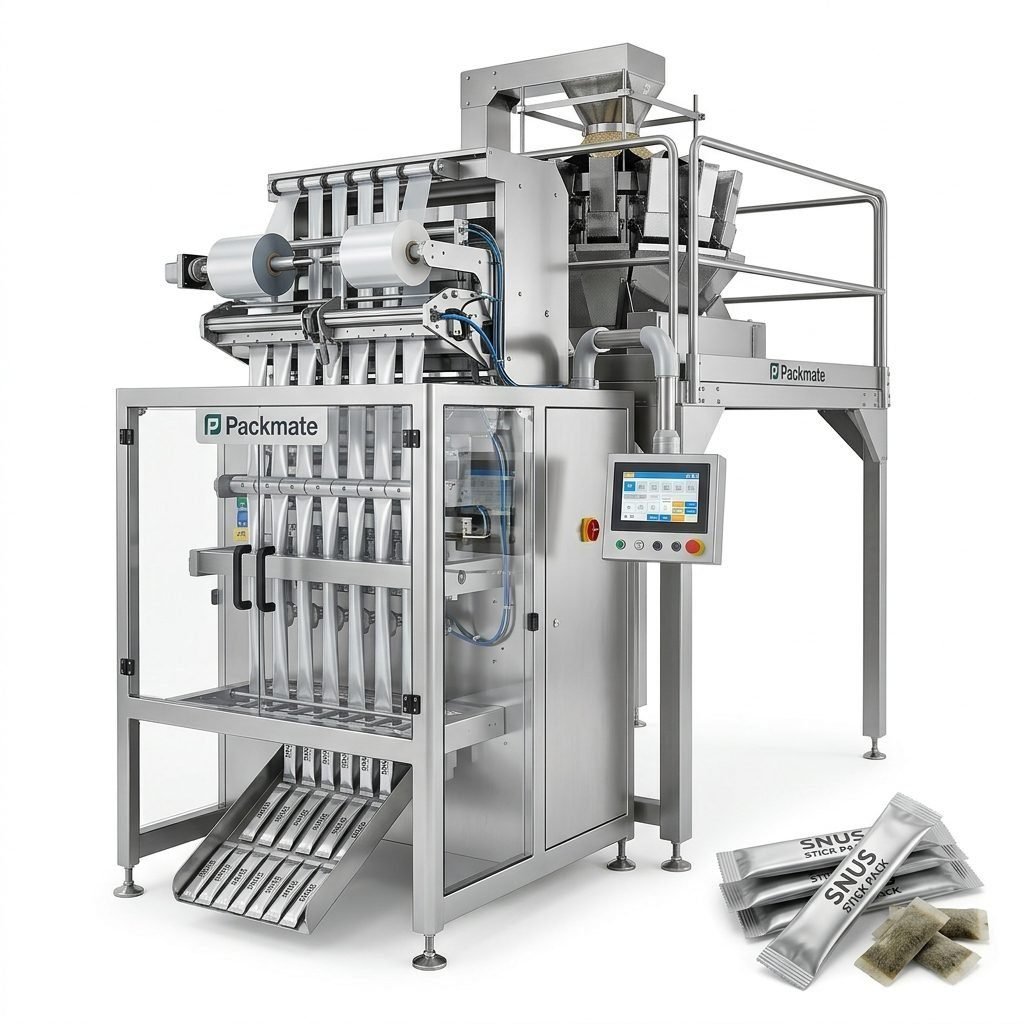
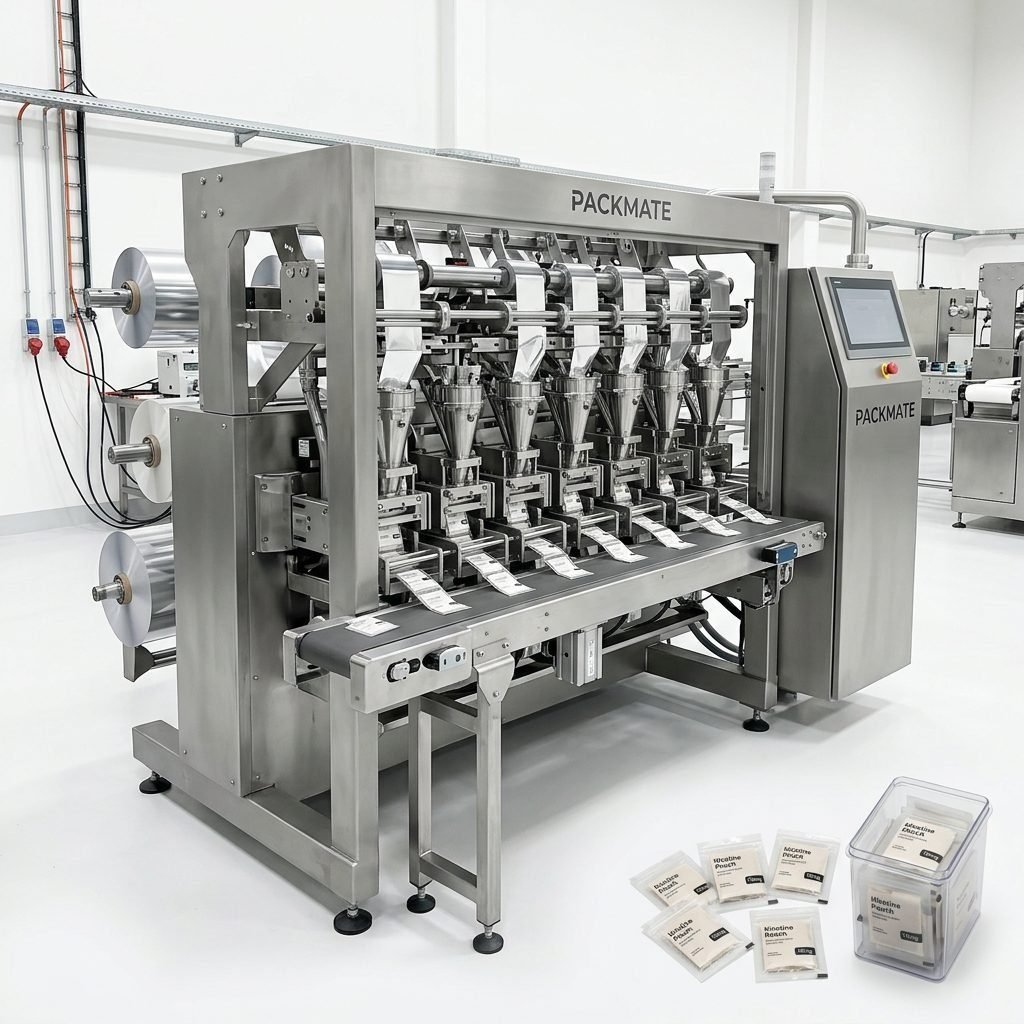
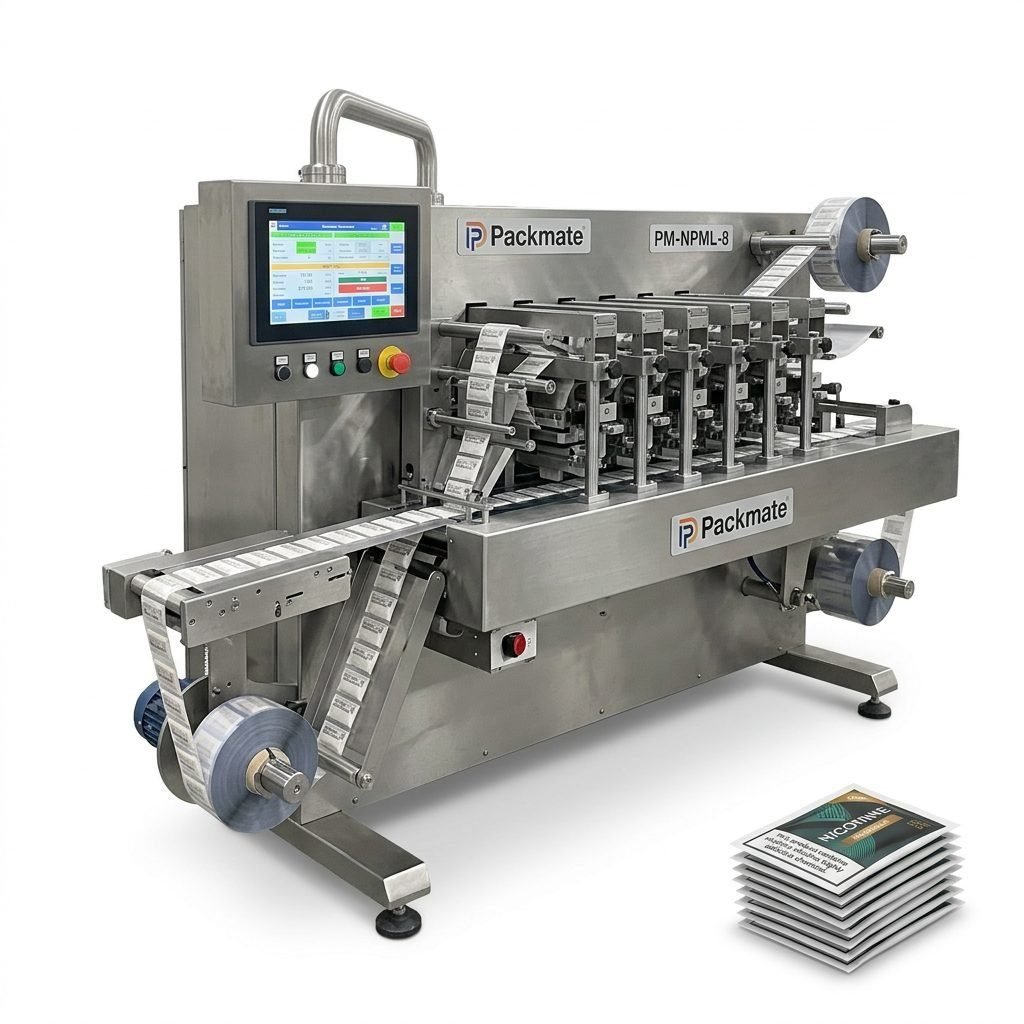
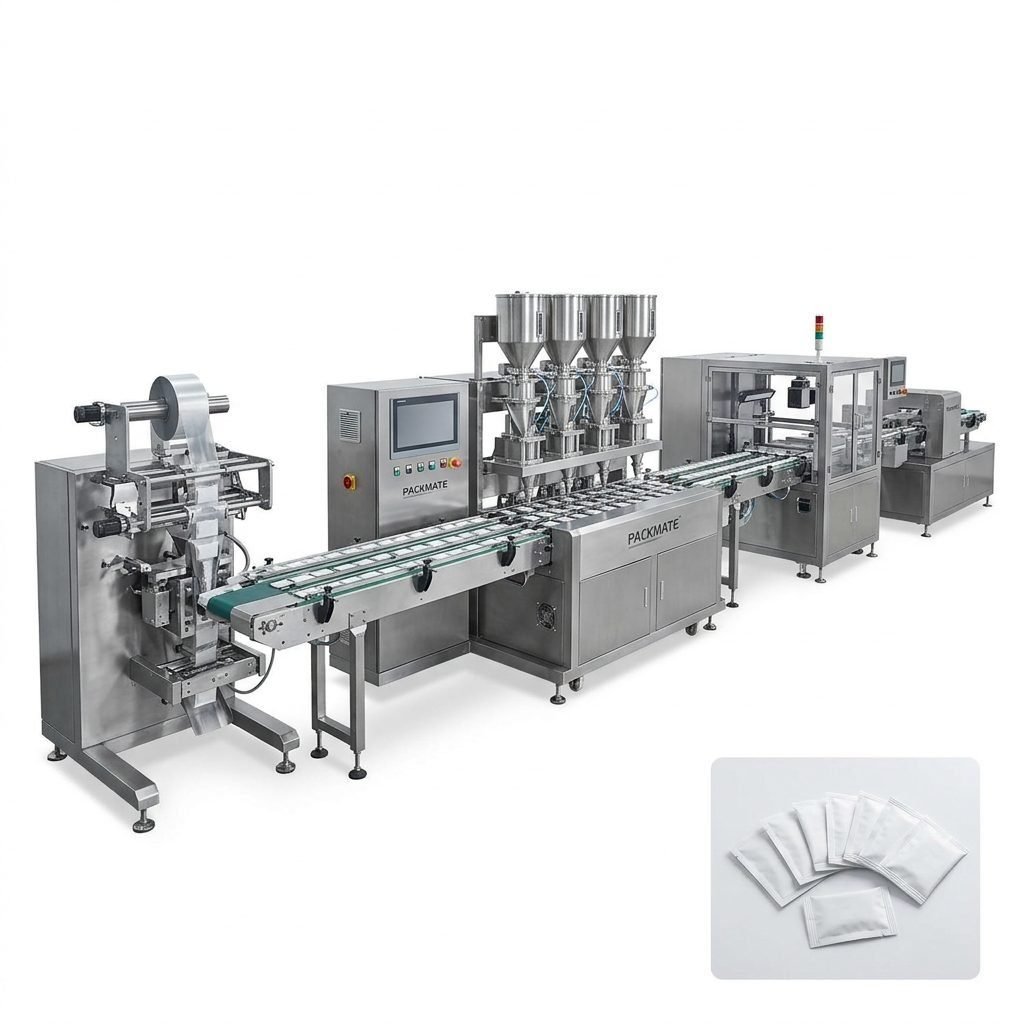
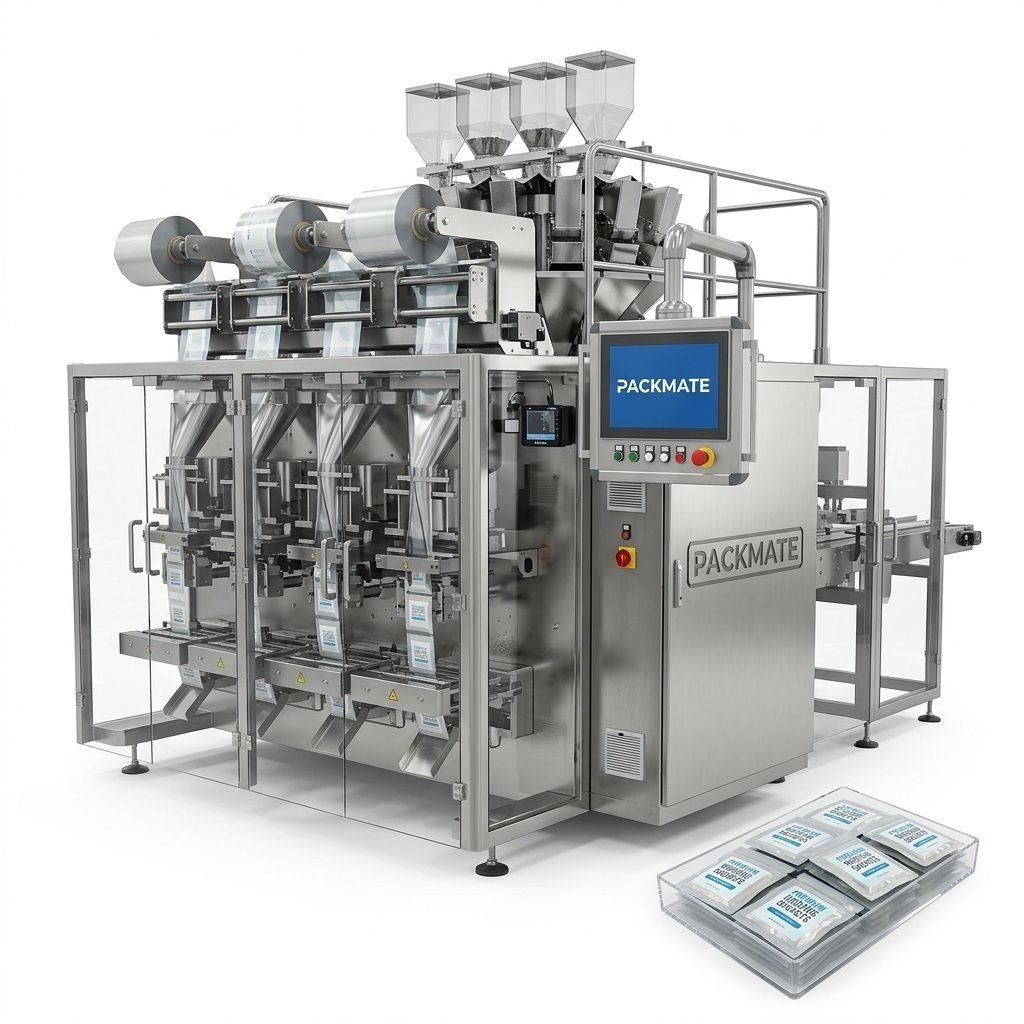
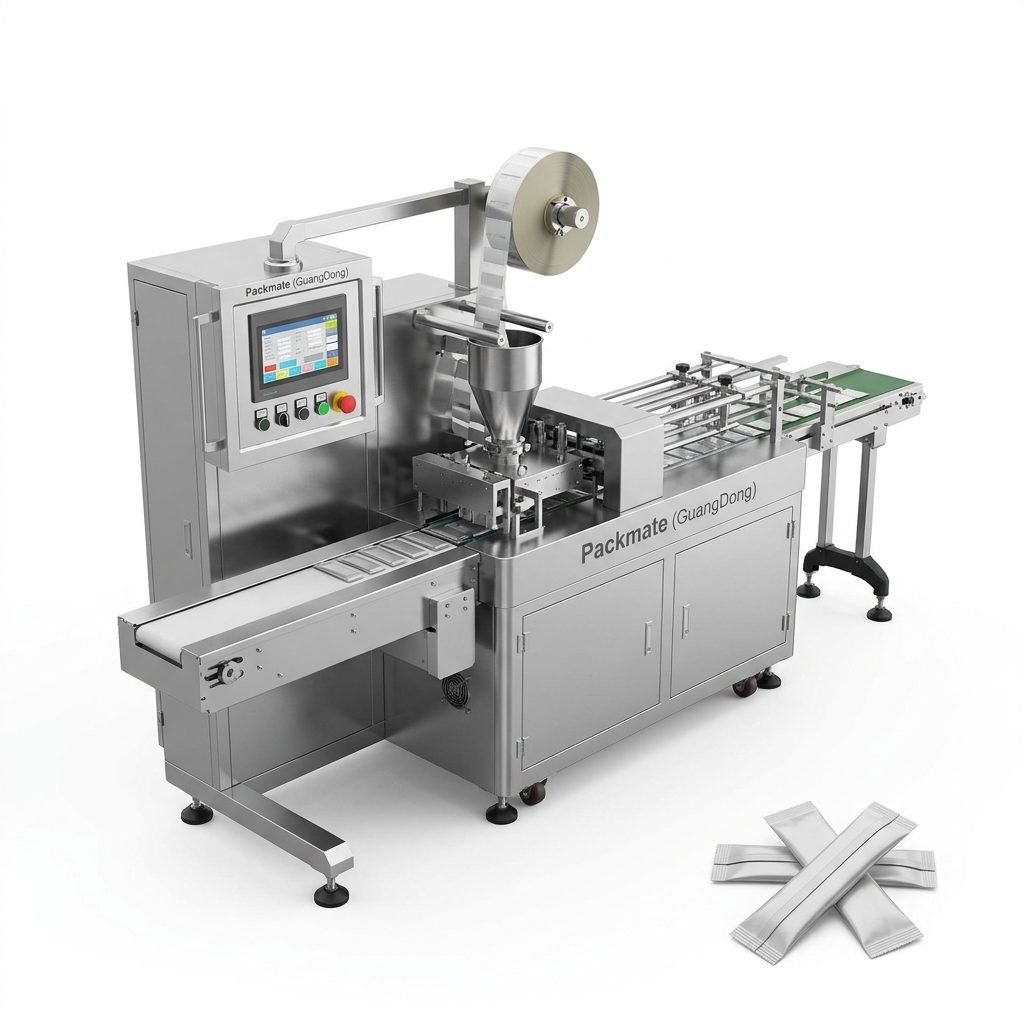
Start by defining the exact product formats you will produce. Nicotine pouch and snus lines vary widely: single-lane stick packs, multi-lane sachets, heat-seal pouches, and small-dose nicotine pouches require different filling and sealing technologies. Consider capacity targets (units per minute), desired packaging formats, and future growth projections. If you expect rapid expansion, prioritize manufacturers experienced with multi-lane systems and scalable solutions.
Key technical specs to list before contacting suppliers
– Target output (e.g., 20,000 pouches/day)
– Product type (powder, granule, paste, liquid, or preformed pouch)
– Expected pouch size and materials
– Required fill accuracy and tolerance
– Integration needs (weighing, labeling, cartoning)
– Automation level and operator skill expectations
🔍 Tip: Provide sample products and target production runs to shortlisted manufacturers. Real samples significantly improve the accuracy of machine configuration proposals.
Evaluate Manufacturer Experience and Track Record
Prioritize manufacturers with a clear history in snus and nicotine pouch packaging. Experience matters for designing robust dosing systems, multi-lane synchronization, and hygienic structures. Look for companies that can demonstrate factory output, model variety, and long-term customer support. A proven supplier will provide case studies, factory tours, or demonstration videos that reflect consistent uptime and product quality.
For reference, leading manufacturers maintain extensive portfolios such as Snus & Nicotine Packaging Machines and Sachet & Stick Pack Machines, showcasing tailored lines for different pouch formats.
What to request from suppliers
– Production references in similar markets or countries
– Detailed machine specs and verified throughput tests
– Videos of machines running your product or similar formulations
– Client contactable references or case studies (ask about uptime and spare parts availability)
Inspect Quality, Certifications, and Compliance
In regulated products like nicotine pouches, equipment must meet international standards for safety and hygiene. Confirm CE marking, ISO certifications, and compliance with electrical and mechanical safety requirements. Suppliers should also follow sanitary design principles (food-grade contact surfaces, easy-to-clean structures) and offer traceability for critical components.
📌 Must-have documentation: compliance certificates, material certificates, inspection reports, and a clear warranty statement.
Assess Manufacturing Capabilities and Factory Strength
A strong manufacturing base ensures consistent machine quality and spare parts availability. Look for factories with advanced CNC machining centers, dedicated assembly lines, and rigorous quality control. A facility size and production capacity indicator (for example, a 20,000㎡ plant) signals the ability to handle complex customizations and timely deliveries.
Visit the factory if possible or request a virtual tour. Pay attention to assembly procedures, test bays, and final inspection protocols. Suppliers that publish factory capabilities and development timelines show transparency and reliability (see an example of corporate background at About Packmate).
Customization, Flexibility and Turnkey Solutions
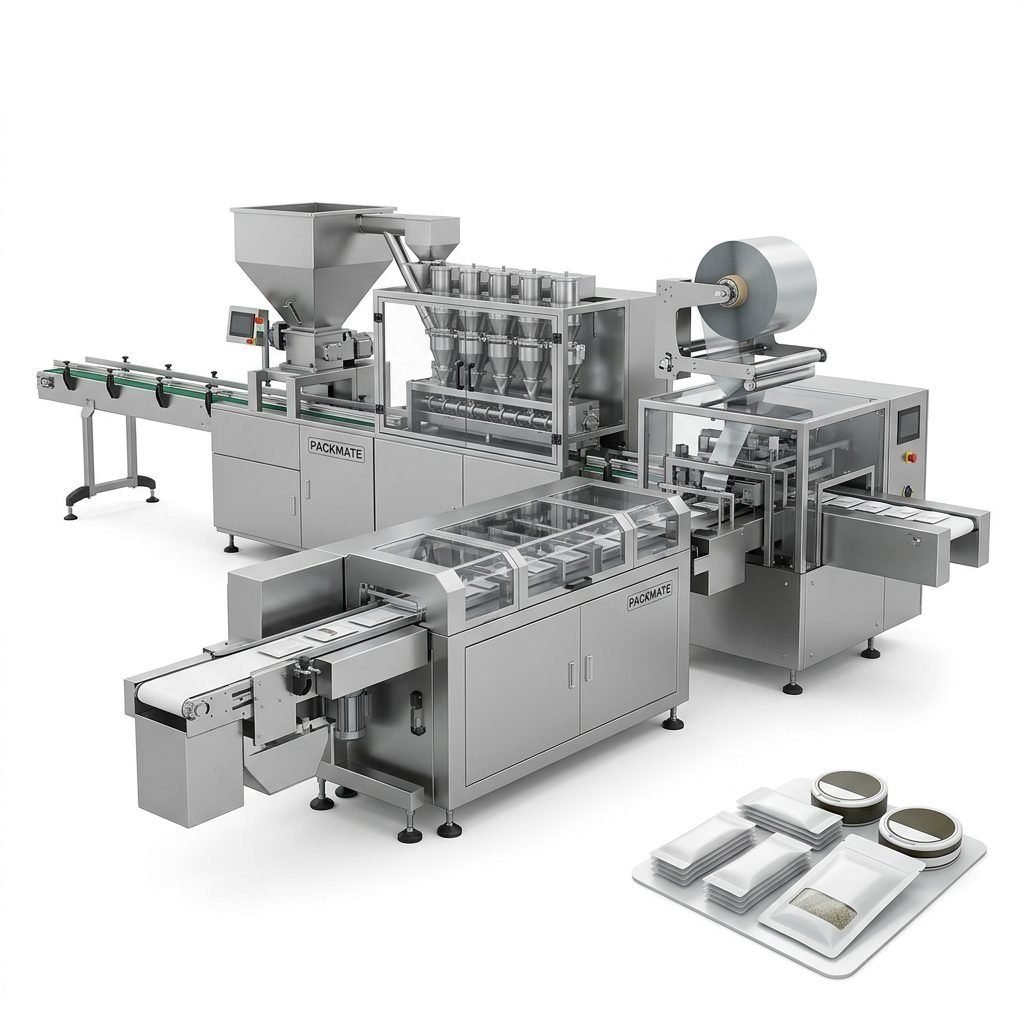
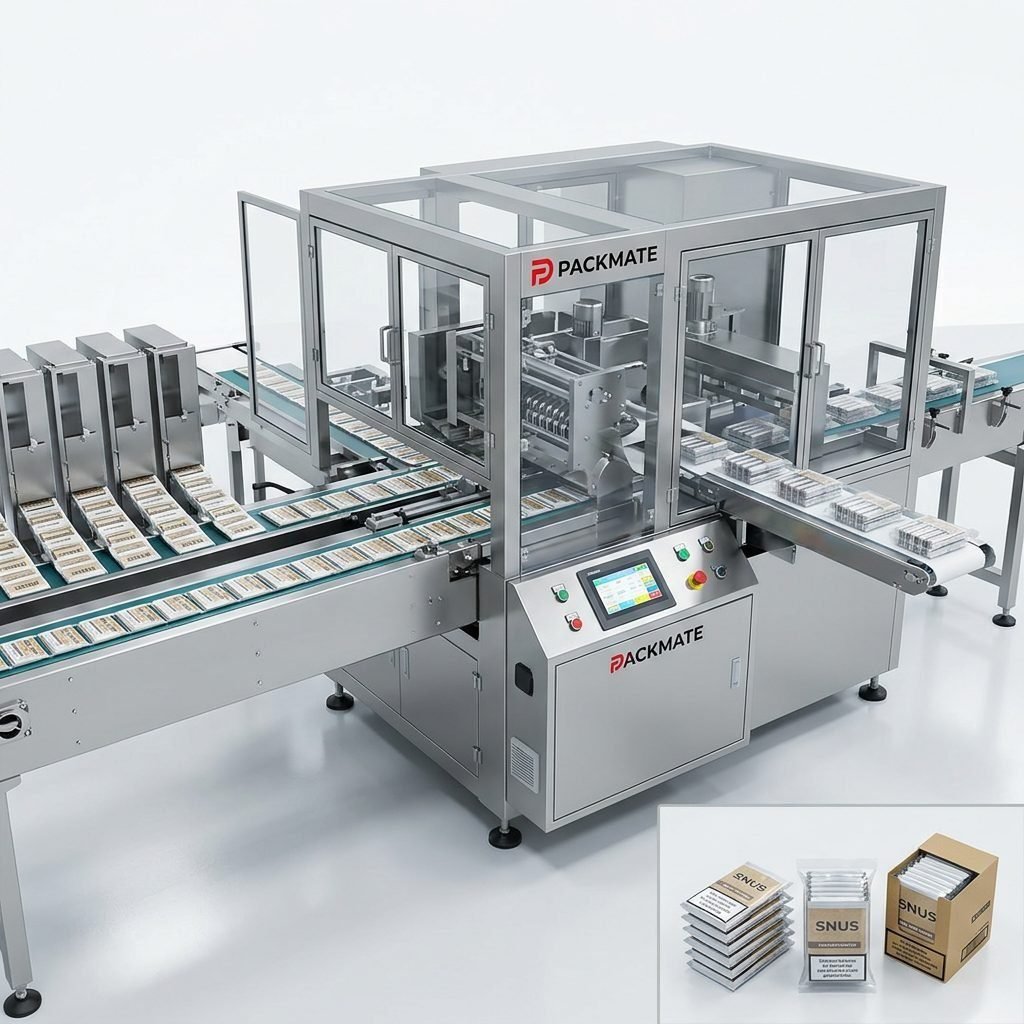
Nicotine products often require custom dosing, sealing parameters, and special packaging materials. The best manufacturers offer modular designs and turnkey lines that integrate filling machines, weighing systems, pouch forming units, and downstream cartoning. Confirm that the supplier can adapt to different materials (e.g., heat-sealable films, compostable substrates) and provide software or PLC adjustments for parameter changes.
For clients seeking integrated systems, explore manufacturers who list full production lines such as Filling & Packaging Lines and supplementary modules like Weighing & Packaging Systems.
✅ Scalability: Choose designs that allow you to add lanes, upgrade dosing systems, or integrate automation without full line replacement.
Service, Spare Parts, and Local Support in Botswana
After-sales service is often the decisive factor. Ensure the manufacturer offers rapid spare parts delivery, on-site commissioning, and training programs. For Botswana operations, prioritize suppliers with regional partners, local agents, or documented international shipping experience to reduce downtime. Ask for guaranteed response times and remote diagnostics capabilities.
Service checklist
– Spare parts lead times and local stocking options
– Remote support and troubleshooting via VPN/IoT
– On-site commissioning and operator training
– Maintenance contracts and optional extended warranties
Total Cost of Ownership (TCO) vs. Initial Price
Focus on TCO rather than the lowest upfront price. Calculate energy consumption, consumables, spare parts costs, maintenance frequency, and expected service life. Higher-quality machines may cost more initially but deliver lower downtime and better fill accuracy, saving money over the lifecycle.
⚠️ Important: Ask for a breakdown of consumable parts and estimated replacement intervals so you can budget accurately.
Factory Acceptance Tests (FAT) and Site Acceptance Tests (SAT)
Insist on FAT before shipment and SAT after installation. FAT validates performance against contractual specs in the manufacturer’s facility. SAT confirms installation quality and final commissioning at your site. Well-documented FAT reports should include throughput, seal integrity tests, weight accuracy data, and video recordings of test runs.
Logistics: Shipping, Installation and Local Regulations
Coordinate import documentation, customs clearance, and local installation requirements in Botswana. Some equipment may arrive as modular components that require local assembly. Choose a supplier familiar with international shipping, packaging for long transit, and offering assistance with customs paperwork. Also confirm electrical compatibility and local voltage requirements.
For assistance and to review past project examples, check supplier case studies and project showcases like Case and the company’s exhibition history at Our Exhibition.
Warranty, Training and Documentation
Confirm the warranty length and what it covers (mechanical components, electronics, servo systems). A robust supplier offers operator training, maintenance manuals, spare parts lists, and PLC/software source code or backup procedures. Comprehensive documentation reduces commissioning time and empowers local technicians to resolve common issues.
🔧 Practical step: Request a standard spare parts kit for the first 12 months of operation and confirm pricing for future orders.
Verify Communication, IoT and Industry 4.0 Compatibility
Machines with remote monitoring, data logging, and predictive maintenance features can significantly improve uptime. Ask about PLC types, data export options (OPC-UA, MQTT, Ethernet/IP), and whether the supplier offers cloud connectivity or dashboard solutions to monitor performance remotely.
Use Comparative Criteria and Scorecards
Build a scoring matrix to compare suppliers across measurable criteria: performance, price, warranty, spare parts lead time, certifications, and local support. Assign weights to factors that matter most to your business and select the vendor with the highest weighted score rather than relying on a single criterion.
If you need pre-configured solutions, explore full-line offerings and auxiliary equipment options on supplier product pages such as Auxiliary Packaging Equipment and comprehensive catalogs at Catalog.
Sample supplier evaluation scorecard (example)
– Technical performance & throughput (30%)
– Quality, materials and certifications (20%)
– After-sales support & spare parts (20%)
– Price and TCO (15%)
– References & factory capability (15%)
📈 Decision rule: Score each supplier, then prioritize discussions with the top two vendors for negotiation and final clarifications.
Why Choose a Reputable Snus/Nicotine Packaging Specialist
Specialists bring deep domain knowledge: they understand small-dose dosing challenges, packaging material compatibilities, and nuanced regulatory demands of nicotine products. A specialist manufacturer can shorten development cycles, offer optimized line layouts, and provide targeted after-sales training tailored to snus production.
For a full company profile and mission overview, established vendors often provide details under sections like Mission & Vision and direct contact channels at Contact Us.
Final checklist before signing the contract
– Confirm all technical specifications in writing and include penalty clauses for missed performance targets.
– Require FAT, SAT, and a clear acceptance protocol.
– Include spare parts supply agreement and response time SLAs.
– Verify training provisions and the exact scope of warranty.
– Lock in delivery timelines and incoterms (e.g., CIF/FOB) explicitly.
🔑 Bottom line: A good supplier combines technical expertise, manufacturing strength, proven references, and responsive service to support your nicotine packaging ambitions in Botswana.
Where to go next
Compile a short request for quotation (RFQ) including specifications and sample images (if available). Send it to 2–4 shortlisted manufacturers, request FAT videos, and schedule virtual or on-site demonstrations. Use the evaluation scorecard above to compare offers objectively and negotiate a package that covers equipment, installation, training, spare parts, and warranty.
Common Questions
Q1: How long does it typically take to install a complete nicotine pouch production line?
A1: Installation and commissioning usually take 4–8 weeks depending on line complexity, site preparation, and FAT/SAT scheduling.
Q2: What are typical lead times for spare parts shipped to Botswana?
A2: Standard spare parts can often be shipped within 7–21 days from the manufacturer; critical components can be kept in regional warehouses if arranged in advance.
Q3: Can manufacturers provide turnkey solutions including weighing and cartoning?
A3: Yes. Many specialists supply integrated solutions covering weighing, filling, sealing, labeling, and cartoning. Explore Bag & Pouch Packaging Machines for examples.
Q4: What certifications should I insist on for nicotine packaging equipment?
A4: CE and ISO are baseline; additionally confirm material compliance (food-grade certificates) and documented safety testing for electrical and mechanical systems.
Q5: How do I ensure fast response when machines need repair in Botswana?
A5: Negotiate a service contract with guaranteed response times, local stocking of critical spares, and remote diagnostics capability for rapid troubleshooting.