Choosing the right nicotine packaging machinery supplier for a factory in Niger is more than a technical decision — it is a strategic business move that must account for local market habits, climate, logistics and regulatory realities. This guide walks you through practical, factory-level considerations and supplier evaluation steps so you can make a confident, cost-effective purchase that supports long-term production and local operations.
Understand the Niger Market and Local Context
Niger is a landlocked country in West Africa with a predominantly young population and strong local trading networks. Business relationships often depend on trust and clear communication—French is the official language, while Hausa and Zarma are widely spoken in trade hubs. When planning a nicotine pouch production line for distribution in Niger and neighboring markets, consider:
– 🔍 Regulatory sensitivity: Nicotine products may face strict rules or social sensitivities in some regions. Always confirm local legal requirements, labeling rules (French-language labels are typically required) and customs restrictions before importing machinery or raw materials.
– ☀️ Climate and environment: Niger’s hot, dusty conditions can affect machine performance. Suppliers should propose dust-proof features, suitable cooling, and corrosion-resistant materials to keep downtime minimal.
– 🤝 Relationship-driven business: Local partners value clear after-sales commitments and in-person training where possible. Factory visits, reliable local contacts, and documented service agreements help build trust.
Essential Technical Criteria for Nicotine Packaging Machines
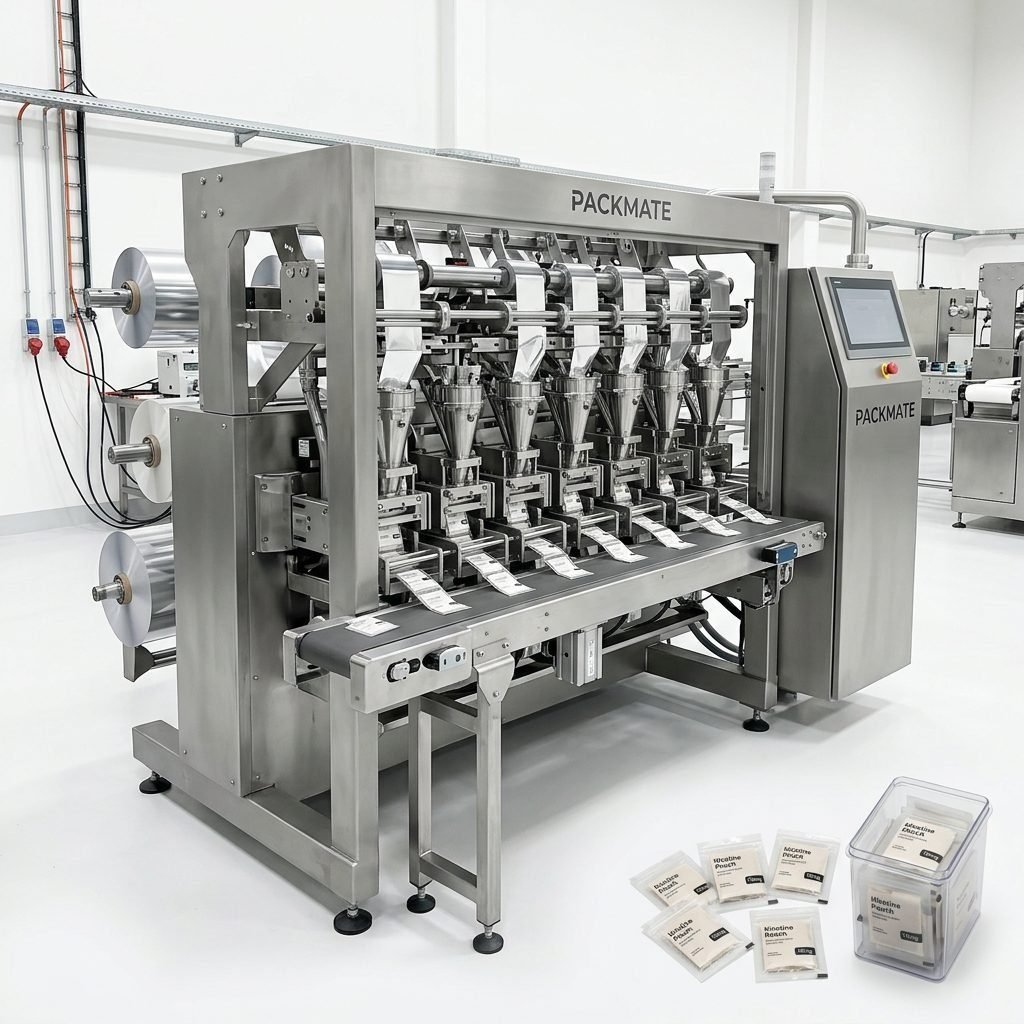
✅ Production capacity & flexibility: Choose machines that match your target output and can scale. Multi-lane systems and adjustable speeds are valuable if you plan to run multiple SKUs or increase production later.
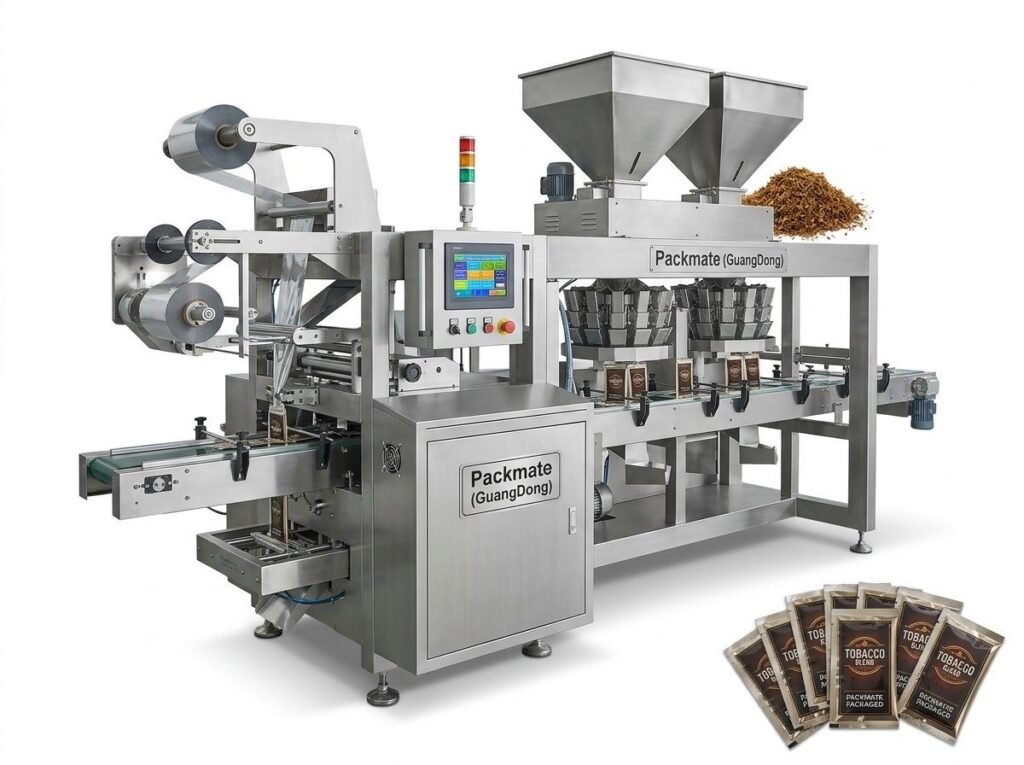
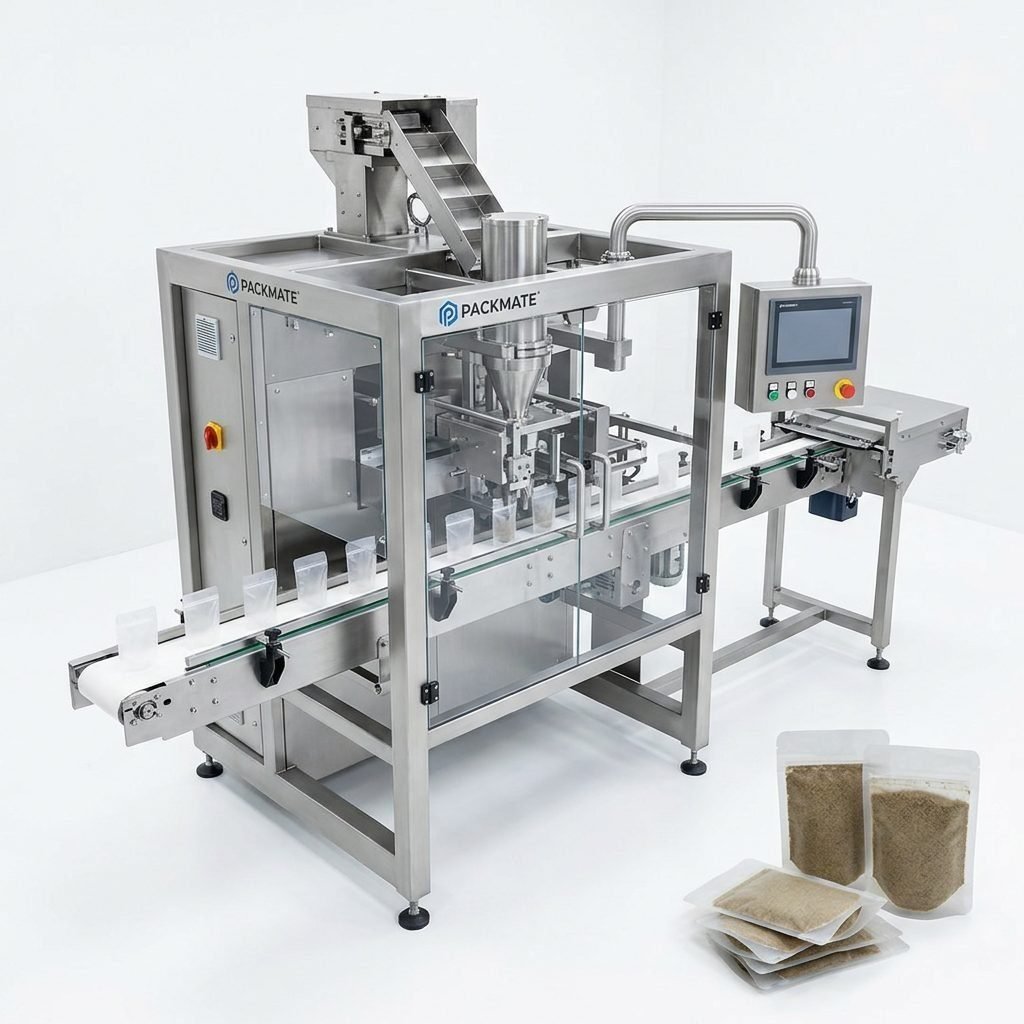
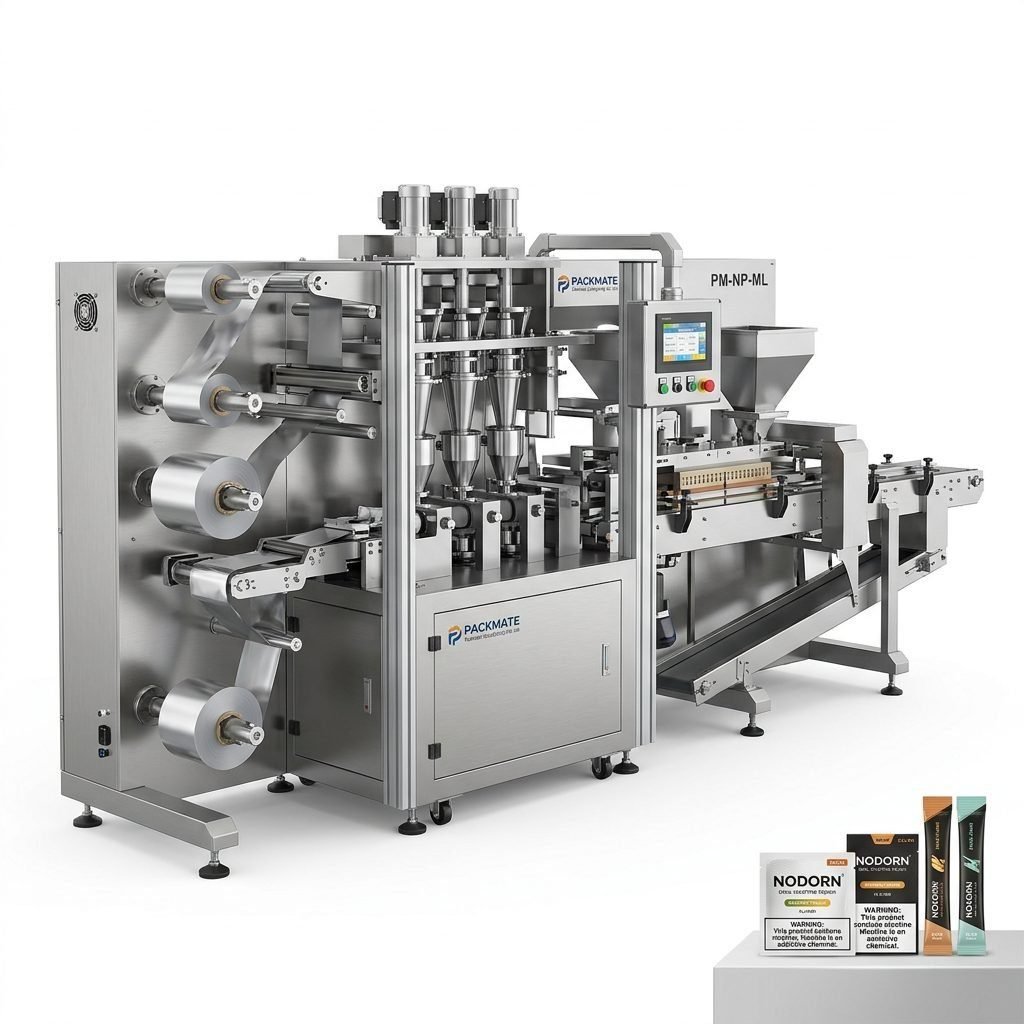
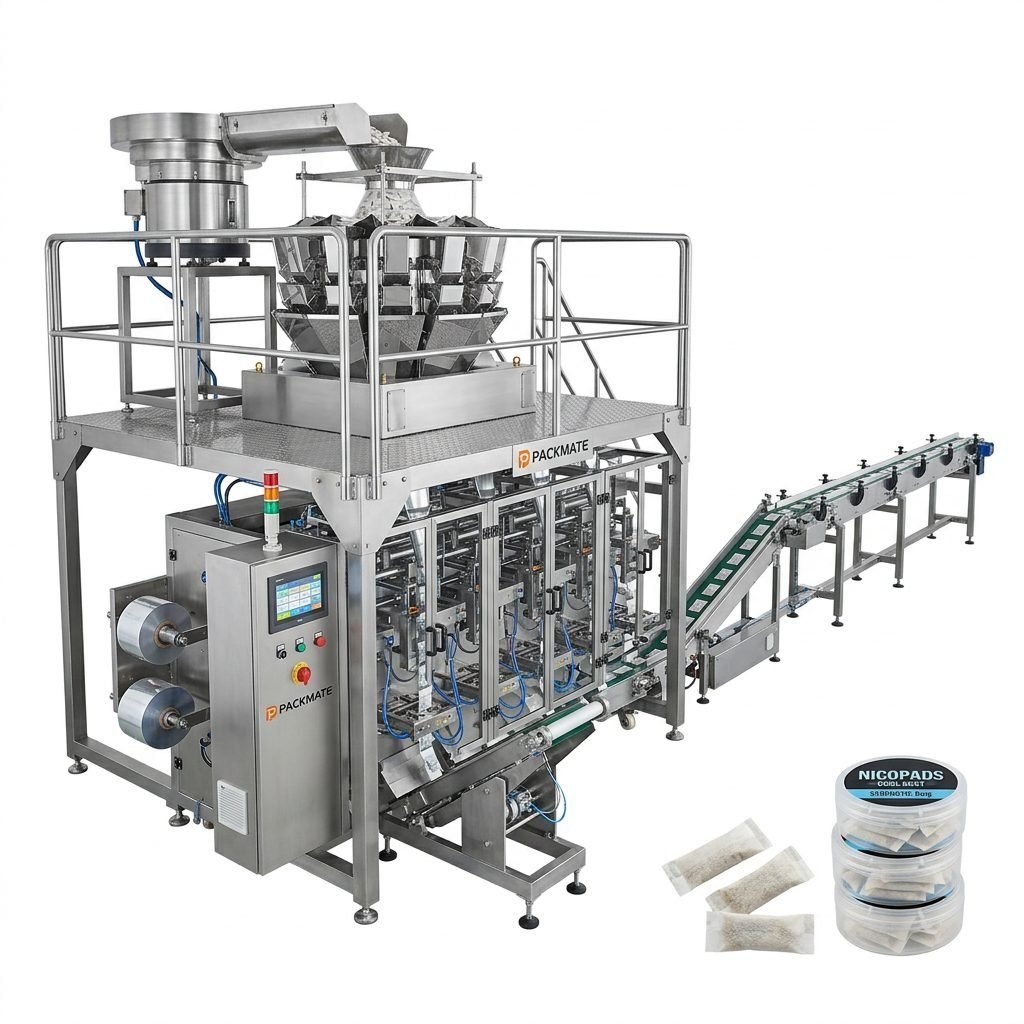
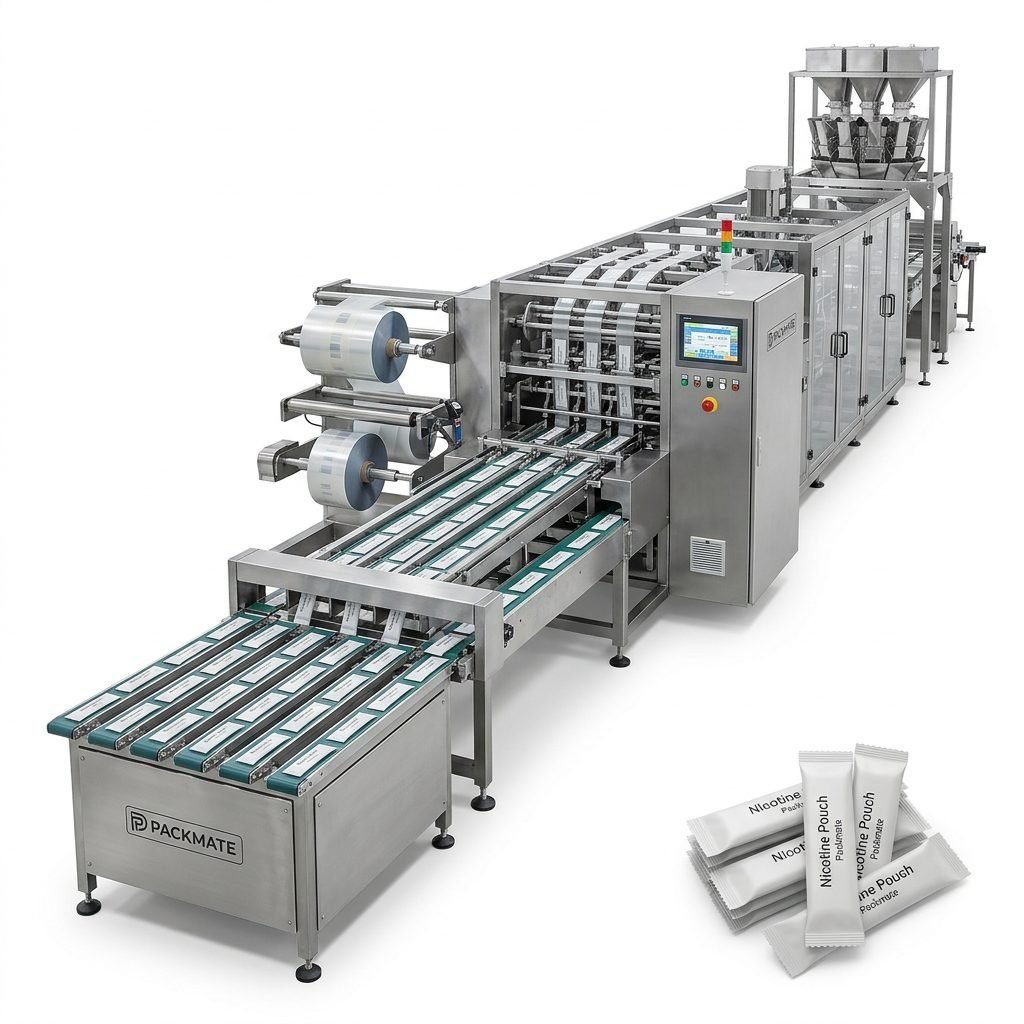
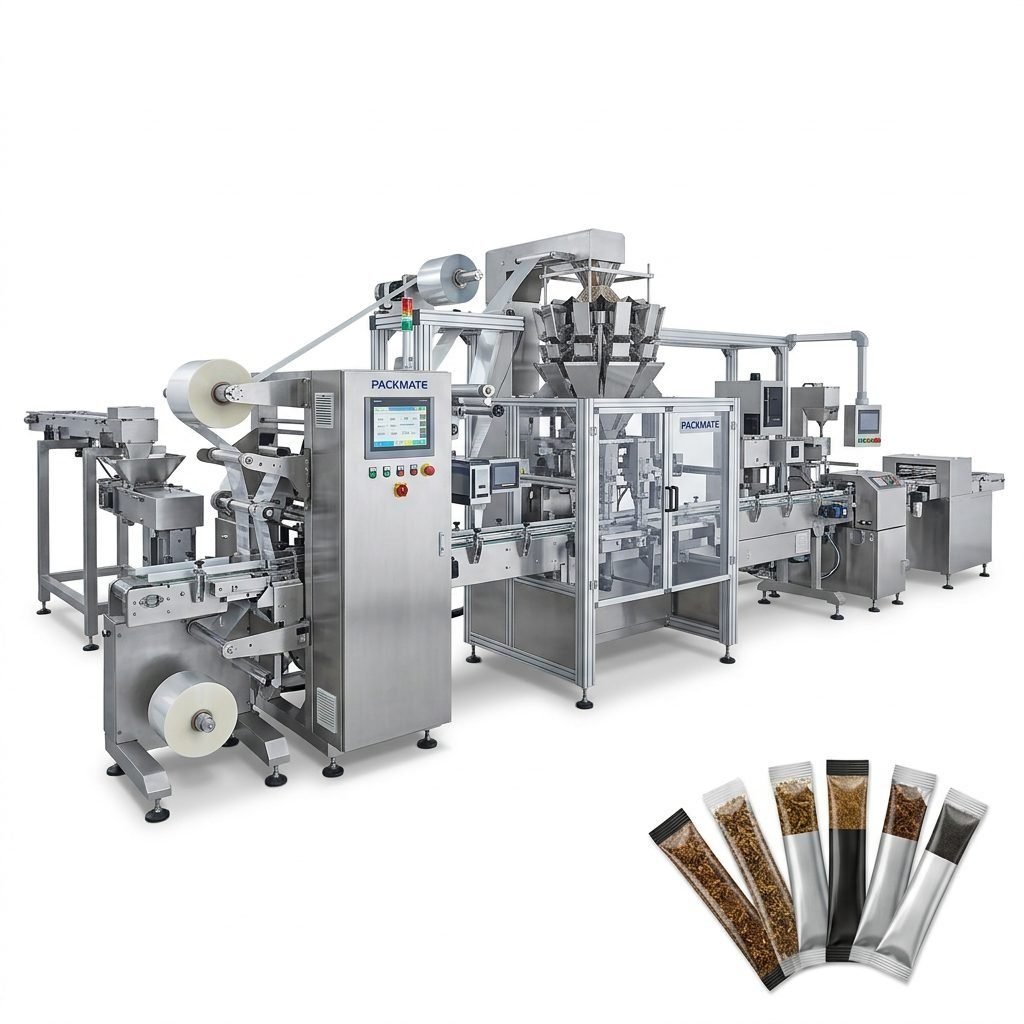
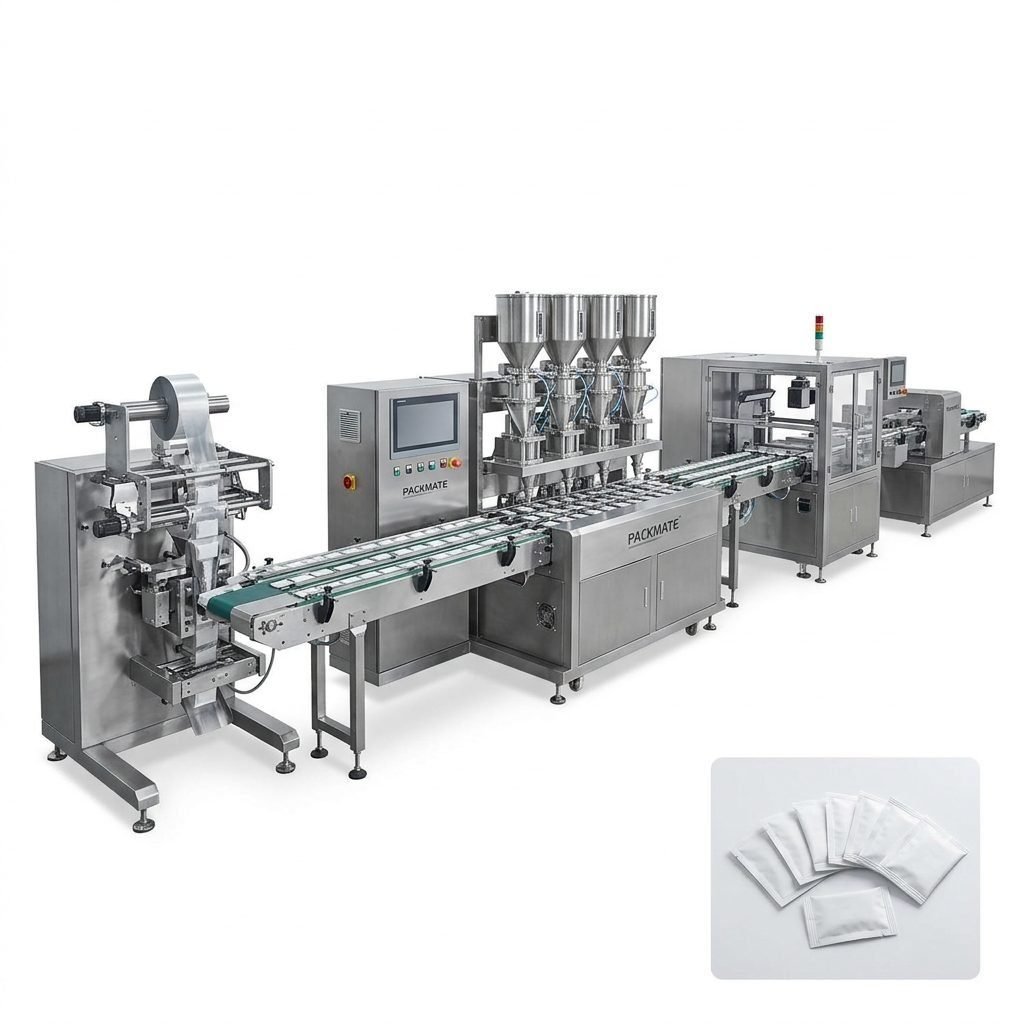
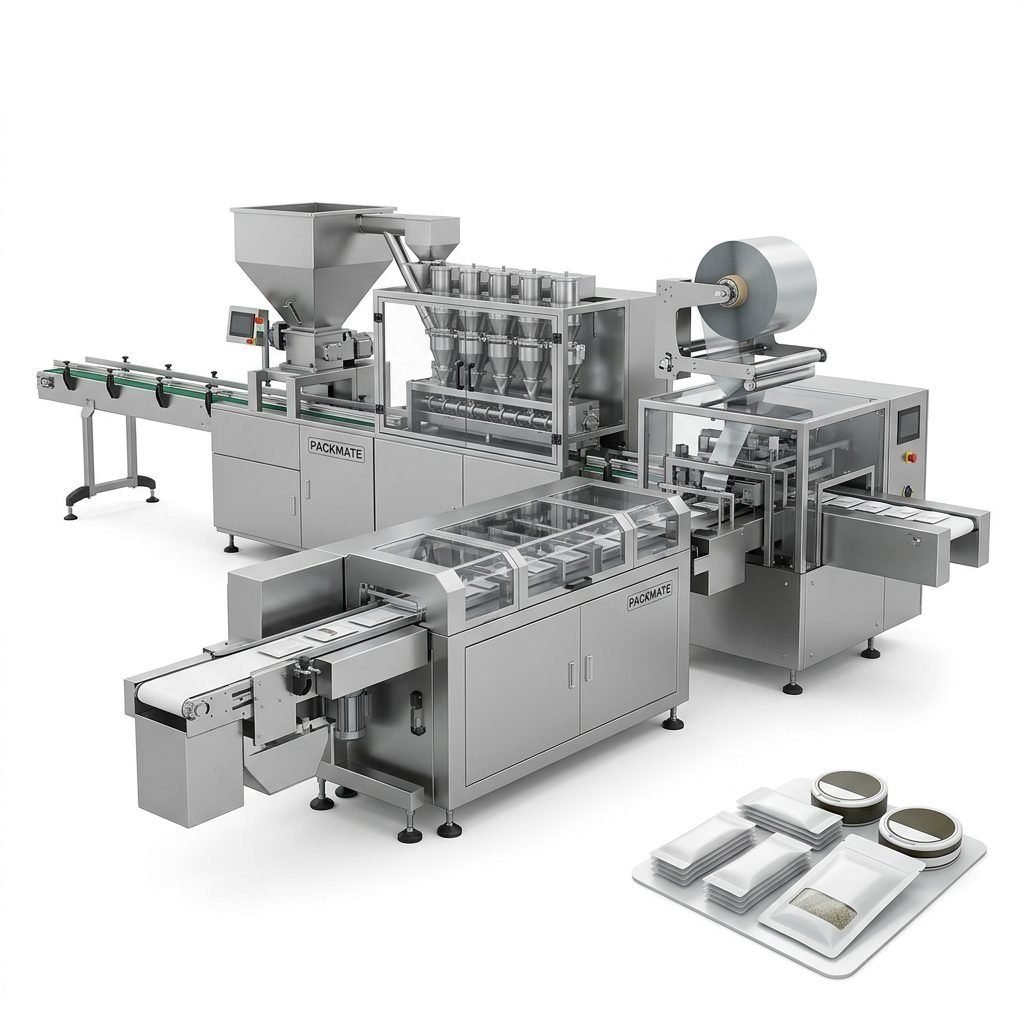
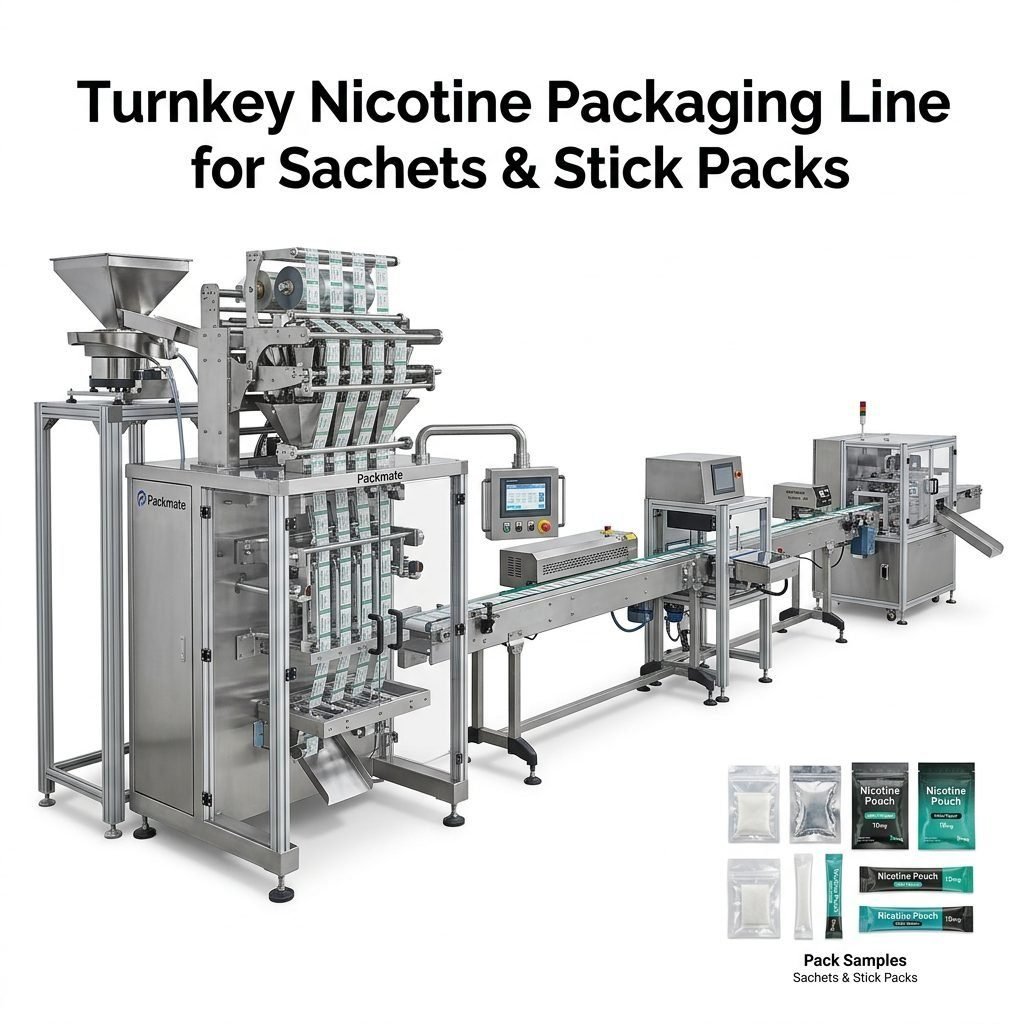
✅ Packaging formats: Confirm the supplier supports the specific pouch types you need: nicotine pouches/snuses, stick packs, sachets, or multi-lane pouches. Review sample packs produced by the supplier to evaluate seal quality and presentation.
✅ Hygiene & material compatibility: Machines should use food-grade contact parts, and be easy to clean to avoid contamination when switching products.
Why Certifications and Factory Strength Matter
International certifications like CE and ISO give assurance about safety and consistent manufacturing quality. A supplier with a robust factory, advanced CNC machining and assembly lines can deliver more reliable and maintainable equipment. For example, Packmate Snus Machine emphasizes:
– 30+ years of engineering experience and a 20,000㎡ factory with precision systems — an indicator of stable production capacity and in-house parts manufacturing.
– 50+ machine models and turnkey solutions that help adapt lines to local product recipes, pouch formats, and output requirements.
Inspection & Testing: What to Verify Before Purchase
Before committing, request test runs with your actual formula and pouch materials. Insist on factory acceptance testing (FAT) and, if possible, a video demonstration showing continuous operation at the target speed for at least a few hours. Key checks:
– ⚙️ Stability at rated speed: Verify that the machine can run continuous shifts without frequent adjustments.
– 🔧 Parts interchangeability: Ask about spare part numbers, lead times, and whether critical parts are modular and easy to replace.
– 📏 Output consistency: Check weight variation, seal integrity and pouch appearance across lanes and cycles.
Supplier Vetting Checklist
1. Company history & capacity: A stable supplier with a large factory footprint, diversified models and export experience reduces risk. Check references, timeline and manufacturing scale.
2. After-sales & training: Confirm the availability of remote and on-site training, spare part packages and response time for service calls. Language capabilities (French-speaking technicians) are a huge plus for Niger-based operations.
3. Customization & turnkey services: Does the supplier offer complete lines — weighing, filling, sealing and auxiliary equipment — and help with factory layout and commissioning?
Key Questions to Ask Potential Suppliers
– How many similar lines have you delivered to African customers? Can you provide contactable references or case studies? (Request photos or a virtual factory tour.)
– What is the average lead time for machines and critical spare parts? How do you manage shipping to landlocked countries like Niger?
– Do you provide pre-shipment FAT, installation, staff training and a warranty that includes on-site commissioning?
After-sales Support, Spare Parts and Local Service
After-sales reliability is often the deciding factor. A good supplier offers:
– 🛠️ Spare parts kits for critical wear items shipped with the machine and clear documentation for parts ordering.
– 🌍 Remote diagnostics: Remote PLC/servo support and spare part schematics reduce downtime when international travel delays occur.
– 👷 Local training: Supplier-led training in French and hands-on sessions enable your operators and technicians to maintain and troubleshoot the line.
Logistics, Customs and Installation in Niger
Plan for longer transit times and inland transport complexities. Recommended steps:
– 🚚 Choose appropriate shipping terms: Consider DDP (Delivered Duty Paid) or at least CIF to a neighboring port combined with a trusted forwarder who understands customs procedures for landlocked West African countries.
– 📄 Documentation: Ensure complete spare parts lists, electrical schematics, FAT reports, CE/ISO certificates and packing lists are included to ease customs clearance.
– 🔌 Electrical & infrastructure checks: Verify voltage compatibility, stable supply and whether voltage conditioning or backup power is needed in your factory to protect sensitive drives and controls.
Evaluate Total Cost of Ownership (TCO)
Price is only one part of the decision. Factor in installation, spare parts, consumables, energy usage, expected MTBF (mean time between failures) and the cost of downtime. A slightly higher initial price can be justified by lower maintenance costs and better yield over the machine’s lifetime.
Why Turnkey Suppliers Can Be Advantageous
Turnkey providers handle everything from product handling, filling and sealing to auxiliary equipment and control software. This reduces integration risk and shortens commissioning time. If you prefer pre-validated lines, review suppliers that list combined solutions such as Filling & Packaging Lines and Weighing & Packaging Systems.
Pro Tips for Working with Overseas Suppliers
– ✈️ Factory visit or video FAT: If a physical visit is not possible, request a live video FAT with guided walk-throughs and a full production test with your product samples.
– 🗣️ Language and documentation: Ensure manuals, wiring diagrams and training are available in French to speed operator learning and maintenance.
– 📦 Spare parts logistics: Ask for a recommended list of spare parts to stock locally to avoid long import delays.
References and Further Reading
Explore sample equipment lines and company information from established manufacturers. Vendors who publish clear product portfolios and case studies make evaluation easier—see product categories like Snus & Nicotine Packaging Machines, Sachet & Stick Pack Machines and the supplier’s Case examples for real-world deployments.
Next Steps When You Are Ready
1. Prepare a clear specification sheet: daily output target, pouch formats, product weight ranges, and local environmental constraints.
2. Request detailed quotations including shipping terms, FAT schedule, warranty, spare parts list and on-site commissioning plans.
3. Contact the supplier’s sales or service team for references and confirm language support for training and manuals. Consider contacting the supplier directly via their Contact Us page to discuss Niger-specific needs.
Choosing the best nicotine packaging machinery supplier for a Niger-based factory requires combining technical evaluation with local operational planning. Prioritize suppliers with proven turnkey experience, robust manufacturing capability, clear after-sales service and the ability to adapt equipment to harsh climates and regional regulatory needs.
Frequently Asked Questions
Q1: How important are CE and ISO certifications when buying packaging machinery?
A1: Certifications are important indicators of manufacturing standards and safety compliance. They help ensure the machine meets international benchmarks and simplify customs clearance in many countries.
Q2: What spare parts should I stock locally in Niger?
A2: Prioritize wear parts such as sealing elements, belts, bearings, sensors and fuses. Ask your supplier for a recommended starter kit and lead times for additional parts.
Q3: Do suppliers offer training in French?
A3: Many global suppliers provide multilingual documentation and can arrange French-speaking technicians for training and commissioning—confirm this before contracting.
Q4: How do I mitigate risks associated with dusty and hot environments?
A4: Choose machines with dust-sealed cabinets, appropriate filtration, robust cooling for drives and corrosion-resistant materials. Schedule preventive maintenance to manage wear from dust.
Q5: Where can I see examples of successful installations and full production lines?
A5: Review supplier case studies and product pages for examples. For a broad overview of product lines and turnkey solutions, explore the supplier’s About Packmate and catalog pages.