Entering the nicotine pouch and snus market in Burkina Faso requires more than just a good product — it demands the right packaging partner. This guide walks Burkina Faso importers, distributors, and production managers through practical, culturally-aware steps to choose a reliable nicotine packaging machine supplier that matches your operational needs, regulatory environment, and local business customs.
Understand the Burkina Faso Market and Local Considerations
Before selecting a supplier, get a solid view of the local marketplace: Burkina Faso is a landlocked West African country where French is the official language, and business relationships often depend on trust and face-to-face communication. Import logistics normally route through seaports in neighboring countries (Abidjan, Lomé, Tema, or Dakar), so plan for longer lead times and customs handling.
Local labeling and consumer-facing materials should support French and consider cultural preferences. Also be mindful that nicotine and tobacco regulations vary — always confirm local legal requirements with a local advisor or customs broker.
Key market facts to keep in mind
🔶 Burkina Faso is landlocked — plan transport via regional ports and reliable inland freight.
🔶 French-language documentation is expected for customs, manuals, and training.
🔶 Local workforce training and remote support are essential due to language and technical skill gaps in some regions.
Top Criteria to Evaluate a Nicotine Packaging Machine Supplier
When evaluating suppliers, use a structured checklist. Below are the most important categories and the specific questions you should ask.
1. Proven Technical Capability and Production Range
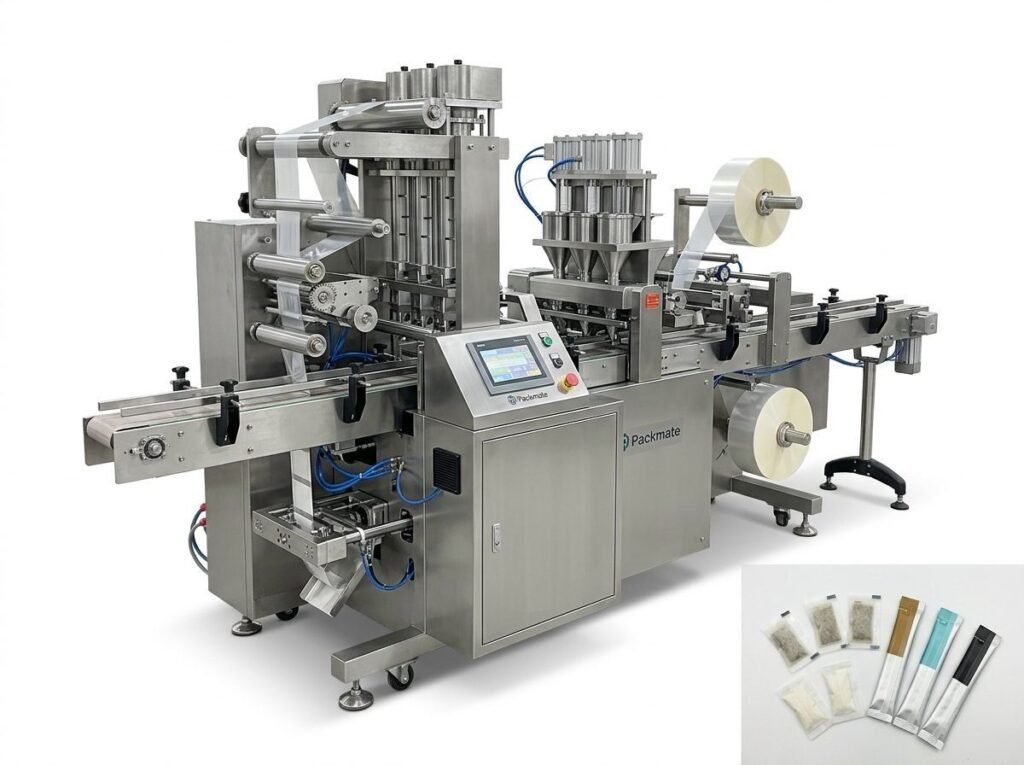
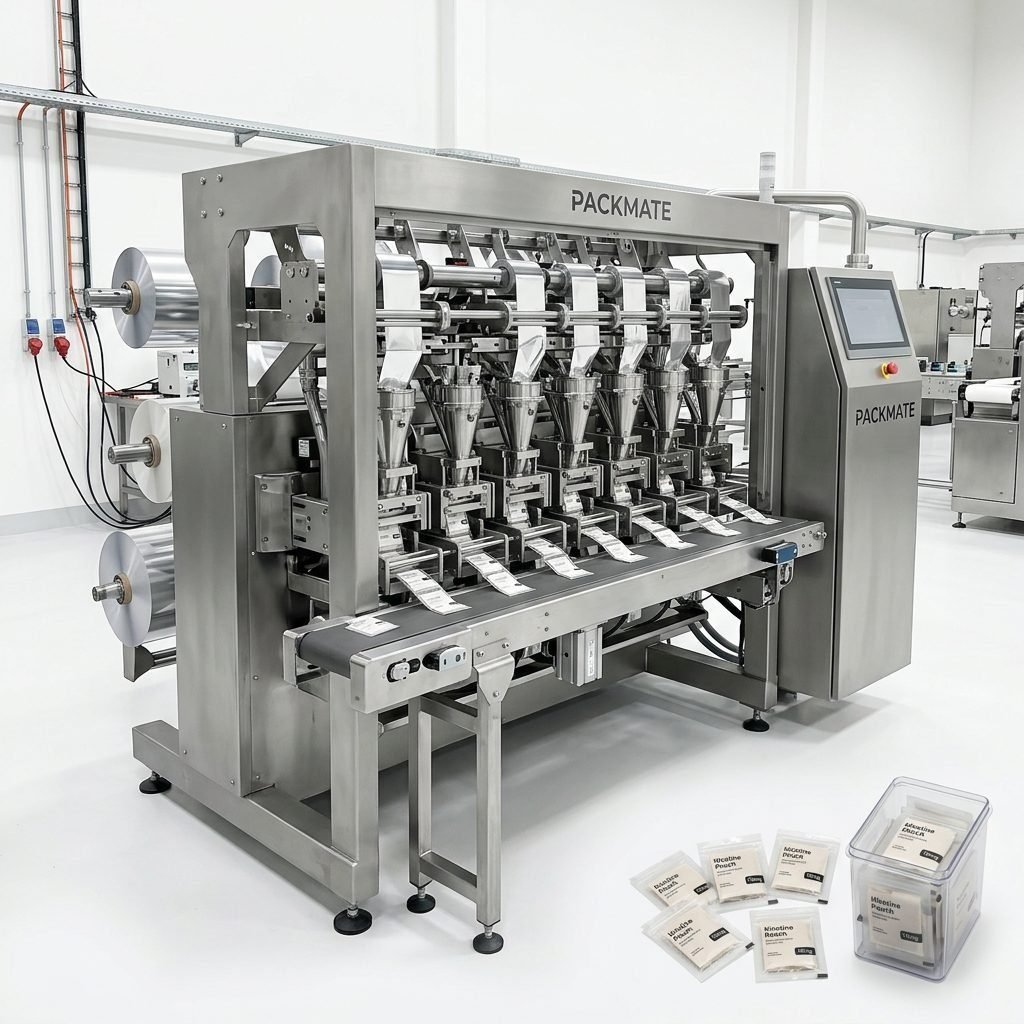
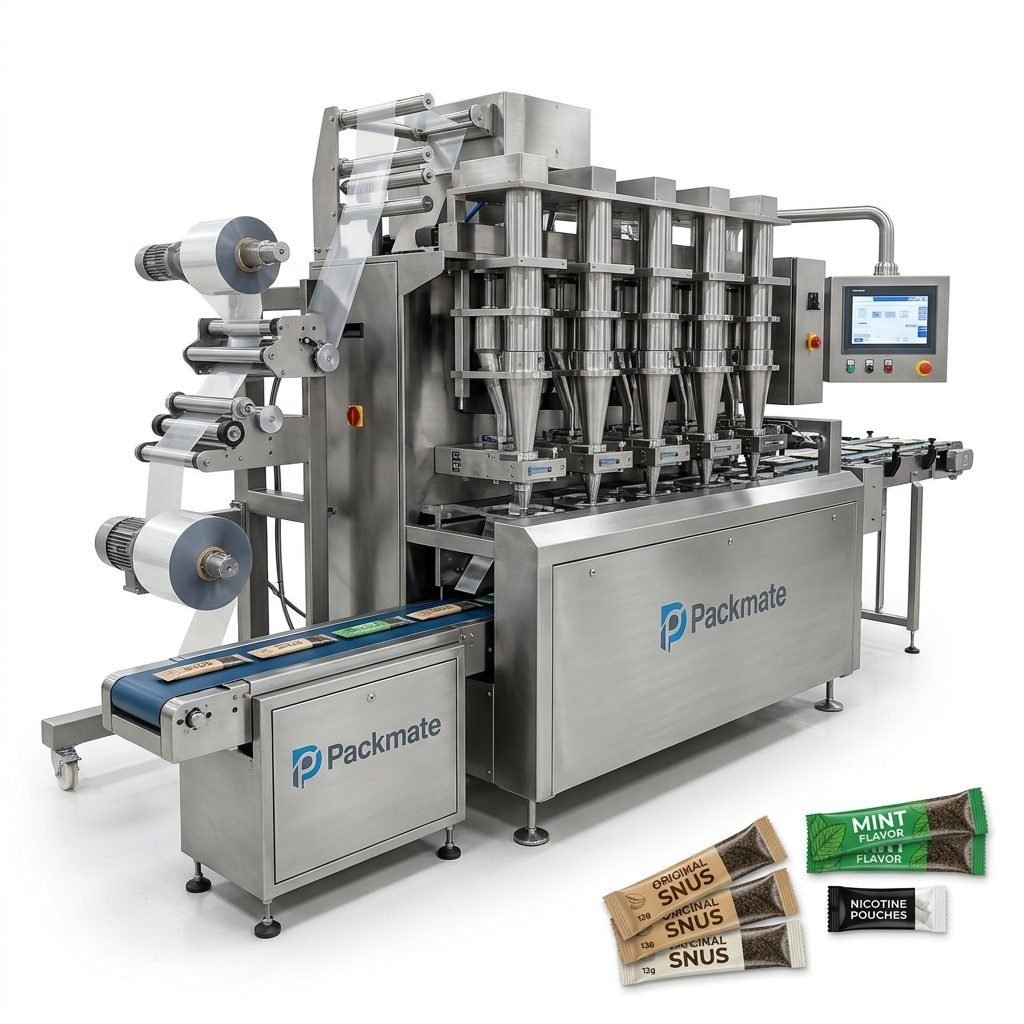
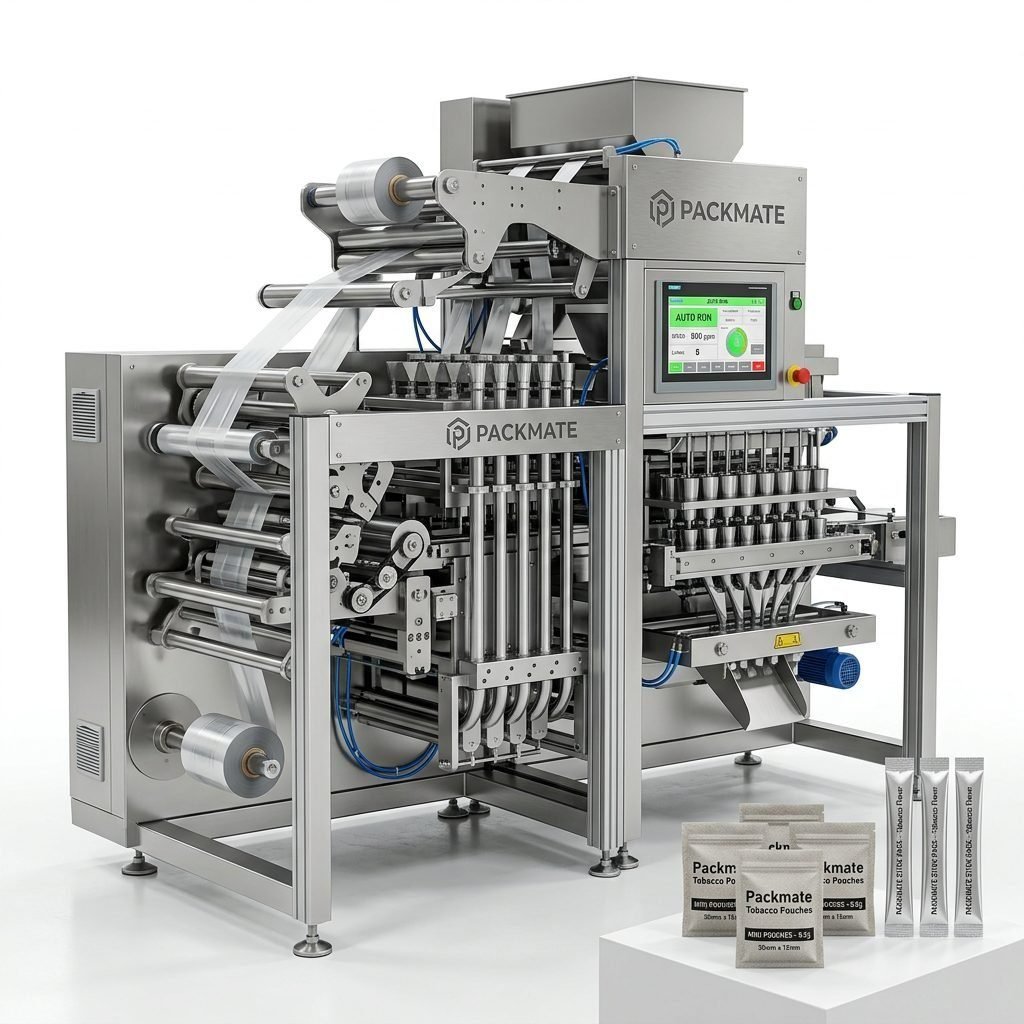
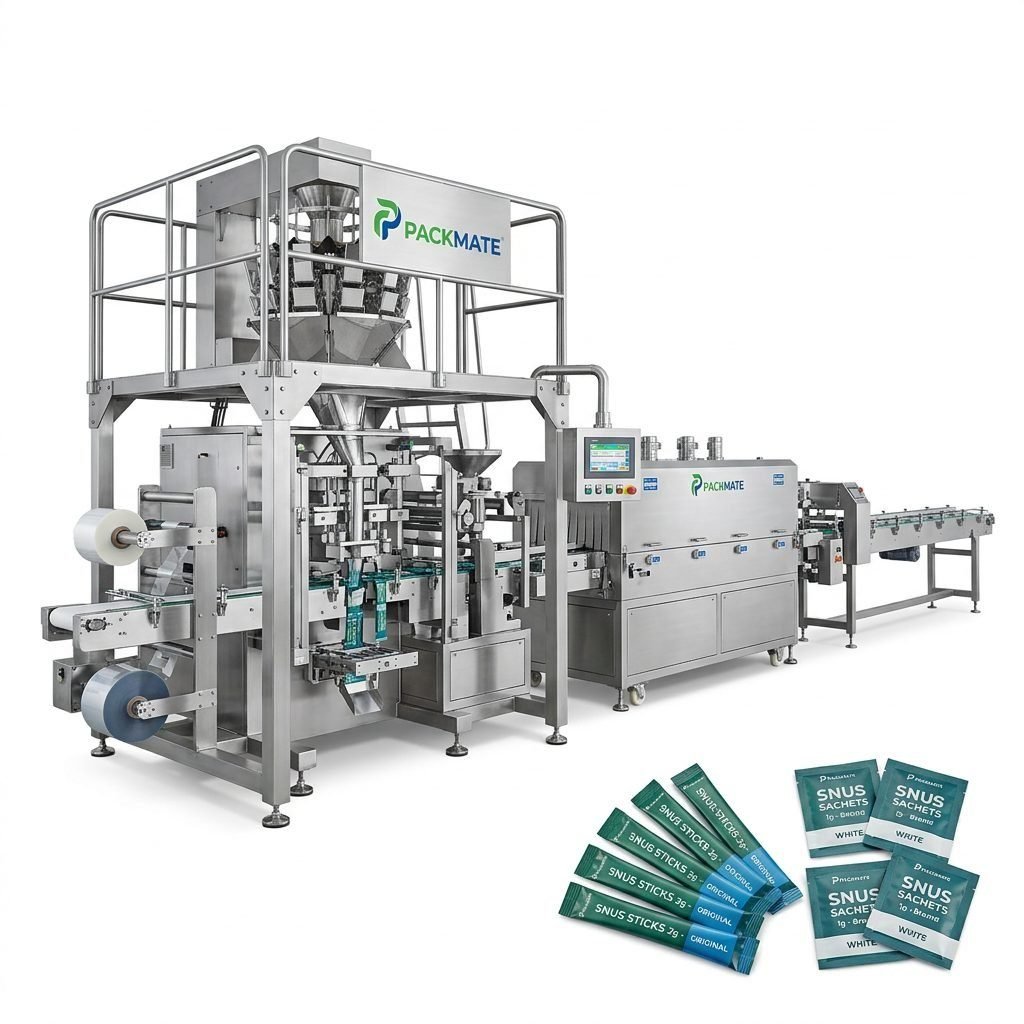
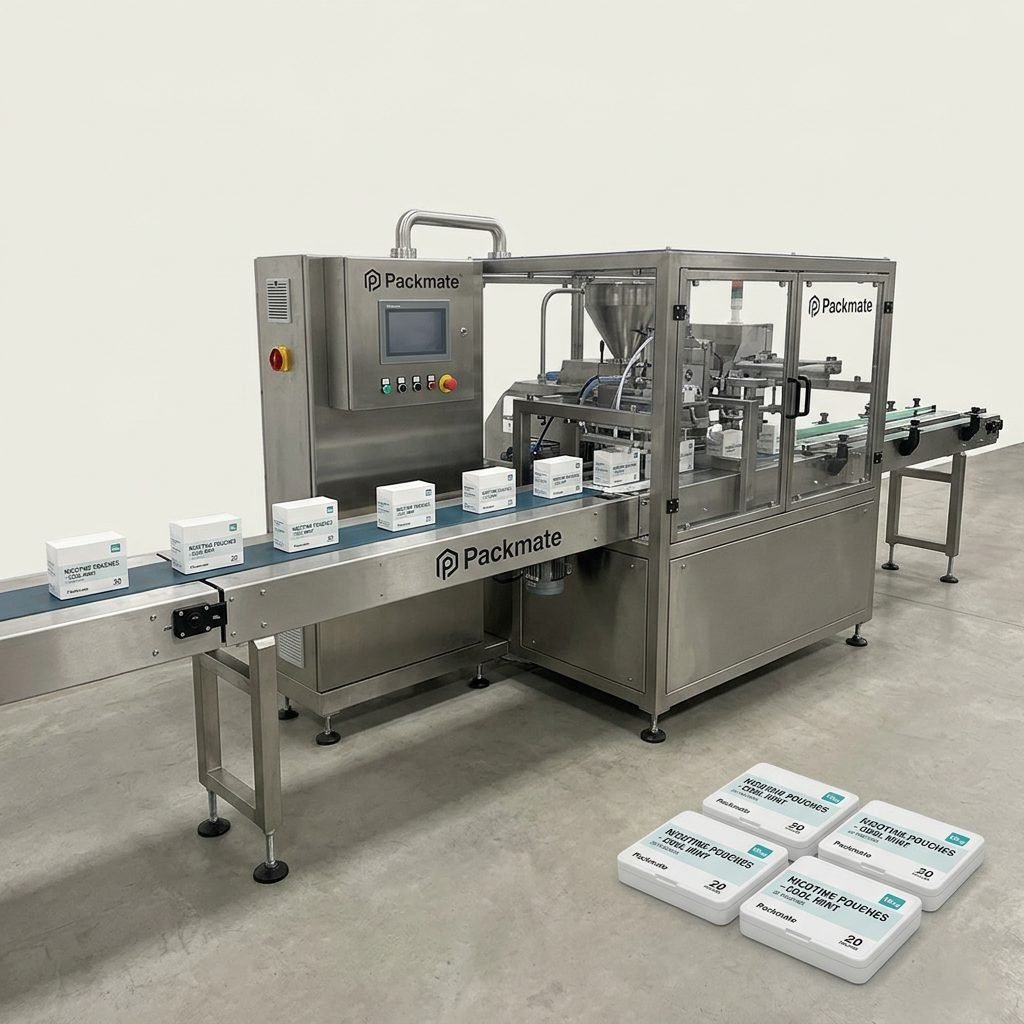
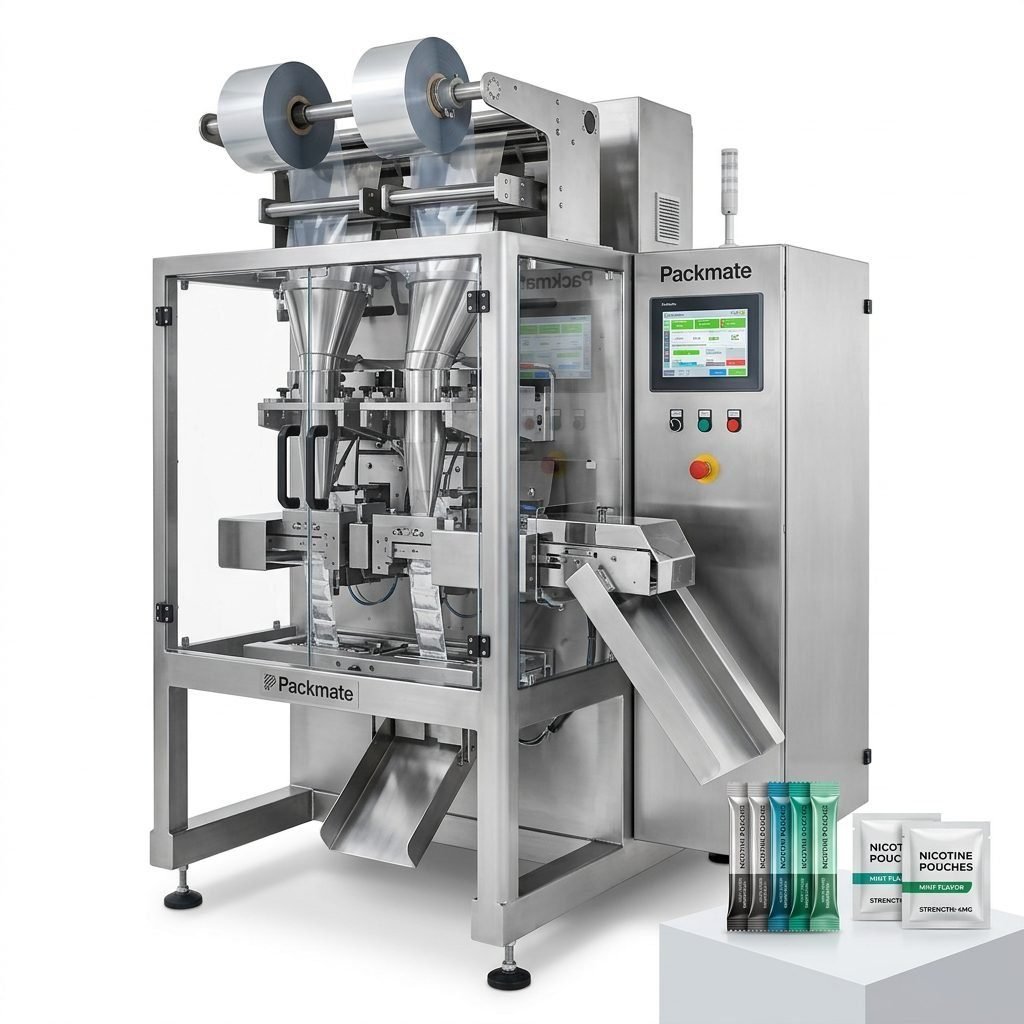
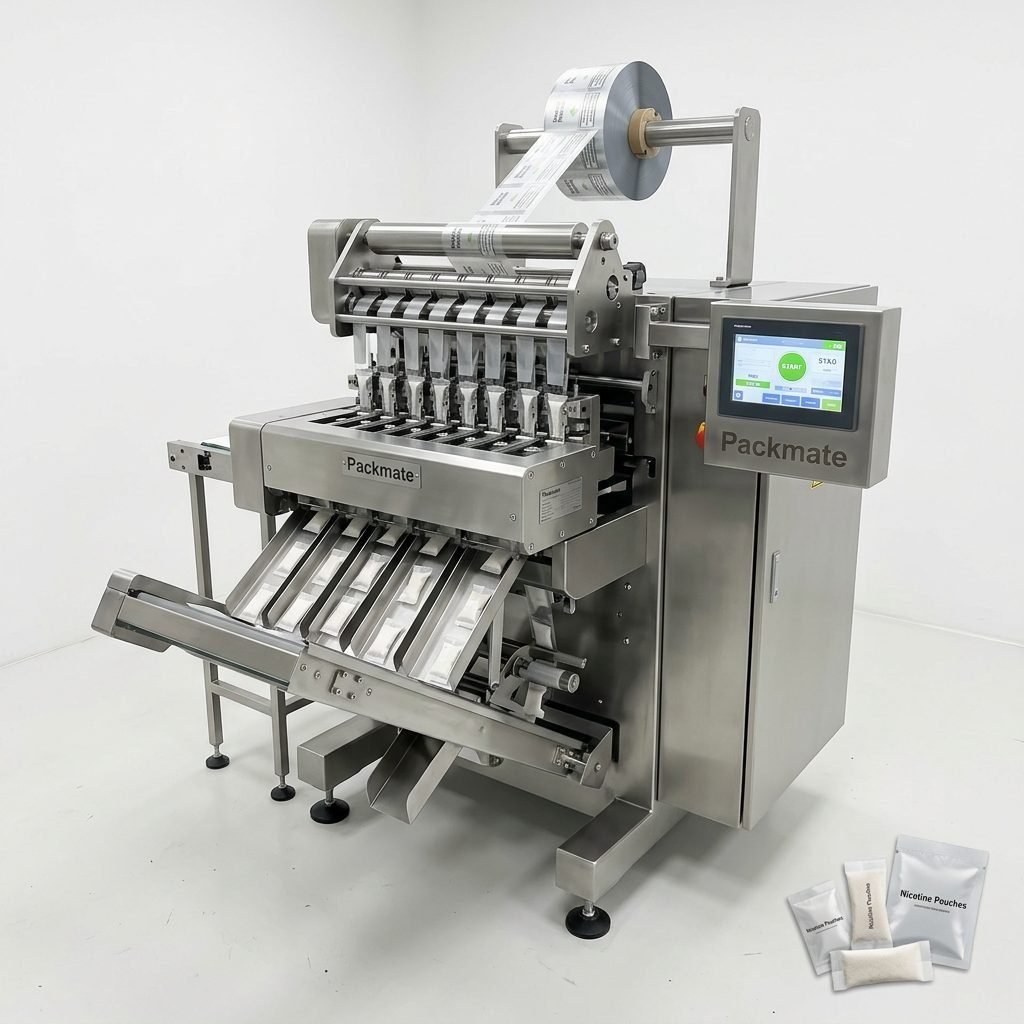
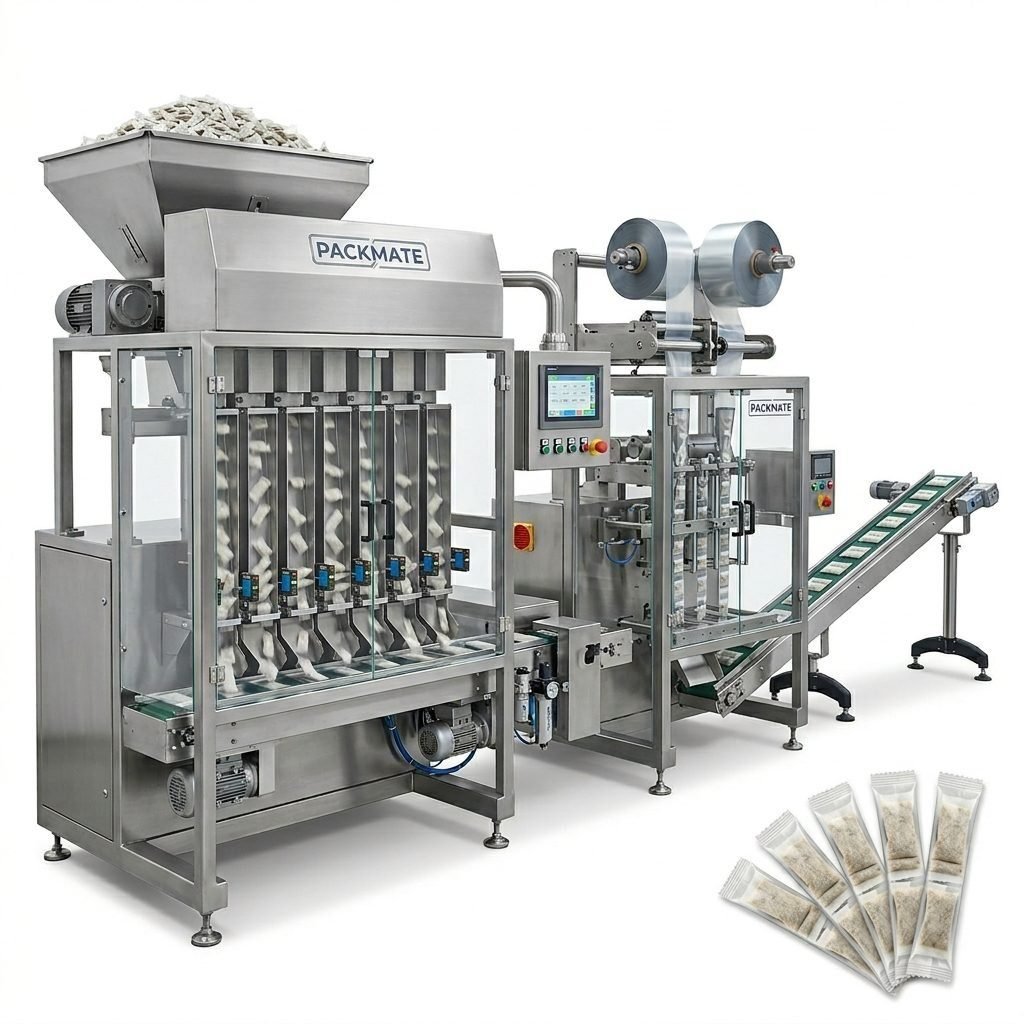
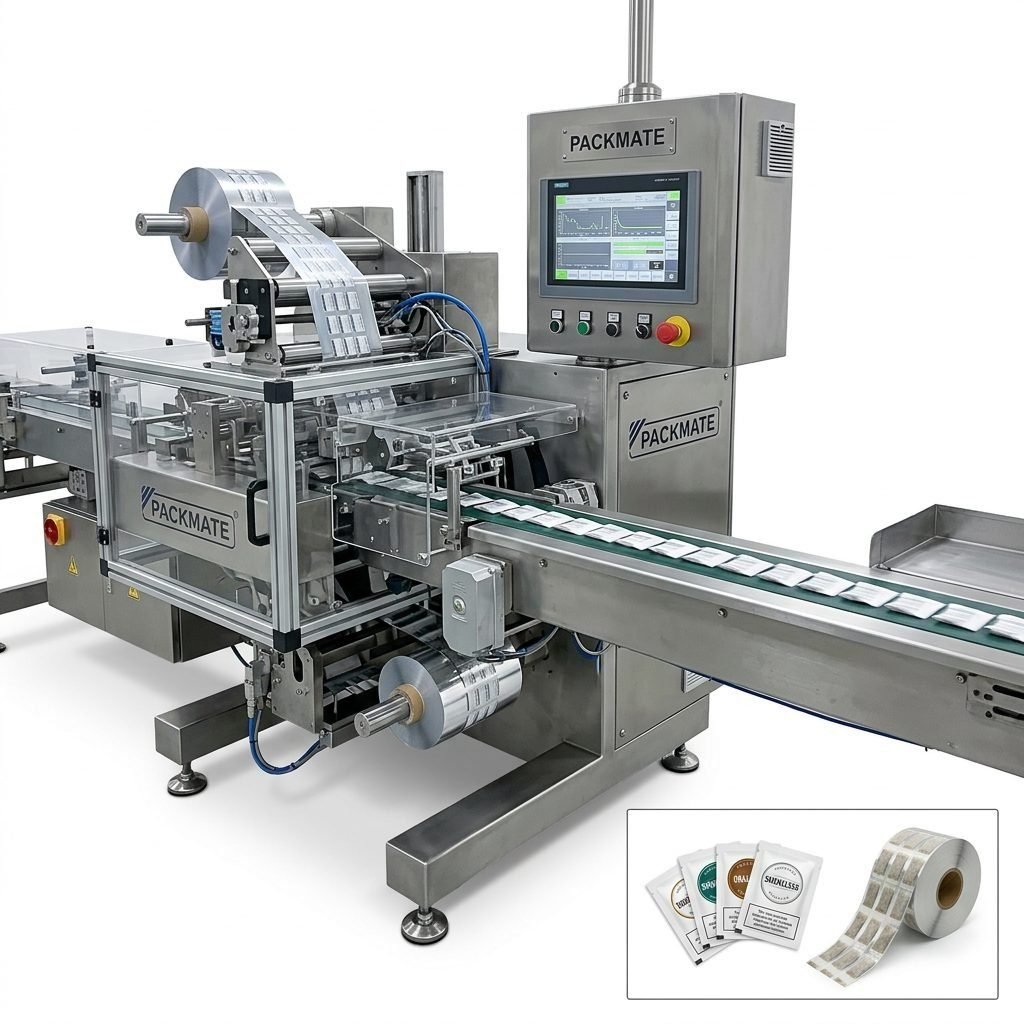
Look for suppliers with a broad product lineup and experience in snus or nicotine pouch equipment. A strong supplier will offer multi-lane systems, stick pack and sachet solutions, weighing and filling lines, and auxiliary equipment suited to small-dose pouches. Check the supplier’s machine models, lane configurations, and output rates to match your target capacity.
Example: explore dedicated machine lines such as Snus & Nicotine Packaging Machines and Sachet & Stick Pack Machines to compare technical specs.
2. Quality, Certifications and Compliance
Ensure the supplier’s machines conform to international standards (CE, ISO) and that they can provide documentation for customs. Certifications reflect manufacturing discipline and are often required for importing industrial machinery.
✅ Must-have documents: machine CE/ISO certificates, factory test reports, operation manuals in French or English, and packing lists that simplify customs clearance.
3. Manufacturing Strength and Factory Transparency
Assess the supplier’s manufacturing scale, machining capabilities, and quality control. A supplier with advanced CNC centers, a large factory footprint, and precision assembly lines typically delivers more consistent machine performance and spare parts availability.
Look for case studies and factory stories to verify long-term experience. For example, suppliers that share their company history and factory capabilities demonstrate transparency — see an example About Packmate.
4. After-sales Service, Spare Parts and Local Support
Reliable after-sales service is crucial for continuous production. Confirm lead times for spare parts, availability of remote diagnostics, and whether the supplier provides on-site installation and operator training. Ask if they offer documentation and staff training in French or can dispatch bilingual engineers.
⚠️ Tip: Secure a parts kit with initial consumables and confirm approximate shipment times to Ouagadougou via your chosen port.
Technical Features to Prioritize for Nicotine Pouch Production
Focus on machine attributes that ensure consistent pouch quality, hygiene, and high uptime. These include:
- Stable multi-lane dosing systems for small-dose pouches
- Precise weight control and integrated weighing systems
- Stainless steel contact parts and easy-clean designs
- User-friendly HMI with remote monitoring capability
- Modular design to support future upgrades and format changes
Machine Types and When to Choose Them
– For small consumer dosage bags: consider multi-lane snus packaging lines.
– For single-serve stick or sachet formats: choose stick/sachet packaging machines with high-speed forming and sealing.
– For combined filling of powders or granular nicotine blends: weigh and packaging systems paired with pouch forming is ideal — see Weighing & Packaging Systems.
Supplier Evaluation Checklist — Questions to Ask
Use this checklist during supplier discussions and factory visits:
- How many years has your company produced snus/nicotine packaging machines?
- Can you provide CE/ISO certificates and sample FAT (Factory Acceptance Test) reports?
- What is the expected OEE (overall equipment effectiveness) and MTBF (mean time between failures)?
- Do you provide operator training and manuals in French?
- What is the standard warranty and spare parts lead time?
Red flags to watch for
⚠️ Unwillingness to share test videos, refusal of factory visits, or lack of traceable customer references are strong warning signs. Also be cautious if the supplier is unable to specify spare parts delivery times or lacks documented QC procedures.
Logistics, Payment Terms and Contract Essentials for Burkina Faso Buyers
Because Burkina Faso is landlocked, discuss full logistics planning upfront: shipping to your preferred port, inland trucking to Ouagadougou, customs clearance documentation in French, and approximate transit times. Negotiate clear payment milestones tied to machine acceptance stages: deposit, pre-shipment inspection, and final acceptance after commissioning.
🔶 Practical contract items: FAT video, spare parts list, training plan (with language), warranty period, response time for support, and clear INCOTERMS.
Factory Visits, Audits and Remote Assessments
Ideally, visit the supplier’s factory or appoint a trusted third-party inspector. If travel is impractical, request live video tours of the assembly line, CNC equipment, and finished machine demos. Verify the supplier’s case studies and customer references; suppliers with international exhibition records and demonstrable global installations are preferable.
For a sample of real-world cases and exhibition presence, check supplier case pages and exhibition records such as Case and Our Exhibition.
Negotiating Wisely — Practical Tips
– Build a relationship: Burkina Faso business culture values trust and personal rapport. Expect multiple meetings and polite negotiation.
– Ask for bundled pricing: include installation, training, and an initial spare parts kit.
– Set milestones: tie payments to clear milestones (drawing approval, FAT, shipment, installation).
Warranty and Service Level Agreements
A solid SLA should specify response times for technical support, spare part shipment windows, and coverage for remote diagnostics. Ensure language support for manuals and troubleshooting in French or a translator arrangement.
Why Consider an Experienced Supplier like Packmate
Established suppliers with decades of engineering know-how, broad product lines, and global turnkey solutions offer reduced risk. Packmate (Packmate Snus Machine) is one such manufacturer with 30+ years of experience, 50+ machine models, and a focus on snus/nicotine pouch packaging lines, which can be explored further via their product categories like Bag & Pouch Packaging Machines and Filling & Packaging Lines.
🔶 Tip: Suppliers who present clear factory development timelines, certifications, exhibition history, and global case studies generally offer lower risk to new market entrants.
Step-by-step Buying Process for Burkina Faso Importers
1. Define capacity and product formats (pouches, sticks, sachets).
2. Shortlist suppliers and request technical sheets, FAT videos, and references.
3. Verify certifications and request a machine demo or factory visit.
4. Agree on warranty, SLA, spare parts packages, and training language.
5. Finalize contract with clear milestones, INCOTERMS, and logistics plan to chosen port.
6. Accept machine after FAT, complete installation and operator training, and maintain regular support channels.
Quick Pre-purchase Checklist
– Production capacity and lane count aligned with demand.
– CE/ISO and test reports available.
– Spare parts lead times confirmed.
– Training in French arranged.
– Clear logistics route and customs documentation.
Final Considerations and Local Practicalities
Keep cultural sensitivity in negotiations, allow time for relationship-building, and confirm that all documentation supports French for customs clearance. For landlocked importers, include inland transport insurance and consider consolidated shipments with other imports to reduce per-unit freight costs.
For direct supplier contact and tailored turnkey options, consult the supplier’s service and contact pages such as Service and Contact Us.
Conclusion — Make a Low-Risk, High-Value Choice
Choosing the right nicotine packaging machine supplier for Burkina Faso means balancing technology, service, certification, and cultural fit. Prioritize suppliers with proven machine designs, transparent manufacturing, strong after-sales support, and experience handling international logistics. With careful verification and a clear contract, you can set up a reliable production line that serves your market efficiently and compliantly.
Common Questions (FAQs)
Q1: What documents do I need to import packaging machinery into Burkina Faso?
A1: You typically need the commercial invoice, packing list, bill of lading, machine manuals (preferably in French), CE/ISO certificates, and any country-specific permits. Consult your customs broker for precise local requirements.
Q2: How long does shipping and inland transport usually take to Ouagadougou?
A2: Transit depends on port choice. From West African ports like Abidjan or Lomé plus inland trucking, allow several weeks; always account for customs clearance time and inland logistics delays.
Q3: Should I require a factory acceptance test (FAT)?
A3: Yes. A FAT (video or on-site) demonstrates machine function before shipment. Insist on recorded FAT results and agreed acceptance criteria in the contract.
Q4: What language should machine manuals and training be in?
A4: Provide manuals and training in French wherever possible. If the supplier cannot provide French, arrange for translation or a bilingual trainer during commissioning.
Q5: How do I ensure spare parts availability?
A5: Negotiate a spare parts kit with your purchase and confirm lead times for consumables and critical spares. Keep a small safety stock locally to avoid long downtime.