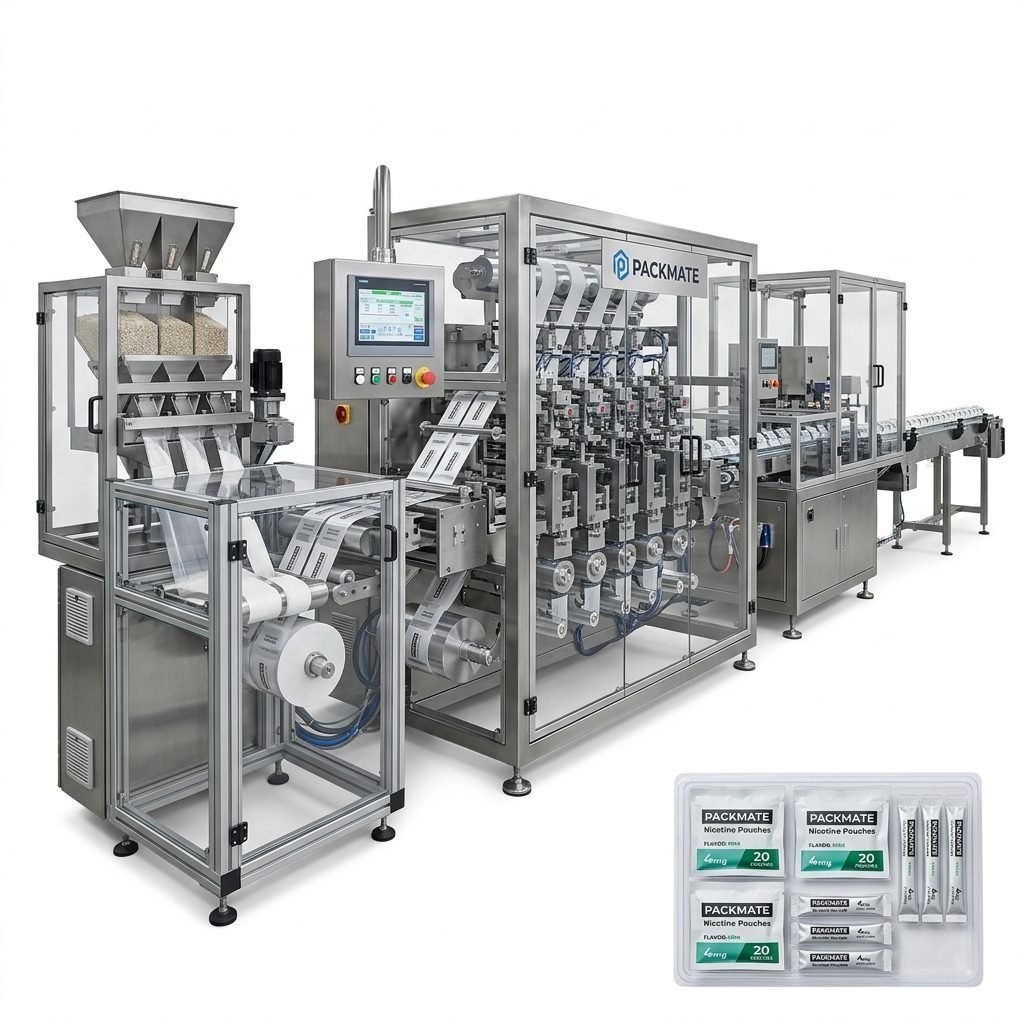
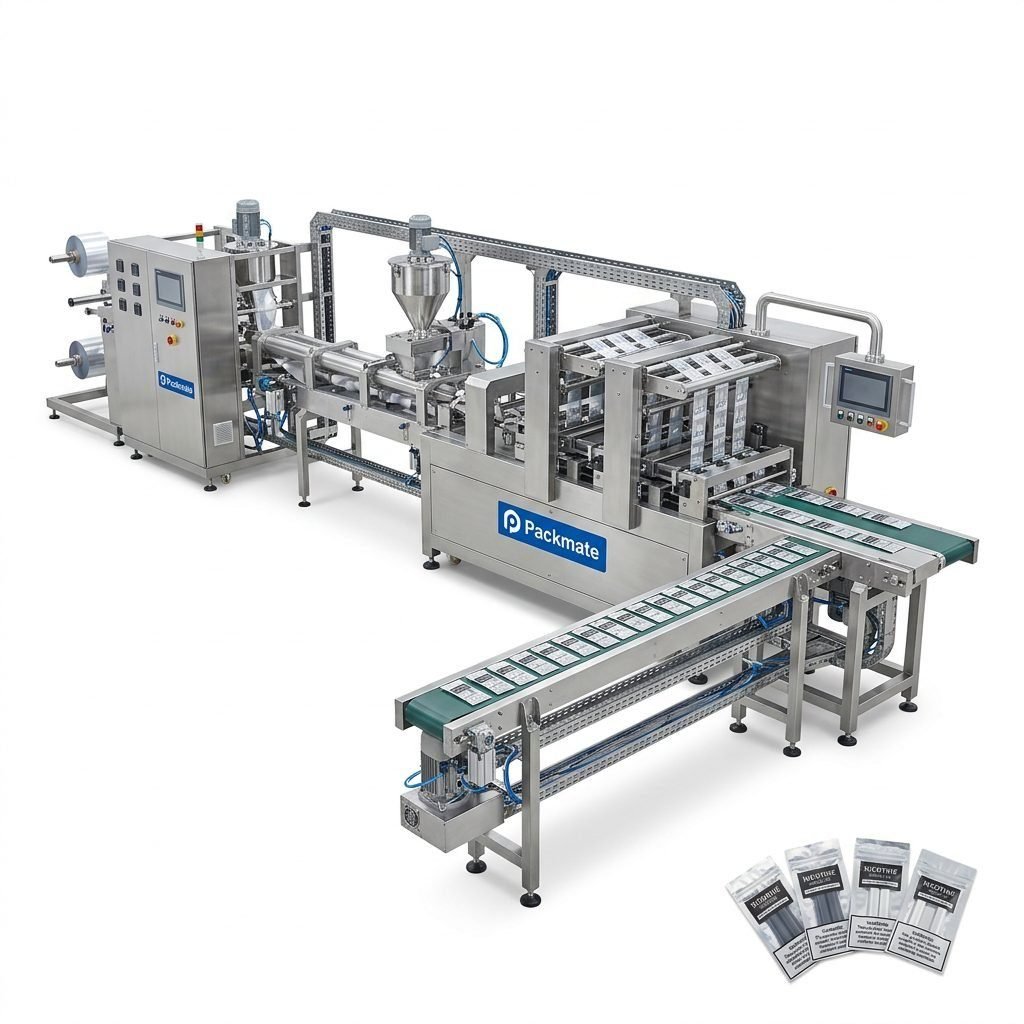
Choosing the right snus packaging machinery manufacturer for your business in the Maldives is a strategic decision that affects product quality, regulatory compliance, and long-term operational costs. This guide walks you through the essential considerations — from machine types and certifications to after-sales service and scalability — so you can select a partner that delivers reliable, efficient, and compliant packaging solutions for nicotine pouches, snus, and other related products.
Understanding the Maldives Market & Regulatory Context
📌 The Maldives is a unique market with strict import regulations and specific labeling requirements for tobacco-related and nicotine products. Before you choose a manufacturer, make sure they understand regional compliance and can provide documentation for customs clearance, CE/ISO compliance, and any other country-specific certificates. Working with a manufacturer who has experience exporting to small-island markets will simplify logistics and reduce delays.
Key regulatory and market considerations
– Ensure the manufacturer can provide international certificates (CE, ISO) and testing reports. Certified equipment reduces import risk and helps with local approvals.
– Confirm the manufacturer’s familiarity with nicotine pouch labeling, packaging material restrictions, and any health warnings mandated for your target market.
– Ask about assistance with technical documentation required for customs and regulatory bodies.
Match Machine Types to Your Product and Throughput Needs
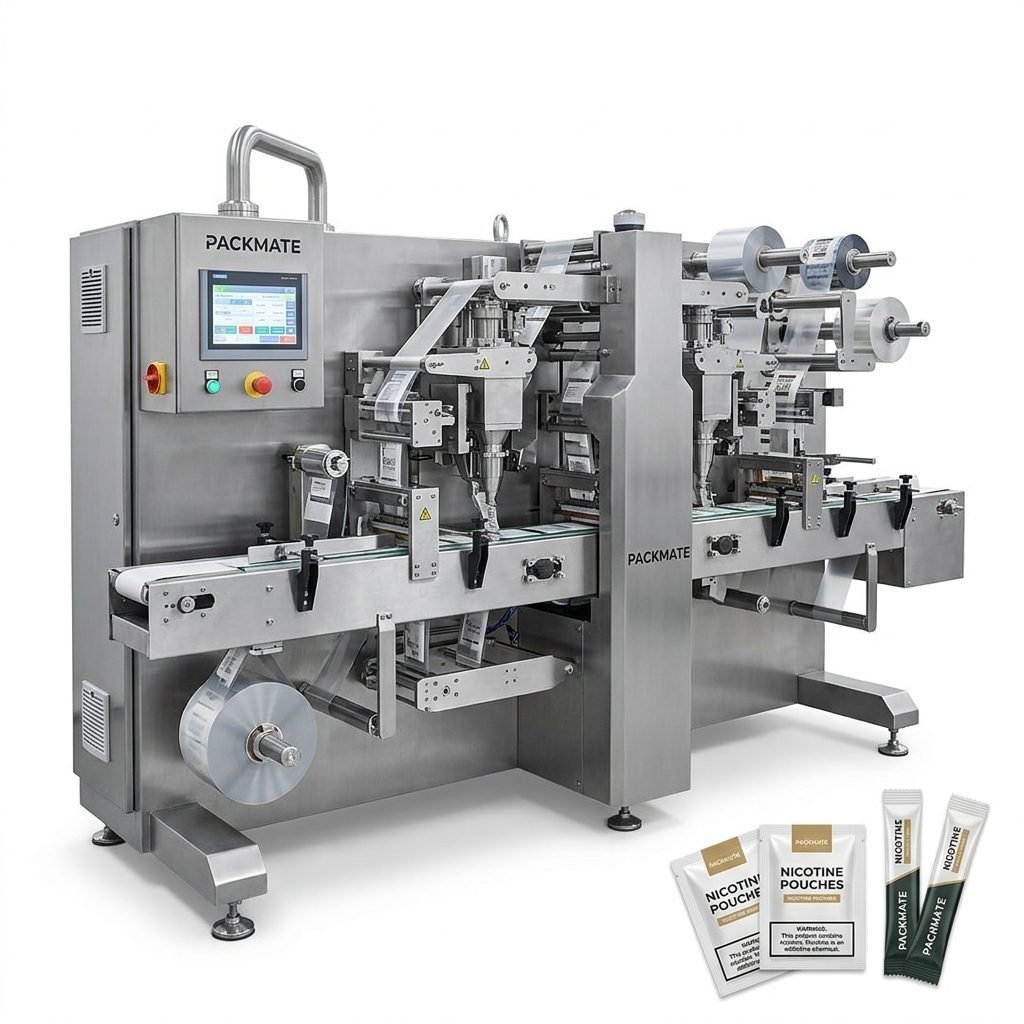
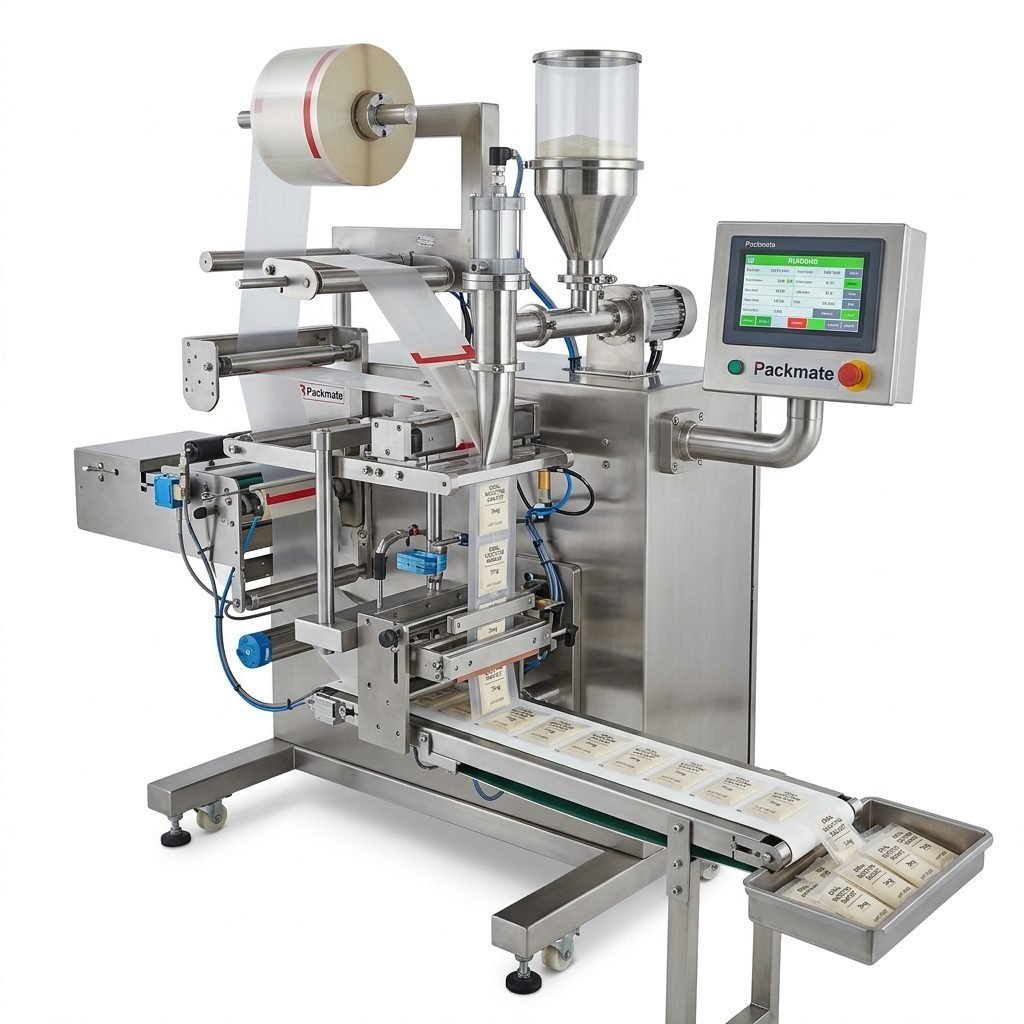
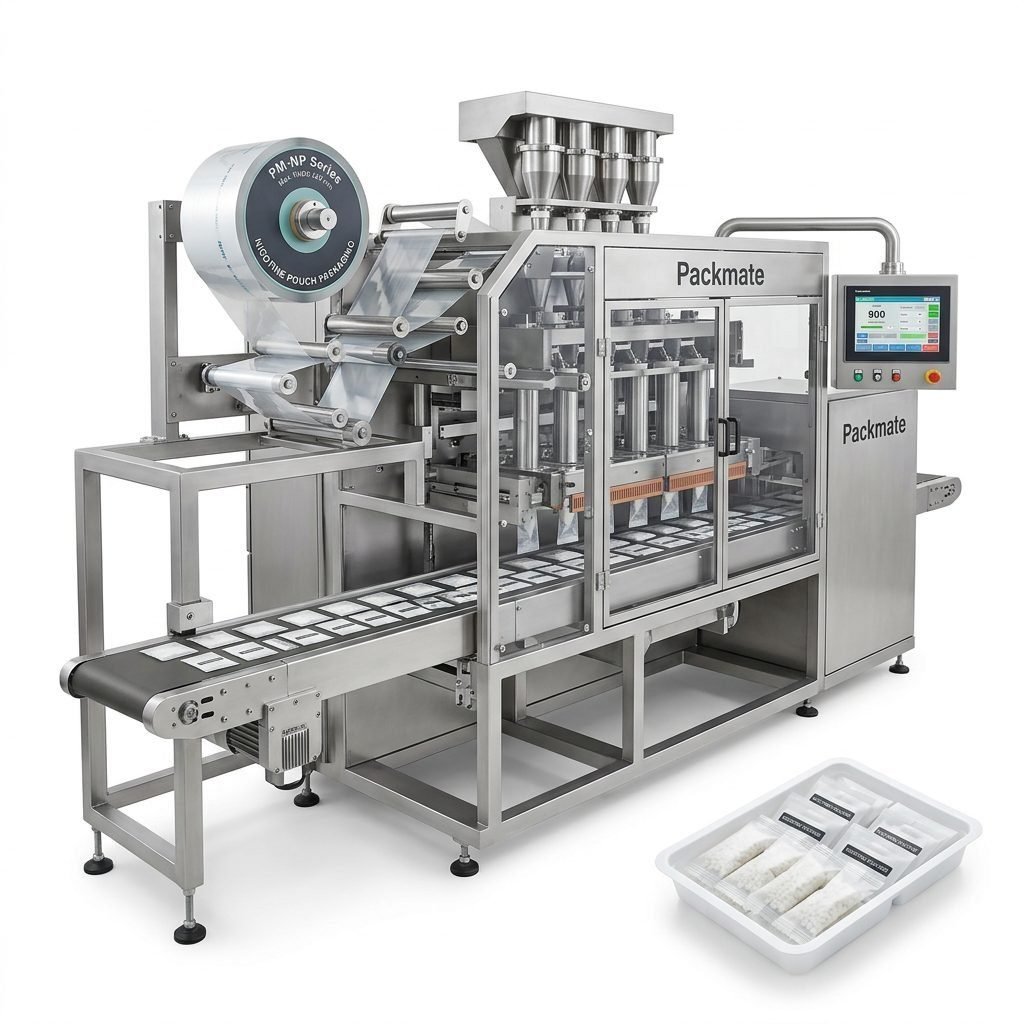
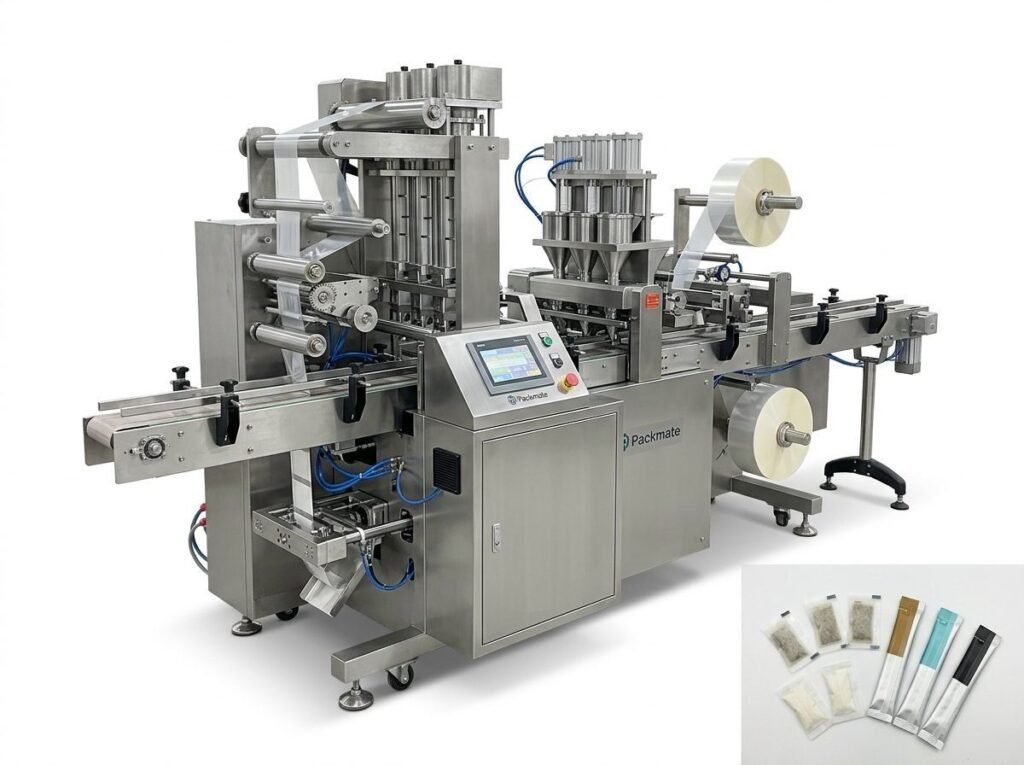
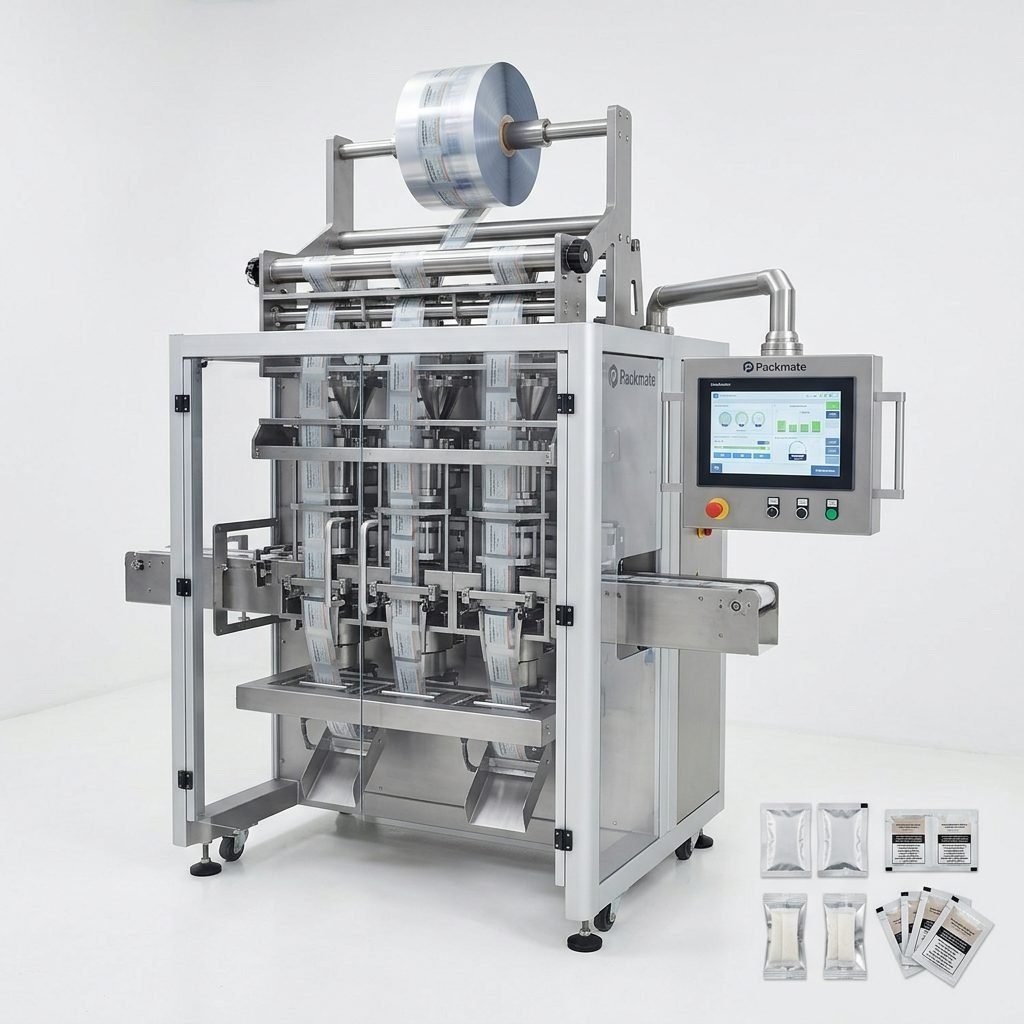
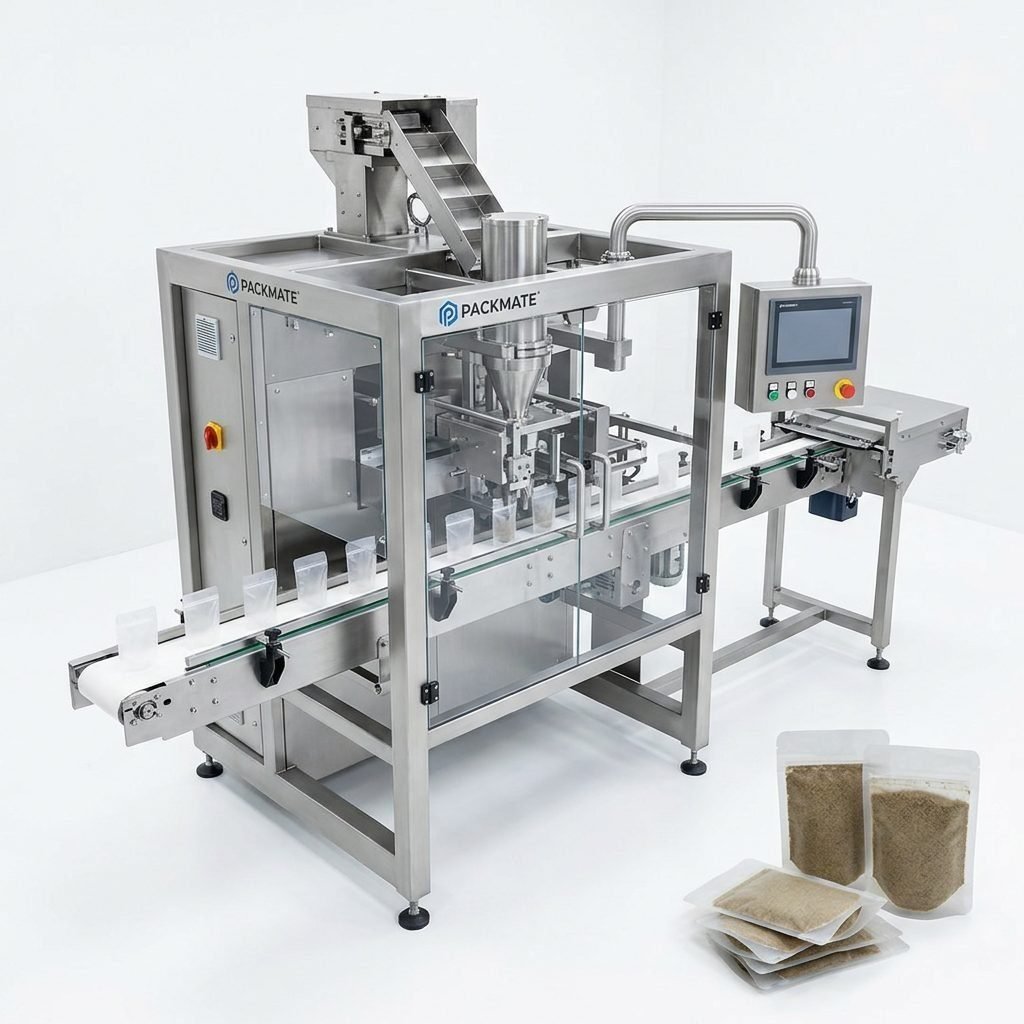
⚙️ Different products require different packaging technologies. Typical machine types for snus and nicotine pouches include stick pack, sachet, multi-lane pouch machines, and fully integrated weighing & filling systems. Choosing the right machine family is crucial for product integrity and production efficiency.
– Stick pack and sachet machines are ideal for single-dose nicotine pouches and small stick formats.
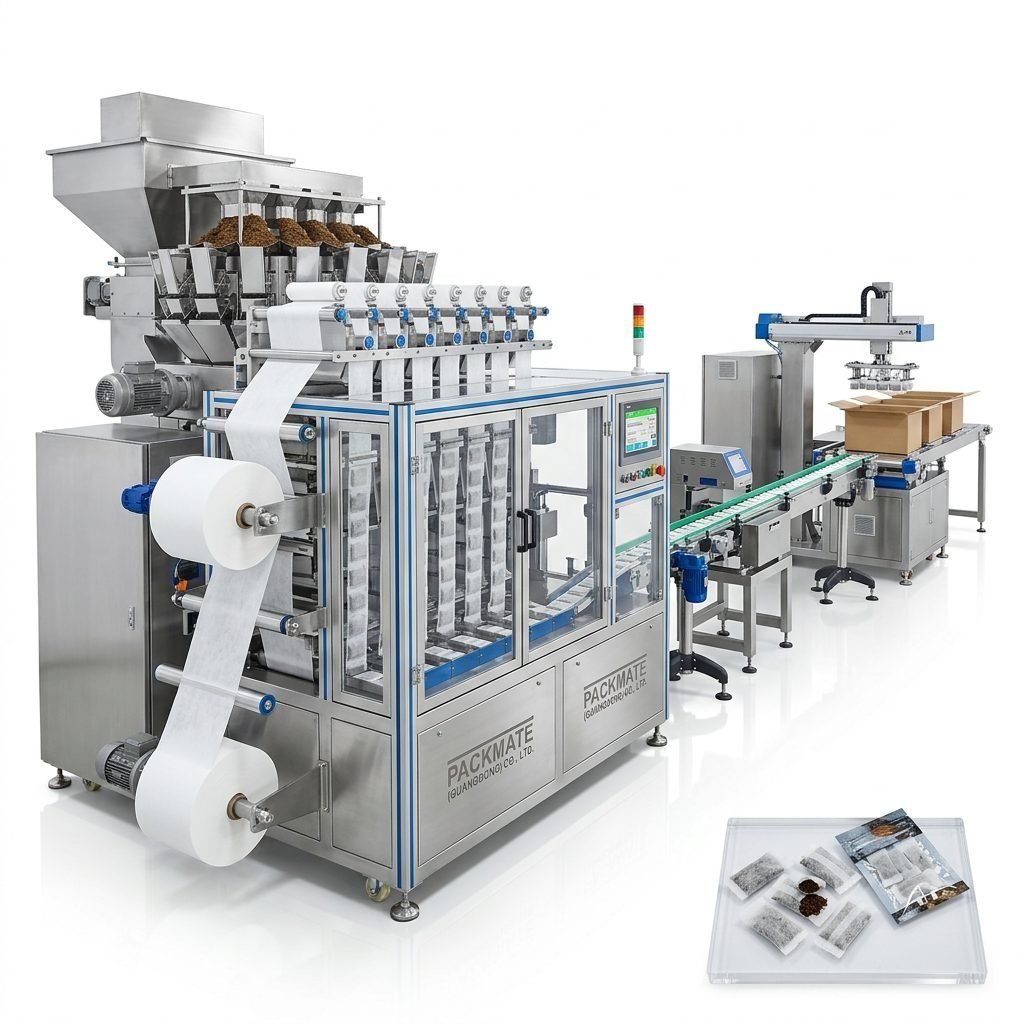
– Multi-lane systems are best for high-volume small-dose snus production where lane synchronization and low-dose accuracy are essential.
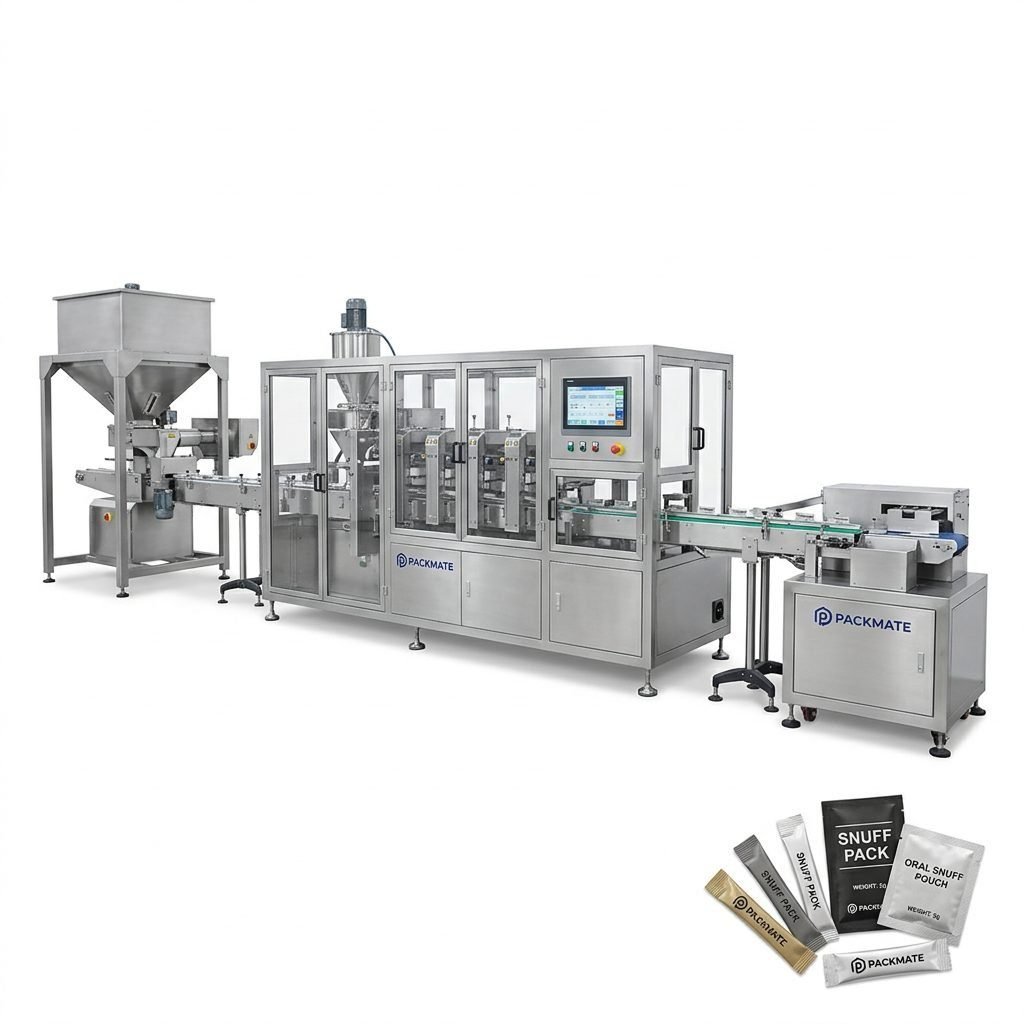
– Integrated weighing & filling lines combine dosing, filling, sealing, and packaging — suitable for turnkey operations aiming at minimal manual intervention.
If you want to review specific machine families and detailed specs, start with a targeted product category such as Snus & Nicotine Packaging Machines or explore Sachet & Stick Pack Machines for compact formats.
Evaluate Manufacturer Experience and Production Capacity
📈 Look for manufacturers with a proven track record, ideally with engineering experience spanning decades. Experience means refined designs, fewer breakdowns, and better understanding of small-dose packaging challenges. For example, a manufacturer with 30+ years in packaging engineering and comprehensive CNC machining capability is more likely to deliver robust machines and tailored solutions.
Ask for:
– Factory size and production capacity (e.g., a 20,000㎡ manufacturing base indicates serious production capability).
– Number of models and customization options (50+ machine models suggest versatility).
– Case studies and references from clients in similar markets.
Check factory transparency and quality controls
🔎 Request a virtual factory tour, photos of assembly lines, or a video demonstration. Manufacturers who willingly show CNC centers, assembly zones, and testing rigs often have stronger quality systems. You can also ask about their quality control processes and final acceptance testing photos or reports.
Assess Technical Features and Customization Options
✅ Prioritize key technical features: precision dosing, lane synchronization, material compatibility, hygienic design for easy cleaning, and PLC/HMI controls for quick changeovers. Customization is essential if you plan to run multiple SKUs or unusual pouch sizes.
Technical checklist:
– Dosing accuracy and filling systems for powders, granules, and pastes.
– Changeover time and format parts availability.
– Control systems: Does the machine use established PLC/HMI brands and provide recipes for different SKUs?
– Materials and contact parts: Stainless steel (SUS316/SUS304) and sanitary design are recommended for food-safety and cleaning.
– Remote diagnostics capability for faster troubleshooting from the manufacturer.
Quality Assurance, Certifications & Compliance
🛡️ Certifications are non-negotiable. Choose manufacturers that comply with international standards such as CE and ISO, and who provide documents that help clear customs in the Maldives. Certification demonstrates adherence to safety and quality practices, minimizing risk of non-compliant machinery.
Useful documents to request:
– CE certificate, ISO quality management certificates.
– Material certificates for food-contact parts.
– FAT (Factory Acceptance Test) reports and machine test videos showing real production runs.
Service, Spare Parts & After-Sales Support
📞 After-sales service is as important as machine specs. A reliable manufacturer offers clear service packages, spare parts availability, remote support, and training. Look for a partner that provides accessible documentation and local or regional service contacts.
Ask about:
– Lead time for critical spare parts and availability of consumables.
– Warranty terms and response times for on-site service.
– Remote monitoring and control support to reduce downtime.
– Training for operators and maintenance staff; some manufacturers include training in the factory acceptance phase.
Turnkey Solutions vs. Standalone Machines
🔁 If you’re setting up a new production line in the Maldives, consider whether you need a full turnkey solution (from dosing to final packaging) or a standalone machine. Turnkey providers manage integration, layout, and testing, which can be valuable when local technical resources are limited.
Manufacturers that offer full packaging lines often provide complementary equipment such as weighing systems, conveyors, and auxiliary equipment. For examples, explore their full suite under Filling & Packaging Lines and Weighing & Packaging Systems.
Pricing, Total Cost of Ownership & Financing
💰 Don’t focus solely on the purchase price. Calculate total cost of ownership (TCO) including installation, spare parts, energy consumption, maintenance, and downtime. A slightly higher initial investment in a reliable, energy-efficient machine often pays off through lower operational costs and fewer interruptions.
Consider negotiating:
– Spare parts packages bundled with the machine.
– On-site commissioning, training, and extended warranty.
– Payment terms that align with production ramp-up and cash flow.
Factory Visits, Trials & Acceptance Testing
🧭 If possible, conduct a factory acceptance test (FAT) or request machine trials with your actual product. FAT ensures the machine meets agreed specifications and performance metrics before shipment. For customers in the Maldives, virtual FAT with live streaming or recorded production runs can be an efficient alternative.
Key FAT items:
– Production speed tests with your formulations and packaging film.
– Consistency checks for weight accuracy and sealing integrity.
– Changeover demonstration and documentation of settings for each SKU.
Logistics, Export Experience & Installation
🚢 Partner with manufacturers experienced in international shipping and Maldives import processes. They should provide clear export documentation, crating suitable for sea freight, and guidance for customs clearance. Installation and commissioning support are critical — ensure these are included or available as part of the service package.
Useful link for assessing manufacturer background and case history: Case and About Packmate.
Communication, Language & Time Zone Considerations
🗣️ Efficient communication is essential for timelines and technical clarity. Choose a manufacturer who provides a dedicated contact, speaks clear English, and offers rapid response for technical queries. Time zone differences can be managed with scheduled calls and pre-agreed SLAs for critical issues.
Why Packmate-Style Manufacturers Are a Strong Option
⚡ Manufacturers with decades of experience, a wide product range, and robust factory capabilities typically offer reliable machines, thorough testing, and global after-sales support. They also tend to exhibit strengths in customization and turnkey line delivery.
If you want to see specifics of machine categories and support services, check categories like Bag & Pouch Packaging Machines and Auxiliary Packaging Equipment.
Decision Checklist — Final Selection Criteria
📋 Use this checklist when comparing suppliers:
– Proven experience with snus/nicotine pouch packaging and relevant references.
– CE/ISO certifications and material compliance documentation.
– Clear FAT process with machine trials using your product.
– Robust after-sales support, spare parts availability, and training.
– Competitive TCO and transparent pricing including shipping and installation.
– Remote diagnostics and upgrade paths for automation and scaling.
Next Steps: Requesting Quotes and Spec Sheets
📩 When reaching out for quotes, provide the manufacturer with detailed product specs: pouch dimensions, target output (units/min or pieces/hour), product weight range, packaging film materials, and preferred automation level. Request a complete quote that includes lead time, packing method, warranty, and service terms.
For direct contact and further assistance, use the manufacturer’s Contact Us page to arrange a consultation or factory visit.
Final recommendation
The best manufacturer for the Maldives market combines technical excellence with strong export experience and dependable after-sales support. Prioritize suppliers that demonstrate transparent testing, provide certifications, and offer clear remote service options to mitigate the geographic challenges of island operations.
FAQs
Q: How long does it typically take to receive a snus packaging line once ordered?
A: Lead times vary by customization level and production queue. Standard machines may ship within 60–120 days; fully customized turnkey lines can take longer. Confirm estimated delivery and FAT timing in the quote.
Q: What certifications should I insist on for machines shipped to the Maldives?
A: At minimum, ask for CE and ISO certificates, material certificates for all product-contact parts, and FAT reports. These documents help with customs clearance and demonstrate compliance with international standards.
Q: Can manufacturers provide remote support for commissioning and troubleshooting?
A: Yes. Many modern manufacturers offer remote diagnostics, video-assisted commissioning, and training. Ensure remote access, spare parts lists, and communication protocols are defined in the service agreement.
Q: How do I decide between a standalone machine and a turnkey line?
A: Choose standalone machines if you already have peripheral equipment and in-house integration capability. Opt for a turnkey line if you prefer a single supplier to design, integrate, and commission a complete production system.
Q: Where can I find real-world examples of machines in operation?
A: Manufacturers often publish case studies and exhibition demos. Review the Our Exhibition page and case history pages to see live demos and global installations.