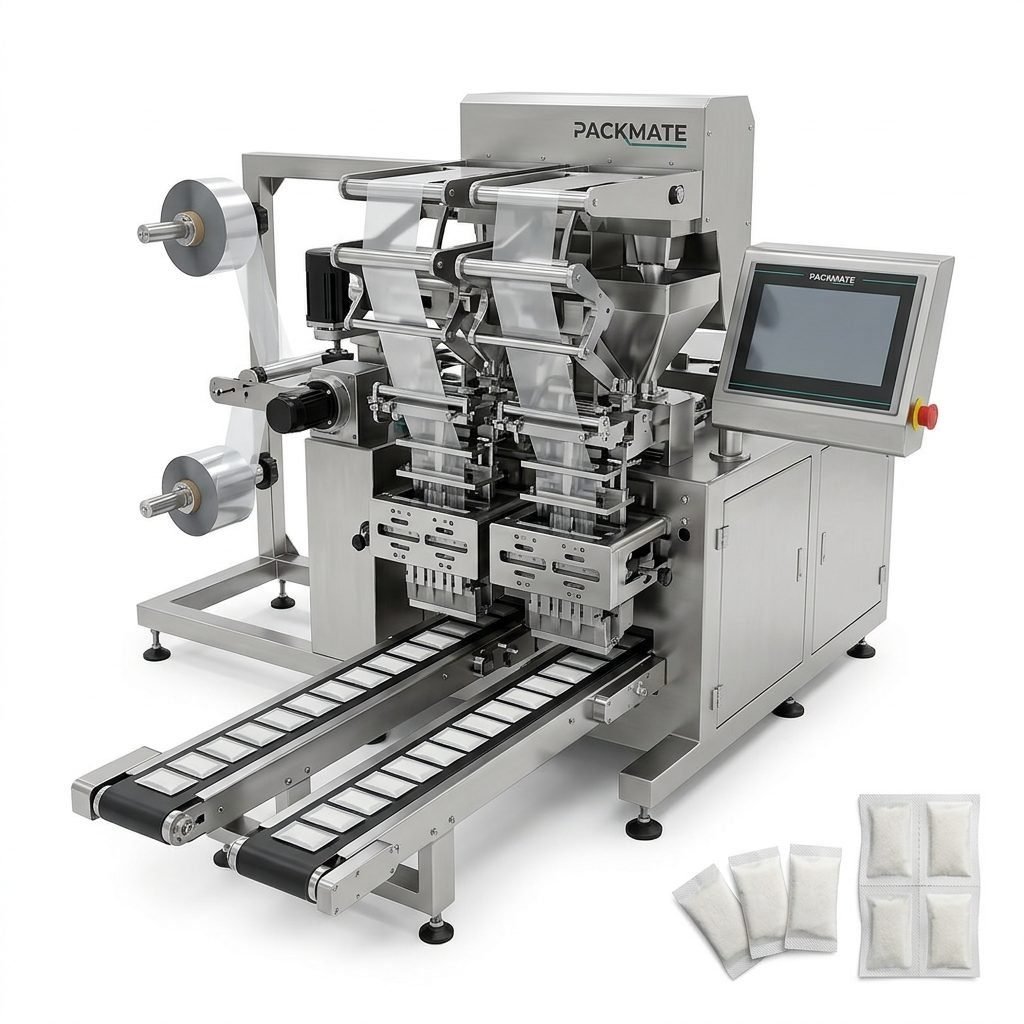
Choosing the right nicotine packaging machinery manufacturer in the Dominican Republic is a strategic decision that affects product quality, regulatory compliance, and long-term production costs. This guide walks Dominican tobacco and nicotine-product businesses through every critical factor — from understanding local customs and legal context to evaluating technical capabilities, on-site support, and cost vs. value trade-offs. Whether you’re a new entrant launching nicotine pouches or an established producer upgrading to multi-lane lines, the practical checklists and vendor-evaluation tips below will help you select a partner who can deliver reliable, compliant, and scalable packaging solutions.
📦 Why the Dominican Republic Needs a Tailored Approach
The Dominican Republic has unique market traits: a Spanish-speaking workforce, a mix of small family-owned distributors and growing modern retail channels, and specific importation and health regulations overseen by local agencies. Business negotiations often value personal relationships and face-to-face visits, and after-sales service expectations include rapid response and on-site training in Spanish. When choosing a manufacturer, prioritize partners who demonstrate cultural and logistical understanding of Caribbean markets and who can provide clear documentation for customs, CE / ISO compliance, and safe handling of nicotine products.
🔎 Key Technical Capabilities to Verify
Critical checks:
-
Production speed and scalability — assess single-lane vs multi-lane capabilities for projected volumes.
-
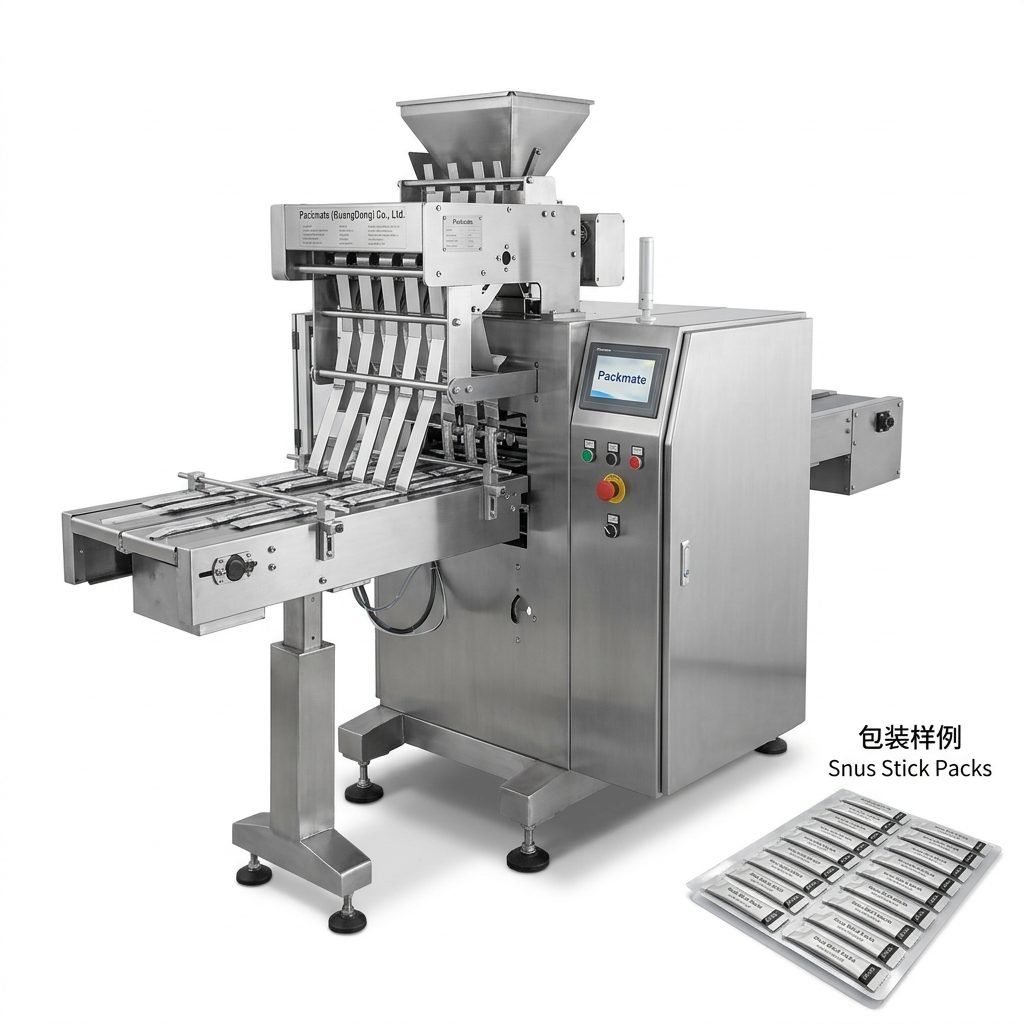
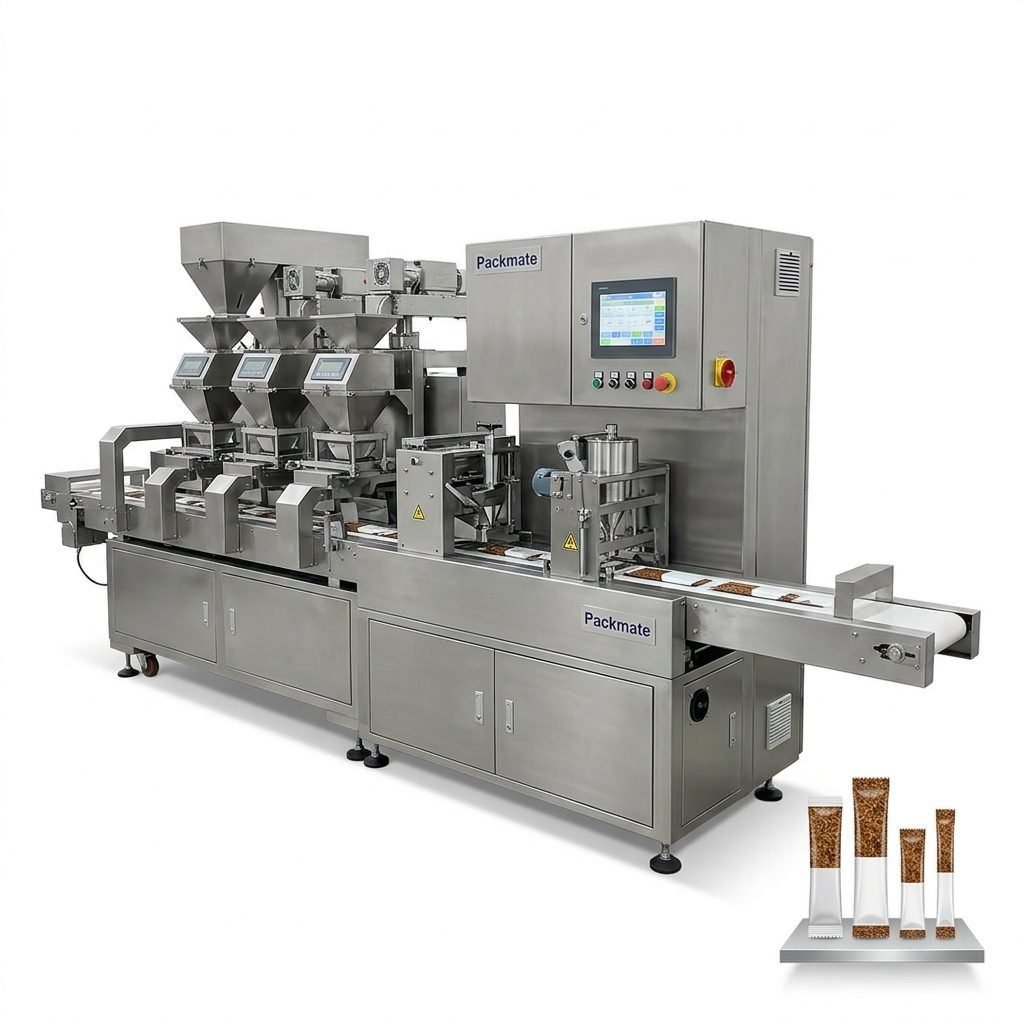
Compatibility with nicotine pouch sizes and materials — sachets, stick packs, or cans.
-
Integration with weighing and dosing systems — accuracy for small-dose nicotine pouches is essential.
-
Automation and PLC control options for repeatability and quick format changes.
Manufacturer Track Record and Factory Strength
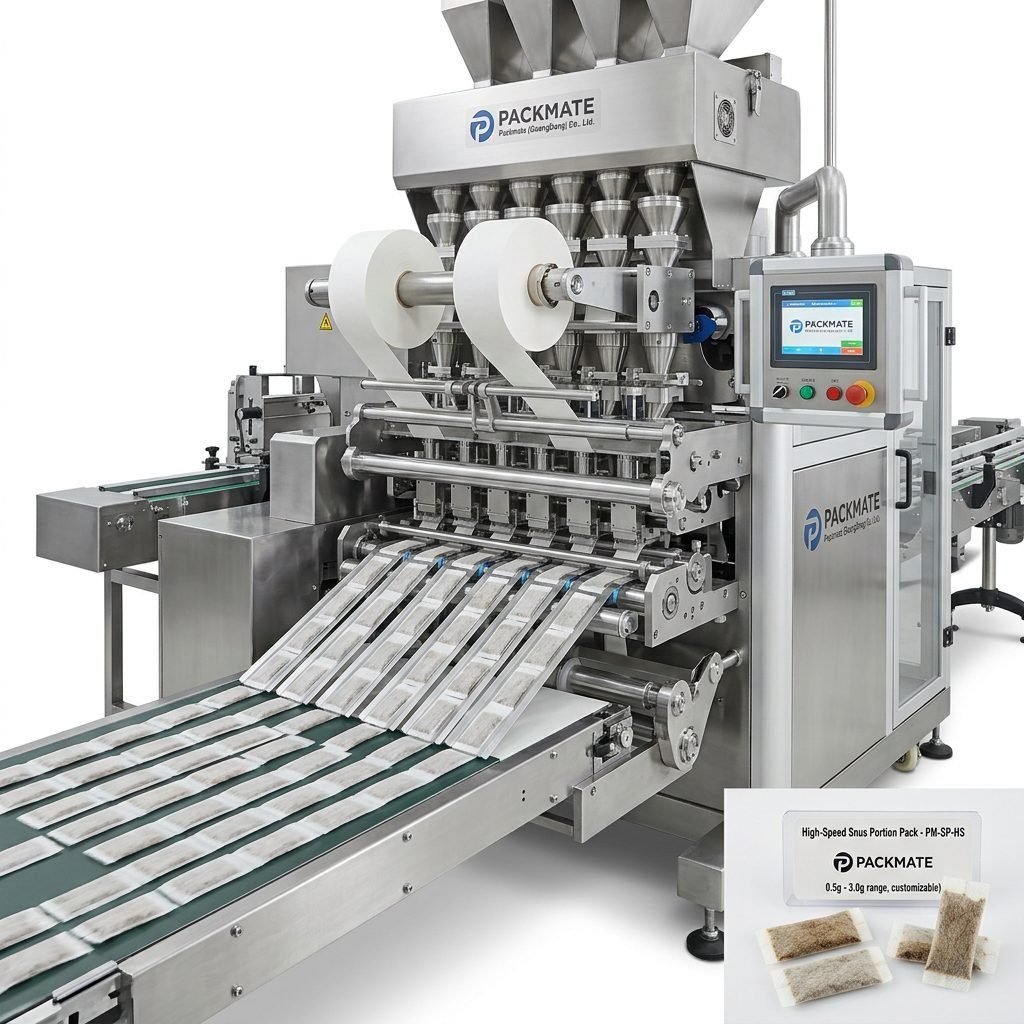
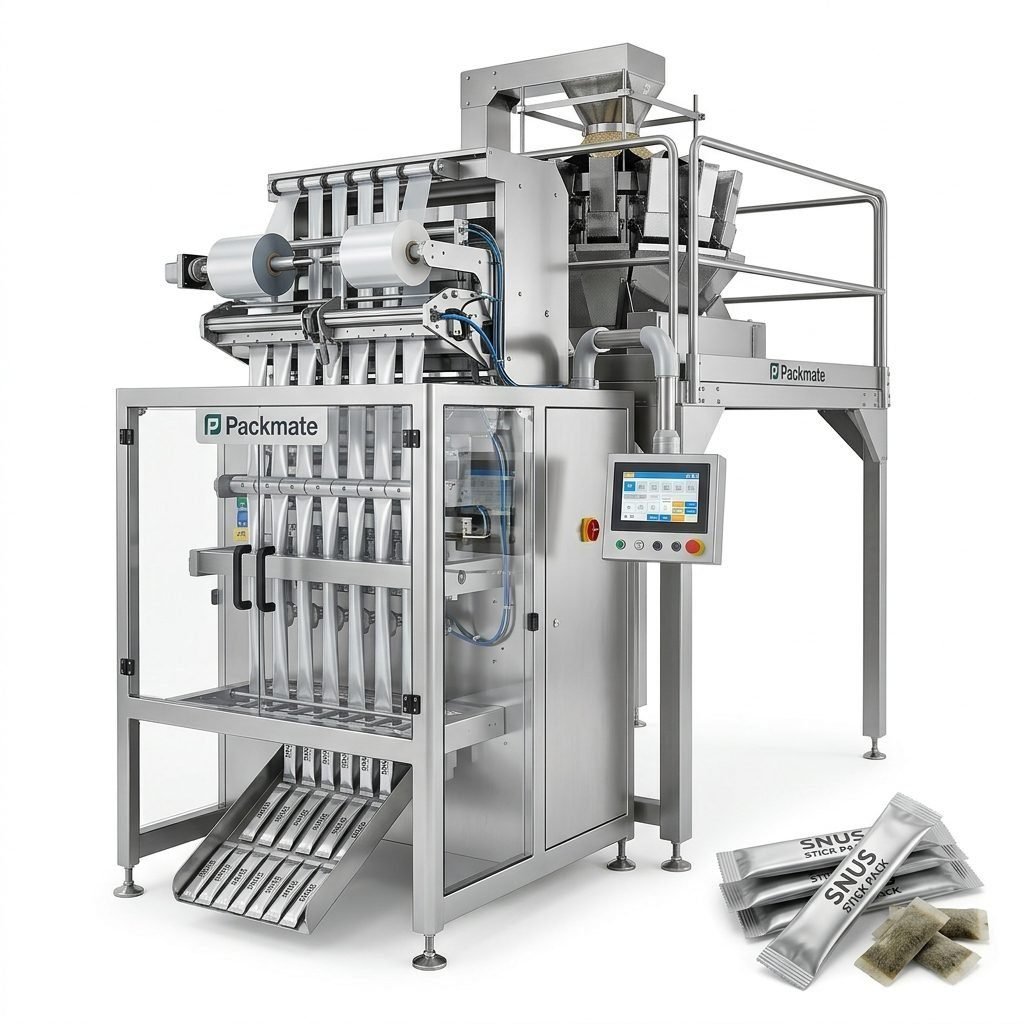
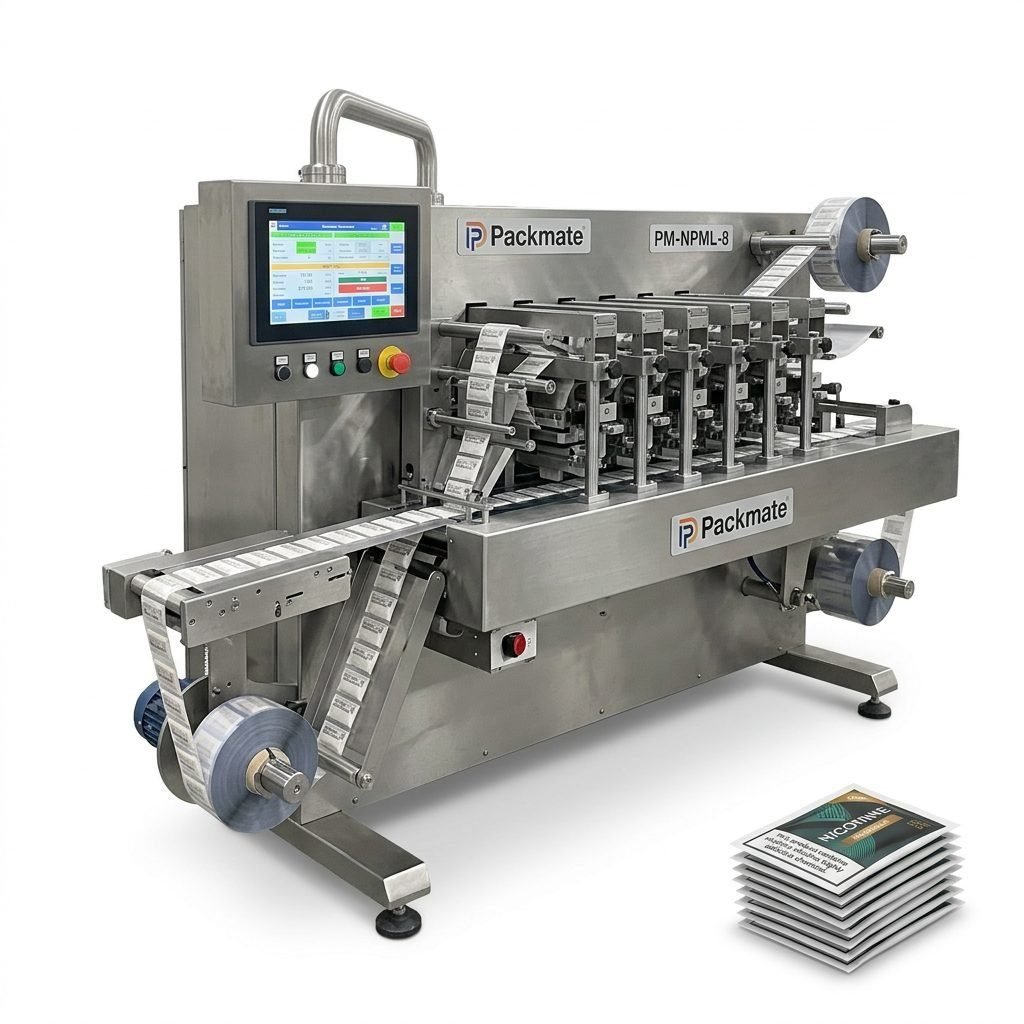
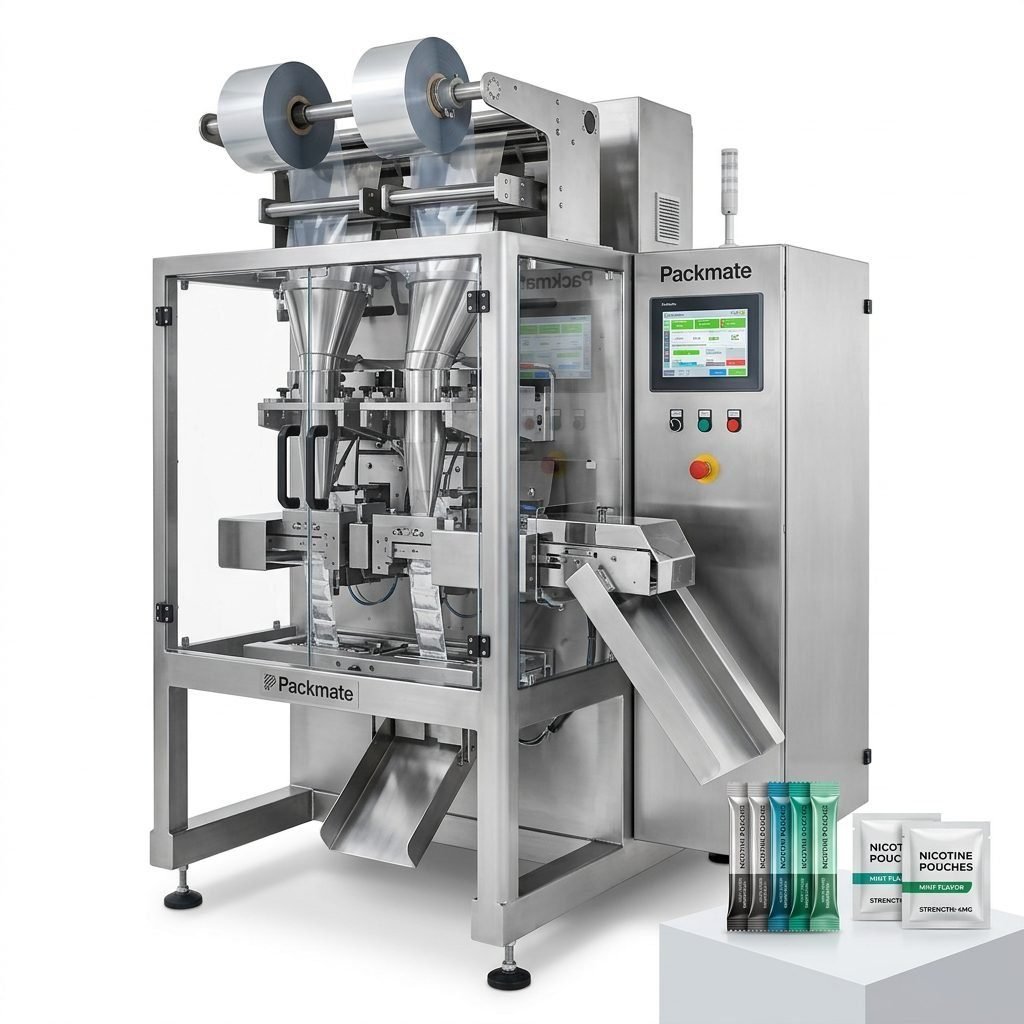
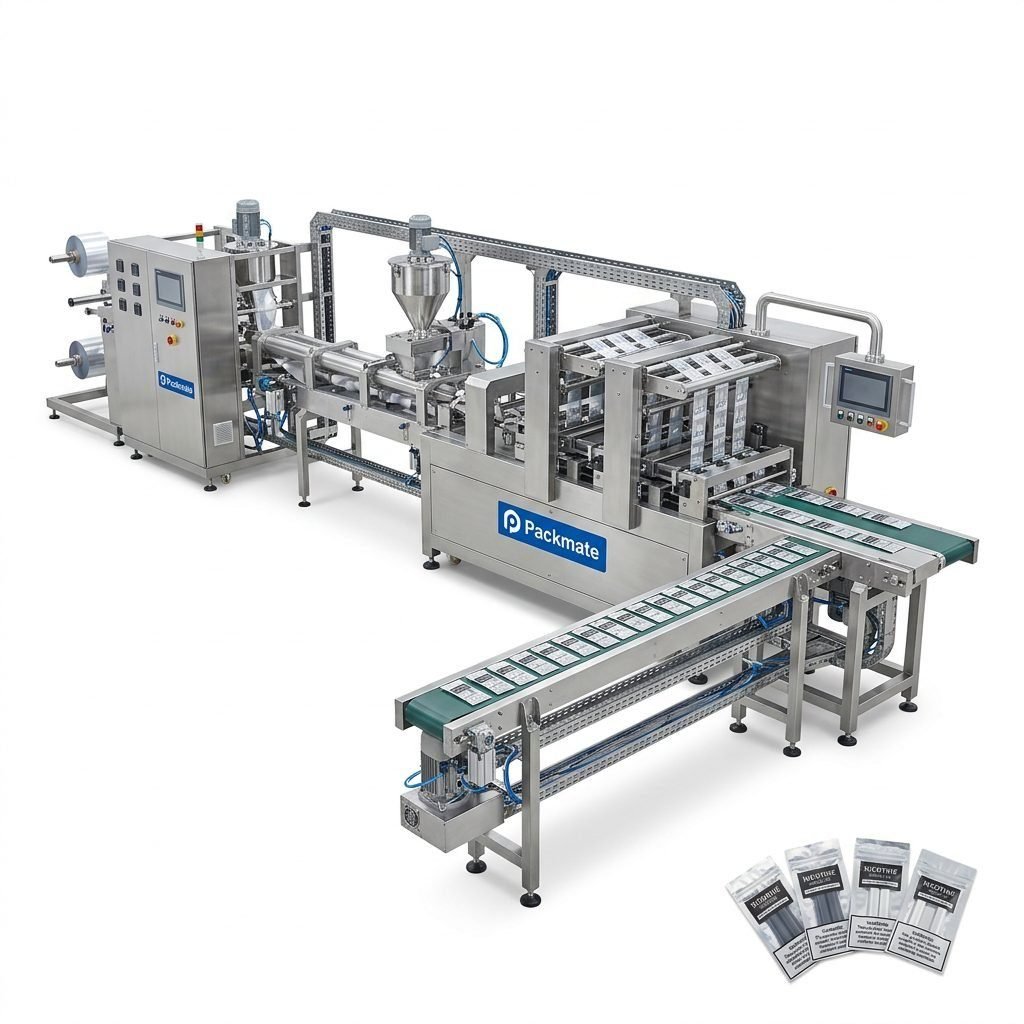
Look for manufacturers with proven experience in snus and nicotine pouch lines. Manufacturers like Packmate Snus Machine offer decades of engineering background and dedicated production lines for nicotine products. Check for: documented case studies, a well-equipped manufacturing facility with CNC machining and precision assembly, and the availability of multiple machine models for various packaging formats.
Certifications and Compliance
Regulatory compliance matters more than ever. Machines should be designed and documented to meet international standards (CE, ISO) and provide traceable electrical and safety documentation for customs clearance in the Dominican Republic. A supplier who can provide complete certification packs will reduce importation delays and ease local approvals.
🤝 Service, Training and After-Sales Support
After-sales service is often the differentiator between a good purchase and a lasting asset. For Dominican operators, prioritize vendors who will offer:
-
Local-language (Spanish) documentation and remote guidance.
-
Commissioning support that includes on-site start-up and operator training.
-
Spare parts supply and predictable lead times for critical components.
-
Maintenance contracts and availability of technician visits within the Caribbean region.
Why Factory Visits and Demos Matter
Tip: If feasible, visit the manufacturer’s factory or attend an exhibition demo. Seeing a machine run actual snus or nicotine pouches helps verify build quality, changeover speed, and ease of cleaning. Manufacturers often demonstrate lines at trade shows — check upcoming events or request video demos and virtual walk-throughs.
💡 Cost vs Value — How to Evaluate Proposals
Price is important, but low initial cost can hide higher lifecycle expenses. Consider:
-
Total Cost of Ownership (TCO): include installation, customs, spare parts, training, and projected downtime.
-
Warranty terms and coverage for electronics and mechanical wear parts.
-
Energy consumption and consumables (film, sealing materials) compatibility with local suppliers.
Practical Logistics for Dominican Buyers
Import logistics in the Caribbean can influence machine configuration: modular design that can be shipped in containers and reassembled locally reduces freight risk and customs headaches. Confirm that the vendor offers clear packing lists, CE/ISO certificates, and assistance with HS codes and customs documentation. Consider partners who have previous exports to Latin America or Caribbean countries — they will be familiar with local port processes and inland transport options.
🔧 Customization and Scalability
Nicotine pouch lines require flexibility: brand sizes change, and regulations may alter labeling or pouch material requirements. Look for manufacturers who offer:
-
Modular machinery designs allowing future upgrades to multi-lane or higher speeds.
-
Customization of feeding systems, dosing heads and packaging formats to match products.
-
Control systems that support recipe management and data logging for traceability.
✅ Evaluating Vendor Credibility — Checklist
Vendor credibility checklist:
-
Years of industry experience and product-specific line references.
-
Factory size and machining capability — look for CNC centers and precision assembly areas.
-
Certifications (CE, ISO) and safety documentation for electrical/equipment compliance.
-
Availability of after-sales network or regional partners for faster onsite support.
Case Studies and References
Ask for case studies or references relevant to your product type. Reputable suppliers like Packmate provide project examples and global cooperation cases that showcase multi-lane nicotine pouch lines, stick pack machines, and sachet packaging systems. Reviewing these cases helps you understand real-world uptime, output, and how the vendor handled installation challenges.
Explore product lines and examples here: Snus & Nicotine Packaging Machines, and learn about broader system options at Weighing & Packaging Systems. For factory profile and background, visit About Packmate.
📈 Negotiation Tips and Payment Terms
Negotiation in the Dominican business culture often values personal rapport. When discussing contracts:
-
Request clear milestones: design approval, FAT (Factory Acceptance Test), shipping, installation, SAT (Site Acceptance Test).
-
Agree on payment schedules tied to milestones (e.g., deposit, pre-shipment, post-installation).
-
Clarify responsibilities for customs, duties, and local commissioning costs.
Language and Documentation
Request Spanish translations for manuals and control interfaces if operators are primarily Spanish-speaking. Well-documented wiring diagrams, PLC ladder logic notes, and spare parts lists reduce downtime and speed training. Sellers who provide bilingual manuals show attention to local customer needs.
📣 Practical Example: Specifying a Line for a Dominican Nicotine Pouch Brand
Example specification for a mid-size Dominican manufacturer:
-
Target output: 2,000–5,000 pouches per hour per lane; start with a 4-lane pouch machine for scalability.
-
Dosing: high-precision auger or vibratory weighers for micro-dose nicotine accuracy.
-
Material compatibility: test local pouch film suppliers for seal integrity and nicotine resistance.
-
Automation: recipe management and HMI in Spanish, with data export for traceability.
Manufacturer Example and Additional Resources
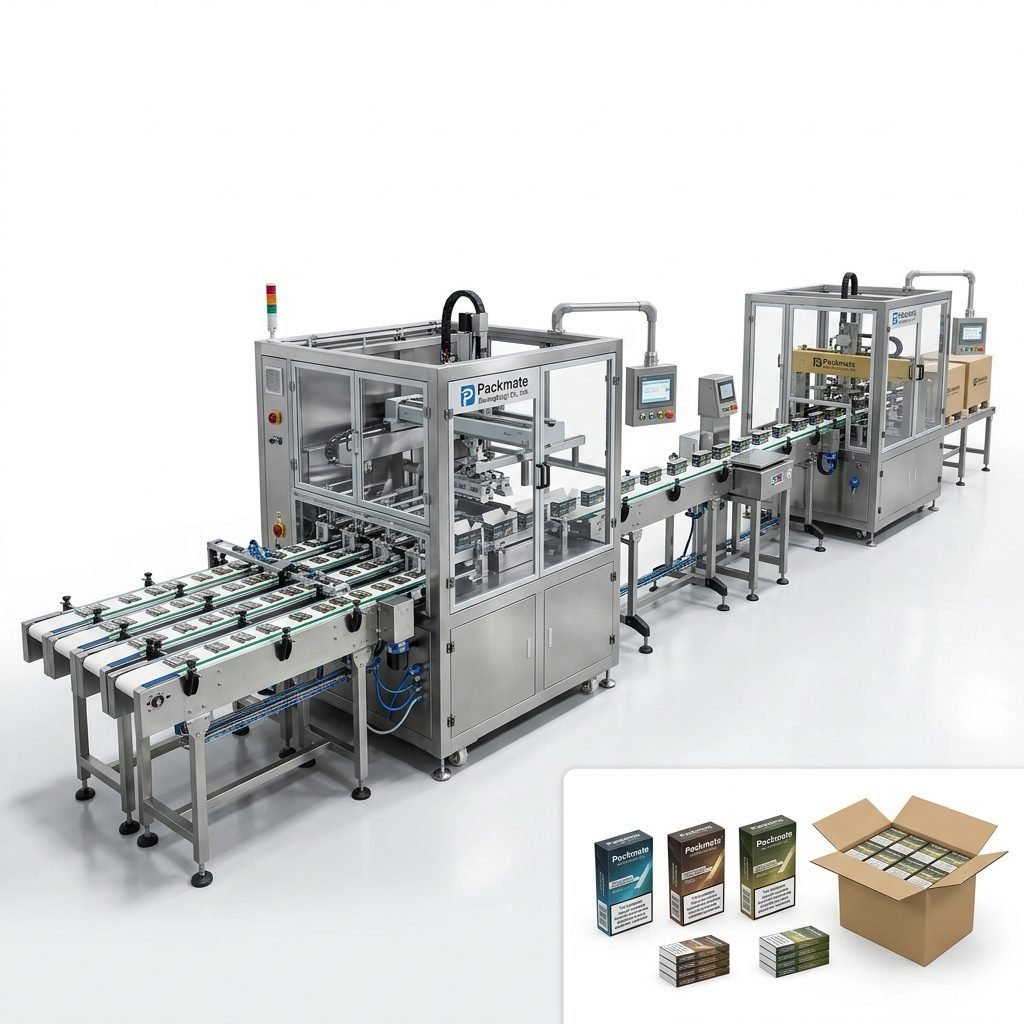
For references and part families, see product groups such as Sachet & Stick Pack Machines and explore turnkey lines in Filling & Packaging Lines. If you want to review real project examples, explore the Case section.
🔍 Final Selection Roadmap
Follow these steps to finalize your equipment decision:
-
Define production targets, pouch types, and future growth plans.
-
Shortlist 3–5 suppliers with relevant nicotine-pouch experience and request detailed proposals.
-
Review factory qualifications, certifications and request FAT or demo videos.
-
Negotiate milestones, spare parts kits, training, and warranty terms.
-
Plan logistics and local installation timeline — coordinate customs and port handling early.
Cultural Touch: Building Long-Term Supplier Relationships in DR
Dominican business practice values trust and reliability. Invest time in relationship building, frequent communication (preferably in Spanish), and mutually agreed KPIs for performance. A supplier who understands this approach and commits to regular follow-ups can become a true long-term partner for product line expansions.
📞 Next Steps and How to Contact Manufacturers
When you’re ready to request quotes or book demonstrations, use the manufacturer’s contact page and request local references, FAT schedules, and detailed spare-parts lists. For Packmate or similar specialist suppliers, you can find contact and service information here: Contact Us and review available services at Service.
Key Takeaway
Selecting the best nicotine packaging machinery manufacturer in the Dominican Republic requires balancing technical capability, certification, cultural fit, and total lifecycle cost. Prioritize vendors with proven nicotine/pouch experience, clear certifications, reliable after-sales support in Spanish, and a willingness to demonstrate machine performance through FAT or reference visits.
Frequently Asked Questions
Q1: What certifications should I insist on for nicotine packaging machines?
Ask for CE and ISO documentation as a baseline, plus clear electrical schematics and safety files. These documents help with customs clearance and demonstrate adherence to international safety standards.
Q2: How important is local-language support in the Dominican Republic?
Very important. Spanish manuals, troubleshooting guides, and the availability of bilingual trainers shorten learning curves and reduce miscommunication during installation and maintenance.
Q3: Should I choose single-lane or multi-lane machinery initially?
Choose based on current demand and growth plans. Multi-lane systems offer higher throughput and lower per-unit costs but require higher upfront investment. Modular designs allow phased upgrades.
Q4: What are common pitfalls to avoid when importing packaging machinery?
Common pitfalls include incomplete certification paperwork, underestimating spare-part lead times, ignoring local electrical standards, and not planning for on-site training or commissioning.
Q5: How can I verify a supplier’s real-world performance?
Request FAT videos, client references in similar markets, and plant visit options. Reviewing case studies and production numbers helps confirm uptime and delivery commitments.