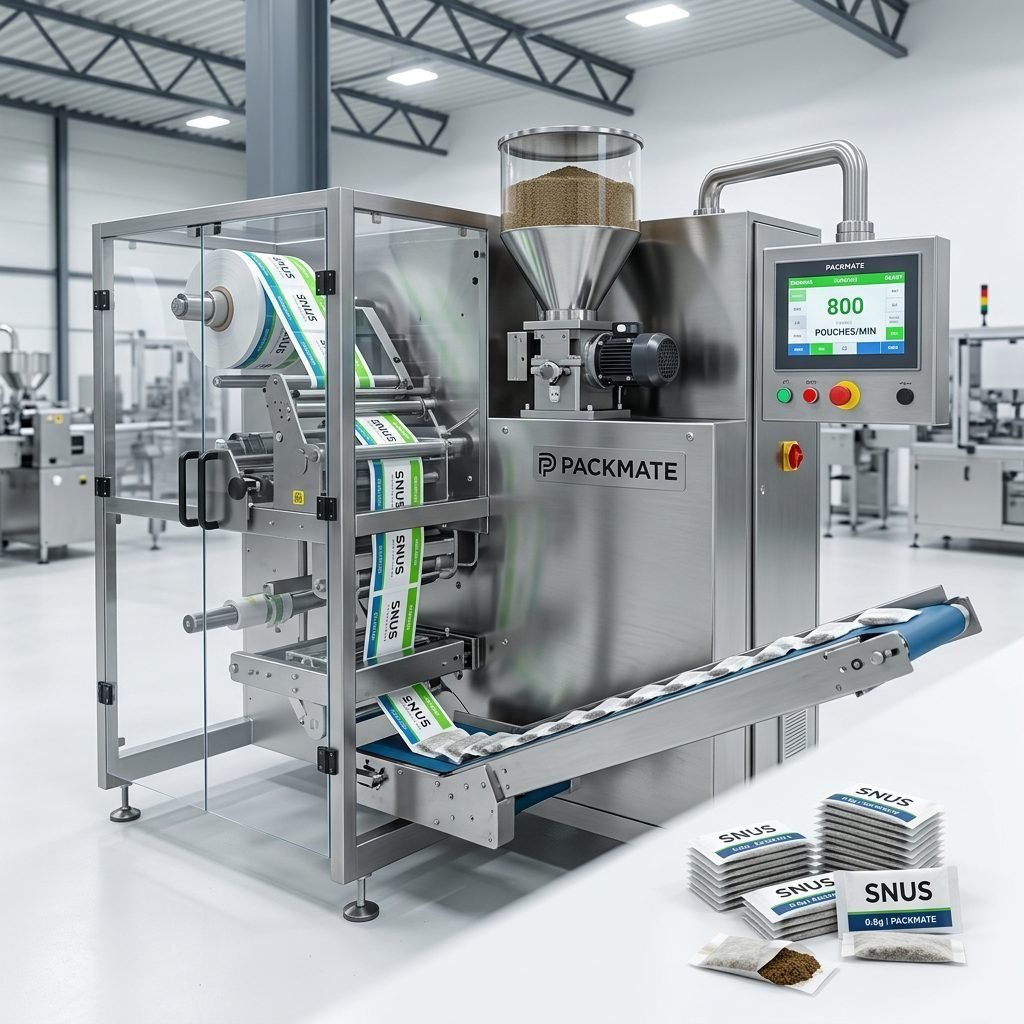
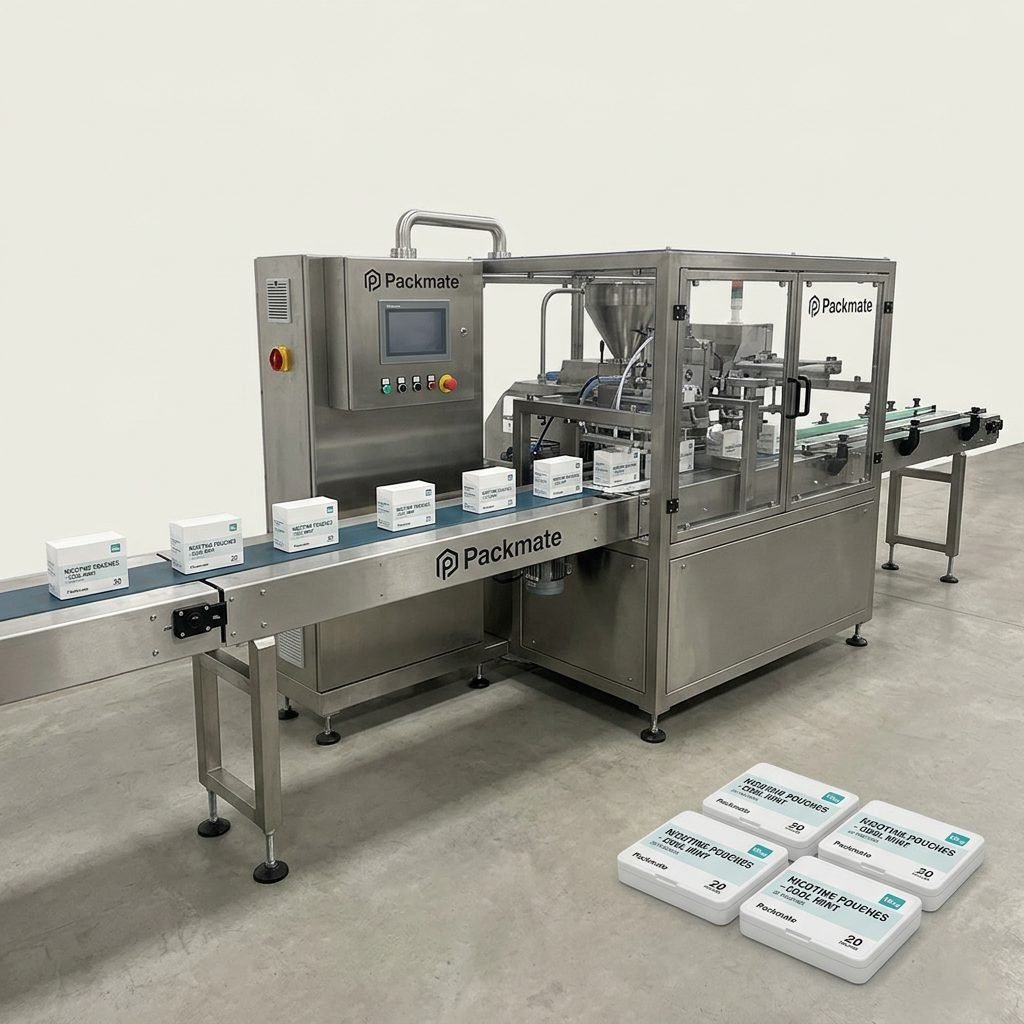
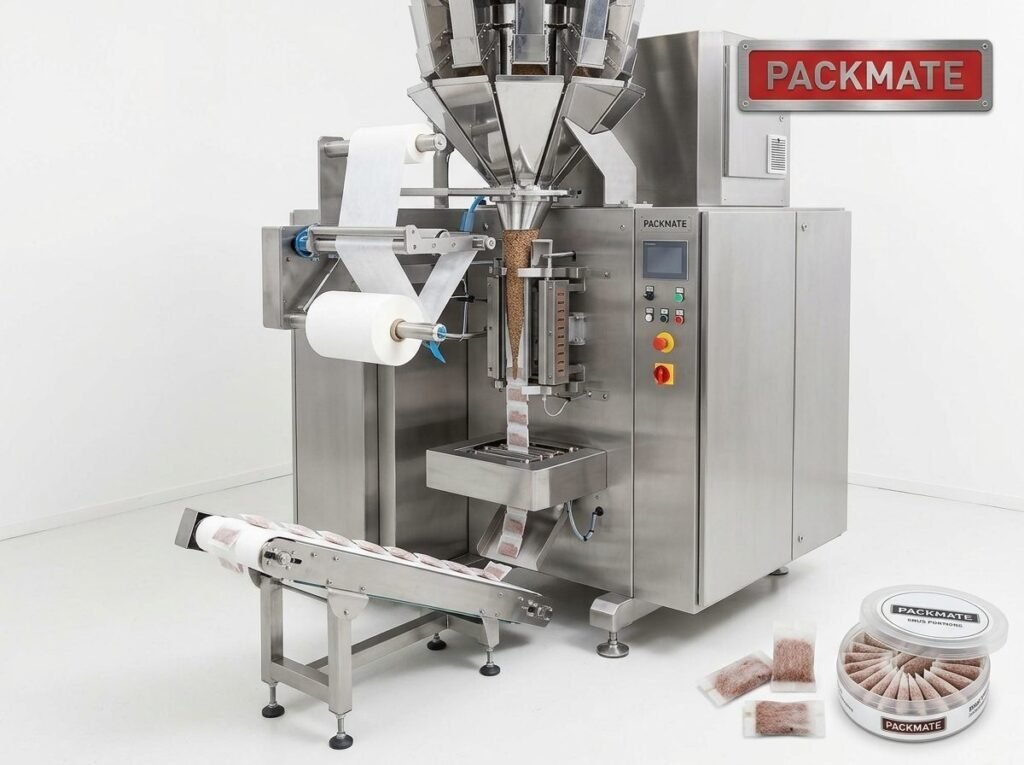
Choosing the right nicotine packaging machine for your production line in Tunisia is a strategic decision that affects product quality, regulatory compliance, operational efficiency, and long-term costs. Whether you are packaging snus, nicotine pouches, or stick-style single-dose products, this guide walks you through the most important factors to help you make a confident, well-informed purchase.
Understanding the Tunisia market and regulatory context
Tunisia’s regulatory environment for nicotine products can affect machine choice and line configuration. Before selecting equipment, ensure you understand local labeling, batch traceability, material contact standards, and any import restrictions. Many manufacturers offer CE or ISO-certified machines—look for these marks to ensure safer compliance and easier customs clearance.
⚠️ Key reminder:
Always validate machine hygiene and material contact surfaces to meet Tunisia’s food and pharmaceutical contact requirements when applicable.
Ask about certifications
Certification such as CE and ISO indicates adherence to international quality and safety standards. When evaluating suppliers, request documentation and ask for recent test certificates. Certified machines reduce risk during import and operation.
Capacity & throughput: match machine speed to your forecast
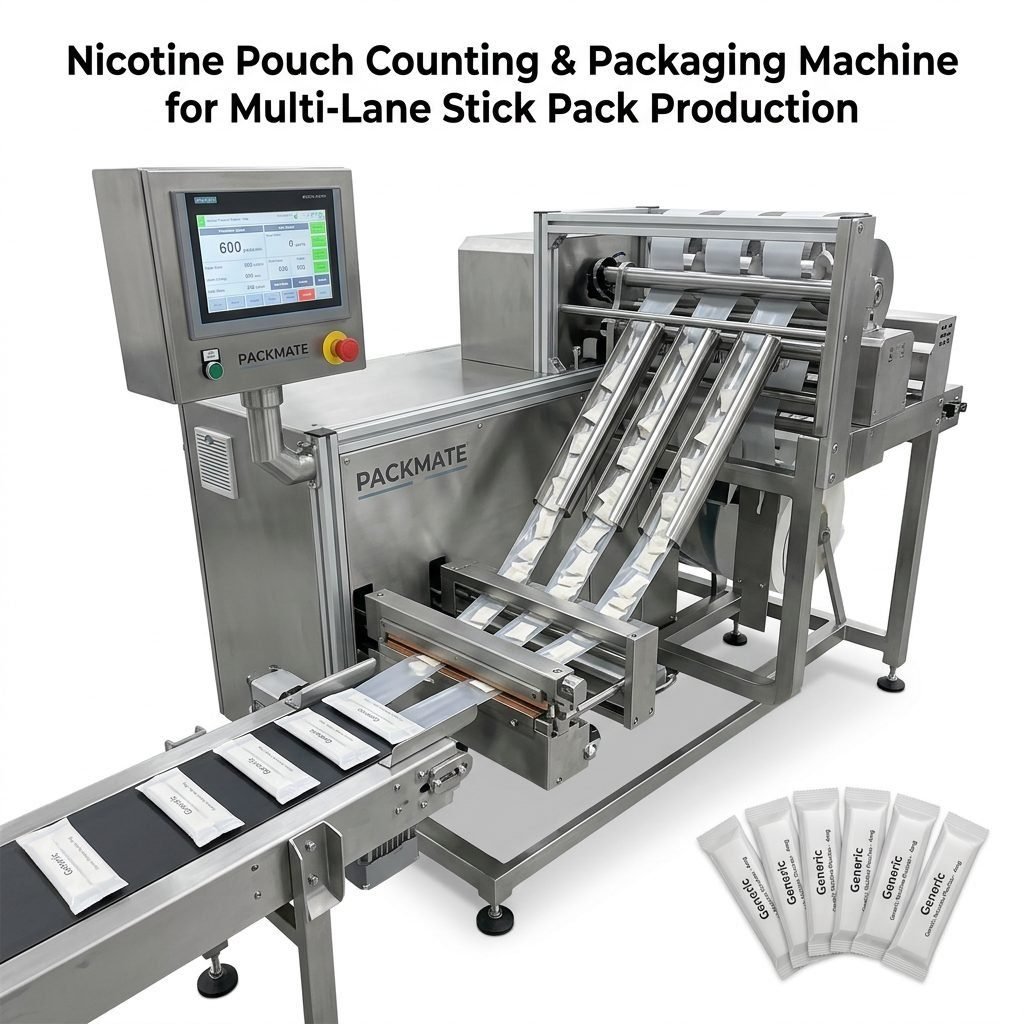
One of the most common mistakes is underestimating future demand. Choose a machine that meets today’s needs and can scale. Consider single-lane vs multi-lane systems: multi-lane lines multiply output without proportionally increasing footprint and labor.
📦 Production planning tip:
If you plan regional expansion, prioritize modular multi-lane solutions that let you add lanes or parallel machines later.
Throughput metrics to check
Look at pieces per minute (ppm) at target package size, changeover time between SKUs, and the effective hourly output under realistic operating conditions. Verify that quoted figures include real-world factors like product feeding and downstream packing.
Key machine types and which suits your line
Different nicotine products require different machine technologies. Understanding basic types helps you narrow options.
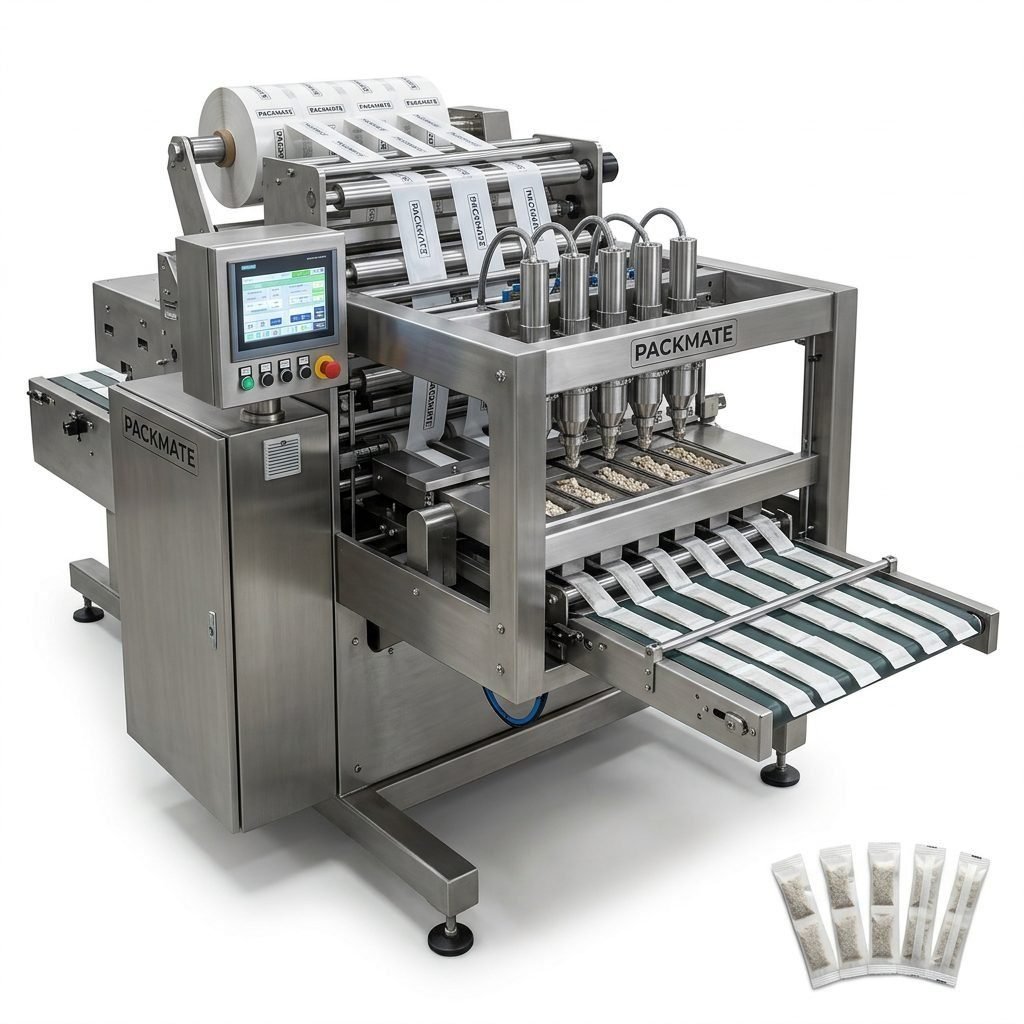
Sachet & Stick Pack Machines
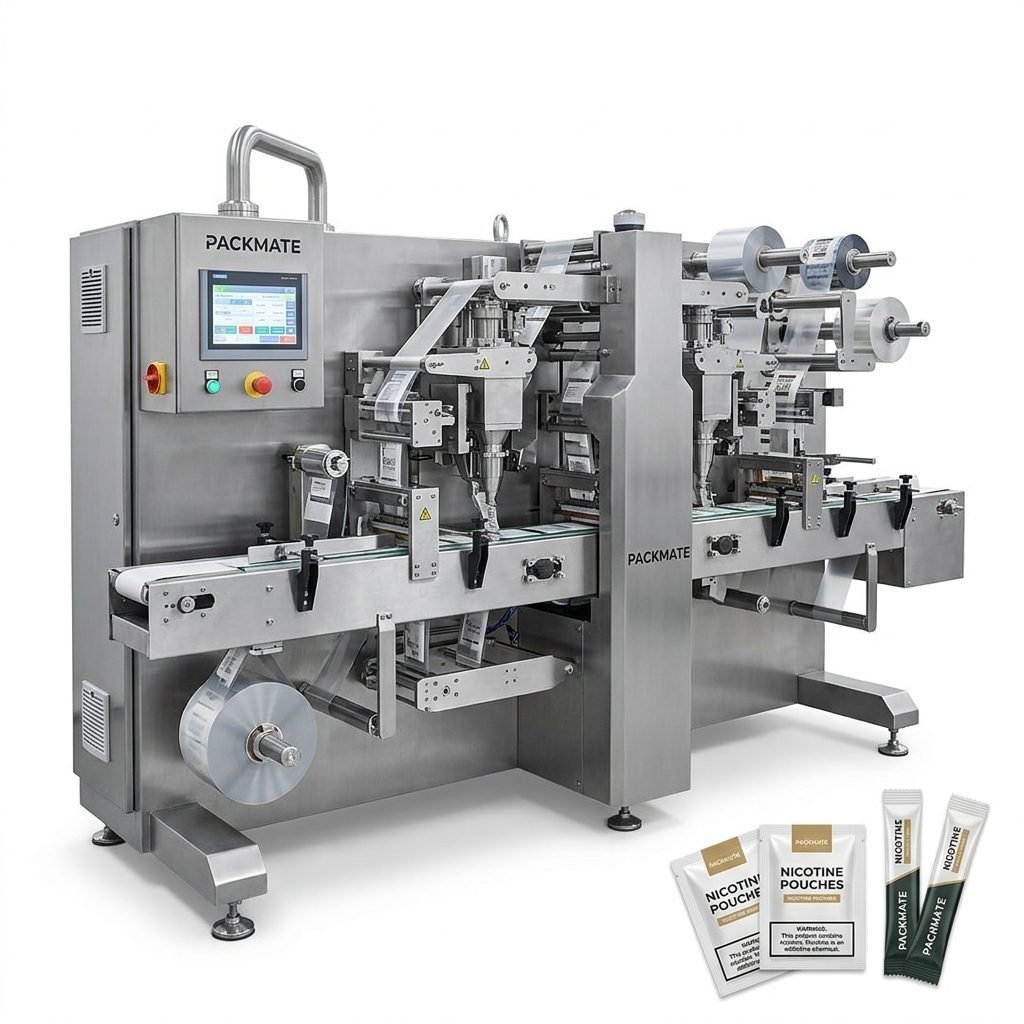
Sachet and stick pack machines are ideal for single-dose sachets and slim sticks. They excel at high-speed packaging for low to medium viscosity fills. If your product is a powdered nicotine pouch or stick, these are common choices. Compare sealing methods, film handling, and pouch shaping options.
Explore advanced models and specifications at the manufacturer’s product pages for Sachet & Stick Pack Machines.
Sachet & Stick Pack Machines
Multi-lane Snus / Nicotine Pouch Lines
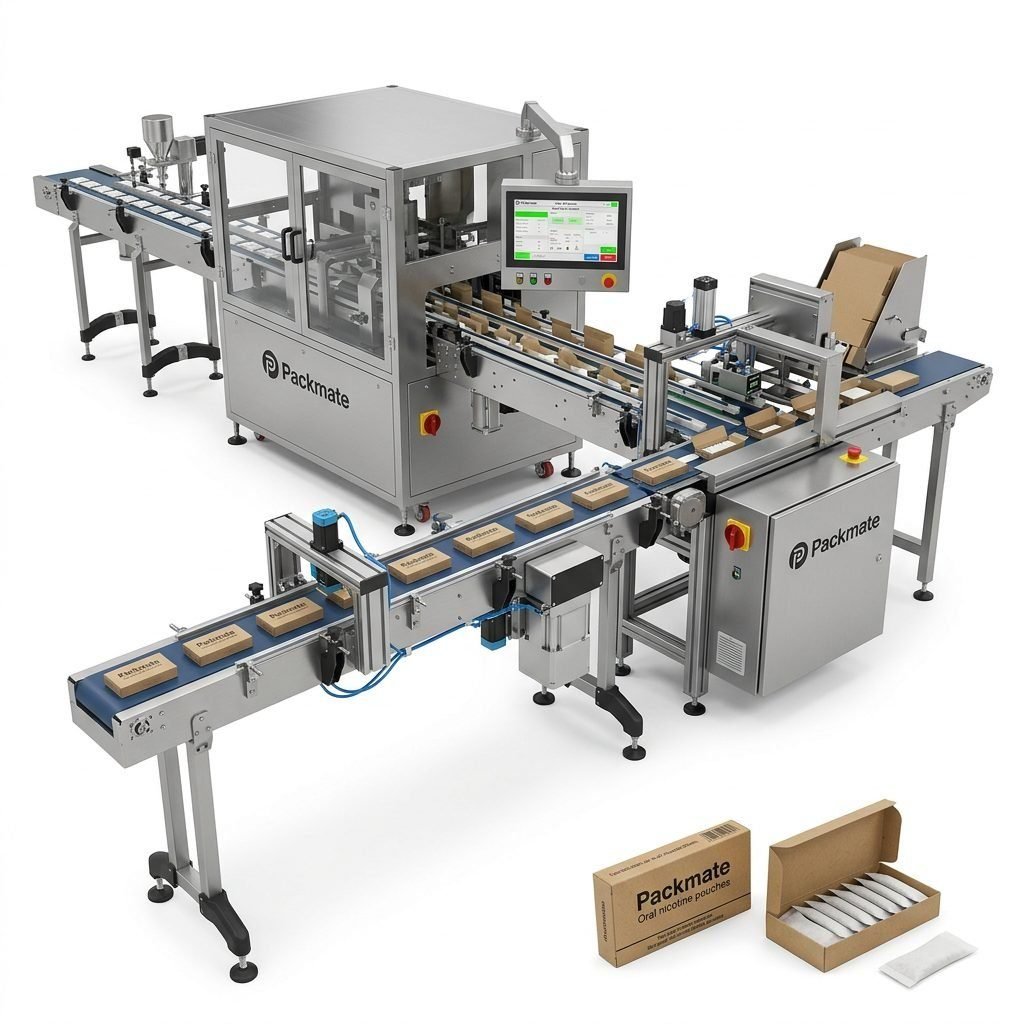
Multi-lane pouch machines dramatically increase output for small-dose pouches like snus and nicotine pouches. These systems deliver a compact footprint with high throughput and are commonly used when you have tight floor space but high volume targets.
See examples and technical details here:
Snus & Nicotine Packaging Machines
Auxiliary equipment and full lines
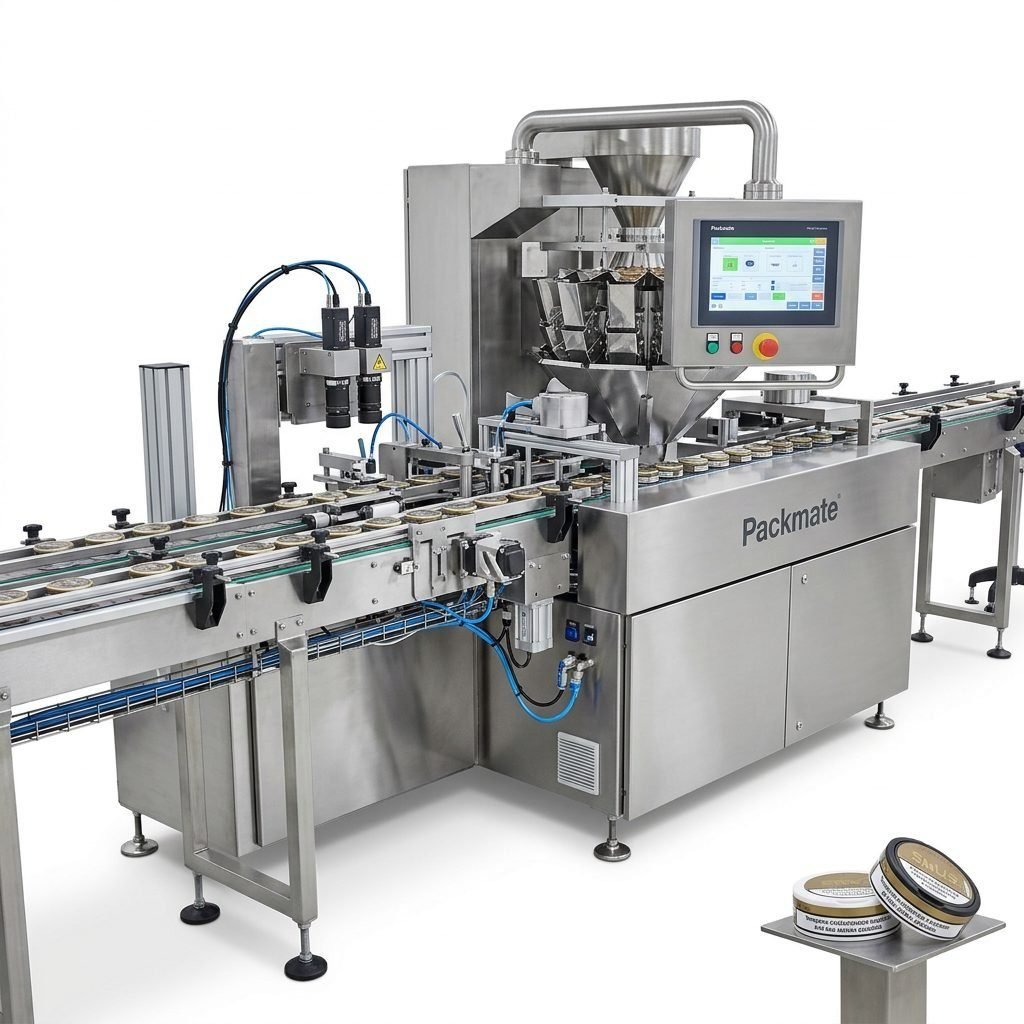
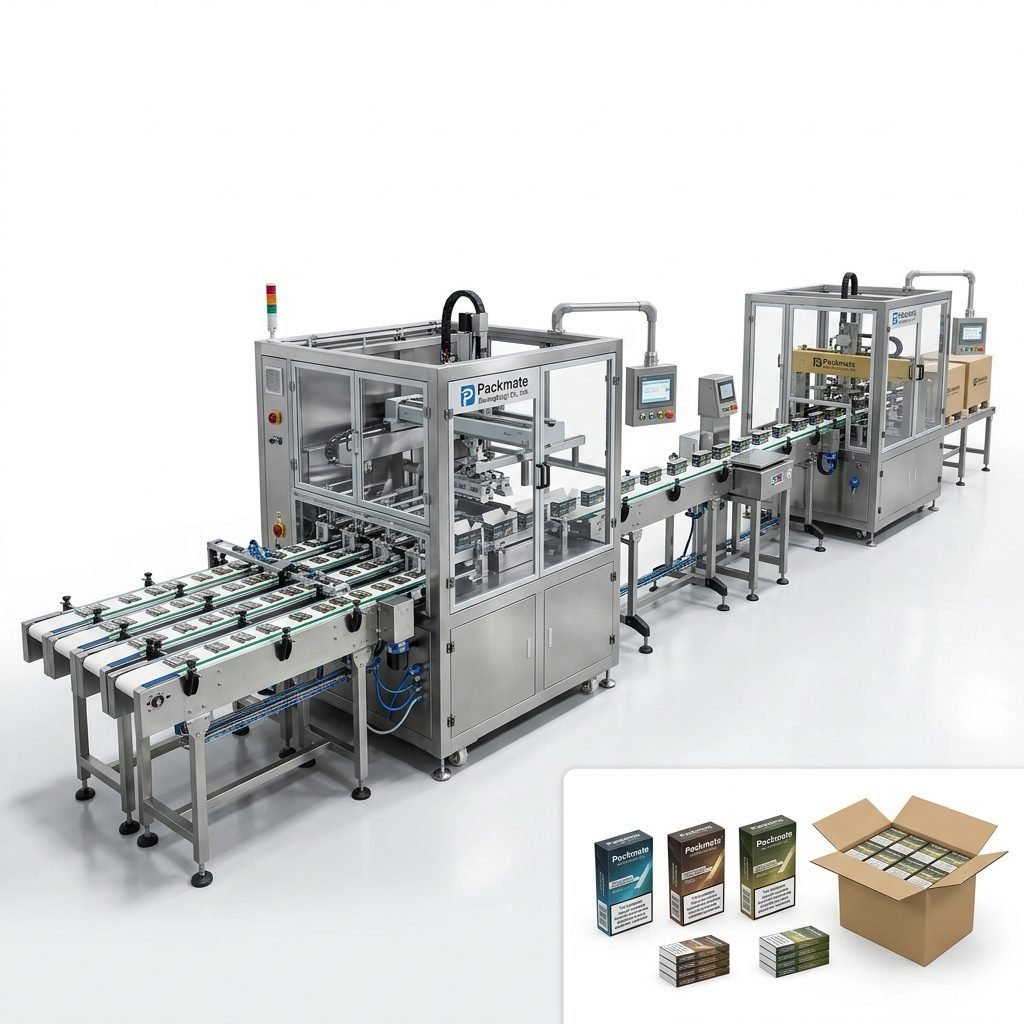
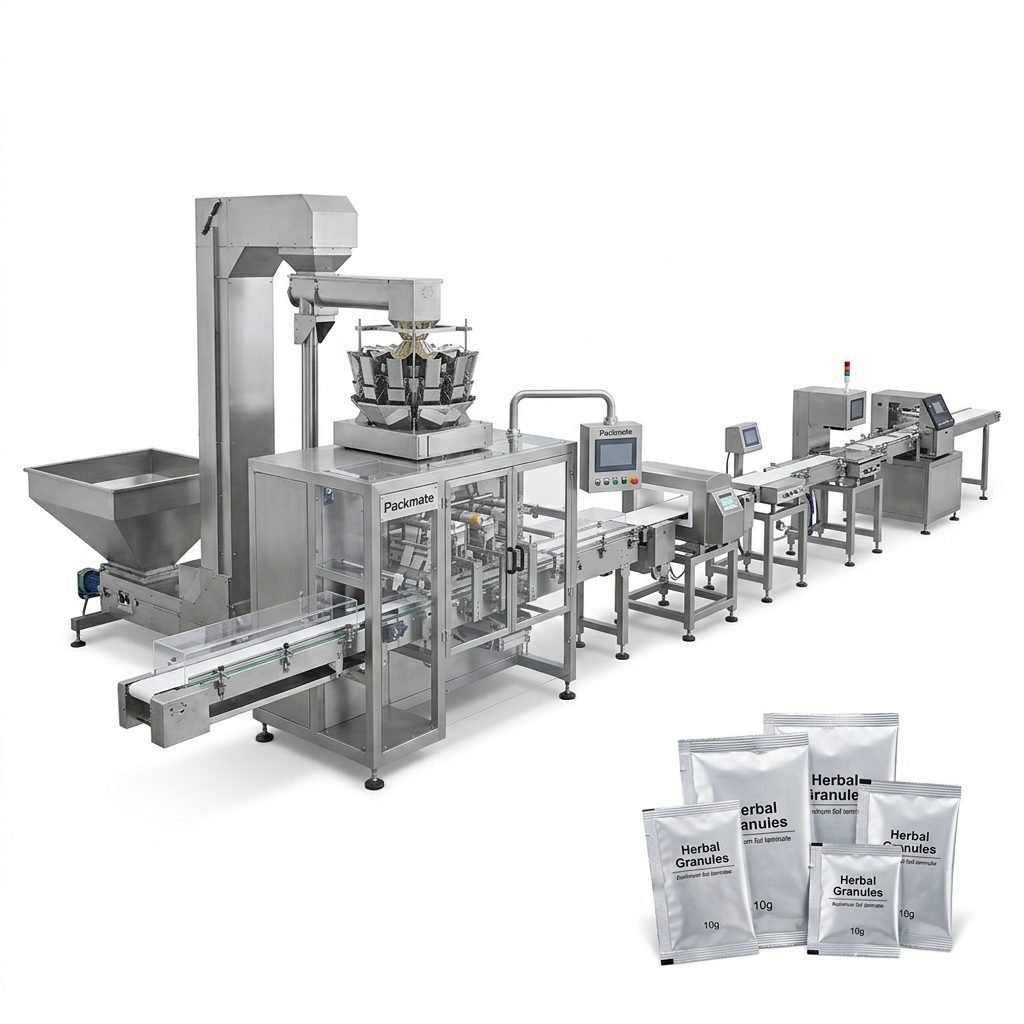
A complete production line includes feeders, weighing systems, conveyors, metal detectors, and cartoning machines. Evaluate suppliers that offer turnkey solutions so components are optimized and supported together. Integrated lines reduce integration time and make after-sales service simpler.
You can view complementary systems here:
Weighing & Packaging Systems |
Auxiliary Packaging Equipment
Technical specifications to compare
When evaluating quotes, ensure apples-to-apples comparisons by checking detailed specs.
✔️ Checklist (essential specs):
speed (ppm), lane count, servo vs pneumatic drives, PLC & HMI type, filling accuracy, power consumption, air consumption, machine footprint, material compatibility, and spare parts availability.
Pay attention to servo-driven systems for better precision and faster changeovers. Filling accuracy is critical for nicotine products due to dosage regulations—ask for empirical accuracy data and tolerances.
Material compatibility and packaging film
Nicotine pouches and snus require packaging films that preserve moisture and aroma while offering barrier protection. Machines must be able to handle the film types you plan to use (e.g., laminated barrier films, heat-sealable films). Ask suppliers about sealing temperature control, film tracking systems, and film tension management.
Integration with upstream & downstream equipment
Think beyond the packaging machine. Effective production requires synchronized feeding, dosing, conveyance, inspection, and secondary packaging. Choose vendors who can provide complete lines or who have proven integration experience with reputable auxiliary equipment brands.
For full packing solutions and line examples, review turnkey offerings and case studies:
Filling & Packaging Lines |
Case
Supplier credibility, service & spare parts
A machine is only as good as the support behind it. Evaluate suppliers on their engineering experience, factory capabilities, spare parts inventory, and on-site service options. A supplier with strong manufacturing and assembly facilities tends to provide higher reliability and quicker lead times.
Why factory strength matters:
Companies with advanced CNC machining centers and dedicated assembly lines can offer better quality control, customization, and shorter lead times.
For a well-established supplier profile, learn more about the manufacturer’s experience and facility:
About Packmate
Total cost of ownership (TCO) vs. upfront cost
Upfront price is only part of the equation. Consider energy usage, maintenance intervals, spare parts cost, staff training, and expected lifespan. A slightly higher-capital machine with higher efficiency and lower downtime often results in lower TCO.
Ask suppliers for:
– Historical uptime statistics and MTBF (mean time between failures).
– Typical spare parts list and pricing.
– Training packages and local support options.
– Warranty terms and service level agreements.
Installation, commissioning and operator training
Professional installation and commissioning minimize startup delays. Confirm whether the supplier includes on-site commissioning, in-line adjustments, and training for operators and maintenance staff as part of the contract.
Service note:
Faster spare parts delivery and remote diagnostics can significantly reduce downtime—ask about local distributors or regional warehousing.
Customization & future-proofing
Look for flexible designs that support product format changes and additional automation modules. Vendors with strong R&D backgrounds can adapt machines to new product formats or regulatory requirements without replacing entire systems.
Evaluation and acceptance testing
Before final acceptance, require Factory Acceptance Tests (FAT) and Site Acceptance Tests (SAT) under simulated production conditions. FAT allows you to verify functions, speeds, and accuracy; SAT verifies integration on your floor.
Key acceptance items
– Verification of quoted throughput with your product.
– Filling and dosing accuracy tests.
– Sealing integrity and package testing.
– Changeover and recipe switching times.
– Electrical and safety compliance checks.
Selecting the right supplier in Tunisia or for Tunisian operations
If you require local presence, choose suppliers with regional partners for faster service. Alternatively, select a global manufacturer with established export experience who provides clear customs documentation and logistics support.
For global turnkey solutions and examples of international deployments, you can review supplier case studies and contact information:
Case |
Contact Us
Selection checklist: a practical tool
Use this condensed checklist when comparing suppliers and proposals.
📌 Practical Checklist
• Throughput and lane configuration verified with your SKU
• Verified filling accuracy and sealing integrity tests
• Spare parts lead times and pricing transparency
• On-site commissioning and operator training included
• Warranty, service contracts, and remote support options
Final considerations before purchase
– Validate supplier references and request video demonstrations of the exact machine model with similar products.
– Negotiate clear warranty and spare parts terms.
– Include acceptance testing criteria in the purchase contract to avoid ambiguity at delivery.
🌟 Pro tip:
Work with an experienced supplier that offers modular expansion, strong spare parts support, and proven line integrations to lower operational risk as you grow.
Where to start if you want help
Begin by documenting your product specifications, target volumes, preferred packaging materials, and budget range. Request detailed proposals that include FAT, spare parts lists, training, and service agreements. For manufacturers with deep experience in snus and nicotine pouch lines, check their product offerings and factory capabilities.
Explore product lines and additional resources here:
Snus & Nicotine Packaging Machines |
Bag & Pouch Packaging Machines
Conclusion
Selecting the best nicotine packaging machine in Tunisia involves balancing throughput, compliance, material compatibility, TCO, and supplier support. Prioritize accuracy, modularity, and proven service infrastructure to ensure a reliable and scalable production line. A well-chosen system minimizes risk and positions your business for efficient growth.
Need direct assistance?
Contact suppliers with turnkey capabilities and strong factory resources to schedule demonstrations and FAT sessions.
Frequently Asked Questions (FAQs)
Q1: What is the typical lead time for a custom multi-lane nicotine pouch machine?
A1: Lead times vary by customization and factory capacity. Standard models may ship in a few weeks, while custom multi-lane systems typically require several months for design, manufacturing, and FAT.
Q2: How important is certification like CE and ISO when importing machines to Tunisia?
A2: Certifications are important as they indicate compliance with international safety and quality standards, simplifying customs clearance and ensuring safer operation.
Q3: Can I integrate a nicotine pouch machine with my existing filling and cartoning equipment?
A3: Yes. Many suppliers offer modular machines and integration experience. For best results, involve the packaging machine supplier early so mechanical and control interfaces are accounted for.
Q4: What ongoing costs should I budget for after purchase?
A4: Budget for spare parts, annual maintenance, consumables (sealing jaws, cutters), energy, and possible software updates. Training and occasional on-site service should also be considered.
Q5: Where can I see real-world examples and request a quote?
A5: Review case studies and contact manufacturers with turnkey solutions to arrange demonstrations and quotes:
Case |
Contact Us