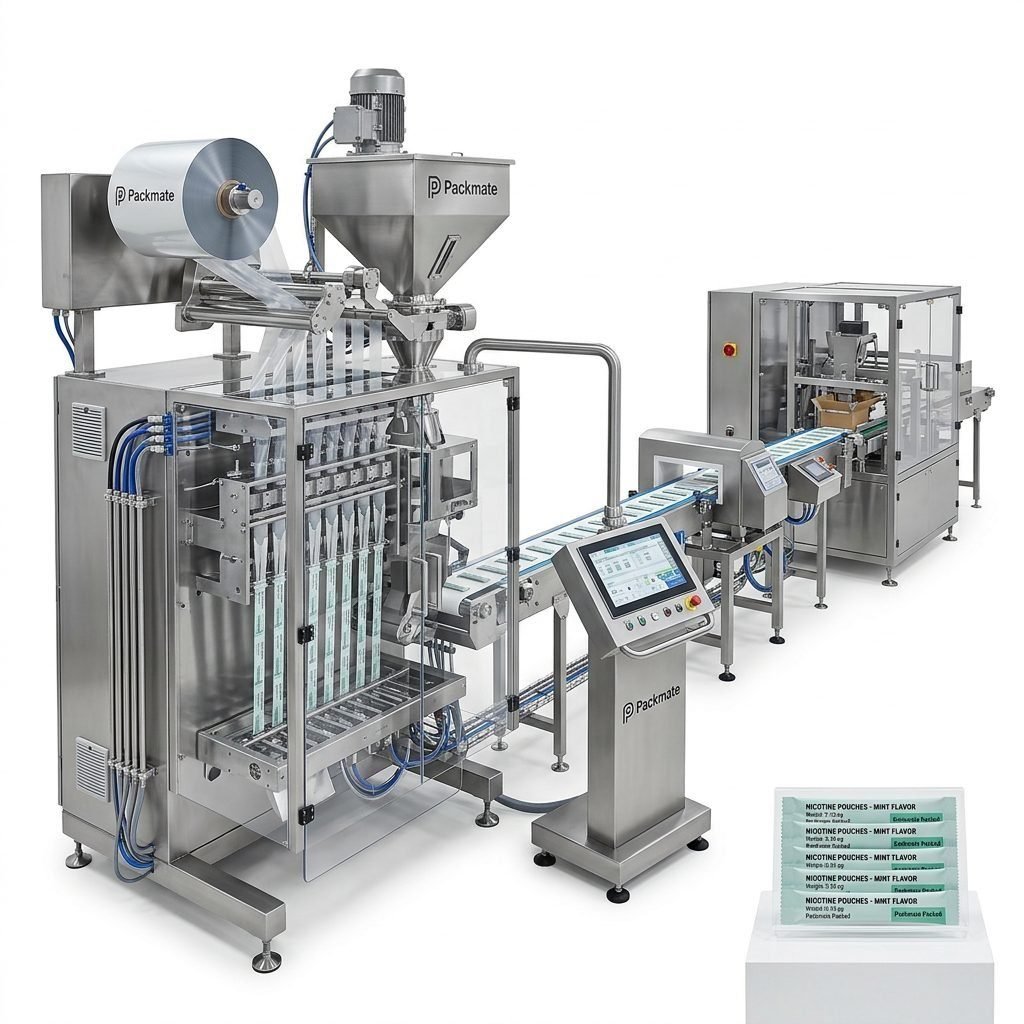
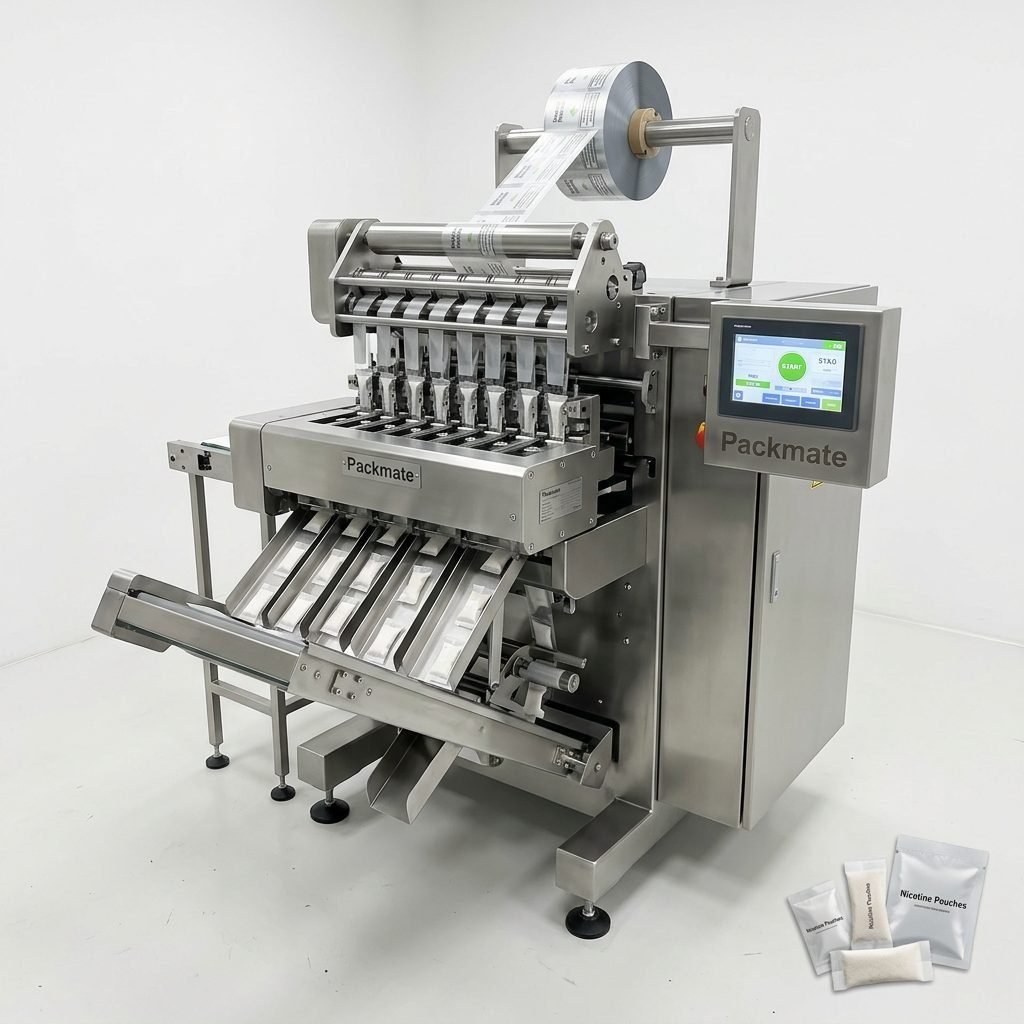
Choosing the right snus packaging machine for your Southeast Asia production facility is a critical step that determines product quality, production efficiency, regulatory compliance, and long-term profitability. This guide walks you through the most important factors to consider — from machine type and output capacity to supplier qualifications and after-sales support — so you can confidently select equipment that matches your product format, business objectives, and local market conditions.
Understand Your Product and Packaging Format
The first step is to define the exact snus or nicotine pouch format you plan to produce. Different pouch sizes, fill materials (powder, granules, or moisture-controlled blends), and outer packaging styles require distinct machine capabilities. Ask yourself:
📌 Pouch type: single-dose sachet, stick pack, multi-lane small-dose pouches, or pre-formed bags.
📌 Filling material: how free-flowing is the powder or granule? Does it require vibration-assisted dosing or specially designed augers?
Recommended machine categories
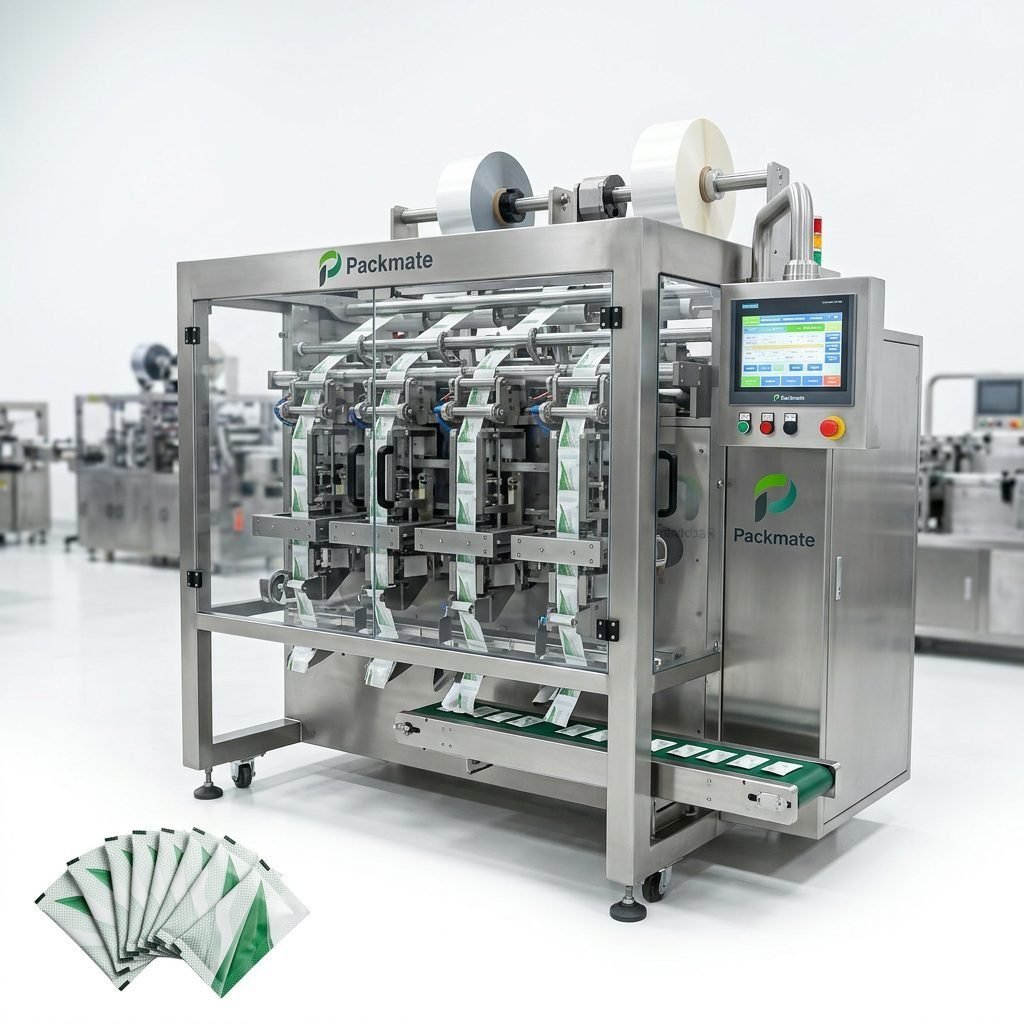
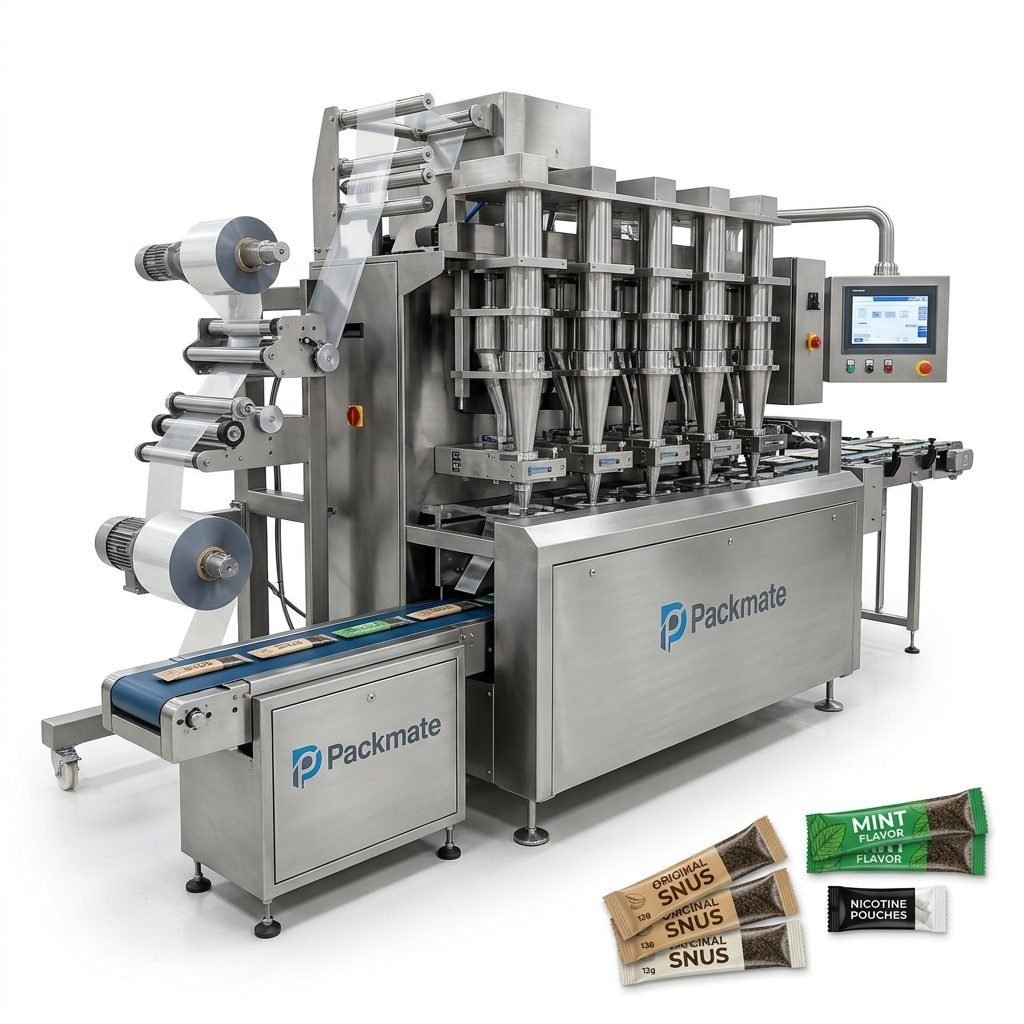
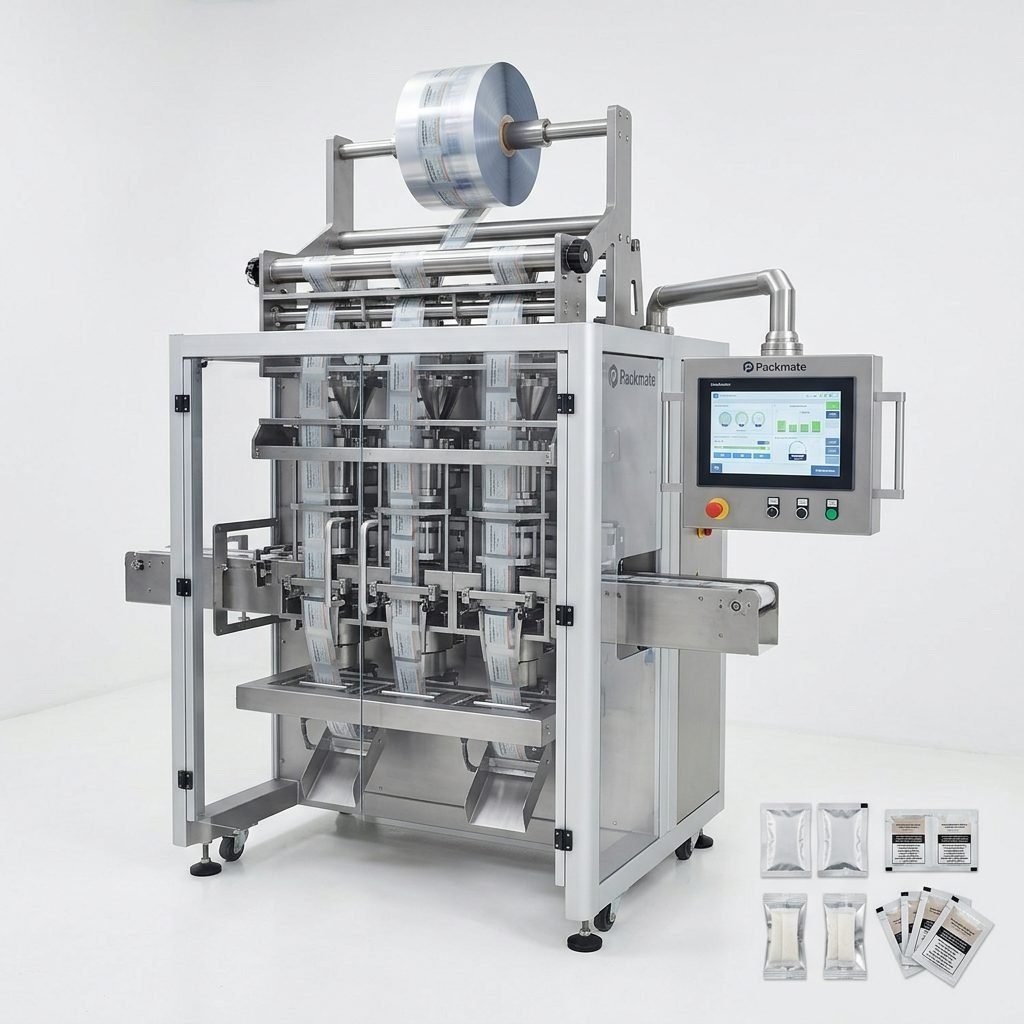
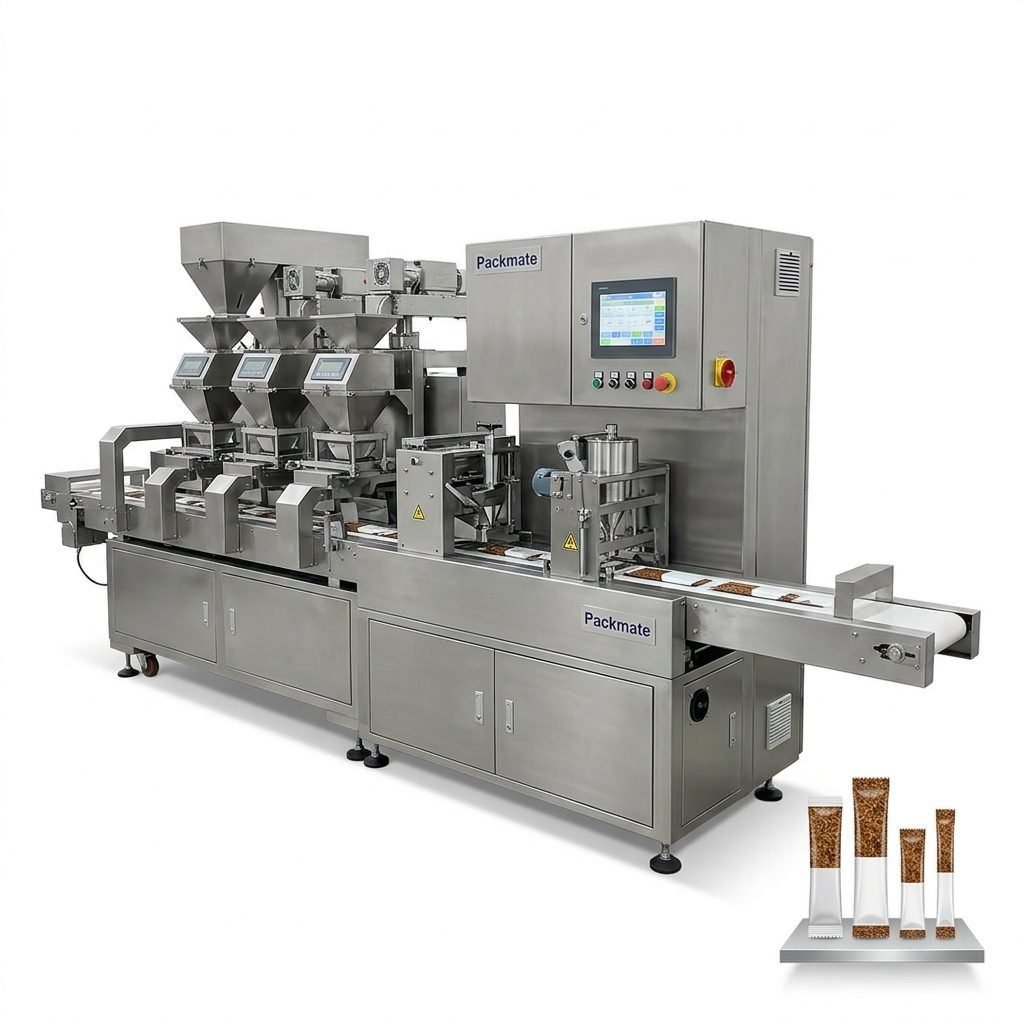
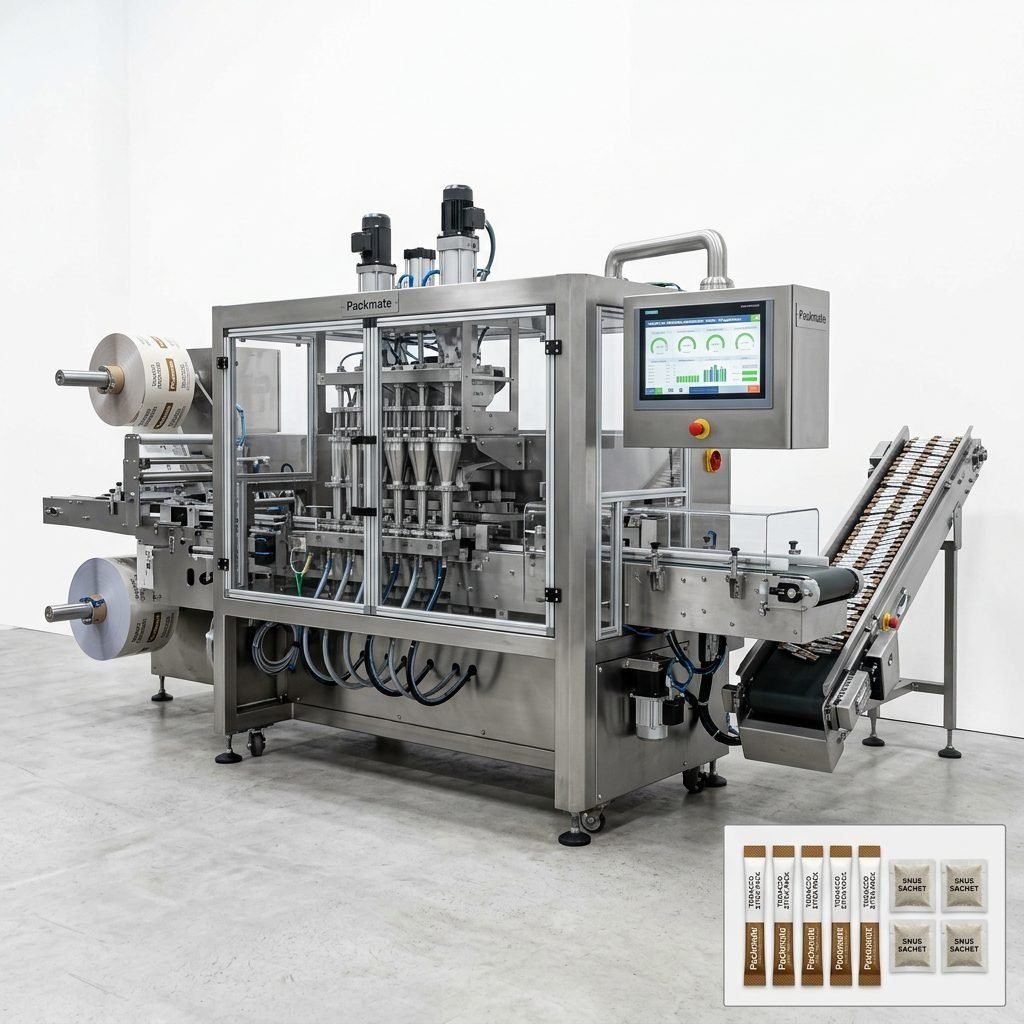
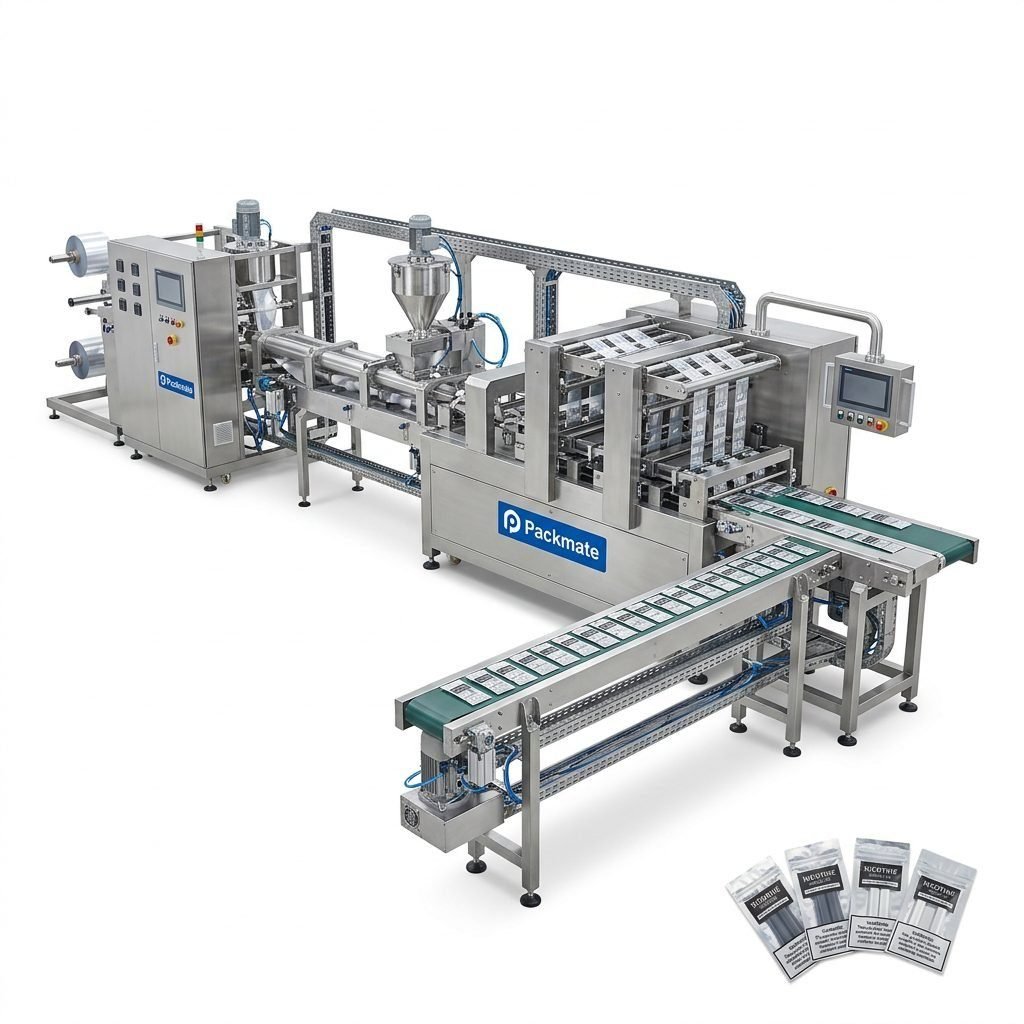
– For nicotine pouches and snus: consider specialized multi-lane or single-lane pouch machines tailored to small-dose control. See examples of Snus & Nicotine Packaging Machines.
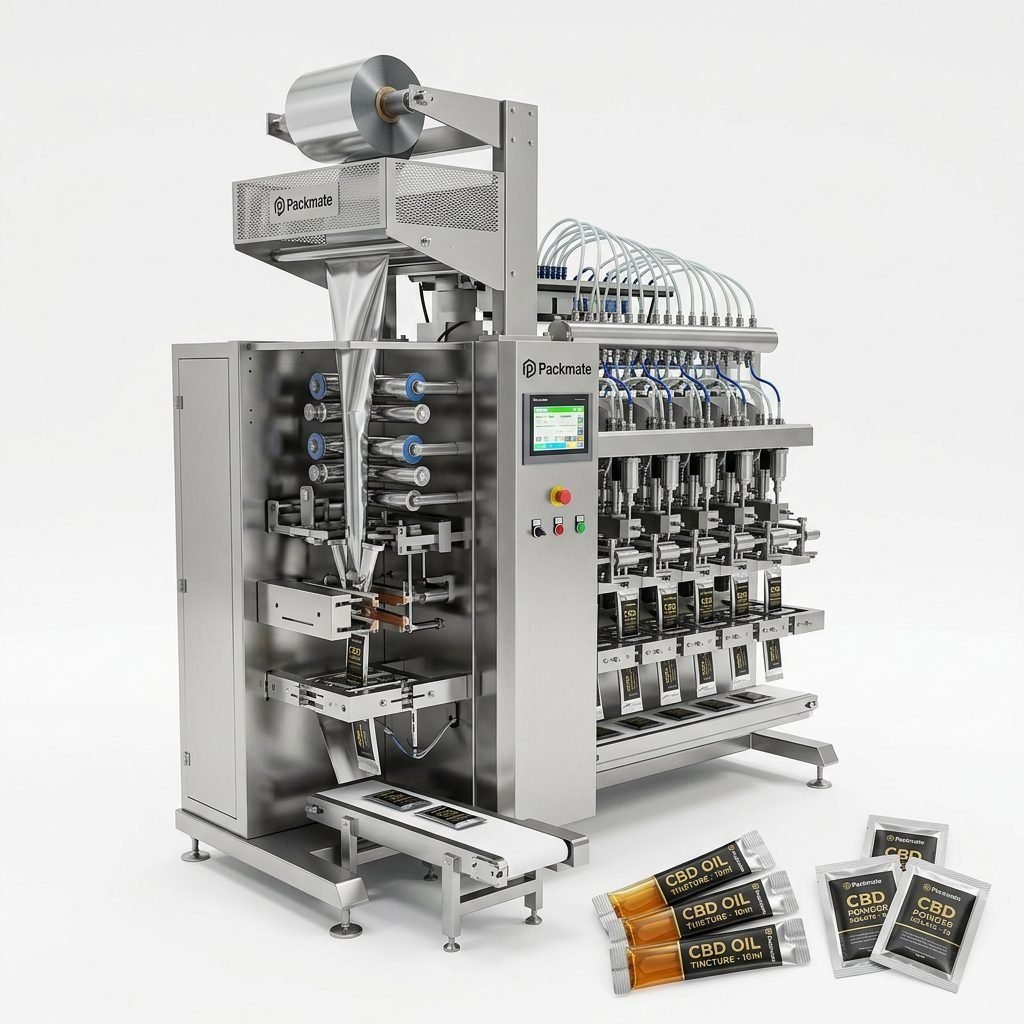
– If you also need stick or sachet formats, evaluate flexible systems that support both — explore Sachet & Stick Pack Machines.
Production Capacity and Scalability
Match machine output to your current and projected demand. Underinvesting leads to bottlenecks; overinvesting ties up capital. Consider:
– Hourly and daily output targets (pouches per minute x hours per shift).
– Scalability: Can the machine be upgraded with additional lanes, modules, or automation to increase throughput without full replacement?
📈 Tip: For growing brands in Southeast Asia, multi-lane systems often offer the best balance between footprint and capacity — they reduce labor per output and improve consistency.
Accuracy, Dosing Systems and Product Handling
Consistent dosage is vital for nicotine pouches due to regulatory and consumer safety concerns. Evaluate dosing technologies and mitigation measures:
– Volumetric augers, loss-in-weight feeders, or multi-head weighers for precise dosing.
– Gentle product handling and controlled vibration to avoid dust, caking, or segregation.
– CIP-friendly parts, or easy-to-disassemble contact parts for cleaning and maintenance.
Automation level and process control
Systems with PLC controls, HMI recipe management, and remote troubleshooting capabilities can reduce downtime and speed changeovers. Look for:
– Recipe memory for fast product changeovers.
– Integrated quality checks — weight verification, seal monitoring, and inline metal detection if required.
Material Compatibility and Packaging Film
Your choice of packaging film (foil, paper laminates, heat-sealable films) and barrier requirements for moisture/oxygen control will affect machine selection:
– Ensure the machine supports the roll widths, film thicknesses, and sealing temperatures needed for your materials.
– If you plan to use pre-formed pouches or zipper closures later, confirm compatibility or modular adaptability.
Regulatory Compliance and Certifications
In Southeast Asia, regulations vary by country. Choose machinery from suppliers that follow international standards and can provide documentation for compliance:
– CE and ISO certifications indicate safe design and quality processes. Packmate’s equipment meets these standards and can help with regulatory audits.
– Material traceability, machine validation, and GMP-friendly design are essential for nicotine-containing products.
Supplier Evaluation: Experience, Factory Strength and After-Sales
Selecting a trusted supplier reduces risk. Key supplier attributes to evaluate:
– Years of experience: long-standing manufacturers bring better engineering and mature solutions. For example, Packmate traces roots back to 1993 and formally established in 2003 with decades of R&D.
– Factory capabilities: large production area, advanced CNC machining, and precision assembly lines (Packmate’s 20,000㎡ facility is an example).
– Model range and customization: a manufacturer with 50+ models and turnkey solutions can better tailor systems to your needs.
🔧 Checklist for supplier visits: factory tour, machine demo, performance data, spare parts inventory, lead times, and warranty & service coverage.
Installation, Commissioning and Training
Proper installation and operator training significantly impact uptime. Ask about on-site commissioning, operator & maintenance training, and availability of local technicians or remote support. Suppliers offering lifecycle services and spare-part kits help minimize downtime.
Total Cost of Ownership (TCO)
Evaluate TCO, not just purchase price. Consider:
– Energy consumption and consumables.
– Spare parts availability and lead times.
– Expected lifetime and resale value.
Financing and procurement options
Many manufacturers offer payment terms, leasing, or used/refurbished systems. Balance initial CAPEX with operational savings from automation and reduced labor.
Local Considerations for Southeast Asia
Southeast Asia presents unique factors: humid climates, local regulatory variability, and varying infrastructure. Make sure machines have corrosion-resistant components, humidity control strategies, and robust sealing systems to maintain product shelf life.
Case Studies and References
Request case studies or references from manufacturers operating in similar markets or producing similar products. Reviewing live installations and performance results gives real-world insights. Packmate shares global cases demonstrating performance across Europe, Asia and the Americas — view their global Case references for examples.
Integration with Upstream and Downstream Systems
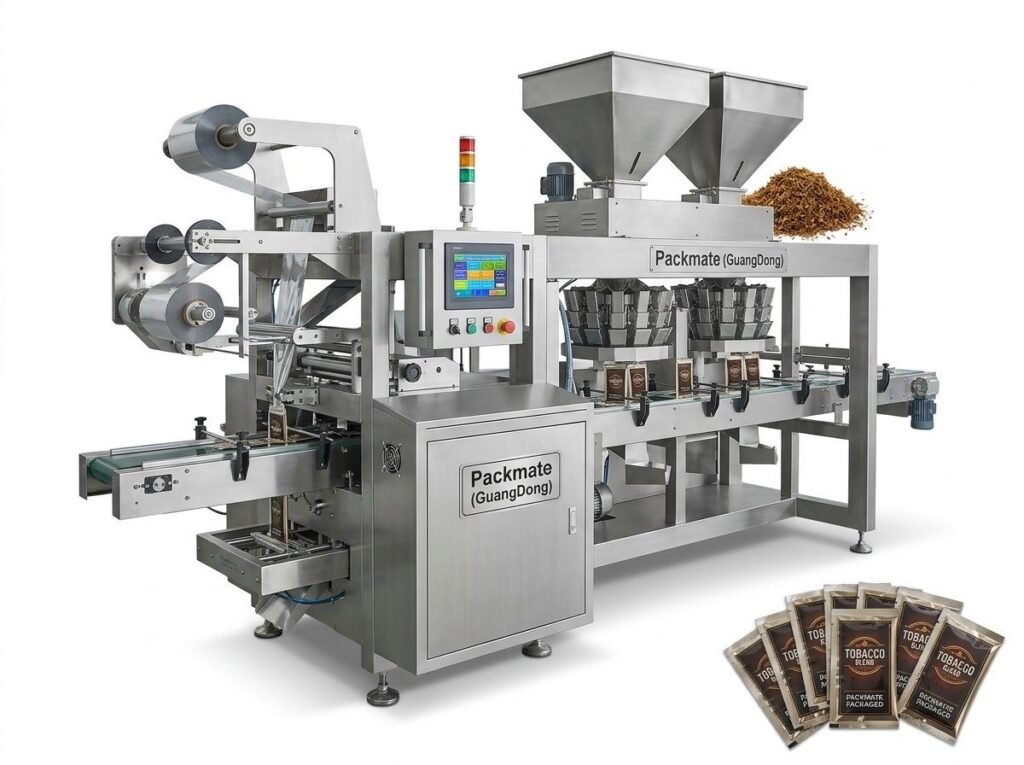
Consider how the snus packaging machine will integrate with your existing or planned upstream fillers, weighers, and downstream cartoning or case-packing lines. For integrated solutions, review complete lines such as Filling & Packaging Lines and Weighing & Packaging Systems to ensure seamless automation.
✅ Quick decision framework: Product format → Required output → Dosing precision → Machine adaptability → Supplier credentials → Service & TCO.
Final Selection Steps
1. Define technical specs and acceptance criteria (speed, accuracy, sealing integrity).
2. Shortlist manufacturers with proven snus/nicotine experience and certifications.
3. Request factory acceptance testing (FAT) or on-site demo with your product.
4. Confirm lead times, spare parts, training, and warranty terms.
5. Plan for modular upgrades and spare-part logistics for SEA markets.
Where to start
Start by contacting manufacturers who specialize in snus packaging equipment and can offer turnkey solutions. Learn about their manufacturing strength, product catalogs, and service coverage. For more about a proven manufacturer with dedicated snus solutions, review About Packmate and explore their product lines and certifications.
Summary
Selecting the best snus packaging machine in Southeast Asia demands a careful balance of technical fit, supplier reliability, and long-term economics. Prioritize dosing accuracy, machine scalability, local service, and internationally certified equipment. With the right partner, you achieve consistent product quality, regulatory compliance, and operational efficiency.
Frequently Asked Questions
Q1: How do I know if a multi-lane machine is right for my startup?
A1: If your product demand is expected to grow quickly and you need compact footprint efficiency, a multi-lane machine provides higher throughput per square meter and easier scalability.
Q2: What documentation should a reputable supplier provide?
A2: CE/ISO certificates, FAT reports, machine performance data, spare parts lists, and service/warranty terms. Confirm traceability of critical components.
Q3: Can one supplier handle both snus pouch production and downstream cartoning?
A3: Yes. Look for suppliers offering integrated lines or modular systems that connect weighing, filling, sealing, and cartoning for streamlined automation.
Q4: How important is local after-sales support in Southeast Asia?
A4: Very important — fast local support reduces downtime. If direct local presence is limited, confirm remote diagnostics, spare-part logistics, and trained local partners.
For product catalogs, spare parts, or to request a demo, visit the manufacturer’s product pages or contact their sales team via the website resources and services sections.