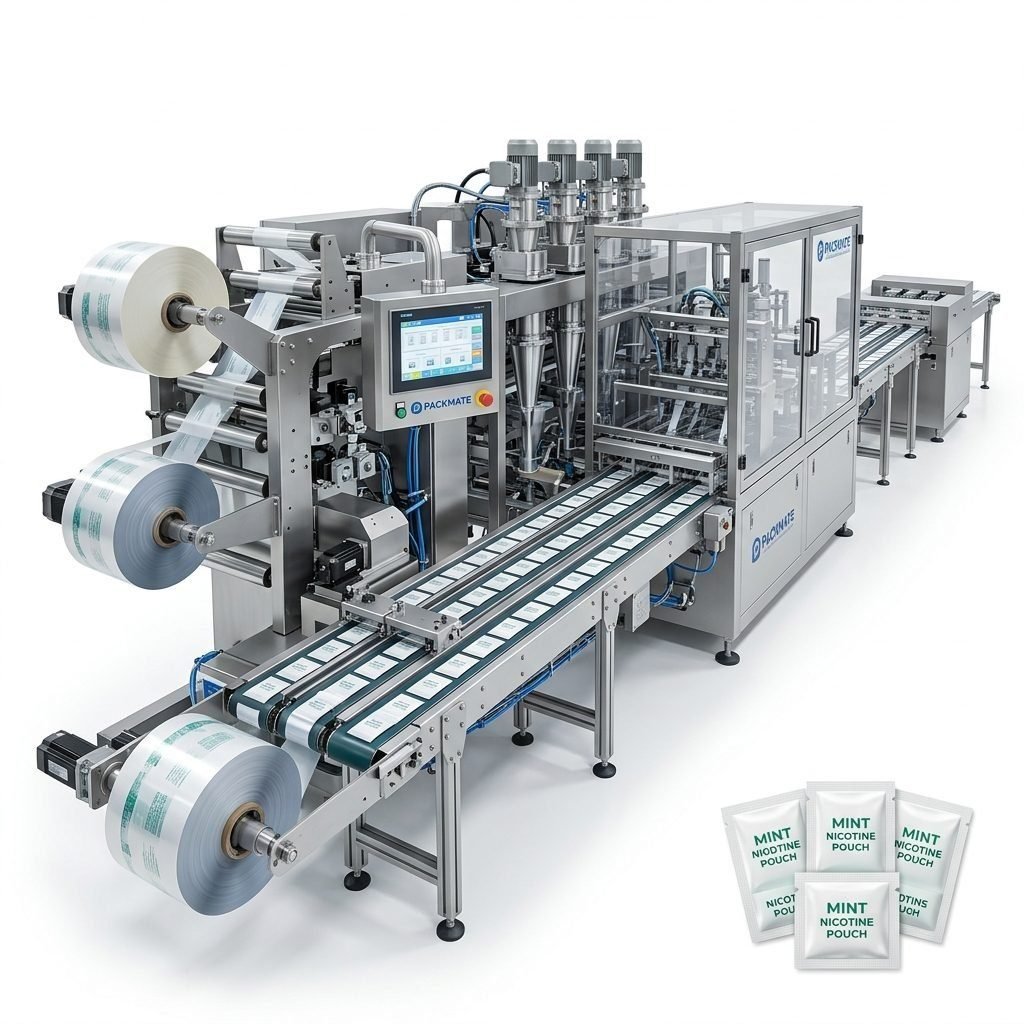
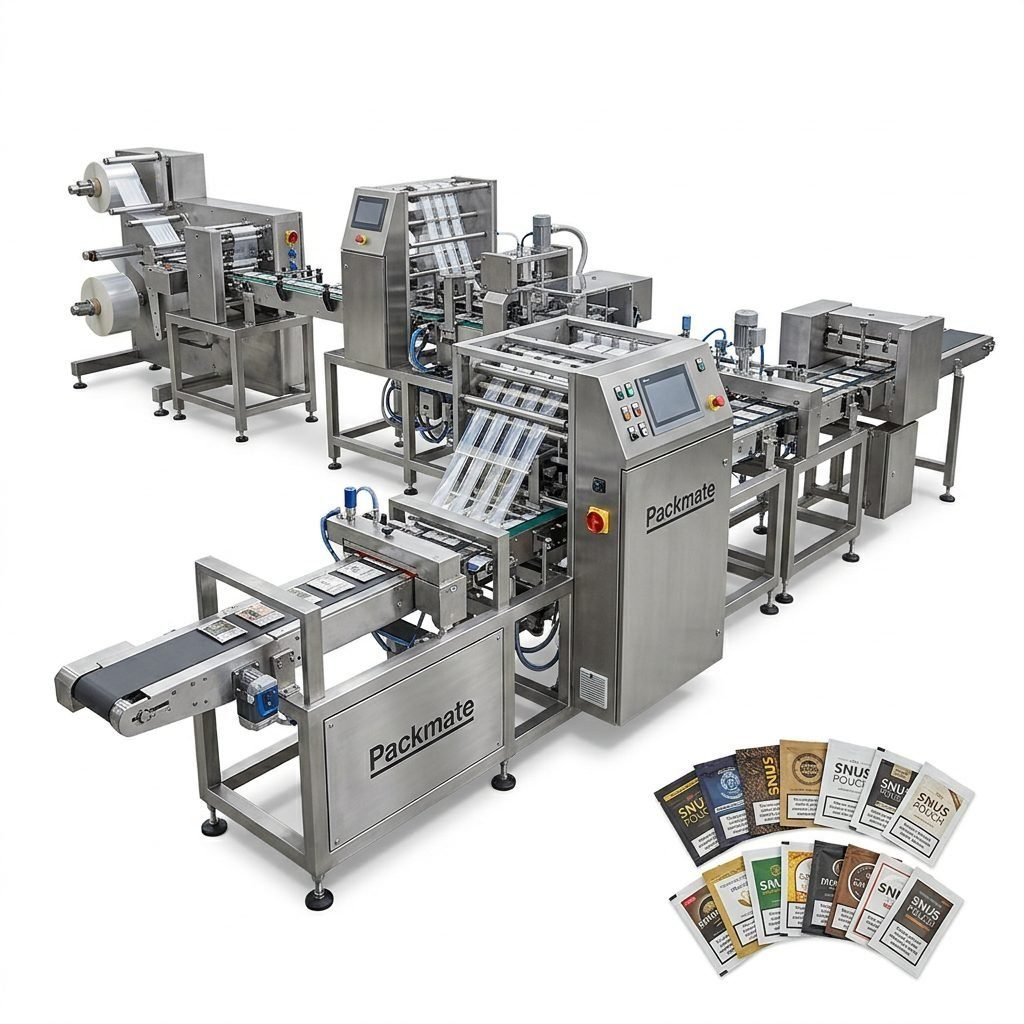
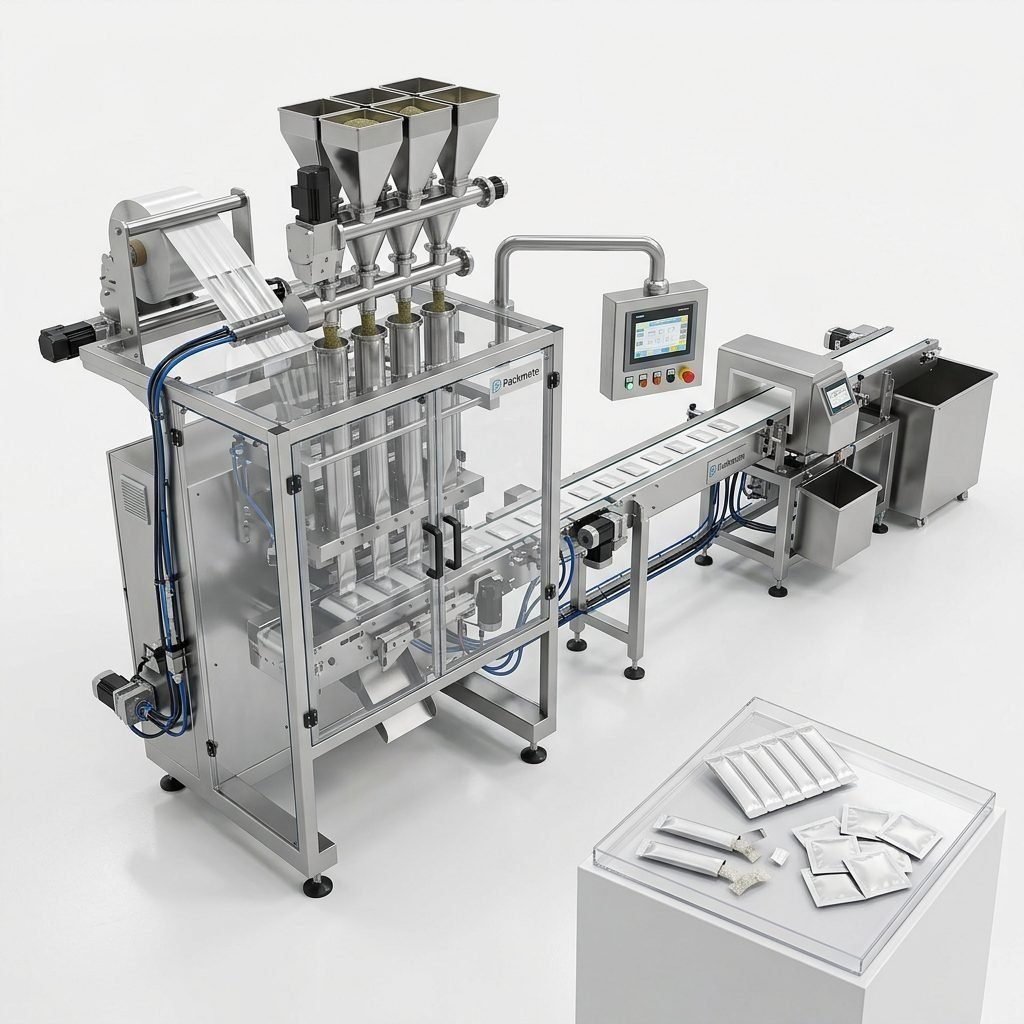
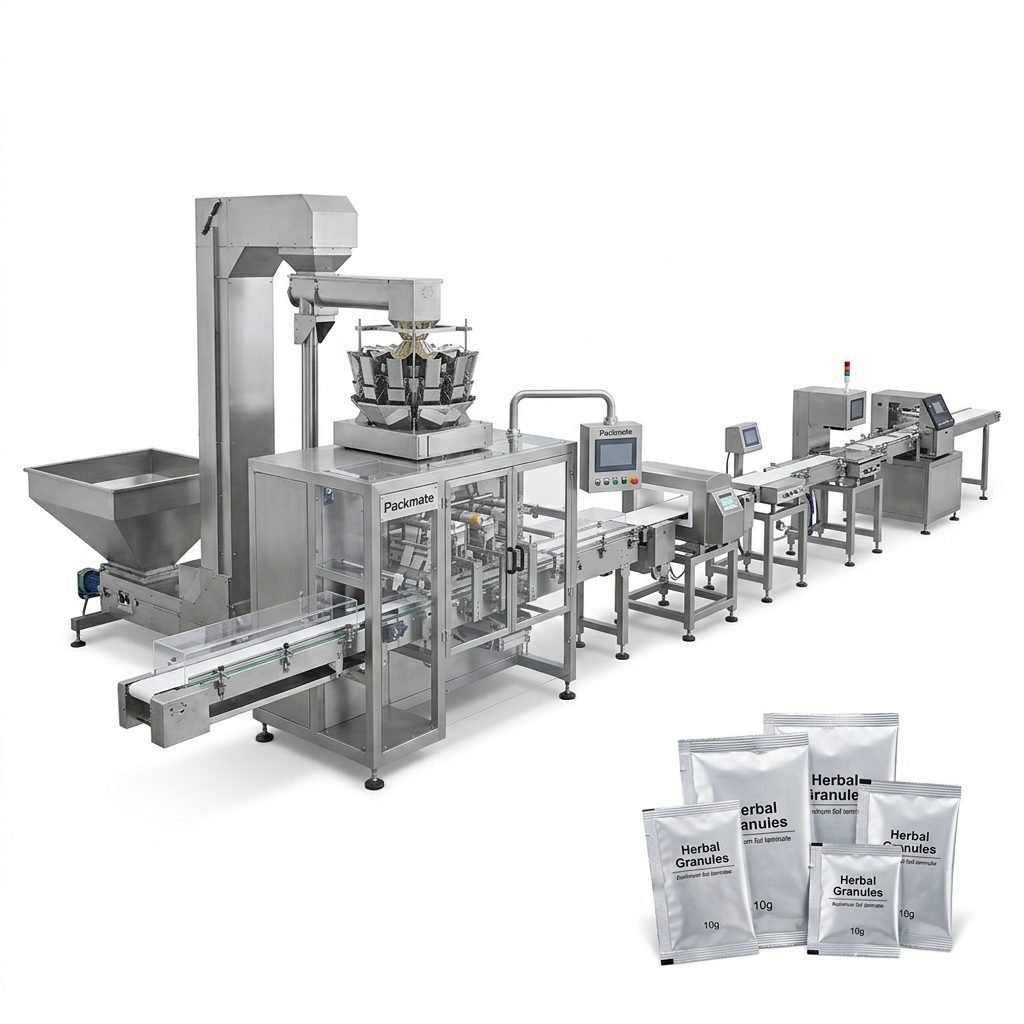
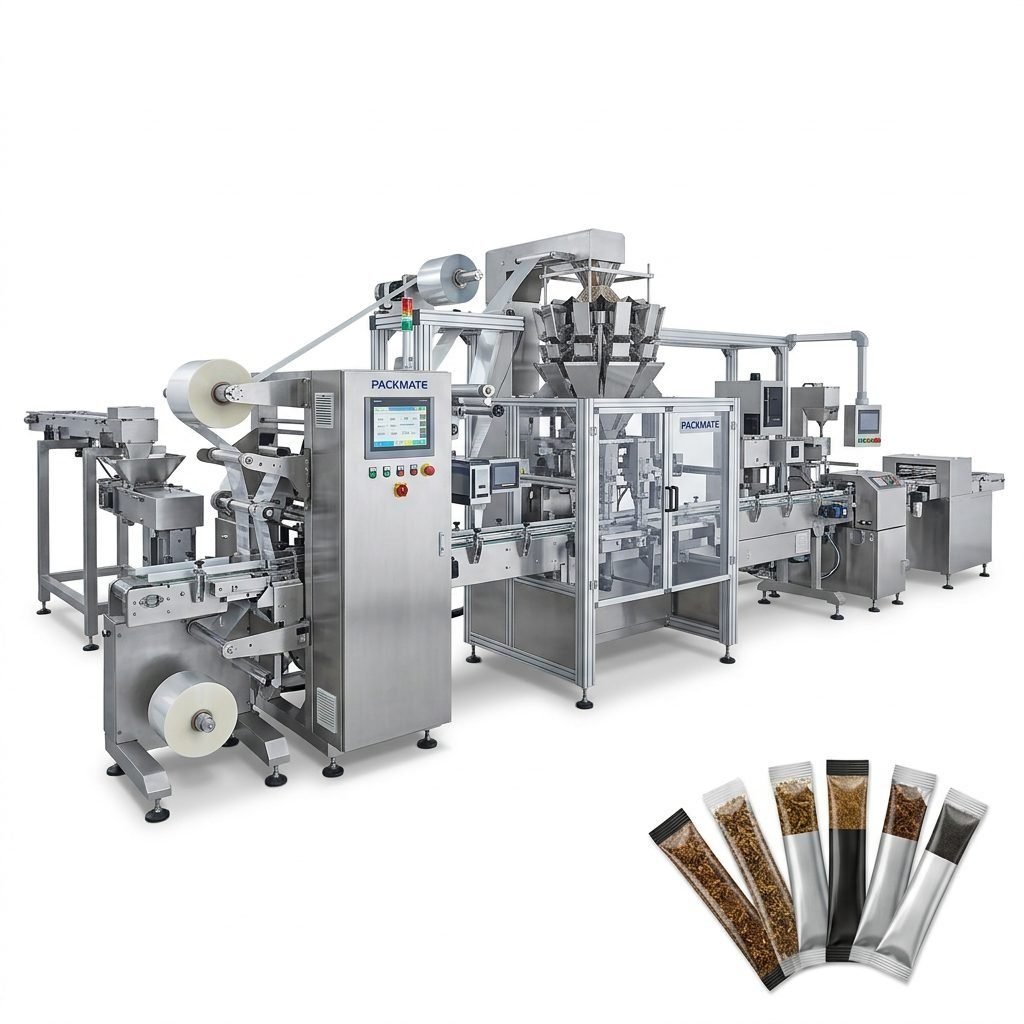
Choosing the right snus packaging machinery manufacturer for your Slovakia-based production is a strategic decision that affects product quality, regulatory compliance, and operating costs. Whether you’re launching a new nicotine pouch brand or scaling existing snus output, this guide walks you through practical evaluation criteria, local considerations for Slovakia and the wider Central European market, key machine features to request, and steps to validate supplier capabilities before signing a contract.
Understand Slovakia’s Market & Regulatory Context
Slovakia, as a member of the European Union, follows EU regulations for tobacco-related products, labeling, and packaging. While snus sales are limited in some EU countries, nicotine pouches and alternative oral nicotine products have varying legal interpretations across regions. Before choosing equipment, consult local legal counsel or regulatory advisors to confirm allowable product formulations, packaging labels, and marketing claims for Slovakia and your export destinations.
🔍 Tip: Many Slovak entrepreneurs prefer machines certified for EU standards (CE, ISO) to simplify cross-border trade and reduce customs delays.
Key Production Needs to Define Upfront
Start by documenting your technical and commercial goals. Clear specifications let manufacturers propose accurate machines and turnkey lines.
1. Output Capacity & Speed
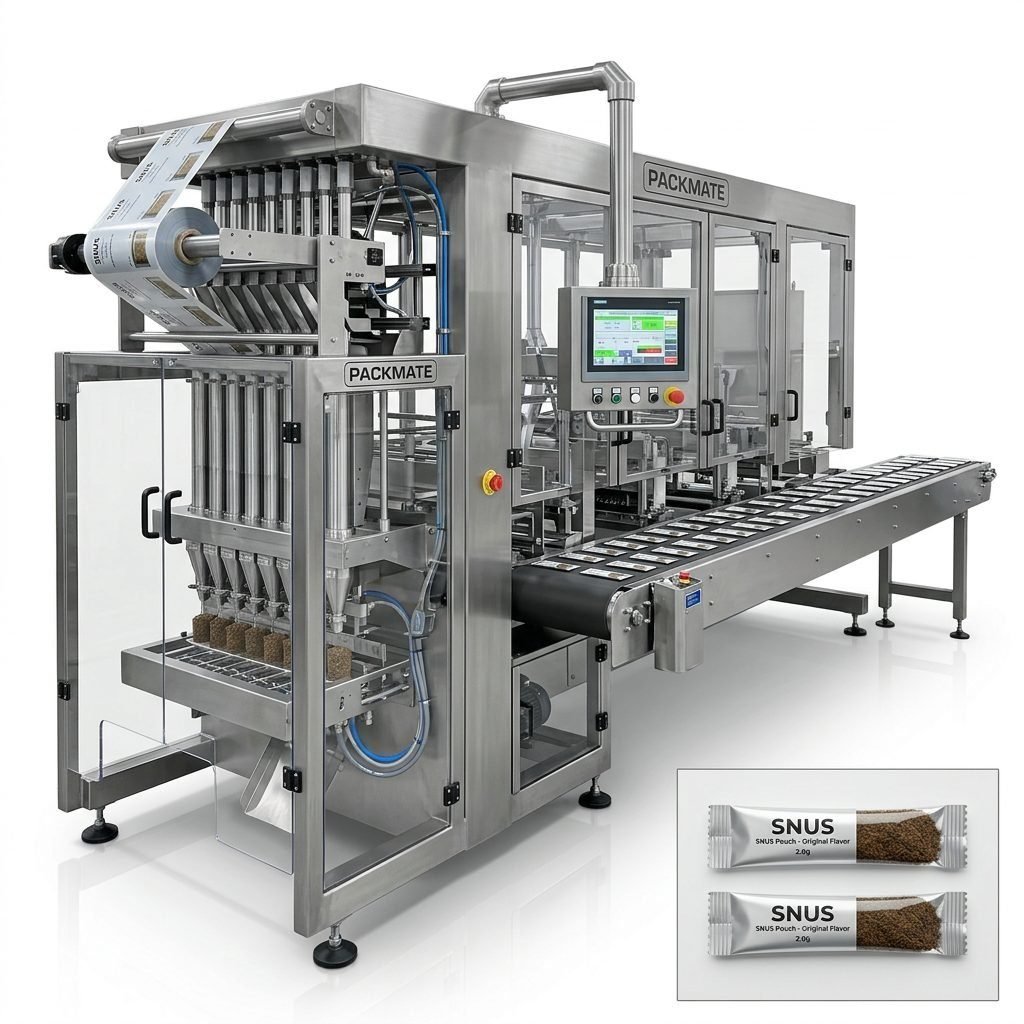
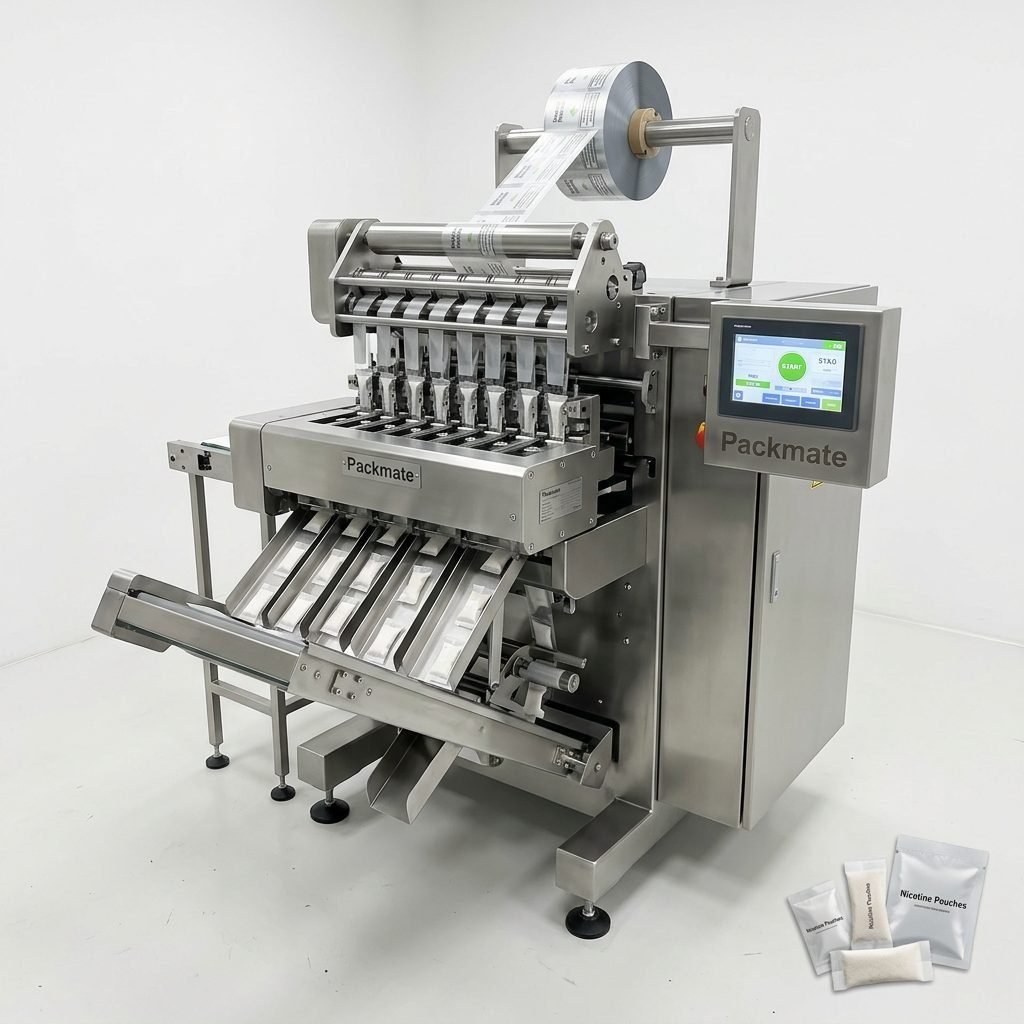
Determine daily or monthly pouch volumes and future growth targets. Consider multi-lane machines (4-16 lanes) if you expect high throughput—these reduce footprint and labor for high-volume runs. For pilot runs or niche flavors, modular lower-speed machines can be more economical.
2. Pouch Formats & Materials
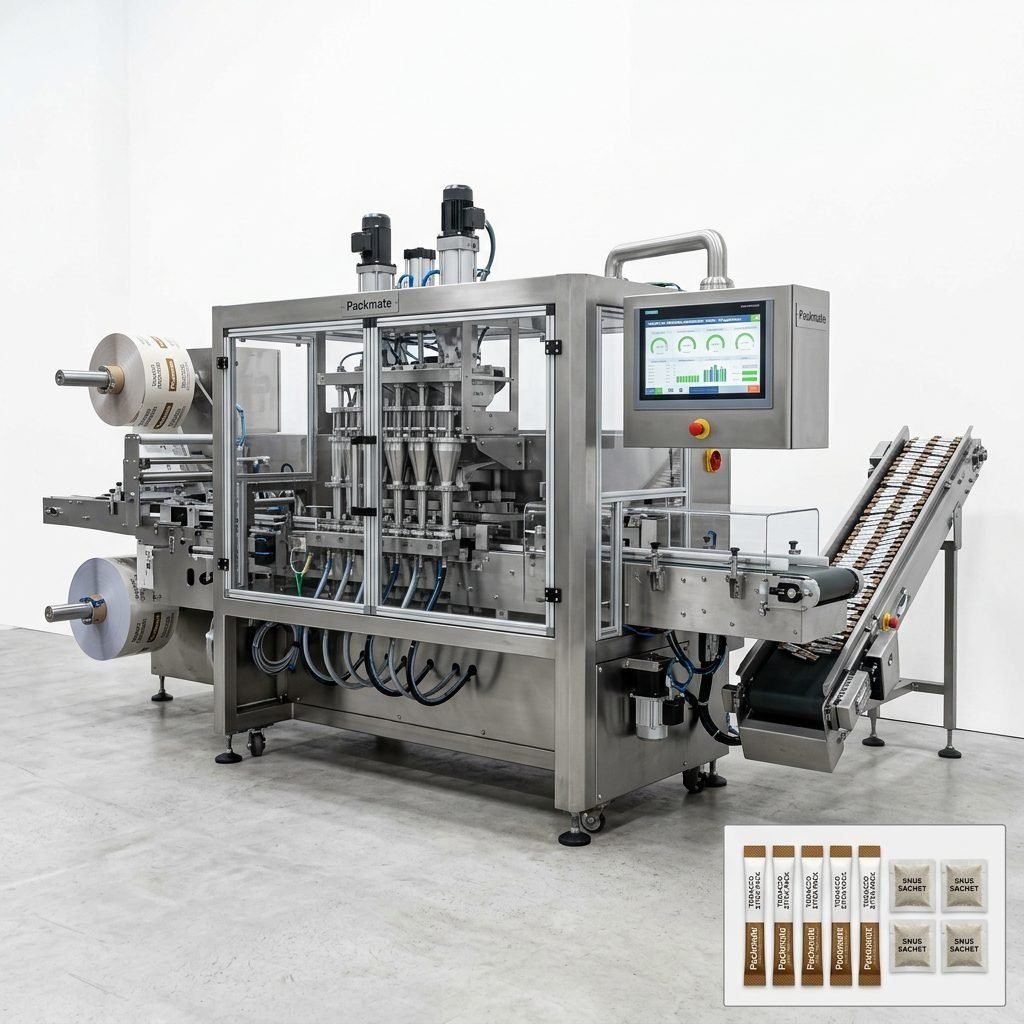
List the pouch types (loose snus cans, stick packs, sachets, nicotine pouches) and film materials (PE/PP/laminates/biodegradable films). Machines must support your chosen web widths, seal technologies, and printing/labeling needs.
3. Integration & Automation Level
Decide whether you need a single machine or a fully integrated line including dosing/weighing, filling, sealing, boxing, and palletizing. Automated lines lower labor costs but require higher upfront investment and skilled maintenance.
📌 Common setup: multi-lane form-fill-seal machine + high-precision weighers + automatic cartoning for export-ready packs.
Choosing the Right Manufacturer — What to Verify
Evaluate potential manufacturers against technical competence, production capacity, track record, and after-sales service. Below are the most important checkpoints.
1. Industry Experience & Specialization
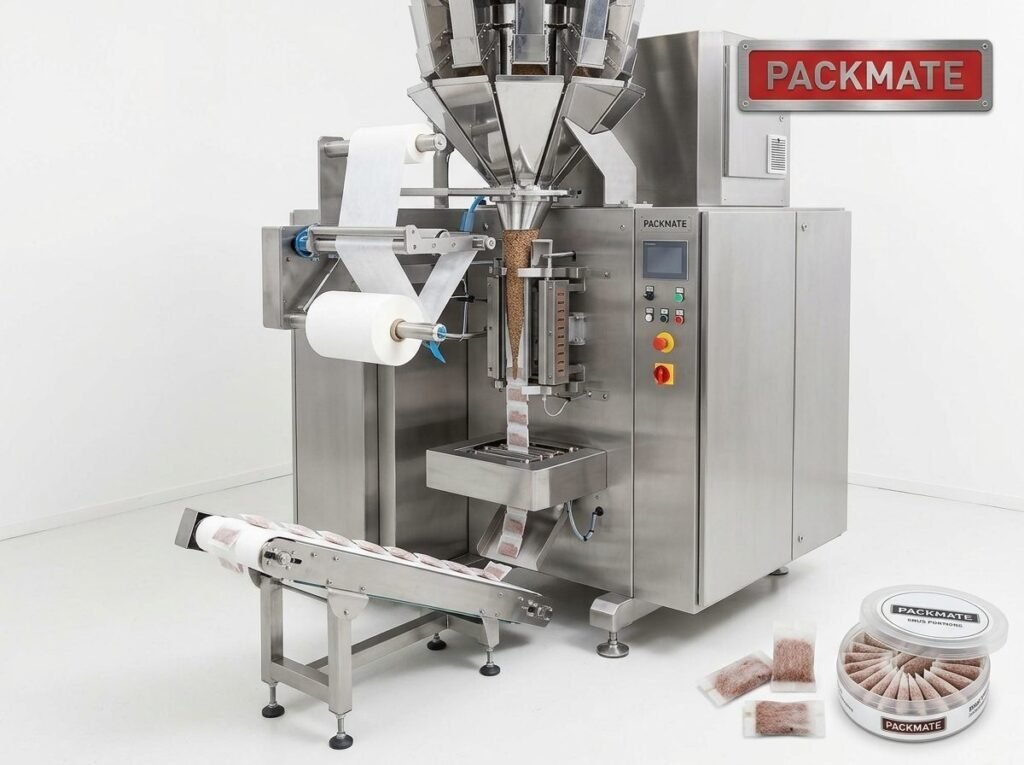
Prefer manufacturers with demonstrated experience in snus or nicotine pouch packaging. Companies that focus on small-dose, multi-lane systems understand the unique tolerances and filling consistency required by snus products. For example, Packmate Snus Machine has over 30 years of packaging engineering experience and a product portfolio tailored for nicotine pouches and snus packaging — see their product range for reference: Snus & Nicotine Packaging Machines.
2. Factory Capability & Quality Control
Verify factory size, CNC capabilities, assembly lines, and quality systems. A large manufacturing facility with precision machining and strict testing processes will deliver more reliable machines that meet tolerances and uptime expectations.
3. Certifications & Compliance
Ask for CE, ISO, and other relevant certificates. These confirm compliance with safety and quality standards—vital when operating in Slovakia and exporting across the EU. Packmate’s certificates and quality statements can be checked via their certificate pages: Certificate.
4. After-sales Service & Spare Parts
Prioritize suppliers offering local or regional service support, rapid spare parts delivery, remote diagnostics, and operator training. Machines for snus require precise maintenance and occasional calibration; minimizing downtime is crucial for profitability.
✅ Critical question: How quickly can spare parts be shipped to Slovakia? Confirm lead times and local representation if possible.
Technical Features to Request in Your Specification
When comparing machines, focus on technical details that impact product consistency, uptime, and regulatory compliance.
Precision Filling & Weight Accuracy
Choose machines with high-accuracy dosing or multi-head weighers that maintain tight weight tolerances. For nicotine pouches, dosage consistency affects product performance and legal compliance.
Sealing Technology & Film Compatibility
Ensure the sealing system supports your film laminates, offers reliable seal strength, and includes film tracking and tension control to minimize scrap rates.
Changeover Time & Recipe Memory
Fast changeovers and PLC recipe memory significantly reduce downtime when switching flavors, weights, or pouch formats. Look for servo-driven adjustments and HMI recipe management.
Cleanability & GMP Design
Hygienic design and easy-to-clean components reduce contamination risks and speed routine maintenance. Stainless contact parts, tool-less disassembly, and reachable frames are essential.
Inspecting the Manufacturer: Due Diligence Checklist
Before committing, run through a practical due-diligence checklist to validate the manufacturer’s claims.
Factory Visit or Virtual Tour
Whenever possible, visit the factory or request a virtual tour showing assembly lines, CNC areas, testing zones, and finished machines. Watch a live production demo or request video proofs of a similar machine running your product type.
References & Case Studies
Ask for case studies or references from customers in Europe. Review documented performance, uptime statistics, and long-term service experiences. You can assess real-world implementations by checking customer cases and gallery pages such as: Case.
Warranty, Training & Documentation
Confirm warranty terms, included training for operators and maintenance staff, and comprehensive documentation (drawings, spare parts lists, electrical diagrams). Strong documentation reduces start-up time and helps local technicians handle minor repairs.
🔧 Ask for: an on-site commissioning plan and a spare-parts starter kit shipment schedule.
Cost Considerations & Total Cost of Ownership (TCO)
Purchase price is only part of the story. Estimate the TCO including installation, training, spare parts, consumables (films, seals), energy consumption, and maintenance labor. A slightly higher-capacity or more reliable machine may have a lower TCO due to less downtime and lower scrap rates.
Financing & Delivery Timeline
Discuss payment terms, delivery schedules, and lead times for customizations. EU customers often benefit from predictable shipping timelines and customs assistance. Check if the supplier exhibits at European trade fairs (local presence increases trust)—see exhibitions and events here: Our Exhibition.
Local Support, Language & Cultural Fit in Slovakia
Manufacturers that understand Central European business norms and provide multilingual documentation (English, Slovak, Czech) streamline onboarding and training. Slovak operators value face-to-face training and clear maintenance schedules—confirm the scope of on-site training visits and whether technical teams will travel for start-up assistance.
📌 Cultural note: Strong post-sale communication and punctuality are appreciated by Slovak partners—agree explicit communication channels and response times up front.
Why Consider Packmate Snus Machine (Example Supplier)
As an example of a specialized supplier, Packmate offers focused snus and nicotine pouch packaging solutions, backed by a 20,000㎡ manufacturing facility, advanced CNC centers, and over 30 years of industry experience. Their product suite covers multi-lane snus packaging lines, stick pack and sachet machines, and complete filling and weighing systems. Explore their product categories to match your line requirements: Bag & Pouch Packaging Machines and Weighing & Packaging Systems.
Practical Steps to Finalize the Purchase
Follow a structured procurement and validation process to minimize risk.
1. Request Detailed Quote & Technical Proposal
The proposal should include machine specifications, performance guarantees, lead times, warranty, spare parts list, and total turnkey cost for integration, testing, and training.
2. Sign a Pilot or Factory Acceptance Test (FAT)
Arrange a FAT at the manufacturer’s site with your product to verify weight tolerances, sealing quality, and cycle speed. Request video evidence and a signed FAT report.
3. Plan On-site Commissioning
Define responsibilities for installation, power and compressed air needs, operator training, and initial spare parts shipment. A clear commissioning checklist prevents surprises during factory start-up.
⚠️ Avoid last-minute changes: late specification changes increase lead times and cost—finalize film choices and production recipes before machine build starts.
Final Checklist Before Signing
– Confirm CE/ISO documentation and machine passports.
– Agree on spare-parts package and shipping schedule.
– Secure a FAT report with your product.
– Clarify warranty, service response times, and training scope.
– Verify local compliance and labeling support for Slovakia/EU markets.
Conclusion
Choosing the best snus packaging machinery manufacturer in Slovakia requires combining technical specifications, regulatory alignment, and strong after-sales support. Prioritize manufacturers with proven snus expertise, robust factory capabilities, and a transparent commissioning and support plan. By conducting thorough due diligence, performing FATs with your product, and verifying service readiness, you reduce risk and accelerate time-to-market for your snus or nicotine pouch brand.
Frequently Asked Questions
Q1: Do I need EU-specific certifications for machines used in Slovakia?
Yes. CE conformity and relevant ISO standards are typically required for safety and to facilitate cross-border trade within the EU. Always request certificate copies.
Q2: How long does it take to install a full snus packaging line?
Lead times vary by customization, but a standard integrated line with FAT, shipping, and on-site commissioning commonly requires 8–20 weeks from order to production-ready, depending on complexity and spare-part delivery.
Q3: What ongoing services should I expect from a supplier?
Expect operator training, maintenance training, spare parts availability, remote diagnostics, and scheduled preventive maintenance support. Negotiate response times in the contract.
Q4: Can I see examples of running machines before purchase?
Reputable manufacturers provide FAT videos, invite customers for factory acceptance tests, and show case studies. Visit supplier pages such as their product and case sections to review examples: About Packmate.
Q5: Where can I find tailored solutions for weighing and filling?
Look for integrated suppliers that offer weighing, multi-head dosing, and filling systems to ensure consistency. Explore specific systems here: Filling & Packaging Lines.