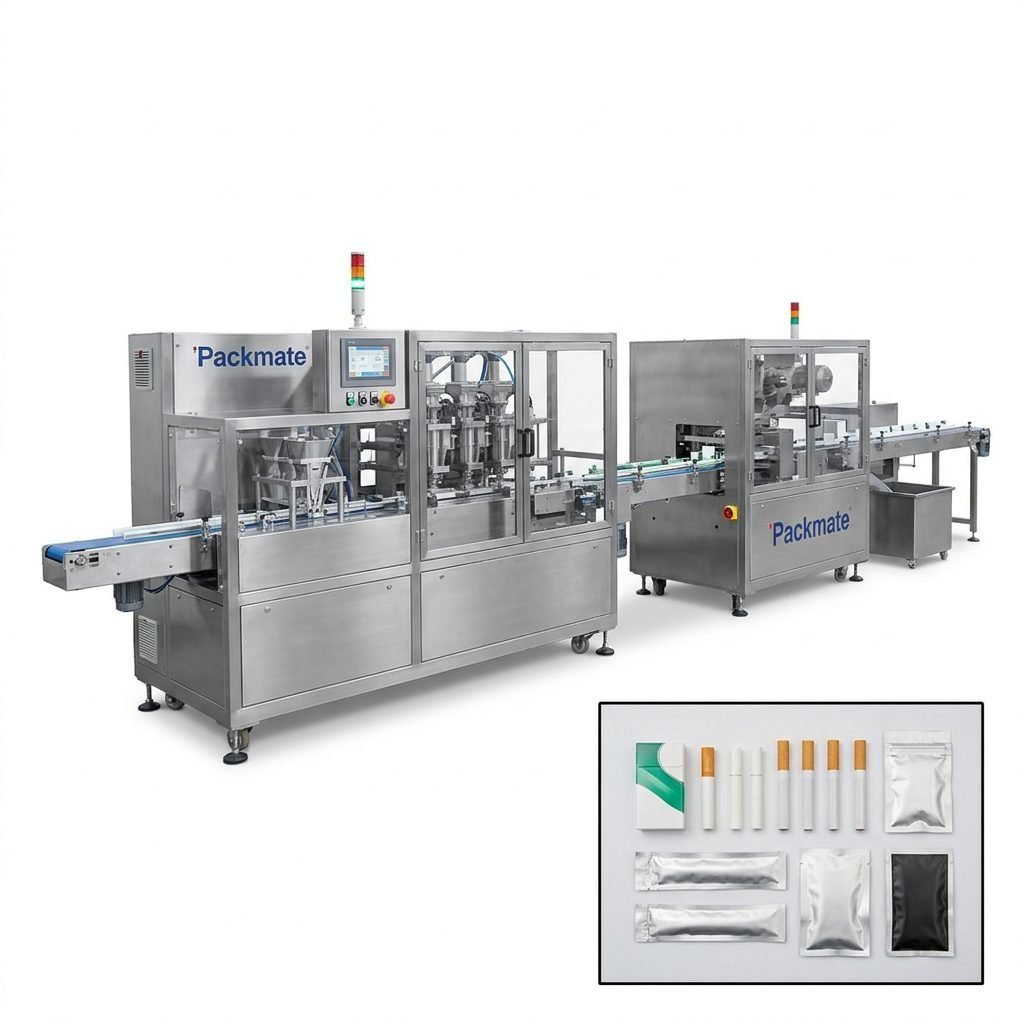
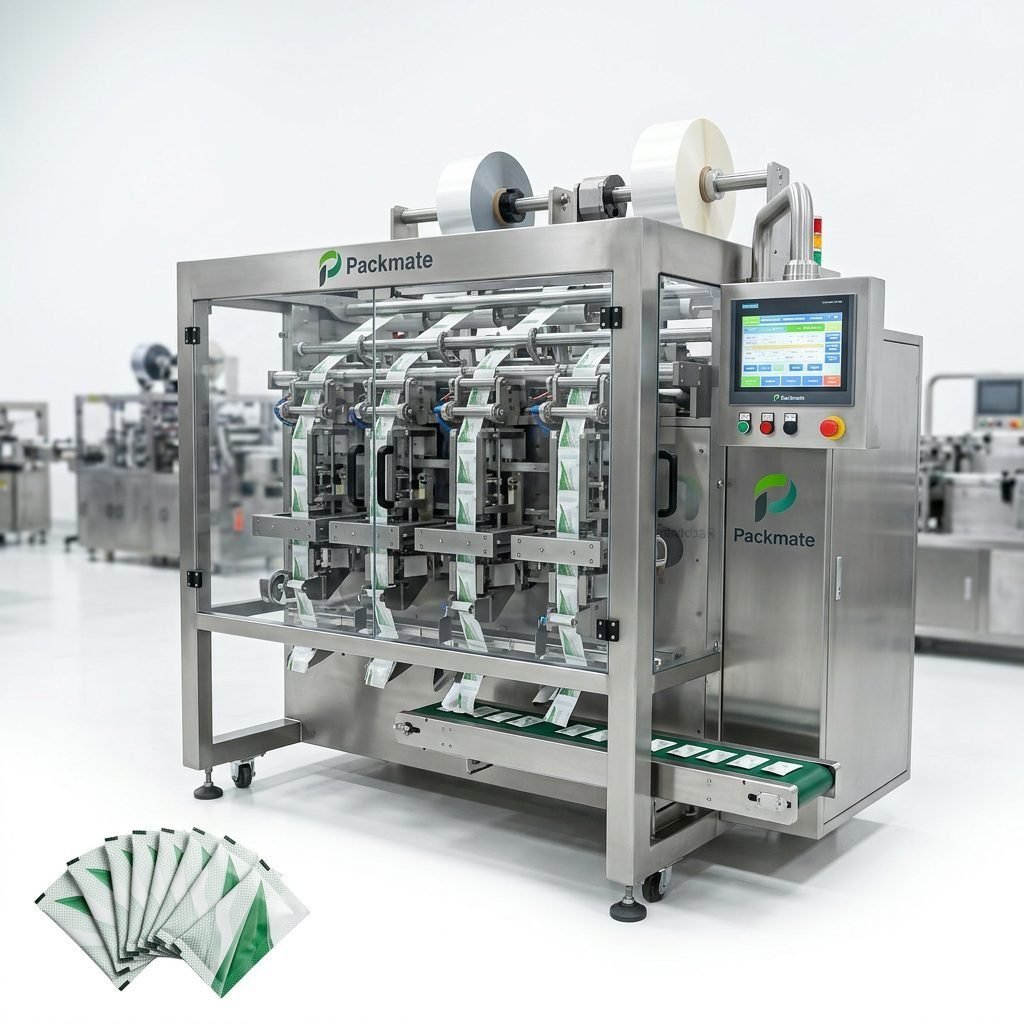
Choosing the right nicotine packaging machinery supplier for your factory in Indonesia is a strategic decision that affects product quality, regulatory compliance, operational uptime, and long-term profitability. This guide walks you through practical, locally relevant considerations — from machine specification and service to cultural and market factors unique to Indonesia — so you can select a partner who supports growth, reliability, and regulatory confidence.
Understand the Indonesian Market Context
Indonesia’s tobacco and nicotine-related markets have a rich local history and specific consumer habits. Traditional chewing tobacco and kretek cigarettes remain popular, while modern alternatives like nicotine pouches and snus are gradually gaining interest among urban consumers. When selecting a supplier, consider:
Local production rhythms: factories often adapt production schedules around religious holidays (e.g., Ramadan and Idul Fitri) and regional logistic slowdowns. Plan lead times accordingly.
Humidity & climate: Indonesia’s tropical climate can affect powder flow and pouch integrity; machines with humidity-tolerant components and robust sealing are advantageous.
Worker skill mix: many factories hire multi-shift teams with varied technical profiles — prioritize intuitive HMI, clear SOPs, and in-person training.
Why supplier choice matters
The right supplier does more than deliver equipment. They bring technical expertise, spare parts availability, compliance documentation, on-site commissioning, and long-term support. Suppliers with turnkey capabilities can shorten pilot-to-production timelines and help avoid costly integration pitfalls.
Key Criteria to Evaluate Prospective Suppliers
1. Certifications & Regulatory Compliance
Ensure machines comply with international standards such as CE and ISO. For Indonesian operations, ask for documentation that supports local import, safety audits, and sanitation checks. A supplier who understands cross-border regulatory paperwork will reduce clearance delays and regulatory risk.
2. Machine Performance & Flexibility
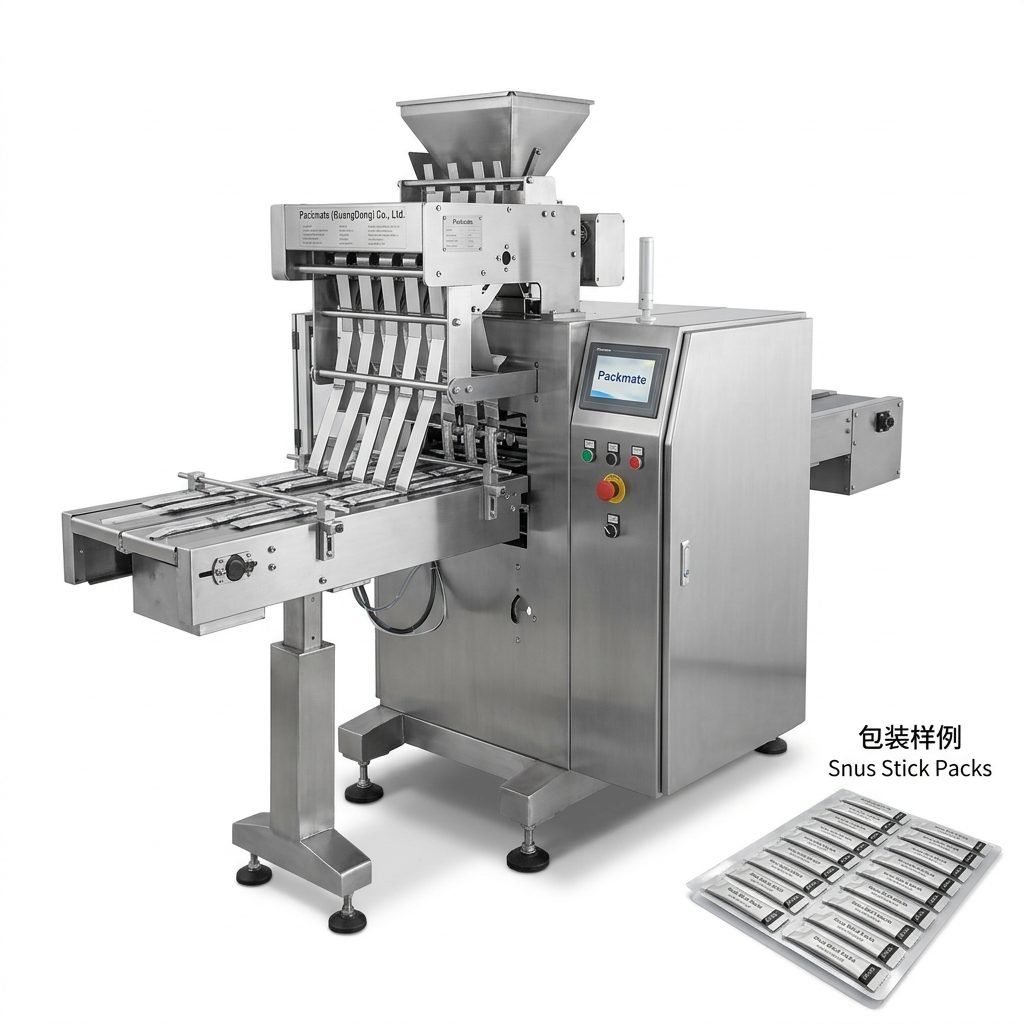
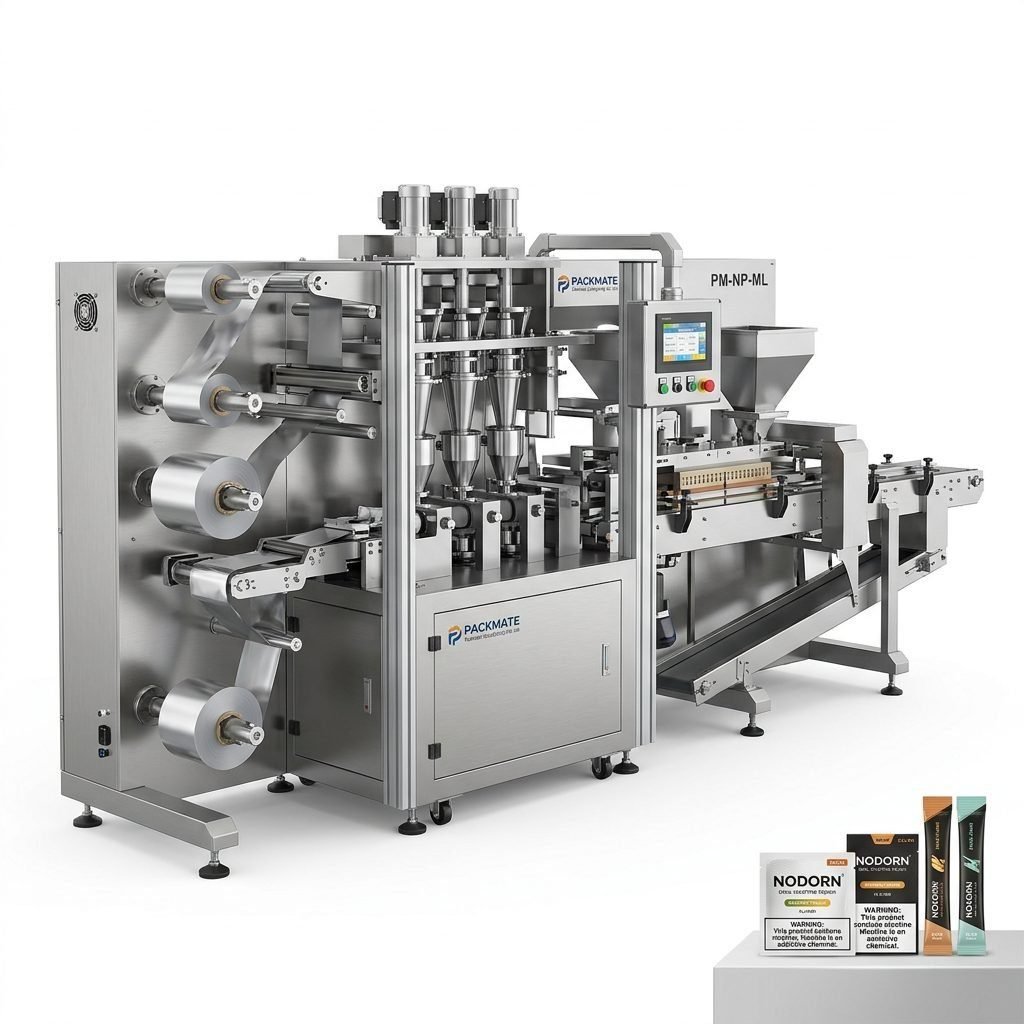
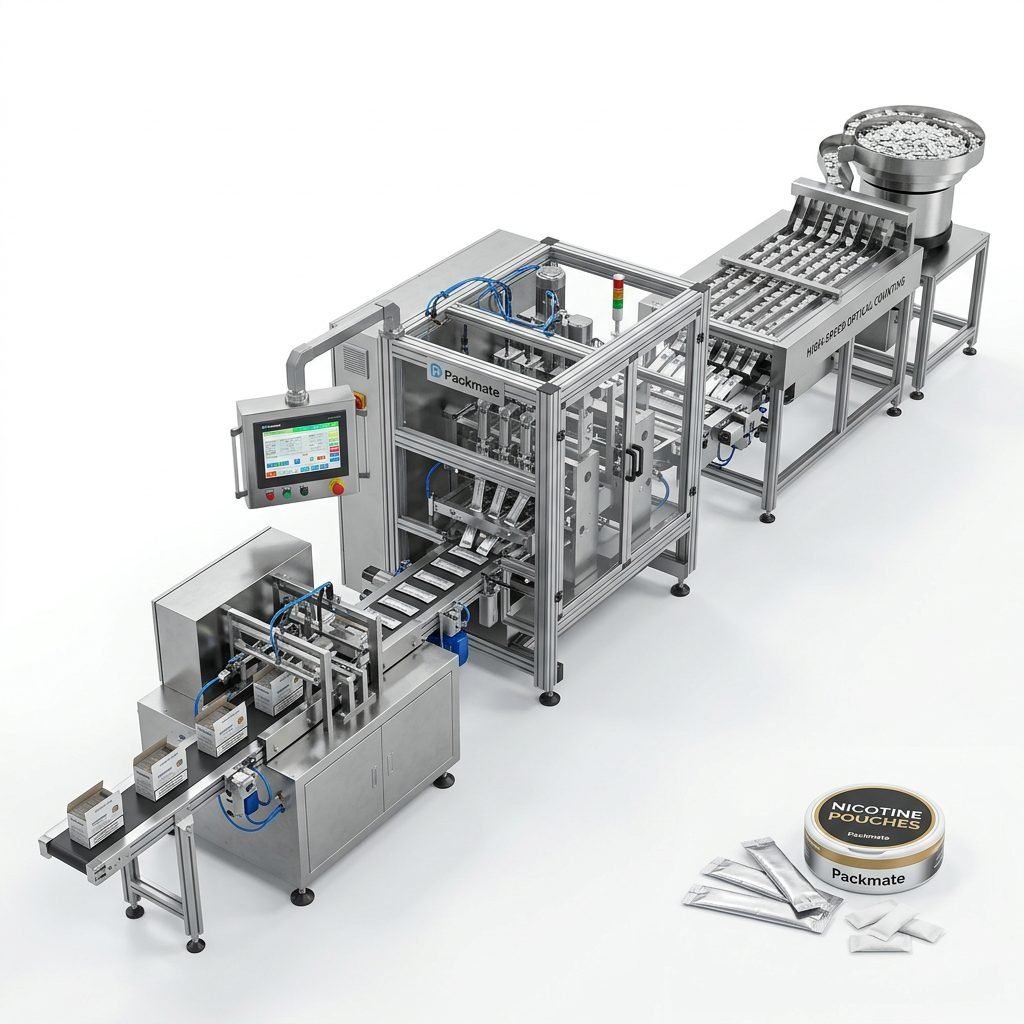
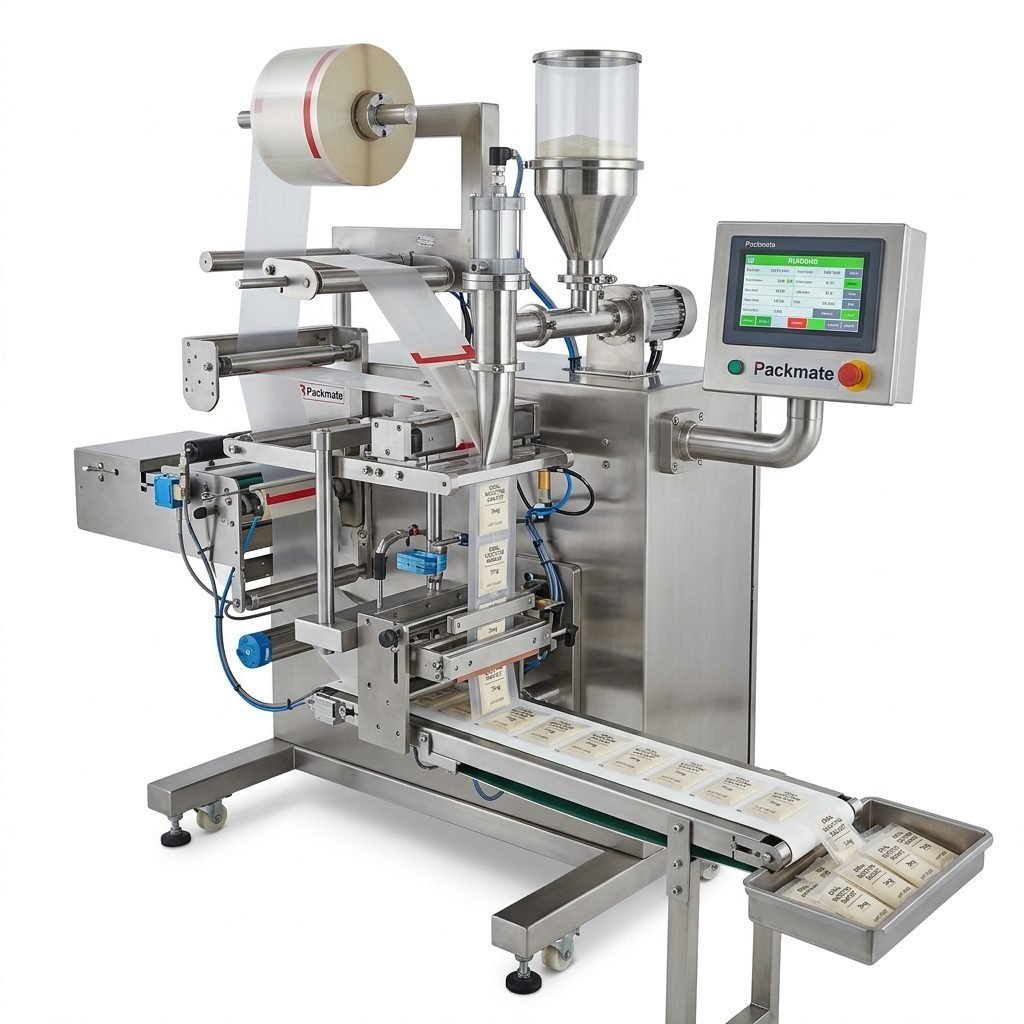
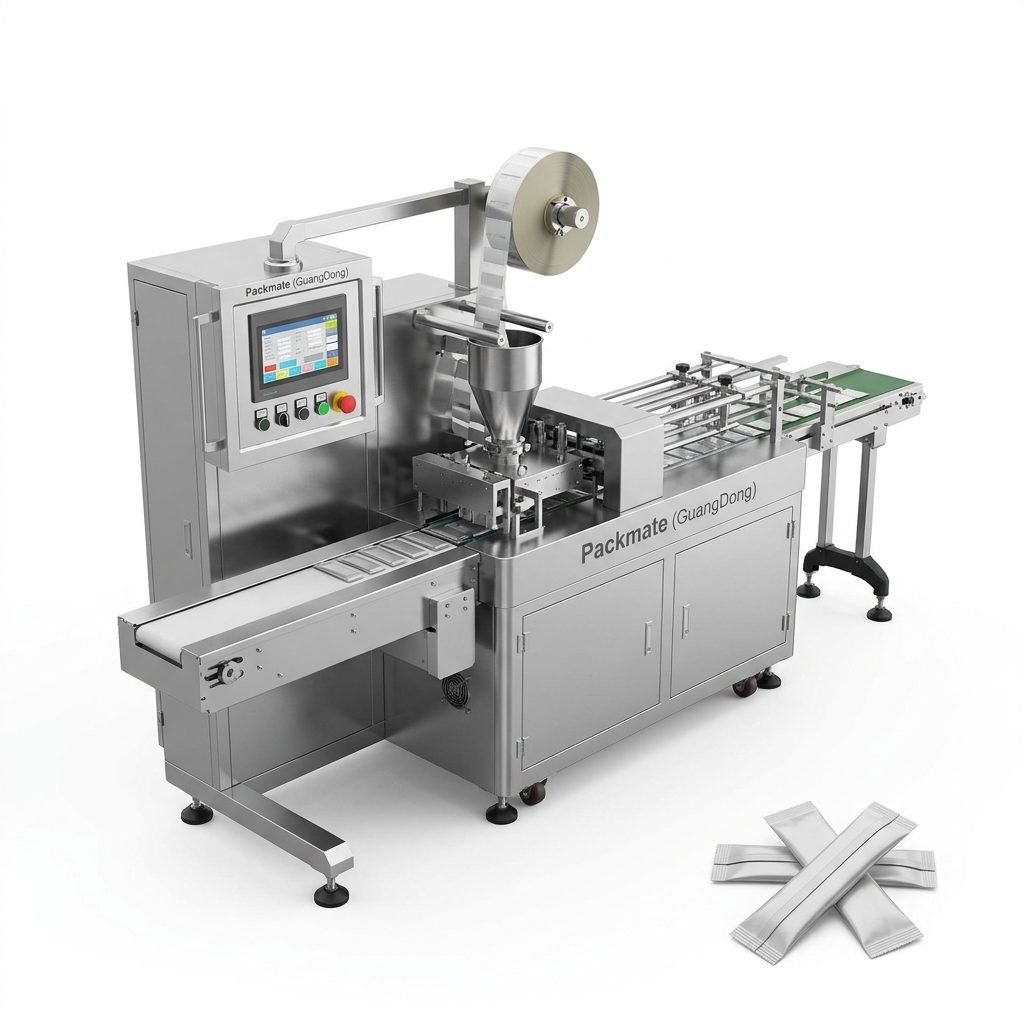
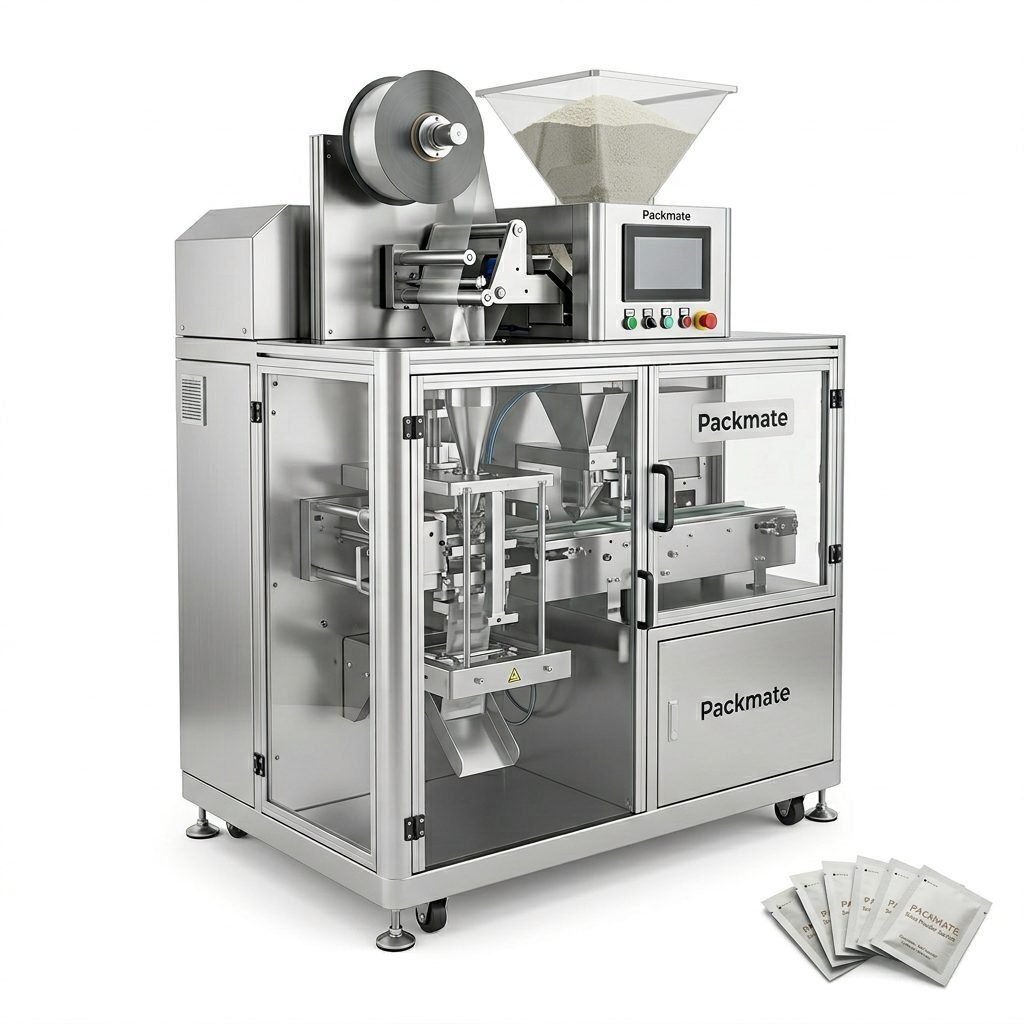
Look for proven performance metrics: pouch speed (units/min), lane modularity for small-dose multi-lane production, sealing integrity under humid conditions, and quick format changeovers. Suppliers with a broad product range — from single-lane sachet systems to multi-lane snus machines — can scale with your business.
Tip: request real production videos or case studies demonstrating your target product running at your desired speed and recipe.
3. Customization & Turnkey Solutions
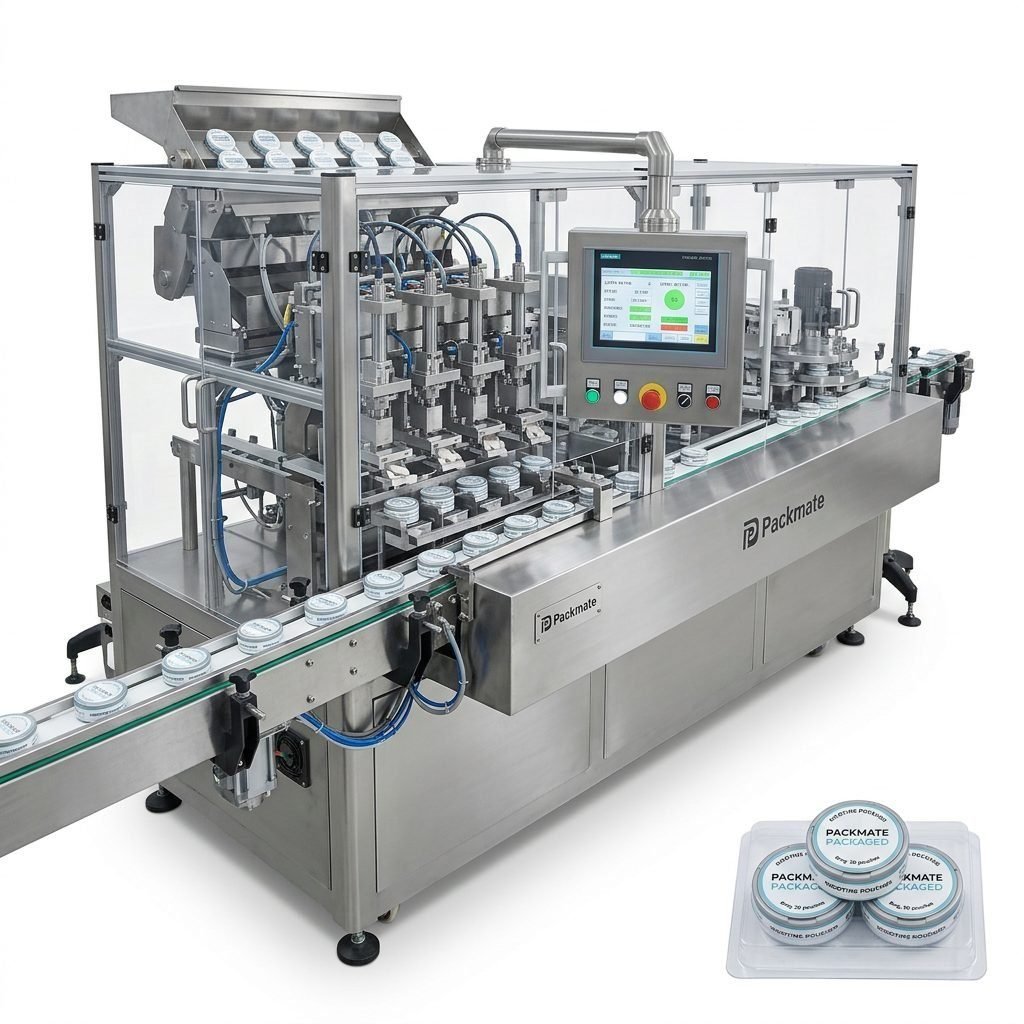
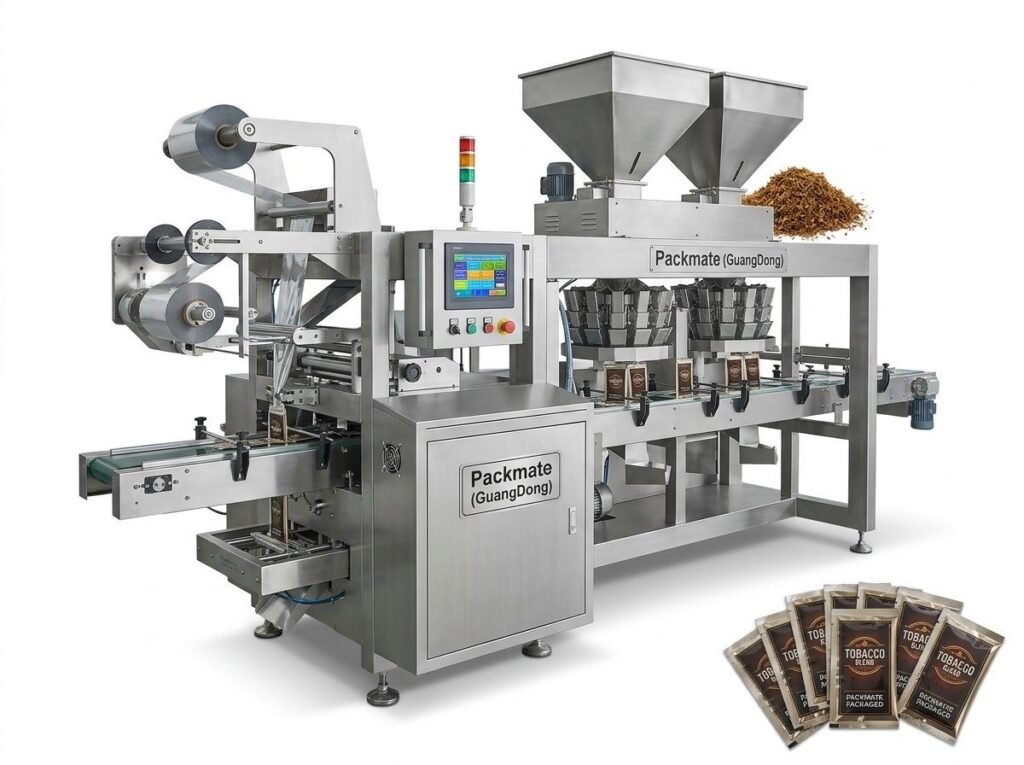
Indonesian factories often need tailored solutions: specific pouch materials, dosing for micro-doses, or integration with local weighing systems. A supplier offering turnkey lines, including auxiliary equipment, weighing units, and full production layout planning, reduces vendor complexity and integration costs. See examples of turnkey solutions at the supplier’s product pages such as
Snus & Nicotine Packaging Machines and
Weighing & Packaging Systems.
4. After-sales Service & Spare Parts
Downtime costs more than the machine itself. Evaluate the supplier’s spare parts lead times, local stocking options (or reliable air-shipping plans), remote support capabilities, and availability of local service partners. A partner who provides comprehensive training manuals, on-site commissioning, and multilingual technical support is a strong asset.
5. Proven Track Record & References
Request case studies or global customer references. Suppliers that participate in major industry exhibitions and publish customer stories are generally more transparent. Explore their project history through pages like
Case and
Our Exhibition.
Practical Steps to Vet Suppliers
Step 1 — Technical Questionnaire
Send a structured questionnaire covering capacity targets, product recipes, environmental conditions, available utilities, and preferred packaging materials. A competent supplier will provide detailed answers and machine specs.
Step 2 — Factory Visit & Factory Audit
If possible, visit the supplier’s factory or request a live stream tour. Verify manufacturing capabilities, CNC centers, quality control workflows, and assembly lines. Packmate’s manufacturing scale and CNC capacity are examples of the kind of facility you want to inspect.
Step 3 — Pilot Run & FAT
Conduct a Factory Acceptance Test (FAT) with your formulations and packaging materials. A FAT demonstrates real-world performance, sealing quality, and electronic control stability before shipment.
Commercial Considerations and Total Cost of Ownership
Purchase price is one element; factor in installation, training, spare parts inventory, expected MTBF (mean time between failures), local VAT/import duties, and energy consumption. A slightly higher upfront cost may deliver superior ROI through reduced downtime and higher yield.
Cost Checklist:
✓ Installation & commissioning costs
✓ Training and documentation (local language ideal)
✓ Spare parts kit and replenishment plan
✓ Warranty terms and service level agreements
Cultural & Operational Fit for Indonesian Factories
Choosing a supplier that understands local business customs and logistics makes operations smoother. Consider:
- Negotiation styles and decision timelines — Indonesian negotiations may take time and benefit from relationship building.
- Local labor practices — ensure training programs are adapted to local language and learning preferences.
- Holiday schedules and inventory planning — align spare parts lead times with holiday calendars to avoid stockouts.
Why Packmate Snus Machine is a Strong Candidate
Packmate Snus Machine offers over 30 years of engineering experience, a wide product range, and turnkey solutions tailored to snus and nicotine pouch production. Their 20,000㎡ manufacturing footprint, advanced CNC centers, and multi-lane designs are built to support small-dose pouch markets and scaling factories in Southeast Asia. Learn more about the company at
About Packmate.
Explore their product categories for specific needs: Sachet & Stick Pack Machines, Bag & Pouch Packaging Machines, and Filling & Packaging Lines.
Checklist for Final Decision-Making
Before signing a purchase:
1. Confirm FAT results with your actual materials and recipes.
2. Validate warranty scope, spare parts lists, and lead times.
3. Ensure training & installation services are included and scheduled post-shipment.
4. Check references and on-site customer testimonials.
5. Review payment terms, delivery timeline, and penalty clauses for delays.
Negotiation Tips Specific to Indonesia
Build rapport and allow multiple review rounds. Local partners may prefer face-to-face meetings or extended video conferences. Be transparent about timelines around national holidays and shipping windows to mitigate misunderstandings.
Final Steps: Commissioning & Continuous Improvement
After delivery, prioritize on-site commissioning with machine suppliers who offer a structured Run-In Period and KPI validation. Track yield, sealing integrity, and downtime rates. Continuous improvement programs and annual service audits keep lines optimized for the Indonesian climate and production rhythms.
FAQs
Q1: How long does it take from order to installation for a typical snus pouch line?
Typical lead times vary by complexity and customization, but expect 12–20 weeks for manufacture plus shipping and customs clearance. Allow extra time around major Indonesian holidays.
Q2: What support is typically included after commissioning?
Most reputable suppliers provide on-site commissioning, operator training, remote diagnostics, and a spare parts kit. Clarify annual maintenance contracts and response times for on-site visits.
Q3: Are multi-lane solutions suitable for small-batch Indonesian runs?
Yes. Modern multi-lane systems are designed for high efficiency with flexible dosing. They can run multiple small lines in parallel and reduce labor costs per unit when demand scales.
Q4: How do I verify a supplier’s claim of CE/ISO compliance?
Ask for scanned copies of certificates, factory audit reports, FAT documentation, and client references. A credible supplier will also share manufacturing photos and quality control processes.
Q5: Where can I find more technical product details and contact information?
Visit supplier product pages and contact portals to request catalogs, videos, and direct quotations. For example, detailed product lines and contact resources can be found at
Catalog and
Contact Us.