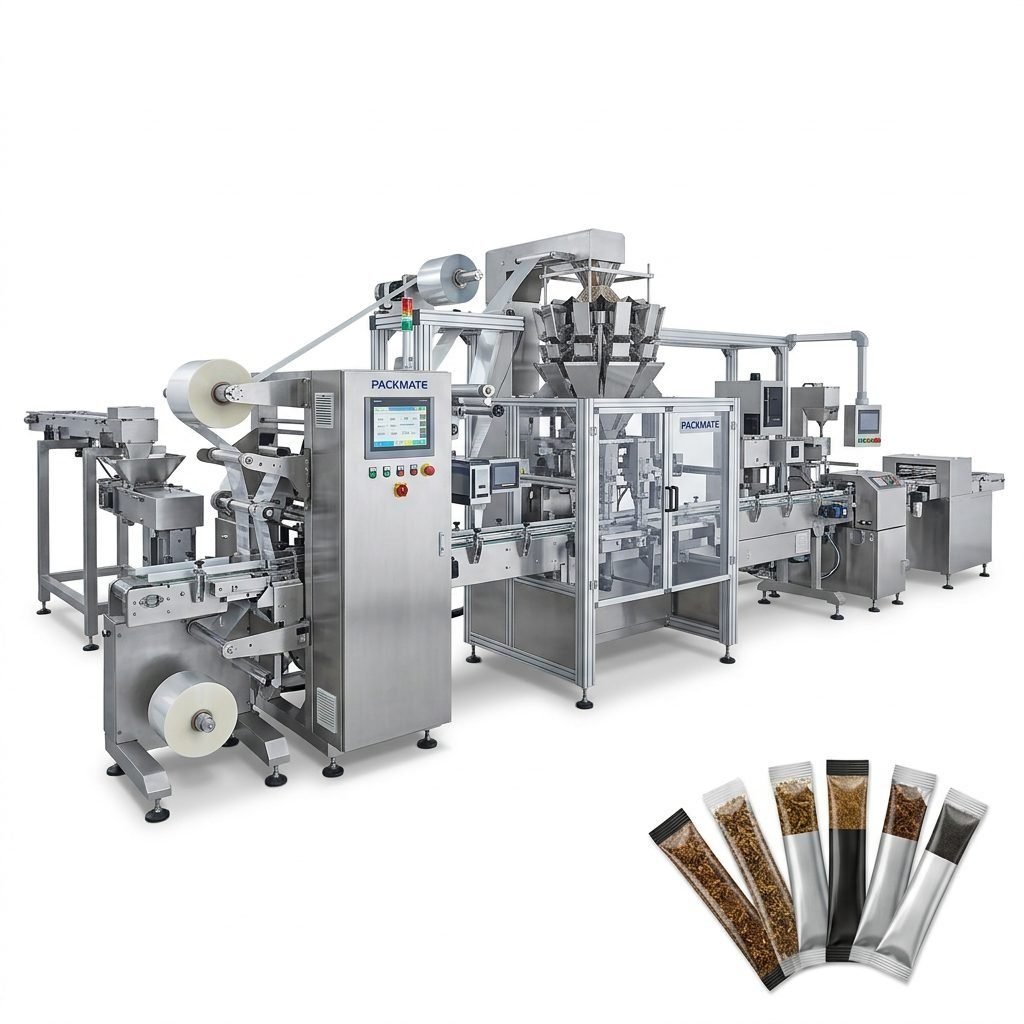
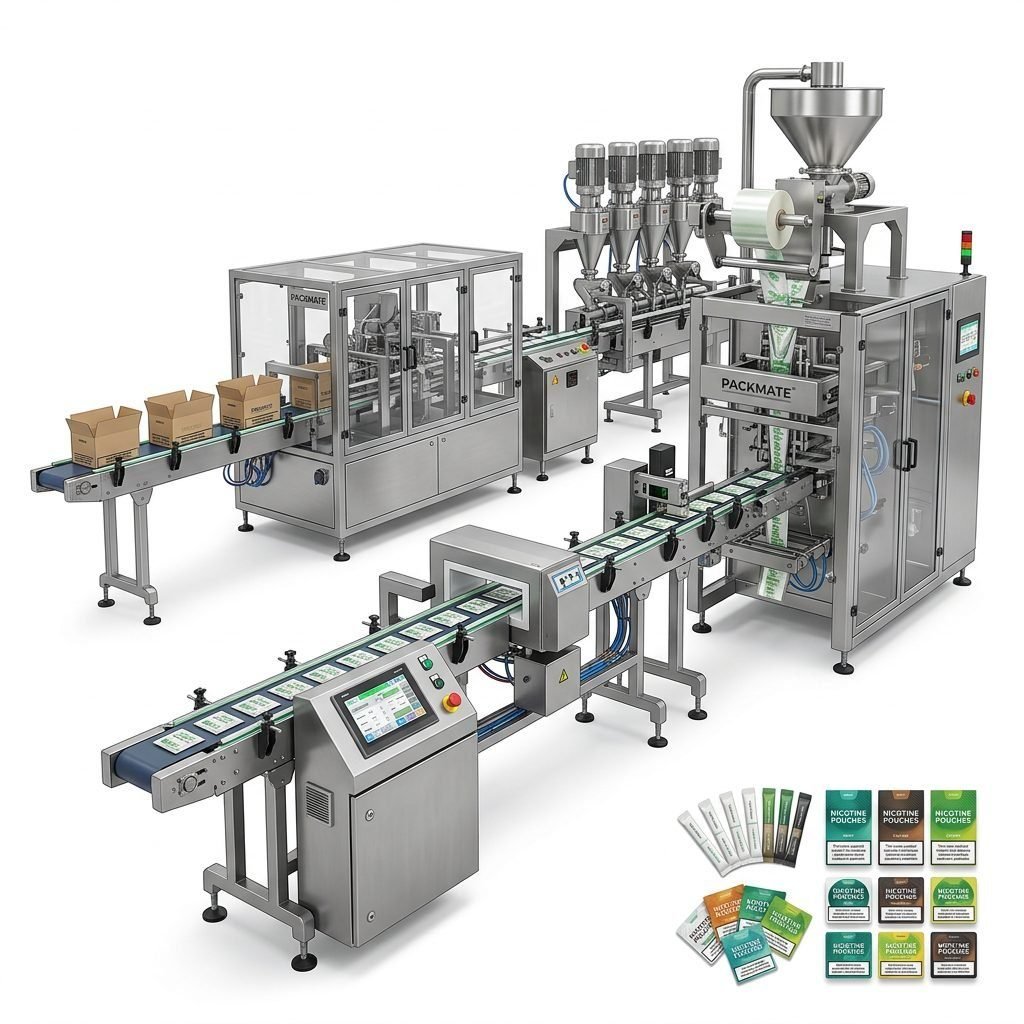
Choosing the right snus packaging machinery manufacturer for your production needs in Ukraine is a decision that affects product quality, regulatory compliance, production efficiency, and long-term profitability. This guide breaks down practical criteria, verification steps, and negotiation tips so you can confidently select a supplier that delivers dependable snus or nicotine pouch packaging lines — whether you need stick packs, sachets, or multi-lane small-dose systems.
Understand Your Production Requirements ⚙️
Before contacting manufacturers, document your core production parameters: target daily output, pouch formats (stick, sachet, multi-lane pouches), product types (dry snus, nicotine pouches, powder, granules), acceptable weight tolerances, and future expansion plans. Defining these details helps you match machine capacity and features with real needs and prevents over-investing in unnecessary capabilities.
Key production specs to list:
• Desired output per minute/hour/day
• Number of lanes (single or multi-lane lines)
• Pouch dimensions and material types
• Filling accuracy and dosing methods
• Integration with weighing, capping, or secondary packaging equipment
Evaluate Manufacturer Experience & Factory Strength 🏭
Industry experience and manufacturing capability directly influence machine reliability. Look for manufacturers with long-term engineering experience, advanced machining centers, and a variety of machine models to suit different production profiles. A supplier with a certified factory and an established production line is more likely to deliver consistent results.
Tip: prioritize suppliers who can demonstrate a real factory footprint (20,000㎡ or more), in-house CNC machining, and a portfolio of machine models. These are indicators of production depth and customization ability.
Check Certifications & Compliance ✅
For export markets and local regulatory standards in Ukraine, CE and ISO compliance matter. Ask for copies of certificates and evidence that machines meet electrical and safety norms. Compliance reduces risk during customs clearance and ensures equipment follows accepted safety practices.
What to request from suppliers:
• CE / ISO certificates and test reports
• Factory acceptance test (FAT) procedures and records
• Safety documentation and machine manuals
Machine Types & Technical Suitability 🔍
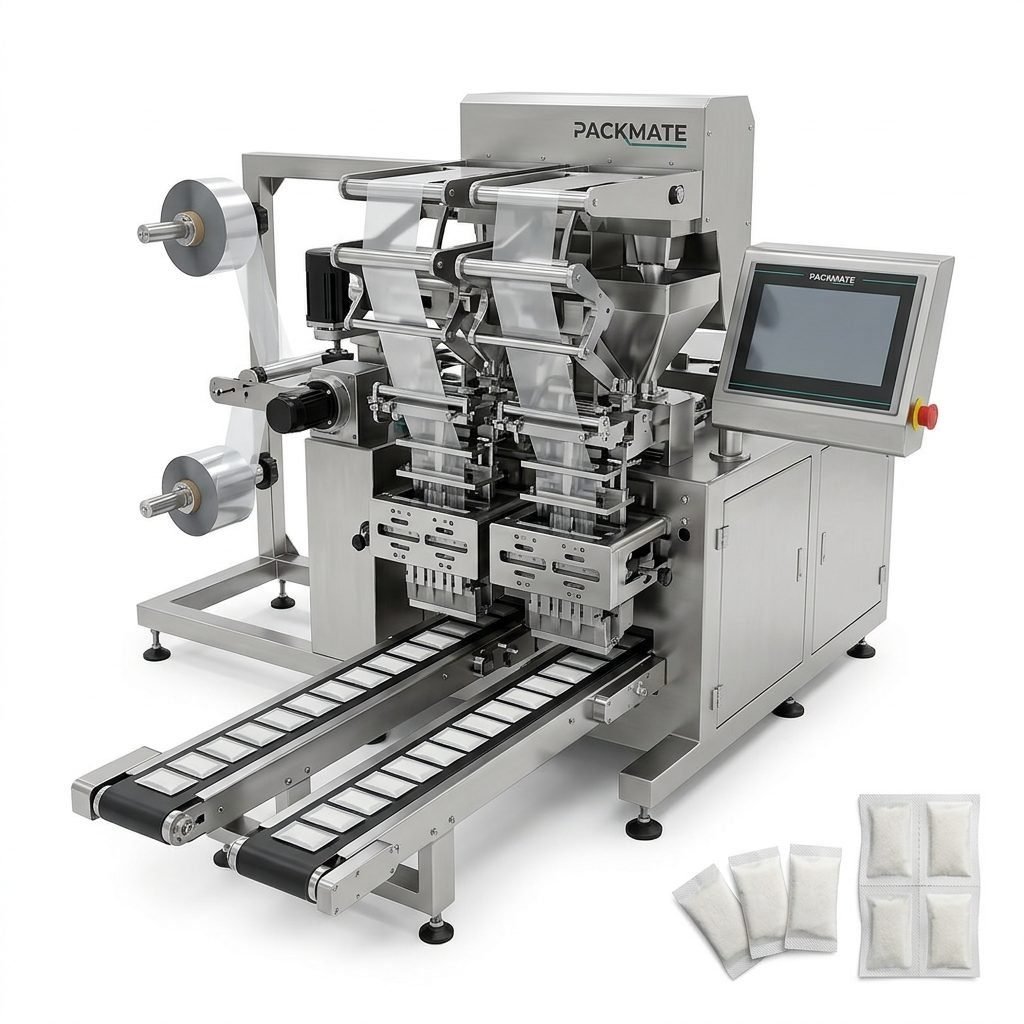
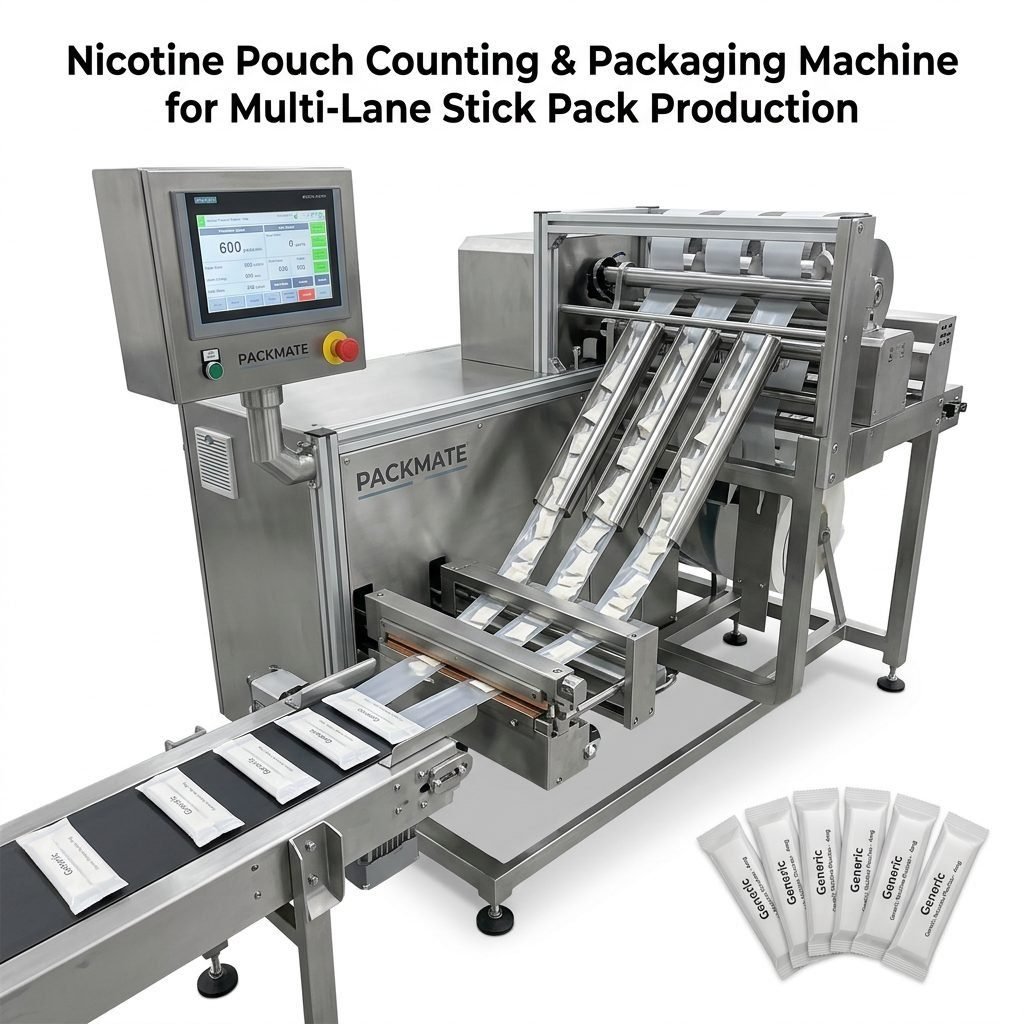
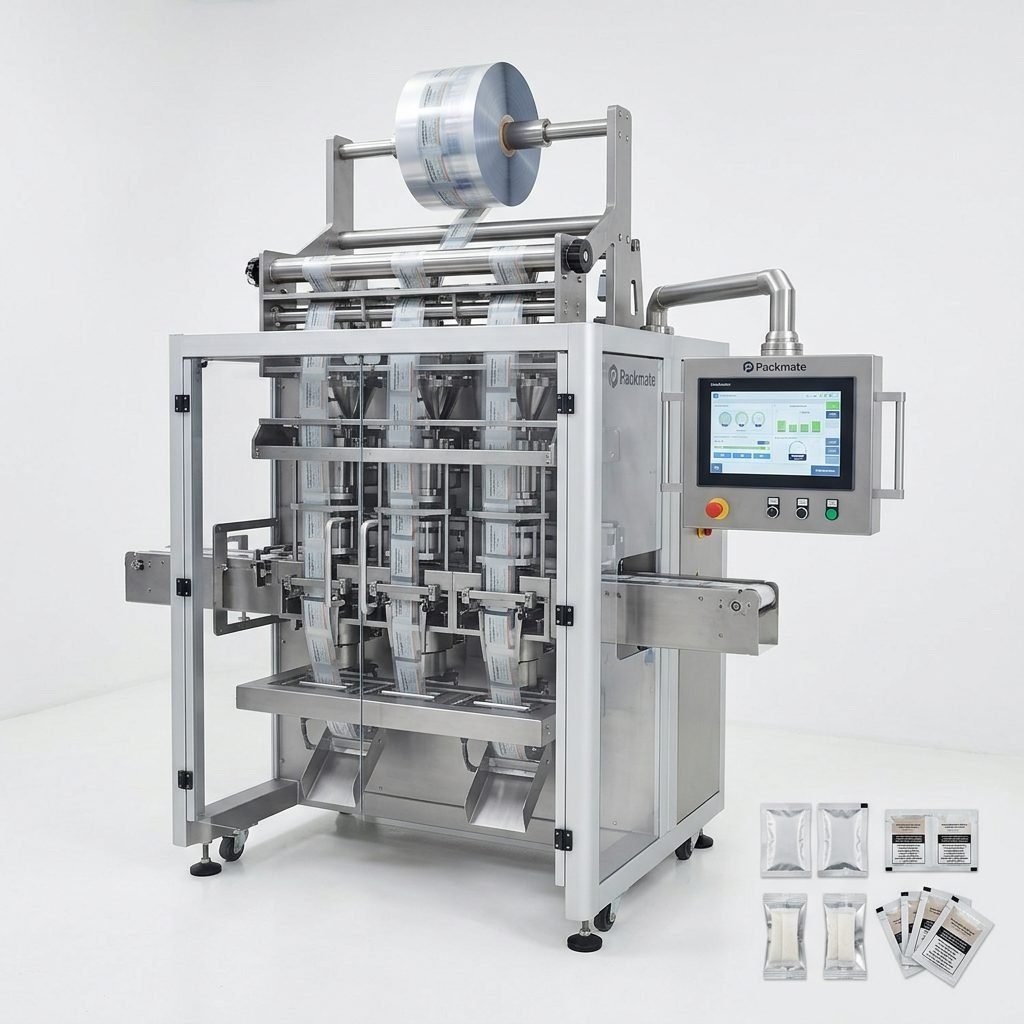
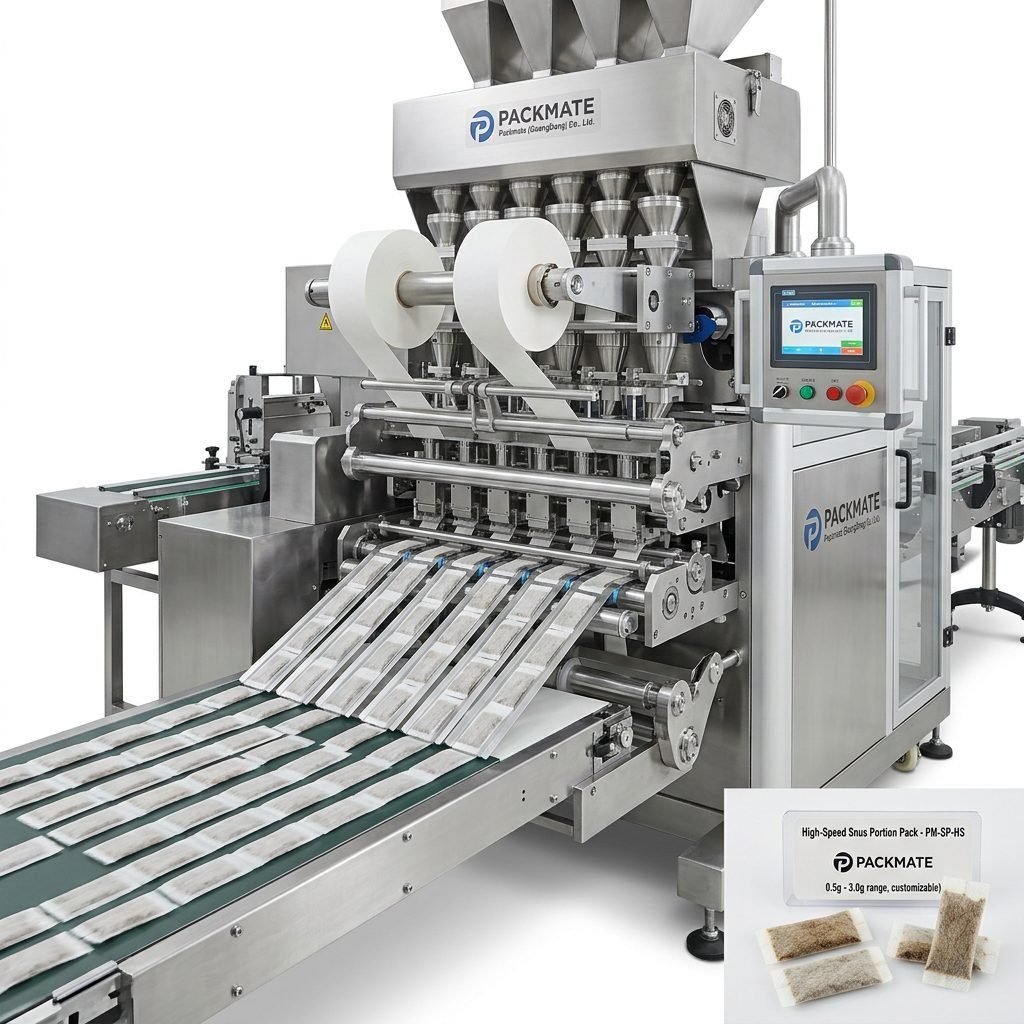
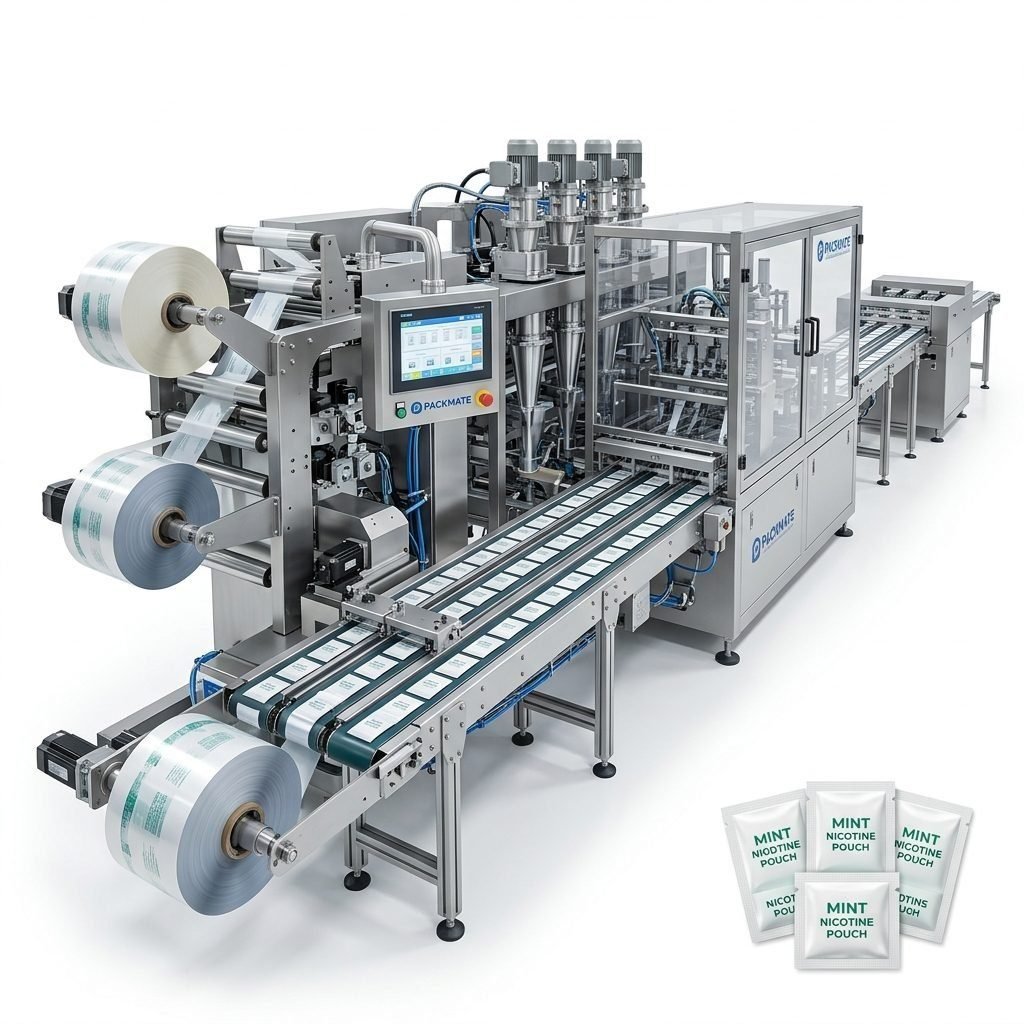
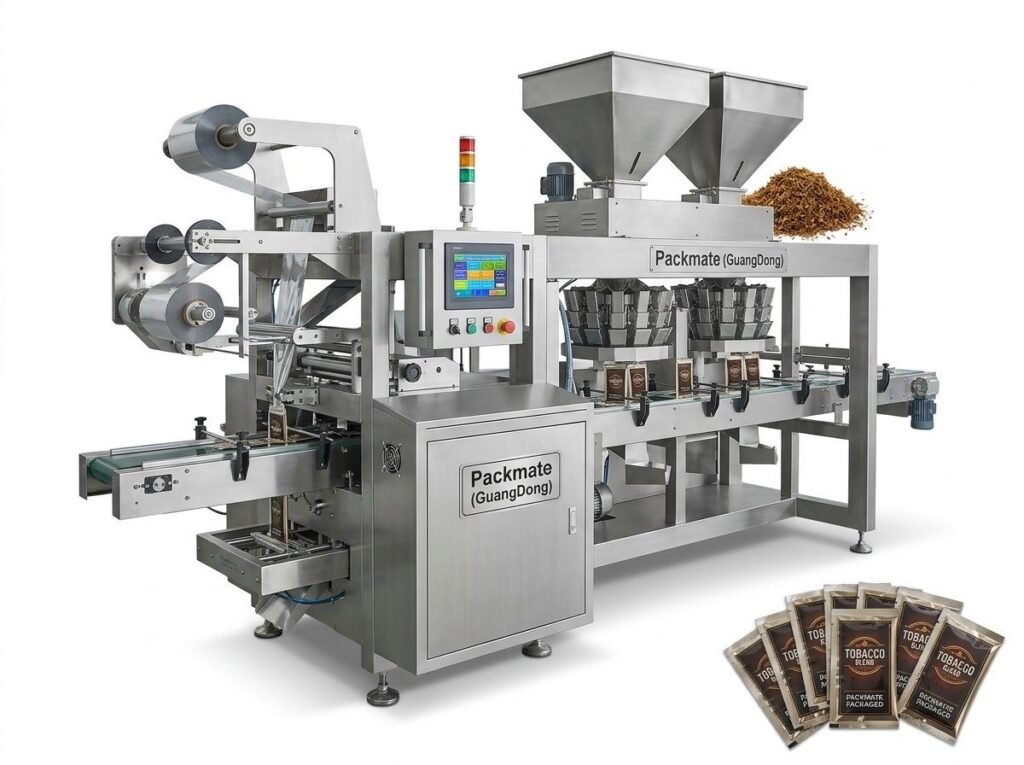
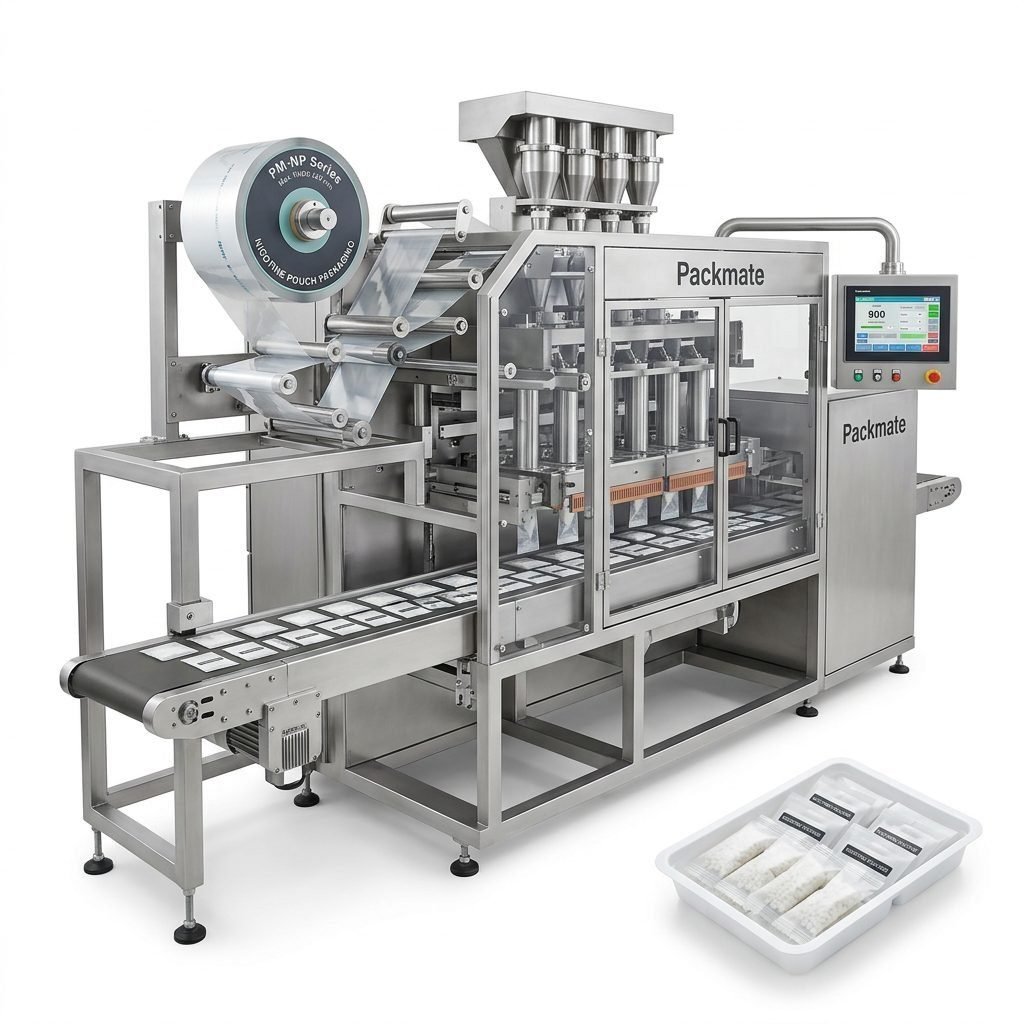
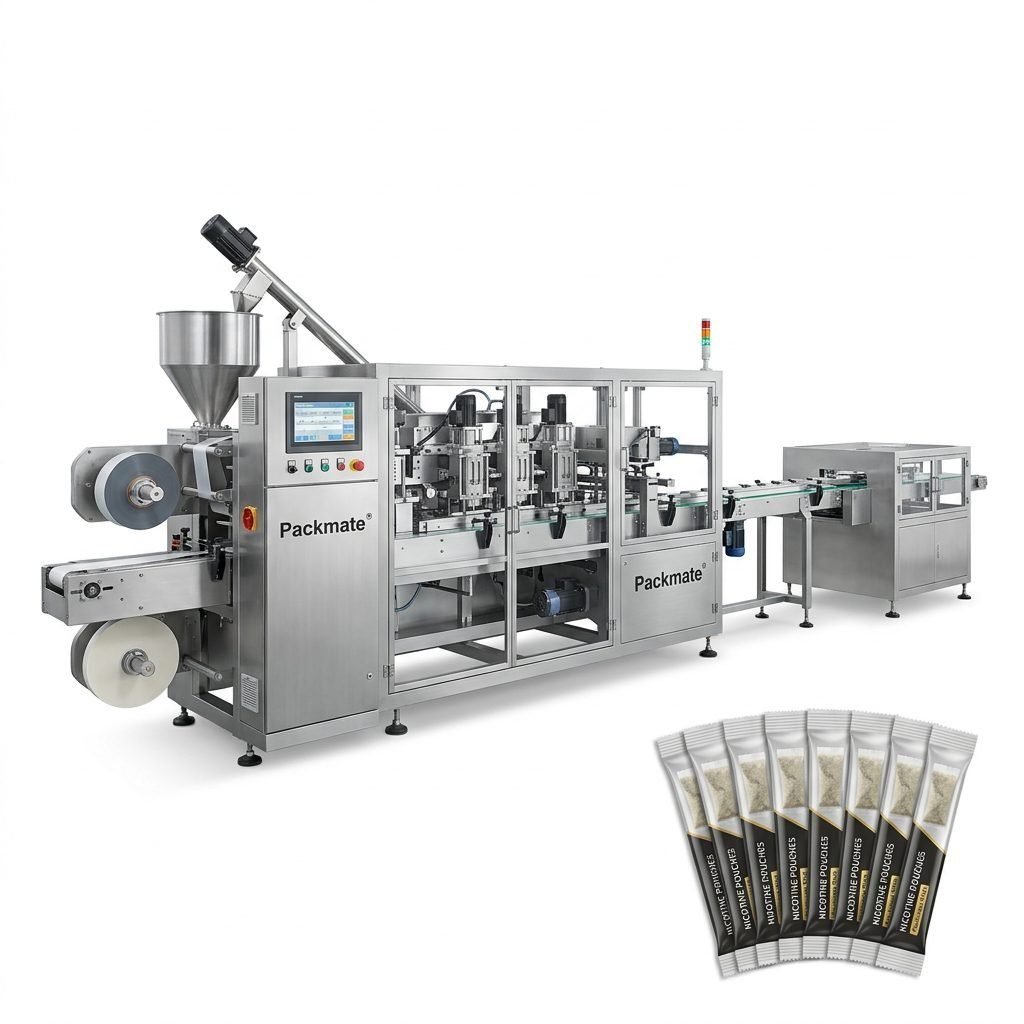
Understand which machine types match your product: stick pack and sachet machines for single-dose pouches, multi-lane machines for high-speed nicotine pouch production, and integrated filling lines for powders or liquids. Technical features to compare include servo control, PLC systems, multi-lane synchronization, dosing systems, and changeover speed.
Explore product pages for reference models: Snus & Nicotine Packaging Machines, Sachet & Stick Pack Machines, and Filling & Packaging Lines.
Key technical questions:
• What is the maximum speed at specified pouch size and lane count?
• What type of dosing (volumetric, auger, piston, vibrating) is used for your product?
• How is film handling controlled to ensure consistent sealing and printing alignment?
Quality, Reliability & Spare Parts Availability 🔧
Durable mechanical design, quality components (bearing brands, PLC/servo suppliers), and availability of spare parts are crucial. Ask the manufacturer about mean time between failures (MTBF), preventive maintenance schedules, and the typical lifespan of wear parts. A solid spares policy and regional inventory shorten downtime.
Important: ensure spare parts are shipped from nearby warehouses or that the manufacturer commits to a rapid parts delivery SLA.
After-sales Support & Training 📞
After-sales service makes a major difference. Confirm availability of remote diagnostics, field service technicians, installation/commissioning support, and on-site training for operators and maintenance staff. A well-documented training program reduces operator error and improves uptime.
Ask for:
• Commissioning timelines and who bears the travel costs
• Remote support channels and guaranteed response times
• Operator and maintenance manuals in English (or your language)
Customization & Turnkey Solutions 🔩
If your product format or packaging materials are non-standard, choose a manufacturer that can customize tooling, control logic, and infeed systems. Full turnkey suppliers can deliver integrated lines including weighing systems, auxiliary equipment, and packaging conveyors — reducing integration headaches.
For turnkey options and auxiliary equipment, review pages such as Weighing & Packaging Systems and Auxiliary Packaging Equipment.
Factory Visits & Machine Demonstrations 🔬
Whenever possible, arrange a factory visit or request a live demonstration. Witnessing a machine running with real materials reveals build quality, noise levels, and control responsiveness. If a physical visit is not feasible, insist on a comprehensive factory acceptance test (FAT) and video demonstration using your film and product.
Checklist for FAT: use your film and product, run at target speed, check seam strength and weighing accuracy, and verify HMI language and alarm logs.
Total Cost of Ownership (TCO) & ROI Analysis 💡
Purchase price is only part of the expense. Calculate TCO including installation, spare parts, energy consumption, maintenance labor, downtime risks, and expected lifetime. A slightly higher initial price may be justified by lower downtime and better energy efficiency.
Negotiate terms that affect TCO:
• Warranty length and coverage details
• Guaranteed performance metrics and acceptance criteria
• Training, spare parts packages, and commissioning included in price
Shipping, Installation & Local Service in Ukraine 🚚
Clarify shipping terms (EXW, FOB, CIF), estimated lead times, customs support, and on-site installation responsibilities. If you need local service, ask whether the manufacturer works with Ukrainian service partners or can provide long-term remote support and training.
References, Case Studies & Exhibition Presence 🎪
Request case studies and customer references in similar markets. A manufacturer active in global exhibitions demonstrates transparency and confidence in their products. You can review company background and exhibition activities on pages like About Packmate and Our Exhibition.
Red flags to watch for:
• Lack of verifiable references or production videos
• No willingness to perform FAT or to use your materials for tests
• Vague warranty terms or no spare parts strategy
Pro tip: ask for customers in neighboring regions or similar climatic conditions — their experience often mirrors what you can expect.
Sample Questionnaire to Send to Potential Suppliers ✉️
Use a standard questionnaire to compare vendors objectively. Important items include machine model, detailed specifications, cycle speed at your pouch size, electrical requirements, control systems, spare parts list, warranty, FAT policy, delivery time, and references.
Example questions:
1) Provide a detailed spec sheet and a video of the machine running with a similar product.
2) What PLC and servo brands are used, and what is the HMI language support?
3) What is included in standard warranty and what optional service contracts are available?
4) Lead time from order to shipment and estimated installation period on-site.
5) Spare parts delivery time and recommended spare parts kit.
Make a Decision: Scoring & Shortlisting 📝
Create a scoring matrix with weighted criteria: technical fit, reliability, certifications, price, warranty, shipment and installation, local support, and references. Rank suppliers and shortlist the top two for negotiation and deeper technical review. This structured approach helps remove bias and compare offers fairly.
Quick checklist: confirm CE/ISO, request FAT with your materials, verify spare parts SLA, and secure installation & training in the contract.
Why Packmate-style Suppliers Are Worth Considering 🏅
Suppliers with decades of engineering experience, a large factory footprint, and a portfolio of targeted snus/nicotine pouch machines offer technical maturity and product depth. They typically provide multi-lane systems, stick pack and sachet options, and full turnkey capabilities to support scaling businesses.
For more product options and examples of integrated packaging lines, explore Bag & Pouch Packaging Machines and the Case page for real project examples.
Final Steps Before Purchase 🛒
Ensure the contract clearly defines acceptance criteria (speed, weight accuracy, sealing quality), warranty terms, spares package, delivery and installation schedule, payment milestones, and penalties for missed performance guarantees. A clear contract protects both buyer and supplier.
Contract essentials: FAT acceptance protocol, performance warranty (e.g., run at agreed speed for X hours), and a spare parts shipment schedule.
Conclusion
Selecting the best snus packaging machinery manufacturer in Ukraine — or a supplier capable of serving Ukraine — requires a balance of technical fit, factory strength, certifications, after-sales service, and clear contractual protections. Use a structured selection process, insist on FATs with your materials, confirm spare parts availability, and prioritize suppliers with proven experience in snus and nicotine pouch machinery.
Frequently Asked Questions
Q1: How long does it take to get a custom snus packaging line delivered and installed?
A1: Typical lead times range from 12 to 24 weeks depending on customization, spare parts availability, and shipping. Installation and commissioning may add 1–3 weeks on site.
Q2: What warranty and after-sales support should I expect?
A2: Standard warranties vary; a robust supplier offers at least 12 months parts warranty, optional extended support contracts, remote diagnostics, and a spare parts supply plan.
Q3: Can manufacturers run a factory acceptance test (FAT) using our film and product samples?
A3: Reputable suppliers will run FATs with your materials and provide video evidence if you cannot attend in person. This is a critical step to validate performance.
Q4: What spare parts should I stock initially?
A4: Common initial spares include cutting blades, sealing jaws, belts, bearings, pumps (if applicable), and a basic electronics kit (fuses, sensors). Ask the supplier for a recommended starter kit.
Q5: Where can I see examples of completed installations and customer cases?
A5: Review case studies and project galleries on the supplier’s website — many provide photos, videos, and customer testimonials. See their case page for real project references: Case.
For direct contact, inquiries about models, or to schedule a FAT, use the manufacturer’s contact page: Contact Us.