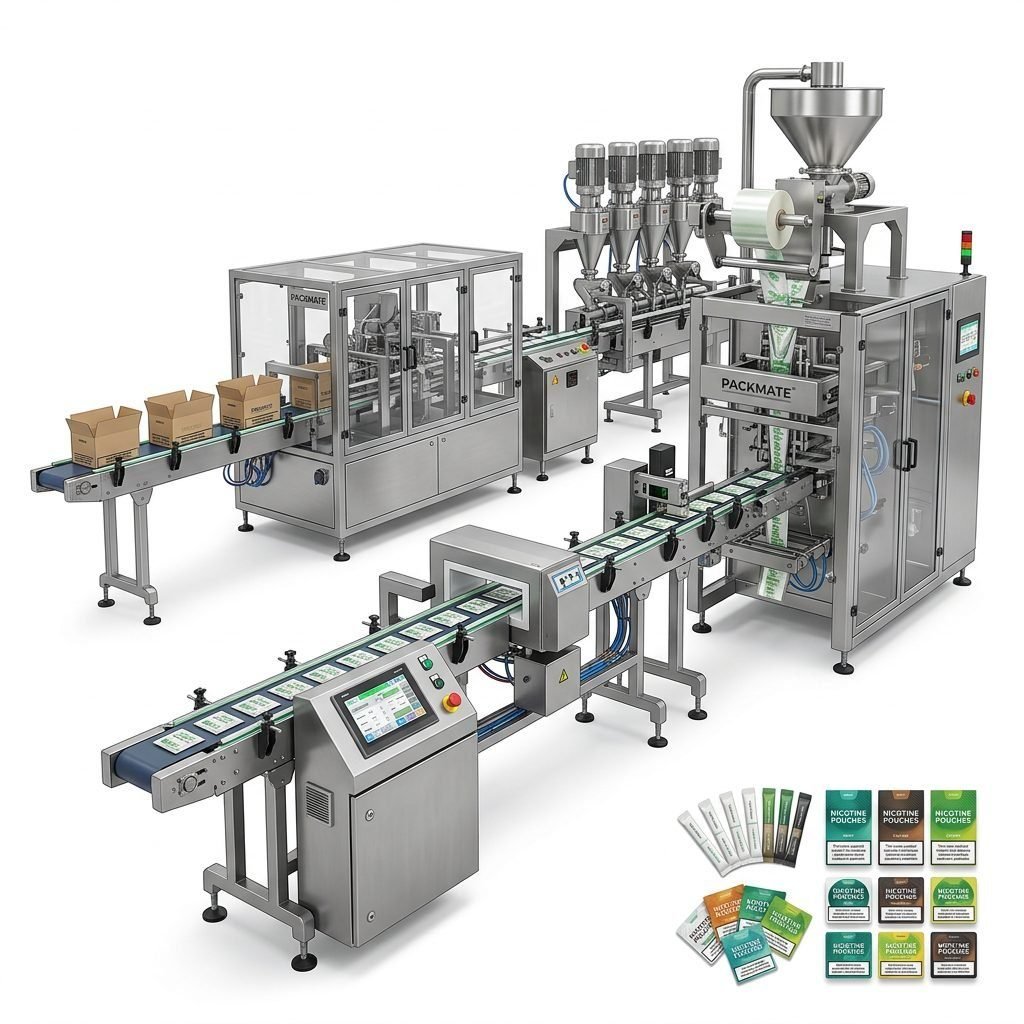
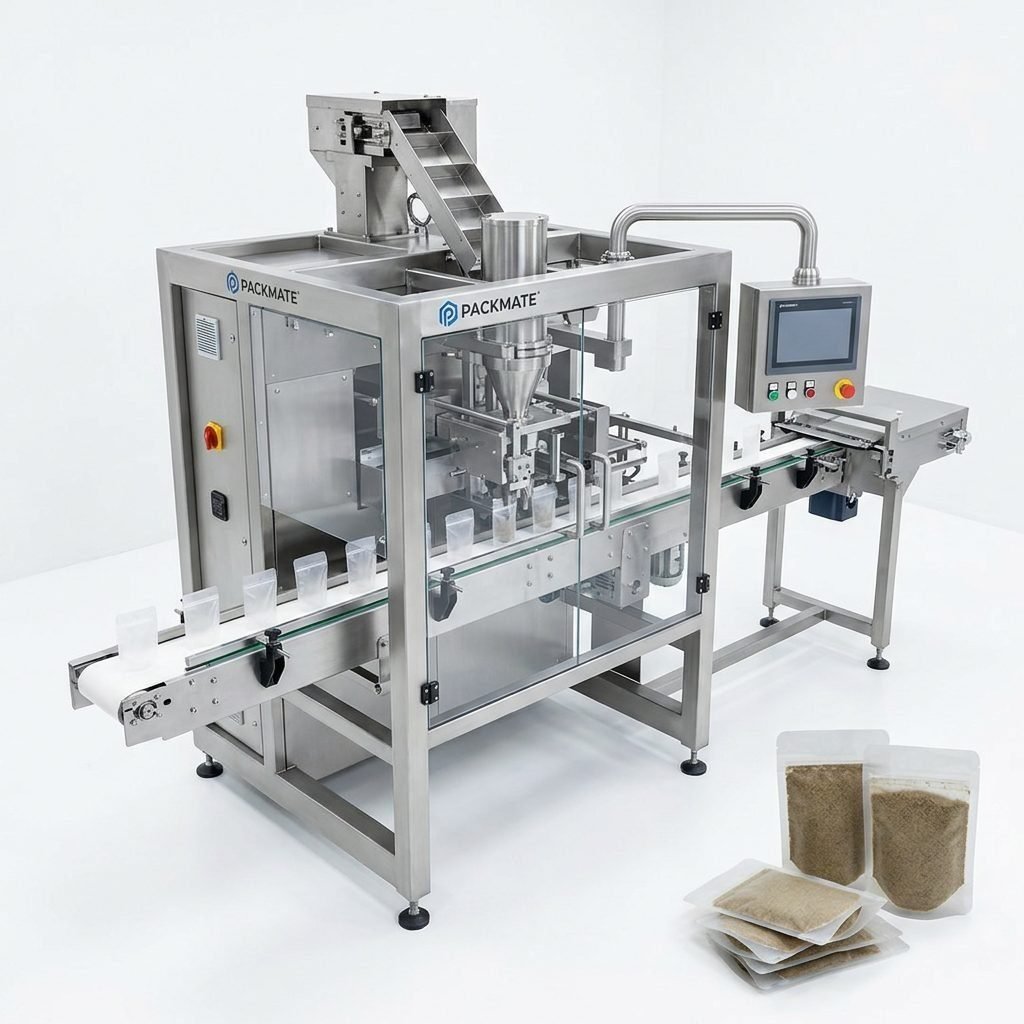
Choosing the right nicotine packaging machinery manufacturer can transform your production line efficiency, product quality, and regulatory compliance. Whether you are a startup exploring nicotine pouch production in Kosovo or an established tobacco-related business scaling up, this guide walks you through practical, actionable steps to select the best partner for your needs.
Understand Your Production Requirements
Start by defining your core production targets: daily output, pouch sizes, lane counts, materials (film, foil, paper), and product formats (snus, nicotine pouches, sachets, stick packs). A clear brief helps you compare manufacturers effectively. Consider the following in your initial assessment:
Production capacity (units/hour), multi-lane capability, and flexibility to handle different pouch styles are non-negotiable for scalable businesses.
Why specialization matters
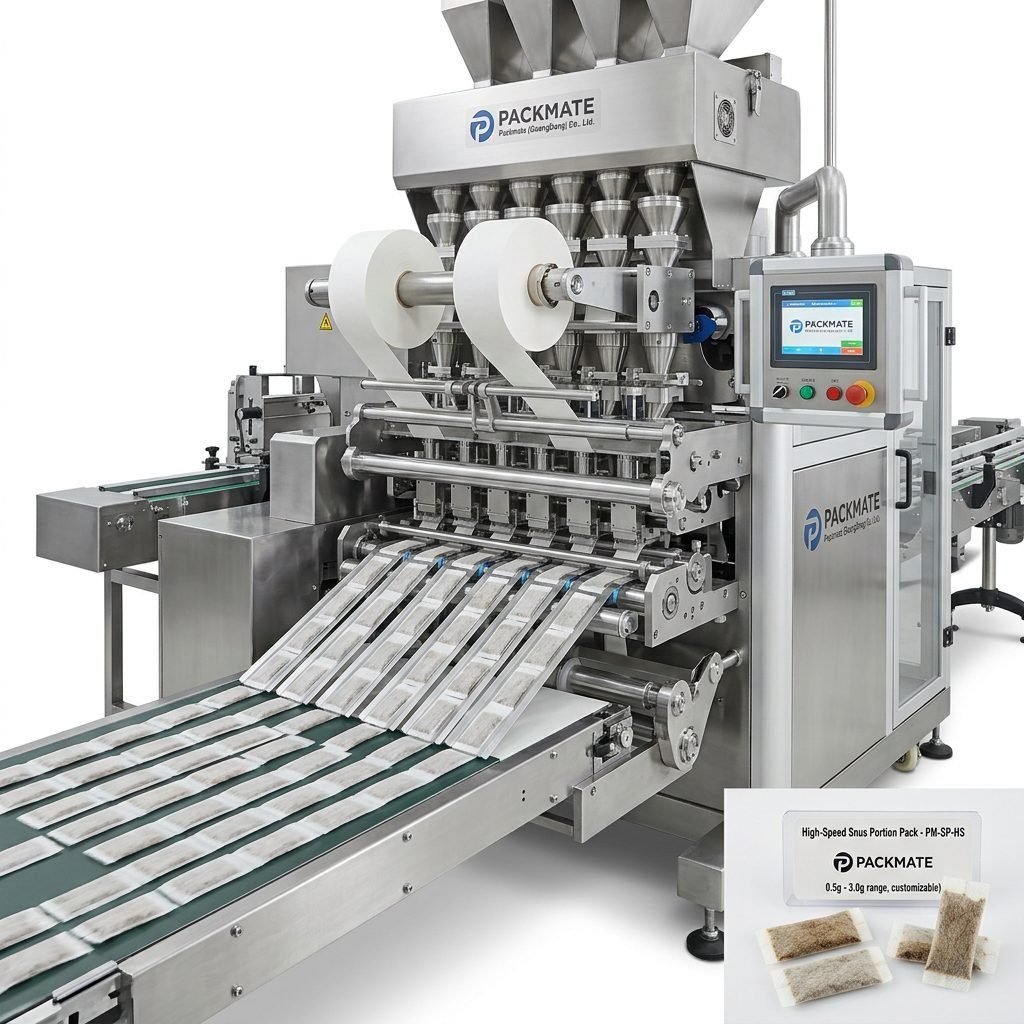
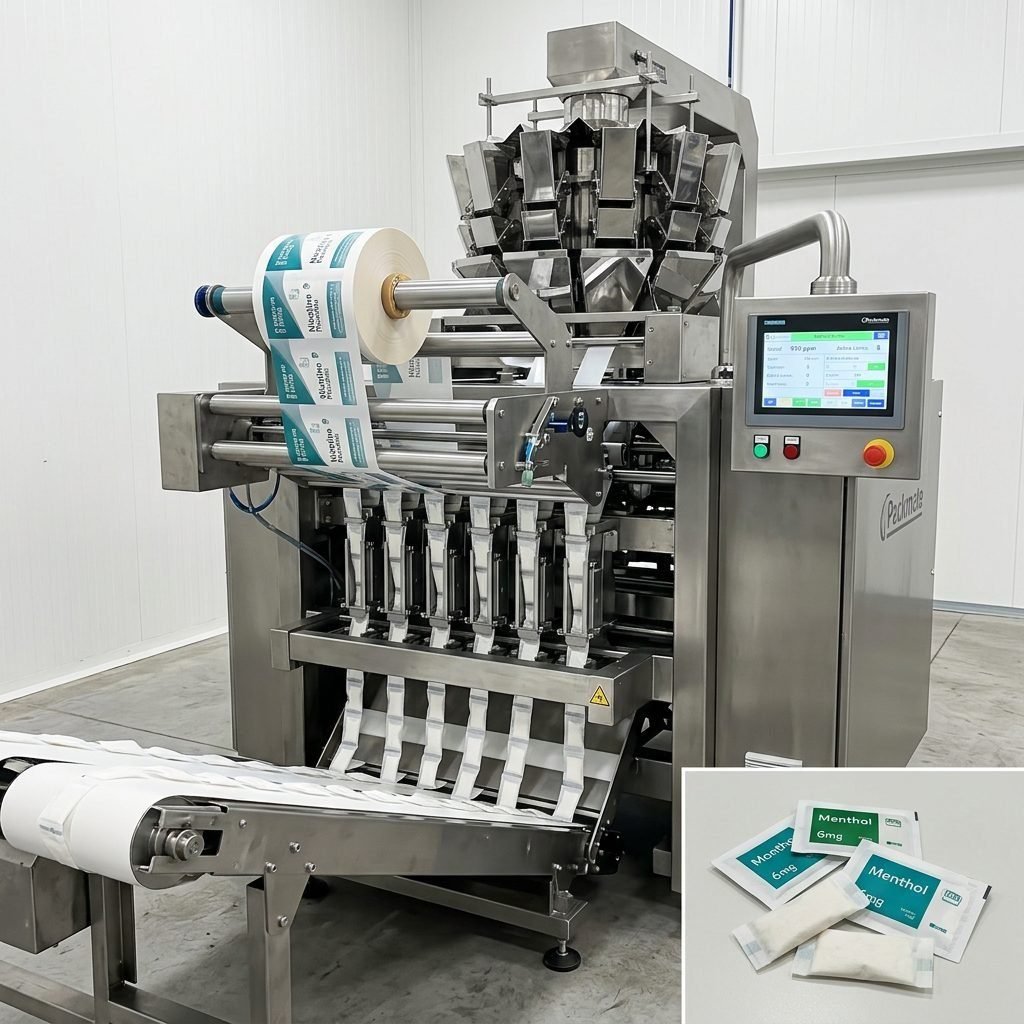
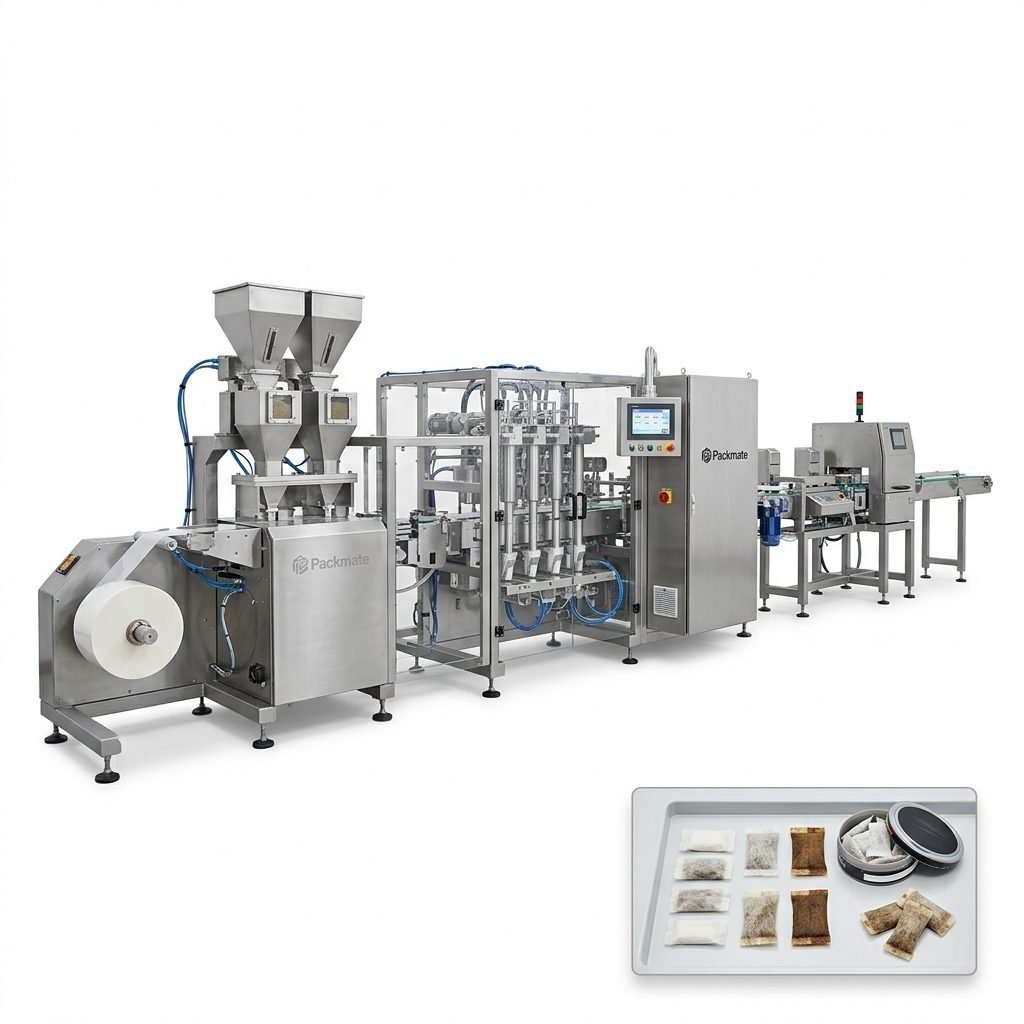
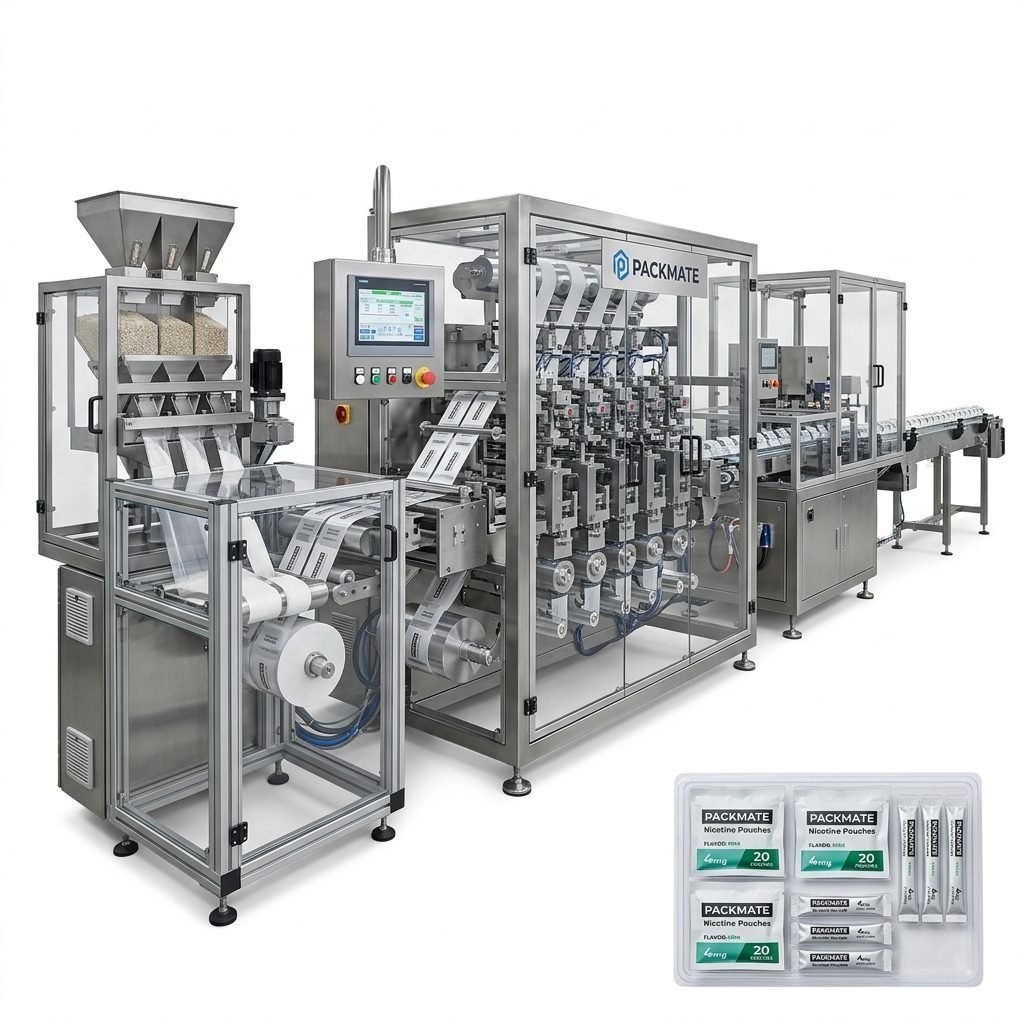
Manufacturers specialized in nicotine and snus packaging will better understand low-dose pouch dosing, moisture control, and regulatory labeling needs. Look for suppliers with focused product lines such as snus/nicotine packaging machines, stick pack systems, and multi-lane sachet solutions. For product references, review specialized lines like
Snus & Nicotine Packaging Machines and
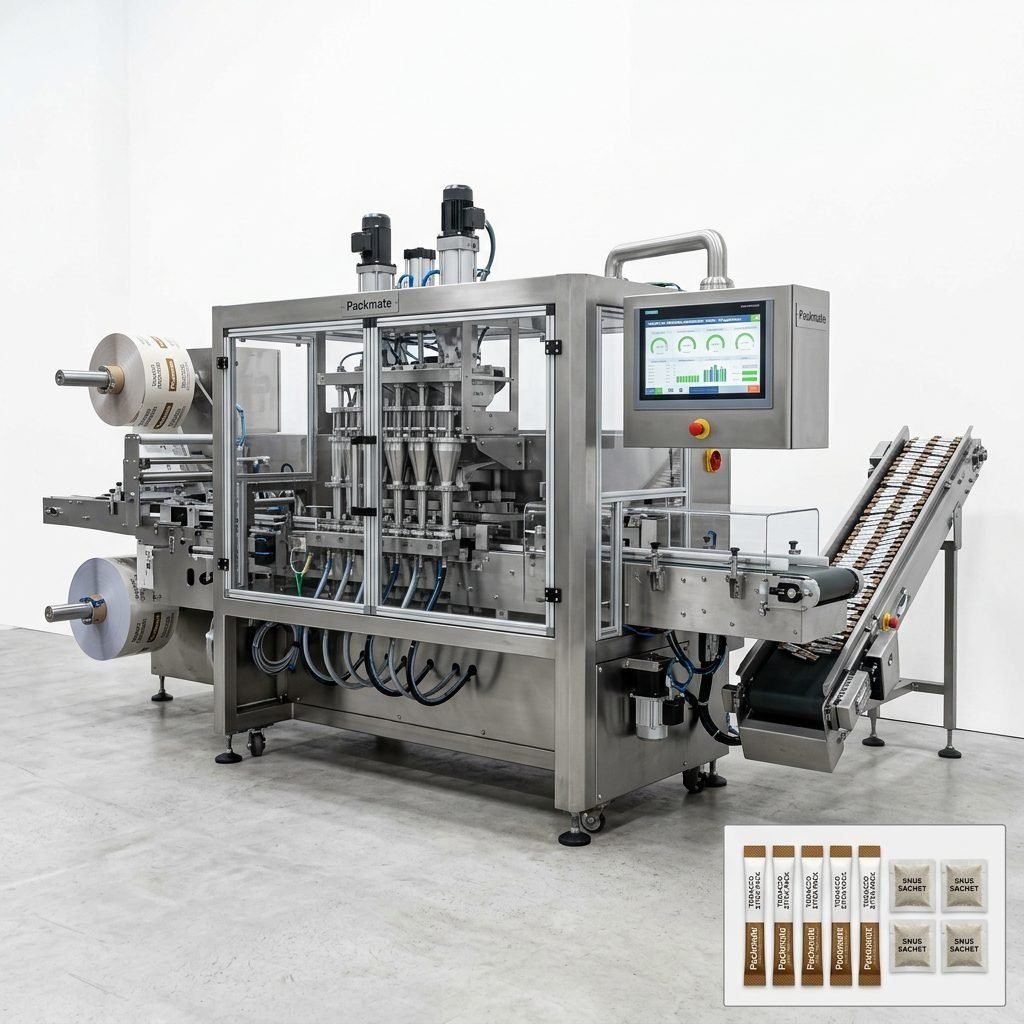
Sachet & Stick Pack Machines.
Evaluate Manufacturing Strength and Experience
Proven engineering experience and factory capability are indicators of consistent quality. Look for manufacturers with:
– Decades of continuous improvement in packaging equipment.
– A sizable manufacturing footprint with advanced CNC machining and precision assembly.
– A broad model range so you can choose scalable solutions rather than one-off builds.
For example, a supplier with over 30 years in packaging machinery, advanced CNC centers, and 50+ machine models signals reliability and the ability to deliver turnkey systems. Learn more about an experienced supplier profile at
About Packmate.
Factory tour and verification
Whenever possible, arrange a factory visit or request a live virtual tour. Key things to verify:
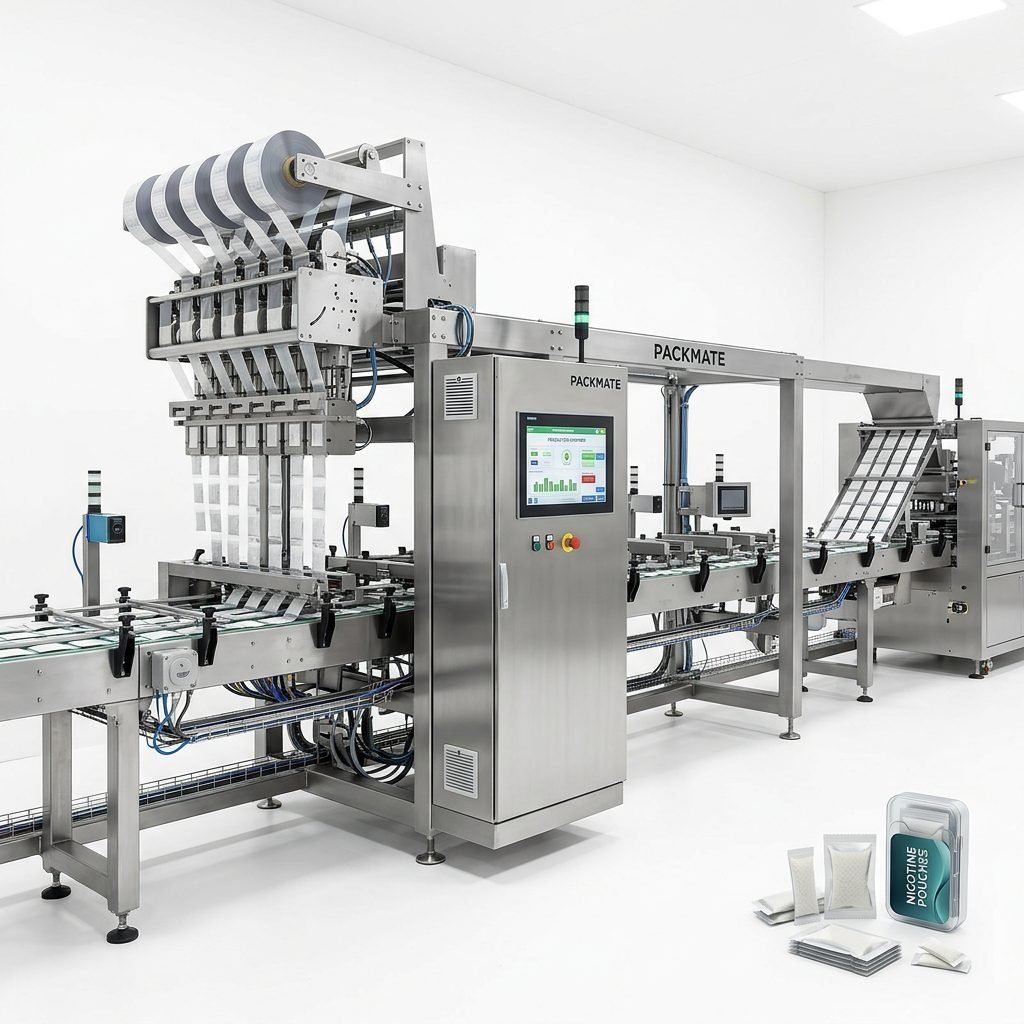
✅ Clean assembly lines and organized production flows.
✅ Modern CNC and testing equipment.
✅ Documented quality control processes and calibration records.
Check International Certifications and Compliance
Compliance with international standards such as CE and ISO is important for product safety and smooth customs clearance, especially when selling in regulated markets. Ensure the manufacturer can provide valid certificates and explain how their machines help meet hygiene and traceability requirements in nicotine packaging.
Ask for certificates and cross-check them through official registries where possible. A reputable supplier lists certifications clearly and supports auditing by clients.
Assess Technical Capabilities and Product Range
The right partner should offer machines that align with your product portfolio and future roadmap. Important technical aspects include:
– Precise dosing systems for nicotine and small-dose fillings.
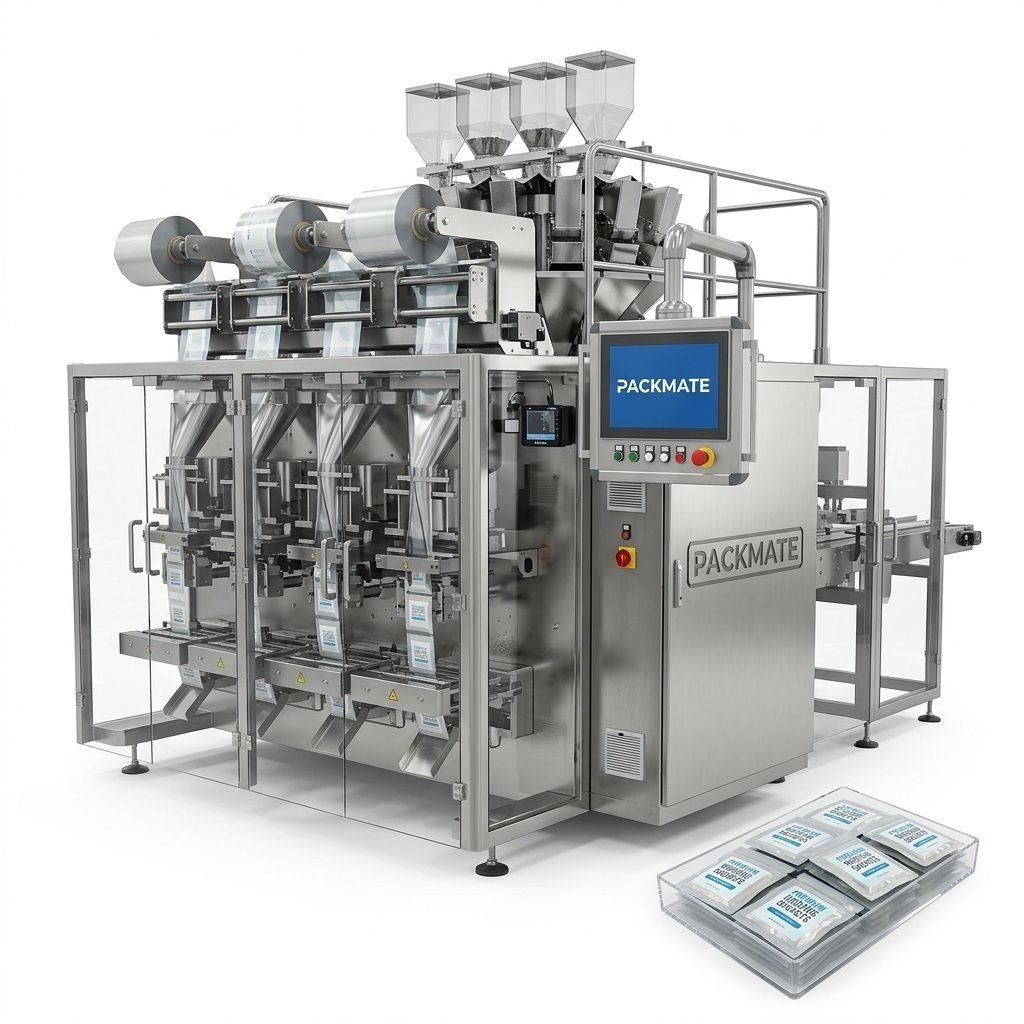
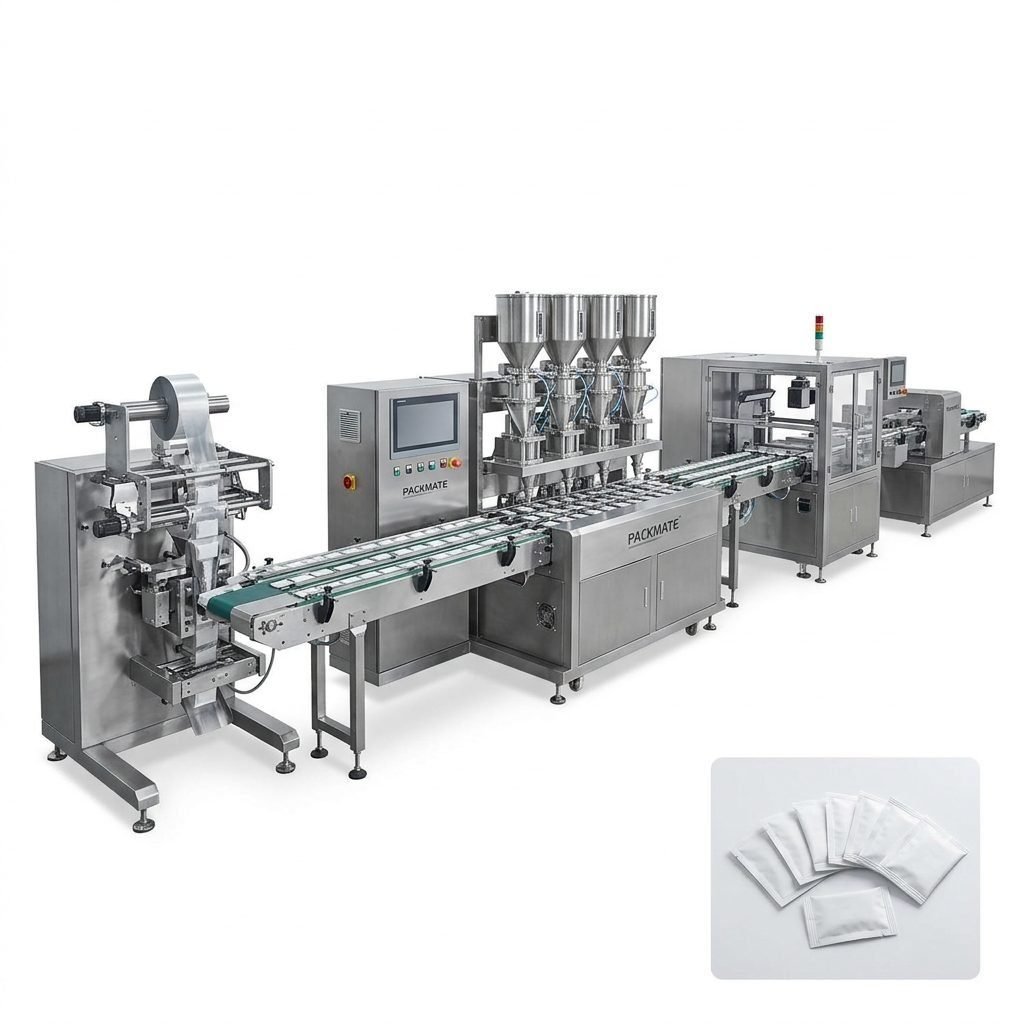
– Multi-lane options for high throughput.
– Gentle handling features for delicate pouches.
– Modular design to allow upgrades and add-ons like weighing, capping, and secondary packaging.
Explore full equipment categories such as
Bag & Pouch Packaging Machines,
Weighing & Packaging Systems, and
Filling & Packaging Lines to ensure integrated solutions.
Customization and R&D
A strong R&D capability means faster customized development and reliable troubleshooting. Verify whether the supplier has a dedicated engineering team, prototype testing facilities, and experience with nicotine pouch formats. Ask for case studies or references of similar installations — this helps validate technical claims.
Quick checklist: production capacity, multi-lane options, dosing accuracy, modularity, and R&D support. These elements determine whether a manufacturer can grow with your business.
Service, Spare Parts and After-Sales Support
After-sales service is as important as machine specs. Confirm response times, spare parts availability, remote diagnostic capabilities, and local service partnerships. Consider:
⚙️ Does the manufacturer provide installation, commissioning, and operator training?
⚙️ Are spare parts stocked locally or easily shipped to Kosovo?
⚙️ Is there an online knowledge base, manuals, and video guidance?
Reliable after-sales support minimizes downtime and protects your investment — a critical factor for nicotine production where batch integrity is essential.
Service packages and warranties
Look for clear warranties, preventive maintenance plans, and service-level agreements (SLAs). Suppliers that offer global exhibitions, local demonstrations, and documented case studies of installations demonstrate strong field expertise. You can see examples of international cooperation and events at
Our Exhibition and review real-world
Case studies.
Total Cost of Ownership vs. Initial Price
The lowest purchase price rarely translates to the best value. Evaluate total cost of ownership (TCO): purchase price, installation, training, spare parts, energy consumption, throughput efficiency, and expected lifecycle. Machines built with quality components often have lower downtime and maintenance costs, which improves ROI over time.
Value tip: Request a sample TCO calculation from suppliers and compare across similar configurations. Don’t forget to include shipping, customs, and installation in Kosovo.
Quality Assurance and Testing
Insist on witness testing or video demonstrations of machines running your product or a close analog. Quality assurance should include performance metrics such as speed at target quality levels, rejection rates, and hygienic cleaning procedures. Manufacturers that provide documented testing data and can replicate your product parameters are more likely to deliver as promised.
Factory acceptance test (FAT) and site acceptance test (SAT)
FAT and SAT are critical milestones. FAT verifies machine performance before shipment; SAT confirms correct installation and operation on-site. Ensure these are included in the contract with clear acceptance criteria.
Logistics, Delivery Time and Installation in Kosovo
Delivery lead times and logistics influence your project timeline. Confirm realistic manufacturing lead times, shipping options (air vs. sea), and customs handling in Kosovo. Suppliers experienced with international deliveries can provide helpful guidance on documentation and taxes. Use the supplier’s contact channels to clarify timelines:
Contact Us.
Warranty, Parts and Long-Term Relationship
A long-term partnership with a manufacturer often yields the best results. Evaluate warranty coverage, recommended spare parts lists, and the ease of ordering consumables. Manufacturers that pursue ongoing cooperation typically provide more flexible upgrade paths and prioritized service.
Relationship factor: Consider suppliers that demonstrate a track record of global turnkey solutions and long-term support, as these vendors are more likely to respond quickly to future needs.
Negotiation, Contract Terms and Intellectual Property
When negotiating, clarify payment terms, delivery milestones, penalty clauses for late delivery, and IP ownership for custom tooling. Ensure technical documentation, PLC programs, and drawings are included or available under defined conditions. Clear commercial terms prevent future disputes and provide project certainty.
Sample contract items to confirm
– Detailed scope of supply and technical specifications.
– Lead times for parts and consumables.
– Training hours and credentials.
– Warranty period and scope.
– Intellectual property and confidentiality terms.
Making the Final Decision: A Practical Scorecard
Build a simple scorecard to objectively compare manufacturers. Key categories:
– Technical fit and customization capability
– Manufacturing and QA strength
– Certifications and compliance
– After-sales support and spare parts
– Pricing and TCO
– Delivery, logistics and lead time
– References and field performance
Decision tip: Assign weights to each category based on your priorities (e.g., speed 20%, cost 15%, support 25%) and score each supplier to identify the best fit objectively.
Why Choose an Established Global Supplier
Established global suppliers bring tested designs, proven installation procedures, and a network for spare parts and service. They often showcase exhibitions, certifications, and real customer partners that validate their claims. If you need a reference, check industry resources and supplier case pages to confirm real-world performance. For more details on services offered by experienced suppliers, see
Service and
Certificate.
Final Practical Steps
1. Prepare a concise technical brief outlining your product specs and targets.
2. Shortlist 3–5 suppliers with relevant specialization and request proposals.
3. Evaluate proposals using the scorecard approach.
4. Request FAT and run trials with sample materials.
5. Confirm logistics, installation, and training prior to signing.
Use available resources
For machine categories and examples you can reference when preparing your brief, explore:
Auxiliary Packaging Equipment and
Catalog.
Conclusion
Choosing the best nicotine packaging machinery manufacturer in Kosovo or for shipments to Kosovo requires a structured approach: define your requirements, verify manufacturing strength, confirm certifications, prioritize after-sales support, and evaluate total cost of ownership. Use a scorecard to make objective decisions and favor suppliers with demonstrated expertise in snus and nicotine packaging systems. A well-chosen partner will reduce risk, improve efficiency, and support your long-term growth.
Frequently Asked Questions
Q1: What certifications should a nicotine packaging machine have?
A1: Look for CE and ISO as baseline certifications; also confirm any industry-specific compliance related to hygiene and electrical safety required in your target markets.
Q2: How important is a factory acceptance test (FAT)?
A2: FAT is critical — it verifies machine functionality before shipment and reduces the risk of delays and rework during on-site commissioning.
Q3: Can a supplier customize machines for new nicotine pouch formats?
A3: Yes, manufacturers with strong R&D and multi-model offerings typically support customization; request prototypes or pilot trials to validate performance.
Q4: What is the typical lead time for a snus packaging line?
A4: Lead times vary by configuration and customization; typical build times range from a few weeks for standard machines to several months for fully customized turnkey lines. Always confirm in writing.
Q5: Where can I find references and case studies of real installations?
A5: Review supplier case pages and exhibition records to see real installations and customer feedback. For example, check supplier case references at
Case.