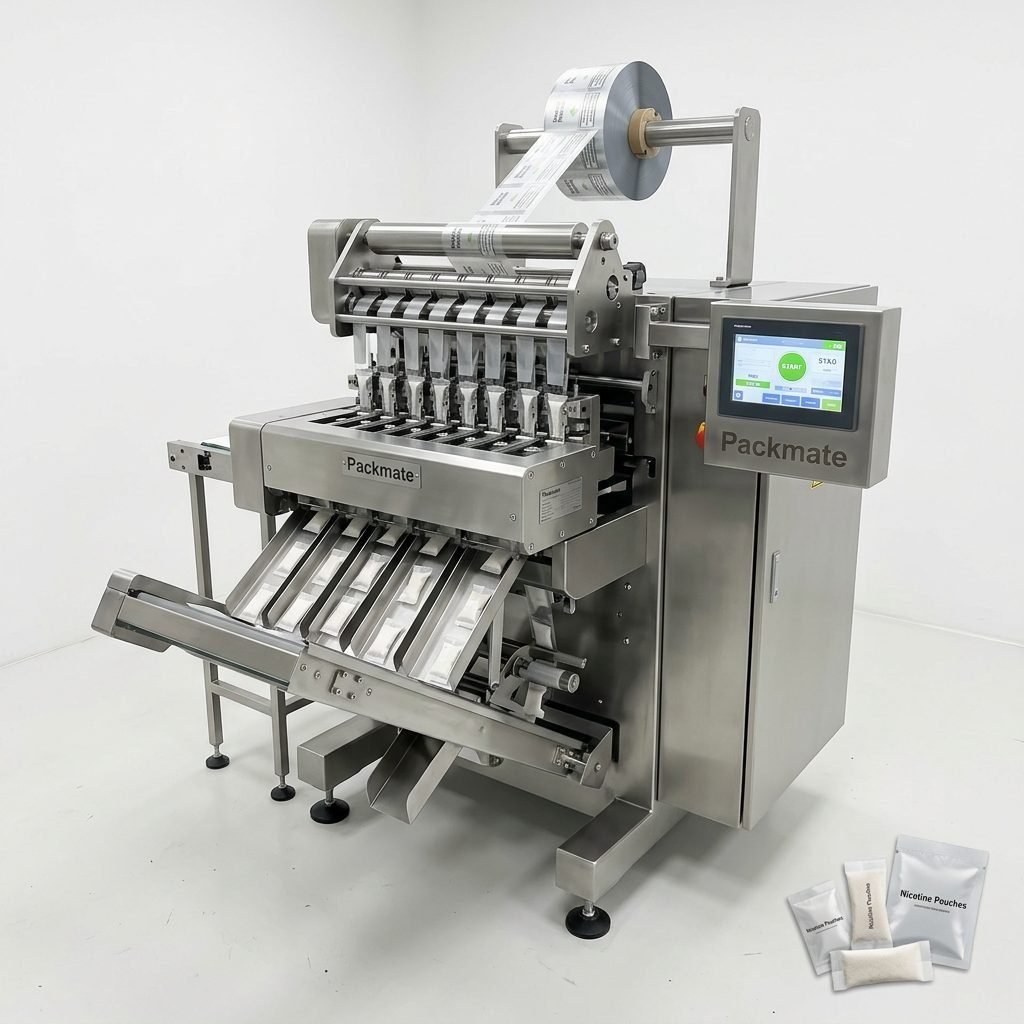
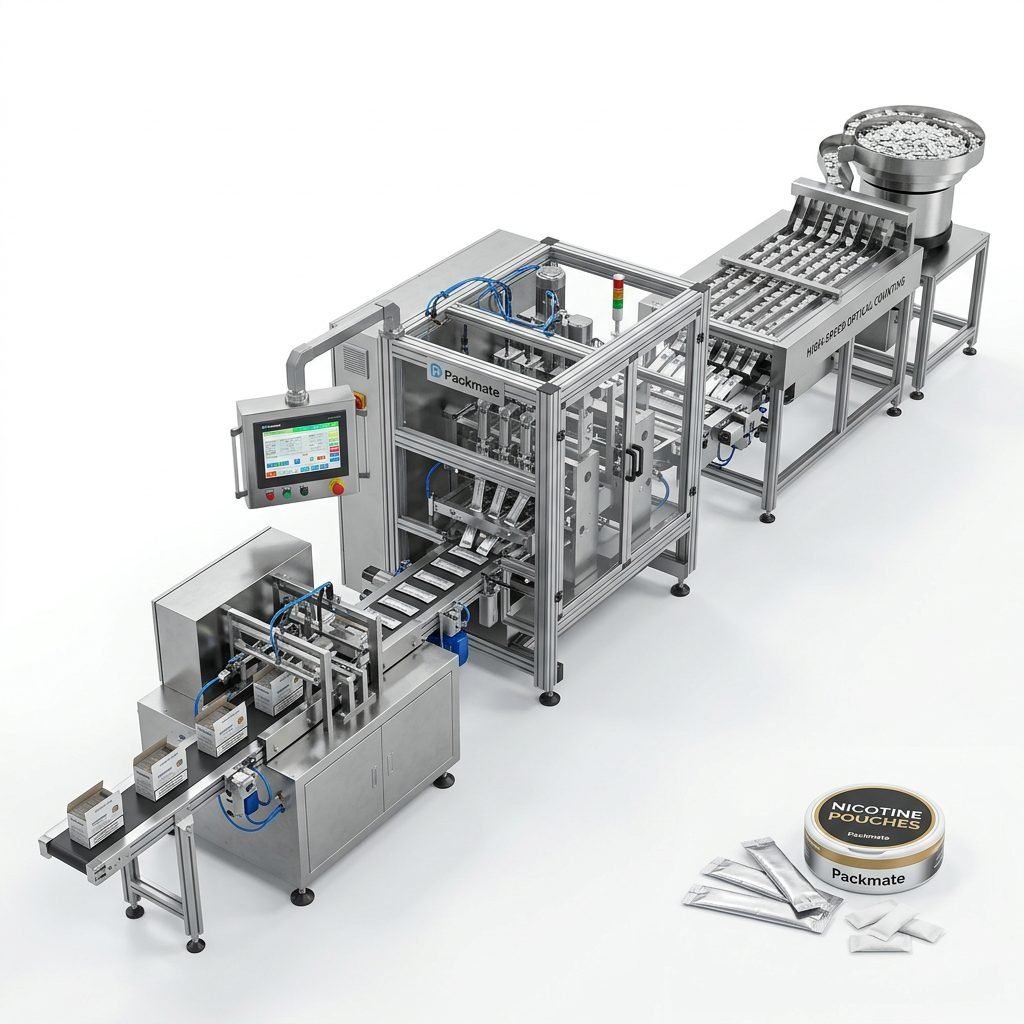
Choosing the right nicotine packaging machinery supplier for your factory in El Salvador is more than a procurement decision — it’s a strategic investment that affects production stability, regulatory compliance, and long-term cost. This guide walks you through practical selection criteria, local considerations in El Salvador (including business culture and logistics), and actionable steps to evaluate suppliers so you can secure a reliable partner for snus and nicotine pouch production lines.
Understand the El Salvador Context 🇸🇻
El Salvador’s manufacturing and distribution environment has specific traits you should factor into supplier selection:
Local market nuances: El Salvador values long-term relationships and clear communication. Spanish-language documentation and responsive local support (or a reliable regional partner) will speed approvals and installation.
Logistics & customs: Plan for port handling and local customs processes at Acajutla and La Unión. Import permits for specialized machinery, wiring standards, and documentation (CE/ISO certificates) should be ready before shipping.
Key Factors to Evaluate in a Nicotine Packaging Machinery Supplier 🔍
When comparing suppliers, assess these primary areas — each impacts reliability and ROI.
1. Machine Performance & Build Quality ⚙️
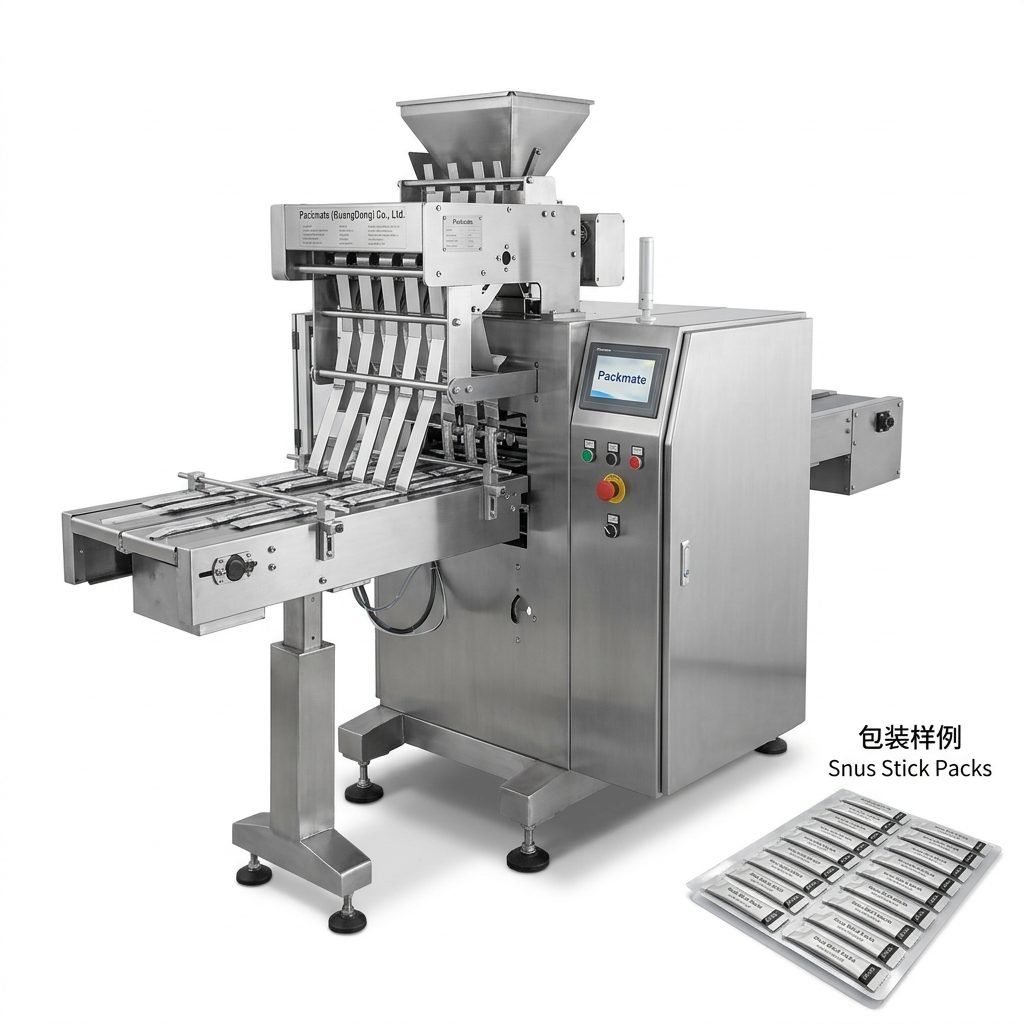
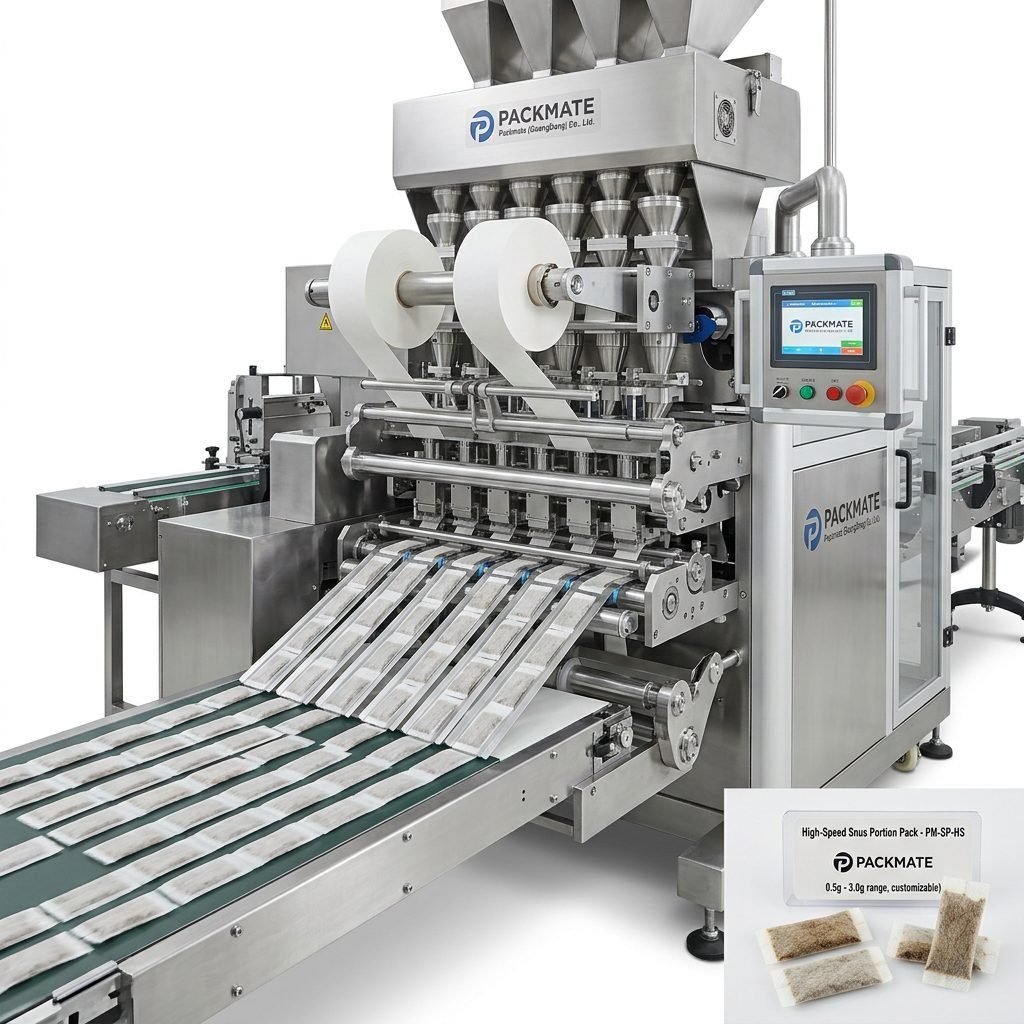
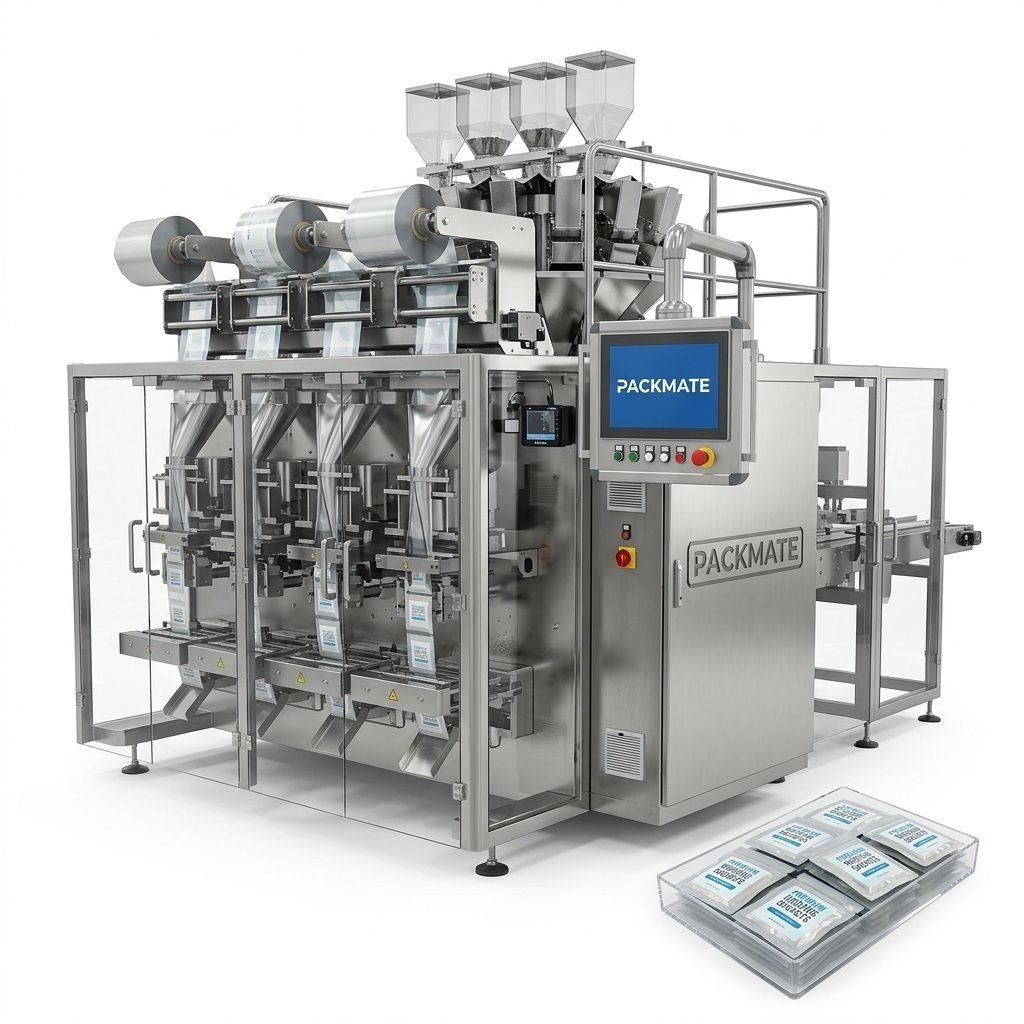
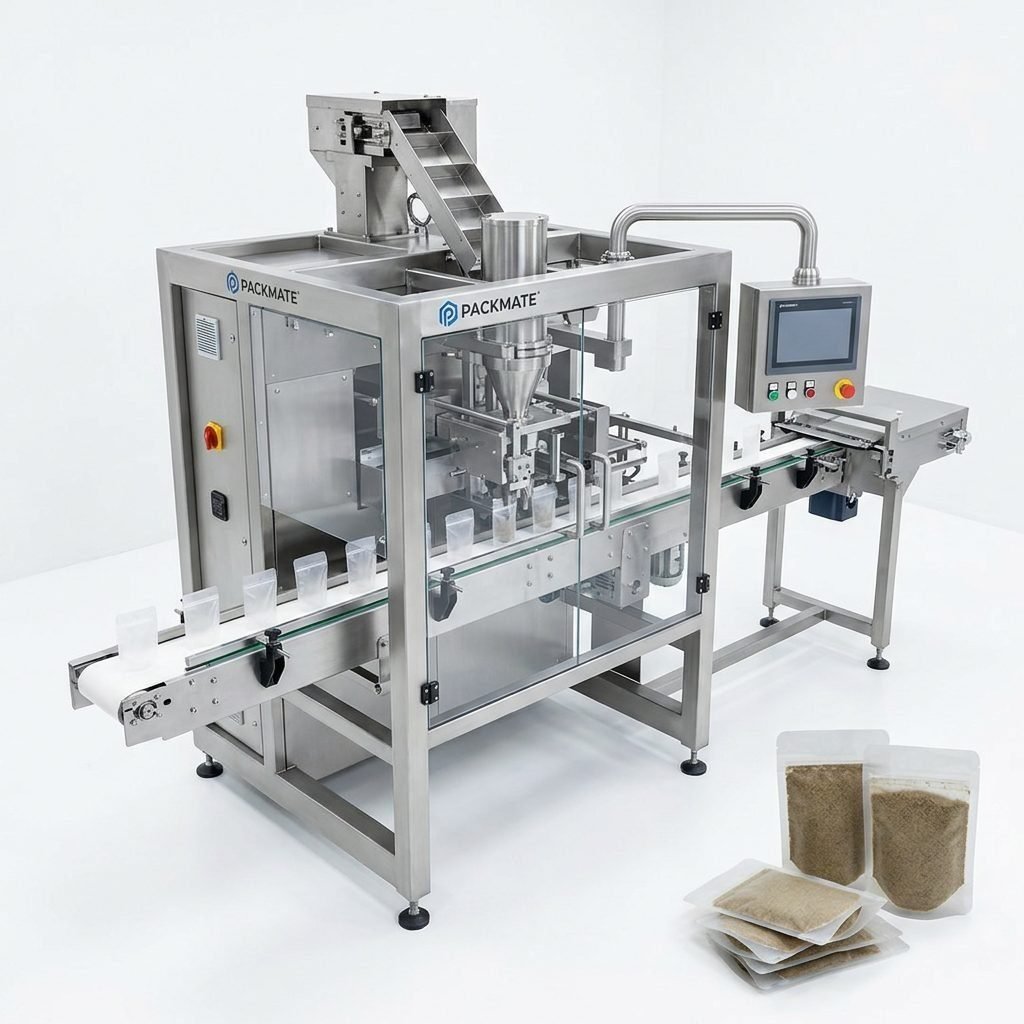
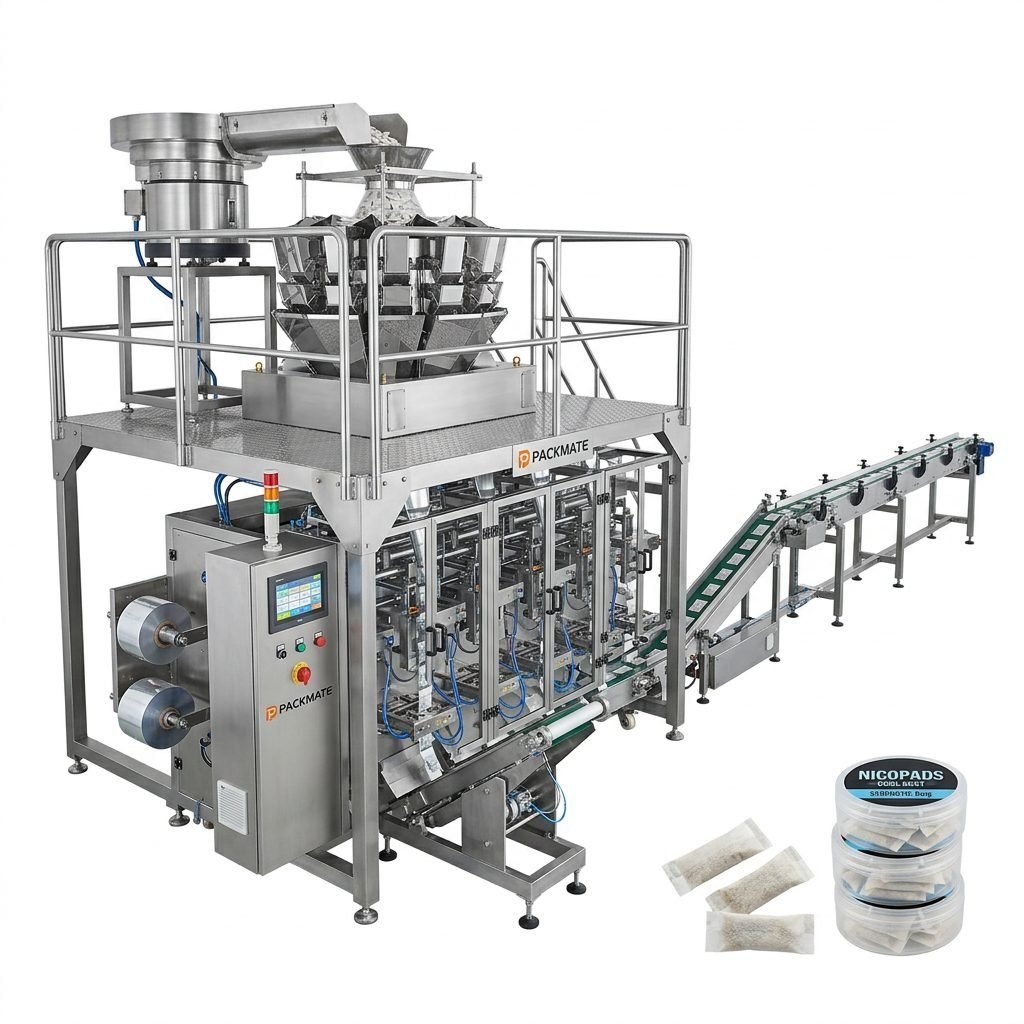
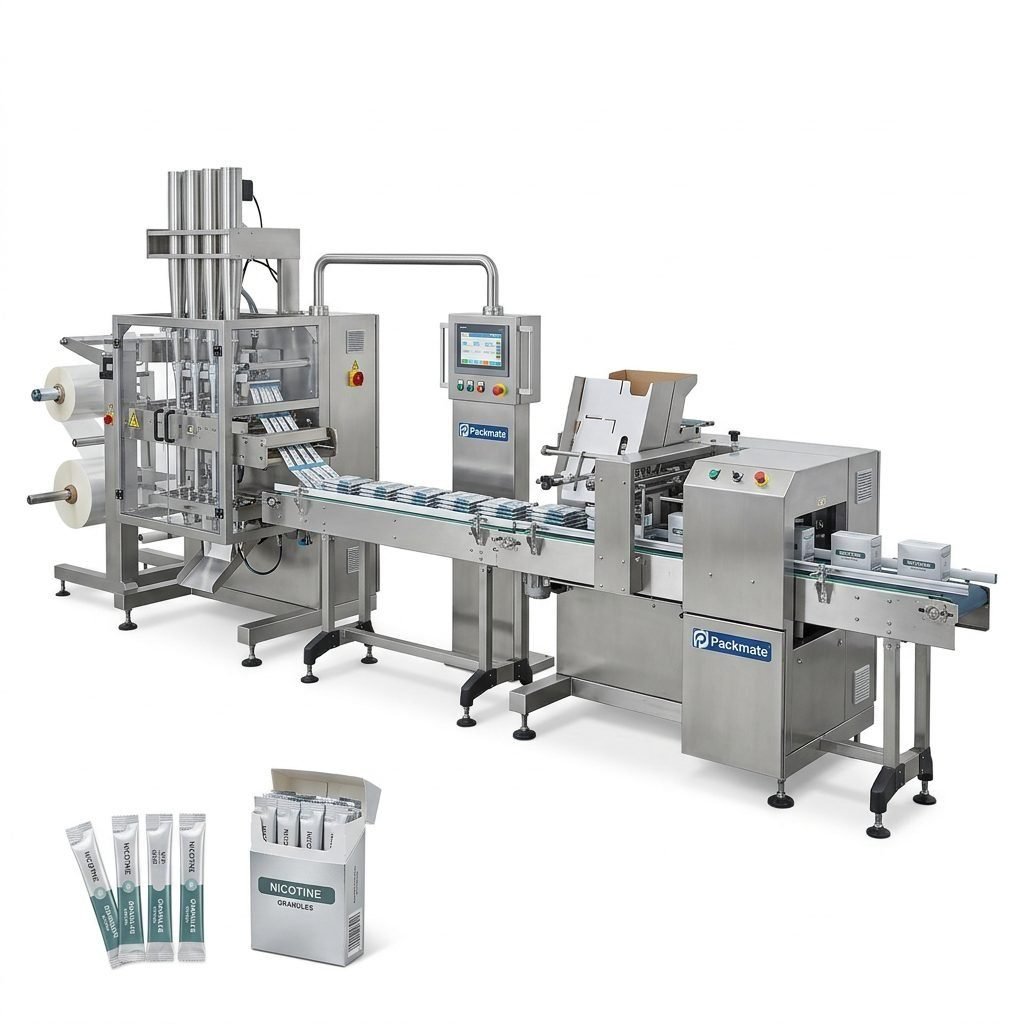
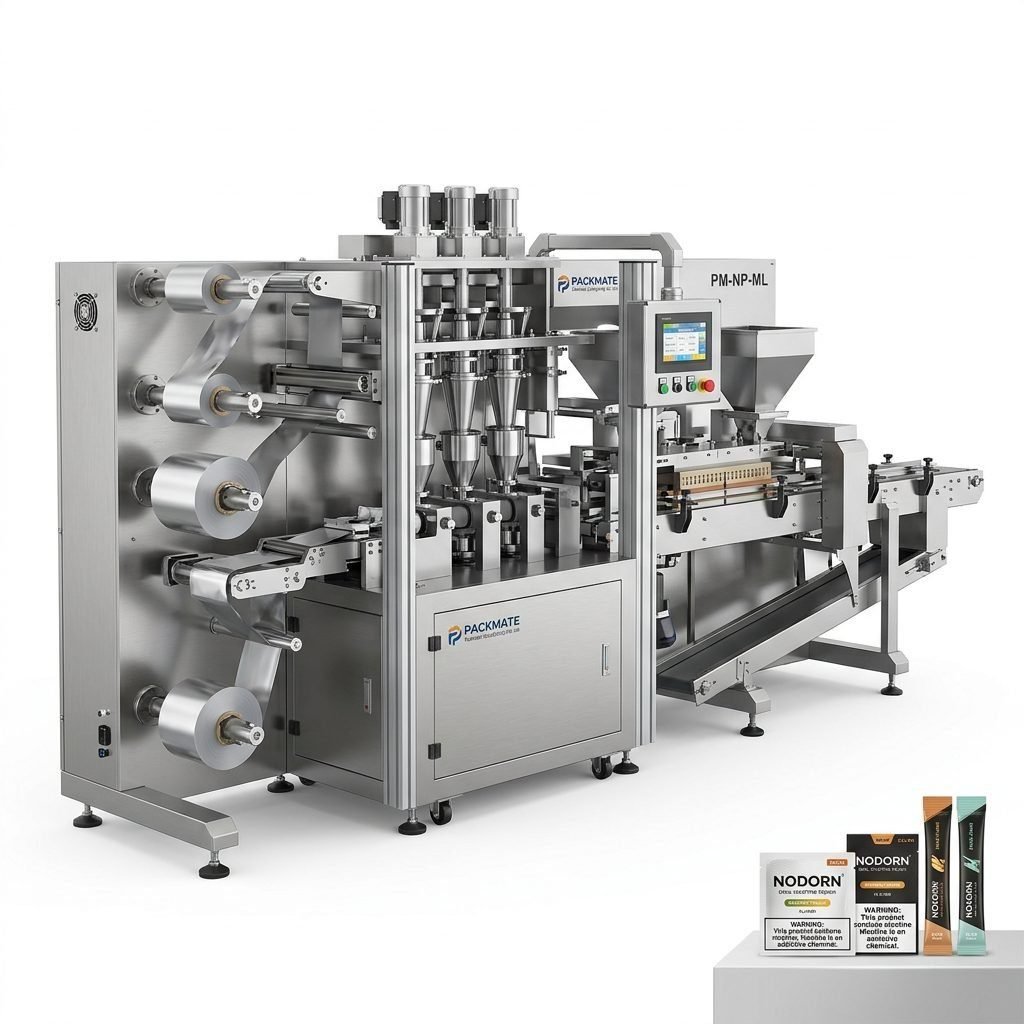
Look for a supplier with proven machines designed for nicotine pouches and snus, including stick pack, sachet, and multi-lane systems. High-precision parts, robust frames, and reliable PLC/control systems reduce downtime and maintenance.
2. Compliance, Certification & Safety ✅
Ensure machines meet international standards such as CE and ISO. For nicotine products, traceability and hygienic design (easy to clean, minimal product contact surfaces) are critical for consistent product quality and regulatory acceptance.
3. Customization & Capacity Flexibility 🔧
Your supplier should offer flexible designs (multi-lane options, dosing systems, and packaging formats). This flexibility lets you scale production as demand grows and switch SKUs with minimal downtime.
4. After-sales Support, Spare Parts & Training 🛠️
Local language training, accessible spare parts, and responsive technical support are essential. Ask about remote diagnostics, training programs for Salvadoran technicians, and average lead times for spare part shipments to Central America.
⚠️ Critical: Confirm availability of local or regional service partners and whether the supplier provides Spanish-language manuals and training.
Practical Steps to Vet Potential Suppliers 🧾
Follow a structured evaluation process to narrow down reliable partners.
Step 1 — Technical Document Review
Request machine specifications, PLC diagrams, electrical drawings, and compliance certificates. Verify CE/ISO documentation and ask for references in the nicotine or food sector.
Step 2 — Performance Trials & References
Ask for on-site or video demonstrations with your product sample. Speak with existing customers — ideally in Latin America — to validate uptime and service responsiveness.
Step 3 — Factory Acceptance Test (FAT)
A FAT helps you validate machine performance, packaging format, and automation functions before shipment. It’s standard practice to protect both parties and ensure expectations are met.
Logistics, Import & Local Integration in El Salvador 🚢
Shipping heavy machinery to El Salvador requires planning. Consider these local points:
🔹 Port & Handling: Choose suppliers familiar with shipping to Acajutla or La Unión. Crating, skids, and shock indicators are recommended for long-distance transit.
🔹 Electrical & Training: Verify voltage and local wiring standards. Arrange pre-shipment translations of manuals to Spanish.
🔹 Local Partnerships: A local service agent in Central America minimizes downtime and accelerates customs clearance.
Why Packmate Snus Machine Is a Good Fit for Salvadoran Factories
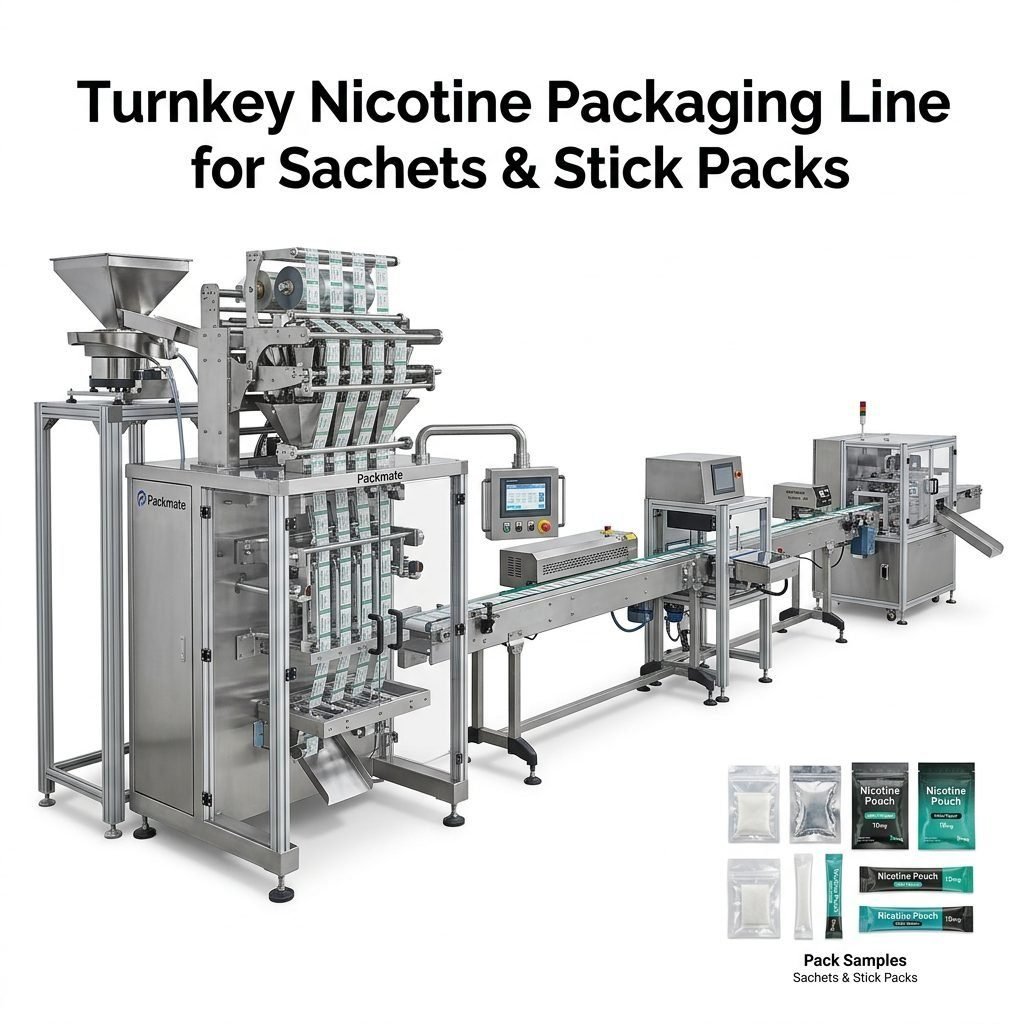
Packmate Snus Machine has decades of engineering experience and specializes in snus and nicotine pouch equipment. They offer a range of multi-lane systems and complete turnkey lines that match the needs of growing nicotine product manufacturers.
Packmate strengths:
- 30+ years of industry experience and a 20,000㎡ manufacturing facility
- 50+ machine models, including snus & nicotine packaging machines and sachet/stick pack systems (Snus & Nicotine Packaging Machines, Sachet & Stick Pack Machines)
- CE and ISO certified equipment with global turnkey solutions (About Packmate)
Checklist: Questions to Ask Your Supplier Before Signing
Use this checklist in supplier meetings and RFQs to ensure you cover technical, commercial, and operational aspects.
- Can you provide a detailed equipment specification and spare parts list in Spanish?
- Do you support FAT and SAT (Factory & Site Acceptance Tests)?
- What is the standard lead time for delivery to El Salvador, including crating and documentation?
- What warranties are offered and what is your spare parts lead time to Central America?
- Can you provide local references or case studies for nicotine pouch machines? (Case)
Negotiating Contracts & Payment Terms 💼
Payment terms and contract details should protect both parties. Consider staged payments tied to milestones: deposit, completion of FAT, shipment, and successful SAT/installation. Include penalties for missed delivery dates and clear acceptance criteria.
Installation, Commissioning & Local Training 📘
Proper installation and operator training determine how quickly you reach productive output. Ensure the supplier provides:
- On-site commissioning with performance verification
- Spanish-language operator & maintenance manuals
- Hands-on training for operators and maintenance staff
- Remote support options for diagnostics
Final Decision: Pilot Runs & Scaling Strategy 📈
Start with a pilot production run to validate packaging formats, dosing accuracy, and line efficiency. Use pilot data to plan spare parts inventory and a scaling timeline. For multi-SKU factories, prioritize equipment that minimizes changeover time.
🔗 Helpful Resources: Explore Packmate’s product lines and services as you evaluate suppliers: Bag & Pouch Packaging Machines, Weighing & Packaging Systems, and Contact Us for direct inquiries.
Conclusion
Selecting the right nicotine packaging machinery supplier in El Salvador requires a balance of technical validation, local logistics planning, and long-term service commitment. Prioritize suppliers with proven snus and nicotine pouch experience, clear compliance documentation, and robust after-sales support. By following structured checks — FATs, references, clear contracts, and local-language training — you protect uptime and accelerate market entry.
Frequently Asked Questions
Q1: What certifications should I request from a supplier?
Ask for CE and ISO certificates, machine safety documents, and hygienic design records. For nicotine products, confirm the supplier’s experience with similar product lines and request references.
Q2: How long does shipping and installation typically take to El Salvador?
Depending on the supplier location, production lead time, and shipment method, expect 8–16 weeks for manufacturing plus sea transit time. Plan additional weeks for customs clearance and on-site commissioning.
Q3: Should I insist on a Factory Acceptance Test (FAT)?
Yes. A FAT ensures the machine meets agreed performance metrics before shipment. It minimizes surprises during installation and is a standard best practice.
Q4: What local support matters most after purchase?
Rapid spare parts delivery to Central America, Spanish-language manuals/training, and access to remote diagnostics or a local service agent are the most valuable supports to reduce downtime.
Q5: Who can I contact to evaluate turnkey solutions?
Reach out to established suppliers with turnkey experience in nicotine pouch lines. For product details and turnkey consulting, see Packmate’s product pages and contact channels: Filling & Packaging Lines and Service.